When to Plant and Harvest Cannabis Outdoors | Royal King Seeds
Royal King Seeds Editorial Team
Cannabis Cultivator & Seed Specialist
Every year, outdoor growers lose significant yield to two timing mistakes: planting too early (exposing seedlings to late frost or triggering early flowering from short spring days) and harvesting too late (losing trichome quality to autumn weather, mold, or the first hard frost). Both mistakes are avoidable. Both reduce a season's worth of work to a fraction of its potential.
The outdoor cannabis calendar is not a universal schedule, it is a function of your specific climate zone, your last and first frost dates, the photoperiod response of your genetics, and the window your weather provides between those constraints. This guide gives you the framework to calculate your specific planting and harvest windows rather than following a generic schedule that may fit your region poorly.
Outdoor Timing, The Critical Numbers
June 21
summer solstice, flip trigger
13 hrs
light threshold for veg
28°F
hard frost kills flower
Northern Hemisphere, adjust for specific latitude and genetics
Royal King Seeds Editorial Team, outdoor timing data reflects published photoperiod research on Cannabis sativa and aggregated grower-community records across USDA hardiness zones 6–10.
Jump to Section
Photoperiod Basics: What Controls Outdoor Cannabis
Cannabis is a short-day plant, it transitions from vegetative to flowering growth when the dark period exceeds a critical threshold (typically 12 hours of darkness for most cultivars, though this varies by 30–60 minutes depending on genetics). In the Northern Hemisphere, day length exceeds 13 hours from roughly late April through mid-August, keeping cannabis in vegetative growth. As summer ends and days shorten through August and September, the plant receives the photoperiod signal to begin flowering.
The summer solstice (June 21) is the pivot point. Days are longest on the solstice and begin shortening from that day forward. Cannabis does not immediately respond to the initial day-length decrease, most strains require several weeks of progressively shorter days before the flowering signal becomes strong enough to trigger the transition. In practice, most outdoor cannabis in the US begins showing pre-flowers and transitioning to flower in late July or early August at northern latitudes, and as late as mid-August at southern latitudes where the light schedule shifts more slowly.
Understanding this photoperiod mechanism explains why planting dates and harvest dates are latitude-dependent. A grower in Seattle (47°N latitude) and a grower in Austin (30°N latitude) planting the same seeds on the same calendar date will experience dramatically different flowering triggers, the Seattle plants will start flowering 3–4 weeks earlier because the day length at 47°N drops below the critical threshold sooner in late summer.
US Climate Zones and Their Cannabis Windows
The USDA Plant Hardiness Zone Map and the Koppen Climate Classification together define the outdoor cannabis growing window in each region. The key variables are last spring frost date, first autumn frost date, summer temperature range, and humidity levels during the harvest window.
US Cannabis Growing Windows by Region
| Region | Last Spring Frost | Plant Outdoors | Harvest Window | Challenge |
| Pacific Northwest (OR/WA) | Late March – Late April | May 1 – May 15 | Sept 20 – Oct 10 | Autumn rain and mold pressure |
| California (Northern) | March – Mid April | April 15 – May 1 | Oct 1 – Nov 1 | Heat spikes in summer; late October rain |
| California (Southern) | Feb – March | March 15 – April 15 | Oct 15 – Nov 15 | Late-season heat; Santa Ana winds |
| Mountain West (CO/UT/ID) | Late April – May 15 | May 15 – June 1 | Sept 1 – Sept 25 | Short season; early frost risk |
| Midwest (MI/IL/OH) | April 15 – May 15 | May 15 – June 1 | Sept 15 – Oct 10 | Humidity; shortened season at north end |
| Southeast (GA/FL/SC) | Feb – March | March 15 – April 15 | Oct 1 – Nov 1 | High humidity; hurricane season; pest pressure |
| Northeast (NY/MA/PA) | April 15 – May 15 | May 15 – June 1 | Sept 15 – Oct 5 | Short season; autumn rain and mold |
Dates are approximate regional averages. Check your specific county's frost date data via NOAA or the Farmers' Almanac for your exact location.
The Planting Window: Calculating Your Ideal Start Date
The outdoor planting window is determined by three constraints working simultaneously: the last spring frost date (the earliest safe date to transplant without frost damage), the spring photoperiod (planting before May 1 at northern latitudes risks triggering early flowering from short spring days), and the season length needed for your strain to complete its flower cycle before autumn frosts.
The pre-flower trigger risk: This is the most counterintuitive problem in outdoor cannabis timing. Planting in March or early April at northern latitudes (above 40°N) means placing seedlings into outdoor conditions where day length may still be around 12–13 hours, close enough to the flowering threshold that some genetics will begin flowering prematurely. These "springtime flowerers" will produce small buds, then reveg as days lengthen, then flower again in autumn, wasting the most productive months of the grow in an extended transition. The solution: start seeds indoors in late March/early April and transplant only after the summer solstice window is clearly established, typically mid-May or later at northern latitudes.
Indoor start advantage: Starting seeds indoors 4–6 weeks before outdoor transplant date gives plants a head start while avoiding the early-season outdoor risk. A plant with 4–6 weeks of indoor veg before transplanting in late May will be significantly larger and more productive at harvest than a seed direct-sown in late May, the extra veg time in controlled conditions is a season-length multiplier.
The Harvest Window: Working Backward from Frost
Outdoor harvest timing is calculated by working backward from two dates: the first frost date and the expected finish time of your specific strain. If your area sees first frost by October 15 and your strain requires 9 weeks of flower, count back 9 weeks from October 15 to find that your strain needs to begin flowering by August 13. If photoperiod conditions in your area typically trigger flowering around August 1–7, your strain can complete flower in time, but with minimal margin.
This backward-calculation approach reveals two important things: first, that long-flowering sativa genetics (12–14 week flower cycles) are largely incompatible with most northern US climates without greenhouse supplementation. Second, that the harvest window pressure in northern climates makes strain selection even more critical outdoors than indoors.
Recommended approach: In our Pacific Northwest outdoor grows, strains with 8-week flower cycles consistently beat their harvest window by 2–3 weeks, allowing full trichome maturation with a comfortable frost buffer. Strains with 10-week flower cycles routinely ran into our first cool rainy period before peak trichome maturity, increasing mold pressure in the final weeks and often forcing harvest before the optimal cloudy/amber trichome window.
Strain Selection for Outdoor Success
Outdoor strain selection is more consequential than indoor strain selection because you cannot extend the season with a lighting change. The strain must finish within your available frost-free window, and it must tolerate your specific climate conditions during the flower period (humidity, rain pressure, temperature swings).
For northern climates with short seasons and cool autumns, early-finishing indica-dominant and hybrid strains (7–9 week flower cycles) are the practical choice. For high-humidity climates (Southeast, Pacific Northwest), mold-resistant genetics with loose, airy bud structure are strongly preferred over dense, compact buds that trap moisture and develop botrytis in autumn rain. For hot, dry climates (Southwest, Southern California), heat-tolerant genetics with longer veg tolerance perform best.
Explore our outdoor cannabis seeds selection for genetics specifically tested for outdoor performance. For growers in challenging climates looking for reliable season completion, our autoflowering cannabis seeds offer a harvest-window-independent option that finishes in a fixed number of weeks regardless of photoperiod.
Autoflowering Cannabis Outdoors: The Season-Independent Option
Autoflowering cannabis plants do not respond to photoperiod, they flower based on age, completing from seed to harvest in 70–90 days regardless of light schedule. This makes autoflowers uniquely valuable for outdoor growers in three specific scenarios:
Short-season climates: Mountain West and Northeast growers can run two autoflower cycles per season in the same space, one starting in late April/early May and one starting in late June/early July, while photoperiod plants are still in early veg. Both harvests complete before the first frost.
Early spring harvest: Autoflowers planted as soon as the last frost passes (May in most northern climates) and grown through June and July produce harvests in August, well before any frost risk and in warm, dry conditions ideal for trichome development.
Climate-stressed environments: Autoflowers' compressed lifecycle means less total exposure to unfavorable weather windows. In climates with unpredictable autumn weather, a 75-day autoflower that harvests in mid-September carries significantly less mold and frost risk than a photoperiod strain harvesting in October.
Managing Weather Risks During the Outdoor Harvest Window
The most common outdoor weather risks during the harvest window are mold (botrytis and powdery mildew during cool, humid autumn conditions), frost damage (temperatures below 28°F kill flowering cannabis), heat spikes (above 90°F in late flower accelerates trichome degradation), and wind damage (physical agitation of trichomes in strong winds reduces resin quality).
The practical response to autumn mold pressure: inspect plants every 2–3 days during the final 3 weeks before harvest, check dense bud interior sites for any botrytis signs, and do not hesitate to harvest 3–5 days early if mold pressure is developing. A harvest at 85% trichome maturity with no mold is significantly better than a harvest at 95% maturity with 10% of the crop lost to botrytis. Trichome quality recovers partially through curing; mold damage is irreversible.
For frost risk, monitor 7-day forecasts from late August onward. Light frost (28–32°F) will damage exposed leaves but may not penetrate into dense flower sites, cover plants with frost cloth on cold nights and assess in the morning. Hard frost (below 28°F) kills the flowers directly, harvest immediately if a hard frost is forecast, even if trichomes are not at peak. Frozen and then thawed cannabis degrades rapidly.
Myth vs Reality: Outdoor Cannabis Timing
Myth
"Plant as early as possible for maximum yield."
Reality
Planting before May 1 at northern latitudes risks pre-flower triggering from short spring days, wasting the growing season. Starting indoors and transplanting in late May often produces better results than direct early planting.
Myth
"Any cannabis strain works in any outdoor climate."
Reality
Long-flowering sativa genetics (12+ week flower) cannot complete outdoors in most northern US climates without greenhouse supplemental lighting. Matching flower time to your available frost-free window is the single most important outdoor strain selection criterion.
Outdoor Cannabis Calendar, Quick Reference
Outdoor Timing Protocol, Planning Checklist
- Find your USDA Hardiness Zone and last/first frost dates (NOAA Frost Date Calculator)
- Calculate your growing window: days between last frost (spring) and first frost (autumn)
- Select strains with flower time at least 3 weeks shorter than your frost-free window
- For northern climates (>42°N), choose strains with 7–9 week flower cycles
- Start seeds indoors 4–6 weeks before transplant date
- Transplant outdoors after last frost AND after May 15 to avoid premature flowering
- Begin daily trichome checks when 75% of strain's estimated flower time has elapsed
- Monitor 7-day forecasts from September 1 onward for frost risk
- Have frost cloth ready for nights below 35°F; harvest before any hard frost forecast
- Never sacrifice trichome quality to mold, harvest early rather than lose to botrytis
Frequently Asked Questions
When should I plant cannabis outdoors?
When should I harvest outdoor cannabis?
How do I know when outdoor cannabis is ready to harvest?
What is the best cannabis strain for short outdoor seasons?
Can I grow sativa strains outdoors in northern climates?
What happens if there is a frost before my cannabis is ready to harvest?
Can I grow cannabis outdoors year-round in warm climates?
Shop Strains Featured in This Guide
Hand-picked seeds from our catalog that match this article's topic. Free US shipping over $150 with 95% germination guarantee.
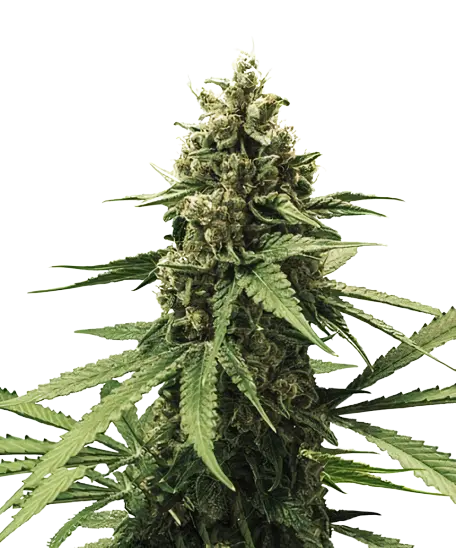
indica
White Rhino Feminized
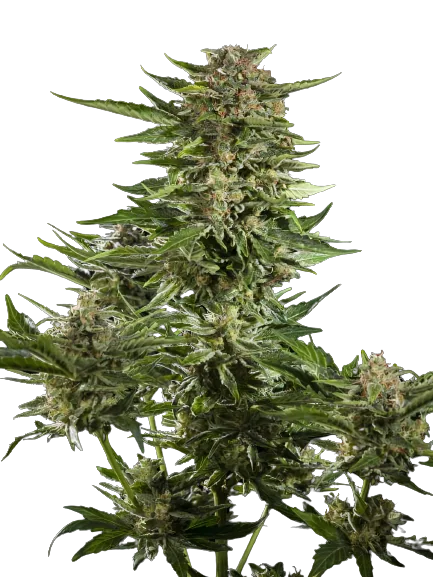
hybrid
Guido Kush Feminized
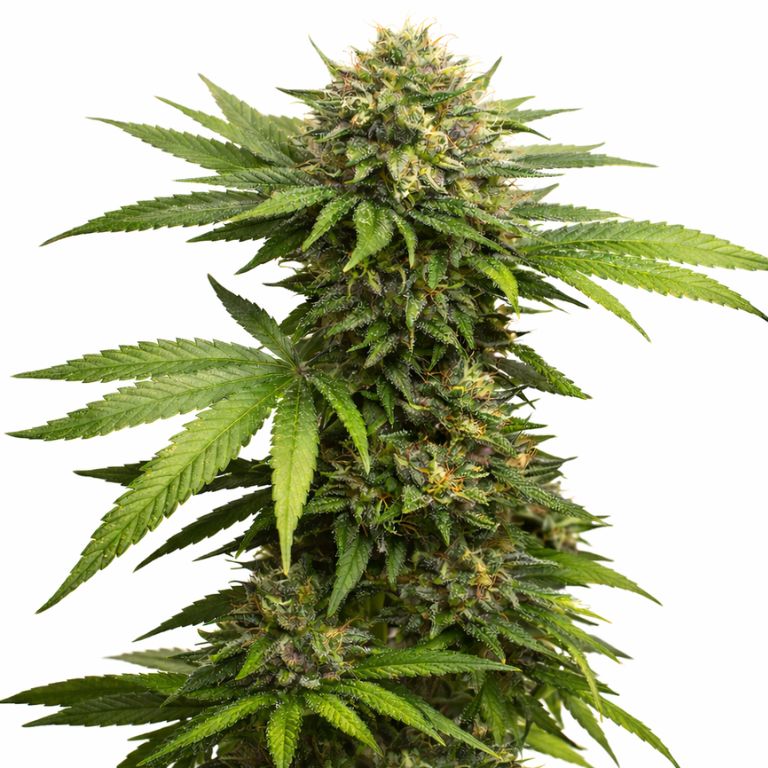
hybrid
303 OG Feminized
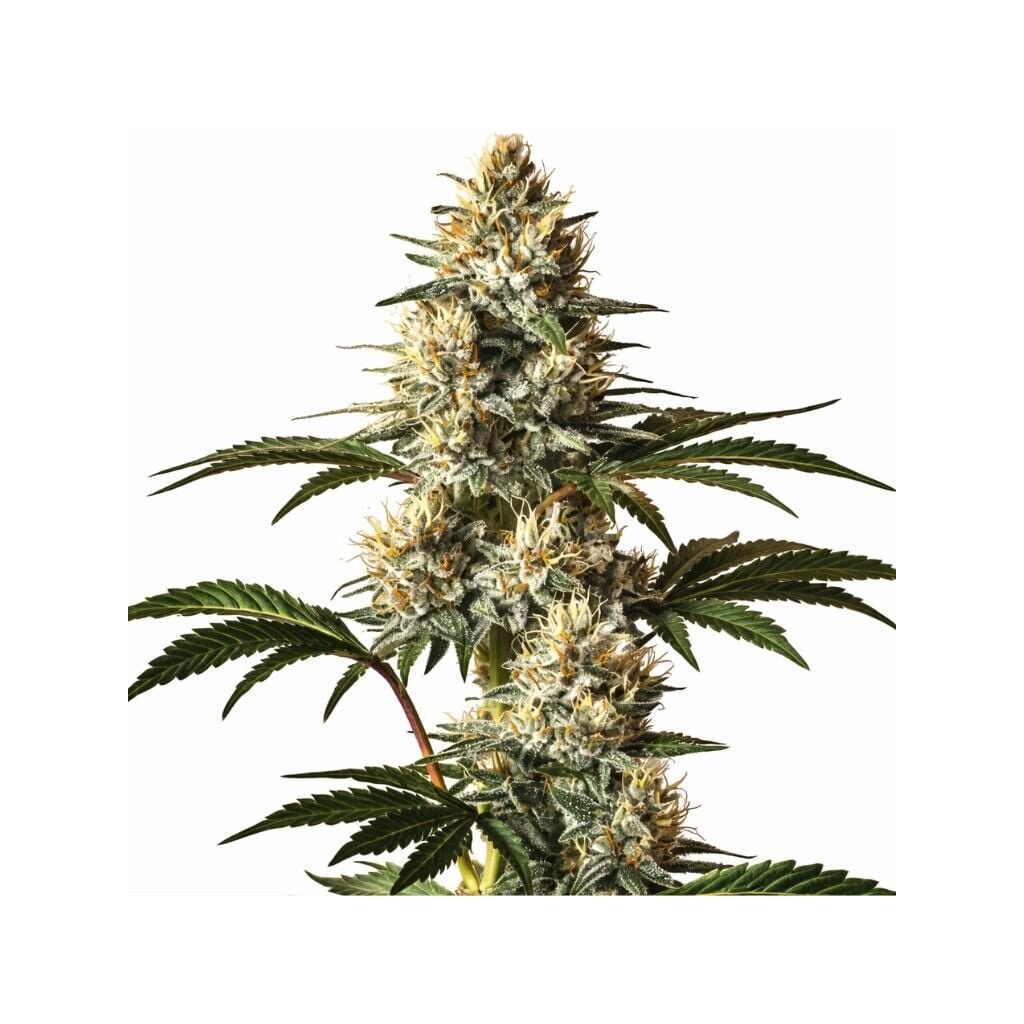
indica
God’s Treat Feminized
Related Buying Guides
Browse the full Outdoor Strains collection
Premium genetics, US-wide discreet shipping, germination guaranteed.
Related Articles
When to Start Cannabis Seeds and When to Harvest | Royal King Seeds
growing-outdoorWhen to Plant & Harvest Outdoor Cannabis (US 2026 Dates) | Royal King Seeds
support-growWhy Cannabis Plants Turn Purple During Harvest | Royal King Seeds
support-growPost-Harvest Handling of Medical Cannabis | Royal King Seeds
pillar-lightBest Type of Grow Lights for Cannabis Plants.
support-nutrientWhat are the Main Nutrients Needed to Grow Healthy
Ready to Start Growing?
Shop 1,600+ feminized, autoflower, and CBD strains with 95% germination, discreet US-wide shipping, and free delivery on orders over $150.
Shop Cannabis Seeds