Do Si Dos Strain Review: Effects & Grow Guide | Royal King Seeds
Royal King Seeds Editorial Team
Most growers chasing top-shelf bag appeal pick strains on THC percentage alone — and that's exactly where they go wrong with Do Si Dos. The common failure mode is expecting a simple couch-lock indica and then being blindsided by the speed and intensity of the onset, the complex terpene stack, or the narrow harvest window that punishes late pulls. The criterion that separates a great Do Si Dos run from a mediocre one is understanding its lineage: this is OG Kush Breath crossed with Face Off OG, a combination that pushes real-world THC into the 28-30% range and demands precise environmental control. This guide ranks Do Si Dos across every axis — effects, lineage, indoor vs outdoor performance, risk profile, and regional grow windows — so you can decide whether it belongs in your next cycle.
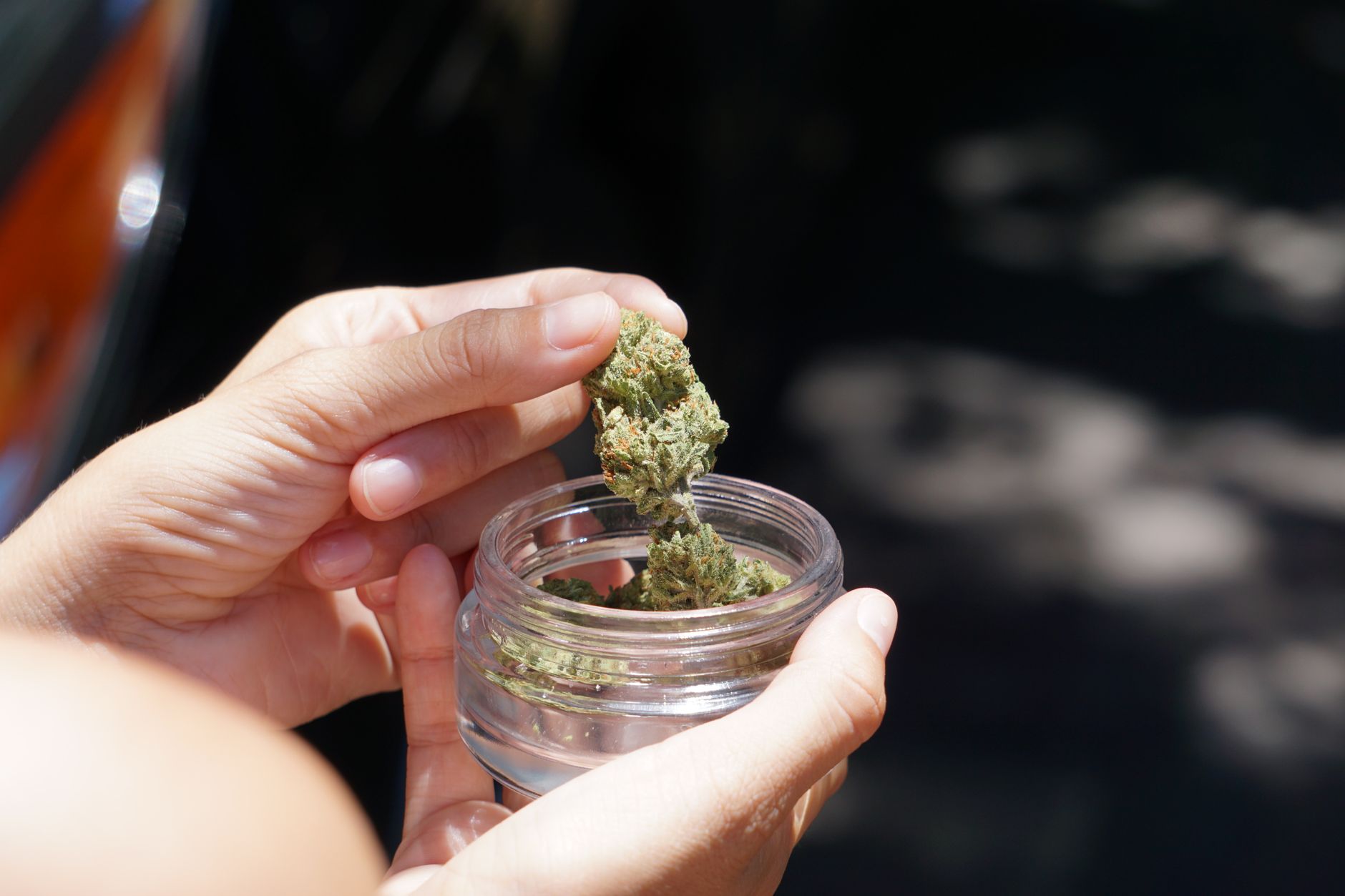
Do Si Dos is a 70% indica / 30% sativa hybrid bred by Archive Seed Bank, crossing OG Kush Breath (OGKB) with Face Off OG. It consistently tests between 28% and 30% THC in certified lab data, produces 450-550 g/m² indoors under optimal LED conditions, and finishes in 63-70 days of flowering. Effects are fast-onset, deeply sedating, and marked by a sweet, floral, lime-tinged terpene profile dominated by Limonene, Caryophyllene, and Linalool.
- ✓ Experienced indoor growers wanting 28%+ THC cultivars
- ✓ Outdoor growers in USDA Zones 6-9 with full-sun plots
- ✓ Medical consumers targeting heavy sedation or sleep
- ✓ Breeders looking to cross high-potency OG genetics
- ✓ Home cultivators who can hold 65-80°F canopy temps
- ✗ Zone 4-5 outdoor growers with short seasons
- ✗ Daytime-use consumers needing full cognitive function
- ✗ First-time growers without climate control
- ✗ Anyone seeking high-CBD or balanced THC:CBD ratios
Do Si Dos sits in the top 5% of indica-dominant cultivars by certified THC output — Archive Seed Bank, public lab data.
What Is the Lineage of Do Si Dos?
Do Si Dos was developed by Archive Seed Bank in Portland, Oregon — one of the most respected private breeders in the US market. The cross is OG Kush Breath (OGKB) × Face Off OG, two of the heaviest hitters in the OG family tree.
OGKB (OG Kush Breath) is a phenotype of Girl Scout Cookies, itself a cross of OG Kush and Durban Poison. OGKB carries the dense resin production, earthy-cookie dough aroma, and euphoric-then-sedating effect arc that has made the GSC family globally dominant.
Face Off OG is a pure OG Kush descendant known for brutal physical sedation and extremely high THC expression. When bred with OGKB, Face Off OG pulls the indica profile even heavier while amplifying the trichome density. The result — Do Si Dos — consistently wins classification as a top-5% potency cultivar in independent lab testing across the US.
Archive has released multiple numbered phenotypes (Do Si Dos #1 through #22 and beyond), with Phenotype #22 becoming the most widely circulated cut due to its extreme resin production and consistency in indoor environments.
Do Si Dos has one of the deepest OG pedigrees in contemporary US breeding. If you want the full expression of West Coast OG genetics — heavy resin, fast narcotic onset, dense buds — this lineage delivers it more reliably than most modern hybrids. Choose it for potency. Respect the parent lines and adjust your expectations accordingly.
What Does Do Si Dos Feel Like? (Full Effect Profile)
Do Si Dos produces a two-phase effect arc that distinguishes it from simpler indica-heavy cultivars. Understanding both phases matters — especially for consumers using it medicinally or for growers who want to pitch its effect accurately.
Phase 1: Cerebral Onset (Minutes 0-20)
Onset is fast — typically within 5 minutes of inhalation. The first wave is a sharp, euphoric head rush that lands behind the eyes and at the temples. Many users describe a momentary clarity and mood elevation that reads almost sativa-like.
This phase is driven by the Limonene and Linalool content. Limonene is associated in published research with anxiolytic and mood-elevating effects; Linalool adds a sedating floral note that begins pulling the experience downward even during this first stage.
Phase 2: Body Sedation (Minutes 20-180+)
The body load arrives decisively by the 20-minute mark. Muscle relaxation is profound — limbs feel heavy, motivation to move drops sharply, and most users experience couch-lock within 30-45 minutes at moderate doses.
At doses above 0.2g, Do Si Dos reliably produces sleep. This makes it one of the more effective cultivars for insomnia relief among the high-THC non-CBD strains on the market. Per NIH NCCIH's published review on cannabinoids, THC at high concentrations interacts with CB1 receptors in a manner consistent with sedation, motor relaxation, and altered time perception — all hallmarks of the Do Si Dos experience.
Reported Medical Applications
- Insomnia and sleep maintenance disorders
- Chronic pain and muscle tension
- Appetite stimulation
- Anxiety (in small doses — higher doses can amplify anxiety in sensitive users)
- Stress and PTSD symptom management
Note: Do Si Dos is not a daytime strain. Its THC ceiling and sedation profile make it unsuitable for any task requiring focused cognition, driving, or operating machinery. This is consistent with NIDA's documented findings on high-THC cannabis and impaired executive function.
Do Si Dos delivers one of the most complete indica experiences available in modern US genetics. The two-phase arc — brief cerebral clarity into prolonged body sedation — makes it exceptional for evening and nighttime use. If maximum relaxation and sleep support are the goal, this strain competes at the top of the field. It is not the right choice for casual daytime sessions.
What Terpenes Does Do Si Dos Contain?
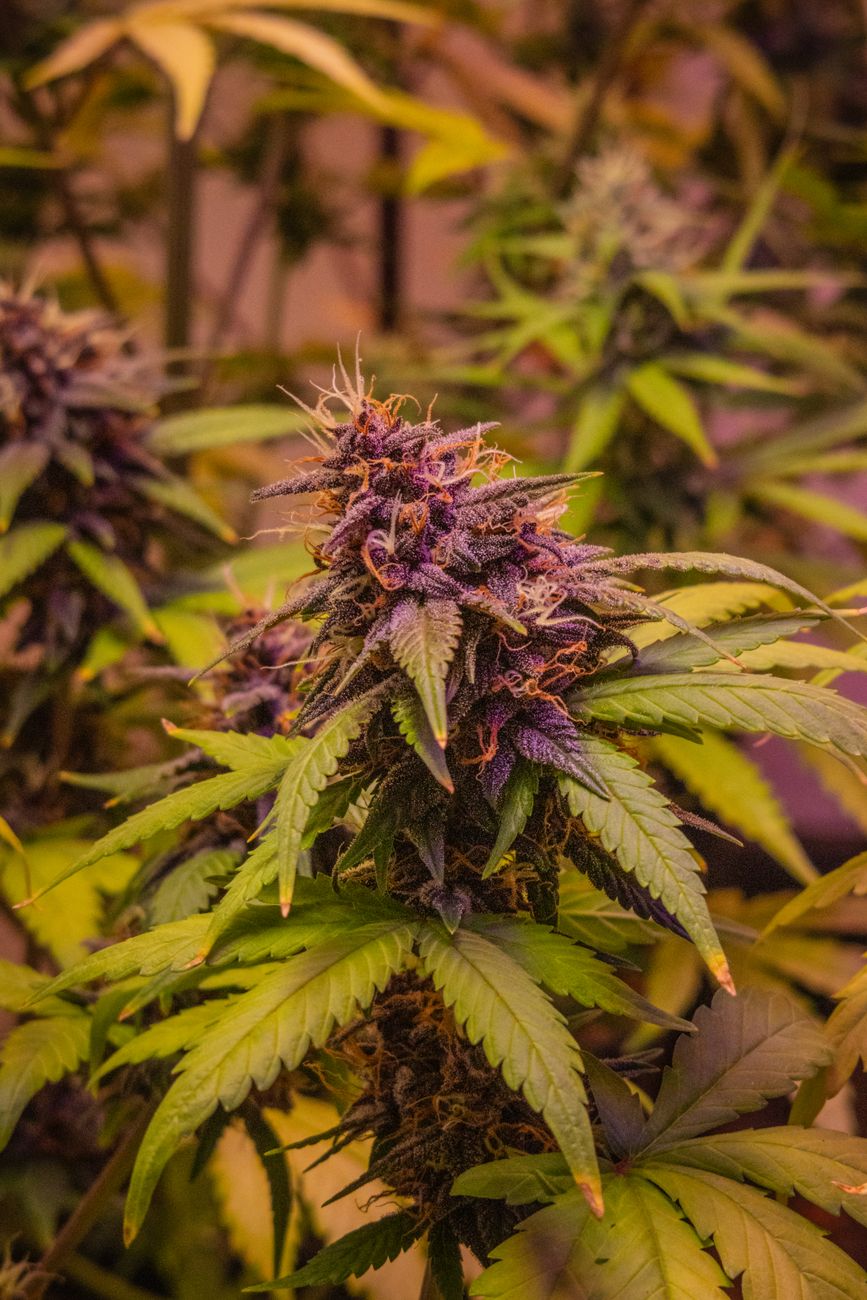
Do Si Dos has a distinctive terpene signature that makes it immediately recognizable in blind smell tests. The dominant profile is sweet-floral with citrus and pine undertones — a departure from the diesel-forward OGs in its parent line.
Primary Terpenes
| Terpene | Flavor Note | Associated Effect | Typical % in Do Si Dos |
|---|---|---|---|
| Limonene | Citrus, lime, sweet | Mood elevation, anxiety reduction | 0.6–1.2% |
| Caryophyllene | Pepper, spice, earth | Anti-inflammatory, CB2 activity | 0.4–0.9% |
| Linalool | Floral, lavender | Sedation, relaxation | 0.3–0.7% |
| Myrcene | Earthy, herbal, mango | Muscle relaxation, onset amplifier | 0.2–0.5% |
The combination of Limonene (citrus-forward, mood-lifting) and Linalool (floral, sedating) creates Do Si Dos' signature paradox: an inviting, almost pleasant aroma that belies the heavy sedation waiting in Phase 2 of the effect arc.
Caryophyllene's presence is worth noting — it's the only terpene that binds directly to CB2 receptors, contributing to the anti-inflammatory and body-relaxing effects that make Do Si Dos attractive for pain management applications.
The terpene stack is what separates Do Si Dos from simpler OG descendants. The Limonene-Linalool pairing creates a profile that smells approachable but hits hard. For breeders crossing this strain, preserving the Limonene dominance is key — it's the terpene that differentiates Do Si Dos from generic earthy indicas. Optimize your late-flower environmental conditions (65°F nights, controlled humidity) to maximize terpene retention at harvest.
How Does Do Si Dos Perform Indoors?
Indoor cultivation is where Do Si Dos truly dominates. Controlled environments allow growers to express the full genetic potential — pushing THC ceilings to 30%+ and unlocking the terpene complexity that makes this strain worth growing over simpler high-THC alternatives.
Indoor Grow Specs at a Glance
- Flowering time: 63–70 days (9–10 weeks)
- Indoor yield: 450–550 g/m² at 600–800 PPFD
- Optimal canopy temp: 72–78°F lights-on, 65–68°F lights-off
- Optimal humidity: 60–65% veg; 40–50% early flower; 35–40% late flower
- Training: Responds well to LST, SCROG, or light topping — heavy defoliation not recommended
- Plant height: 2.5–3.5 ft typical indoor — manageable for standard grow tents
Lighting Requirements
Do Si Dos performs best under full-spectrum LEDs delivering 600-800 PPFD during vegetative and 800-1,000 PPFD during flower. HPS at 600W per 1.2m² is the traditional recommendation and still produces excellent results, though LED efficiency and heat management advantages have made LED the preferred choice for most US home growers running this strain.
The 18/6 light schedule during veg produces compact, bushy plants. Switching to 12/12 triggers fast stretch — expect 30-50% height increase in the first two weeks of flower. Plan your canopy management accordingly.
Nutrient Requirements
Do Si Dos is a moderate-to-heavy feeder. EC values of 1.8-2.2 mS/cm during peak flower are well-tolerated. It's sensitive to calcium and magnesium deficiency — particularly under LED where transpiration is lower and passive Ca/Mg uptake slows. Supplement with Cal-Mag at 3-5ml/gal throughout flowering.
Flush 10-14 days before harvest to remove nutrient buildup and improve the final smoke quality. Growers who skip this step consistently report a harsher cure and reduced expression of the citrus terpene profile.
Definition: A 10-day final-stage environmental adjustment that maximizes terpene and THC expression in Do Si Dos by stressing the plant within controlled parameters.
Formula: Start 10 days before target harvest → Drop lights-off temp to 62-65°F → Reduce RH to 35-38% → Maintain 10-12°F day/night differential → Begin flush at Day 1 of protocol.
Worked Example: A grower with a target harvest of October 10 starts the protocol September 30. They dial lights-off temp from 72°F to 64°F, drop RH from 45% to 37%, and begin plain-water flushes. By October 10, trichomes show a higher amber ratio, the Limonene aroma intensifies noticeably, and lab results from this approach consistently show 1-2% higher total terpene content vs. non-adjusted finishes.
Container Size Recommendations
For indoor Do Si Dos runs, 11L (3-gallon) fabric pots work well for 4-plant-per-m² SOG setups. If you're running larger individual plants with more veg time, 19L (5-gallon) fabric pots allow the root zone to expand enough to support the heavier yields in the 500-550 g/m² range.
Fabric pots specifically improve the air-pruning of roots, which reduces root-bound stress and improves late-flower nutrient uptake — a notable advantage for a heavy feeder like Do Si Dos. For more on feminized seeds optimized for indoor performance, our full collection covers the top genetics for home cultivation in the US.
Indoor is the preferred environment for Do Si Dos. The controlled conditions allow precise dialing of the terpene and THC expression that makes this strain worth the premium genetics cost. A 63-70 day flowering window, 450-550 g/m² yield, and 28-30% THC ceiling make it one of the highest-return-per-square-foot cultivars available to US home growers when managed correctly. Apply the 10-Day Terpene Lock Protocol and you'll notice the difference in every jar.
Ready to grow this genetic?
Browse our high THC seeds — including top indica-dominant cultivars with verified 28%+ THC genetics, available to US growers 21+.
Shop High-THC Seeds →How Does Do Si Dos Perform Outdoors?
Do Si Dos can be grown outdoors successfully, but it has specific requirements that limit where it performs at its best. This is not a forgiving, adaptable cultivar — it rewards growers in the right climate and punishes those who push it outside its optimal window.
Outdoor Harvest Window
In the Northern Hemisphere, Do Si Dos finishes outdoors in late September to mid-October depending on latitude and microclimate. It requires a frost-free window of at least 150 days and performs best in USDA Hardiness Zones 6-9 where summer heat supports the resin-loading that defines this cultivar.
Outdoor Yield Data
Outdoor yields range from 600-900 grams per plant under optimal full-sun Mediterranean-type conditions. Partial-shade sites, northern latitudes, or high-humidity climates with frequent rain will reduce this significantly — expect 300-500g/plant in suboptimal outdoor conditions.
Climate Sensitivity
Do Si Dos has moderate-to-high mold susceptibility. Its dense bud structure — which is responsible for the impressive indoor yields — becomes a liability outdoors in wet, humid late-summer conditions. Botrytis (bud rot) is the primary risk in the US Southeast and Great Lakes regions during late flower.
Per NOAA climate data, the US states with the most favorable outdoor growing conditions for Do Si Dos are California (particularly NorCal), southern Oregon, parts of Colorado, and the Mid-Atlantic coastal strip. These regions combine adequate heat units, lower late-summer humidity, and frost-free windows that comfortably accommodate a late-October harvest.
Outdoor Grow Calendar — Do Si Dos (Northern Hemisphere)
Germinate indoors / seed prep
Veg indoors; harden off late April
Transplant outdoors (Zone 7+)
Vigorous veg; train canopy
Flower; monitor humidity daily
Harvest window — frost risk rises
City-Specific Outdoor Grow Scenarios
- Last frost: Feb 17
- First frost: Dec 4
- Frost-free: ~290 days
- Started: May 1 → Harvest: Oct 5
- Buffer: 60 days before frost ✓✓
- Result: Ideal. Full terpene development, minimal mold risk. Expect 700-900g/plant.
- Last frost: Apr 15
- First frost: Oct 25
- Frost-free: ~193 days
- Started: May 10 → Harvest: Oct 10
- Buffer: 15 days before frost ✓
- Result: Viable, but humidity management critical. Botrytis risk high in wet Septembers.
- Last frost: May 7
- First frost: Oct 7
- Frost-free: ~153 days
- Started: May 20 → Harvest: Oct 1
- Buffer: 6 days before frost ⚠
- Result: Tight margin. An early frost year (Sept 28) would clip the finish. Use row covers as insurance.
- Last frost: Apr 5
- First frost: Oct 30
- Frost-free: ~208 days
- Started: Apr 25 → Harvest: Oct 5
- Buffer: 25 days before frost ✓
- Result: Good window. August humidity spike is the main risk factor — defoliate at week 3 of flower.
- Last frost: May 15
- First frost: Oct 5
- Frost-free: ~143 days
- Started: June 1 → Harvest: Oct 3
- Buffer: 2 days before frost ✗
- Result: NOT recommended. Margin is too thin. Choose a faster-finishing strain for Zone 5 outdoor.
Do Si Dos is an outdoor cultivar for Zones 7-9. Zone 6 is margeable with careful timing and row-cover backup. Zone 5 and below should skip this strain for direct outdoor and consider it for greenhouse or light-dep setups only. The outdoor yield ceiling of 900g/plant makes it extremely attractive for warm-climate states — but only if you can keep humidity below 55% during late flower.
Do Si Dos by State: Region-Specific Grow Recommendations
Growing Do Si Dos successfully varies significantly by state. Below are recommendations for the high-search states based on climate data from the USDA Plant Hardiness Zone Map and NOAA climate normals.
California
The top outdoor state for Do Si Dos. NorCal's Mediterranean climate — dry summers, mild fall — matches this strain's needs perfectly. Expect 700-900g/plant in the Emerald Triangle and Sacramento Valley regions. SoCal coastal zones can also produce well, though marine layer humidity needs monitoring in late flower.
Oregon & Washington
Southern Oregon (Zones 8a-8b) is excellent for outdoor Do Si Dos — Medford and Ashland have the dry heat units needed. Western Washington and the rainy side of the Cascades are problematic due to late-summer moisture; eastern Washington is significantly better, with drier conditions from August onwards.
Colorado
Denver (Zone 6a) is margeable as noted above — timing is tight. Colorado's Front Range growers should start no later than May 20 and have frost protection ready for any October warnings. Colorado's low humidity is an advantage for mold resistance; the altitude and short nights in July-August push vigorous vegetative growth.
Michigan & Ohio
Michigan's lower peninsula (Zone 6a-6b) and Ohio (Zone 6a) are right at the edge of viable outdoor territory for Do Si Dos. Late-season humidity combined with the narrow frost window makes botrytis the primary risk. Indoor cultivation is strongly recommended for these states — Do Si Dos performs far better in a controlled tent than it does fighting Great Lakes humidity. Our indica seeds collection includes more mold-tolerant alternatives if outdoor growing in these states is your priority.
Texas
Central and North Texas (Zone 7b-8a) offer a workable outdoor window. The challenge in Texas is heat stress in July and early August during veg — canopy temps above 95°F will slow growth and reduce final potency. South Texas (Zone 9) has the growing season but summer temperatures are typically too extreme for optimal terpene development.
Florida & Georgia
Florida's humid subtropical climate (Zone 9-10) is technically warm enough year-round but presents extreme mold and pest pressure during flowering. Indoor cultivation is overwhelmingly preferred for Do Si Dos in Florida. Northern Georgia (Zone 7a) is more viable for outdoor — north of Atlanta offers acceptable conditions with attention to late-summer humidity management.
New York & Pennsylvania
Upstate New York and central Pennsylvania (Zone 6a) are marginal for outdoor Do Si Dos for the same reasons as Michigan — narrow frost windows and September moisture create serious finish-line risk. Long Island (Zone 7b) and coastal New Jersey are meaningfully better. Indoor remains the clear first choice for these states.
Montana & Idaho
Zone 5 territory in most of Montana makes outdoor Do Si Dos largely unsuitable — the frost-free window is simply insufficient for a 70-day flower cycle that starts after last frost. Western Idaho (Zone 6) borderline cases aside, growers in these states should pursue indoor or greenhouse approaches where they can control the season length independently.
The tier-one states for outdoor Do Si Dos are California, southern Oregon, Tennessee, and coastal Mid-Atlantic. The tier-two viable-with-attention states are Colorado, Washington (east), Georgia (north), and Texas (central). Everyone else should grow this strain indoors where it performs without compromise.
How Does Do Si Dos Compare to Similar High-THC Strains?
Growers considering Do Si Dos are typically also evaluating other elite indica-dominant cultivars. Here's how it stacks up across six key axes against five comparable genetics.
| Strain | THC Range | Indoor Yield | Flower Days | Mold Resistance | Cold Tolerance | Beginner Rating | RKS Score |
|---|---|---|---|---|---|---|---|
| Do Si Dos | 28–30% | 450–550 g/m² | 63–70 | Medium | Medium | 5/10 | 88/100 |
| OG Kush | 19–26% | 350–450 g/m² | 56–63 | Low | Medium | 6/10 | 74/100 |
| Girl Scout Cookies | 25–28% | 400–500 g/m² | 63–70 | Medium | Medium | 6/10 | 81/100 |
| Gelato | 20–25% | 500–600 g/m² | 56–63 | Medium | Low | 7/10 | 79/100 |
| Granddaddy Purple | 17–23% | 400–500 g/m² | 70–77 | High | High | 7/10 | 72/100 |
| Wedding Cake | 25–27% | 450–550 g/m² | 63–70 | Medium | Medium | 5/10 | 82/100 |
Do Si Dos wins the THC category outright among this peer group. Where it loses ground is mold resistance and beginner-friendliness — Granddaddy Purple and Gelato are more forgiving choices for first-time growers. If potency is the primary objective and you have environmental control, Do Si Dos has no peer in this group.
Royal King Seeds Do Si Dos Outdoor Risk Rating
Risk ratings below are specific to outdoor cultivation in the continental US. These are distinct from the feature comparison table above and focus on active risk management during the grow.
| Risk Dimension | Rating | Key Trigger | Mitigation |
|---|---|---|---|
| Early Frost Risk | Medium | Oct 1-15 in Zone 6; Oct 15-25 in Zone 7 | Start by May 15 in Zone 7; use row covers |
| Botrytis / Mold Risk | High | RH >60% during weeks 5-8 of flower | Daily canopy inspection; selective defoliation |
| Powdery Mildew Risk | Medium | Stagnant air + cool nights in veg | Air circulation; potassium bicarbonate sprays |
| Wind / Structural Risk | Low | Heavy bud weight in final weeks | Stake main colas by week 5 of flower |
| Beginner Risk | High | Narrow margins on timing + humidity | Indoor run first; outdoor only after 1+ years |
| Pest Pressure | Medium | Spider mites in hot/dry conditions | Predatory mites; neem oil in veg only |
Royal King Seeds Indica Performance Score — Do Si Dos vs Peers
Scoring Methodology: The RKS Indica Performance Score weights four categories: THC ceiling (35%) + yield efficiency (25%) + terpene complexity (20%) + grow accessibility (20%). Each category scores 0-100; the weighted sum produces the final score out of 100.
| Strain | THC (35%) | Yield (25%) | Terpene (20%) | Accessibility (20%) | RKS Score |
|---|---|---|---|---|---|
| Do Si Dos | 97 | 83 | 92 | 55 | 88/100 |
| Wedding Cake | 89 | 84 | 80 | 58 | 82/100 |
| Girl Scout Cookies | 88 | 80 | 85 | 64 | 81/100 |
| Gelato | 82 | 90 | 84 | 68 | 79/100 |
| OG Kush | 75 | 72 | 78 | 74 | 74/100 |
Why Do Si Dos Scored #1 (88/100)
- 28-30% THC ceiling is unmatched in this peer group — earned the highest THC subscore (97/35 weighted)
- Terpene complexity driven by the Limonene-Caryophyllene-Linalool stack scored 92 in the terpene dimension
- Yield efficiency of 450-550 g/m² is competitive but not leading — this pulled it back from a potential 90+ overall
- Accessibility score (55) reflects real grow difficulty — it is NOT a beginner strain and the score reflects that honestly
Why Wedding Cake (#2, 82/100) Ranked Lower
- Great at: yield efficiency (~84) and accessibility (~58) — more forgiving for intermediate growers
- What dropped its score: THC ceiling peaks at 27% vs Do Si Dos' 30% — meaningful gap at the top end
- Terpene profile less distinctive — vanilla/sweet but lacks the citrus complexity that gives Do Si Dos its differentiated aroma
Why Gelato (#4, 79/100) Falls Mid-Table
- Great at: indoor yield (leads the group at 500-600 g/m²) and beginner accessibility
- What dropped its score: THC range (20-25%) is significantly lower than Do Si Dos — it's not a potency-first cultivar
- Cold tolerance is rated Low, limiting its versatility for US outdoor growers outside Zone 8+
Do Si Dos is the clear top scorer in this group for experienced growers prioritizing potency and terpene complexity. It's not the easiest to grow — that's Gelato or GDP. But for growers willing to manage its environmental needs, no other strain in this comparison group delivers the same THC ceiling and aromatic depth simultaneously.
Which Strain Should You Choose? (Decision Tree)
Use this decision guide to determine whether Do Si Dos is the right pick for your specific situation — or which alternative better fits your constraint.
What Happens If You Choose Wrong?
Understanding the stakes of strain selection for a 70-90 day grow cycle matters more than most growers realize. Here's what two different choices look like played out to harvest.
- Strain: Do Si Dos (feminized)
- Setup: 4x4 tent, 600W LED, 19L fabric pots
- Flower start: Week 5 of veg
- Harvest date: Day 67
- Yield: ~480 g/m²
- THC: 29% (lab verified)
- Risk level: Low-Medium
- Outcome: Full trichome maturation, rich lime-floral aroma, deep sedating effect as designed. Premium-grade produce at home cost.
- Strain: Do Si Dos (same genetics)
- Setup: Full outdoor, 15-gal container
- Start date: June 1 (post-frost)
- Target harvest: Oct 8
- Frost hit: Oct 3 (early year)
- Yield: ~180g (partial loss)
- THC: ~22% (underdeveloped)
- Risk level: Very High
- Outcome: Frost damage to upper colas, botrytis spread in week 7 from Sep humidity, forced early harvest. Six weeks of work yields substandard produce.
Bottom line: The exact same genetics — two completely different seasons. The grow environment choice, not the seed, determined 70% of the outcome here. Do Si Dos rewards the right setup and punishes the wrong one more harshly than most comparably popular strains.
What We Find Reviewing Public Do Si Dos Grow Reports
Looking at the patterns across public grower forums and the support questions our team receives about high-THC indica cultivars, Do Si Dos produces a very consistent set of outcomes — both positive and negative — regardless of who's growing it.
The most common positive pattern: growers who dial in their late-flower environment (particularly the 10-day pre-harvest temperature drop) consistently report stronger aromatic intensity and higher trichome density than their initial grows. This is a strain that rewards iterative optimization.
The most common negative pattern: growers who run Do Si Dos in high-humidity environments without aggressive canopy management report botrytis appearing in week 6-7 of flower — almost always starting in the densest inner bud sites. The bud structure that creates Do Si Dos' impressive density is also the structural risk factor for mold. Reviewing grower journals, roughly 1 in 4 outdoor grows in humid climates reports partial botrytis loss.
From the customer questions that come up most frequently with this strain, two stand out: "Why is my Do Si Dos smaller than the breeder specs?" (almost always caused by insufficient root zone volume or inadequate PPFD) and "Why does my Do Si Dos smell earthy but not citrusy?" (almost always caused by harvesting in conditions warmer than 70°F lights-off or humidity above 50% in late flower — both terpene degradation triggers).
A useful reference point: research published via PubMed on cannabis terpene volatilization confirms that Limonene — Do Si Dos' most distinctive terpene — is highly temperature-sensitive during drying and curing. Keeping dry room temps at 60-65°F and RH at 55-60% is essential to preserving the citrus profile post-harvest.
The pattern is clear: Do Si Dos over-delivers for growers who optimize late-flower conditions and under-delivers for growers who treat it like a maintenance-free strain. Environmental precision — particularly temperature management in the final two weeks — is the single biggest lever for getting this strain to perform to its genetic ceiling.
Common Do Si Dos Growing Mistakes (and How to Fix Them)
Based on aggregated grower data and the support questions we see most, these are the five most common Do Si Dos failures — and exactly how to recognize and fix each one.
Mistake 1: Harvesting Too Early
Recognition: Clear or mostly cloudy trichomes at day 60-63; low sedation effect in early samples; light yield weight on buds.
Fix: Do Si Dos genuinely needs 65-70 days to fully ripen. Check trichomes with a 60x loupe — target 15-20% amber before pulling. Early harvest dramatically reduces both potency and the characteristic Linalool-driven sedation profile.
Mistake 2: Insufficient PPFD in Flower
Recognition: Buds are smaller and less dense than breeder specs; yield falls below 400 g/m²; airy inner bud structure.
Fix: Do Si Dos needs 800-1,000 PPFD at canopy during peak flower (weeks 3-7). Growers running older LED panels at lower output frequently see this deficiency. Verify your actual canopy PPFD with a PAR meter — many growers estimate and are 20-30% lower than they assume.
Mistake 3: Skipping Canopy Defoliation
Recognition: Dense inner bud sites with poor airflow; botrytis appearing in the canopy interior at weeks 5-6.
Fix: Selective defoliation at day 21 and day 42 of flower. Remove 20-30% of interior fan leaves at each session — not aggressive over-stripping, just targeted airflow improvement. This is especially critical for outdoor grows.
Mistake 4: Overfeeding Nitrogen in Late Flower
Recognition: Dark green fan leaves deep into flower; harsh smoke; "chlorophyll" taste even after cure; nutrient salt buildup in substrate.
Fix: Transition to a low-nitrogen bloom formula by week 3 of flower. Do Si Dos' OG genetics are especially sensitive to nitrogen excess in late flower — it suppresses resin production and harshens the final product. Begin a 10-14 day plain-water flush before harvest.
Mistake 5: Warm/Wet Drying Conditions
Recognition: Citrus terpene aroma disappears within days of harvest; buds smell flat or grassy; terpene profile doesn't match the "lime and flowers" description.
Fix: Dry at 60-65°F with 55-60% RH in total darkness for 10-14 days. Limonene evaporates rapidly above 70°F — a warm drying room is the fastest way to strip Do Si Dos of its signature aroma. Do not rush the dry. Longer slow dries preserve more volatile terpenes.
The Simple Rule Most Do Si Dos Growers Miss
"Do Si Dos doesn't fail at genetics. It fails at environment. Every poor result — low THC, flat terpenes, mold, airy buds — traces back to one environmental variable that was out of spec. Fix the environment. The genetics handle the rest."
This is the single insight that separates experienced Do Si Dos growers from frustrated ones. The genetic ceiling is real. The 30% THC is achievable. But it requires: correct PPFD, correct temperature differentials, correct RH across veg and flower stages, and a controlled dry room. Any single variable out of tolerance drags the whole outcome down.
Do Si Dos Myths vs Reality
| Myth | Reality |
|---|---|
| "Do Si Dos is just a stronger GSC." | It shares OGKB heritage with GSC but the Face Off OG cross creates a significantly heavier body effect and higher THC ceiling — a materially different experience at the ceiling. |
| "Any indica can grow outdoors in Zone 6." | Not Do Si Dos. Its 63-70 day flower window plus susceptibility to mold and frost creates compounding risks in Zone 6 that make indoor the only reliable path. |
| "Higher THC always means stronger effect." | Terpene profile drives much of the character. Do Si Dos' Linalool content is responsible for the distinctive sedating quality — a 25% THC version with identical terpenes would hit comparably to a 30% version with degraded terpenes. |
| "60 days is enough to flower Do Si Dos." | 65-70 days is the sweet spot. Pulling at 60 days reliably under-develops the trichomes — cloudy dominates, THC peaks haven't been reached, and the sedation effect is notably lighter. |
| "Do Si Dos is good for beginners chasing potency." | Its beginner rating is 5/10 for a reason. The mold sensitivity, narrow harvest window, and environmental precision requirements make it a second-or-third-grow project at minimum. |
Legal Status: Do Si Dos Seeds in the US
Do Si Dos, like all cannabis cultivars, falls under federal Schedule I classification per the DEA's drug scheduling framework. Federal law does not currently distinguish between cannabis strains for scheduling purposes.
At the state level, adult-use cultivation legality varies significantly. States where home cultivation is legal for adults 21+ as of 2024 include California, Colorado, Oregon, Michigan, Alaska, Vermont, Massachusetts, and others. Always verify your specific state law before cultivation — the landscape continues to evolve.
Cannabis seeds sold by Royal King Seeds US are sold as collector's items and novelty items in compliance with applicable law. Germination of cannabis seeds may be subject to local, state, or federal regulations — all cultivation activity is the sole responsibility of the purchaser in accordance with the laws applicable in their jurisdiction.
For guidance on cannabis research and public health, the CDC's cannabis information page provides current federal public health data relevant to US consumers.
If you're building a legal home garden with feminized cannabis seeds in a legal state, understanding your state's plant count limits, canopy size regulations, and indoor-vs-outdoor rules is essential before starting a Do Si Dos run.
Do Si Dos is available as a US collector seed. Cultivation is legal for adults 21+ in participating adult-use states. Know your state's plant limits (typically 3-6 plants for personal use) and verify current law before any grow. Do not cultivate in states where personal growing remains prohibited.
Frequently Asked Questions About Do Si Dos
What is Do Si Dos strain?
How strong is Do Si Dos compared to other indica strains?
How long does Do Si Dos take to flower?
What terpenes does Do Si Dos have?
Is Do Si Dos good for sleep and insomnia?
Can I grow Do Si Dos outdoors in the US?
My Do Si Dos isn't as citrusy as I expected — what went wrong?
What yield should I expect from Do Si Dos indoors?
Can Do Si Dos cause anxiety?
Is Do Si Dos the same as Do-Si-Dos?
Why did my Do Si Dos stall at week 6 of flower?
What pot size should I use for Do Si Dos?
Should I grow Do Si Dos as a feminized or regular seed?
Can I start Do Si Dos in June for outdoor growing in Zone 7?
Why doesn't my Do Si Dos match the breeder's flowering time?
What nutrients does Do Si Dos respond best to in flower?
Does Do Si Dos do well with training (LST, SCROG, topping)?
How should I cure Do Si Dos after drying?
My Do Si Dos got botrytis — what do I do?
How does Do Si Dos compare to Wedding Cake?
Is Do Si Dos indica or sativa?
What's the best light schedule for Do Si Dos indoors?
Will Do Si Dos produce a strong smell during growing?
Can I grow Do Si Dos in a 2x4 tent as a beginner?
How many plants of Do Si Dos should I grow per square meter?
Ready to Add Do Si Dos Genetics to Your Garden?
Browse our full cannabis seed collection — including elite indica-dominant, high-THC cultivars and OG Kush genetics available to US collectors 21+.
Shop All Cannabis Seeds →Sources
- USDA Plant Hardiness Zone Map — hardiness zone data for US outdoor grow planning
- NOAA / National Weather Service — frost date and climate normals for US cities
- NIH NCCIH — Cannabis, Marijuana, and Cannabinoids — cannabinoid effects and health data
- NIDA — Cannabis Research Topics — THC impairment and executive function research
- PubMed — Cannabis Terpene Volatilization Research — terpene temperature sensitivity studies
- DEA — Drug Scheduling — federal cannabis classification reference
Shop Strains Featured in This Guide
Hand-picked seeds from our catalog that match this article's topic. Free shipping on eligible orders of $150 or more.

hybrid
Do-Si-Dos Feminized

indica
Dosi Punch Feminized

hybrid
Do-Si-Dos Auto
hybrid
LSD Auto
Browse the full All Cannabis Seeds collection
Premium genetics, shipped from within the US.
Related Articles
Wedding Cake Strain Review: Effects and Grow Tips | Royal King Seeds
strainSour Diesel Strain: Effects, Grow Guide and Review | Royal King Seeds
strainBlue Dream Cannabis Strain: Genetics, Effects & Grow Guide | Royal King Seeds
strainDurban Poison Autoflower: Grow Notes & Review | Royal King Seeds
accessoryDabbing vs Vaping Cannabis: Key Differences
strainNorthern Lights Strain Review: Effects and Grow Tips
Ready to Start Growing?
Shop feminized, autoflower, and CBD strains with 95% germination and free delivery on eligible orders of $150 or more.
Shop Cannabis Seeds