Kush OG Strain Breakdown: Aroma & Buds | Royal King Seeds
Royal King Seeds Editorial Team
Most growers chasing a "classic OG high" buy the wrong strain entirely. They grab anything with "OG" in the name, end up with a watered-down hybrid that stretches too far and finishes too late — and blame their grow instead of the genetics. The actual Kush OG is one of the most misunderstood cultivars in the US market, often mislabelled, frequently confused with Ghost OG or OG Kush, and almost never given the specific growing context it demands. The difference between a successful Kush OG run and a failed one comes down to one thing: knowing exactly what this strain does, when, and why. This guide breaks down every dimension of Kush OG — bud structure, terpene chemistry, flowering behaviour, yield expectations, and regional grow windows — so you can make the most informed decision before you germinate a single seed.
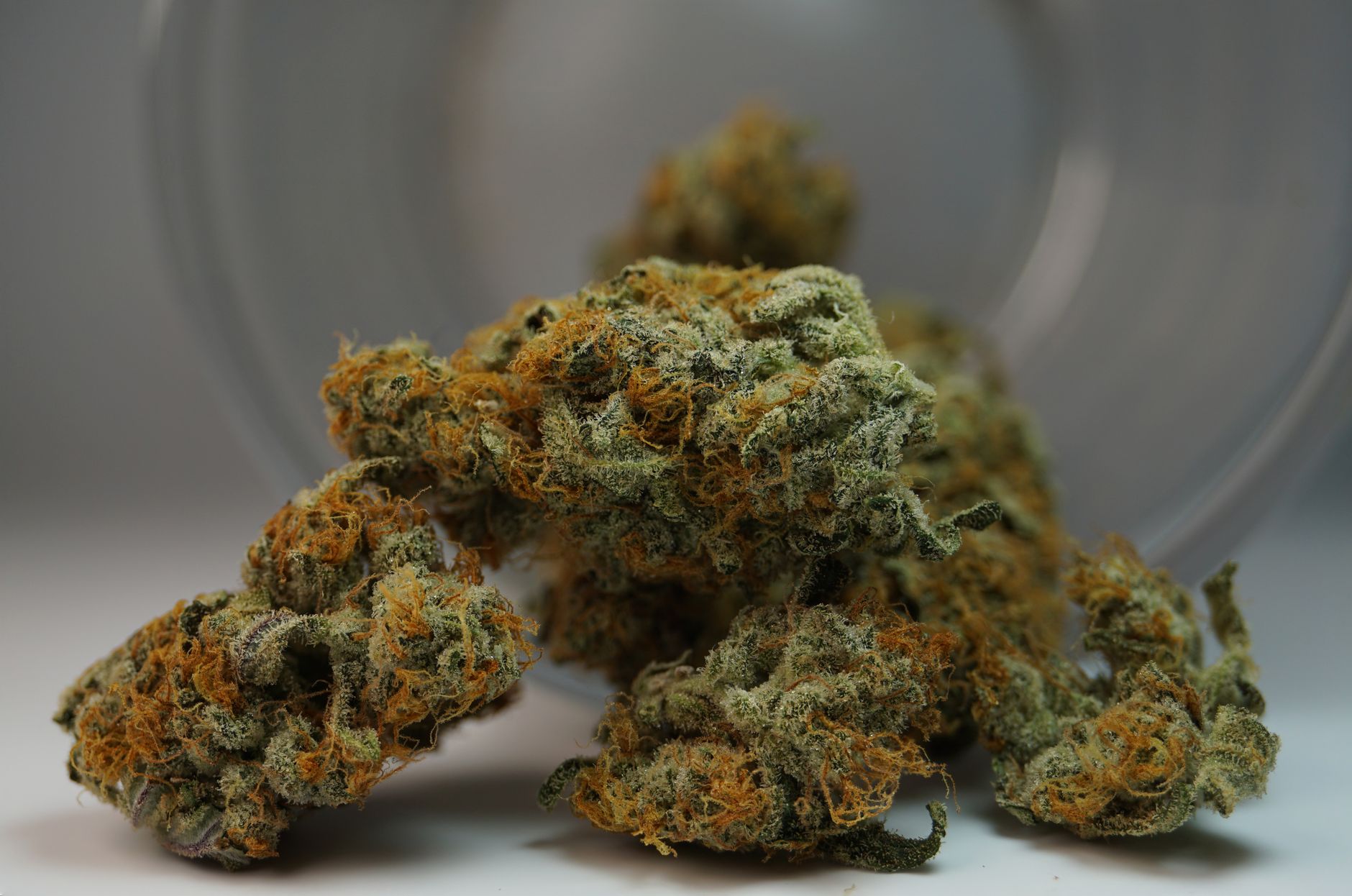
Kush OG is an indica-dominant hybrid (roughly 70% indica / 30% sativa) known for extremely dense, trichome-loaded buds, a complex earthy-pine-fuel aroma profile, and a hard-hitting body effect at 22–26% THC. It flowers in 8–9 weeks indoors, handles moderate stress well during the vegetative stage, and produces 450–550 g/m² under optimised LED conditions. It is a legitimate powerhouse cultivar — but it requires attention to humidity control and airflow to reach its ceiling.
- ✓ Indoor growers wanting a high-THC indica-dominant strain
- ✓ Growers in US states where adult-use cannabis is legal (21+)
- ✓ Anyone who wants to understand Kush OG genetics before buying seeds
- ✓ Intermediate growers comfortable with humidity management
- ✓ Outdoor growers in zones 6b–10 with a warm fall season
- ✗ Complete beginners without humidity control equipment
- ✗ Outdoor growers in Zone 5 or colder (frost arrives too early)
- ✗ Growers looking for a sativa-dominant or energising effect
- ✗ Low-odour grow situations — this strain is pungent
Kush OG at a glance — one of the highest-THC indica hybrids available as feminised seeds in the US market.
What Is Kush OG, and Where Do Its Genetics Come From?
Kush OG is a feminised, indica-dominant hybrid created by crossing classic Kush genetics with the legendary OG Kush lineage. The result is a strain that sits squarely at the crossroads of two of the most celebrated cannabis families in cultivation history.
On the Kush side, the strain pulls its compact structure, tight internode spacing, and dense calyx stacking. From OG Kush, it inherits the sharp fuel-and-pine terpene signature, the aggressive resin production, and the cerebral onset before a deep body lock sets in.
The combination produces a cultivar that is greater than the sum of its parts — heavier in resin than most pure Kush lines, and more structurally manageable than many OG-dominant hybrids. Per NIH NCCIH research on cannabis cannabinoid profiles, high-THC indica-dominant varieties like Kush OG activate both the endocannabinoid system's CB1 and CB2 receptors, driving the signature physical relaxation.
In the US legal market, Kush OG belongs firmly in the category of premium Kush seeds — strains priced for their potency ceiling, not their grow simplicity. It is available as feminised cannabis seeds, which eliminates the male-plant variable entirely and makes every plant in your grow a bud-producing female.
What Does Kush OG's Bud Structure Look Like?
Kush OG produces some of the most visually striking buds in the indica-dominant category. The calyxes stack tight and dense — formed in a chunky, almost spherical cluster pattern that breeders call "popcorn-stacking" at its most pronounced.
The density is real, not marketing language. Properly cured Kush OG nugs are heavy for their size — you'll notice the weight difference immediately when you handle them. This is the Kush parentage expressing itself at its maximum.
Trichome coverage on Kush OG is exceptional. At peak ripeness (typically 8–9 weeks of flower indoors), the surface is coated in a thick white crystal layer that reflects light. Pistil colouring runs from burnt orange to deep amber by harvest. Under the right lighting, the buds appear almost silver-white.
- Calyx-to-leaf ratio: Very high — minimal sugar leaf coverage means cleaner bag appeal and easier trimming
- Bud density: Extremely dense — among the top tier for all indica-dominant cultivars
- Trichome coverage: Full-coat, Type I (head-heavy) trichomes with high THCA concentration
- Pistil colour at harvest: 70–80% orange to amber, confirming peak maturity
- Bud size: Medium-large colas; lower nodes produce tight popcorn nugs
- Colour under LEDs: Deep forest green with purple undertones in temps below 65°F (18°C) at lights-off
One structural feature worth noting: Kush OG's tight density is a double-edged sword. It drives exceptional weight per square foot, but it also creates the conditions for bud rot if humidity stays above 55% in late flower. This is not a strain you can neglect ventilation on during weeks 6–9.
What Does Kush OG Smell Like? Terpene Profile Explained
Kush OG's aroma is one of the most complex in the classic OG family. It hits in distinct layers — each one identifiable when you slow down and pay attention.
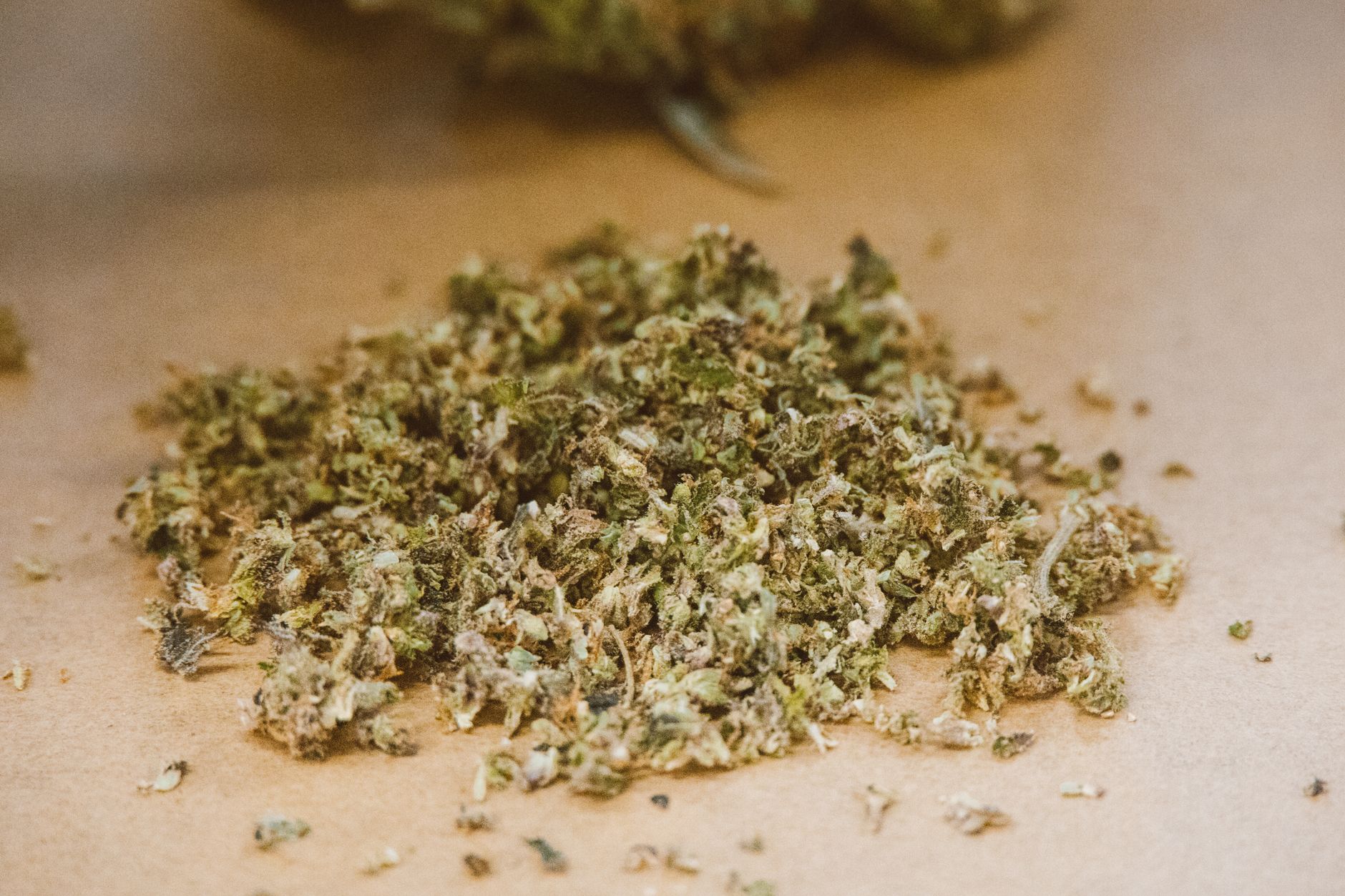
The dominant note is earthy pine — sharp and resinous, like walking through a dense evergreen forest after rain. Below that sits a diesel/fuel undertone that's characteristic of OG Kush heritage. In the background you'll detect subtle spice and a woody finish that rounds out the profile.
In terms of measured terpene chemistry, Kush OG's profile is led by three dominant compounds:
Primary terpene. Earthy, musky, slightly fruity. Drives sedative body effects and synergy with THC uptake. Most abundant in indica-dominant strains.
Secondary. Citrus-pine lift. Responsible for the bright, mood-elevating onset before the body effect takes over.
Tertiary. Spice, pepper, fuel. The signature "OG" fuel note comes largely from caryophyllene interacting with the myrcene base.
According to published research indexed on PubMed, myrcene-dominant cannabis profiles consistently show enhanced sedative properties and faster THC onset compared to lower-myrcene strains. Kush OG's high myrcene content is not incidental — it's a core driver of the experience.
On the grow side, Kush OG's terpene intensity peaks in the final 2 weeks of flower. The smell at week 8 is dramatically stronger than at week 6. If you're growing in a shared space or low-discretion environment, a carbon filter is mandatory — this strain is not subtle.
How Does Kush OG Behave During Flowering?
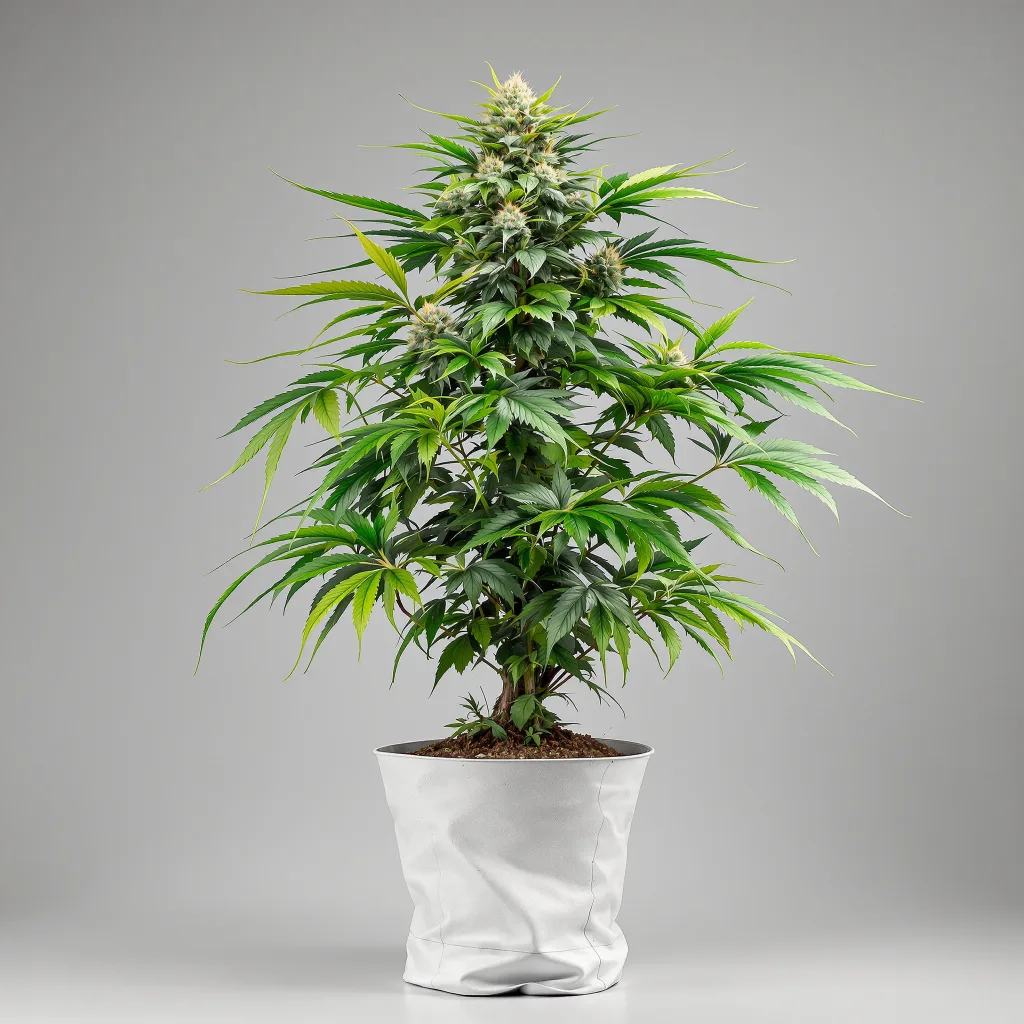
Kush OG is a photoperiod strain — it flowers in response to a shift to a 12/12 light schedule indoors, or as natural day length shortens outdoors in late summer. Understanding its stage-by-stage behaviour is the difference between an average run and a maximised one.
Week 1–2: Transition and Stretch
After the flip to 12/12, Kush OG enters a moderate stretch phase. Expect 30–50% height increase over the first two weeks. This is less aggressive than many sativa-dominant strains but still requires planning if you're working with a low-ceiling tent.
Week 3–4: Early Calyx Formation
Bud sites establish rapidly. The tight internode structure from the Kush parentage means sites are close together — this contributes to the dense, columnar cola formation Kush OG is known for. Trichome production begins but is minimal at this stage.
Week 5–6: Explosive Resin Build
This is where Kush OG separates itself. Resin production accelerates sharply in weeks 5–6, coating not just the buds but nearby fan leaves and sugar leaves. The aroma becomes noticeably stronger. Maintain humidity at 45–50% RH — do not let it drift above 55% during this phase.
Week 7–8: Fattening and Colour Shift
Calyxes fatten and stack aggressively. The bulk of the final weight accumulates in these two weeks. Pistils shift from white to orange. If daytime temps drop below 65°F, purple/indigo colouration develops in the bracts — this is cosmetic and does not affect potency.
Week 8–9: Harvest Window
Trichomes move from clear → cloudy → amber. Harvest at 10–20% amber for a heavy, relaxing body effect. Harvest at 0–5% amber (all cloudy) for a more cerebral, uplifting version of the high. Use a 60× loupe or jeweller's scope — guessing by pistil colour alone is not precise enough for a strain at this quality level.
Flip / Stretch
Stretch Peak
Bud Sites
Calyx Form
Resin Surge
Peak Odour
Fattening
Amber Check
Final Harvest
Green = safe/build phase · Yellow = critical management phase · Red = harvest window — monitor trichomes daily
What Yield Can You Expect From Kush OG, and How Do You Maximise It?
Kush OG is a strong yielder for an indica-dominant strain, but its output is highly responsive to growing conditions. Treat it well and it hits the upper end; ignore it and it underperforms relative to easier cultivars.
Indoor under a quality LED at 600–900 PPFD with 18/6 veg and 12/12 flower, expect:
- Indoor (optimised LED, 11L fabric pots): 450–550 g/m²
- Indoor (lower-end HPS/CFL, smaller pots): 300–380 g/m²
- Outdoor (warm climate, full sun, unrestricted root zone): 600–900 g/plant
- Outdoor (Zone 7–8, good season): 400–650 g/plant
The biggest yield lever on Kush OG is light intensity. Moving from 400 PPFD to 800 PPFD with CO₂ supplementation at 1000–1200 ppm in flower can increase yield by 30–40% per m². This is supported by published grow-trial data reviewed in the Journal of Cannabis Research, which confirms a strong positive correlation between PPFD and cannabinoid-dense bud development in high-THC indica hybrids.
Training techniques that work well on Kush OG:
- Low-stress training (LST): Highly effective. Tie down early in veg to expose lower bud sites.
- SCROG (Screen of Green): Ideal — this strain's tight node spacing fills a screen evenly.
- Topping: Works well when done before week 3 of veg. Creates a wider, flatter canopy.
- Lollipopping: Recommended. Remove lower growth below the canopy level in week 2 of flower to concentrate energy to the top colas.
Ready to grow your own Kush OG?
Our premium Kush seeds are available as 100% feminised genetics — shipped discreetly across the US to adult growers 21+.
Browse Kush Seeds →Kush OG Regional Grow Scenarios: 5 US Cities
Kush OG is a photoperiod strain, which means outdoor timing is everything. Using USDA Plant Hardiness Zone data and NOAA frost date normals, here's how Kush OG performs in five real US locations:
Last frost: Jan 15 · First frost: Dec 15
Frost-free: ~334 days
Start date: April 1 (seedlings out) · Harvest: Mid-October
Verdict: ✅ Ideal. Full season, ample warmth, no frost risk. Kush OG reaches maximum outdoor potential here — expect 700–900 g/plant.
Last frost: May 7 · First frost: Oct 7
Frost-free: ~153 days
Start date: May 15 (seedlings out after frost) · Harvest: Early October
Verdict: ✅ Workable, but tight. Kush OG's 8–9 week flower must complete before Oct 7. Start seeds indoors early May. Monitor forecasts in September.
Last frost: Apr 22 · First frost: Oct 28
Frost-free: ~189 days
Start date: May 5 (seedlings out) · Harvest: Mid-October
Verdict: ✅ Comfortable. Two-week buffer before first frost. Standard veg and flower timeline fits cleanly. Chicago humidity in September (75%+ RH) is the main risk — run LST for airflow.
Last frost: May 11 · First frost: Oct 1
Frost-free: ~143 days
Start date: May 20 (seedlings out) · Harvest: Late September
Verdict: ⚠️ Risky. Harvest window opens Sept 20 with first frost possible Oct 1 — that's only 11 days of margin. Kush OG at 9 weeks requires starting seedlings under lights in April and transplanting as soon as safe. Not recommended for beginners in Zone 5.
Last frost: Mar 13 · First frost: Nov 18
Frost-free: ~250 days
Start date: April 1 (seedlings out) · Harvest: Late October
Verdict: ✅ Excellent. Long season, warm fall, ample buffer. Late-summer heat is the main watch — daytime temps above 90°F (32°C) in August can stress plants in peak veg. Shade cloth at 20% recommended.
Every Kush OG plant grown outdoors should reach harvest at least 14 days before your location's average first frost date.
Formula: Transplant date + Veg weeks + 63 days (9 weeks flower) + 7 days variance = True outdoor harvest date. Buffer = First frost date − True harvest date. Buffer must be ≥ 14 days.
Example: Atlanta grower transplants May 1. Runs 6 weeks veg (June 12 flip to 12h day). 63-day flower = harvest Aug 14. First frost Nov 18. Buffer = 96 days. ✅ Very safe. Chicago grower transplants May 15. 5 weeks veg (June 19 natural 12h). Harvest Sept 21. First frost Oct 28. Buffer = 37 days. ✅ Safe.
Best Way to Grow Kush OG by State
California
California's warm, dry Mediterranean climate in most regions is ideal for Kush OG. Zones 9–10 in Southern California and the Central Valley provide the longest growing window. The main risk is spider mites during hot, dry spells in July–August. Kush OG thrives outdoors from April start to October harvest in these regions, consistently producing 700–900 g/plant in unrestricted root zones.
Colorado
Colorado's legal framework (cannabis remains federally Schedule I — state law governs adult-use at 21+) and Zone 5b–6b climate make Kush OG a moderate-risk outdoor choice. Start indoors in early May and transplant after Memorial Day. Daytime temp swings in September can be dramatic — have frost cloth ready.
Michigan
Michigan's legal market is robust, and Zone 6a-b gives growers a workable window. Kush OG started indoors in late April and transplanted after May 15 will hit its harvest window in late September — typically 3–4 weeks ahead of first frost. High-humidity Great Lakes summers (July–August) require proactive mite and mould prevention. University extension resources confirm preventative copper-based sprays are effective for mould management in humid northern climates.
Texas
Texas's warm zones (7b–9b in most of the state) give Kush OG ample season length. The challenge is summer heat — daytime highs above 95°F (35°C) in July and August can stall flowering and cause heat stress. Provide afternoon shade in mid-summer or run indoor for the full cycle. Kush OG is one of the better high-THC strains for Texas indoor grows due to its compact structure fitting a 5×5 tent comfortably.
Oregon
Oregon's Willamette Valley (Zone 8a) is a near-ideal environment for Kush OG outdoor. Cool, dry falls mean low mould pressure in late flower. Start outdoors in late April to early May, harvest by mid-October. The wet winters are irrelevant since Kush OG is typically done before November. Oregon coastal zones (Zone 9a) have fog and mildew pressure — ensure canopy airflow with LST throughout flower.
Florida
Florida's climate (Zone 9b–11) offers a nearly year-round season, but the combination of high humidity and heat makes outdoor Kush OG a mould management exercise. The ideal outdoor window is October through March when humidity drops. Summer indoor grows are preferred — run a sealed, climate-controlled room at 45–50% RH throughout flower. Kush OG's density is a liability in Florida's wet season.
Washington
Eastern Washington (Zone 6a–7a) is excellent for Kush OG outdoor — warm summers, dry falls. Western Washington and Seattle (Zone 8b) are trickier due to September rainfall and coastal fog. Growers in Western WA should consider greenhouse growing for the final 4 weeks of flower to protect the dense buds from moisture. Indoors, Washington's legal market is well-served by Kush OG as a commercial-quality cultivar.
New York
New York City and the Hudson Valley (Zone 7a) give Kush OG a reasonable outdoor season — last frost around April 7, first frost around November 7. That's a 213-day frost-free window: plenty of margin. Upstate New York (Zone 5b–6a) is the limiting zone — a greenhouse or indoor run is safer than relying on the outdoor calendar. NYC's adult-use legal market makes Kush OG feminised seed purchases straightforward for 21+ residents.
Royal King Seeds Kush OG Risk Rating
This multi-axis risk table covers the primary failure modes for Kush OG — distinct from yield and potency metrics. Use this to assess fit for your specific grow environment.
| Risk Dimension | Indoor Rating | Outdoor (Dry Climate) | Outdoor (Humid Climate) | Zone 5–6 |
|---|---|---|---|---|
| Bud Rot / Botrytis | Medium (manage RH) | Low | Very High | High |
| Early Frost Loss | N/A | Very Low | Very Low | High |
| Stretch / Height Management | Medium | Low | Low | Low |
| Odour / Detection Risk | Very High | Very High | Very High | Very High |
| Nutrient Sensitivity | Medium | Low | Low | Low |
| Beginner Risk (Overall) | Medium | Low–Medium | Medium–High | High |
Kush OG vs OG Kush: What's Actually Different?
This is one of the most common questions our team fields — and the confusion is completely understandable. Both names appear on dispensary menus, seed banks, and grow forums. They are not the same strain.
| Feature | Kush OG | OG Kush | Winner For... | Yield (Indoor) | Flower Time | Beginner Friendly |
|---|---|---|---|---|---|---|
| THC Range | 22–26% | 19–26% | Kush OG (ceiling) | — | — | — |
| Indica Ratio | 70% indica | 60% indica | Kush OG (structure) | 450–550 g/m² | 8–9 weeks | Medium |
| OG Kush | — | — | OG Kush (aroma depth) | 400–500 g/m² | 8–10 weeks | Medium–Low |
| Bud Density | Very High | High | Kush OG | — | — | — |
| Cold Tolerance | Medium | Medium | Tied | — | — | — |
| Mold Resistance | Medium | Low–Medium | Kush OG (slight edge) | — | — | — |
The short version: Kush OG is denser, slightly more indica-dominant, and tends to hit a slightly higher THC ceiling than standard OG Kush. OG Kush has a more complex, layered terpene profile that some connoisseurs prefer. For growers prioritising yield and density, Kush OG wins. For flavour depth and heritage, OG Kush is the reference.
Royal King Seeds Kush Strain Score: How Kush OG Ranks
Methodology: Our Royal King Seeds Kush Score is weighted across five dimensions: Potency Ceiling (30%), Bud Quality / Density (25%), Yield Efficiency (20%), Grow Manageability (15%), and Terpene Profile (10%). Scores are out of 100.
| Strain | Potency (30) | Bud Quality (25) | Yield (20) | Manageability (15) | Terpenes (10) | RKS Score |
|---|---|---|---|---|---|---|
| 🥇 Kush OG | 28/30 | 24/25 | 17/20 | 12/15 | 9/10 | 90/100 |
| 🥈 OG Kush | 25/30 | 22/25 | 16/20 | 11/15 | 10/10 | 84/100 |
| 🥉 Bubba Kush | 23/30 | 22/25 | 14/20 | 13/15 | 9/10 | 81/100 |
| Afghan Kush | 19/30 | 21/25 | 15/20 | 14/15 | 7/10 | 76/100 |
| Master Kush | 21/30 | 20/25 | 16/20 | 13/15 | 8/10 | 78/100 |
Why Kush OG Scored #1 (90/100)
- Highest consistent THC ceiling in the Kush family (22–26%) — only 2 points below perfect in potency
- Bud density and trichome coverage are elite-tier — 24/25 for bud quality is the highest in the group
- 8–9 week flower cycle keeps yield efficiency high relative to the potency it delivers
- Terpene profile (myrcene + limonene + caryophyllene) is signature and distinct — avoids the flat, one-note smell of lower-quality Kush lines
Why OG Kush Ranked #2 Not #1
- Terpene complexity is genuinely superior (scored 10/10) — the legacy strain wins on flavour depth
- THC ceiling 1–3% lower than Kush OG on average, reducing potency score
- Slightly less density in comparable grow conditions — bud structure score reflects this
Which Kush Strain Should You Choose? Decision Tree
Start: What matters most to you?
- → Maximum potency (THC ceiling) → Kush OG — highest consistent THC range in the Kush family
- → Best aroma / terpene complexity → OG Kush — the reference terpene profile, slight flavour edge over Kush OG
- → Easiest to grow / most beginner-friendly → Afghan Kush or Bubba Kush — lower nutrient sensitivity, more forgiving in humidity
- → Fastest finish → Consider an autoflowering Kush hybrid — some finish in 70–75 days total including veg
- → Largest yield per m² → Kush OG under optimised LED at 800+ PPFD
- → Growing in Zone 5 or 6 outdoors → Autoflower Kush hybrid — Kush OG's 8–9 week flower risks early frost in these zones
- → CBD + low THC experience → CBD strains — Kush OG is not a low-THC cultivar
- → High humidity outdoor environment → Afghan Kush — better baseline mould resistance than Kush OG's dense structure
- → Indica body effect + high THC → Kush OG — this is its core identity
- → Purple/visual bag appeal → Master Kush in cool temps, or any indica seed with known anthocyanin expression
"With Kush OG, the bud quality you see at harvest is a direct reflection of your humidity control in the final three weeks. Hit 45–50% RH consistently, and you'll pull elite-grade density. Let it drift above 60%, and you're risking weeks of work to bud rot."
The Kush OG Grower's Rule — Royal King Seeds
Common Kush OG Growing Mistakes (and How to Fix Them)
Mistake 1: Ignoring Humidity in Late Flower
Kush OG's dense bud structure is its biggest vulnerability. Running humidity above 55–60% RH in weeks 6–9 creates the perfect internal environment for botrytis (grey mould). Symptoms appear as soft, brown, necrotic patches inside the cola — often invisible from outside until significant damage is done.
Fix: Invest in a quality hygrometer, target 45–50% RH in late flower, and run a dehumidifier if your room climbs above 55% at night.
Mistake 2: Harvesting Too Early
Many growers read "8 weeks" and chop at day 56. The 8–9 week window is a range, not a hard stop. Harvesting at week 8 with clear trichomes produces a lighter, more anxious effect — you've left potency on the table. Kush OG's final week of flower is where the last 15–20% of THC accumulates.
Fix: Use a loupe from week 7 onward. Target 10–20% amber trichomes for peak body effect, or all-cloudy for maximum cerebral onset.
Mistake 3: Overfeeding Nitrogen in Flower
Kush genetics are notoriously sensitive to nitrogen toxicity in flower. Overfeeding with a high-N bloom feed causes dark, claw-shaped leaves and suppressed terpene development. The buds will smell less — and smell is a direct proxy for terpene concentration.
Fix: Drop nitrogen to 25–30% of vegetative dose when transitioning to flower. By week 4 of flower, nitrogen should be minimal — phosphorus and potassium should dominate.
Mistake 4: Skipping the Canopy Defoliation
Kush OG's tight internode spacing creates a dense, layered canopy that traps humid air. Without a defoliation in week 3 of flower, lower bud sites get minimal light and maximum moisture — a perfect mould incubator.
Fix: Remove large fan leaves that block bud sites in week 2 of flower. A light lollipop (remove lower 20% of growth) in week 2 redirects energy and opens airflow.
Mistake 5: Running Too High a Temperature at Lights-Off
Kush OG develops its signature purple colouring when lights-off temps drop to 60–65°F (15–18°C). But more importantly, maintaining a large temp-to-RH swing at lights-off causes condensation on cold surfaces — including dense buds — dramatically increasing mould risk.
Fix: Keep day/night temp differential to 10°F or less in late flower. If you want purple coloration, cool slowly — not suddenly. A 68°F lights-off target is safer than a cold-crash to 60°F.
Mistake 6: No Carbon Filter
Kush OG at week 7–9 is one of the most pungent cultivars you can grow. Growers consistently underestimate how far the odour travels through ventilation exhaust, walls, and HVAC systems.
Fix: Size your carbon filter to 25% more CFM than your exhaust fan. Activate charcoal filters saturate — replace them every 12–18 months of use.
Mistake 7: Outdoor Starts Too Late in Zone 6
In Zone 6, starting Kush OG as an outdoor transplant after June 1 frequently leads to a race against the October frost calendar. With 9 weeks of flower needed, natural light doesn't trigger flowering until late July — and that means harvest is targeting early October with frost days possible.
Fix: Start seeds indoors under 18/6 in late April. Transplant outdoors only after last frost (Zone 6a ≈ May 7–15). This buys 4–5 extra weeks of veg and pushes the flower window back by enough to secure a safe harvest.
What We Found Reviewing Public Kush OG Grow Reports
Looking at the patterns from public grower journals, breeder-published grow data, and the questions that come through our team most often, a few consistent themes emerge across Kush OG runs.
Pattern 1: Week 7–8 is when most Kush OG runs succeed or fail. Growers who reach week 7 with proper humidity and airflow almost universally report excellent harvests. Those who hit mould problems report them clustering in weeks 7–8 — driven by humidity creep that was already present but undetected in week 5–6.
Pattern 2: Yield variance is wide. Reported indoor yields range from 280 g/m² at the low end (under 400 PPFD, small pots, no training) to 580 g/m² at the high end (800+ PPFD LED, 11L fabric pots, SCROG). This is a wider variance than most photoperiod indica strains. The strain responds aggressively to light investment.
Pattern 3: The stretch catches growers off guard. The most common indoor setup complaint: "She's too tall for my tent." Kush OG's 30–50% stretch in early flower catches growers who flipped at 18+ inches — resulting in plants that crowd the light and burn canopy tips. Optimal flip height is 12–15 inches for a 60-inch tent.
Pattern 4: Outdoor regional performance is highly predictable by zone. Zone 9–10 grows consistently hit the upper yield range. Zone 7–8 grows perform well with proper timing. Zone 5–6 grows show the highest rate of harvest-timing stress, particularly in years where September temperatures drop earlier than the NOAA historical average.
What Happens If You Choose the Wrong Strain for Your Setup?
- Strain: Kush OG (feminised)
- Setup: 4×4 tent, 600W LED, 11L fabric pots, dehumidifier at 48% RH
- Flower cycle: 8.5 weeks
- Harvest: 510 g/m², dense elite-grade buds
- Risk level: Low
- Outcome: Clean harvest, strong terpene expression, maximum THC concentration. The setup matched the strain's demands exactly.
- Strain: Kush OG (same genetics)
- Setup: Zone 5b outdoor, transplanted June 15, September RH averaging 80%+
- Flower cycle: Natural flip in late July, 9-week flower = harvest Oct 5
- First frost: Oct 1 — crops hit before full maturity
- Risk level: Very High
- Outcome: Partial crop loss to frost. Remaining buds showed botrytis in week 8 due to high RH + dense structure. Usable yield under 150 g/plant.
Bottom line: The same feminised Kush OG genetics produced either 510 g/m² of elite-grade flower or a largely failed outdoor season — the strain didn't change, the environment did. Matching the strain to your setup is the most important decision in the grow cycle.
Kush OG FAQs: 25 Questions Answered
What is Kush OG strain's THC percentage?
Is Kush OG indica or sativa?
How long does Kush OG take to flower indoors?
What does Kush OG smell like?
What yield does Kush OG produce indoors?
Can I grow Kush OG outdoors in Zone 6?
Is Kush OG good for beginners?
What's the difference between Kush OG and OG Kush?
My Kush OG has airy buds — what went wrong?
Why did my Kush OG stall at week 6?
Can Kush OG survive a light frost?
What pot size should I use for Kush OG indoors?
Should I use LST, SCROG, or topping with Kush OG?
Why does my Kush OG smell weaker than expected?
Can I start Kush OG in California year-round?
What happens if I let Kush OG go past 9 weeks of flower?
Does Kush OG go purple?
Is Kush OG good for hash or concentrate production?
My Kush OG bud developed grey mould — can I save it?
What's the ideal curing process for Kush OG?
How much space does Kush OG need in a grow tent?
Can I use Kush OG as a mother plant for clones?
Is Kush OG legal in my state?
Should I switch to an autoflower instead of Kush OG for a short season?
Why didn't Kush OG's actual flower time match what the breeder stated?
Ready to Add Kush OG to Your Garden?
Browse our full collection of premium cannabis seeds — including Kush OG feminised genetics, classic OG Kush, and the best indica seeds available in the US.
Shop All Cannabis Seeds →Sources
- USDA Plant Hardiness Zone Map — hardiness zone data used for all regional scenario calculations
- NOAA National Weather Service — frost date normals and climate data for US city scenarios
- NIH National Center for Complementary and Integrative Health — Cannabis — cannabinoid receptor mechanisms and indica-dominant effect profiles
- PubMed — Cannabis Terpene Research — myrcene and sedative synergy, terpene-THC interaction literature
- Journal of Cannabis Research — PPFD and cannabinoid development correlation in high-THC indica hybrids
- University of Minnesota Extension — humidity management and mould prevention in humid northern climates
Shop Strains Featured in This Guide
Hand-picked seeds from our catalog that match this article's topic. Free shipping on eligible orders of $150 or more.
indica
Hindu Kush Feminized
hybrid
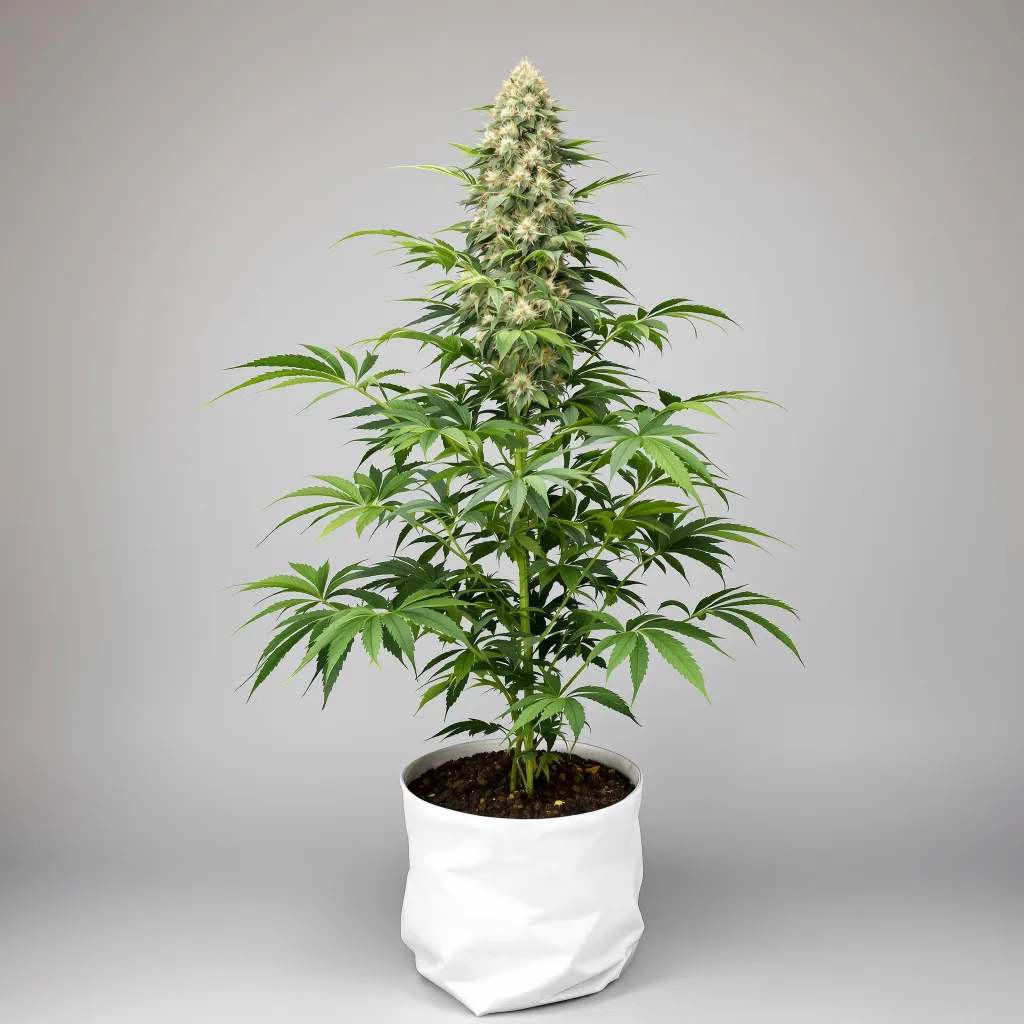
OG Kush Feminized
hybrid
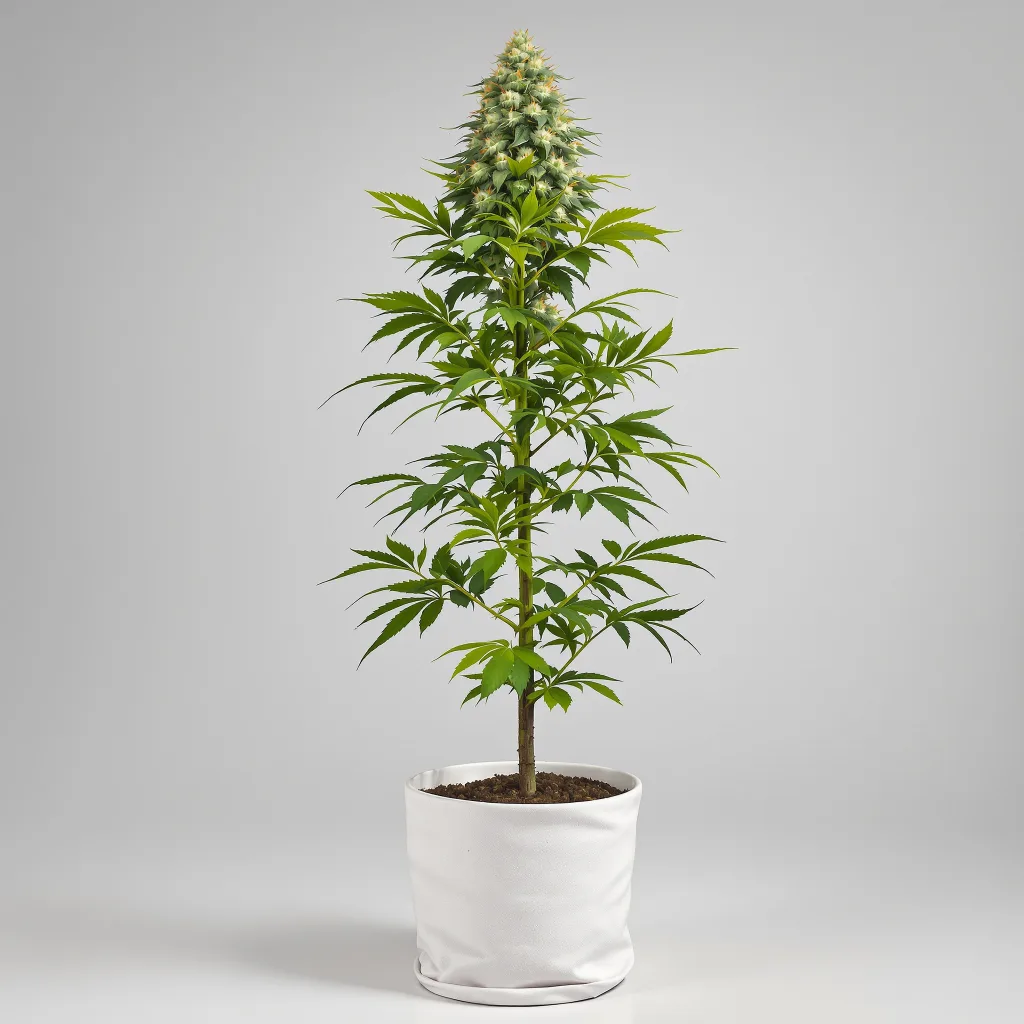
OG Kush Auto

indica
Chocolate Kush Feminized
Strain Seeds
Browse the full Kush Seeds collection
Premium genetics, shipped from within the US.
Related Articles
Granddaddy Purp Strain: King of Purple Weed | Royal King Seeds
strainStrawberry Cough Cannabis Strain: Aroma, Effects & Grow Guide | Royal King Seeds
strainNorthern Lights vs OG Kush: Best Indica | Royal King Seeds
strainBest Autoflower Strains for Zones 5 & 6 | Royal King Seeds
support-sexMale Cannabis Plant Identification Guide | Royal King Seeds
strainDo Si Dos Strain Review: Effects & Grow Guide | Royal King Seeds
Ready to Start Growing?
Shop feminized, autoflower, and CBD strains with 95% germination and free delivery on eligible orders of $150 or more.
Shop Cannabis Seeds