Table of Contents
Tangilope is a vibrant and uplifting cannabis strain that has gained widespread popularity for its unique flavor profile, powerful effects, and versatile applications. A hybrid strain with predominantly sativa characteristics, Tangilope is the result of crossing Tangie and Chocolope, two celebrated strains in the cannabis world. This guide provides a detailed look at Tangilope, focusing on its origin, composition, recreational and medical uses, and its scientific properties.
Origins and Genetics
Tangilope is a sativa-dominant hybrid (about 90% sativa, 10% indica) that combines the best traits of its parent strains:
- Tangie: Known for its citrus-heavy aroma and flavor, Tangie is a modern reinterpretation of the classic Tangerine Dream. It contributes the zesty, tangy orange notes that dominate Tangilope’s terpene profile.
- Chocolope: A blend of Chocolate Thai and Cannalope Haze, Chocolope offers earthy and chocolate undertones while delivering a potent cerebral high.
Together, these genetics create a strain with robust sativa effects, a unique flavor palette, and diverse applications.
Appearance, Aroma, and Flavor
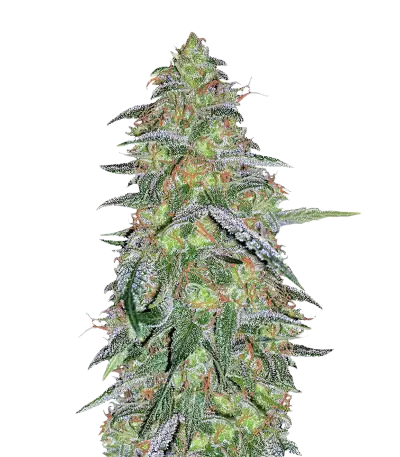
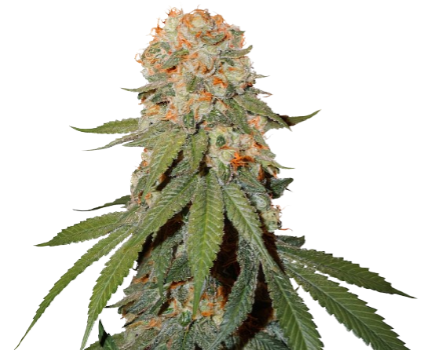
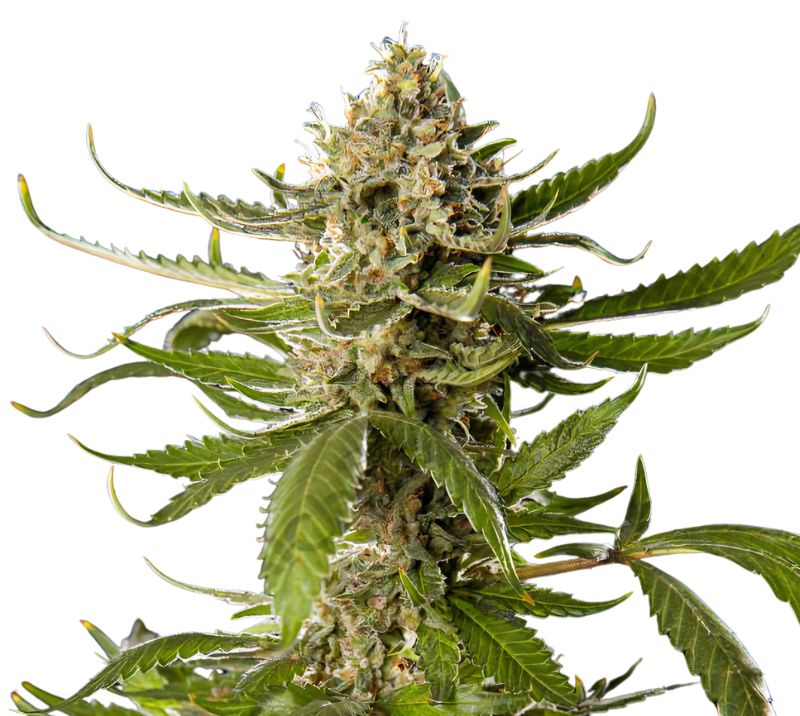
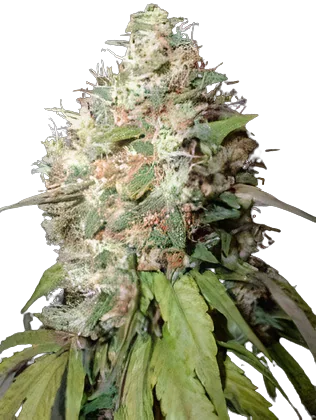
Appearance: Tangilope is visually striking, with densely packed buds coated in a thick layer of trichomes, giving it a frosty, sticky texture. The flowers are typically bright green with orange pistils, enhancing their vibrant appearance.

Aroma: The scent of Tangilope is unmistakable. It carries a bold citrus aroma reminiscent of fresh tangerines and oranges, with subtle earthy undertones derived from its Chocolope lineage.
Flavor: When consumed, Tangilope delivers a delightful burst of sweet citrus on the inhale, complemented by a rich, chocolatey finish on the exhale. This flavor profile makes it a favorite among connoisseurs who prioritize taste as much as effects.
Terpene Profile
Tangilope’s unique aroma and flavor are largely attributed to its terpene profile, which includes:
- Limonene: This terpene contributes the strain’s citrus aroma and is known for its uplifting and stress-relieving properties.
- Myrcene: Found in many cannabis strains, myrcene adds earthy notes and has sedative effects.
- Caryophyllene: Known for its spicy, peppery aroma, caryophyllene acts as a potential anti-inflammatory and analgesic agent.
- Terpinolene: A multifaceted terpene with floral and herbal notes, terpinolene adds complexity to the strain’s scent.
Cannabinoid Profile
Tangilope typically contains a high THC content, ranging from 18% to 22%, making it a potent strain suitable for experienced users. The CBD content is usually negligible (less than 1%), so it is not the best choice for those seeking high-CBD medicinal effects. However, its other cannabinoids and terpenes contribute to a well-rounded experience.
Recreational Uses
Tangilope is a favorite among recreational users for its uplifting and energizing effects. Key recreational applications include:
- Boosting Creativity: Tangilope is known to stimulate creativity, making it a great choice for artists, authors, as well as anybody who needs motivation.
- Enhancing Social Experiences: The strain’s mood-enhancing properties make it ideal for social settings, helping users feel more talkative and engaged.
- Daytime Use: Thanks to its sativa dominance, Tangilope is perfect for daytime activities, providing a clear-headed high without heavy sedation.
- Outdoor Activities: The energizing effects pair well with hiking, biking, or other physical activities, giving users the stamina and motivation to stay active.
Medical Applications
Tangilope has several therapeutic benefits, making it a valuable option for patients dealing with various conditions. Below are some of its most notable medical uses:

1. Mental Health Disorders
- Depression: The uplifting and euphoric effects of Tangilope make it effective in combating symptoms of depression. Its high limonene content helps elevate mood and promote positivity.
- Anxiety: While Tangilope can help with mild anxiety, its potent cerebral effects may exacerbate symptoms in some users, especially those prone to paranoia. Proper dosing is essential.
2. Chronic Fatigue
Tangilope’s energizing effects make it a go-to strain for patients experiencing chronic fatigue. Its ability to enhance focus and motivation helps users complete tasks with improved efficiency.

3. Pain Management
Although primarily a cerebral strain, Tangilope offers mild physical relaxation that can alleviate minor aches and pains. Its anti-inflammatory properties, driven by caryophyllene, may also provide relief for conditions like arthritis or muscle soreness.
4. Appetite Stimulation
Tangilope is known to induce hunger, making it useful for patients dealing with appetite loss due to chemotherapy, eating disorders, or other medical conditions.
5. Stress Relief
The euphoric and calming effects of Tangilope make it effective in reducing stress levels. Users often report feeling a sense of mental clarity and emotional balance after consumption.
Scientific Insights
Tangilope’s effects are rooted in its complex interplay of cannabinoids and terpenes. A closer look at the science is provided here:
- Entourage Effect: Tangilope exemplifies the entourage effect, where cannabinoids and terpenes work synergistically to enhance therapeutic outcomes. For example, limonene and THC together may amplify mood elevation and stress relief.
- Neuroprotective Properties: Preliminary studies on THC and certain terpenes like myrcene suggest potential neuroprotective benefits, which could make Tangilope relevant in managing neurodegenerative diseases.
- Anti-inflammatory Mechanisms: Caryophyllene’s unique ability to bind to CB2 receptors in the endocannabinoid system highlights its role as an anti-inflammatory agent, making Tangilope a candidate for conditions involving inflammation.
- Mood Regulation: Limonene’s interaction with serotonin receptors may explain Tangilope’s mood-enhancing effects. Those who suffer from mood disorders may benefit most from this.
Potential Side Effects
Like any cannabis strain, Tangilope may produce side effects, particularly when consumed in high doses. Common side effects include:
- Dry Mouth and Eyes: These are typical of most cannabis strains and can be mitigated by staying hydrated.
- Paranoia and Anxiety: High doses may lead to feelings of paranoia or heightened anxiety, especially in inexperienced users or those with THC sensitivity.
- Dizziness: Some users report lightheadedness, especially when consuming large quantities quickly.
Cultivation Information
Tangilope is relatively easy to cultivate, making it a popular choice for growers. Key cultivation details include:
- Growth Difficulty: Moderate. While it’s not particularly demanding, it requires a controlled environment to reach its full potential.
- Climate: Tangilope thrives in warm, sunny climates. Indoor growers should maintain temperatures between 70°F and 85°F.
- Flowering Time: Approximately 9 to 10 weeks. A harvest is anticipated for outdoor growers in late October.
- Yield: High. Tangilope is a prolific producer, yielding around 16 to 20 ounces per plant outdoors and indoors, 14 to 18 ounces per square meter.
Tangilope’s Methods of Ingestion, Duration, Onset, and Effects
Methods of Ingestion
- Smoking:
- Description: Combusting Tangilope in a joint, pipe, or bong.
- Onset: Rapid, with effects felt within 1-5 minutes.
- Duration: Typically lasts 1-3 hours.
- Advantages: Offers full flavor and immediate effects.
- Disadvantages: Combustion produces harmful byproducts and may irritate the lungs.
- Vaporizing:
- Description: Heating Tangilope to release cannabinoids and terpenes without combustion.
- Onset: Quick, with effects felt in 5-10 minutes.
- Duration: Effects last around 2-3 hours.
- Advantages: Preserves terpenes, providing a cleaner and more flavorful experience; less harsh on the lungs.
- Disadvantages: Requires a vaporizer, which can be costly.
- Edibles:
- Description: Infused foods or beverages made with Tangilope extracts or decarboxylated flower.
- Onset: Slow, typically 30 minutes to 2 hours depending on metabolism and stomach contents.
- Duration: Effects can last 4-8 hours.
- Advantages: Long-lasting effects; no inhalation required.
- Disadvantages: Delayed onset can lead to overconsumption; effects are harder to titrate.
- Concentrates:
- Description: High-potency extracts like wax, shatter, or oils consumed via dabbing or vaporizing.
- Onset: Immediate, within seconds to a few minutes.
- Duration: Typically lasts 2-4 hours.
- Advantages: Highly potent; efficient for quick and intense effects.
- Disadvantages: Can be overwhelming for inexperienced users; requires specialized equipment.
- Tinctures:
- Description: Alcohol or oil-based cannabis extracts administered sublingually.
- Onset: Moderate, with effects in 15-45 minutes.
- Duration: Typically lasts 4-6 hours.
- Advantages: Discreet and easy to dose; suitable for medical use.
- Disadvantages: Effects may vary depending on absorption.
Duration and Onset by Consumption Method
| Method | Onset Time | Peak Effects | Duration |
|---|---|---|---|
| Smoking | 1-5 minutes | 10-30 minutes | 1-3 hours |
| Vaporizing | 5-10 minutes | 15-30 minutes | 2-3 hours |
| Edibles | 30-120 minutes | 2-4 hours | 4-8 hours |
| Concentrates | Seconds-5 minutes | 10-30 minutes | 2-4 hours |
| Tinctures | 15-45 minutes | 30-60 minutes | 4-6 hours |
Effects of Tangilope
- Immediate Effects:
- Euphoria: The high THC content induces an almost instant euphoric buzz, particularly when smoked or vaporized.
- Energy Boost: Users report heightened energy and alertness, making it ideal for creative and physical activities.
- Mental Clarity: Enhances focus and concentration, often leading to a flow state.
- Short-Term Effects:
- Mood Elevation: Promotes feelings of happiness and reduces stress.
- Physical Relaxation: Despite its sativa dominance, Tangilope offers mild body relaxation due to its terpene profile.
- Sensory Enhancement: Users often experience heightened sensory perceptions, particularly in taste and sound.
- Prolonged Effects:
- Motivation: Sustains energy levels for several hours, aiding in productivity.
- Mild Sedation: As the high wanes, users may experience gentle sedation, easing the transition to relaxation.
- Adverse Effects:
- Overstimulation: High doses may cause racing thoughts or anxiety, particularly in THC-sensitive users.
- Dryness: Common side effects include dry mouth (cottonmouth) and red eyes.
- Paranoia: Rare, but possible at higher doses.
Scientific Analysis of Effects
- Cognitive Stimulation:
- Tangilope’s high THC levels interact with CB1 receptors in the brain’s endocannabinoid system, promoting dopamine release and enhancing mood, creativity, and focus.
- Anti-Stress Properties:
- Limonene plays a critical role in reducing cortisol levels, contributing to the strain\u2019s calming yet uplifting effects.
- Appetite Stimulation:
- THC binds to CB1 receptors in the hypothalamus, stimulating appetite by increasing the sensitivity of taste and smell.
- Pain Management:
- Caryophyllene’s unique ability to activate CB2 receptors provides mild analgesic and anti-inflammatory effects, complementing the strain’s uplifting cerebral high.
Tangilope vs. Similar Strains
While Tangilope is unique, it shares similarities with other sativa-dominant strains:
- Tangie: Both strains share a citrus-heavy aroma, but Tangilope’s chocolate undertones set it apart.
- Chocolope: Tangilope inherits its parent’s earthy and chocolate notes but offers a more uplifting and energetic high.
- Super Lemon Haze: Like Tangilope, this strain provides a zesty, citrusy flavor and an energetic buzz, but lacks the chocolatey richness.
Tangilope’s Cultivation
Cultivating Tangilope cannabis requires a balance of environmental control, nutrient optimization, and understanding of its genetic characteristics. Here’s a breakdown of the scientific principles behind successful cultivation of this sativa-dominant strain:
Growth Characteristics
- Sativa Dominance:
- Height: Tangilope plants grow tall due to their sativa heritage. Indoor growers should use height management techniques like low-stress training (LST) or topping to prevent plants from outgrowing their space.
- Structure: The plants exhibit long, slender leaves and a stretched internodal spacing, allowing better light penetration and air circulation.
- Flowering Time:
- Tangilope has a flowering period of 9-10 weeks indoors.
- Outdoors, it thrives in Mediterranean climates, with a harvest window around late October in the Northern Hemisphere.
Ideal Growing Conditions
- Temperature:
- Optimal range: 70\u00b0F to 85\u00b0F (21\u00b0C to 29\u00b0C) during the vegetative stage.
- Slightly cooler temperatures during the flowering stage (65\u00b0F to 80\u00b0F) enhance terpene and trichome production.
- Humidity:
- Vegetative Stage: Maintain relative humidity (RH) levels of 55-65%.
- Flowering Stage: Gradually lower RH to 40-50% to prevent mold and mildew.
- Lighting:
- Tangilope responds well to high-intensity lighting. Full-spectrum LEDs or HPS lamps are recommended to mimic natural sunlight.
- Light cycle: 18 hours of light/6 hours of dark during vegetative growth and 12/12 for flowering.
- Soil vs. Hydroponics:
- Soil: Provides a more forgiving medium for beginners and enhances flavor through organic nutrient interactions.
- Hydroponics: Accelerates growth and yields due to precise nutrient delivery but requires meticulous management.
Nutrient Requirements
- Macronutrients:
- Nitrogen (N): High levels are crucial during the vegetative stage for vigorous leaf and stem growth.
- Phosphorus (P): Essential during the flowering stage to support bud development and potency.
- Potassium (K): Necessary throughout the plant’s life cycle for overall health and stress resilience.
- Micronutrients:
- Ensure adequate levels of calcium, magnesium, and sulfur to prevent deficiencies that can stunt growth or reduce bud quality.
- pH Levels:
- Soil: Maintain a pH of 6.0-6.5.
- Hydroponics: Maintain a pH of 5.5-6.0 for optimal nutrient absorption.
Training Techniques
- Low-Stress Training (LST):
- Tying down and bending branches to produce a uniform canopy. This maximizes light exposure to lower bud sites and increases yield.
- Topping and FIMing:
- Pruning techniques that encourage multiple colas (main bud sites), increasing productivity in limited spaces.
- Screen of Green (ScrOG):
- Using a net or screen to train plants horizontally, ensuring uniform light distribution and maximizing yield.
Pest and Disease Management
- Common Pests:
- Spider Mites: Can be mitigated with regular inspections and introducing natural predators like ladybugs.
- Aphids and Whiteflies: Managed with neem oil or insecticidal soaps.
- Diseases:
- Powdery Mildew: Prevented by maintaining proper air circulation and humidity control.
- Root Rot: A risk in overwatered or poorly drained systems; use well-aerated growing media and monitor watering schedules.
- Preventative Measures:
- Employ Integrated Pest Management (IPM) strategies, such as crop rotation, sterile tools, and biological controls.
Harvesting and Post-Harvest
- Harvest Indicators:
- Trichome Color: Use a magnifying lens to monitor trichomes. Harvest when they are predominantly milky with some amber for peak potency.
- Pistil Maturity: About 70-90% of pistils should darken and curl inward.
- Drying and Curing:
- Drying: Hang buds in a dark room with RH of 50-60% and temperatures of 60-70\u00b0F. Drying typically takes 7-10 days.
- Curing: Store dried buds in airtight containers, burping them daily for the first 2 weeks to improve flavor and eliminate extra moisture.
Yield Optimization
- Indoor Yields:
- Yields of 14-18 ounces per square meter are achievable with proper lighting, training, and nutrient management.
- Outdoor Yields:
- Under optimal conditions, Tangilope can produce 16-20 ounces per plant.
- Boosting Bud Quality:
- Supplement with silica during growth for stronger stems and denser buds.
- Use compost teas or beneficial microbes to enhance soil health and terpene production.
Scientific Benefits of Cultivation Practices
- Terpene Enhancement:
- Controlled stress techniques like defoliation and UV-B exposure during flowering can boost terpene synthesis, amplifying Tangilope’s citrus and chocolate aroma.
- Cannabinoid Optimization:
- Precise control over light spectrum and photoperiod ensures optimal THC production. Blue light during vegetative growth promotes robust foliage, while red light during flowering enhances bud formation.
- Environmental Control:
- Automation systems for light, temperature, and humidity improve consistency and reduce human error.
Conclusion
Tangilope is a versatile cannabis strain that appeals to both recreational and medical users. Its energizing effects, coupled with a unique flavor profile, make it a standout choice for daytime use and creative endeavors. With its potential therapeutic applications, including mood enhancement, pain relief, and appetite stimulation, Tangilope offers a well-rounded cannabis experience. As with any strain, responsible consumption and proper dosing are key to maximizing benefits while minimizing side effects. Whether you’re a seasoned enthusiast or a medical patient, Tangilope’s combination of citrus and chocolate flavors, potent effects, and therapeutic potential make it a strain worth exploring.
For a complete directory of cultivars, visit our Cannabis Strain Reviews.