Cannabis Mildew and Mold: Identify, Stop, Prevent
Royal King Seeds Editorial Team
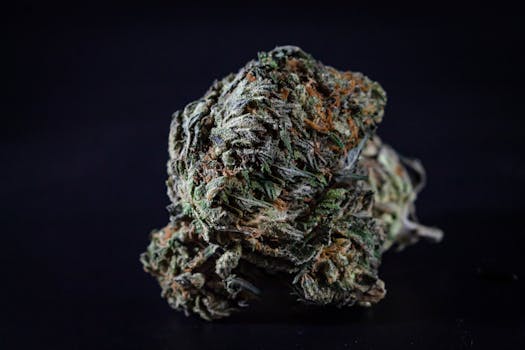
Powdery mildew and botrytis are two different organisms with two different outcomes. Powdery mildew grows on the surface of living leaf tissue as a white, dusty film you can spot from across the room, and a plant caught early in vegetative growth usually recovers. Botrytis cinerea, better known as bud rot, works outward from inside a dense cola and stays invisible until a sugar leaf browns or a bud collapses between your fingers. Bud rot does not get treated. The infected material comes out, gets destroyed, and the conditions that let it start get corrected before the next run.
One rule sits above everything else on this page, so it goes first.
Moldy cannabis is not salvageable
- Do not smoke, vaporize, or extract flower with visible mold on it. Extraction concentrates whatever is on the starting material along with the cannabinoids.
- Cutting the visible part away does not establish that the rest is clean. By the time growth is visible on the outside of a bud, the fungus has been working through the interior for days. A clean-looking neighbouring bud on the same cola is not evidence of anything.
- Drying, curing, trimming and heating do not make contaminated flower safe. None of them reverse colonization, and heating does not neutralize what is already there.
- Aspergillus is the specific concern. Aspergillus species are common environmental molds that can colonize plant material, and inhaling their spores can cause aspergillosis. The risk is greatest for people who are immunocompromised, who have asthma, COPD, cystic fibrosis or another chronic lung condition, or who have had an organ or stem cell transplant. The CDC overview of aspergillosis sets out who is most at risk, and this Emerging Infectious Diseases paper covers invasive fungal infection in people who use cannabis.
- Dispose of it properly. Bag the material and seal the bag before it leaves the grow space, so you are not shaking spores through the room on the way out. Put it in household waste. Do not compost it next to the garden it came from.
- Then fix the cause. Mold is a symptom of humidity, airflow, sanitation or storage. Removing the plant without changing the conditions buys you one clean week.
Telling Powdery Mildew and Bud Rot Apart
These get confused constantly, and the confusion matters because one of them is worth treating and the other is not.
Powdery mildew appears first on the upper surface of fan leaves as small circular patches of white to pale gray growth with a talc-like texture. The patches expand and merge until a whole leaf looks dusted. It wipes off under a finger and leaves a dulled, slightly chlorotic patch behind. From leaves it moves to petioles, then to stems, and in bad cases onto the calyxes themselves. It is a surface obligate parasite on living tissue, and unlike most fungal pathogens it does not need free water on the leaf to germinate, which is why it turns up in rooms that never see condensation but sit at high humidity with mild temperatures and poor air movement.
Botrytis, or bud rot, starts in the densest interior of a cola where moisture is trapped and air does not move, and it is well established before anything shows on the outside. The first outward signals are small: a single sugar leaf inside a bud that yellows or browns while everything around it is green, and pulls free with no resistance when you tug it. A bud that feels soft or spongy rather than firm. A dull gray-tan patch on an otherwise frosty surface.
How to open a suspect bud. Take the cola in both hands and pull it apart at the stem rather than squeezing it. A healthy interior is green, springy and consistent all the way to the core. An infected interior is gray-brown, either powder-dry and crumbling or wet and slimy depending on how far along it is, with fine gray fuzz clinging to the stem in the middle. Check the biggest, densest colas first, and check anywhere two colas press against each other. Do it under a bright light.
Once you find one, stop touching healthy plants. Spores move on hands, gloves, scissors and sleeves. Bag the infected section before it leaves the room, then wash and sterilize before going back in.
One more distinction worth making under a loupe: trichomes are discrete stalked structures with a round head on top of each one. Mildew is a continuous mat of filaments with no structure to it. If you are squinting at a bud wondering which you are looking at, magnification settles it in a second.
The Conditions That Let It Start
Both organisms are opportunistic. They are present in the air almost everywhere, and what determines whether they establish is whether the environment gives them what they need. Humidity by growth stage is the single largest lever a grower has.
Relative Humidity Targets by Stage
| Stage | Working RH | What actually drives the risk here |
| Seedling and clone | 65-70% | High humidity is deliberate here. The mold risk sits in the dome and the media, not the canopy. Vent the dome daily and never let plugs stay saturated. |
| Vegetative | 55-65% | Powdery mildew season. Tissue is soft, the canopy is filling in, and air movement usually has not been increased to match the new leaf area. |
| Early flower (wk 1-3) | 50-55% | Stretch closes the canopy. Anything mildew has established in veg now has bud sites to move onto. |
| Late flower (last 2-3 wk) | 45-50%, hard ceiling 55% | Bud rot season. Buds are at maximum density and maximum internal moisture, and this is where the whole harvest is lost in two days. |
| Dry room | 55-60% at 60-65°F | The material is still wet and now hanging still. Airflow through the room, never a fan pointed at the buds. |
The night-time condensation problem. Relative humidity is relative to temperature. When the lights go off and room temperature falls, the same amount of water in the air pushes RH up, and if a leaf or bud surface reaches the dew point you get free water sitting inside a canopy in the dark with no transpiration to clear it. That is the classic overnight bud rot event. Hold your dehumidifier set point through lights-off rather than only during the day, keep circulation fans running at night, and avoid a steep day-to-night temperature drop in the final weeks. Our VPD and humidity guide covers how temperature and humidity interact and how to set targets that hold across the full cycle.
Airflow. The target is simple to state: no bud should be sitting in still air. That usually means oscillating fans above and below the canopy rather than one big fan at one height, plus real exhaust that exchanges room air instead of stirring it. Late in flower, strip the fan leaves that are buried inside colas and shading nothing. Removing them opens the interior of the plant to air movement, which is exactly where botrytis lives.
Canopy and bud density. The same plant trained into one enormous central cola is at higher risk than the same plant trained into a dozen medium sites carrying the same total weight, because risk follows the size of the trapped interior. If you grow in a humid region, train for spread rather than for one showpiece.
Outdoors, water on the plant is the whole story. Rain and heavy morning dew sit in the interior of a cola for hours. Shake plants out after rain, put a cover over them for the wettest stretch of the season, and prefer varieties whose flowering window closes before your region gets consistently wet. Fast-flowering seeds and the outdoor collection are the practical genetic lever, and our guide to strain structure and mold pressure covers what to look for in a cultivar.
What You Can Actually Apply, Ranked by Stage
The ranking below is by how fast each option changes the outcome, not by how much effort it takes. The first item beats everything below it and is the only item that does anything at all for bud rot.
- Correct the environment. Immediate, and the only real fix. Drop RH into the target band for the stage, hold it overnight, increase air exchange, open the canopy. For powdery mildew this alone halts spread. For botrytis it is the difference between losing one cola and losing the room.
- Remove infected material. Same day. Cut below the damage with a sterile blade, bag it in the room, take it out, sterilize everything. For bud rot this is the entire treatment.
- Vegetative-stage products, for powdery mildew only. Potassium bicarbonate sprays, horticultural oils, wettable sulfur and biological products based on Bacillus species are the categories growers commonly use in veg. Sulfur and oil must never be combined or applied close together in time, and sulfur should not be applied in high heat. Every one of these carries the same condition: use only a product whose label lists the crop and the site you are growing in, at the rate on that label. Pesticide registration for cannabis is set at state level and differs sharply between states, so the legal answer where you are is not the answer in the next state over.
- Flowering buds: nothing goes on them. Not oil, not sulfur, not a biological, and not plain water. Any spray puts liquid into the interior of a cola, which is precisely the condition you are trying to prevent, and residues on flower are not something a home grower can measure or remove. Observe pre-harvest intervals on anything applied earlier in the cycle.
- Never on smokable material: systemic fungicides. Myclobutanil and other systemics are absorbed into plant tissue and moved through the plant. They cannot be rinsed off, wiped off or trimmed away, and they are not registered for use on cannabis. A plant that has been treated with a systemic fungicide does not go on to produce flower that anyone smokes. This is the one place where "the mildew is gone" and "the flower is fine" are completely unrelated statements.
If you have already lost buds to botrytis, that is not a treatment problem and no product will change it. Take the infected material out, then read the humidity and airflow section again, because the next cola is on the same clock as the last one.
Keeping It Out Next Run
Sanitation between runs. Powdery mildew survives on surfaces and on plant debris. Strip and clean the room between cycles, wipe walls and equipment, replace or wash filters, and do not leave trimmings and dead leaves on the floor during flower.
Watch what you bring in. The most common way powdery mildew arrives in a clean room is on a purchased clone that looked fine. Quarantine anything you bring in, inspect under magnification, and keep it away from established plants for a week or more. Our cloning and clone-market guide covers the inspection and quarantine routine in detail.
Do not stop at harvest. A clean plant can still be lost in the dry room or in a jar. Drying is where wet material and still air meet, and curing and storage is where flower jarred a little too wet turns. Both of those pages carry the same disposal rule as this one, for the same reason.
For a broader look at how mold behaves on cannabis at every point from canopy to jar, see our overview of mold in cannabis, and for the specific case of preventing bud rot in a humid climate, see the high-humidity bud rot guide.
Frequently Asked Questions
Can I cut the moldy part off a bud and smoke the rest?
Is powdery mildew the same thing as bud rot?
Does drying or curing kill mold on cannabis?
What humidity should late flower run at to avoid bud rot?
Can I spray anything on flowering buds to stop mildew?
How do I tell mold from trichomes on a dried bud?
What should I do with the plants around an infected one?
Shop Strains Featured in This Guide
Hand-picked seeds from our catalog that match this article's topic. Free shipping on eligible orders of $150 or more.
hybrid
Gobbstopper Feminized
hybrid
24k Gold Auto
hybrid
White Gold Auto
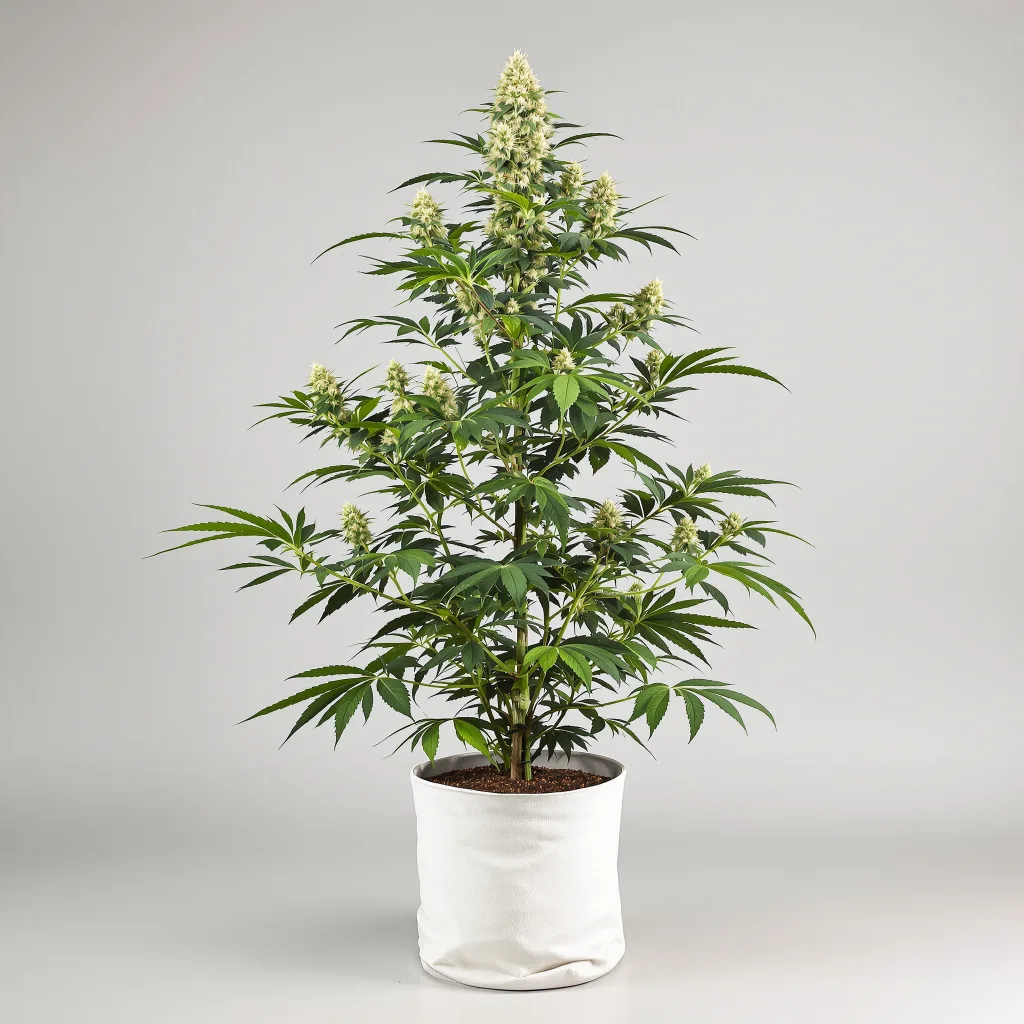
hybrid
24k Gold Feminized
Browse the full All Cannabis Seeds collection
Premium genetics, shipped from within the US.
Related Articles
How to Use Pesticides to Prevent Infestation
support-pestMold-Resistant Cannabis Strains for Humid Climates
generalHow to Identify Sativa and Indica.
generalHow to Prevent Cannabis Plant Height for Small Spaces.
generalCoffee Grounds and Gardening
healthMouth and Oral Drug Tests and Detox Methods
Ready to Start Growing?
Shop feminized, autoflower, and CBD strains with 95% germination and free delivery on eligible orders of $150 or more.
Shop Cannabis Seeds