Mold-Resistant Cannabis Strains for Humid Climates
Royal King Seeds Editorial Team
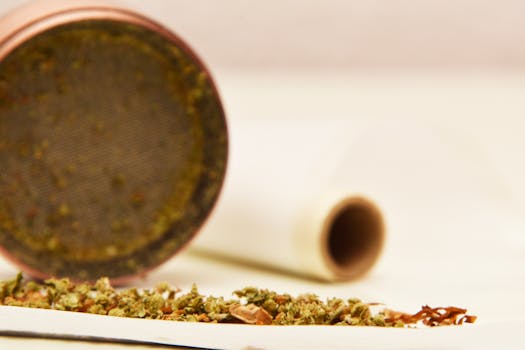
If you are growing somewhere humid, the five picks below are the ones in our catalog whose structure and timing work in your favor: Durban Poison Feminized, Early Skunk Feminized, Power Plant Feminized, Super Silver Haze Feminized and Northern Lights Auto. Every one of them earns its place for a reason you can see on the plant, not for a marketing label.
One thing to settle before the list. Mold resistance in cannabis is relative, never absolute. There is no cultivar that cannot rot. What genetics can do is widen your margin, by producing looser flowers that dry out between humid spells, or by finishing early enough to miss the wettest weeks of autumn. Put a resistant plant in a still, saturated room and it will still be lost. Genetics buy you room to make mistakes; they do not replace airflow and humidity control.
What Makes a Cultivar Hold Up in Humidity
Three structural traits do most of the work.
- Bud density. Botrytis establishes in the interior of a flower, where moisture is held against tissue and air does not reach. Loose, spear-shaped, airy flowers have far less of that interior. Tight, golf-ball indica colas have a great deal of it.
- Calyx-to-leaf ratio. Sugar leaves buried inside a bud hold water and give rot a place to start. Plants that finish with a high calyx-to-leaf ratio, or that respond well to a light week-3 defoliation, keep less moisture in the middle of the flower.
- Flowering length against your calendar. In most of the US the risk curve is a season, not a number. A plant that finishes in late September has been rained on far less than one still standing in late October. Short-flowering photoperiods and autoflowers exploit that directly.
How each of these turns into a decision is covered in more depth in our guide to identifying and preventing mold in cannabis.
1. Durban Poison Feminized, Landrace Sativa Structure
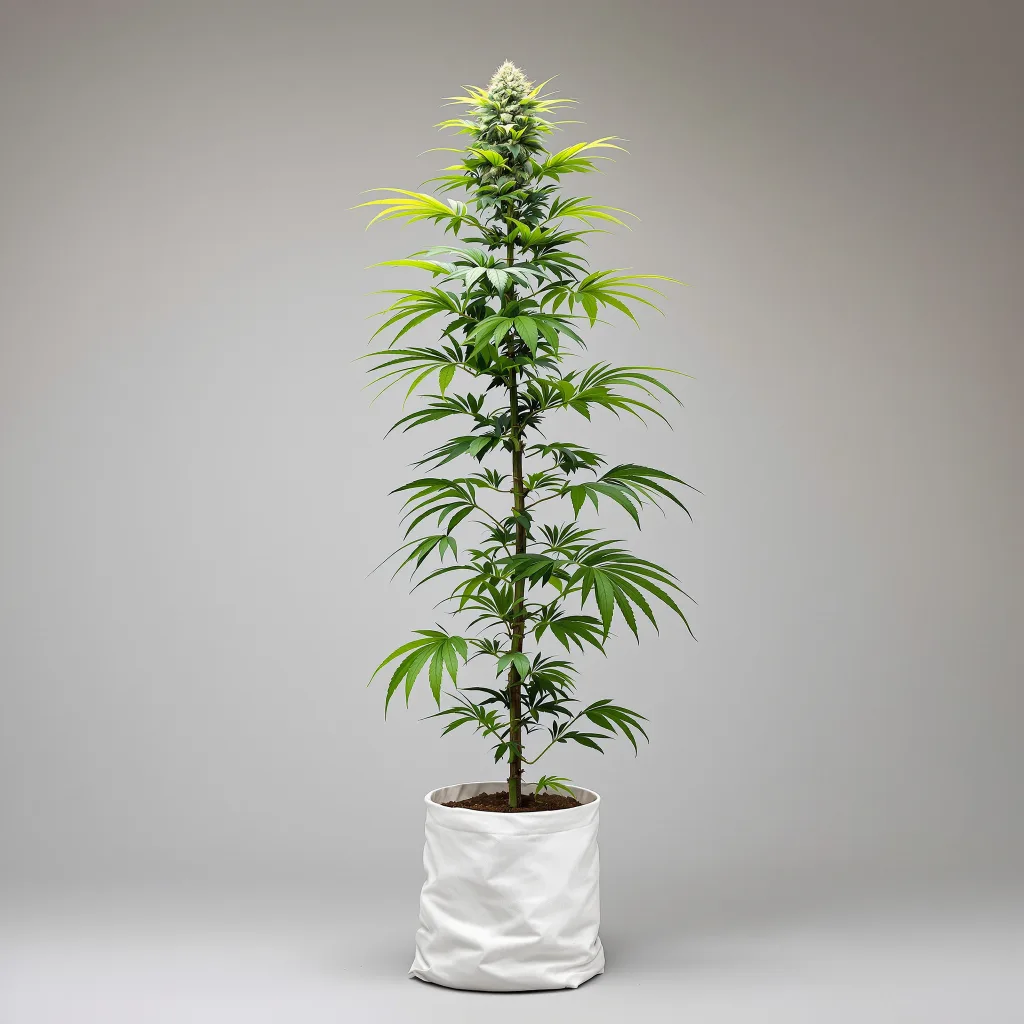
Durban Poison Feminized is a pure sativa in our catalog, and the structure that comes with that is the point. It builds long, tapered, resinous spears rather than compact balls, which means far less enclosed interior for moisture to sit in. It is a South African landrace by origin, selected over a long time in the open, and it is one of the earlier-finishing sativas, which matters as much as the shape. For a humid-climate outdoor grow it is the cleanest structural argument in the list.
Trade-off: at around 17% THC it is not a potency chase, and the effect is bright and clear rather than heavy. If you want a couch-lock indica, this is not it.
2. Early Skunk Feminized, Bred for Short, Wet Seasons
Early Skunk Feminized exists because breeders crossed Skunk genetics with an early-finishing outdoor line specifically to get a plant that finishes in cool, damp northern latitudes before the weather turns. That is a timing solution rather than a structural one, and in a wet autumn timing is often the more powerful lever. It is indica-leaning, so it does build reasonably solid flowers; the compensation is that it is off the plant while the season is still dry.
Trade-off: because the buds are denser than the sativas here, you still owe it spacing, airflow and a light defoliation around week 3.
3. Power Plant Feminized, Hardy and Open-Structured
Power Plant Feminized is roughly 84% sativa in our listing, with African sativa in its background and a long-standing reputation as an unfussy outdoor plant. Flowers come in elongated and less compacted than hybrid genetics of similar yield, which is exactly what you want when the dew does not burn off until mid-morning. It also tolerates a wide range of feeding without sulking, which keeps you from adding stress on top of weather.
Trade-off: it gets tall and it stretches. Plan the space, or train it early.
4. Super Silver Haze Feminized, Maximum Airiness
Super Silver Haze Feminized is about as open as flower structure gets, at roughly 94% sativa. Haze-dominant plants produce long, loose, foxtailing colas that shed moisture readily, and this one carries a high THC figure with it. The catch is the one that always comes with haze genetics: it takes a long time to finish.
Trade-off: its long flowering window can put harvest into exactly the wet weeks you were trying to avoid. Best treated as an indoor or greenhouse pick, or an outdoor pick only in a long, dry season.
5. Northern Lights Auto, Finish Before the Weather Turns
Northern Lights Auto is here for the timing argument rather than the structural one, and it is worth being straight about that. Autoflowers run on age rather than daylength, so you can start one in spring and take it down in midsummer, or start a second in midsummer and finish in early autumn, missing the wet window at both ends. Northern Lights genetics also handle low humidity comfortably, which is useful in a drying room.
Trade-off: the buds are dense indica buds. This pick avoids the season rather than surviving it, so if you run it late, treat it like any other dense-flowered plant and inspect cola interiors weekly. Our Northern Lights review covers the photoperiod version in full.
Prevention Still Does Most of the Work
Genetics is the last of four levers, not the first. Keep relative humidity around 45-50% from mid-flower and below 45% in the final two weeks, and check the reading during lights-off, when the room cools and RH climbs. Move air through the canopy at several heights rather than across the top of it. Space plants so air can pass between them, and take out the fan leaves that press against bud sites before the flip and again around week 3. Then dry slowly at roughly 60F and 60% RH and jar at about 62%, because most post-harvest loss happens after the plant is already down. The VPD and humidity guide covers the environmental side properly.
If You Find Mold, the Flower Is Not Salvageable
This is the part of the topic where the stakes stop being agricultural. Cannabis that has molded must not be smoked, vaped, dabbed or extracted. Trimming away the visible patch does not establish that the rest is clean, because growth extends through tissue past what you can see and spores travel through the container. Drying, curing and heat do not neutralize contamination.
Aspergillus is the specific concern. Inhaling its spores can cause aspergillosis, and the risk is far higher for people who are immunocompromised, undergoing chemotherapy or immunosuppressive treatment, or living with asthma, COPD or other lung disease. The CDC's page on aspergillosis and who is most at risk is worth reading once before you ever have to make this call. When you do find affected material, wear an N95 or better with the fans off, bag it at the plant, seal it, dispose of it with household waste, and clean and dry everything it touched. Do not keep questionable flower for later.
Frequently Asked Questions
Which cannabis strains are most mold resistant?
Are any cannabis seeds completely mold proof?
Do autoflowers get less bud rot than photoperiods?
Are indicas worse than sativas for mold?
Does mold resistance change indoors?
Can I use a fungicide to protect flowers instead?
Shop Strains Featured in This Guide
Hand-picked seeds from our catalog that match this article's topic. Free shipping on eligible orders of $150 or more.
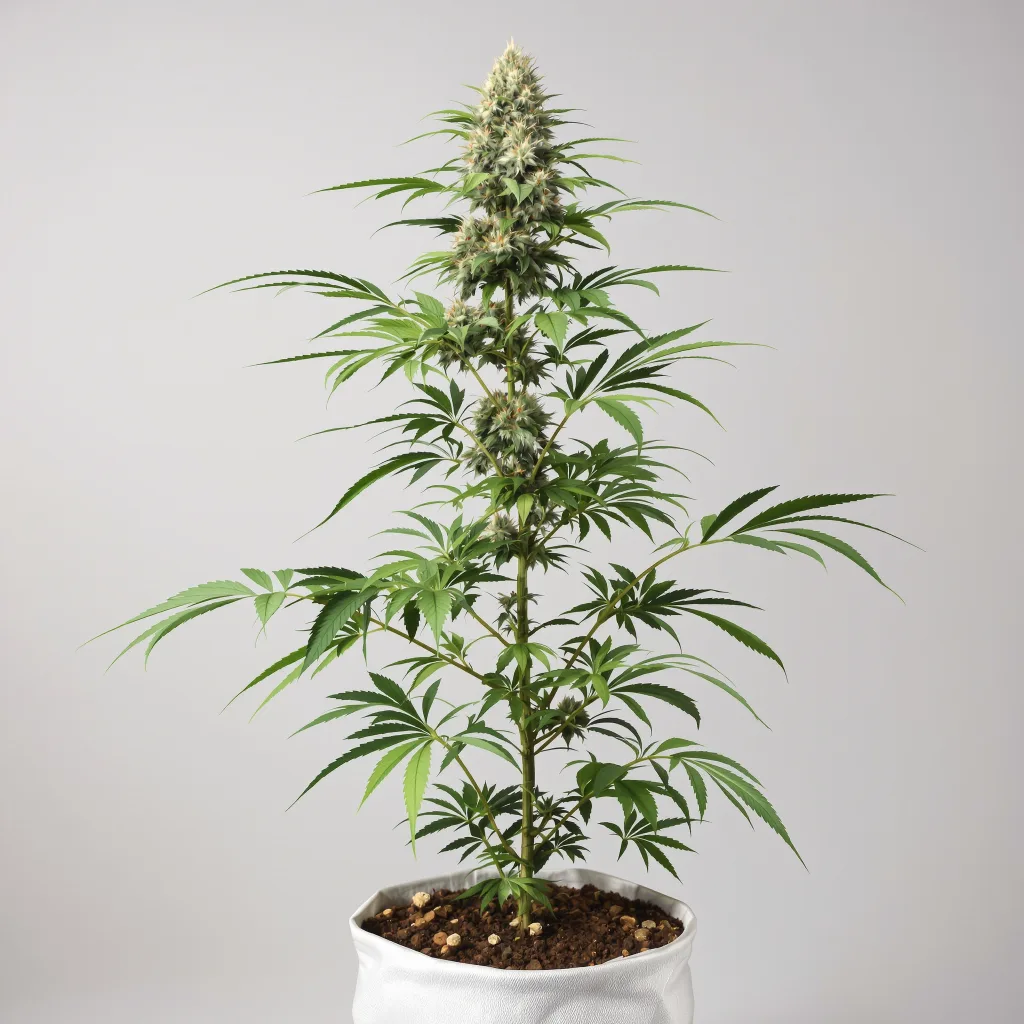
hybrid
24k Gold Auto
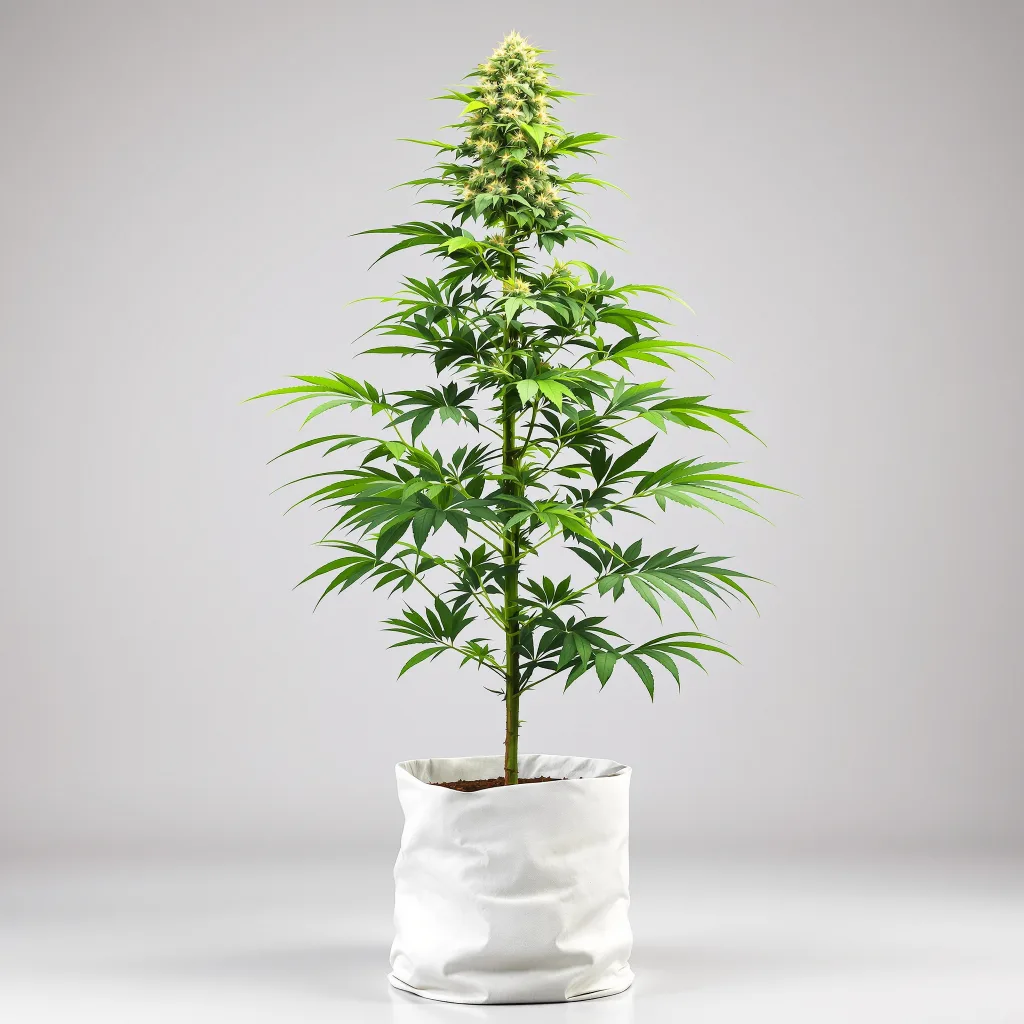
hybrid
White Gold Auto
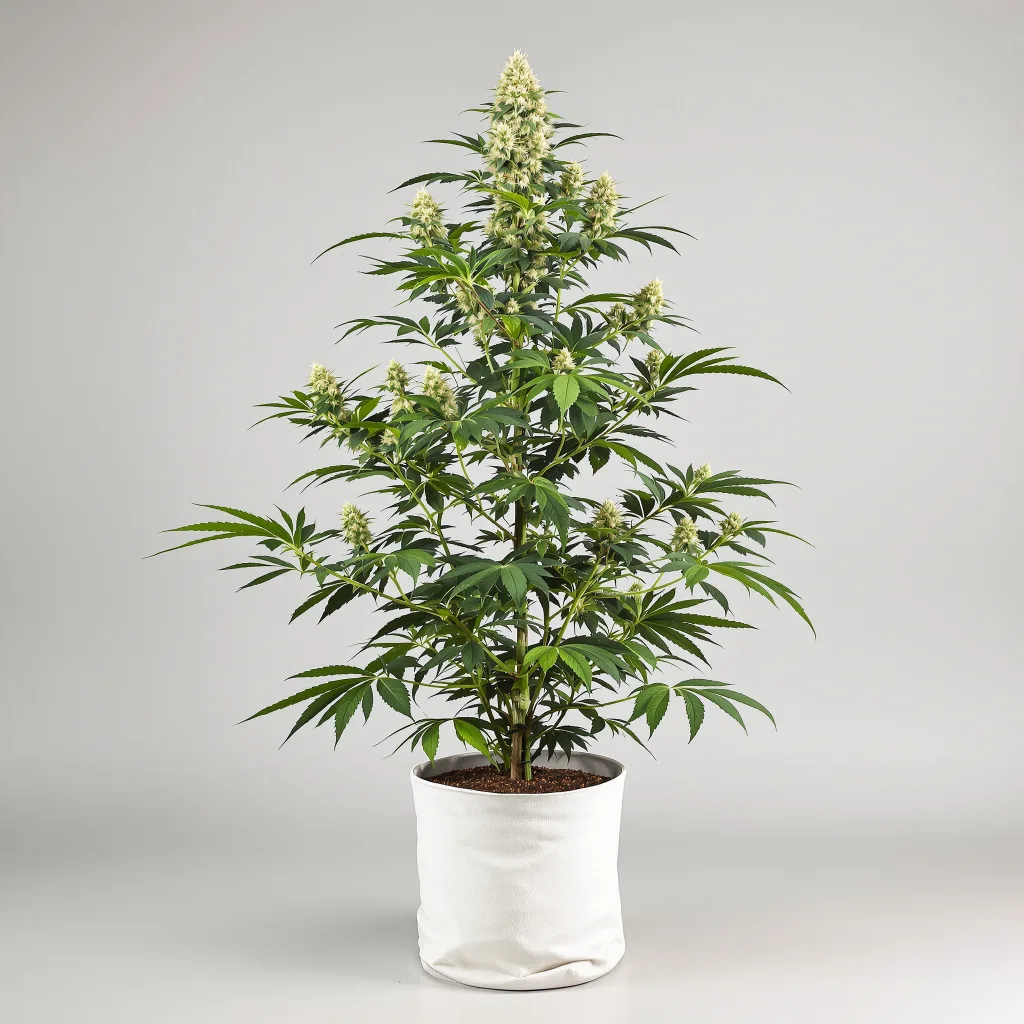
hybrid
24k Gold Feminized
sativa
Acapulco Gold Auto
Browse the full All Cannabis Seeds collection
Premium genetics, shipped from within the US.
Related Articles
Cannabis Mildew and Mold: Identify, Stop, Prevent
support-trainTop 10 Strains for a Hot and Humid Climate
support-trainTop 5 Strains to Grow in Cold Climates.
support-trainTop 5 Strains for Hot Climates
support-pestHow to Use Pesticides to Prevent Infestation
support-yieldUsing CO2 to Improve Cannabis Yield
Ready to Start Growing?
Shop feminized, autoflower, and CBD strains with 95% germination and free delivery on eligible orders of $150 or more.
Shop Cannabis Seeds