Get 15% OFF with code GROWNOW15
My Account Order Lookup Cannabis Guides Beginner Seeds Intermediate Seeds Master Seeds

Medical Strain Analysis: Sweet Tsunami.

Medical Strain Analysis Sweet Tsunami

Medical Strain Analysis: Sweet Tsunami

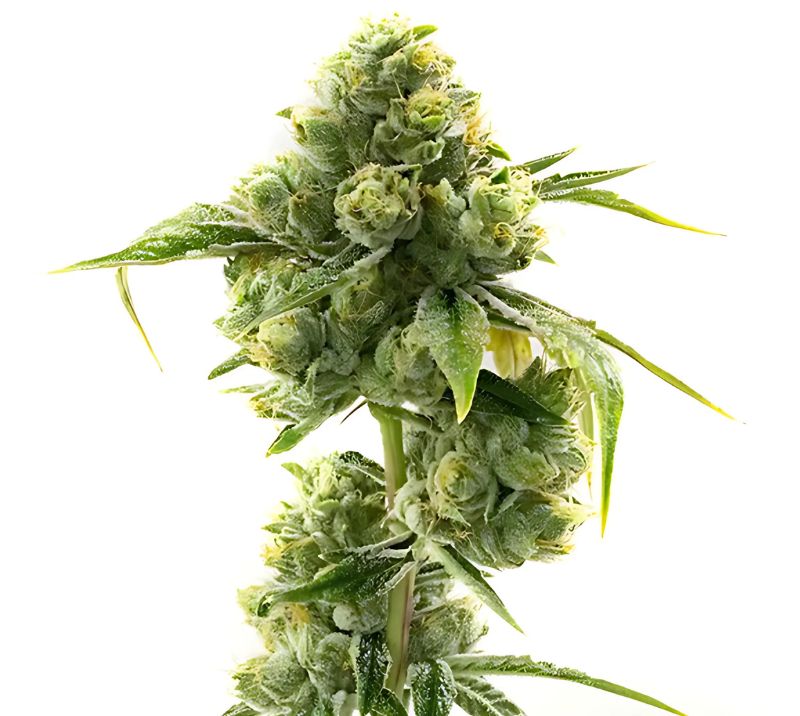
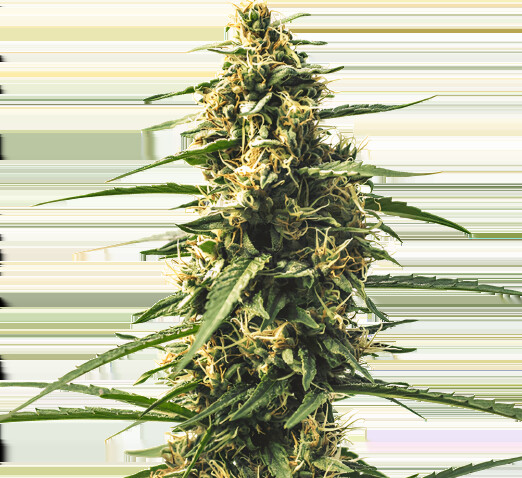
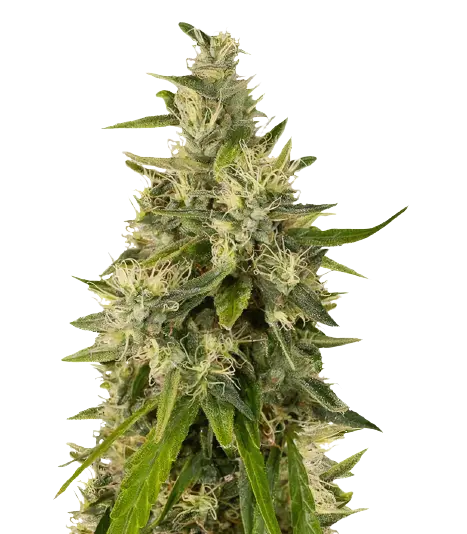
Sweet Tsunami is a relatively novel strain in the world of medical cannabis, garnering significant attention for its therapeutic potential. This strain is celebrated for its balanced cannabinoid profile, non-psychoactive properties, and capacity to address a variety of health conditions. While its recreational value is negligible due to the limited euphoric high it produces, Sweet Tsunami is highly sought after in medical communities for its utility in providing symptom relief without impairing cognitive function. This comprehensive analysis will delve into its origins, chemical profile, medical applications, and the precise growing conditions necessary to cultivate this remarkable strain effectively.

Origins of Sweet Tsunami

Sweet Tsunami is a carefully bred hybrid, developed with a focus on therapeutic application rather than recreational appeal. It is a descendant of the famous Cannatonic strain, which is recognized as a pioneer in high-CBD, low-THC cannabis genetics. Cannatonic contributed the medicinal backbone to Sweet Tsunami’s lineage, while additional genetics from other indica and sativa strains were incorporated to enhance specific traits.

The breeding process aimed to maximize CBD (cannabidiol) content while minimizing THC (tetrahydrocannabinol), ensuring the strain could deliver therapeutic benefits without causing intoxication. Cannatonic’s reputation as a high-CBD strain laid the groundwork, but Sweet Tsunami was specifically engineered to offer a sweeter terpene profile and a slightly more rounded cannabinoid spectrum, further refining its medical applications.

The strain was likely developed in regions known for medical cannabis innovation, such as California or Colorado, where breeders have long experimented with CBD-rich genetics. Sweet Tsunami is now widely recognized among patients and healthcare professionals seeking effective, non-intoxicating treatments for a range of conditions.

Chemical Profile of Sweet Tsunami

The chemical profile of Sweet Tsunami is what sets it apart in the realm of medical cannabis. It is defined by a unique combination of cannabinoids, terpenes, and flavonoids that work together to produce its therapeutic effects. An extensive analysis of each element is provided below:

Cannabinoids
  • CBD (Cannabidiol): Sweet Tsunami typically contains CBD levels ranging from 10% to 15%, with some phenotypes reaching as high as 18%. CBD is the primary therapeutic agent in this strain, offering anti-inflammatory, analgesic, anxiolytic, and anticonvulsant properties. Its high CBD content makes Sweet Tsunami particularly effective for chronic pain, epilepsy, and inflammatory disorders.
  • THC (Tetrahydrocannabinol): The THC content in Sweet Tsunami is generally very low, often below 1%. This ensures that the strain does not induce the psychoactive effects commonly associated with cannabis, making it suitable for patients who need to maintain focus and clarity during treatment.
  • CBG (Cannabigerol): Although present in smaller quantities, CBG contributes to the strain’s anti-inflammatory and antibacterial properties. It also works synergistically with CBD to enhance overall therapeutic efficacy.
  • CBC (Cannabichromene): CBC plays a supporting role by contributing to pain relief and promoting neurogenesis, which may help patients with neurological conditions or injuries.
Terpene Profile

The terpene profile of Sweet Tsunami complements its cannabinoid content by enhancing its therapeutic potential. Terpenes not only provide the strain’s characteristic aroma and flavor but also play a crucial role in the entourage effect, where cannabinoids and terpenes work together to amplify medical benefits.

  • Myrcene: It is well known that this terpene has sedative and muscle-relaxing effects. Myrcene enhances Sweet Tsunami’s ability to relieve pain and promote relaxation, making it particularly effective for conditions involving muscle tension or spasms.
  • Pinene: A terpene with anti-inflammatory and bronchodilatory effects, pinene may assist patients with respiratory issues, such as asthma or COPD. Its cognitive-enhancing properties can also counteract potential lethargy.
  • Limonene: Associated with mood elevation and stress relief, limonene adds an uplifting component to the strain, helping patients manage anxiety and depression.
  • Caryophyllene: This terpene acts as a selective CB2 receptor agonist, amplifying Sweet Tsunami’s anti-inflammatory and analgesic properties.
  • Linalool: With its calming, anti-anxiety effects, linalool complements Sweet Tsunami’s ability to address mood disorders and sleep disturbances.
Flavonoids and Other Compounds

Sweet Tsunami also contains a variety of flavonoids and other phytonutrients that contribute to its overall therapeutic profile. These compounds provide antioxidant and anti-inflammatory effects, making the strain even more effective for managing chronic illnesses.

Medical Benefits of Sweet Tsunami

Sweet Tsunami’s unique chemical composition makes it a versatile therapeutic tool. Its high CBD content, low THC levels, and robust terpene profile provide a wide range of medical benefits without the drawbacks of intoxication. Below are some of the most notable conditions for which Sweet Tsunami is used:

1. Chronic Pain Management

Sweet Tsunami is widely regarded as an effective option for managing chronic pain conditions such as arthritis, fibromyalgia, and neuropathy. Its high CBD content acts on the endocannabinoid system to modulate pain signals, while terpenes like myrcene and caryophyllene provide additional analgesic effects. The absence of significant THC ensures that patients can achieve pain relief without cognitive impairment, allowing them to maintain daily functioning.

2. Inflammatory Disorders

Inflammatory conditions, such as Crohn’s disease, ulcerative colitis, and autoimmune disorders, can be debilitating. Sweet Tsunami’s anti-inflammatory properties, driven by CBD, CBG, and caryophyllene, help reduce inflammation and associated symptoms. This makes it an excellent choice for patients seeking a natural alternative to corticosteroids and other anti-inflammatory drugs.

3. Epilepsy and Seizure Disorders

Sweet Tsunami’s high CBD content makes it particularly effective for managing seizure disorders, including epilepsy. CBD has been shown in clinical studies to reduce the frequency and severity of seizures, even in treatment-resistant forms of epilepsy such as Dravet syndrome. Sweet Tsunami offers these benefits without the side effects associated with pharmaceutical anticonvulsants.

4. Anxiety and Depression

Mental health disorders like anxiety and depression are among the most common reasons patients seek medical cannabis. Sweet Tsunami’s combination of CBD and mood-enhancing terpenes like limonene and linalool helps reduce symptoms of anxiety and elevate mood. Unlike high-THC strains, which can exacerbate anxiety in some individuals, Sweet Tsunami provides a calming and grounding effect.

5. Neurological Conditions

Conditions such as multiple sclerosis, Parkinson’s disease, and Alzheimer’s disease often involve inflammation and neurodegeneration. Sweet Tsunami’s anti-inflammatory, neuroprotective, and muscle-relaxant properties make it a valuable option for managing symptoms like spasticity, tremors, and cognitive decline.

6. Sleep Disorders

While Sweet Tsunami is not a sedative strain, its calming effects can help regulate sleep patterns for patients struggling with insomnia or disrupted sleep due to chronic pain or anxiety. The presence of myrcene and linalool contributes to relaxation, allowing for improved sleep quality.

7. Cancer-Related Symptoms

Patients undergoing cancer treatment often experience symptoms such as pain, nausea, and loss of appetite. Sweet Tsunami provides relief from these symptoms through its analgesic and anti-nausea effects, making it a supportive option for patients navigating the challenges of chemotherapy.

Growing Conditions for Sweet Tsunami

Successfully cultivating Sweet Tsunami requires attention to specific environmental factors and growing techniques to maximize its therapeutic potential. As a high-CBD strain, the quality of cultivation directly impacts its cannabinoid and terpene profiles.

Climate and Environment

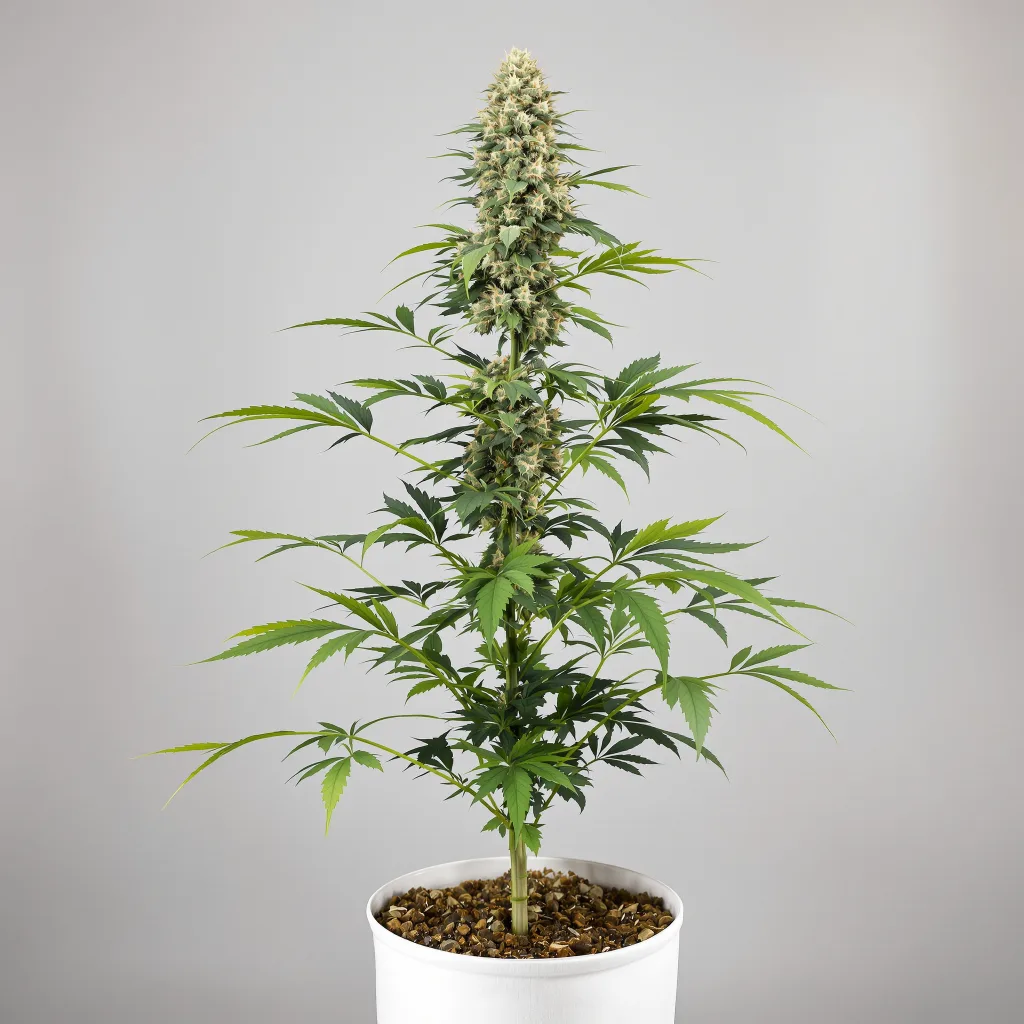
Sweet Tsunami thrives in a Mediterranean-like climate with warm temperatures and plenty of sunlight. Optimal conditions include:

  • Temperature: Keep the temperature between 70°F and 85°F (21°C and 29°C) during the day. Do not let the temperature fall below 60°F (15°C) at night.
  • Humidity: Sweet Tsunami prefers moderate humidity levels of 50% to 60% during the vegetative stage and lower levels (40% to 50%) during flowering to prevent mold and mildew.
  • Lighting: Full-spectrum LED grow lights or natural sunlight are ideal for maximizing photosynthesis and terpene production.
Soil and Nutrients

Sweet Tsunami performs well in organic, nutrient-rich soil with excellent drainage. Consider adding amendments like compost, worm castings, and bat guano to support robust growth. Key nutrients include:

  • Nitrogen (N): Essential during the vegetative stage for leafy growth.
  • Phosphorus (P): Crucial during flowering to support bud development.
  • Potassium (K): Improves the general health and stress tolerance of plants.

Micronutrients such as calcium, magnesium, and iron are also necessary to prevent nutrient deficiencies.

Cultivation Techniques
  • Pruning and Training: Regular pruning ensures adequate airflow and light penetration to all parts of the plant. Bending and tying down branches are examples of low-stress training (LST) methods that can assist increase yields.
  • pH Balance: Maintain soil pH levels between 6.0 and 6.5 for optimal nutrient uptake.
  • Harvest Timing: Sweet Tsunami should be harvested when the trichomes are milky white, indicating peak cannabinoid content. Testing cannabinoid levels during cultivation can further ensure optimal harvest timing.
Pests and Disease Management

Sweet Tsunami is susceptible to common cannabis pests such as spider mites, aphids, and fungus gnats. To prevent chemical residues that can compromise its medicinal quality, use natural pest control techniques like neem oil and helpful insects. Preventative measures such as proper ventilation and humidity control can also reduce the risk of mold and mildew.

Post-Harvest Handling

Curing Sweet Tsunami properly is essential to preserve its therapeutic compounds. After harvesting, dry the buds in a cool, dark, and well-ventilated space for 7–14 days. Once dry, cure the buds in airtight containers, burping them daily for the first two weeks to prevent mold and improve flavor.

Restrictions on Using Sweet Tsunami in the Medical Field and Monitoring THC Levels in Medications
Restrictions on Using Sweet Tsunami in the Medical Field and Monitoring THC Levels in Medication

The medical cannabis landscape is evolving rapidly, with strains like Sweet Tsunami emerging as promising therapeutic options. Despite its widespread recognition for non-psychoactive and therapeutic properties, Sweet Tsunami’s use in the medical field must adhere to strict regulations to ensure patient safety and efficacy. Additionally, monitoring THC levels in medications derived from this strain is critical to prevent unintended psychoactive effects. These measures are particularly important when using medical cannabis as a last-resort treatment option.

Restricting Sweet Tsunami for Medical Use Only

Sweet Tsunami, known for its high CBD and low THC content, is ideally suited for medical applications. However, to maintain its integrity as a therapeutic agent, its usage must remain confined to the medical domain. This restriction ensures the strain’s properties are leveraged exclusively for treating chronic and debilitating conditions rather than for general or recreational purposes.

  1. Medical Supervision: The use of Sweet Tsunami should always be under the supervision of qualified healthcare professionals. Physicians prescribing this strain must ensure it is suitable for the patient’s condition and assess the benefits against any potential risks. Patients should not have access to this strain without a prescription or a recommendation from a licensed healthcare provider.
  2. Controlled Dispensation: Sweet Tsunami must be dispensed through regulated medical channels, such as pharmacies or licensed dispensaries. This guarantees that patients receive standardized products with verified cannabinoid profiles, reducing variability in treatment outcomes.
  3. Documentation and Tracking: All prescriptions and use of Sweet Tsunami should be documented and tracked through medical registries. This practice not only prevents misuse but also facilitates data collection for ongoing research into its efficacy and safety.
  4. Use as a Last Resort: Sweet Tsunami should be prescribed only after conventional treatments have proven ineffective or when patients experience intolerable side effects from standard medications. This last-resort approach ensures that medical cannabis remains a targeted treatment option rather than a first-line therapy, emphasizing its role in addressing refractory or chronic conditions.
Monitoring THC Levels in Sweet Tsunami-Based Medications

The low THC content in Sweet Tsunami is one of its defining features, making it a preferred option for patients who cannot tolerate psychoactive effects. However, even trace amounts of THC can potentially accumulate and cause unintended effects if not carefully monitored. Maintaining strict oversight of THC levels in medications is essential to preserve patient safety and the non-intoxicating profile of treatments derived from Sweet Tsunami.

  1. Standardized Testing: Every batch of Sweet Tsunami used for medical purposes should undergo rigorous laboratory testing to ensure THC levels remain consistently below 1%. Reliable third-party testing labs must certify these results to maintain credibility and compliance with regulations.
  2. Strict Manufacturing Protocols: Pharmaceutical-grade extraction methods should be employed to isolate CBD and minimize THC content in derived medications. Manufacturers must implement robust quality control processes to prevent cross-contamination and variability in cannabinoid concentrations.
  3. Labeling Requirements: All Sweet Tsunami-based medications must include detailed labeling specifying cannabinoid content, including exact percentages of CBD and THC. This transparency allows physicians to prescribe the appropriate dosage and provides patients with confidence in the safety of their treatment.
  4. Dosage Regulation: Dosage guidelines for Sweet Tsunami-based medications should be strictly adhered to, with physicians carefully titrating doses to achieve therapeutic effects while minimizing the risk of even mild psychoactivity. Microdosing strategies may be employed for conditions requiring minimal intervention.
  5. Patient Monitoring: Regular follow-ups and monitoring of patients using Sweet Tsunami-derived medications are critical to detect any adverse effects or unintended psychoactive responses. Healthcare providers should assess patient feedback and conduct periodic evaluations to refine treatment plans.
  6. Special Populations Considerations: Vulnerable populations, such as children, elderly patients, or those with a history of mental health conditions, should be given particular attention when using Sweet Tsunami-based treatments. THC levels in medications for these groups may need to be even lower than the standard threshold to prevent any potential psychoactive effects.
Regulatory Framework for Sweet Tsunami in Medicine

Governments and regulatory bodies play a pivotal role in ensuring that strains like Sweet Tsunami are used responsibly and exclusively for medical purposes. A robust legal framework is necessary to govern its cultivation, processing, and distribution.

  1. Licensing and Certification: Cultivators and manufacturers of Sweet Tsunami must obtain proper licenses and certifications to operate in the medical cannabis industry. These licenses should mandate adherence to stringent quality and safety standards.
  2. Prescription Guidelines: Medical boards should establish clear guidelines for prescribing Sweet Tsunami, including indications, contraindications, and required documentation. These guidelines help prevent overprescription or misuse of medical cannabis.
  3. Education and Training: Physicians and healthcare providers must receive specialized training on medical cannabis, including the specific properties of Sweet Tsunami. This training ensures they can make informed decisions about prescribing and monitoring treatments.
  4. Post-Market Surveillance: Continuous monitoring of Sweet Tsunami-based medications in the market is essential to identify any long-term risks or emerging issues. Post-market surveillance programs can track patient outcomes and inform future regulations or adjustments to treatment protocols.
Ethical Considerations

The medical community has a responsibility to use Sweet Tsunami ethically and judiciously. Its use should be guided by principles of patient-centered care, prioritizing the well-being of individuals over economic or commercial interests. By restricting its application to medical contexts and maintaining stringent oversight of THC levels, the healthcare field can preserve the integrity of Sweet Tsunami as a valuable therapeutic tool.

Conclusion

Sweet Tsunami exemplifies the therapeutic potential of medical cannabis when carefully cultivated, regulated, and prescribed. As a high-CBD, low-THC strain, it offers significant benefits for managing chronic and debilitating conditions such as pain, inflammation, epilepsy, anxiety, and neurological disorders. Unlike many other cannabis strains, Sweet Tsunami is tailored for medical use, providing relief without impairing cognitive function or inducing psychoactive effects.

The strain’s development is rooted in precise genetic selection, aiming to maximize CBD content while keeping THC levels negligible. Its chemical profile, enriched with beneficial terpenes like myrcene, limonene, and caryophyllene, enhances its therapeutic properties, ensuring a broad spectrum of applications in the medical field. By delivering targeted symptom relief, Sweet Tsunami has become a critical tool for patients with limited treatment options, serving as a last resort when traditional therapies prove inadequate.

However, the medical use of Sweet Tsunami comes with necessary restrictions. To preserve its efficacy and safety, its application must remain confined to healthcare settings under the supervision of qualified professionals. Strict monitoring of THC levels in Sweet Tsunami-based medications is essential to prevent even trace psychoactive effects, ensuring that patients can benefit from its therapeutic properties without compromising their daily functioning or mental clarity.

Regulatory frameworks play a vital role in safeguarding the integrity of Sweet Tsunami as a medical treatment. Through licensing, standardized testing, labeling, and post-market surveillance, authorities can ensure the strain is cultivated and utilized responsibly. Healthcare providers, in turn, must be educated on the appropriate prescription and monitoring of this strain, especially when treating vulnerable populations.

Cultivation of Sweet Tsunami requires meticulous attention to environmental conditions, soil quality, and pest management. Its post-harvest handling is equally critical to preserving its cannabinoid and terpene profile, which directly influence its medical effectiveness. By adhering to these best practices, growers can produce high-quality, consistent batches of Sweet Tsunami for medical use.

In summary, Sweet Tsunami’s unique properties make it a valuable asset in the medical cannabis arsenal. Its restricted use as a last-resort treatment, coupled with stringent monitoring and regulation, ensures that its benefits are delivered safely and effectively to those in need. As research and understanding of medical cannabis continue to advance, Sweet Tsunami stands as a testament to the potential of science-driven cultivation and its ability to provide innovative solutions for complex health challenges.

Share

Leave a comment

Your email address will not be published. Required fields are marked *