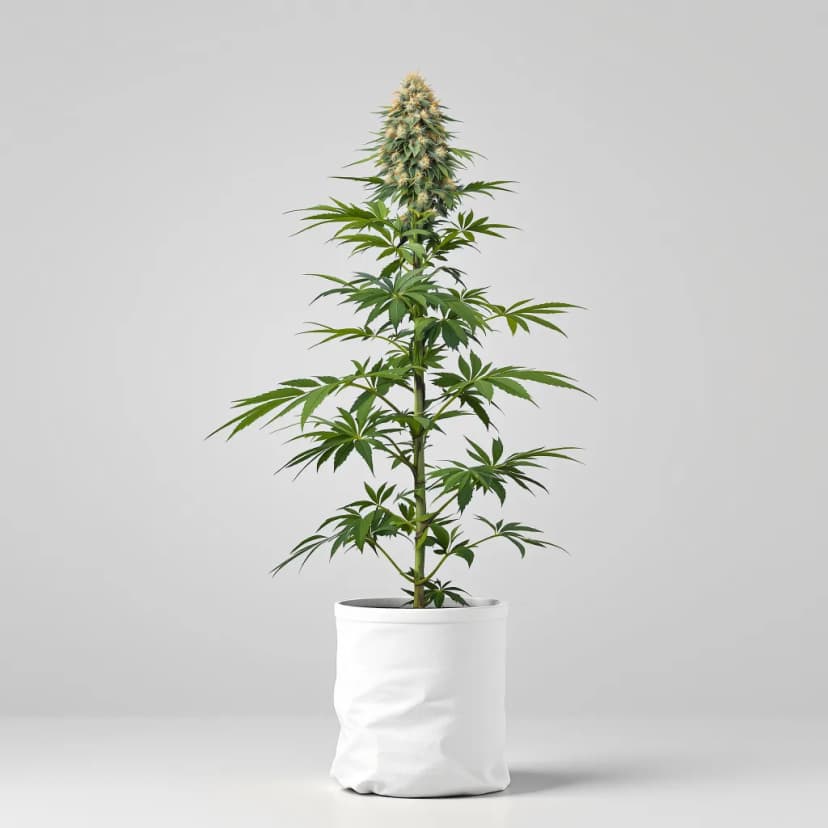
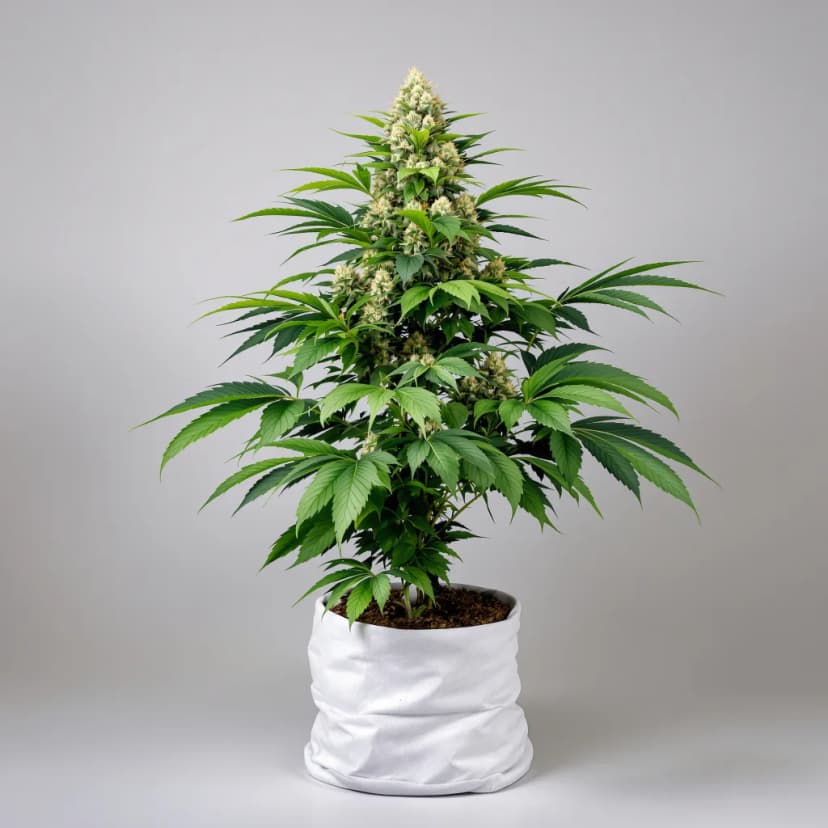
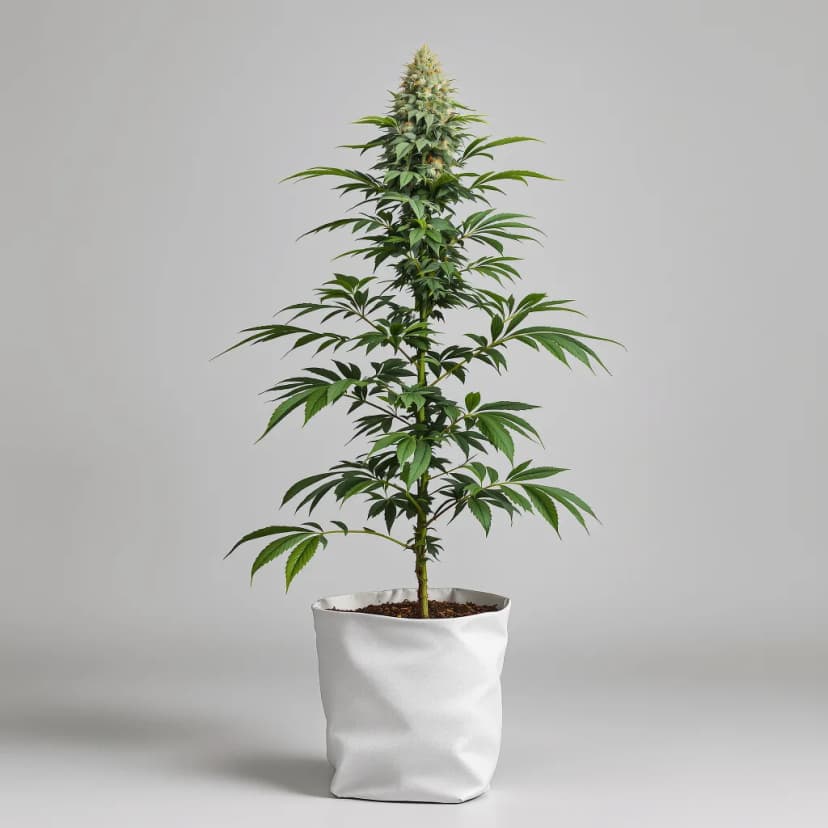
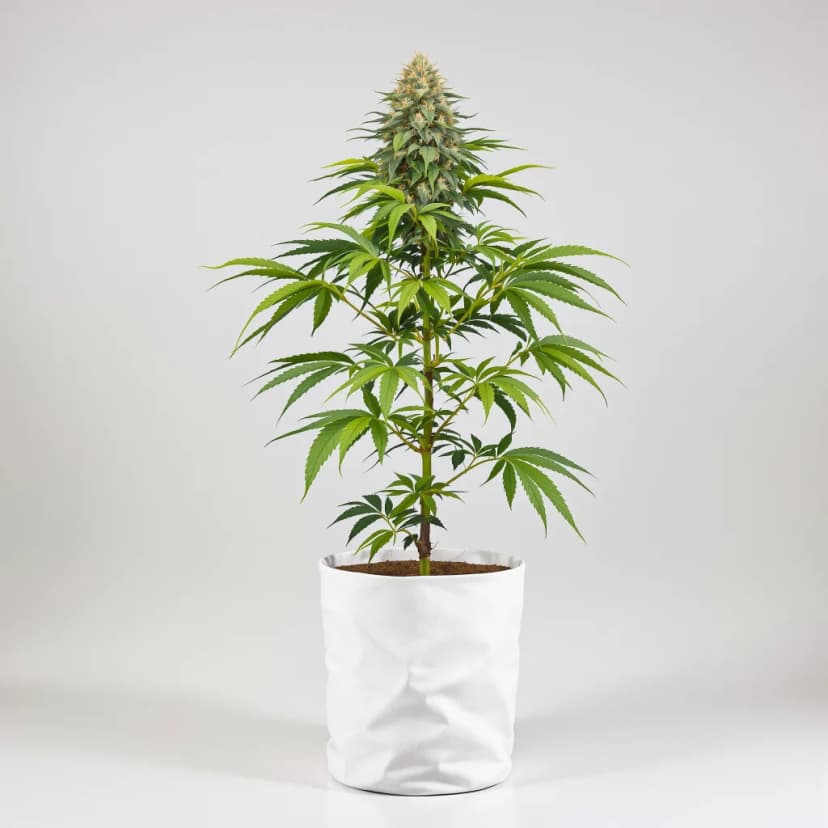
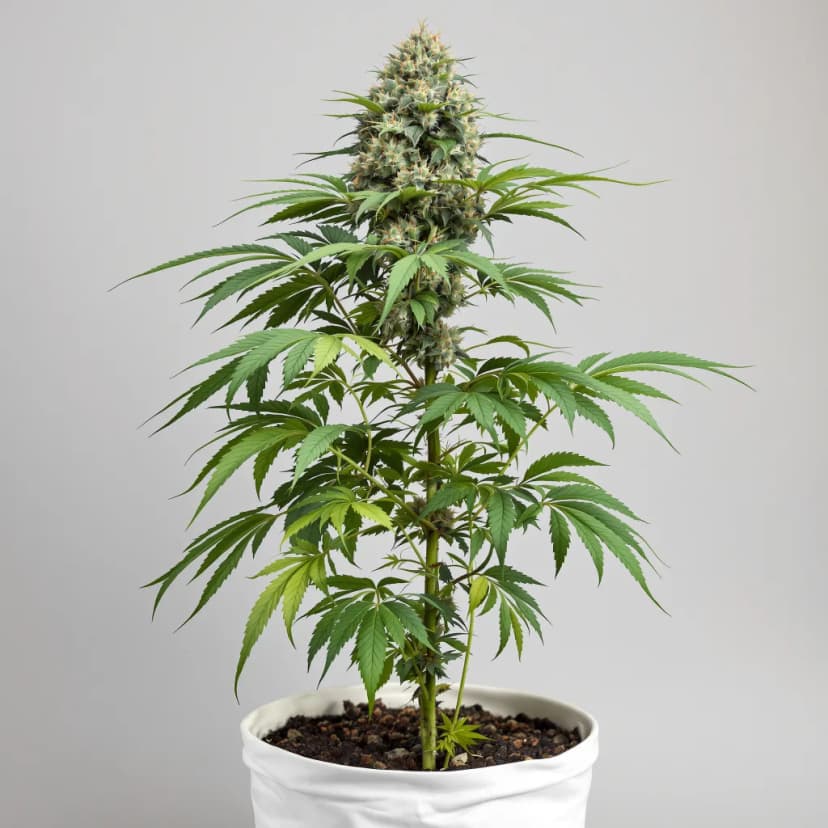
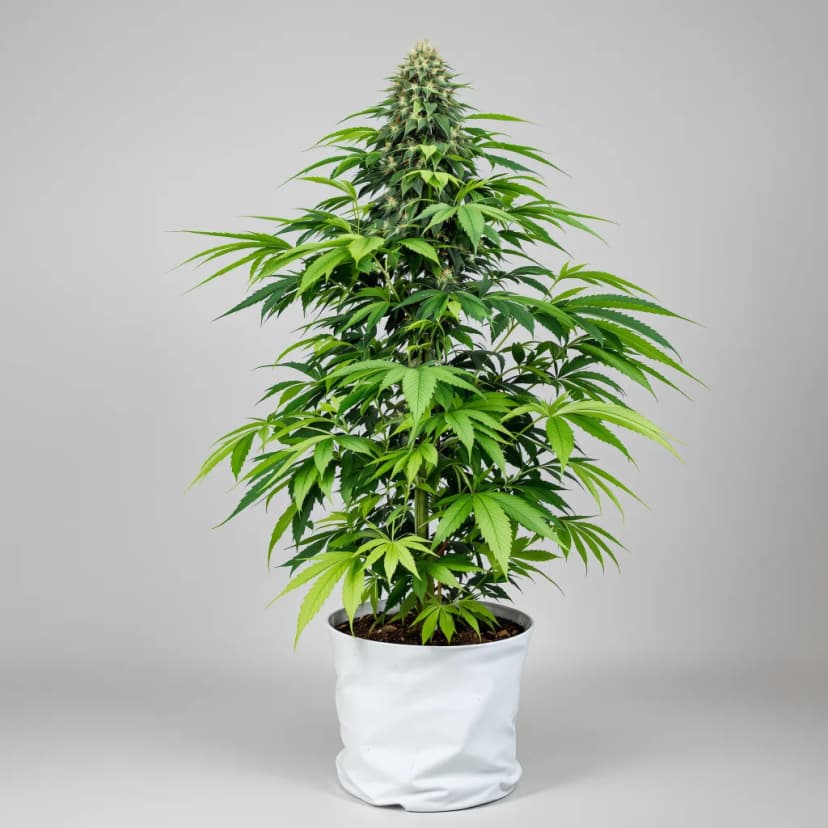
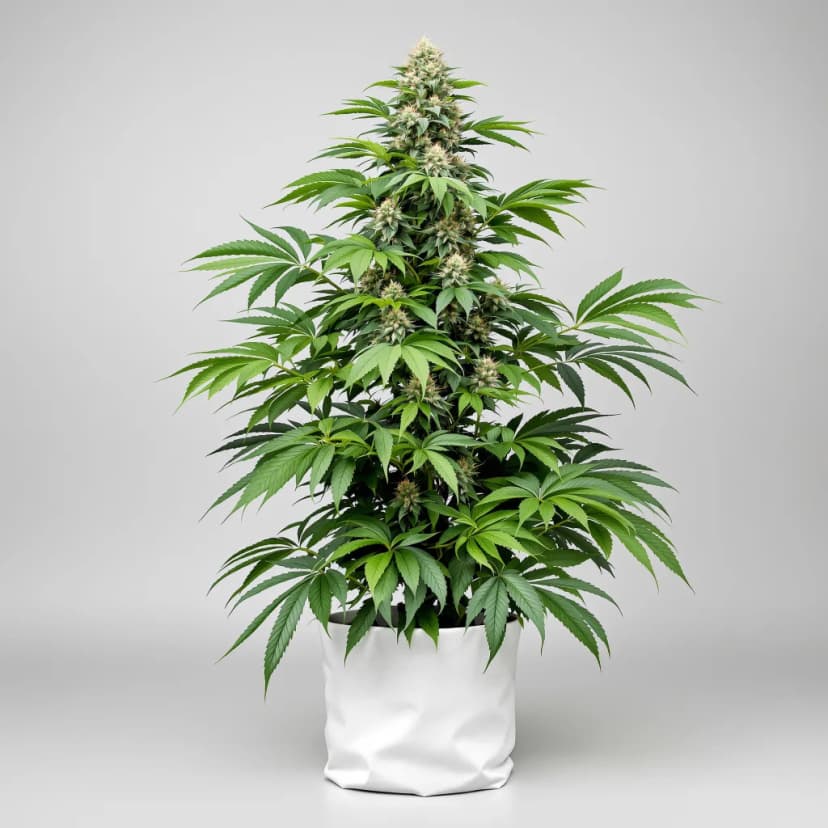
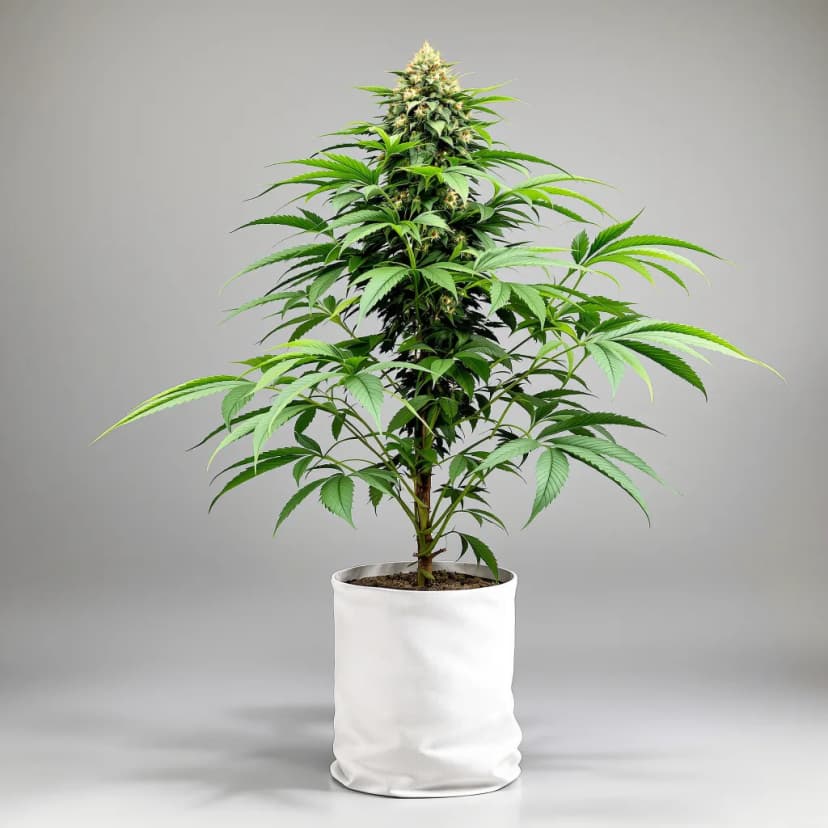
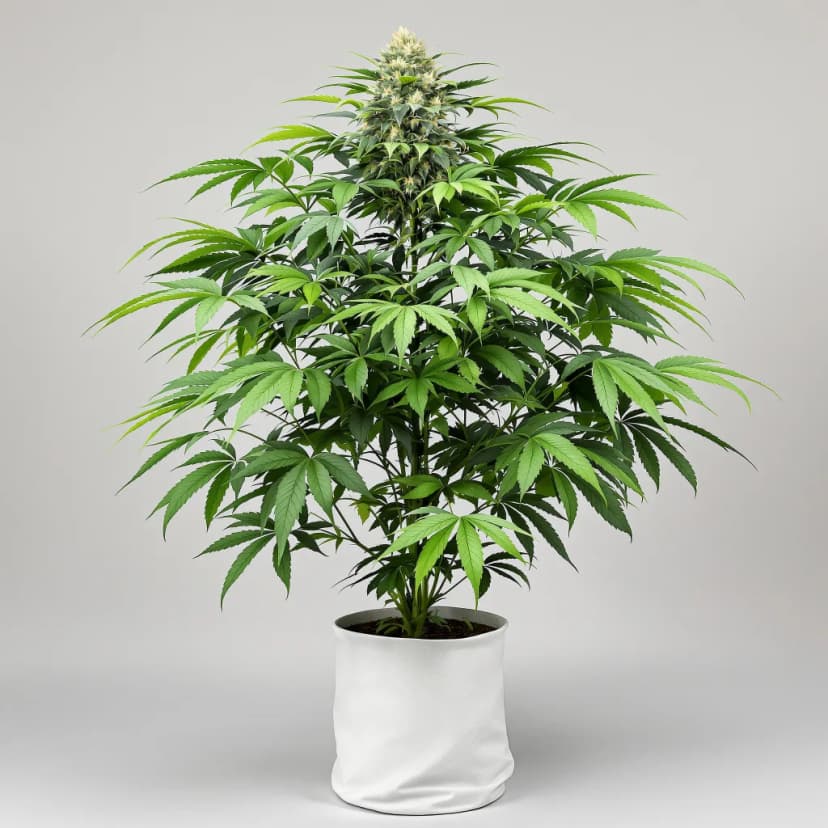
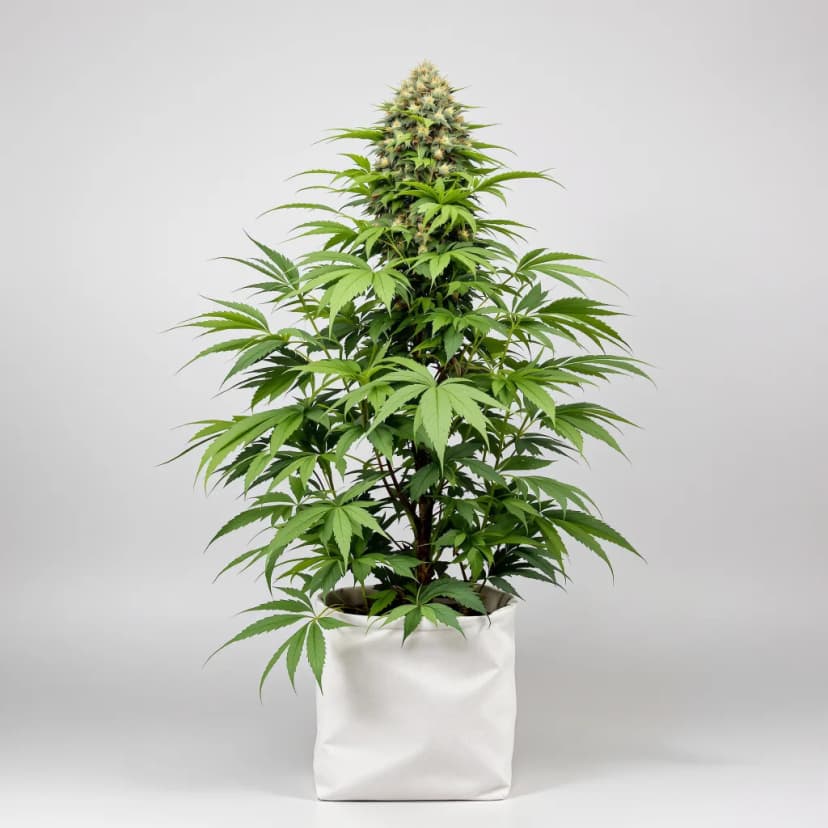
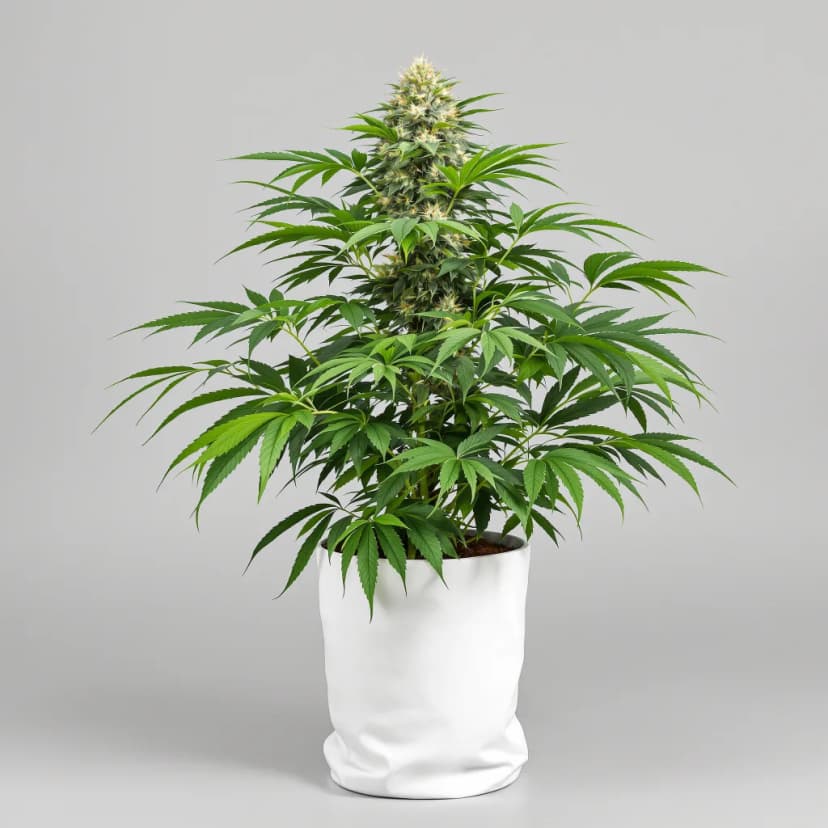
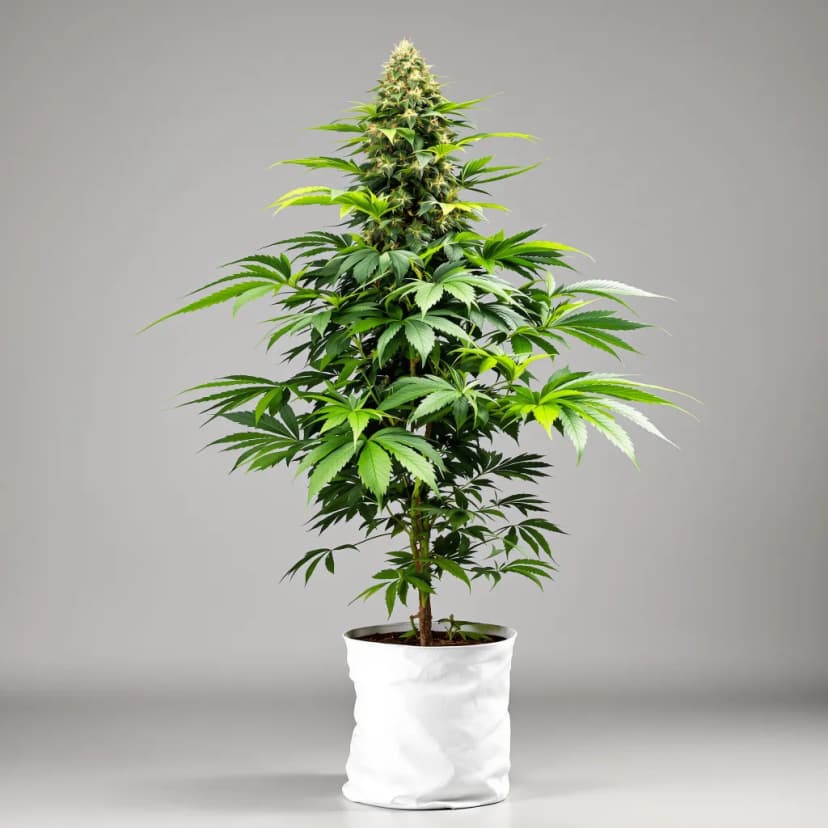
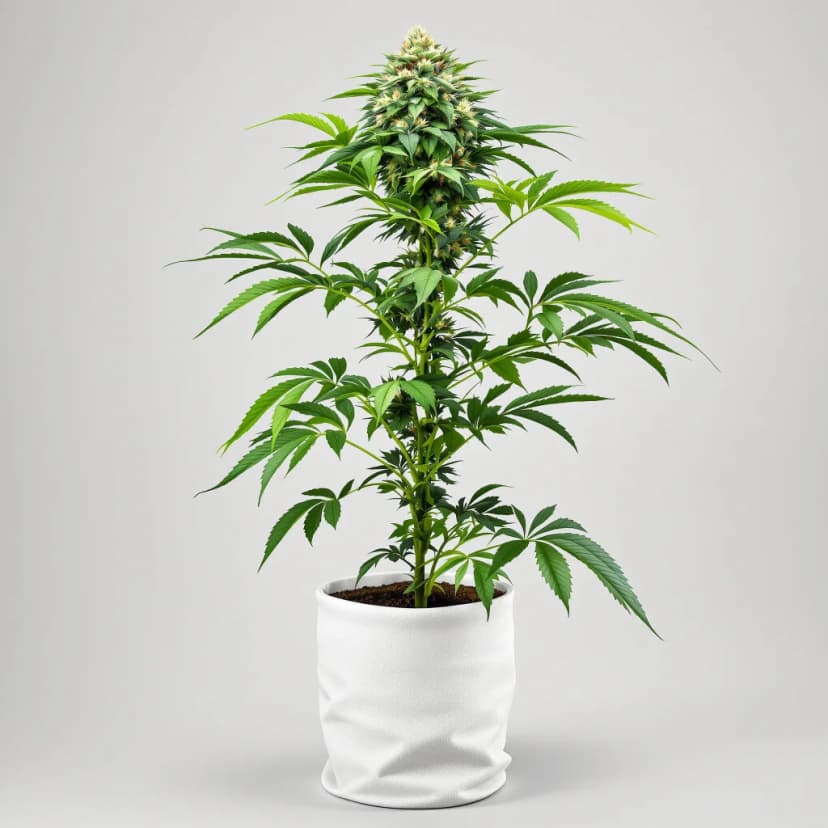
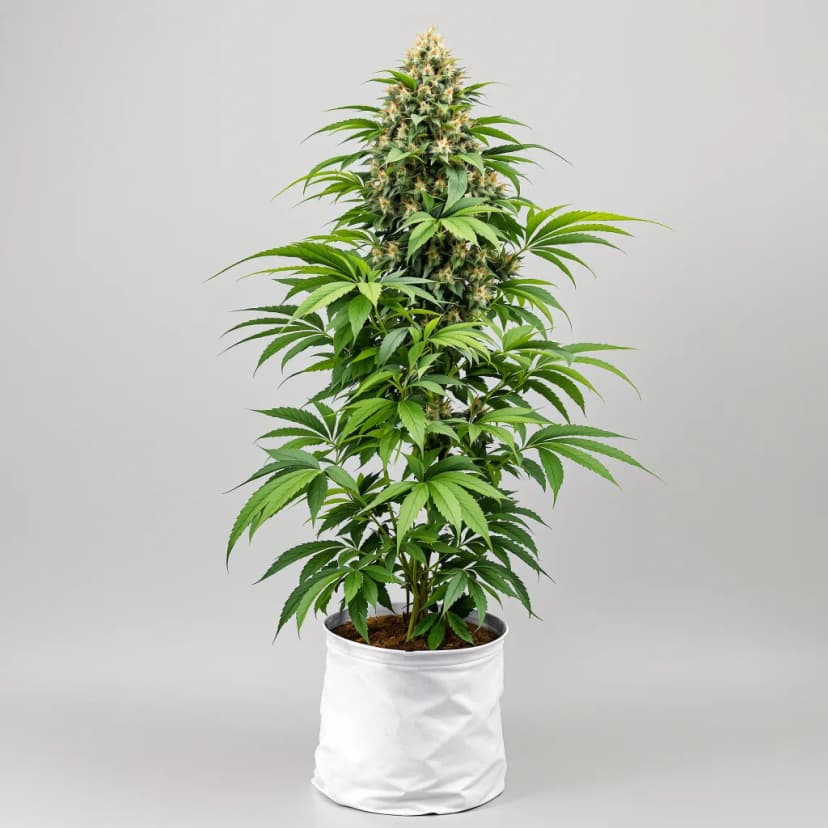
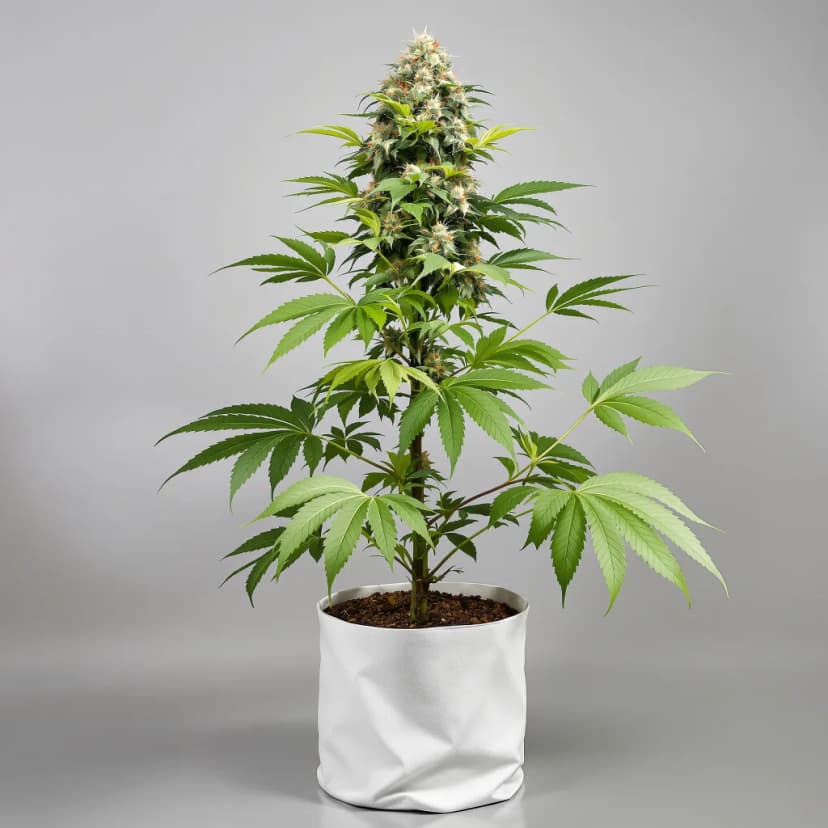
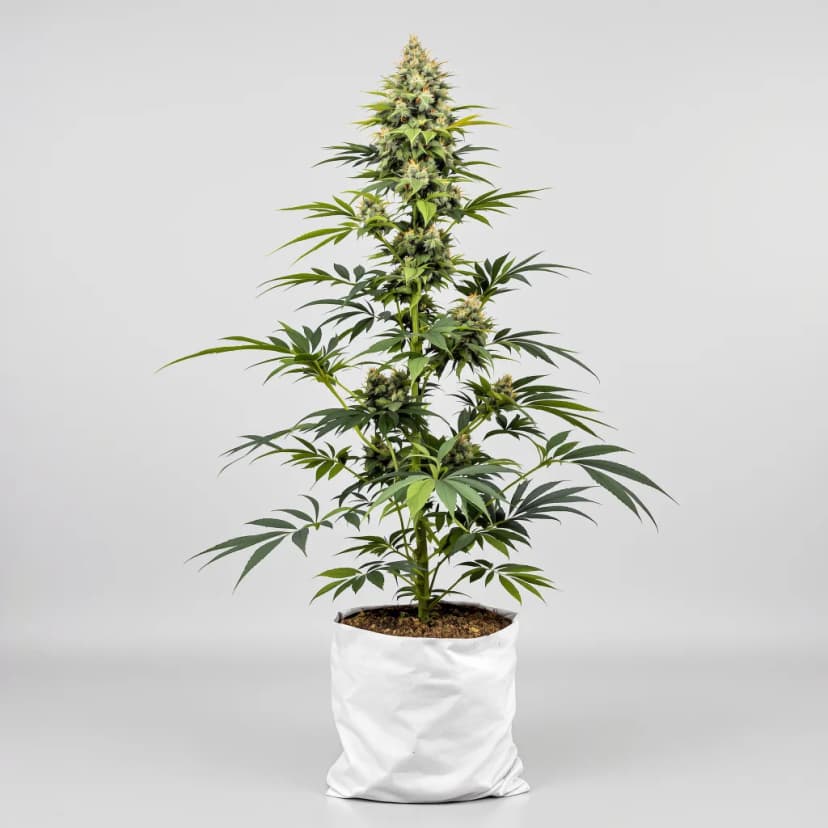
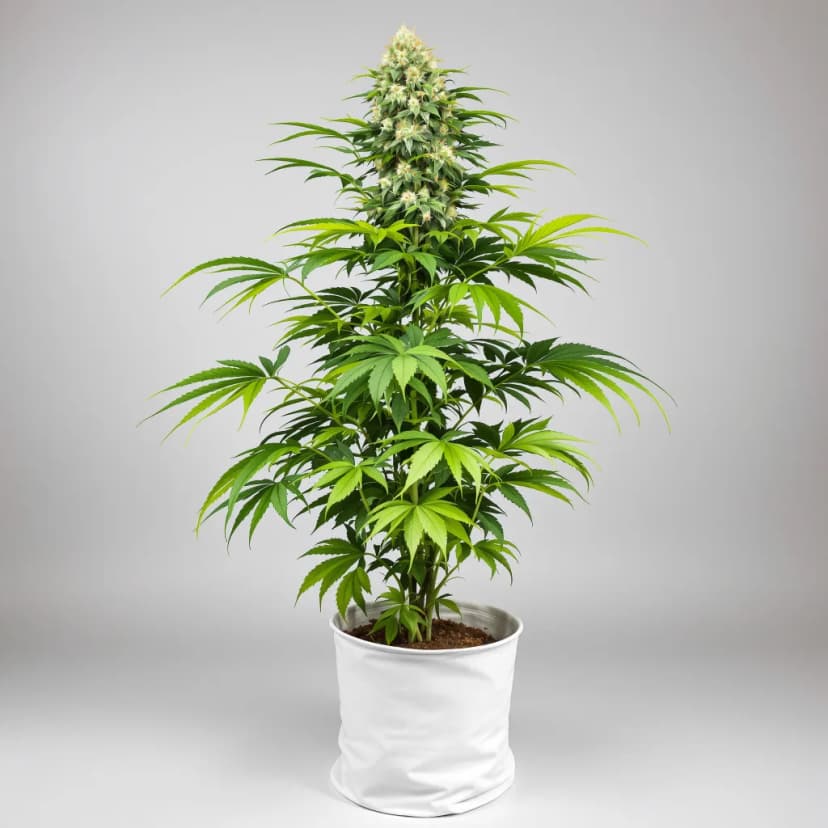
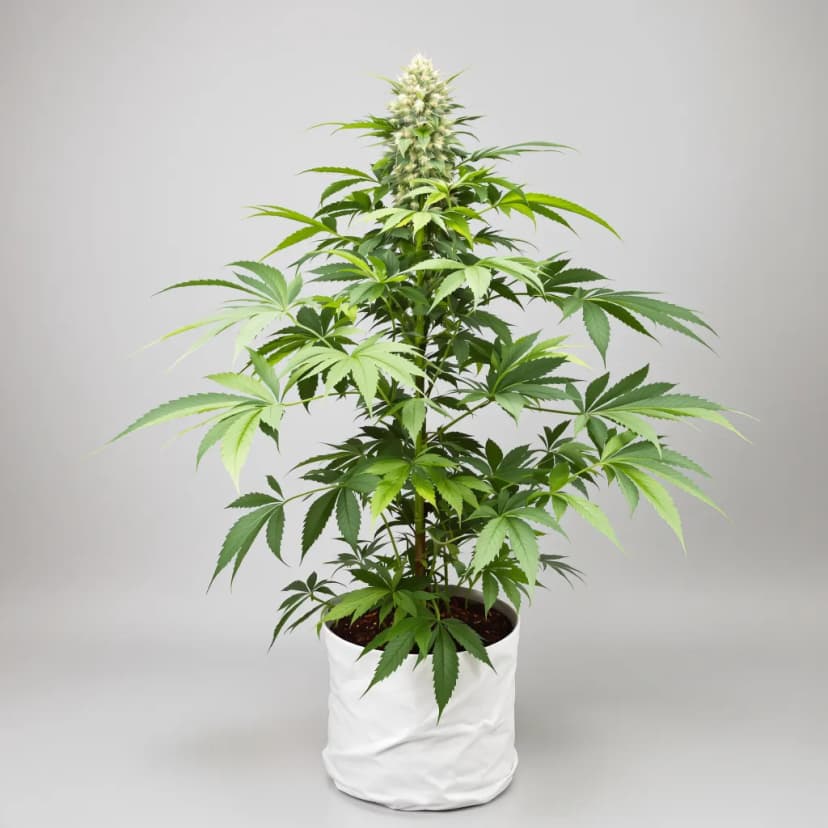
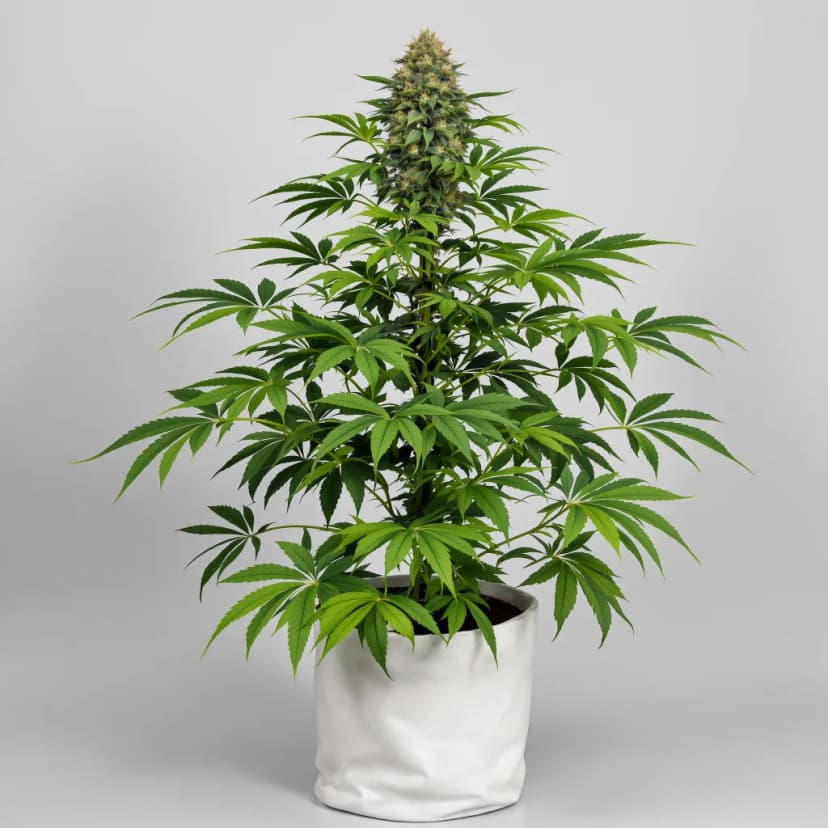
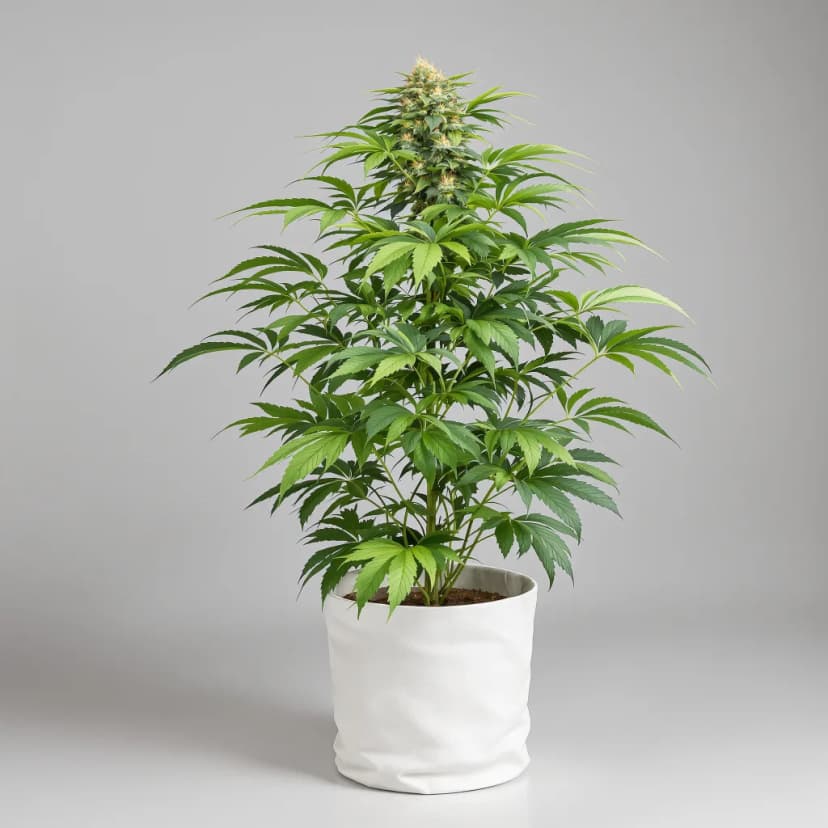
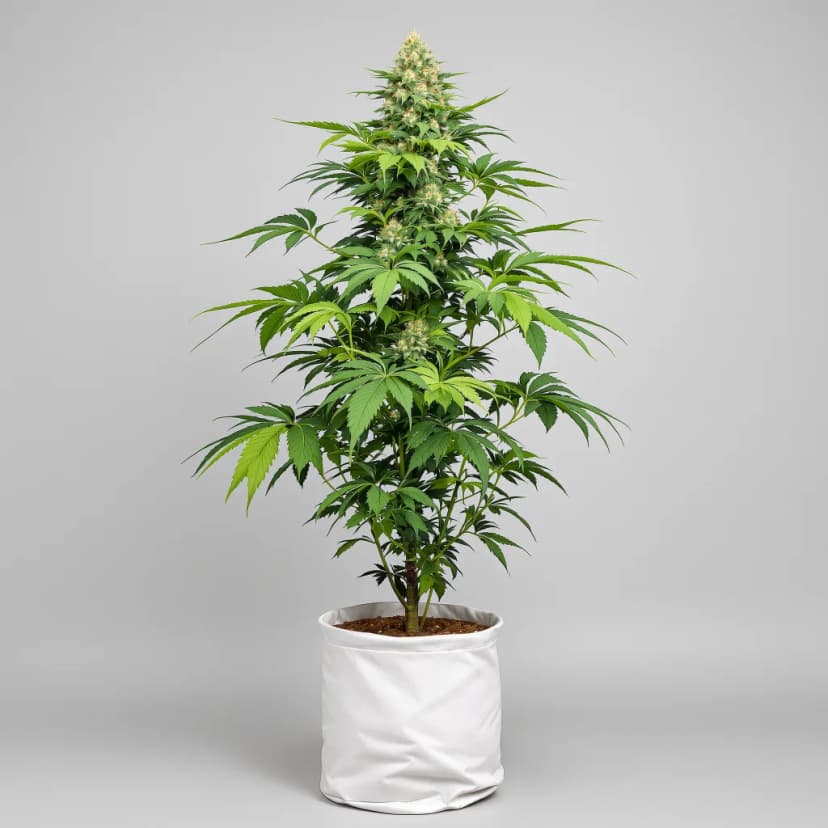
Purple Cannabis Seeds USA, Stunning Purple Genetics
Purple cannabis seeds produce plants with striking purple, violet, and dark coloration in their flowers and foliage. Beyond their visual appeal, purple strains often deliver unique terpene profiles with grape, berry, and floral notes. The purple coloring comes from anthocyanin pigments that develop when temperatures drop during late flowering. Browse our collection of the most visually stunning cannabis genetics available.
Shop Purple Genetics Seeds
Browse 113 purple genetics seeds and filter by seed-to-harvest time, strain type, difficulty, THC, expected effects and flavor. Product specifications are breeder-reported unless otherwise noted and may vary by environment and growing method.
How to choose purple genetics seeds
Start with the factor that matters most for your setup: total growing time, available height, experience level, expected yield, cannabinoid profile or preferred flavor. Compare the complete strain specifications rather than choosing on THC percentage alone.
| Your priority | What to compare |
|---|---|
| A faster harvest | Seed-to-harvest time, not flowering time alone — they are different measurements |
| A small space | Expected height, stretch during bloom and recommended container size |
| A first grow | Difficulty rating, and how sensitive the cultivar is to feeding and training |
| A bigger yield | Indoor and outdoor yield ranges, and the environment the figure assumes |
| Potency | Breeder-reported THC and CBD |
| A particular experience | Cannabinoids, terpene profile and customer reports |
| Growing outdoors | Total lifecycle, climate suitability and your local season length |
Published THC, yield, height and finish times are estimates, not guarantees. Results vary with phenotype, environment, lighting, nutrition, container size and grower experience.
Purple Genetics seed guide
Overview
Purple coloring in cannabis is caused by anthocyanin pigments, the same compounds that make blueberries blue and grapes purple. Some strains carry genetic predispositions for high anthocyanin production.
- Cold temperatures during late flowering (60-65°F at night) trigger and intensify purple coloring.
- However, the genetics must be present, you cannot turn a non-purple strain purple just by lowering temperatures.
- Our purple genetics collection features strains bred specifically for dramatic color expression.
Top picks
Our purple collection features Granddaddy Purple (the purple strain standard), Purple Punch (grape candy flavor), Purple Haze (Hendrix-inspired sativa), Purple Kush (pure indica relaxation), Tropicana Purple (citrus meets purple), and Forbidden Fruit (deep purple with cherry notes). Each produces stunning visual appeal alongside excellent effects and yield when grown properly.
Need help choosing?
Answer a few quick questions and we'll recommend the best strains for your goals, experience, and growing setup.
Frequently asked questions
Are purple strains more potent?
Purple coloring is independent of potency. Some purple strains are very potent (Granddaddy Purple at 20-27% THC), while others are moderate. The purple color comes from anthocyanin pigments, not cannabinoids. Choose purple strains for their unique flavors and visual appeal.
How do I make my cannabis plants turn purple?
You need genetics that carry anthocyanin genes. Then lower nighttime temperatures to 60-65°F during the last 2-3 weeks of flowering. You cannot make a non-purple strain turn purple. All strains in our purple collection carry these genetics.
Do purple strains taste different?
Yes. Purple strains often have grape, berry, and floral terpene profiles that differ from green strains. The unique terpene combinations create flavors reminiscent of grape candy, berries, and wine. These flavors are one of the main reasons growers seek out purple genetics.
Related growing guides
Explore related seed categories
Cannabinoid & Terpene Reference Data
Purple cannabis genetics develop their distinctive coloring from anthocyanin pigments, same compounds that color blueberries and red cabbage, triggered by cooler nighttime temperatures during late flower. Breeder-reported data shows that purple strains often have elevated total cannabinoid content because anthocyanin production correlates with overall trichome quality.
| Strain | Total THC | CBD |
|---|---|---|
| Granddaddy Purple | 22.0% | 0.09% |
| Purple Punch | 23.6% | 0.07% |
| Purple Kush | 22.1% | 0.06% |
| Mendocino Purps | 20.2% | 0.09% |
| Purple Urkle | 21.5% | 0.08% |
| Black Cherry Soda | 20.8% | 0.07% |
| Grape Ape | 21.4% | 0.09% |
| Purple Trainwreck | 22.7% | 0.05% |
| Forbidden Fruit | 25.1% | 0.05% |
| Blackberry Kush | 21.9% | 0.06% |
Purple coloring depends on temperature gradient during late flower (warm days, cool nights at 60-65°F), growers who maintain this gradient see deeper purple expression. Indoor grows often need supplemental cooling at lights-off to trigger full purple potential.
Aggregated Grower Yield Reports
Purple genetics yield reports, note that growers who explicitly target the purple expression (cool nighttime temps in last 2 weeks) often report slightly lower yields than uncolored runs of the same genetics, as the cold stress reduces overall plant biomass. The trade-off: stunning visual appeal and slightly enhanced terpene complexity.
| Strain | Yield (g/plant) |
|---|---|
| Granddaddy Purple | 510g |
| Purple Punch | 540g |
| Purple Kush | 470g |
| Mendocino Purps | 685g |
| Purple Urkle | 460g |
| Black Cherry Soda | 580g |
| Grape Ape | 470g |
| Purple Trainwreck | 525g |
| Forbidden Fruit | 545g |
| Blackberry Kush | 595g |
Looking for Deals?
Not sure which strain is right for you?
Take our 60-second quiz or explore our grow guides for expert recommendations.