Terpenes in Cannabis and Weed
Royal King Seeds Editorial Team
Cannabis Cultivator & Seed Specialist
Terpenes are the reason two strains at 22% THC can feel completely different, and the reason why reducing cannabis to a THC percentage misses most of what makes a specific cultivar worth growing. These volatile aromatic compounds shape flavor, modulate how cannabinoids interact with the endocannabinoid system, and contribute to the subjective "character" of each strain in ways that researchers are still mapping but that growers and users have observed for decades.
What Terpenes Are and Why They Matter Beyond Smell
Terpenes are organic compounds produced in the trichome glands alongside cannabinoids. Cannabis produces over 200 identified terpenes, though most strains are dominated by 2-5 primary terpenes that define their aromatic and experiential character. These compounds evolved as the plant's defense system, deterring herbivores, attracting pollinators, and protecting against UV radiation. Their interaction with human physiology is a secondary effect that happens to produce the nuanced, strain-specific experiences cannabis is valued for.
The "entourage effect", the idea that cannabinoids and terpenes work differently together than in isolation, is supported by growing (though still incomplete) research. What is well-established through decades of user and cultivator observation: strains with different terpene profiles at similar THC levels produce meaningfully different subjective experiences. This is why experienced users choose by aroma and strain name, not by THC number.
The Major Terpenes in Cannabis
Myrcene: The most common cannabis terpene. Earthy, musky, herbal, sometimes described as "dank." Myrcene is associated with sedation, relaxation, and the heavy body effect of classic indica strains. Strains with >0.5% myrcene are often described as having that classic "couch-lock" quality. Also found in mangoes, hops, and lemongrass.
Limonene: Bright citrus, lemon, orange, grapefruit. Associated with mood elevation, stress relief, and the uplifting quality of many sativa genetics. Limonene-dominant strains tend to produce mentally active, socially comfortable effects. Also found in citrus peels, juniper, and rosemary.
Caryophyllene: Peppery, spicy, woody. Unique among terpenes because it directly activates CB2 receptors in the immune system, potentially contributing anti-inflammatory effects independent of THC or CBD. Dominant in strains with "fuel," "diesel," or "spice" character. Also found in black pepper, cloves, and cinnamon.
Pinene: Sharp pine, fresh, resinous. Associated with mental alertness and focus, some research suggests it may counteract some of THC's short-term memory effects. Common in kush varieties and landrace genetics. Also found in pine needles, rosemary, and basil.
Linalool: Floral, lavender, soft. Associated with calming and anxiolytic effects, it is the terpene most commonly linked to the "relaxing without sedation" quality. Common in strains recommended for anxiety. Also found in lavender, mint, and coriander. Strain selection for anxiety is highly personal, what calms one user can overstimulate another. Our CBD and anxiety guide covers the cannabinoid and terpene combinations most consistently associated with calming effects.
Terpinolene: Herbaceous, slightly fruity, piney. Less common as a dominant terpene, which makes terpinolene-forward strains distinctive in a market where myrcene and limonene dominate. Often described as "uplifting" and "creative." Found in nutmeg, tea tree, and cumin.
How Growing Conditions Affect Terpene Expression
The genetic code sets the terpene potential. The growing environment determines how much of that potential is expressed. Several factors influence final terpene concentration:
Light intensity and spectrum: Higher light intensity (up to the plant's saturation point) drives more trichome production, which means more terpene production. UV-B light specifically has been shown to increase terpene synthesis, this is why outdoor cannabis grown at altitude (higher UV) and indoor grows with UV-supplemented LED often produce stronger aromatic profiles.
Temperature differential: Moderate day/night temperature differences (10-15°F) promote terpene retention. Cool nights slow the evaporation of volatile terpenes. This is why many growers drop their nighttime temperature in the final 2 weeks of flower, a practical technique that often produces noticeable aromatic improvement.
Stress: Mild, controlled stress (LST, moderate drought stress, temperature swings) can increase terpene production as a defensive response. Severe stress damages the plant and reduces overall quality. The line between productive stress and harmful stress depends on the genetics and the grower's ability to read plant response.
How Harvest Timing Changes the Terpene Profile
Terpenes are volatile, they evaporate in order of their molecular weight and boiling point. Lighter terpenes (limonene, pinene, terpinolene) degrade first as the plant matures. Heavier terpenes (myrcene, caryophyllene, humulene) persist longer. This means:
Early harvest preserves the brightest, most citrus/floral/pine-forward terpene expression. Late harvest shifts the profile toward earthier, muskier, more "mature" aromatics. Neither is objectively better, it depends on what you want from the flower. A grower who wants limonene brightness from a citrus strain should harvest slightly earlier than one who wants the deep, complex funk of a fully matured kush. Harvest timing shifts the cannabinoid ratio, terpene preservation, and perceived effect of the finished flower. Our harvest and trichome guide covers the maturity markers that determine when to cut.
How Curing Develops (and Destroys) Terpenes
A proper slow cure (3-4+ weeks in glass jars at 60-62% RH) allows enzymatic processes to continue developing terpene complexity after harvest. Secondary and tertiary aromatic notes emerge during this period that were not present in fresh-dried flower. Many growers describe the aromatics at week 1 of cure as "simple" and at week 4 as "complex", the difference is real and measurable.
Fast drying (warm, dry conditions) and insufficient curing destroys terpenes, the volatile compounds evaporate before the enzymatic conversion that produces depth and complexity can occur. This is why properly dried and cured cannabis smells dramatically different from hastily processed flower of the same genetics. Drying and curing determine 30-40% of final flower quality. Rushing this step destroys terpene complexity and produces harsh smoke regardless of growing quality. Our storage and curing guide covers the process in practical terms.
Selecting Strains by Terpene Profile
If specific terpene expression matters to you (and for many experienced growers, it matters more than THC percentage), choose genetics known for the terpene profile you prefer. kush varieties lean myrcene and caryophyllene. fruity strains are bred for limonene and sweet terpene expression. exotic genetics often feature unusual terpene combinations. sativa genetics from tropical lineages often lean limonene and terpinolene. Our full seed catalog includes terpene information for every strain.
Frequently Asked Questions
Can I increase terpene production by adding terpene supplements?
Do terpenes affect how high I get?
How can I tell which terpenes are in my flower?
Does vaporizing preserve more terpenes than smoking?
Shop Strains Featured in This Guide
Hand-picked seeds from our catalog that match this article's topic. Free US shipping over $150 with 95% germination guarantee.
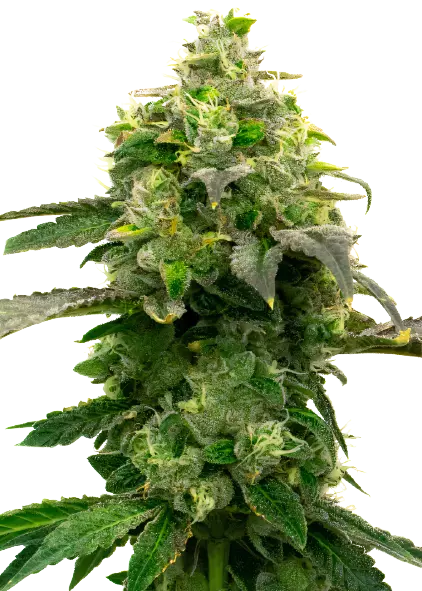
sativa
Steve's Dream Queen Feminized
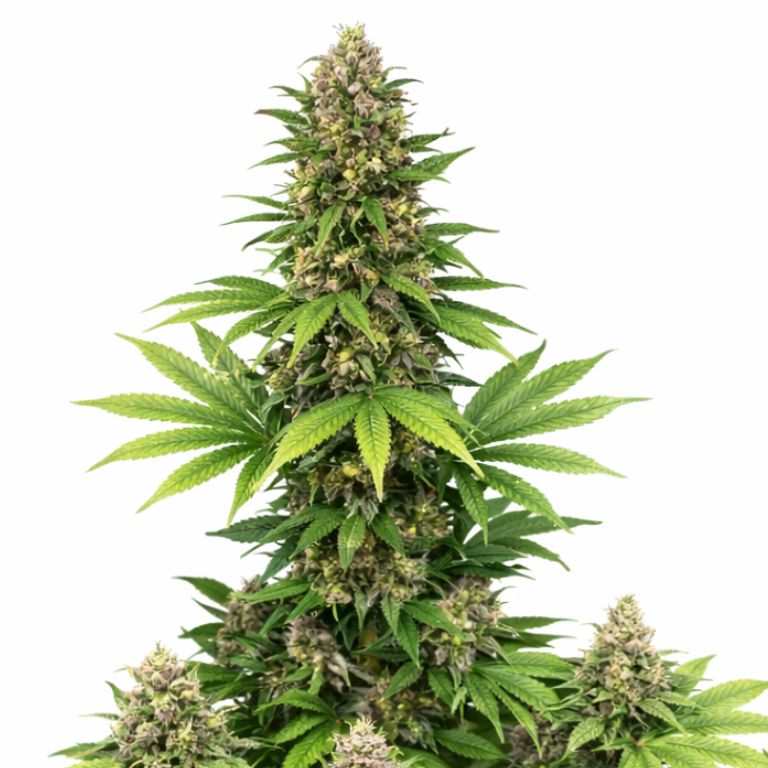
hybrid
Double Bubble Feminized
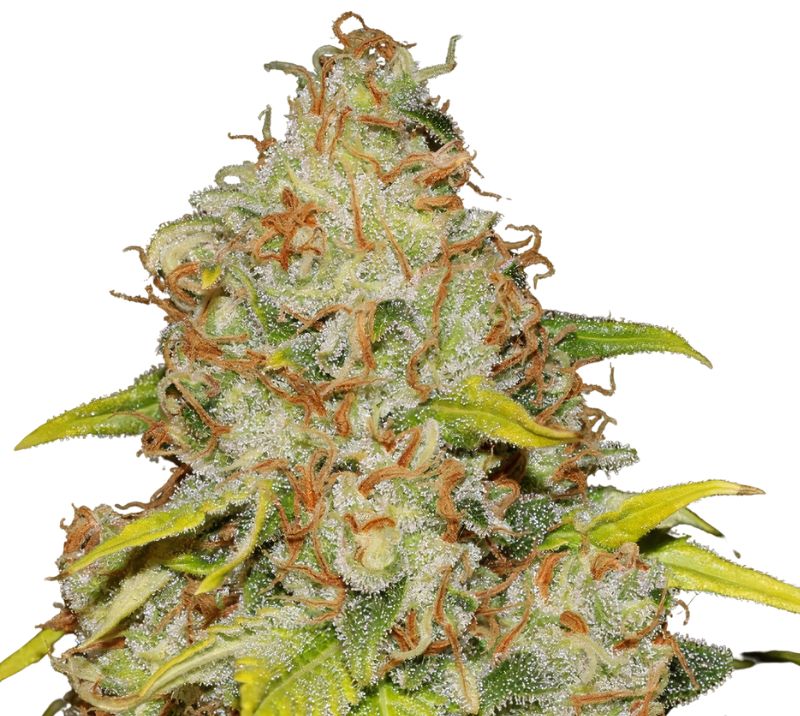
indica
Reclining Buddha Feminized
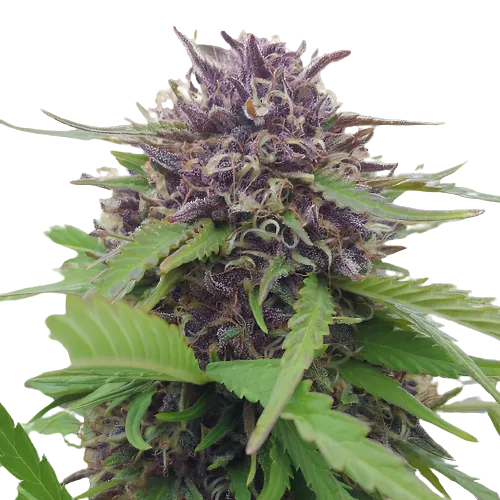
indica
Purple Panty Dropper Feminized
Strain Profiles
Related Buying Guides
Browse the full All Cannabis Seeds collection
Premium genetics, US-wide discreet shipping, germination guaranteed.
Related Articles
Ready to Start Growing?
Shop 1,600+ feminized, autoflower, and CBD strains with 95% germination, discreet US-wide shipping, and free delivery on orders over $150.
Shop Cannabis Seeds