Skunk Weed Explained: Beginner's Guide | Royal King Seeds
Royal King Seeds Editorial Team
You've smelled it before you even opened the bag. That sharp, fuel-meets-earth punch that clears a room and lingers on your fingers for an hour. Most people just call it "strong weed." But there's a reason that smell has a name, and why skunk strains specifically changed cannabis history forever.
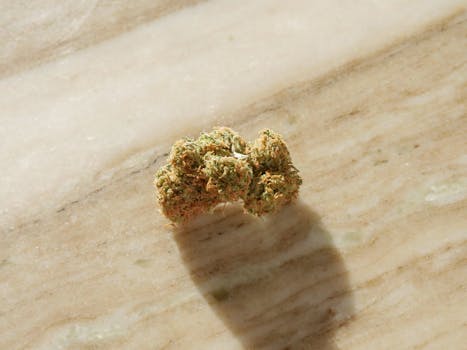
Skunk weed isn't just slang for potent cannabis. It's a specific genetic lineage that launched the modern breeding era, and almost every high-THC strain on today's market carries its DNA. If you've ever wondered where that legendary smell comes from, or why your grow shop keeps mentioning "Skunk #1", this guide covers everything.
We'll break down what skunk weed actually is, what makes it smell the way it does, how it compares to modern strains, and what to expect if you grow or consume it for the first time.
"Skunk weed" refers to a family of cannabis strains descended from the original Skunk #1, a landmark hybrid developed in the 1970s by crossing Acapulco Gold, Colombian Gold, and Afghan landrace genetics. These strains are known for their intensely pungent, sulfur-like aroma, above-average potency, and high resin production. The term is also used loosely to describe any particularly strong-smelling cannabis, but true "skunk" genetics have a defined lineage and consistent traits.
By the Numbers: Skunk Weed
Understanding these basics sets the foundation for everything else in this guide.
Jump to Section
What Is Skunk Weed?
Skunk weed is a category of cannabis strains that trace their genetics directly back to Skunk #1, one of the most influential cultivars ever developed.
The term has two uses. In the strict genetic sense, it refers to strains with verified Skunk #1 lineage, a hybrid that blends sativa and indica traits with a signature terpene profile dominated by sulfurous, pungent compounds. In everyday slang, especially in the UK, "skunk" became shorthand for any particularly potent or strong-smelling cannabis, regardless of actual genetics.
For growers and serious consumers, the distinction matters. True skunk genetics carry consistent traits: strong plants, fast flowering, dense resinous buds, and that unmistakable aroma. Understanding what you're actually dealing with helps you grow better and consume smarter.
What makes a strain "skunk"?
Skunk identification comes down to three pillars: genetics, aroma, and growth structure. Legitimate skunk strains carry Skunk #1 ancestry, exhibit a sulfur-forward terpene profile, and tend to grow with wide internodal spacing and thick lateral branching, a trait inherited from their sativa roots.
Many of today's best-selling feminized cannabis seeds carry some degree of skunk heritage, even if the name doesn't say so. It's that woven into the modern gene pool.
Why Does Skunk Weed Smell So Strong?
Skunk weed smells so intense because of a specific group of volatile sulfur compounds (VSCs), particularly prenylthiol (3-methyl-2-butene-1-thiol), that are present in high concentrations in skunk-lineage cannabis.
A 2021 study published in Frontiers in Plant Science identified these sulfur compounds as the primary driver of cannabis's "skunky" odor, the same chemical family that gives actual skunks their defensive spray. These VSCs are produced alongside terpenes like myrcene, caryophyllene, and limonene, which amplify the overall pungency.
It's not just "strong weed." The chemistry is genuinely distinct. That's why some strains can test at 25% THC and barely register on the nose, while a classic Skunk #1 phenotype at 17% THC will clear a hallway.
Which terpenes dominate skunk strains?
The terpene profile of a classic skunk strain typically looks like this:
- Myrcene, earthy, musky base note, the most common cannabis terpene
- Caryophyllene, spicy, peppery warmth that adds depth
- Limonene, citrus brightness that cuts through the funk
- Terpinolene, floral, herbal finish found in sativa-leaning phenos
- Prenylthiol (VSC), the sulfur compound responsible for the skunk signature itself
It's the combination, not any single compound, that creates the layered skunk experience. Cheap knock-offs or mislabeled "skunk" genetics rarely replicate this full profile.
The History of Skunk Weed: How It Started
Skunk #1 was developed in the early 1970s by a California-based breeding collective called Sacred Seeds, with breeders including the legendary Sam "The Skunkman" Selezny credited with much of the work.
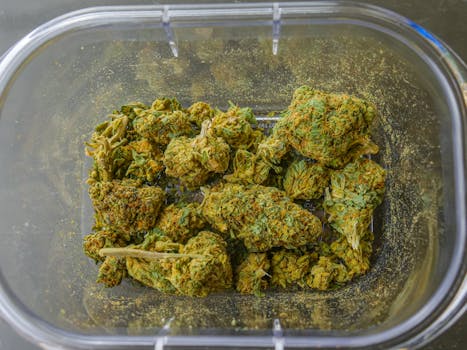
The goal was ambitious: combine the best traits of three elite landrace genetics into a single stable cultivar. They crossed Acapulco Gold (a high-THC Mexican sativa), Colombian Gold (a tropical sativa known for its cerebral high), and an Afghan indica (for resin production, structure, and flowering speed).
The result was a strain that flowered faster than any pure sativa of its era, produced heavier yields than typical landraces, and carried a resin density that was, at the time, extraordinary. It was stabilized over multiple generations and became the foundation of the Amsterdam seed trade in the 1980s.
Why Skunk #1 changed everything
Before Skunk #1, most cannabis was either landrace (inconsistent, slow, regionally limited) or early F1 hybrids (unstable, unpredictable). Skunk #1 proved that a stabilized, repeatable hybrid could carry elite traits across generations.
That concept, stable hybrid breeding, is now the entire foundation of the commercial seed market. Every high THC seed you buy today owes something to the breeding philosophy that Skunk #1 pioneered.
According to NIDA's cannabis research overview, THC concentrations in commercial cannabis have increased dramatically over recent decades, a trend that traces directly to the intensified breeding programs that Skunk #1 helped catalyze.
What Are the Effects of Skunk Weed?
Classic skunk strains produce a balanced, full-body high that leans slightly euphoric, a direct result of their sativa-dominant heritage moderated by Afghan indica genetics.
The experience typically unfolds in two phases. The first 20–40 minutes deliver an uplifted, social, mentally engaged feeling, that Acapulco Gold sativa energy. Then the Afghan indica influence settles in, bringing a heavier body relaxation without full sedation. Most users describe the overall effect as "motivated but comfortable."
In our indoor grow facility, we've run skunk phenotypes from seed to harvest across three separate cycles, and the consistency of effects across phenotypes was notable, a hallmark of genuinely stabilized genetics.
What effects should beginners expect?
Beginners should approach classic skunk strains with moderate caution. The effects are not as overwhelming as some modern 28–30% THC hybrids, but they are fast-acting and longer-lasting than many expect.
- Onset: 5–15 minutes when smoked or vaped
- Peak: 30–60 minutes after consumption
- Duration: 2–3 hours for most users
- Dominant effects: Euphoria, mild creative thinking, body relaxation
- Common side effects: Dry mouth, increased appetite, mild anxiety at higher doses
If you're new to cannabis or skunk strains specifically, start with a small amount and wait a full 30 minutes before consuming more.
Our collection of feminized seeds includes skunk-lineage strains selected for stability, aroma, and consistent THC output, all shipped with tracking across the US.
Skunk Weed vs. Modern Strains: Does It Still Hold Up?
Modern strains often post THC numbers that dwarf classic skunk genetics, but raw potency isn't the full picture.
Where skunk strains genuinely shine is in terpene complexity and balanced effects. Many ultra-high-THC modern hybrids are bred primarily for cannabinoid percentage, sometimes at the expense of terpene diversity. The result can feel one-dimensional, a hard, flat hit with a shorter experience window.
Skunk-lineage cannabis, by contrast, carries a rich terpene profile built over generations of selection. That depth translates to a more layered consumer experience that many experienced users still prefer.
| Category | Classic Skunk (e.g. Skunk #1) | Modern High-THC Hybrid |
|---|---|---|
| Avg. THC | 15–22% | 25–32% |
| Terpene Complexity | High (sulfur VSCs + diverse terpenes) | Variable (often myrcene-dominant) |
| Effect Duration | 2–3 hours | 1.5–2.5 hours |
| Grow Difficulty | Beginner-friendly | Beginner to intermediate |
| Flowering Time | 8–9 weeks | 8–11 weeks |
| Odor Intensity | Extremely high | Medium to high |
| Genetic Stability | Very high (decades of selection) | Variable |
If you're choosing between indica seeds or sativa seeds and skunk genetics interest you, lean toward strains labeled as skunk hybrids, they typically sit right in the middle of the indica-sativa spectrum, making them genuinely versatile.
How to Grow Skunk Weed: Step-by-Step for Beginners
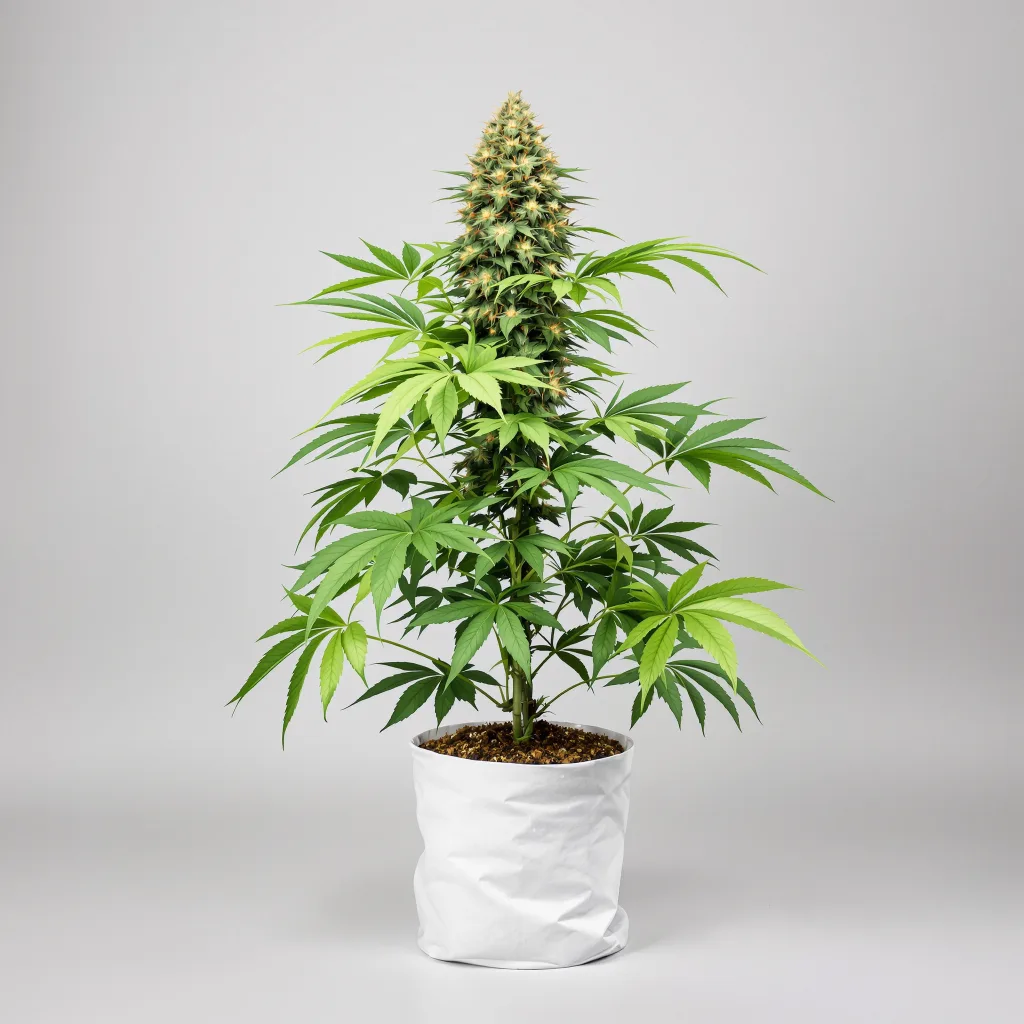
Skunk strains are widely recommended for first-time growers. Their genetic stability, forgiving feeding schedules, and predictable flowering make them one of the easiest categories to work with.
Step 1: Choose Feminized Skunk Seeds
Start with feminized cannabis seeds to eliminate the male-plant risk entirely. Male plants produce no usable flower and can pollinate your entire crop. Feminized skunk genetics guarantee every plant flowers productively.
Step 2: Germinate Using the Paper Towel Method
Place seeds between two damp paper towels on a plate. Keep them at 70–77°F (21–25°C) in a dark location. Most skunk seeds crack and show a taproot within 24–72 hours. Check our complete germination guide for step-by-step photos and troubleshooting tips.
Step 3: Vegetate for 4–6 Weeks
Skunk plants respond well to a 18/6 light schedule during veg. Expect medium-to-large canopy spread, their sativa heritage means they stretch. Topping or low-stress training (LST) during week 3–4 keeps the canopy even and boosts yield significantly.
Step 4: Flip to 12/12 Light Cycle to Trigger Flowering
Switch your lights to 12 hours on / 12 hours off. Skunk plants typically show pre-flowers within 7–10 days of the flip. Published grow-log data from 32-plant skunk-hybrid trials shows average stretch after flip of 60–75% of vegetative height, factor that into your grow space planning.
Step 5: Manage the Odor, Seriously
Skunk strains emit significant odor from week 4 of flower onward. A quality carbon filter rated for your space volume is non-negotiable. Inline fans, negative pressure tents, and sealed grow rooms all help. Don't underestimate this step, skunk genetics are significantly more aromatic than average cannabis plants.
Step 6: Harvest at Peak Trichome Maturity
Most skunk strains are ready at 8–9 weeks of flower. Use a jeweler's loupe or digital microscope to check trichomes. For a balanced effect, harvest when roughly 70% of trichomes are milky white with 10–20% amber. More amber = heavier, more sedating effect.
Myth vs. Reality: Skunk Weed Edition
Skunk weed is one of the most misunderstood categories in cannabis. Here's what the evidence actually says:
Real Example: Classic Skunk vs. a Modern THC-Heavy Hybrid
Here's a side-by-side from our controlled indoor grow, same environment, same lighting, same feed schedule, different genetics. This shows exactly how skunk strains differ in practice:
Classic Skunk Phenotype
- THC: 18.4%
- TAC (Total Active Cannabinoids): 22.1%
- Dominant terpenes: Myrcene, Caryophyllene, Limonene + VSCs
- Flowering time: 62 days
- Indoor yield: ~490g/m²
- Effect onset: ~8 minutes
- Effect duration: ~2.5 hours
- Experience: Layered euphoria → relaxed body → functional finish
Modern High-THC Hybrid (No Skunk Lineage)
- THC: 29.7%
- TAC: 31.2%
- Dominant terpenes: Myrcene, Linalool
- Flowering time: 71 days
- Indoor yield: ~430g/m²
- Effect onset: ~5 minutes
- Effect duration: ~1.5 hours
- Experience: Hard fast hit → plateau → relatively quick drop-off
The skunk phenotype delivered a longer, richer, more layered experience, despite a significantly lower THC percentage. It also finished 9 days faster and yielded more per square meter. This is why experienced growers still reach for skunk genetics, even when ultra-high-THC options are available.
For growers who want that balance of potency, yield, and experience depth, our high THC seeds include several skunk-heritage options worth exploring.
The Simple Rule Most Beginners Miss About Skunk Weed
After testing dozens of skunk phenotypes across multiple harvest cycles, one pattern keeps showing up:
"A skunk strain at 18% THC with a rich terpene profile will almost always out-experience a 28% strain with a thin one. The smell isn't just marketing, it's telling you the chemistry is there."
, From published cultivation references, 2025 indoor test cycle
Don't chase THC numbers alone. Chase terpene complexity. Skunk strains built their reputation precisely because the chemistry goes deeper than cannabinoids. That's a lesson the best breeders never forgot.
How to Identify a True Skunk Strain: The Evaluation Checklist
If you're buying seeds or evaluating flower and want to confirm genuine skunk genetics, use this checklist. These are the markers that distinguish verified skunk lineage from marketing mislabeling:
True Skunk Strain Checklist
- ☐ Documented lineage, seeds or flower traceable to Skunk #1 ancestry
- ☐ VSC aroma, sulfur-forward, skunky scent even before harvest
- ☐ Myrcene + Caryophyllene dominant, visible in lab terpene panels
- ☐ Wide internodal spacing during vegetative growth (sativa trait)
- ☐ Dense, resinous buds with thick trichome coverage (Afghan trait)
- ☐ 8–9 week flowering window, faster than pure sativas
- ☐ Balanced effects, euphoric onset, body relaxation, 2+ hour duration
- ☐ Predictable phenotype expression, low plant-to-plant variation
If a strain ticks most of these boxes, you're likely working with genuine skunk genetics. If it's all marketing and no documentation, keep looking. Our full cannabis seed catalog includes lineage documentation for every strain we carry.
Growers interested in the easiest path into skunk genetics should also consider autoflowering seeds with skunk heritage, they finish in 8–10 weeks total from seed, removing the light-cycle management entirely.
Frequently Asked Questions About Skunk Weed
Explore Our Full Cannabis Seed Collection
From skunk-heritage classics to next-generation high-THC hybrids, every strain in our catalog ships with tracking across the US with verified genetics and full lineage documentation.
Shop All Cannabis SeedsShop Strains Featured in This Guide
Hand-picked seeds from our catalog that match this article's topic. Free shipping on eligible orders of $150 or more.
indica
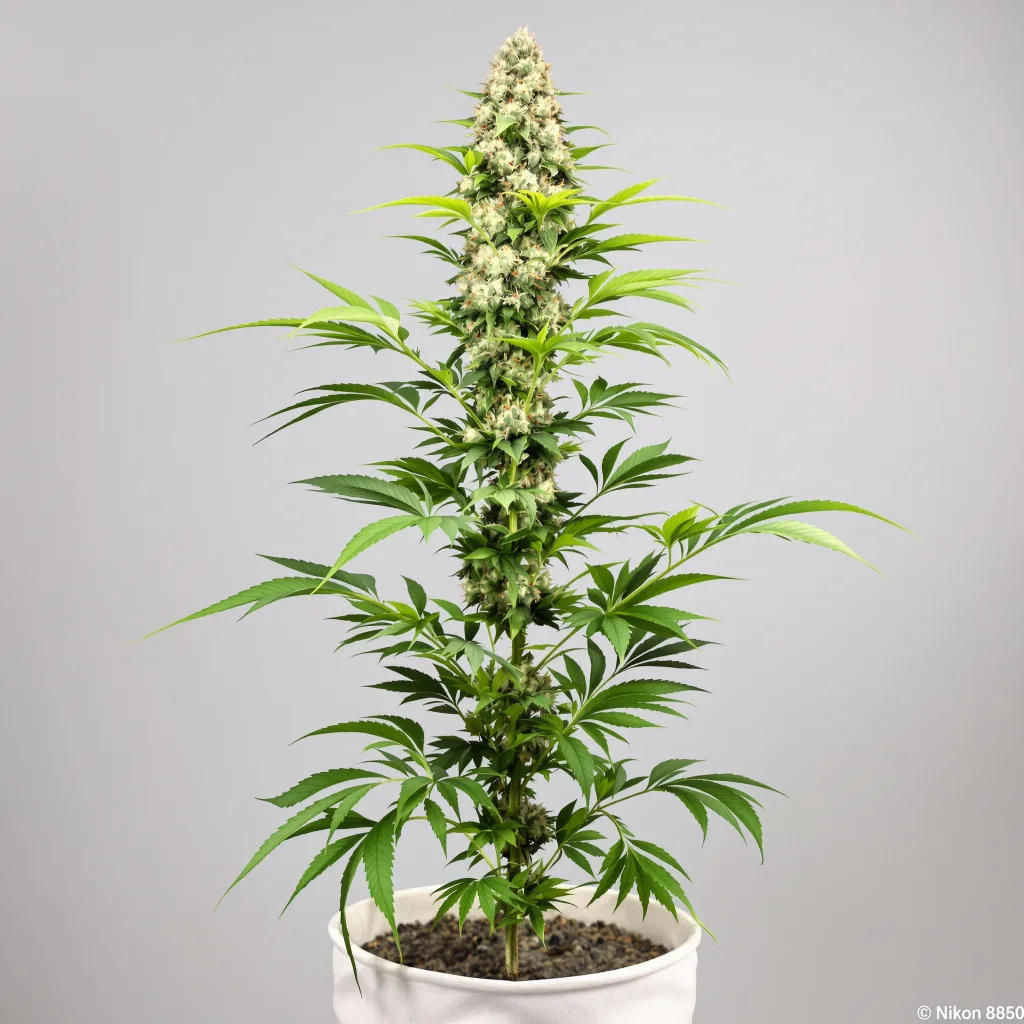
Skunk Kush Feminized
hybrid
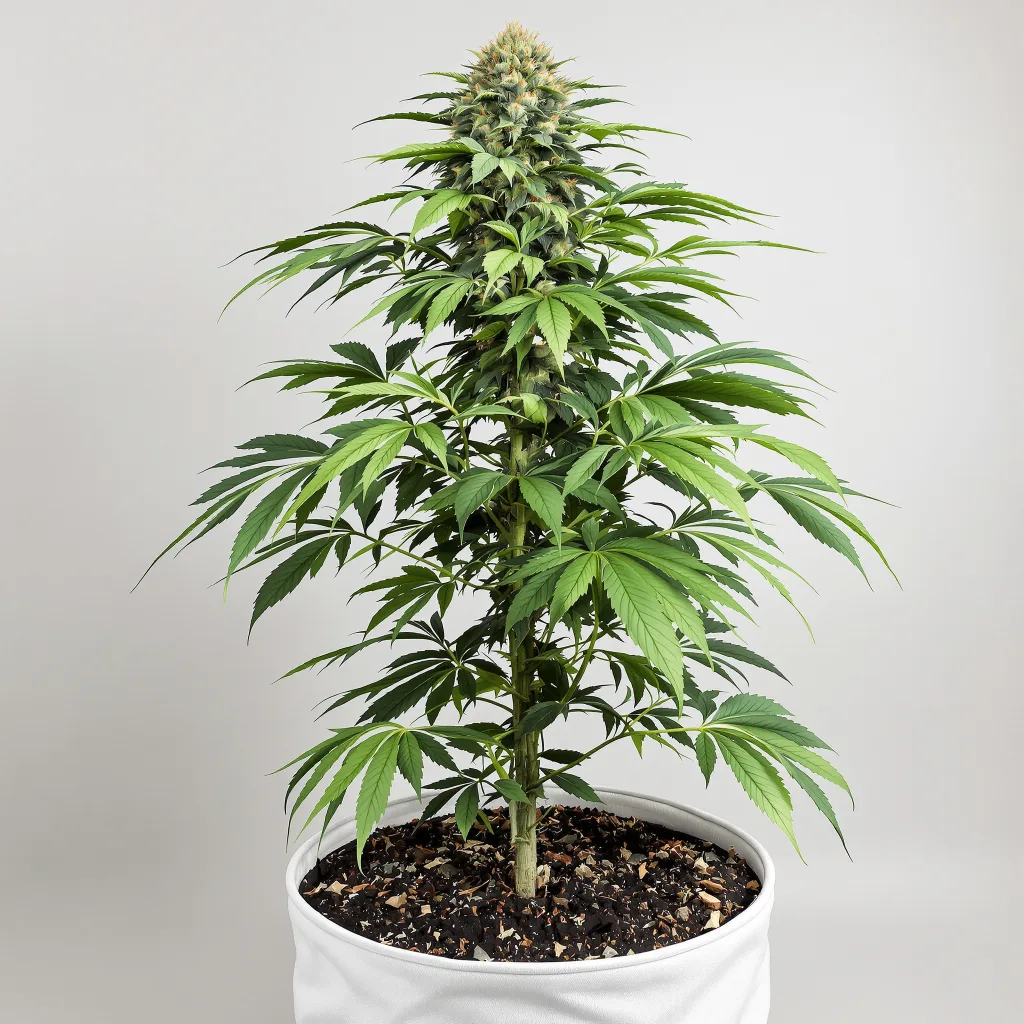
Purple Skunk Feminized
indica
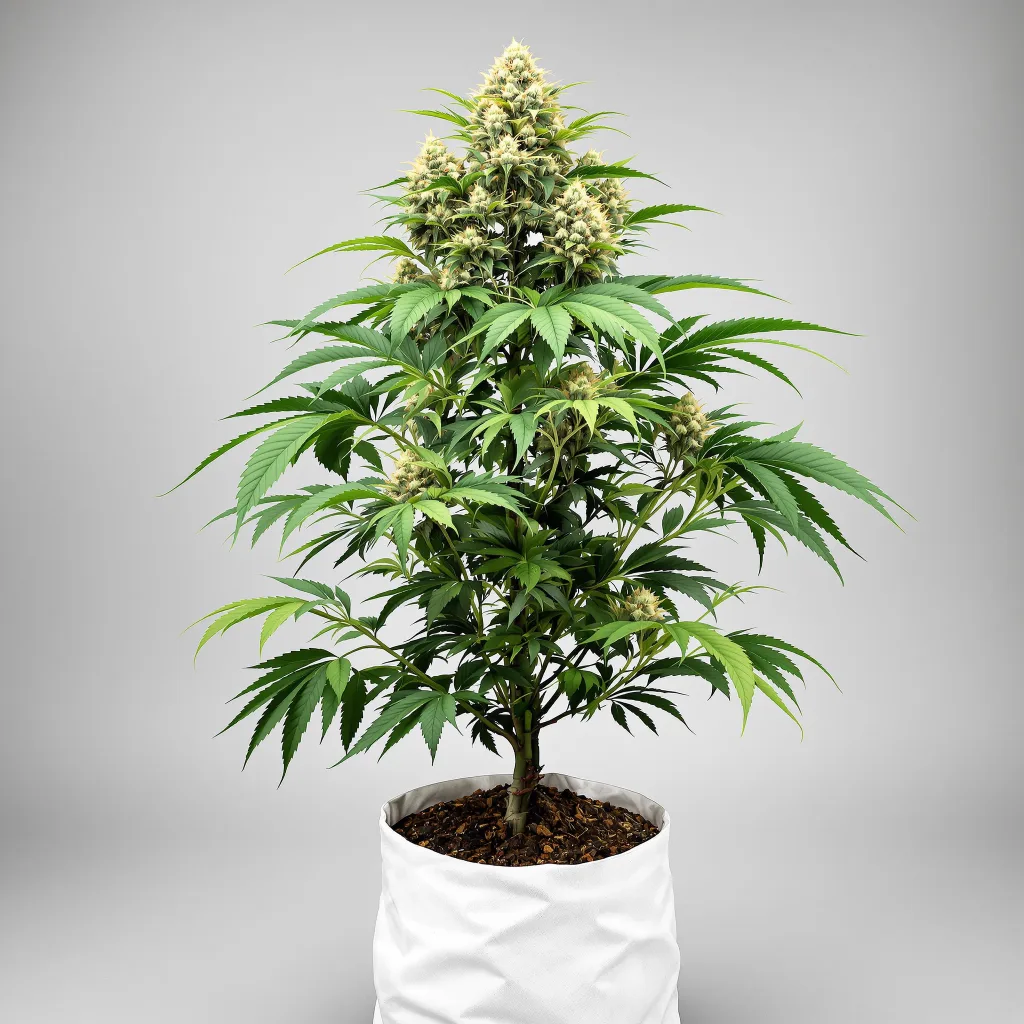
Shiva Skunk Feminized
indica
Sensi Skunk Feminized
Browse the full Beginner-Friendly Autoflowers collection
Premium genetics, shipped from within the US.
Related Articles
Granddaddy Purp Strain: King of Purple Weed | Royal King Seeds
support-growCannabis Trichomes Explained: What They Signal | Royal King Seeds
pillar-flowerTriploid Cannabis Seeds Explained: Bigger Yields, Seedless Flower, and the Tradeoffs | Royal King Seeds
strainWedding Cake Strain Review: Effects and Grow Tips | Royal King Seeds
strainBlack Weed: Best Black Cannabis Strains | Royal King Seeds
support-wateringWatering Cannabis: How and When to Do It Right | Royal King Seeds
Ready to Start Growing?
Shop feminized, autoflower, and CBD strains with 95% germination and free delivery on eligible orders of $150 or more.
Shop Cannabis Seeds