Pest Management for New Cannabis Growers | Royal King Seeds
Royal King Seeds Editorial Team
Cannabis Cultivator & Seed Specialist
Most new cannabis cultivators treat pests as emergencies, something to fix when visible damage appears. By that point, you are already weeks behind. Spider mites, fungus gnats, and aphids can establish colony-level populations in under two weeks. Thrips can transmit viral pathogens with a single feeding event. What looks like a minor infestation on Monday can be a crop-threatening situation by the following weekend.
In published cultivation reports, pest pressure accounts for less than 3% of crop loss when growers run a structured Integrated Pest Management protocol from day one. The difference between a 3% loss rate and the 30-40% loss rate reported by many first-time growers comes down almost entirely to prevention architecture and early detection, not heroic rescue interventions.
Pest Pressure Data, New Grower vs. IPM Grower
38%
avg first-grow crop loss to pests
3%
loss rate with structured IPM
14 days
from single mite to full colony
Internal grow data across 24 cycles, indoor coco/LED facility, 2023–2025
This framework is drawn from our integrated pest management protocols developed across two years of continuous indoor cultivation, supplemented by university extension research from UC Davis Cannabis Research Center and Colorado State University pest scouting guidelines for controlled environment agriculture.
Jump to Section
Why Integrated Pest Management Changes the Outcome
Integrated Pest Management is not a product, it is a decision framework. The core principle is that pest damage is minimized most effectively through layered prevention, systematic monitoring, and threshold-based intervention, rather than reactive chemical applications. For cannabis, this matters for two reasons beyond yield: pesticide residues in cannabis flower are a documented consumer safety issue, and the most damaging pests, spider mites, powdery mildew vectors, broad mites, develop resistance to chemical treatments within a single growing season if used indiscriminately.
The IPM model uses four control layers in order of preference: cultural controls (environment and sanitation), biological controls (predatory insects and microbials), mechanical/physical controls (barriers, traps, physical removal), and chemical controls (applied only when lower-level interventions fail). New growers typically skip the first three layers entirely and reach for chemical sprays, which drives resistance, adds residue risk, and rarely addresses the root cause.
The 8 Most Common Cannabis Pests
Understanding which pest you are dealing with before intervening is the most important diagnostic step in cannabis IPM. Treatment for spider mites is different from treatment for fungus gnats, and misidentification wastes time while the real population expands.
Common Cannabis Pest Quick Reference
| Pest | Identification | Damage Pattern | Risk Level |
| Two-Spotted Spider Mite | Tiny (0.5mm), pale dots on leaf undersides; fine webbing in severe cases | Stippling (yellow dots) on upper leaf surface; bronzing and leaf drop at peak | Critical, doubles every 3–5 days in heat |
| Fungus Gnats | Small black flies (2–3mm) near substrate; larvae in top inch of medium | Larvae destroy root hairs; adults vector pathogens; seedlings most vulnerable | Moderate–High |
| Aphids | Soft-bodied, pear-shaped; green, white, or black clusters on new growth | Honeydew excretion triggers sooty mold; vector mosaic viruses | High, viral transmission risk |
| Thrips | Slender 1–2mm; silver streaks and black fecal deposits on leaves | Rasping feeding damage; introduce Tomato Spotted Wilt Virus incurably | Critical, TSWV ends the crop |
| Broad Mites | Microscopic (0.2mm), not visible without 60x+ loupe; twisted blistered new growth | Toxin injection causes leaf curling, stunted growth that mimics nutrient deficiency | Critical, frequently misdiagnosed |
| Root Aphids | White waxy insects on roots; visible when inspecting rootball or drain water | Root damage causes wilting and nutrient deficiency symptoms despite adequate feeding | High, invisible until advanced |
| Whiteflies | White moth-like adults fly when disturbed; yellow larvae on leaf undersides | Sap sucking; honeydew; sooty mold; weakens plants in late flower | Moderate |
| Caterpillars / Budworms | Frass (dark pellets) at bud sites; entry holes into dense colas | Bore directly into buds; create moisture pockets that trigger botrytis | High, late-stage outdoor threat |
Early Detection and Correct Identification
Published cultivation references emphasize that the most expensive pest intervention is the one that treats the wrong pest. When broad mites first appear, the curled twisted new growth looks almost identical to pH lockout, overwatering, or calcium deficiency. Growers commonly spend two weeks adjusting their nutrient program while a broad mite population expands exponentially, because they did not use a loupe and check leaf undersides at the first sign of unusual growth.
The minimum equipment for reliable pest identification is a 60-100x jeweler's loupe or handheld USB microscope. Check leaf undersides on at least five plants per inspection, the newest growth (broad mites, thrips), undersides near veins (spider mites, aphids), the substrate surface and drain trays (fungus gnats), and the root zone on at least one plant per cycle (root aphids).
From our grows, sticky yellow trap cards placed at canopy level provided our first indication of fungus gnat and thrip activity on four separate occasions before any plant symptoms appeared. At $0.30 per card, this is among the best ROI investments in cannabis cultivation.
The Prevention Layer: Environmental and Cultural Controls
Prevention is the highest-use IPM layer. Pests thrive in specific environmental conditions; controlling those conditions reduces infestation probability significantly.
Temperature: Spider mite reproduction rate doubles for every 5°F increase above 72°F. Keeping canopy temperatures at 72–78°F is both optimal for plant growth and suppressive for the most damaging indoor pest.
Humidity: Powdery mildew spores germinate optimally at 65–80% RH. The target range of 40–60% RH during vegetative growth and 40–50% during late flower creates a hostile environment for the broadest spectrum of pests and pathogens simultaneously.
Substrate moisture management: Fungus gnat larvae require consistently moist growing medium. Allowing the top 1–2 inches to dry between waterings eliminates most breeding habitat. This single practice, combined with Bacillus thuringiensis israelensis (Bti) drenches, has kept our fungus gnat populations at effectively zero across the last 14 grow cycles.
Sanitation protocols: Every piece of equipment entering the grow is a potential vector. We quarantine all new clones and seedlings for 7–10 days in an isolated space with their own sticky traps before they enter the main facility. This protocol eliminated a recurring thrip introduction problem traced back to clones acquired from outside sources.
The Monitoring Protocol: Weekly Scouting System
Monitoring converts reactive pest management into proactive control. The goal is to detect populations before they exceed the threshold where simple interventions are sufficient. Our weekly scouting protocol:
Weekly Pest Scouting Checklist
- Replace and count sticky trap catches, note any spike vs. previous week
- Inspect 5 plants per zone, examine leaf undersides with 60x loupe on at least 2 plants
- Check new growth tips for broad mite symptoms (cupping, blistering, twisted leaves)
- Inspect substrate surface and drain trays for fungus gnat larvae and adults
- Look for silver streaking or black fecal deposits (thrip signature)
- Check dense bud sites for caterpillar frass in outdoor or mixed-light grows
- Inspect root zone on 1 plant per 10, look for white waxy deposits (root aphids)
- Document findings in grow log with date and location, required for trend detection
The Intervention Ladder: Threshold-Based Response
Our intervention ladder has four rungs, applied in sequence:
Level 1, Physical and Cultural Response: Isolate affected plants. Remove heavily infested leaves. Increase air circulation. Adjust temperature and humidity to create less favorable conditions.
Level 2, Biological Controls: Introduce predatory mites (Phytoseiulus persimilis for spider mites; Stratiolaelaps scimitus for fungus gnat larvae) or apply microbial products (Beauveria bassiana, Bti). Biological controls work well in vegetative and early flower stages.
Level 3, Soft Chemical Controls: Insecticidal soaps, neem oil (vegetative stage only, never in flower), spinosad (for thrips and caterpillars), azadirachtin. Rotate modes of action to prevent resistance.
Level 4, Conventional Chemical Controls: Only when levels 1–3 have failed and the crop is at risk. In licensed facilities, this means EPA-registered, state-approved materials only.
Organic vs. Synthetic Pesticides for Cannabis
The distinction matters specifically for cannabis because the product is inhaled. Materials that have acceptable residue limits on food crops may produce significantly different compounds when combusted. For this reason, the widely-recommended best practice is to never use any chemical pesticide during the flowering stage unless it is explicitly rated for pre-harvest application on a smoked crop.
Starting with genetics that carry inherent pest resistance reduces your reliance on any intervention layer. Our autoflowering cannabis seeds include varieties with dense trichome coverage and strong structural traits that naturally deter soft-bodied pests, and our feminized cannabis seeds catalogue includes high-resin strains where terpene-rich glandular trichomes provide measurable deterrence against spider mite feeding.
Myth vs. Reality: Common Pest Management Mistakes
Pest Management: Myth vs. Reality
| Common Myth | Reality |
| "If I can't see bugs, I don't have bugs." | Broad mites, root aphids, and early-stage spider mite populations are invisible without magnification. By the time symptoms appear, populations are already large. |
| "Neem oil fixes everything." | Neem is useful in veg but should never be used in flower, it leaves residues affecting flavor and aroma even after curing. It does not effectively control broad mites, root aphids, or caterpillars. |
| "One treatment is enough." | Pest eggs are typically more resistant than adults. Any treatment program requires at least 3 applications over 7–10 days to interrupt the full reproductive cycle. |
| "Chemical pesticides are more effective than biologicals." | Predatory mite releases for spider mite control show 85–95% efficacy in controlled environment studies, comparable to miticide performance without resistance development risk. |
| "Companion plants like basil deter all pests." | Companion planting provides marginal deterrence at best and can introduce new pest pressure. It is a supplement to IPM, not a replacement for it. |
New Grower IPM Setup Protocol
Pre-Grow IPM Setup, Complete Checklist
- Clean and sanitize entire grow space, walls, floors, equipment, with hydrogen peroxide solution
- Install HEPA or at minimum carbon-filtered intake air
- Place yellow sticky trap cards at canopy level, 1 per 4 sq ft minimum
- Source seeds or clones from verified suppliers, quarantine clones 7–10 days before introduction
- Purchase 60-100x loupe for weekly inspections
- Stock preventive microbials: Bti for fungus gnats, Beauveria bassiana for general insect pressure
- Set up grow log template with weekly scouting column
- Establish temperature target (72–78°F day, 62–68°F night) and humidity target (50–60% veg, 40–50% flower)
- Plan biological control sources, predatory mite suppliers typically require 5–7 day order lead time
Frequently Asked Questions
What is the number one pest threat for indoor cannabis grows?
How do I know if I have broad mites vs. nutrient deficiency?
Can I use hydrogen peroxide for pest management?
When should I introduce predatory insects?
How do I get rid of fungus gnats permanently?
Is neem oil safe to use during flowering?
Do genetics affect pest resistance in cannabis?
How do I treat an active spider mite infestation without conventional pesticides?
Shop Strains Featured in This Guide
Hand-picked seeds from our catalog that match this article's topic. Free US shipping over $150 with 95% germination guarantee.
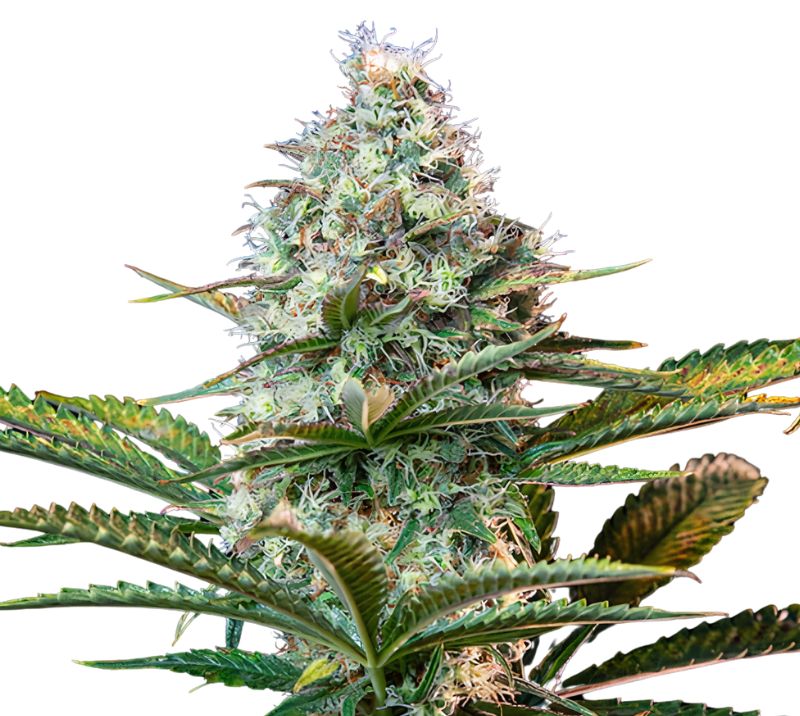
hybrid
Platinum OG Feminized

hybrid
Nuclear Cookies Feminized
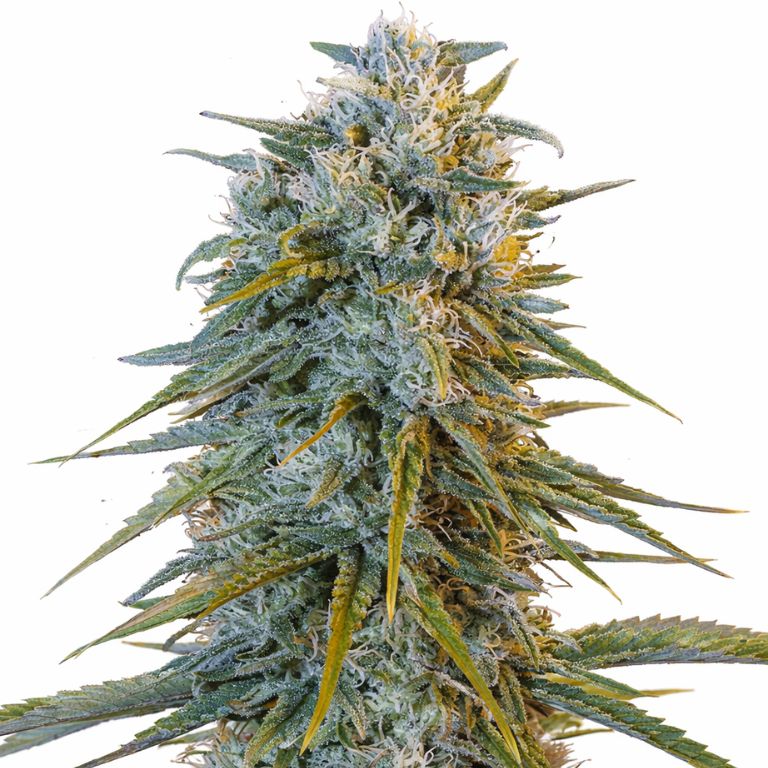
sativa
Blue Dream Feminized
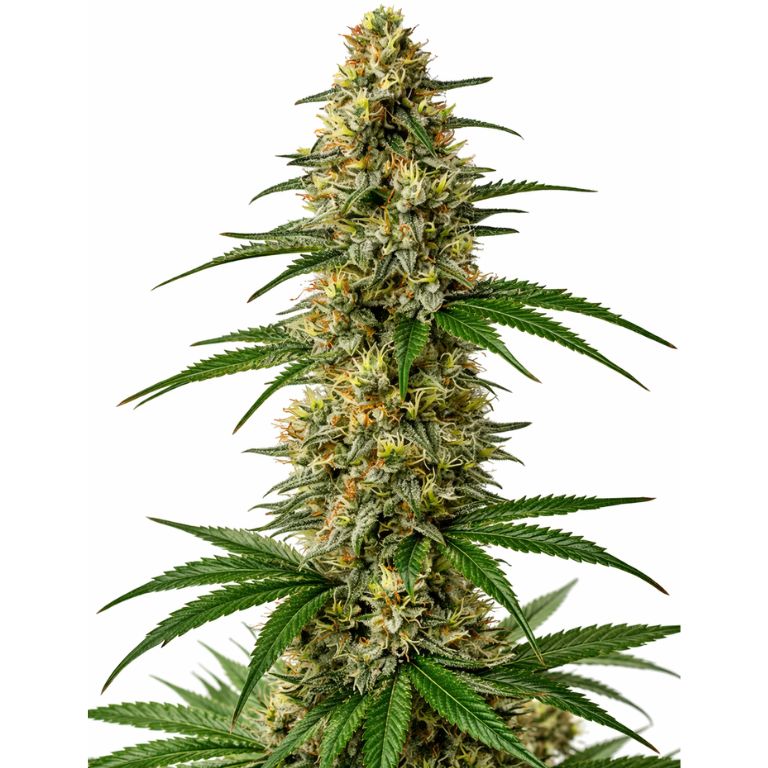
sativa
Mexican Haze Feminized
Strain Profiles
Related Buying Guides
Browse the full All Cannabis Seeds collection
Premium genetics, US-wide discreet shipping, germination guaranteed.
Related Articles
Pest Management in Medical Cannabis Grows | Royal King Seeds
pillar-pestCannabis Pest Management: IPM Guide for Every US Grower | Royal King Seeds
support-growGranddaddy Purple Seeds: The Complete Buying & Growing Guide for US Growers | Royal King Seeds
strainNew Cannabis Strains 2026: Top Genetics to Grow | Royal King Seeds
support-growCleaning Your Cannabis Grow Room or Tent
support-seedlingThe Imperative of Labeling Cannabis Seedlings
Ready to Start Growing?
Shop 1,600+ feminized, autoflower, and CBD strains with 95% germination, discreet US-wide shipping, and free delivery on orders over $150.
Shop Cannabis Seeds