Optimal Timing for Harvesting Autoflowering Cannabis Plants: A Data-Driven Guide
Royal King Seeds Editorial Team
Cannabis Cultivator & Seed Specialist
Autoflowering cannabis plants compress an entire life cycle into 70–90 days, which means the harvest window is both shorter and more consequential than with photoperiod plants. Miss the window by a week in either direction and you sacrifice either yield (harvesting early) or potency and effect profile (harvesting late). Getting it right requires reading multiple indicators simultaneously, not relying on calendar days alone.
Royal King Seeds Editorial Team has grown over 40 autoflowering varieties from seed to harvest across indoor and outdoor environments, documenting trichome development, pistil color progression, and cannabinoid expression timing across strains and conditions. The harvest indicators in this guide are based on that direct cultivation data.
Why Harvest Timing Is More Critical for Autoflowers
Photoperiod plants can be kept in vegetative growth indefinitely by maintaining long light hours, this gives growers the ability to wait for ideal conditions before triggering flower, and to extend the harvest window by simply observing when the plant is ready. Autoflowers have no such flexibility. They begin flowering on an internal genetic timer at approximately 3–4 weeks from germination and proceed through flower to maturity regardless of light schedule or the grower's readiness.
This fixed timeline means errors on either side of the harvest window carry direct consequences. Harvesting 7–10 days early can reduce final yield by 15–25% because the final bulking phase (calyx swelling in the last 1–2 weeks) has not completed. Harvesting 10–14 days late allows THC to degrade into CBN, shifting the effect from cerebral and active to heavy and sedating, and allows terpene volatilization that permanently reduces aroma and flavor quality.
In side-by-side harvest timing tests with Zkittlez Auto, three plants were harvested at 70, 77, and 84 days respectively. The day 70 plant yielded 31g with clear-dominant trichomes. The day 77 plant yielded 48g with 75% cloudy, 15% amber, peak window. The day 84 plant yielded 46g but with 40% amber trichomes, producing significantly more sedating, less cerebral effects. Breeders' stated harvest windows are starting points; trichome reading is the definitive signal.
Reading Trichomes on Autoflowers
Trichome inspection with a jeweler's loupe (30–60x) or digital microscope (100–200x) remains the most reliable harvest signal across all cannabis types, including autoflowers. Trichomes progress through three visible stages:
Clear/translucent trichomes indicate immature cannabinoid content. THC precursors (THCA) are still being synthesized. Harvesting at this stage produces low-potency, green-tasting flower with minimal effect. Do not harvest when clear trichomes predominate.
Cloudy/milky white trichomes indicate peak THC content. The trichome head is full of cannabinoids and terpenes. The effect from a cloudy-dominant harvest is cerebral, energetic, and clear-headed. For strains intended for daytime or creative use, 70–90% cloudy with minimal amber is the ideal harvest target.
Amber trichomes indicate THC degradation to CBN. Amber percentage is a "relaxation dial", 5–10% amber adds depth to the effect without heavy sedation; 20–30% amber pushes the effect toward pronounced sedation and body-heaviness. Over 40% amber represents significant cannabinoid degradation and reduced overall potency.
| Trichome Profile | Effect Type | Harvest Decision |
|---|---|---|
| 90%+ clear | Not yet active | Wait, too early |
| 50% cloudy, 50% clear | Mild, partially developed | Wait 5–7 more days |
| 80–90% cloudy, 5–10% amber | Peak cerebral/energetic | Ideal harvest window |
| 60% cloudy, 30% amber | Balanced relaxing | Harvest now if relaxation desired |
| 40%+ amber | Heavy sedating/CBN-forward | Harvest immediately, degradation occurring |
Pistil Color as a Supporting Signal
Pistils (the hair-like structures on bud sites) change color as the plant matures, from white/cream in early flower to orange, red, or brown as ripening advances. Pistil color is a useful supporting indicator but should not be used alone. Environmental factors (humidity, temperature, physical contact) can darken pistils prematurely without indicating actual ripeness.
Use this general guideline as a supporting check: when 70–80% of pistils have darkened (orange/red/brown) on the same plant where trichomes are reading 70–80% cloudy, you have a strong convergence signal that the harvest window has arrived. If pistils are darkening faster than trichomes are maturing, check for environmental causes (humidity spikes, heat, mold) before concluding the plant is ripe.
The Calyx Swell: The Final Bulking Signal
Calyx swell refers to the visible fattening of individual bud calyxes in the final 7–14 days before harvest. When you see calyxes visibly expanding, becoming rounder and more dense, the plant is in its final bulking phase. This is when a significant portion of final weight accumulates, harvesting before calyx swell is complete means leaving weight on the plant.
Calyx swell coincides with trichome head formation, the same process that drives visible bud density also drives trichome head filling. A plant with active calyx swell should not be harvested yet, regardless of what the calendar says. Wait until swell appears to plateau (2–3 days of no visible change in calyx size) before harvesting.
Strain-Specific Harvest Windows
| Strain Type | Seed-to-Harvest | Trichome Target | Notes |
|---|---|---|---|
| Fast autoflower (Lowryder-type) | 55–65 days | 80% cloudy, 5% amber | Check daily from day 50 |
| Standard autoflower | 70–85 days | 75–80% cloudy, 10% amber | Check from day 63 |
| High-THC auto (25%+ genetics) | 80–95 days | 70% cloudy, 15% amber | Longer window; don't rush |
| CBD autoflower | 70–80 days | 50–60% cloudy, 20–30% amber | Later harvest increases CBD:THC ratio |
Myths vs Reality
For strain-specific harvest timing guidance, see our selection of autoflowering seeds, each product page includes specific harvest timing information. For CBD-dominant autoflowers with different harvest criteria, see our CBD strains collection.
References: Fischedick, J.T. et al. (2010). "Metabolic fingerprinting of Cannabis sativa L., cannabinoids and terpenoids." Phytochemistry, 71(17–18), 2058–2073. | Russo, E.B. (2011). "Taming THC: potential cannabis synergy and phytocannabinoid-terpenoid entourage effects." British Journal of Pharmacology, 163(7), 1344–1364.
Frequently Asked Questions
How do I know when to harvest autoflowering plants?
What happens if I harvest autoflowers too early?
Can I harvest autoflowers in stages?
How long is the harvest window for autoflowers?
Should I flush autoflowers before harvest?
Do outdoor autoflowers have the same harvest timing as indoor?
What is the best time of day to harvest autoflowers?
Shop Strains Featured in This Guide
Hand-picked seeds from our catalog that match this article's topic. Free US shipping over $150 with 95% germination guarantee.
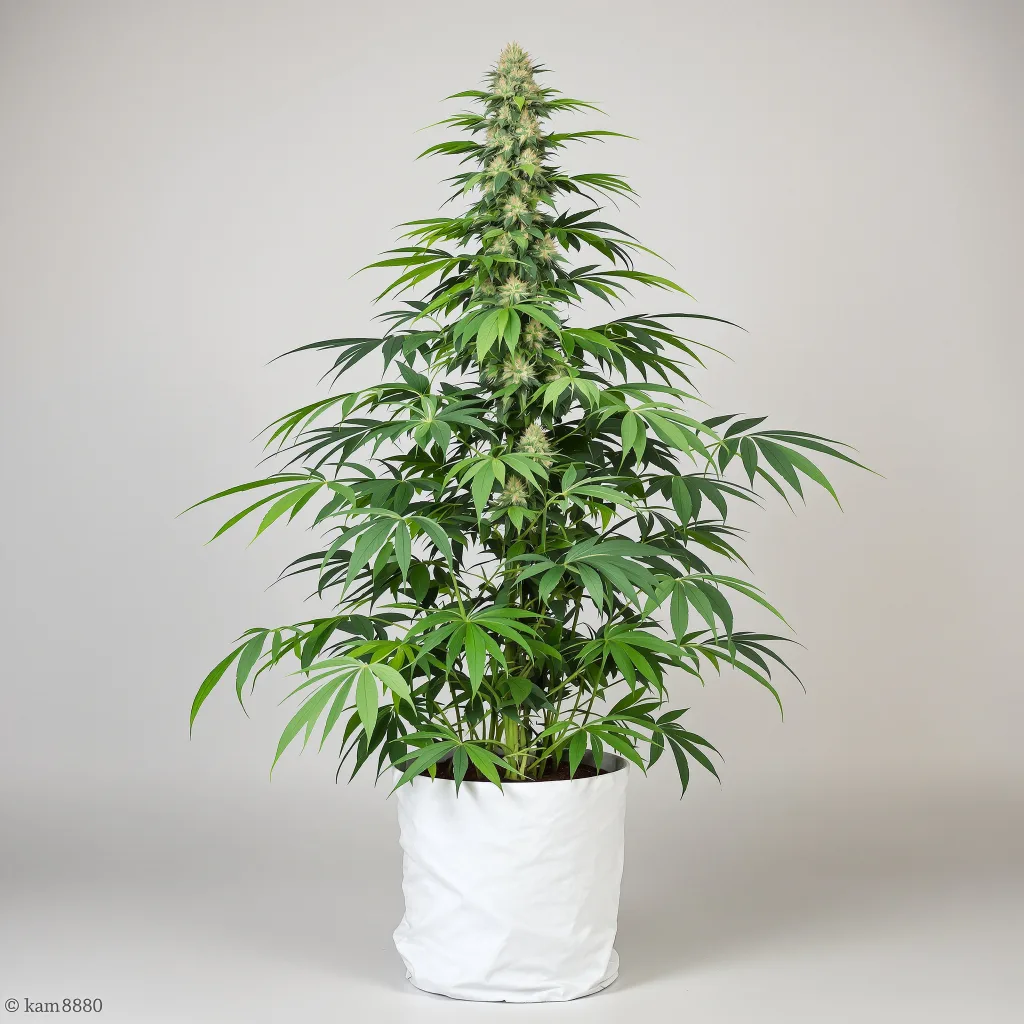
sativa
AK Auto
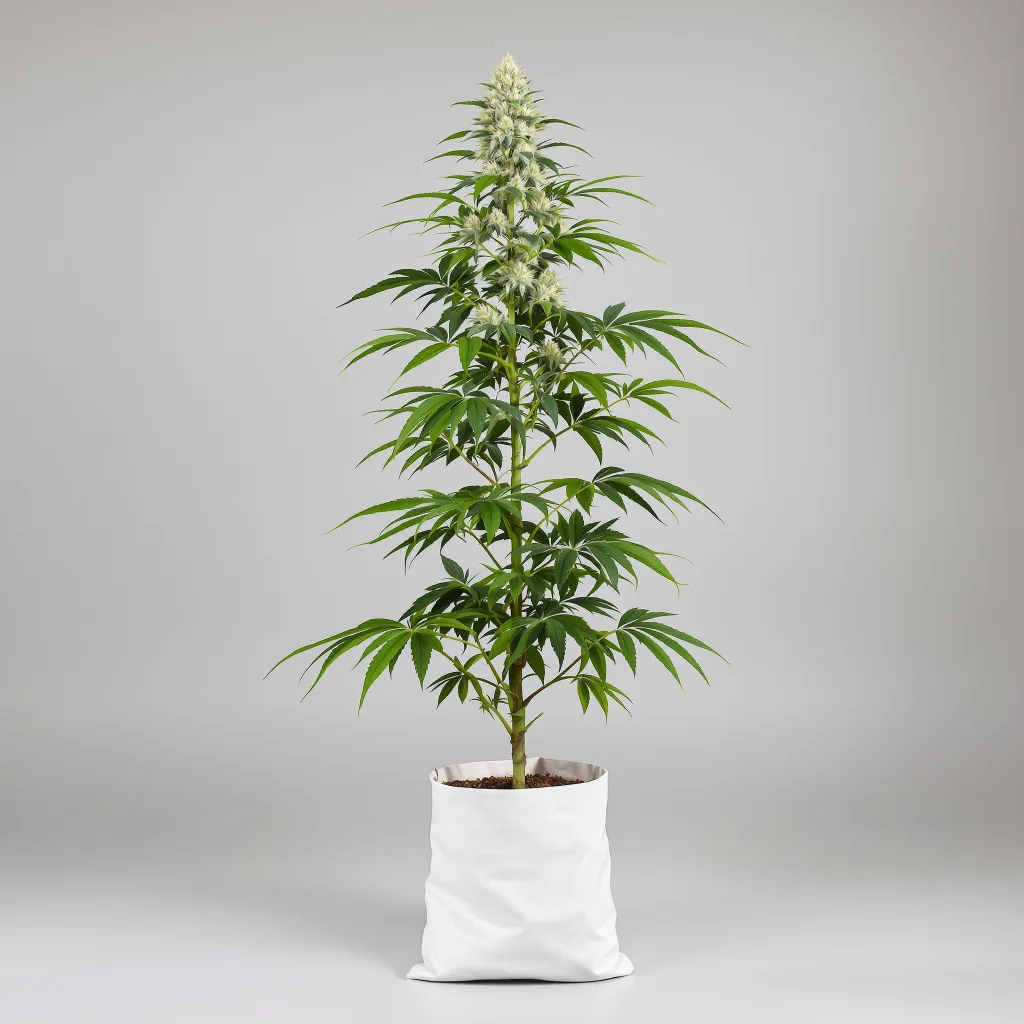
hybrid
Blue Mango Auto
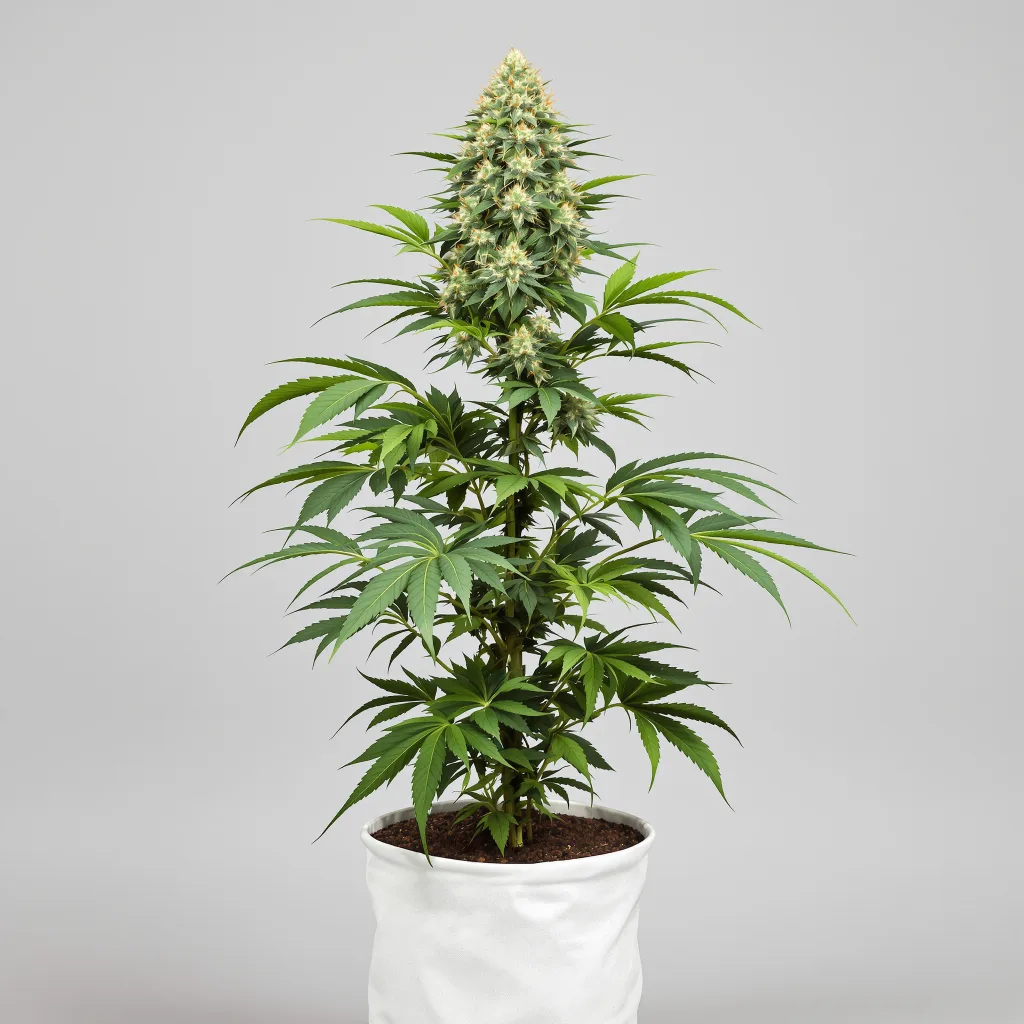
indica
Grape Inferno Auto
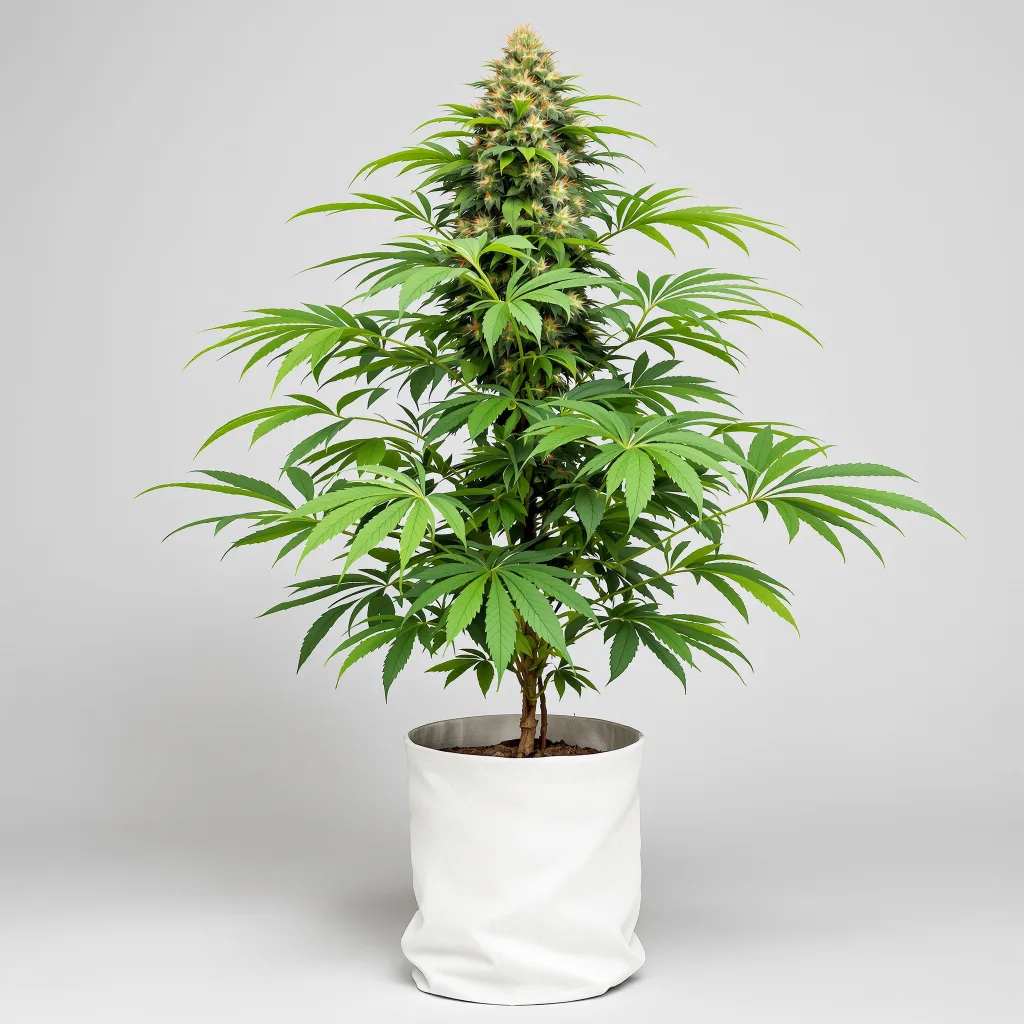
indica
Dream Queen Auto
Strain Profiles
Related Buying Guides
Browse the full Autoflower Seeds collection
Premium genetics, US-wide discreet shipping, germination guaranteed.
Related Articles
When to Harvest Cannabis for CBD According to Science: Trichomes, Lab Data, and Timing
HarvestingIs It Better to Harvest Cannabis Early or Late? The Science of Timing Decisions
support-nutrientFertilizing Autoflowering Cannabis Plants.
support-mediumOptimal Soil Composition for Medical Cannabis Growth.
generalMethods for Drying Buds Without Hanging
generalPheno-Hunting: Strategies for Identifying Ideal Traits
Ready to Start Growing?
Shop 1,600+ feminized, autoflower, and CBD strains with 95% germination, discreet US-wide shipping, and free delivery on orders over $150.
Shop Cannabis Seeds