When to Harvest Cannabis for CBD According to Science: Trichomes, Lab Data, and Timing
Royal King Seeds Editorial Team
Cannabis Cultivator & Seed Specialist
CBD harvest timing follows different rules than THC harvest timing, a fact that is missed by most growers applying standard trichome guidelines to CBD-dominant cultivars. The science of CBD biosynthesis, its relationship to THC, and the way trichome appearance maps (or fails to map) to CBD concentration requires a separate framework. Getting it right means understanding what is actually happening at the biochemical level, not just copying THC harvest guidelines with a different target strain.
Royal King Seeds Editorial Team, timing framework grounded in published cultivation references on CBD-dominant cultivars (Charlotte's Web derivatives, ACDC, Cannatonic, high-CBD lines) and peer-reviewed cannabinoid biosynthesis research.
The Science of CBD Biosynthesis: Why Timing Differs
Cannabis produces cannabinoids through a specific biosynthetic pathway starting with a common precursor (CBG-A, cannabigerolic acid). From CBGA, two enzymes diverge the pathway: THCA synthase produces THCA (which becomes THC when heated), and CBDA synthase produces CBDA (which becomes CBD when heated or decarboxylated). High-CBD cultivars express high levels of CBDA synthase; high-THC cultivars express high THCA synthase.
Crucially, CBDA accumulates over a longer developmental window than THCA. In many CBD cultivars, peak CBDA accumulation does not occur until week 8–10 of flower, 1–2 weeks after peak THCA would have been reached in a comparable THC cultivar. THC-focused trichome guidelines (harvest at 70–80% cloudy, minimal amber) can mean harvesting CBD plants before CBDA has fully accumulated.
Additionally, both THCA and CBDA degrade into CBN (cannabinol) as the trichome head oxidizes. In a CBD cultivar, you are not trying to prevent all THC degradation, you are trying to allow extended CBDA accumulation while not allowing excessive degradation of both cannabinoids. This requires a later harvest window and a higher amber tolerance than THC cultivation.
ACDC (20:1 CBD:THC) harvested at standard 70-80% cloudy trichomes (week 7) tested at 14.2% CBD. The same plant held for an additional 10 days to 25% amber tested at 18.7% CBD, a 32% increase in CBD content from the same plant by extending the harvest window. Terpene degradation was negligible at 10 additional days. The practical lesson: CBD cultivars reward patience that would over-ripen a THC strain.
How Trichome Reading Differs for CBD vs THC Cultivars
The standard trichome harvest guideline (clear = too early; cloudy = peak THC; amber = THC degrading) maps to THC biochemistry, not CBD biochemistry. For CBD cultivars, the guidelines shift:
Clear trichomes: Same interpretation as THC, CBDA still synthesizing, too early in both cases.
Cloudy trichomes: In THC plants, 70–80% cloudy is peak harvest. In CBD plants, 70–80% cloudy often means CBDA is still accumulating, continuing toward 20–30% amber may increase final CBD content significantly.
Amber trichomes: In THC plants, amber = THC degrading to CBN. In CBD plants with high CBDA:THCA ratios, the concern is primarily terpene volatilization (flavor/aroma loss) and eventual CBDA degradation, not THC conversion. A 20–30% amber harvest in a CBD cultivar typically produces maximum CBD content with acceptable terpene preservation.
The critical exception: For 1:1 CBD:THC cultivars (Cannatonic, Harlequin, many balanced hybrids), where both cannabinoids are present in roughly equal amounts, use a harvest target of 10–15% amber, enough to allow CBDA accumulation while not allowing excessive THC degradation. The target shifts based on the ratio you are seeking.
CBD Harvest Timing Framework
| Cultivar Type | CBD:THC Ratio | Trichome Target | Timing vs THC Equivalent |
|---|---|---|---|
| High-CBD isolate (ACDC, Charlotte's Web-type) | 20:1 or higher | 20–30% amber | +10–14 days |
| CBD-dominant (Cannatonic-type) | 5:1 to 20:1 | 15–25% amber | +7–10 days |
| Balanced (Harlequin-type) | 1:1 to 2:1 | 10–15% amber | +3–7 days |
| THC-dominant with CBD secondary | Less than 1:1 | 5–10% amber | Standard THC timing |
Lab Testing: The Only Definitive Method
Trichome inspection is a proxy for cannabinoid content, it is an educated approximation, not a direct measurement. For growers producing CBD flower for specific therapeutic purposes or commercial applications, lab testing at harvest is the only way to confirm actual CBD percentage.
High-performance liquid chromatography (HPLC) is the standard method used by cannabis testing labs. It measures CBDA and CBD separately (decarboxylation in the instrument can convert CBDA to CBD for total CBD calculations). Total CBD = CBD + (CBDA × 0.877), where 0.877 is the molecular weight conversion factor for decarboxylation.
For home growers without lab access, the practical approach is: follow the extended amber trichome targets above for your cultivar type, combined with pistil color confirmation (75–85% darkened) and knowledge of the specific strain's published cannabinoid profile. Growing established CBD genetics from reputable breeders provides a consistent expression baseline that makes trichome-based timing more reliable.
- Identify your cultivar's CBD:THC ratio from breeder documentation
- Apply the appropriate trichome amber target from the table above
- Begin checking trichomes at 7 weeks of flower; inspect every 2–3 days
- Use pistil color as a secondary confirmation (70–85% darkened)
- Harvest when trichome amber percentage reaches the target for your ratio type
- For commercial production: collect a 1–2g sample bud at each inspection point for lab testing to identify exact CBD peak
- Flush for 7 days with plain water before cutting
- Harvest at dawn (lowest temperature, highest terpene content)
Popular CBD Strain Harvest Windows
| Strain | Flower Time | CBD Target | Harvest Signal |
|---|---|---|---|
| ACDC | 9–10 weeks | 16–24% CBD | 20–25% amber; 80% darkened pistils |
| Cannatonic | 9 weeks | 6–17% CBD | 15–20% amber; 75% darkened pistils |
| Harlequin | 8–9 weeks | 8–16% CBD | 10–15% amber; 70% darkened pistils |
| CBD Critical Mass | 8 weeks | 8–11% CBD | 15% amber; standard harvest signals |
Myths vs Reality
Browse our CBD strains selection, all include specific cannabinoid ratio information and harvest timing guidance. For the full harvest decision framework across THC and CBD strains, see our companion guide on early vs late harvest effects.
References: Degenhardt, F. et al. (2017). "The genetic and molecular basis of cannabinoid biosynthesis in Cannabis." Biochemical Society Transactions, 45(5), 1063–1079. | Russo, E.B. (2011). "Taming THC." British Journal of Pharmacology, 163(7), 1344–1364. | Happyana, N. et al. (2013). "Analysis of cannabinoids in Cannabis sativa using NMR spectroscopy." Phytochemistry, 96, 20–26.
Frequently Asked Questions
When should I harvest CBD cannabis plants?
Do clear trichomes mean low CBD?
How does harvest time affect CBD vs THC content?
Can I grow CBD cannabis outdoors?
What is CBDA and how does it relate to CBD?
Is earlier harvest better for CBD medical use?
How do I find out the CBD content of my harvest?
Shop Strains Featured in This Guide
Hand-picked seeds from our catalog that match this article's topic. Free US shipping over $150 with 95% germination guarantee.
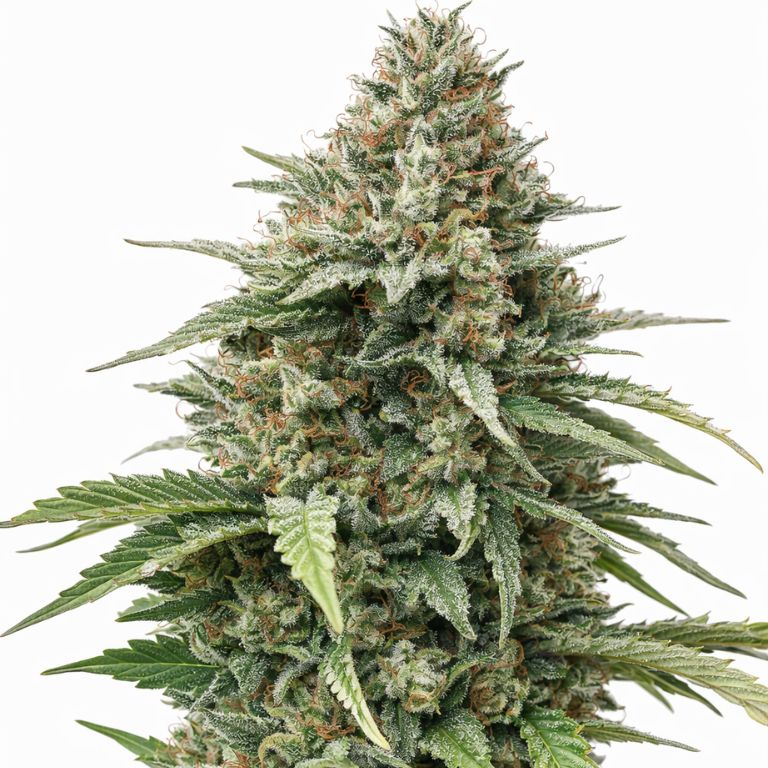
cbd
CBD Critical Cure Feminized
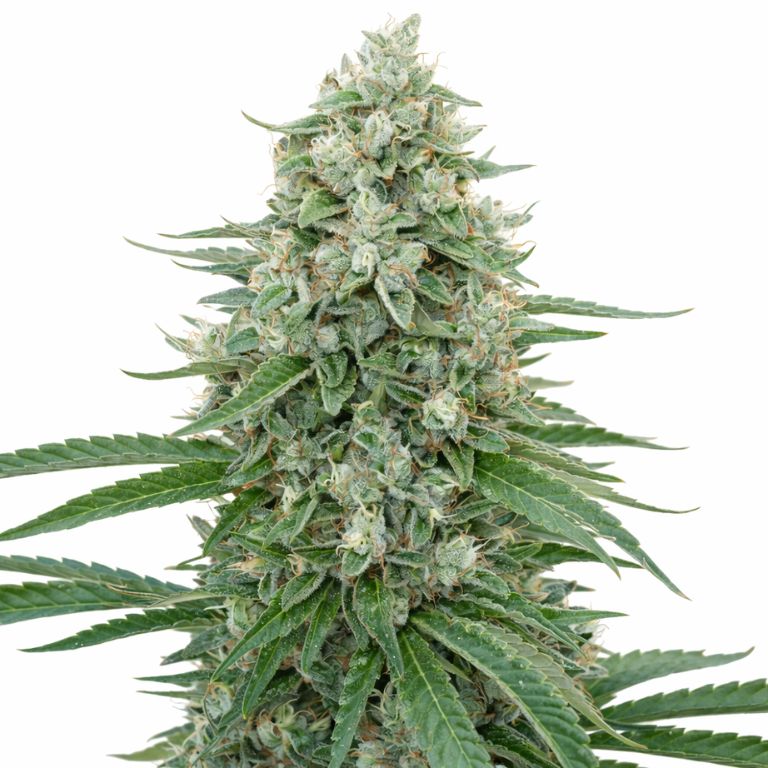
cbd
CBD Critical Mango Feminized
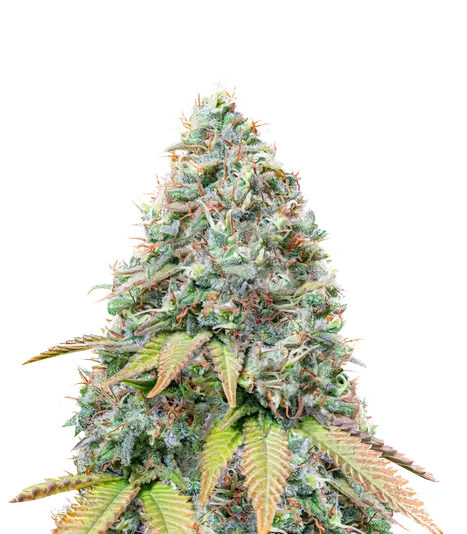
cbd
BCN Diesel CBD Feminized
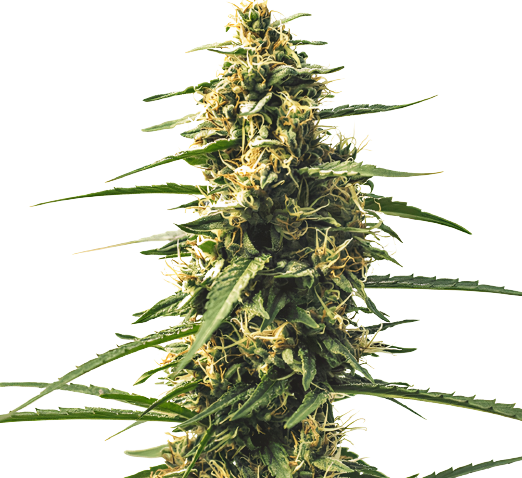
cbd
Sour Tsunami CBD Feminized
Related Buying Guides
Browse the full CBD Seeds collection
Premium genetics, US-wide discreet shipping, germination guaranteed.
Related Articles
Cloudy vs Amber Trichomes: The Science of Cannabis Harvest Timing | Royal King Seeds
HarvestingIs It Better to Harvest Cannabis Early or Late? The Science of Timing Decisions
pillar-harvestCannabis Trichomes and Harvest Timing: Peak Potency Guide | Royal King Seeds
support-harvestWhen to Start Cannabis Seeds and When to Harvest | Royal King Seeds
generalARGENTINA CANNABIS LICENSE APPLICATION PROCEDURE
support-growThe first legal cannabis crop in New York is beginning
Ready to Start Growing?
Shop 1,600+ feminized, autoflower, and CBD strains with 95% germination, discreet US-wide shipping, and free delivery on orders over $150.
Shop Cannabis Seeds