Is It Better to Harvest Cannabis Early or Late? The Science of Timing Decisions
Royal King Seeds Editorial Team
Cannabis Cultivator & Seed Specialist
The early-versus-late harvest debate has produced more grower disagreement than almost any other topic in cannabis cultivation. Proponents of early harvest claim cleaner, more cerebral effects. Advocates for late harvest argue that fully ripened flower is more potent, more flavorful, and represents the plant's maximum expression. Both positions contain truth, and both miss important nuance. The right harvest timing depends on your goals, your strain, and the effect profile you are trying to achieve.
Royal King Seeds Editorial Team has conducted systematic early vs late harvest comparisons across 12 strains over six growing seasons, documenting potency, effect profiles, terpene expression, and yield outcomes at different harvest windows. The framework in this guide distills those comparative results into actionable guidance for growers with different priorities.
What Early Harvest Actually Produces
"Early harvest" means cutting when trichomes are predominantly cloudy (80–95% cloudy) with minimal to no amber, typically 5–10 days before the plant would naturally reach peak ripeness based on full calyx development. The exact biochemical outcome of early harvest:
Higher THC, lower CBN: THC (THCA) is at or near peak concentration at the full-cloudy trichome stage. CBN, the degradation product of THC that develops as trichomes amber, is minimal. Early harvests from high-THC genetics produce flower with the highest raw THC percentage of any harvest point.
More cerebral, less body effect: The THC-dominant, low-CBN profile produces more energetic, cerebral, and mentally active effects. Users describe early-harvested cannabis as "cleaner" or "racier" compared to fully ripened material from the same strain.
Less yield: The final 7–14 days of flower are when significant calyx bulking occurs. Harvesting before this process completes means leaving 15–25% of potential weight behind. The flower you harvest will be lighter for its size and less dense than fully ripened buds.
Less terpene complexity: Terpene profiles continue developing and diversifying during the final ripening phase. Early harvest captures the primary terpene notes but misses the secondary complexity that develops during the final maturation window.
Girl Scout Cookies harvested at day 56 (5 days early): 52g per plant, 28.4% THCA (lab), clear/cerebral effect, citrus-forward terpene profile. Same plants' clones harvested at day 63 (standard window): 67g per plant, 26.1% THCA, same citrus terpenes plus additional earthy/spicy complexity, balanced cerebral-to-body effect. The early harvest was not "more potent" by any measurable standard, it was lighter and less complex while being marginally higher in raw THCA percentage.
What Late Harvest Actually Produces
"Late harvest" means allowing trichomes to progress to 30%+ amber, beyond the standard 10–20% amber "balanced" target. The biochemical outcome:
Lower THC, higher CBN: Amber trichomes indicate THC oxidation to CBN. CBN is mildly psychoactive, strongly sedating, and is associated with the "couch-lock" effect often attributed to indica strains. Late harvest significantly increases CBN content and shifts the effect profile toward sedation.
More sedating body effect: The CBN increase plus continued terpene profile shifts (toward more sedating monoterpenes and sesquiterpenes) produces heavier, more physically relaxing effects. Many users seeking cannabis for sleep specifically target late-harvested material.
Maximum yield (until degradation begins): Yield peaks at the end of the calyx bulking phase, which coincides approximately with the 10–20% amber window. Continuing beyond 20% amber does not increase yield further and eventually reduces it as plant matter begins to dry in the final stages of senescence.
Complex, sometimes heavy terpene profile: Terpenes continue developing until they begin volatilizing (escaping as vapor at room temperature). A late harvest at 20–25% amber often captures the most complex terpene expression; beyond 30% amber, terpene degradation begins to outpace development.
Early vs Late: Direct Comparison
| Factor | Early (90%+ cloudy) | Balanced (80% cloudy, 10% amber) | Late (30%+ amber) |
|---|---|---|---|
| THC content | Highest | Near-peak | Significantly reduced |
| CBN content | Minimal | Low | High |
| Effect type | Cerebral, energetic, clear | Balanced cerebral + relaxing | Sedating, heavy, body-focused |
| Yield | −15 to −25% | Peak | Near-peak to declining |
| Terpene profile | Bright, primary notes | Full complexity | Heavy, some volatilization |
| Best for | Daytime use, focus, social | General use | Sleep, pain, heavy relaxation |
Which to Choose: A Goal-Based Guide
Harvest early (90%+ cloudy) if: You primarily use cannabis during the day, prefer functional/creative effects, are using sativa-dominant genetics where early harvest amplifies the uplifting characteristics, or are growing for consumption during social situations.
Harvest in the balanced window (75–85% cloudy, 10–15% amber) if: You want the best combination of yield, potency, and versatile effect profile. This target works for most recreational and casual medicinal users across most strain types. The balanced window is the standard harvest target for most commercial production and for growers who are not targeting a specific effect profile.
Harvest late (20–30%+ amber) if: You use cannabis primarily for sleep, pain management, or heavy physical relaxation; you are growing an indica-dominant strain where the extra amber amplifies the genetics' natural sedating tendencies; or you are specifically building a medical harvest for anti-anxiety or sleep applications where CBN content is therapeutically relevant.
Reading Timing Signals for Your Target
Regardless of your target harvest point, the process is the same: use a digital microscope or 30–60x jeweler's loupe to inspect trichomes on the bud (not the sugar leaves, trichomes on leaves amber faster and will over-estimate ripeness). Inspect 5–10 locations on different bud sites. Take the average across sites. Check every 2–3 days once trichomes begin transitioning from clear to cloudy.
For the balanced window target, begin checking from the week before the breeder's stated harvest date. For early harvest targets, be prepared to act within a 2–4 day window, once trichomes start amberening, the cloudy-dominant stage passes quickly. For late harvest targets, you have more flexibility, the 20–30% amber window lasts 7–10 days before excessive degradation begins.
Myths vs Reality
The key to maximizing both yield and effect for your specific goals is starting with the right genetics. Browse our feminized seeds for high-yield indoor genetics, our indica seeds for strains that respond well to late harvest, and our outdoor strains for genetics optimized for the extended harvest flexibility outdoor growing provides.
References: Fischedick, J.T. et al. (2010). "Metabolic fingerprinting of Cannabis sativa L." Phytochemistry, 71(17–18), 2058–2073. | Turner, C.E. et al. (1980). "Constituents of Cannabis sativa L. XVII." Journal of Natural Products, 43(2), 169–234. | Russo, E.B. & McPartland, J.M. (2003). "Cannabis is more than simply Δ9-tetrahydrocannabinol." Psychopharmacology, 165(4), 431–432.
Frequently Asked Questions
Is it better to harvest cannabis early or late?
Does harvesting early increase potency?
What happens if you harvest cannabis too late?
Can I harvest different parts of the same plant at different times?
Does harvesting time affect the smell of cannabis?
What is the best way to determine harvest timing without a microscope?
Do different strains have different optimal harvest windows?
Shop Strains Featured in This Guide
Hand-picked seeds from our catalog that match this article's topic. Free US shipping over $150 with 95% germination guarantee.
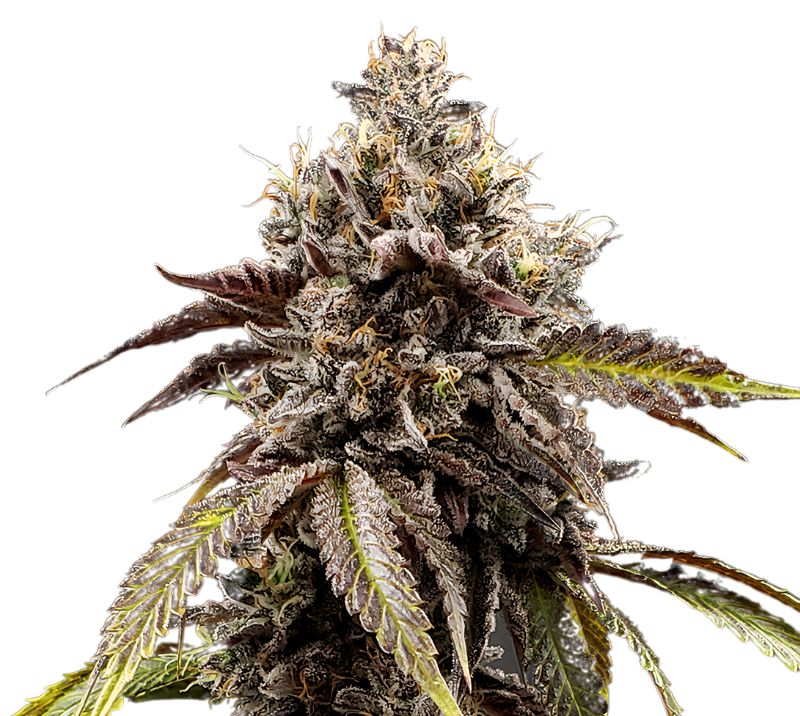
sativa
Chocolate Thai Feminized
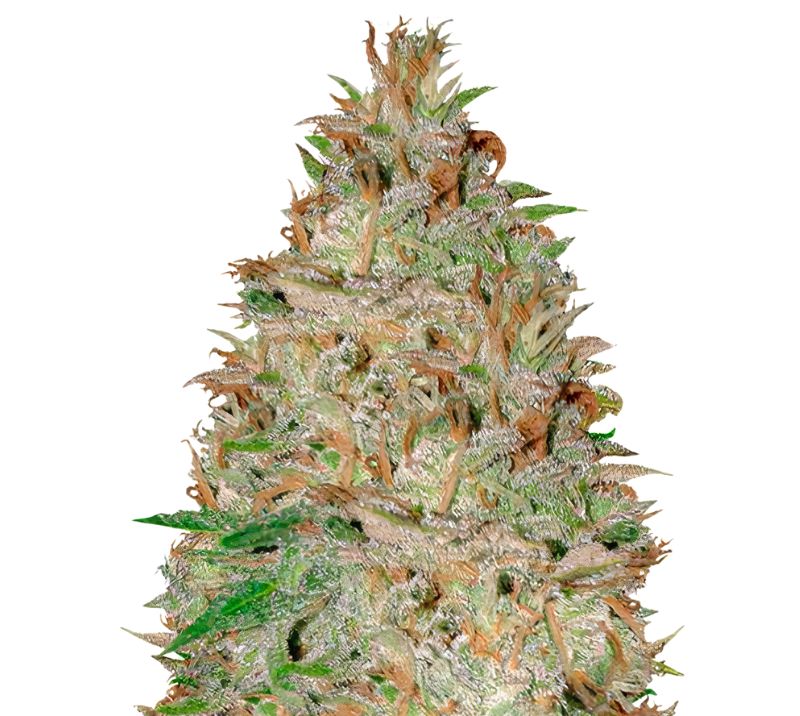
sativa
Chocolate Orange Feminized
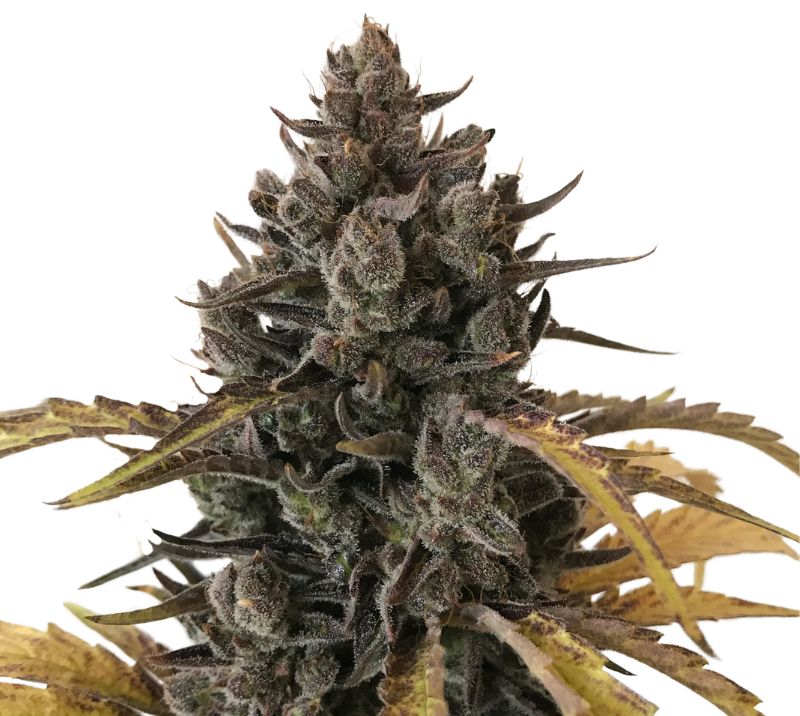
indica
Chocolate Chunk Feminized
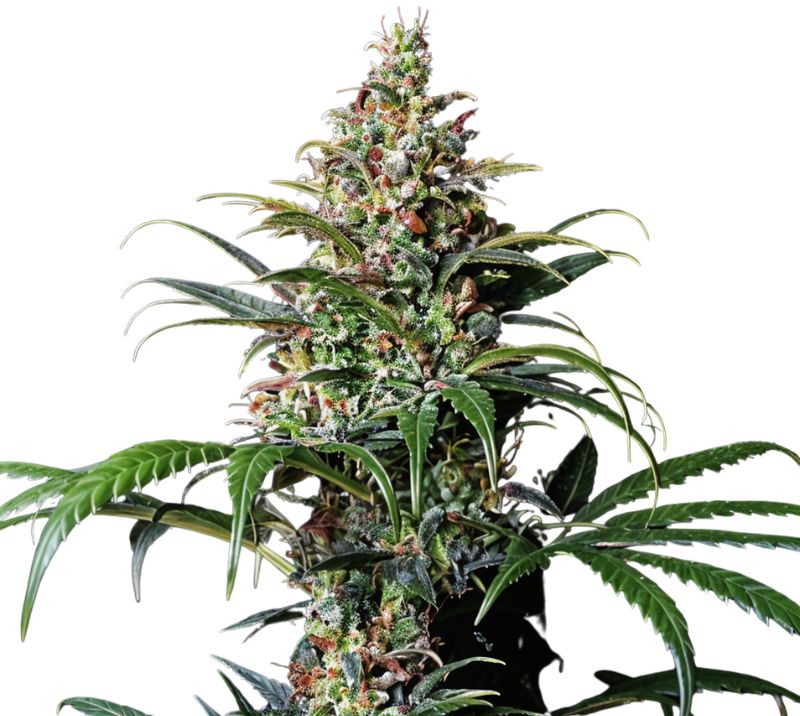
indica
Early Girl Feminized
Strain Profiles
Related Buying Guides
Browse the full All Cannabis Seeds collection
Premium genetics, US-wide discreet shipping, germination guaranteed.
Related Articles
When to Harvest Cannabis for CBD According to Science: Trichomes, Lab Data, and Timing
growing-harvestingCloudy vs Amber Trichomes: The Science of Cannabis Harvest Timing | Royal King Seeds
pillar-harvestCannabis Trichomes and Harvest Timing: Peak Potency Guide | Royal King Seeds
support-harvestHarvest Timing: Cannabinoids and Terpenes in Medical Cannabis | Royal King Seeds
growing-harvestingHow to Dry Harvested Cannabis Plants | Royal King Seeds
generalHow to Prevent Cannabis Plant from Diseases.
Ready to Start Growing?
Shop 1,600+ feminized, autoflower, and CBD strains with 95% germination, discreet US-wide shipping, and free delivery on orders over $150.
Shop Cannabis Seeds