Medical Strain Analysis: Storm Cloud
Storm Cloud is an intriguing and highly sought-after cannabis strain in the medical community. Recognized for its unique chemical profile, medical benefits, and cultivation demands, it stands out as a versatile option for patients seeking relief from a wide variety of conditions. While the recreational aspect of cannabis use has garnered widespread attention, Storm Cloud’s value in the field of medical cannabis has become the focus of increasing study and application. This analysis delves into the origins, chemical composition, medical benefits, and cultivation conditions of Storm Cloud, highlighting its growing importance in therapeutic contexts.
Origins of Storm Cloud

Storm Cloud’s origins are rooted in careful genetic engineering within the cannabis cultivation community. It is a hybrid strain, though it leans slightly toward the indica side of the spectrum, with a ratio generally noted to be around 60% indica and 40% sativa. The strain was developed by crossbreeding two renowned parent strains: Northern Lights, a legendary indica dominant strain known for its relaxation-inducing properties, and Super Silver Haze, a sativa dominant strain prized for its uplifting effects and energetic mental clarity. The careful combination of these genetics has produced a strain that balances the best of both worlds, creating a therapeutic profile that addresses a wide range of medical needs.
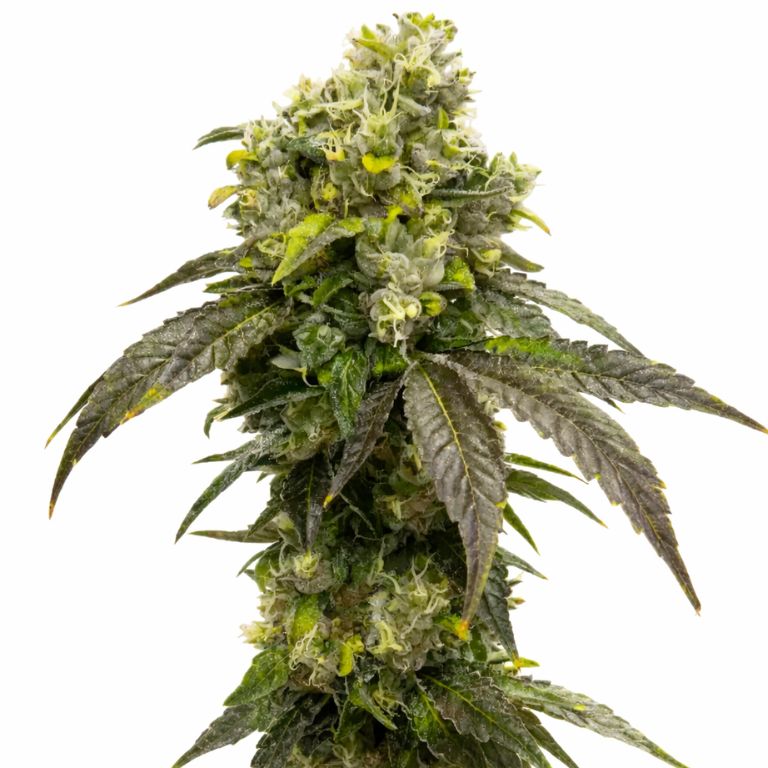
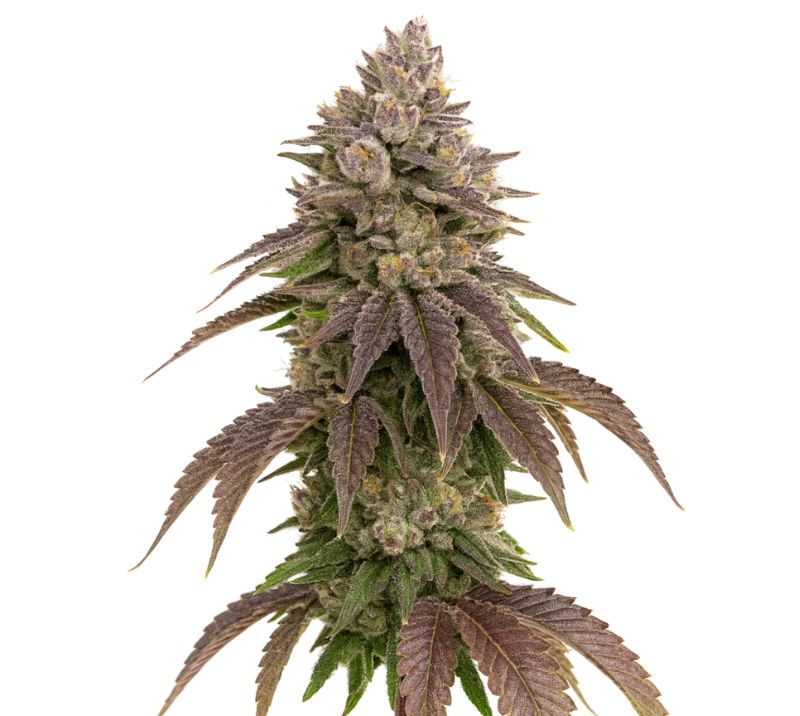
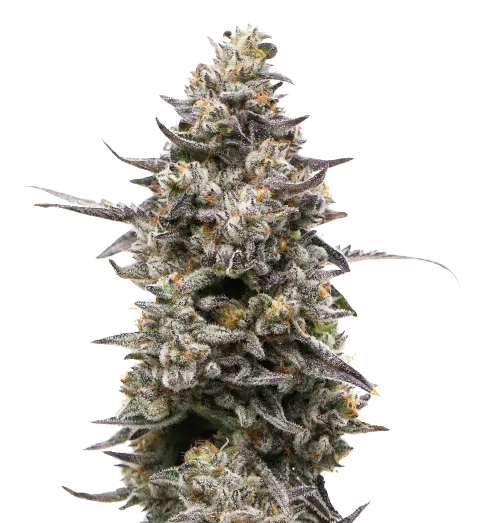
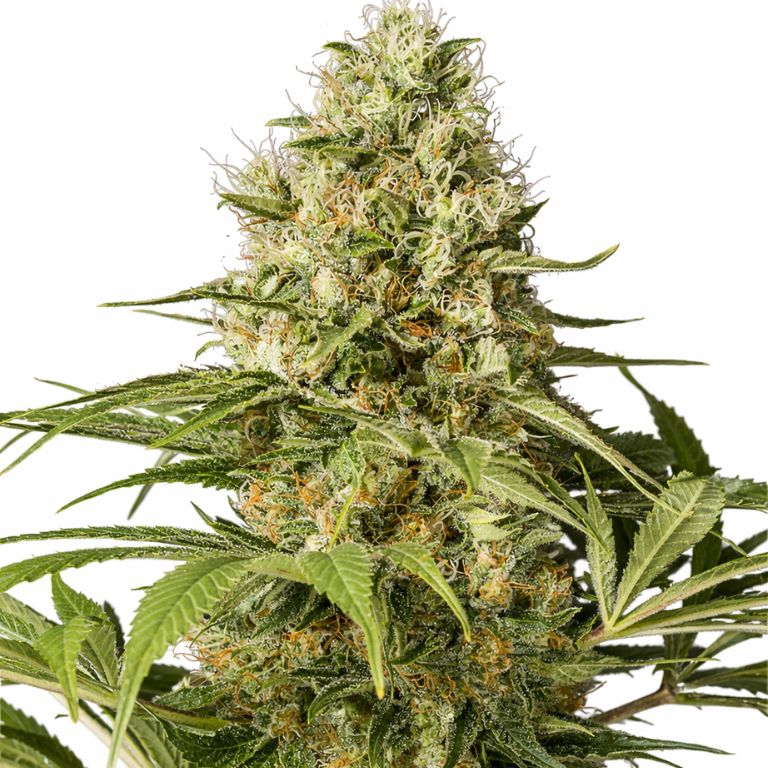
The name “Storm Cloud” was inspired by its dense, fluffy buds, which resemble a heavy gray thundercloud when fully matured. These buds are often coated in a frosty layer of trichomes, which further enhance their visual resemblance to a storm cloud and signal the plant’s high concentration of cannabinoids and terpenes. The strain’s development is believed to have originated in the Pacific Northwest, a region already famous for its cannabis innovation, before spreading to medical growers and patients across the United States and beyond.
Chemical Profile
The therapeutic efficacy of Storm Cloud can largely be attributed to its sophisticated chemical profile. Like most cannabis strains, its effects derive from the interaction of cannabinoids, terpenes, and other compounds naturally present in the plant. This strain features a balanced yet potent combination of these bioactive compounds, giving it a unique edge in medical cannabis applications.
Cannabinoids
The two dominant cannabinoids in Storm Cloud are tetrahydrocannabinol (THC) and cannabidiol (CBD). The THC content typically ranges between 18% and 22%, making it a moderately potent strain that provides therapeutic effects without overwhelming patients who may be new to cannabis. Meanwhile, its CBD concentration is relatively modest, usually around 1%, but the synergy between THC and CBD in this ratio contributes to its broad-spectrum therapeutic capabilities.
- THC (Tetrahydrocannabinol): THC is the psychoactive compound in cannabis, but its medical value extends far beyond its psychoactive effects. Storm Cloud’s THC content plays a significant role in alleviating chronic pain, reducing nausea, and improving sleep, particularly for patients suffering from conditions such as fibromyalgia, arthritis, or cancer-related symptoms.
- CBD (Cannabidiol): Although less abundant in this strain, CBD enhances the anti-inflammatory and anxiolytic properties of Storm Cloud. Together, THC and CBD create the so-called “entourage effect,” in which the compounds work synergistically to maximize therapeutic outcomes.
Other minor cannabinoids such as cannabigerol (CBG) and cannabinol (CBN) are also present in small but impactful quantities, adding further therapeutic benefits, such as antibacterial properties and mild sedative effects.
Terpenes
Storm Cloud’s terpene profile is one of its most defining features, contributing not only to its aroma and flavor but also to its medical efficacy. The dominant terpenes in Storm Cloud include myrcene, limonene, caryophyllene, and linalool, each of which brings distinct therapeutic properties.
- Myrcene: As the most prominent terpene in Storm Cloud, myrcene enhances the strain’s sedative and muscle-relaxing properties. It is particularly beneficial for patients experiencing insomnia, muscle spasms, or chronic pain.
- Limonene: Limonene is associated with stress relief and mood enhancement, making it useful for individuals dealing with anxiety or depression. This terpene also has anti-inflammatory and antifungal properties.
- Caryophyllene: Known for its anti-inflammatory and pain-relieving effects, caryophyllene acts as a unique terpene that interacts directly with CB2 receptors in the body, amplifying Storm Cloud’s effectiveness for treating inflammatory conditions.
- Linalool: Linalool’s calming and anxiolytic properties make it a valuable addition to Storm Cloud’s chemical profile, offering relief to patients with generalized anxiety disorder (GAD), PTSD, or other stress-related conditions.
Synergistic Effects
The interplay of cannabinoids and terpenes in Storm Cloud exemplifies the concept of the entourage effect, where the whole plant’s therapeutic impact exceeds the sum of its individual components. This synergy is why Storm Cloud has gained significant traction among medical cannabis patients and researchers.
Medical Benefits

Storm Cloud’s diverse chemical profile allows it to address a variety of medical conditions. Patients with different symptoms and ailments have found relief using this strain, as it provides a balanced blend of calming and uplifting effects. Below, we examine its most notable medical applications:
Pain Management
One of Storm Cloud’s primary medical uses is in the management of chronic and acute pain. The strain’s combination of THC and caryophyllene interacts with the body’s endocannabinoid system to block pain signals, providing relief for conditions such as:
- Arthritis: Patients with rheumatoid arthritis and osteoarthritis often experience reduced joint pain and inflammation when using Storm Cloud.
- Fibromyalgia: The strain’s muscle-relaxing properties and sedative effects help manage widespread pain and improve the quality of life for fibromyalgia sufferers.
- Cancer-Related Pain: Chemotherapy-induced neuropathy and general cancer pain are often alleviated by the analgesic effects of Storm Cloud.
Mental Health and Stress Disorders
Storm Cloud’s balanced hybrid nature makes it highly effective for managing mental health issues. Its uplifting sativa effects counteract lethargy and negative thoughts, while the calming indica properties reduce overactive anxiety.
- Anxiety Disorders: Limonene and linalool contribute significantly to its anxiolytic effects, providing a sense of calm for individuals with generalized anxiety disorder or panic attacks.
- Depression: Storm Cloud’s ability to uplift mood without inducing excessive sedation makes it a viable option for managing mild to moderate depression.
- Post-Traumatic Stress Disorder (PTSD): The strain’s relaxing properties help manage symptoms of hypervigilance and flashbacks commonly associated with PTSD.
Insomnia and Sleep Disorders
Storm Cloud has sedative properties that are highly beneficial for patients suffering from sleep disturbances. Myrcene and linalool work together to promote relaxation and facilitate deeper, more restorative sleep. Unlike some heavily indica-dominant strains, which can leave patients groggy, Storm Cloud provides a restful night without significant hangover effects.
Gastrointestinal Issues
The strain has shown promise in managing nausea, vomiting, and appetite loss. Patients undergoing chemotherapy or those with chronic illnesses such as Crohn’s disease have reported relief with Storm Cloud. The presence of THC stimulates appetite, while its antiemetic properties reduce the severity of nausea.
Inflammatory Conditions
The anti-inflammatory properties of Storm Cloud make it a valuable tool for conditions like:
- Irritable Bowel Syndrome (IBS): Its ability to reduce inflammation in the gastrointestinal tract helps alleviate symptoms like cramping and bloating.
- Autoimmune Diseases: For conditions such as lupus or multiple sclerosis, Storm Cloud’s anti-inflammatory effects can reduce flare-ups and improve mobility.
Growing Conditions

The cultivation of Storm Cloud requires a careful balance of environmental factors to bring out its full potential. While not considered the easiest strain to grow, it is manageable for intermediate-level cultivators with the right approach.
Climate and Environment
Storm Cloud thrives in both indoor and outdoor environments, although indoor cultivation allows for greater control over conditions. It prefers a warm, slightly humid climate with temperatures ranging from 70°F to 80°F (21°C to 27°C). In outdoor settings, it requires a location with plenty of sunlight and protection from heavy rainfall or extreme temperature fluctuations.
Soil and Nutrients
Rich, organic soil with balanced nutrients is ideal for growing Storm Cloud. The strain benefits from a slightly acidic soil pH, typically between 6.0 and 6.5. Nutritional requirements include nitrogen-rich feed during the vegetative phase and a phosphorus- and potassium-heavy mix during flowering to encourage robust bud development.
Lighting and Photoperiod
Indoors, Storm Cloud responds well to both high-intensity discharge (HID) lighting and LED systems. Its photoperiod is typical of hybrid strains, requiring 18-24 hours of light during the vegetative phase and a 12/12 light/dark cycle during the flowering phase. The strain has an average flowering time of 8-10 weeks.
Humidity and Airflow
Maintaining proper humidity levels is crucial for Storm Cloud. During the vegetative stage, humidity should be kept between 55% and 70%, while flowering requires lower levels, around 40% to 50%, to prevent mold or mildew from forming on the dense buds. Proper airflow is essential, particularly in indoor environments, to ensure even growth and minimize the risk of fungal infections.
Yield and Harvesting
Storm Cloud is a moderately high-yielding strain. While outdoor plants may yield up to 20 ounces per plant under ideal conditions, indoor producers should anticipate yields of roughly 16–18 ounces per square meter. Harvest time generally falls in late September to early October for outdoor grows. When ready, Storm Cloud buds are dense, resinous, and pungent, indicating a high concentration of therapeutic compounds.
Pest and Disease Resistance
One of Storm Cloud’s strengths is its resistance to common pests and molds, inherited from its parent strains. However, regular monitoring and preventative measures are still essential. To maintain the health of plants, organic pest control techniques like using neem oil or introducing beneficial insects are advised.
Restrictions on Using Storm Cloud in the Medical Field and Monitoring THC Levels to Prevent Psychoactive Effects
Storm Cloud, a medical cannabis strain with notable therapeutic potential, should be used cautiously and only as a last resort for patients unresponsive to traditional therapies. To ensure patient safety, its use must be controlled and regulated, with close monitoring of THC levels in derived medications to prevent unwanted euphoric effects. This approach prioritizes patient well-being and reinforces the safe and reliable use of medical cannabis in treatment plans.
Restricted Use in the Medical Field
Cannabis strains like Storm Cloud should be strictly confined to medical applications and not be prescribed casually or unnecessarily. The use of medical cannabis is typically reserved for cases where traditional therapies, such as pharmaceutical drugs or behavioral interventions, have proven ineffective or have caused adverse side effects. Storm Cloud, in particular, due to its moderate THC content (18-22%) and modest CBD levels, requires careful consideration before being incorporated into a patient’s treatment regimen.
Restricting its use to medical scenarios ensures that Storm Cloud remains a tool of last resort, particularly for conditions such as:
- Chronic Pain Management: Only when opioid analgesics, non-steroidal anti-inflammatory drugs (NSAIDs), or physical therapy fail to provide adequate relief should Storm Cloud be considered as an alternative.
- Severe Anxiety or Depression: Patients with mental health disorders should only be prescribed Storm Cloud when conventional treatments, such as selective serotonin reuptake inhibitors (SSRIs) or cognitive behavioral therapy, are not effective.
- Chemotherapy-Induced Nausea or Appetite Loss: Storm Cloud may be used as a supportive treatment when FDA-approved medications, such as ondansetron or dronabinol, fail to address symptoms adequately.
By restricting its application to cases where all other options have been exhausted, medical practitioners can ensure that the use of Storm Cloud remains aligned with evidence-based practices. This also minimizes the risk of overprescription or inappropriate use, which could undermine the credibility of medical cannabis as a legitimate therapeutic intervention.
Monitoring THC Levels in Medications
One of the most critical aspects of using Storm Cloud in the medical field is the careful regulation and monitoring of THC levels in derived medications. THC is the primary psychoactive compound in cannabis, and while it provides substantial medical benefits, such as pain relief and antiemetic effects, it can also produce psychoactive effects such as euphoria, dizziness, or impaired cognitive function. For patients who are already dealing with serious medical conditions, these psychoactive effects may interfere with their quality of life or treatment adherence. Therefore, preventing or minimizing THC’s psychoactive impact is essential.
Low-THC Formulations
To mitigate potential psychoactive effects, low-THC formulations can be developed from Storm Cloud. By selectively extracting cannabinoids and terpenes through advanced methods such as supercritical CO2 extraction or ethanol-based extraction, manufacturers can produce medications that retain the therapeutic benefits of THC while limiting its concentration. For example:
- Microdosing THC: Microdosing involves administering small, precise amounts of THC that are sufficient to provide medical relief without causing intoxication. This method ensures that patients experience the therapeutic effects of Storm Cloud while maintaining their cognitive clarity and functionality.
- Balanced THC-to-CBD Ratios: Medications derived from Storm Cloud can be formulated with a higher CBD content to counteract THC’s psychoactive properties. It has been demonstrated that CBD can control the effects of THC, lowering the possibility of negative side effects like paranoia or anxiety.
Routine Monitoring and Dosage Control
Routine monitoring of THC levels in Storm Cloud-derived medications is critical to ensure consistent dosing and prevent variability in potency. Patients prescribed such medications should be closely supervised by medical professionals, who can adjust dosages as needed based on individual responses. Medical practitioners must follow established guidelines for dosing, starting with the lowest effective dose and gradually increasing it only if necessary.
Patient Populations Requiring Special Attention
Special populations, such as children, the elderly, or individuals with a history of substance use disorders, are particularly vulnerable to THC’s psychoactive effects. In these cases, strict adherence to low-THC or THC-free formulations is necessary. For pediatric patients, for example, THC content should be reduced to trace levels, focusing on CBD as the primary therapeutic compound.
Conclusion
Storm Cloud is a remarkable strain of medical cannabis, recognized for its unique genetic origins, balanced chemical profile, and significant therapeutic potential. Developed from the renowned Northern Lights and Super Silver Haze strains, it combines the calming effects of an indica with the uplifting qualities of a sativa, creating a hybrid that caters to a wide range of medical conditions. With a moderate THC content of 18-22% and a supporting cannabinoid and terpene profile—including compounds like myrcene, limonene, and caryophyllene—Storm Cloud offers targeted relief for chronic pain, anxiety, insomnia, inflammation, and gastrointestinal disorders. These therapeutic benefits have positioned it as a valuable tool in the expanding field of medical cannabis.
Responsible use of Storm Cloud in medical contexts is essential, with its application restricted to last-resort treatments for patients who have exhausted traditional therapies. Healthcare providers must ensure its use follows clinical guidelines, and monitoring THC levels is crucial to prevent psychoactive effects. Strategies like low-THC formulations, balancing THC with CBD, and microdosing can mitigate risks while preserving therapeutic benefits. Regular patient monitoring, especially for vulnerable populations like children or the elderly, highlights the need for cautious and tailored treatment plans.
The cultivation of Storm Cloud is equally noteworthy. It rewards gardeners with large yields of resin-rich buds full of medicinal ingredients, but it also necessitates close attention to environmental conditions including temperature, humidity, and soil composition. Its natural resistance to pests and mold makes it a viable option for medical growers, provided they follow best practices to ensure quality and consistency.
In summary, Storm Cloud exemplifies the therapeutic power of medical cannabis when used responsibly and within a well-regulated framework. By restricting its use to the medical field, employing it as a last-resort treatment, and carefully monitoring its THC content, this strain can continue to provide substantial benefits for patients suffering from debilitating conditions. As research into medical cannabis evolves, Storm Cloud stands as a testament to the potential of cannabis as a legitimate and impactful medical treatment. However, its use must remain cautious, evidence-based, and patient-centered, ensuring it fulfills its role as a safe and effective therapeutic option in modern medicine.