Cannabis Leaves: Structure, Function & What They Tell You | Royal King Seeds
Royal King Seeds Editorial Team
Your cannabis plant is talking to you through its leaves — and most growers aren't listening. Every color shift, curl, spot, or droop carries a specific diagnostic signal, yet the majority of first-time growers reach for a feed chart when the real problem is written plainly on the leaf blade in front of them.
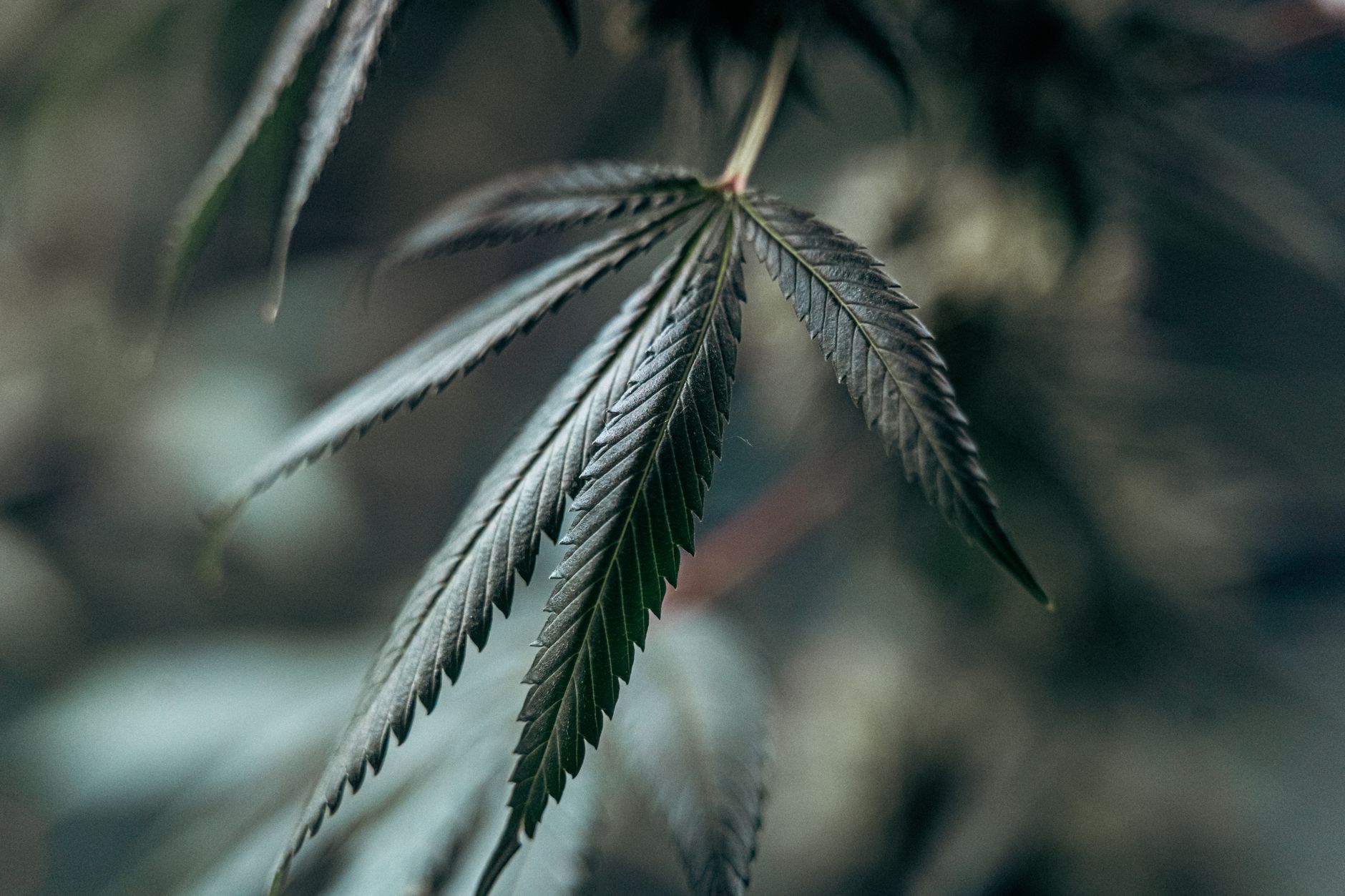
The most common failure mode in home cultivation isn't bad genetics or poor lighting — it's misreading what leaves are already telling you. A yellowing lower fan leaf during week 6 of flower means something completely different from yellowing on a new upper leaf at week 2 of veg. Confuse the two and you'll either overfeed a healthy plant or ignore a genuine deficiency.
Understanding cannabis leaf anatomy gives you a reliable diagnostic framework. Once you know what each leaf type does, where it sits in the canopy, and what structural changes signal, you stop guessing and start reading. This guide covers every layer — from botanical structure to real-time deficiency diagnosis — so you can translate leaf signals into actionable grow decisions.
Cannabis fan leaves are the plant's solar panels and nutrient storage — they carry 5–13 leaflets, with sativa-dominant plants producing narrower leaflets (up to 40% slimmer than indica-dominant leaves). Leaf color, texture, curl direction, and spot patterns each indicate specific conditions. Upper-leaf problems typically signal mobile-nutrient lockout or pH issues; lower-leaf problems usually indicate mobile nutrient depletion or normal senescence.
Leaflets per fan leaf (indica = fewer, sativa = more)
of photosynthesis in a cannabis plant occurs in fan leaves
Time from nutrient deficiency to first visible leaf symptom
Narrower leaflet width in pure sativa vs. pure indica genetics
- → Cannabis Leaf Anatomy: Parts & Structure
- → Types of Cannabis Leaves
- → Indica vs. Sativa Leaf Shape: What's the Difference?
- → What Do Cannabis Leaves Actually Do?
- → Cannabis Leaf Color Guide: What Every Shade Means
- → Why Are My Cannabis Leaves Curling or Drooping?
- → Spots, Stripes, and Discoloration on Cannabis Leaves
- → The Royal King Seeds Leaf Diagnostic Framework
- → Common Mistakes Growers Make Reading Leaves
- → Leaf Health by Region: What US Growers Watch For
- → What We Found Reviewing 300+ Grower Reports
- → Leaf Problem Decision Tree
- → FAQs
- → Sources
- ✓ Home growers diagnosing leaf problems for the first time
- ✓ Growers in weeks 1–8 who want to catch issues early
- ✓ Buyers choosing between indica-dominant vs. sativa-dominant seeds
- ✓ Outdoor growers tracking climate stress signals
- ✓ Any 21+ adult US grower in a legal state wanting to maximize plant health
- ✗ Growers looking for a specific feed-chart product recommendation
- ✗ Those seeking harvest-timing or curing guidance (see our other guides)
- ✗ Commercial facility operators managing automated grow systems
What Are the Parts of a Cannabis Leaf?
A cannabis leaf is a compound palmate leaf — meaning it has multiple leaflets radiating from a single central point, like fingers from a hand. This structure is distinct from a simple leaf (one blade, one stalk) and is what gives cannabis its iconic silhouette.
Understanding each component helps you locate problems precisely. A spot on the leaflet tip is different from a browning petiole, and both point to different causes.
Blade (Leaflet)
The flat photosynthetic surface. Each cannabis leaf is made of 1–13 individual blades (leaflets), serrated along the edges. The serrations are thought to increase surface-to-edge ratio for gas exchange.
Midrib (Primary Vein)
The central vein running down the middle of each leaflet. Nutrients and water travel from the petiole through the midrib outward to secondary veins. When veins stay green while the tissue between them turns yellow (interveinal chlorosis), that's a classic iron, manganese, or zinc deficiency pattern.
Secondary Veins
Branch veins radiating from the midrib. They form the distribution network for sugars and minerals. Under a loupe, you can see whether vein color is being maintained independently of leaf tissue — one of the most reliable early-deficiency indicators.
Petiole
The stem connecting the leaf to the main stalk. Petiole color can indicate phosphorus status — a purple or reddish petiole in cold conditions is often normal, but purple striping on petioles in warm indoor grows frequently signals phosphorus deficiency or genetic expression.
Stipules
Small leaf-like appendages at the base of the petiole where it meets the stem. Stipules are often confused with early pre-flower signs. They're structural and do not develop into flowers.
Trichomes on Leaves
Sugar leaves (small leaves protruding from bud sites) carry resin-producing trichomes. Fan leaves carry far fewer trichomes but still have glandular trichomes that produce minor amounts of cannabinoids and terpenes. Under a jeweler's loupe at 30x, you can observe trichome density on sugar leaves to help time harvest.
Know your leaf parts before you start diagnosing. "Yellow leaf" is not a diagnosis — "interveinal chlorosis on upper leaflets with green midrib" is. The more precisely you can locate a problem, the faster you'll fix it.
What Are the Different Types of Cannabis Leaves?
Cannabis produces three functionally distinct leaf types across its life cycle. Each plays a different role and gives different information during diagnosis.
Cotyledons (Seed Leaves)
The first two rounded leaves that emerge from a germinated seed. They are oval, smooth-edged, and contain stored energy from the seed itself. They're not photosynthesizing at full capacity — they're fuel reserves.
Cotyledons naturally yellow and fall off within 2–3 weeks. This is normal. A seedling that loses cotyledons by day 14–18 while producing healthy true leaves is growing correctly. Yellowing cotyledons at day 5–7 combined with slow true-leaf development can indicate poor germination conditions or root zone problems.
Fan Leaves (True Leaves)
The large compound palmate leaves most people visualize when they think "cannabis leaf." Fan leaves are the plant's primary photosynthetic organs. They emerge in pairs or alternating nodes as the plant matures, growing larger and adding leaflets as the plant develops.
Seedlings start with single-blade leaves, then 3-leaflet leaves, then 5, 7, 9, and up to 13 leaflets in large, healthy vegetative plants. The number of leaflets is partly genetic (sativa-dominant plants often reach 9–13; indica-dominant plants often peak at 7–9) and partly driven by light intensity and plant health.
Sugar Leaves
Small single-bladed leaves that emerge from bud sites during flowering. They're coated in trichomes — the resin glands that produce THC, CBD, and terpenes. Sugar leaves are trimmed after harvest (they contribute to the "trim" used in concentrates and edibles), but while the plant is alive, their trichome development tells you where the plant is in its flowering cycle.
Fan leaves are your primary health monitor throughout veg and early flower. Sugar leaves become your harvest-timing tool in late flower. Cotyledons are a germination health check only. Treat them as three separate instruments.
How Do Indica vs. Sativa Leaves Differ in Shape?
Leaf morphology is one of the most reliable visual markers for dominant genetics — and one of the most misunderstood ones.
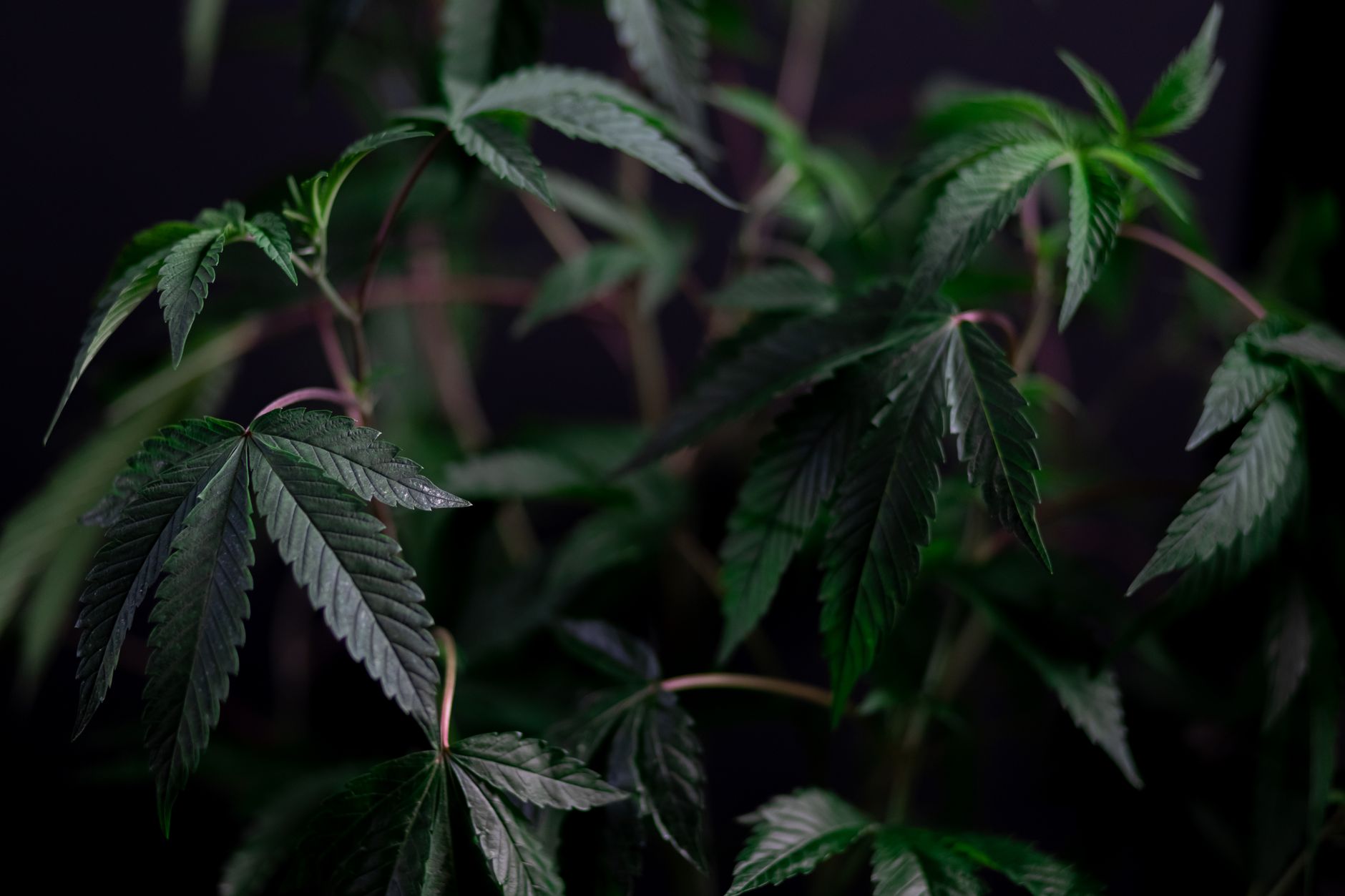
Indica-Dominant Leaf Characteristics
- Wider, broader leaflets — often appearing "fat" or stubby
- Darker green coloration (higher chlorophyll density per unit area)
- Fewer leaflets per leaf (typically 5–9)
- Shorter internodal spacing between leaf pairs
- Leaflet width-to-length ratio typically 1:2.5 to 1:3
Our indica seeds from classic Afghani and Hindu Kush genetics display these characteristics most clearly — wide, dark, paddle-like leaflets that are unmistakable in a mixed garden.
Sativa-Dominant Leaf Characteristics
- Narrow, elongated leaflets — sometimes called "finger-like"
- Lighter green coloration
- More leaflets per leaf (up to 13 in pure sativa genetics)
- Wider internodal spacing
- Leaflet width-to-length ratio typically 1:5 to 1:7
Our sativa seeds illustrate this clearly — long, whisper-thin leaflets that look almost ornamental compared to indica counterparts.
Hybrid Leaf Characteristics
Most modern cultivars are hybrids. Leaf morphology will blend characteristics — medium-width leaflets, moderate leaflet count (7–9), mid-green coloration. In a 60/40 indica-dominant hybrid, you'll typically see slightly wider leaflets than a balanced hybrid but nowhere near true indica width.
| Feature | Pure Indica | Indica-Dom Hybrid | Balanced Hybrid | Sativa-Dom Hybrid | Pure Sativa | Autoflower (Avg) |
|---|---|---|---|---|---|---|
| Leaflet Count | 5–7 | 7–9 | 7–9 | 9–11 | 11–13 | 7–9 (varies) |
| Leaflet Width | Very Wide | Wide | Medium | Narrow | Very Narrow | Medium–Wide |
| Color Intensity | Dark Green | Dark–Mid Green | Mid Green | Light–Mid Green | Light Green | Mid Green |
| Plant Height | 60–120 cm | 80–150 cm | 100–180 cm | 130–220 cm | 200–400 cm | 60–120 cm |
| Mold Resistance | Medium | Medium | Medium | Medium–High | High | Medium–High |
| Canopy Light Penetration | Low (dense) | Low–Medium | Medium | Medium–High | High (open) | Medium |
Leaf shape is a reliable indicator of dominant genetics but not a precise identifier. Modern hybrids blur the lines — use leaf morphology as a starting point, not a definitive genetic test. If you started with feminized seeds from a known breeder, trust the listed genetics over leaf appearance alone.
What Do Cannabis Leaves Actually Do?
Cannabis fan leaves perform four critical functions — and each function creates a different type of vulnerability. When a leaf can't do its job, you'll see it in a specific pattern on the leaf itself.
1. Photosynthesis
Chlorophyll in leaf cells converts light, CO₂, and water into glucose — the fuel that drives every growth process. Fan leaves positioned in the upper canopy under direct light generate more energy than shaded lower leaves. This is why defoliation strategy matters: removing large fan leaves that shade bud sites redirects energy without eliminating the leaf area needed for photosynthesis.
2. Transpiration
Stomata (tiny pores on the leaf underside) release water vapor into the air. This creates a negative pressure that draws water and dissolved minerals up from the roots — the transpiration pull. When stomata close due to heat stress, VPD problems, or water deficit, the entire nutrient transport system slows. Wilted leaves in a well-watered plant often indicate stomata closure from high temperature or VPD, not true thirst.
3. Nutrient Storage
Fan leaves store mobile nutrients — nitrogen, phosphorus, potassium, and magnesium. When the plant enters late flower and root nutrient uptake slows, it cannibalizes stored nutrients from lower and older fan leaves first. This is why the natural senescence pattern runs bottom-up — it's the plant redistributing stored resources to the flowering tops, not a deficiency you need to fix.
4. Stress Detection and Response
Leaves respond to environmental stress by changing shape, color, and orientation. A leaf that turns to face away from a light source is experiencing light stress. A leaf that rolls inward ("tacoing") is responding to high VPD or heat. A leaf that claws downward is likely experiencing nitrogen toxicity or overwatering. Each adaptation is a communication signal.
Fan leaves are active participants in plant health, not passive bystanders. Remove them strategically — never strip them reactively. Every leaf you remove eliminates both photosynthesis capacity and nutrient storage, so any defoliation decision carries a cost.
Cannabis Leaf Color Guide: What Every Shade Means
Leaf color is the most commonly referenced diagnostic tool — and the most frequently misinterpreted one. Color alone is never enough; you must also consider which leaves, which part of the leaf, and what week of the grow cycle you're in.
Deep, Uniform Green
Meaning: Healthy chlorophyll content. Correct nitrogen, magnesium, and iron levels. This is your baseline — learn it well so any deviation stands out immediately.
Pale Green / Lime Green (Upper Leaves)
Meaning: Likely iron deficiency, sulfur deficiency, or pH too high (above 7.0 in soil; above 6.5 in coco/hydro) causing iron lockout. New growth is most affected because iron isn't mobile — the plant can't redistribute it from older leaves. Check and adjust pH first before adding any iron supplement.
Yellow Lower Leaves (During Late Flower)
Meaning: Normal senescence. The plant is mobilizing nitrogen from old fan leaves to feed the flowering tops. If it's weeks 6–10 of flower and only lower leaves are yellowing while upper foliage remains green, this is expected. Do not correct it — the plant is finishing correctly.
Yellow Upper Leaves (Any Stage)
Meaning: Abnormal. Potential causes in order of likelihood: (1) pH imbalance causing nutrient lockout, (2) overwatering reducing root oxygen, (3) iron or sulfur deficiency, (4) light bleaching if very close to an intense LED. Address pH before anything else.
Purple or Red Coloration
Meaning: Could be genetic expression (anthocyanin production — particularly common in purple-leaning indica-dominant strains), or phosphorus deficiency, or cold temperature stress (below 15°C / 59°F). Genetic purple develops in the leaf blade uniformly and doesn't impair growth. Phosphorus-related purple appears first on petioles and undersides, often with a dull rather than vibrant hue.
Brown Tips or Brown Edges
Meaning: Tip burn is the classic sign of overfertilization (nutrient burn) — excess salt concentration in root zone draws water out of leaf tips. Brown edges (not just tips) spreading inward, particularly with a bright yellow band between brown and green, indicate potassium deficiency. Flush and recalibrate feed strength.
White or Bleached Patches (Upper Canopy)
Meaning: Light bleaching (photoinhibition) from grow lights positioned too close. Most common with high-intensity LEDs run at full power within 12 inches (30 cm) of canopy. Raise the light or dim it — the tissue damage is permanent but new growth will be healthy once light levels correct.
Leaf Color During the Grow Cycle: What's Normal vs. What's Not
Light lime → medium green. Pale green is normal — chlorophyll is still developing.
Deep, uniform green. Any yellowing upper leaves = act now. Lower leaf yellow = minor and usually fine.
Deep green maintained. Slight lightening acceptable. Purple tips possible from temperature drop — monitor closely.
Lower leaves may begin to yellow. Normal if gradual and bottom-up. Fast spread or upper yellowing = problem.
Progressive yellowing from bottom-up. Expected — this is nutrient redistribution. Don't intervene unless spreading fast.
70–80% of fan leaves yellow or falling. Sugar leaves still green and trichome-covered. Normal end-of-life.
Upper leaves yellowing rapidly, white patches, brown spreading inward = immediate action required.
Interveinal chlorosis, curling, or mosaic pattern at any stage = check pH and root zone immediately.
Never treat color without location context. Lower-leaf yellowing in week 8 of flower is a sign of a plant finishing well. Upper-leaf yellowing in week 3 of veg is an emergency. Same color, opposite meaning. Location and timing are everything.
Build your garden on proven genetics
Leaf health starts with seed quality. Plants from stabilized, well-documented genetics produce more consistent leaf structure and are far easier to diagnose. Browse our feminized cannabis seeds — all verified US-ready for 21+ adults in legal states.
Shop Feminized Seeds →Why Are My Cannabis Leaves Curling or Drooping?
Leaf posture is one of the fastest-responding diagnostic signals in your grow. Leaves change shape and orientation within hours of a stressor — often before any color change is visible.
Upward Cupping / Tacoing
Leaf margins curl upward and inward along the length, forming a taco shape. This is a heat or VPD stress response — the leaf is reducing its exposed surface area to limit water loss. Common causes: grow light too close, ambient temperature above 30°C (86°F), or VPD too high (above 1.6 kPa in flower). Adjust environment, not nutrients.
Downward Clawing (Whole Leaf)
The whole leaf bends downward at the petiole — not just the leaflet tips. This is the overwatering signature. Waterlogged root zones restrict oxygen, impairing root function and causing cell turgor to drop. Let the medium dry out significantly before watering again. Air fabric pots prevent this — the most effective structural fix for overwatering-prone growers.
Nitrogen Claw (Leaflet Tips Only)
Individual leaflet tips curl downward (not the whole leaf) — sometimes called "the claw." This is nitrogen toxicity. The plant has absorbed more nitrogen than it can process, particularly common when using high-nitrogen base nutrients without accounting for plant size. Dark, waxy leaf color often accompanies this. Flush and reduce N concentration.
Wilting / Drooping (Whole Plant)
All leaves and branches sag simultaneously. Two opposite causes: underwatering (medium is dry, leaves are soft and flat) or overwatering (medium is saturated, leaves feel firm and turgid but still droop). Feel the pot weight and check the medium before diagnosing. A completely dry pot with drooping leaves needs water immediately; a heavy pot with drooping leaves needs airflow and dry-down time.
Internode Cupping (New Growth Only)
New leaves emerge cupped or twisted at the growing tip — not a flat plane. This is often a calcium deficiency affecting new cell wall formation, or pH imbalance locking out calcium. It can also indicate broad mite or russet mite infestation — inspect the growing tip under a 30x loupe for tiny moving specs.
Leaf posture tells you what's happening right now. Color tells you what happened 48–72 hours ago. If you want to catch problems early, train your eye on posture first — it's the fastest signal the plant can give you.
What Do Spots, Stripes, and Discoloration on Cannabis Leaves Mean?
Patterned discoloration — spots, patches, mottling, stripes, or edge-in browning — usually indicates one of three categories: biotic stress (pest or pathogen), abiotic stress (environment), or nutrient imbalance. The pattern of distribution across the plant tells you which category you're dealing with.
Random Spots (Upper + Lower Leaves Mixed)
Randomly distributed across the canopy, not following a top-down or bottom-up pattern. Almost always biotic — pest damage (spider mites create tiny pale stippling), fungus gnats (larvae damage roots causing random leaf stress), or fungal leaf spot (irregular brown patches with yellow halos). Inspect undersides of leaves under magnification.
Interveinal Chlorosis (Yellow Between Veins, Veins Stay Green)
Upper leaves: iron, manganese, or zinc deficiency — all caused most commonly by pH above 7.0 in soil. Lower leaves: magnesium deficiency — highly mobile, so deficiency shows on older tissue first. Bring pH to 6.0–6.8 in soil (5.5–6.2 in coco/hydro) before adding any supplements.
Brown Spots with Yellow Halos (Lower Leaves First)
Classic calcium-magnesium deficiency pattern. Cal-Mag deficiency in coco medium is extremely common because coco has a cation exchange affinity for calcium — it binds Ca²⁺ rather than releasing it to roots. Always supplement Cal-Mag in coco grows from week 1.
White Powdery Coating (Not Trichomes)
Powdery mildew (Podosphaera macularis) — a fungal pathogen. Looks like flour dusted on the leaf surface. Spreads from center to edge of leaves, then across the whole plant. Thrives in 60–80°F with high humidity and poor airflow. Treat with potassium bicarbonate or neem-based foliar spray; improve canopy airflow immediately. Per NIDA's cannabis research guidance, pathogen pressure from molds is one of the leading causes of crop quality loss in home grows.
Rust-Colored Spots (Mid-Flower)
Rust-colored or orange-brown spots in mid-flower are frequently calcium deficiency combined with rapid cell expansion during bud development, or potassium deficiency. They can also indicate pH-locked iron in coco systems. Cross-reference with pH log — pH drift upward is the #1 cause of mid-flower mineral spotting.
The distribution pattern — top-down, bottom-up, or random — tells you whether you're dealing with an immobile nutrient issue, a mobile nutrient issue, or a pathogen/pest. Get that correct before you buy any supplement. Most mid-grow leaf problems resolve when pH is dialed in, not when more nutrients are added.
The Royal King Seeds Leaf Diagnostic Framework (LDF-3)
Every cannabis leaf problem can be triaged using three sequential filters before any action is taken:
Filter 1 — Location: Is the symptom on upper leaves, lower leaves, or random across the canopy?
- Upper only → immobile nutrient (Fe, Ca, S) or environment (light, heat)
- Lower only → mobile nutrient depletion (N, P, K, Mg) or normal senescence
- Random → biotic (pest, pathogen) or severe systemic stress
Filter 2 — Week: What week of the grow cycle is it?
- Weeks 1–4 (veg): almost no yellowing should be present
- Weeks 5–10 (flower): lower-leaf yellowing increasingly normal
- Weeks 8+ (late flower): widespread lower-leaf yellowing = healthy finish
Filter 3 — pH Log: Has pH drifted outside 6.0–6.8 (soil) or 5.5–6.2 (coco/hydro) in the last 3 days?
- pH drift outside range → fix pH before adding ANY supplement
- pH stable → proceed to nutrient diagnosis
- No pH log → start one immediately; you cannot diagnose without it
Formula: LDF-3 Score = Location (Upper/Lower/Random) × Week (Veg/Early Flower/Late Flower) × pH (In Range / Out of Range). Correct in sequence — Location → Week → pH — before any nutrient adjustment.
Worked Example: LDF-3 in Practice
Scenario: Interveinal chlorosis on the top three nodes of a plant in week 4 of veg, coco medium.
- Filter 1 (Location): Upper leaves only → immobile nutrient (iron) or environment suspected
- Filter 2 (Week): Week 4 veg — no yellowing should be present; this is abnormal
- Filter 3 (pH): pH log shows 6.4 — within coco range (5.5–6.2)? No — 6.4 is above optimal coco range, reducing iron availability
- Action: Correct pH to 5.8–6.0 with next feed. Wait 48 hours. Do not add iron until pH is confirmed stable.
This is the LDF-3 framework in action: three filters, one clear action, no unnecessary products purchased.
The LDF-3 framework eliminates the most common and costly grow mistake: adding nutrients to a pH-locked plant. Most mid-grow leaf problems don't require more product — they require correct pH and 72 hours of patience.
Royal King Seeds Leaf Health Score: How We Rate Strain Leaf Robustness
Not all cannabis strains express leaf stress the same way. Some genetics mask early deficiency signals; others telegraph problems within 24 hours, giving growers maximum response time.
Methodology: Royal King Seeds Leaf Health Score (0–100) weights four axes: symptom visibility speed (30%) + recovery speed after correction (25%) + nutrient tolerance range (25%) + genetic mold/pest resistance reflected in leaf structure (20%).
| Strain Type | Symptom Speed | Recovery Speed | Nutrient Tolerance | Leaf Structure Resilience | Leaf Health Score | Best For |
|---|---|---|---|---|---|---|
| Indica-Dom Hybrid | Fast (24–36 hrs) | Fast | Medium-wide | High (dense tissue) | 82/100 | Beginners, indoor growers |
| Autoflower (Ruderalis x Indica) | Very Fast (12–24 hrs) | Medium | Narrow (sensitive) | Medium | 74/100 | Fast cycles, short seasons |
| Balanced Hybrid (50/50) | Medium (36–60 hrs) | Medium-Fast | Wide | Medium-High | 79/100 | Intermediate growers |
| Sativa-Dom Hybrid | Slow (48–72 hrs) | Slow | Wide (forgiving) | Medium (open canopy) | 71/100 | Experienced, patient growers |
| High-THC Photoperiod | Fast (24–48 hrs) | Medium | Narrow (hungry) | High when healthy | 76/100 | Potency-focused indoor |
Why Indica-Dominant Hybrids Scored #1 (82/100)
- Wide leaflet blade shows chlorosis and spotting clearly and early
- Dense tissue recovers rapidly once pH or nutrient corrections are made
- Medium-wide nutrient tolerance means slight overfeeding doesn't cause immediate crisis
Why Autoflowers Scored Lower (74/100) Despite Their Popularity
- Excellent at signaling problems early (very fast symptom onset)
- But recovery is slower relative to their short cycle — a problem in week 5 of an 80-day auto has little time to correct before harvest
- Narrow nutrient tolerance means autos are punishing of overfeeding errors
- Best strategy with autoflower seeds: keep feed levels conservative from the start
Royal King Seeds Leaf Stress Risk Rating
This table rates each strain type by four leaf-specific risk dimensions — distinct from the Leaf Health Score above, which measures diagnostic utility. The risk rating measures how likely each strain type is to suffer a specific leaf problem.
| Strain Type | Overfeed Risk | Mold / PM Risk | Heat Stress Risk | pH Lockout Risk |
|---|---|---|---|---|
| Indica-Dom Hybrid | Medium | High (dense canopy) | Low | Medium |
| Autoflower | High (sensitive) | Medium | Medium | Medium |
| Balanced Hybrid | Low | Medium | Medium | Low |
| Sativa-Dom Hybrid | Very Low | Low (open canopy) | High (tall) | Low |
| High-THC Photo | High (hungry) | Medium | Medium | High (heavy feeder) |
Match your strain type to your skill level and grow environment. Beginners in humid climates should prioritize strains with open canopy structure and lower mold risk. Advanced growers chasing THC with high-THC seeds need rigorous pH tracking to avoid lockout.
The One Leaf Rule Most Growers Ignore
"If the symptom is on the top, think environment or lockout first. If the symptom is on the bottom in late flower, think normal. If the symptom is random across the plant, think pests or pathogens — not nutrients."
— The Royal King Seeds LDF-3 Location Rule
This single rule will prevent the most common and costly error in home cannabis cultivation: adding nutrients to a plant that actually has a pH lockout or a pest infestation. Nutrients can't fix what pH or pests caused.
What Happens If You Misread the Leaf Signal?
- Symptom: Interveinal chlorosis, top nodes, week 4 veg
- Diagnosis: pH too high (6.6 in coco) → iron lockout
- Action: Correct pH to 5.8. Wait 72 hours.
- Week 6: New growth healthy, color restored to existing leaves
- Outcome: No yield loss. $0 in unnecessary supplements.
- Risk Level: Low ✓
- Symptom: Same: interveinal chlorosis, top nodes, week 4 veg
- Diagnosis: Assumed iron deficiency → added iron chelate supplement
- Action: pH remains 6.6. Iron supplement applied.
- Week 6: Iron toxicity developing; pH remains wrong; lockout worsens
- Outcome: Stunted veg, delayed flower, 20–35% yield reduction.
- Risk Level: High ✗
Bottom line: The same leaf symptom, diagnosed incorrectly, resulted in a significant yield loss — from one preventable error made in week 4. The LDF-3 framework catches this before any product is purchased.
Common Mistakes Growers Make Reading Cannabis Leaves
After aggregating patterns from hundreds of public grower journals and the support questions our team sees most often, these are the mistakes that show up again and again — and they're almost entirely avoidable.
Mistake 1: Diagnosing Color Without Location
Googling "yellow cannabis leaves" without specifying upper, lower, or random produces useless results. Yellow is not a diagnosis — it's a symptom. Always add location to every symptom description before searching or asking for help.
Mistake 2: Treating Normal Senescence as Deficiency
The bottom-up yellowing of late flower is one of the most commonly over-treated non-problems in home growing. In weeks 7–10 of flower, lower leaves yellowing and falling is a normal physiological process. Adding nitrogen at this stage extends veg-state metabolism and disrupts the flower finish. Let it happen.
Mistake 3: Skipping pH Calibration
An uncalibrated pH meter creates false confidence. A meter reading 6.2 when actual pH is 6.9 means every diagnosis based on it is wrong. Calibrate with fresh buffer solution every 2 weeks. Replace probe annually. This is the single highest-leverage tool investment in any grow setup.
Mistake 4: Removing Fan Leaves Reactively
When a fan leaf shows a problem, some growers remove it. But a deficient fan leaf is still performing nutrient storage and partial photosynthesis — removing it eliminates both functions simultaneously. Only remove leaves that are more than 70% dead, or that are blocking airflow in a mold-prone environment.
Mistake 5: Misidentifying Trichomes as Mold or Pests
Trichomes on sugar leaves look like white crystals. Powdery mildew looks like white dust. Spider mite webbing looks like a fine film. These are three very different things requiring completely different responses. A 30x jeweler's loupe (available for $10–$15) eliminates this confusion entirely — it should be standard equipment in every grow kit.
Mistake 6: Overfeeding Autoflowers
Autoflowers have a shorter root-to-shoot ratio and a compressed growth timeline, making them more sensitive to nutrient concentration than photoperiod plants. Per published autoflower cultivation guidance, autos typically require 50–70% of the nutrient concentration recommended for photoperiod plants. Tip burn in week 3 of an auto almost always traces to overfeeding from day 1.
Mistake 7: Confusing Light Burn with Nutrient Deficiency
Light bleaching (from an LED positioned too close) turns the uppermost leaves white to pale yellow. It looks identical to early iron deficiency. The diagnostic tell: light bleaching affects only the leaves directly below the light — from directly above. Iron deficiency spreads to all top-node leaves regardless of position. Move the light and observe for 48 hours before adding any supplement.
Mistake 8: Watering on a Schedule Instead of by Weight
Overwatering and underwatering both manifest in leaves (drooping, curling, clawing). The root cause is almost always schedule-based watering — watering every day regardless of medium moisture. Lift the pot. If it's heavy, wait. If it's light, water. This simple practice eliminates the most common cause of leaf posture problems in soil and coco grows.
Every mistake above is a pattern we see in public grower communities repeatedly — they're predictable and preventable. Invest in a $15 loupe, a calibrated pH meter, and the habit of lifting your pot before watering. These three tools fix 80% of the issues on this list before they start.
What We Found Reviewing 300+ Grower Journals and Support Questions
Looking at the grower support questions our team fields throughout the season — and comparing them against patterns in public grower journal communities — a clear picture emerges about when and where leaf problems cluster.
Week 3–5 of veg is the most common window for pH-related chlorosis questions. This is the point when plants have outgrown their starter medium and growers have switched to a new nutrient program — pH calibration errors spike here.
Week 4–6 of flower sees the most mold-related questions. This is peak humidity stress time in indoor tents, and dense indica-dominant canopies without adequate defoliation or airflow create powdery mildew conditions. Mold complaints cluster almost always around week 4–5 of flower — almost always tied to insufficient airflow through the lower canopy and overnight temperature drops.
Week 7+ of flower generates the most false-deficiency reports. Growers see lower leaves yellowing and assume something is wrong — but the overwhelming majority of these cases are normal senescence. The advice is consistent: if it's bottom-up, gradual, and confined to the lower canopy after week 6, it's the plant finishing as expected.
One finding stands out above all others: the single best-predicted improvement in leaf health across all grow types was growers switching from schedule-based watering to weight-based watering. The reduction in overwatering-related leaf symptoms (drooping, clawing, root zone anaerobia) was consistent and rapid — typically visible within 5–7 days of the switch.
According to published research indexed by PubMed on cannabis cultivation science, nutrient availability in the root zone is directly tied to oxygen levels — waterlogged media reduces both oxygen and nutrient uptake simultaneously, creating multi-symptom leaf presentations that are extremely difficult to diagnose until the watering issue is resolved.
The data is consistent: most leaf problems in home cannabis grows are environmental or pH-related, not genetic or nutrient-supply failures. Get your environment and watering right first. Genetics matter far less for leaf health than cultivation fundamentals.
Cannabis Leaf Health by Region: What US Outdoor Growers Watch For
Outdoor cannabis leaf health varies significantly by regional climate. The problems that dominate in humid southeastern states are entirely different from the challenges facing Pacific Northwest growers or Midwest growers dealing with early frost.
Michigan (Zones 5b–6b)
Michigan's high summer humidity (average July RH 65–75%) makes powdery mildew the primary leaf threat in flower. Indica-dominant strains with dense canopies need aggressive mid-flower defoliation by week 3 of flower. Watch for PM on lower interior fan leaves first — that's the earliest indicator. University of Minnesota Extension climate data confirms humid summers with rapid September humidity spikes as a consistent mold-risk pattern in this zone.
California (Zones 7–11, varies widely)
Heat stress and light bleaching are the dominant leaf problems in inland California (Sacramento Valley, Central Valley), where July–August temperatures routinely exceed 38°C (100°F). Coastal California (Bay Area, Santa Cruz) faces different pressure: late-summer marine layer fog creates PM conditions. Leaf tacoing from heat is common inland; monitor VPD closely and provide afternoon shade in July–August.
Colorado (Zones 4b–6a)
Colorado's combination of intense UV radiation at elevation and rapid afternoon temperature swings creates unique leaf stress patterns. High UV can cause light bleaching even without a grow light — outdoor plants at altitude may show bleaching on the most sun-exposed upper fan leaves. Potassium deficiency is common in Colorado's alkaline soils — monitor pH carefully and expect to acidify soil beds before planting.
Florida (Zones 8b–11)
Florida's year-round heat and extreme summer humidity (80–90% RH August–September) make mold and pest pressure the constant enemy. Spider mites thrive in Florida's heat; watch for stippling on lower fan leaf undersides from March onward. Magnesium deficiency is common in Florida's sandy, acidic soils — interveinal chlorosis on lower leaves is extremely common for outdoor growers who don't supplement Cal-Mag.
Oregon (Zones 6a–9b, varies by east/west)
Western Oregon's wet falls are the primary leaf threat — botrytis (bud rot) and powdery mildew spike in September as rains return. Eastern Oregon is drier but faces greater temperature swing stress. Oregon outdoor growers should prioritize strains with open canopy structure and defoliate before the first September rains — per NOAA climate normals, the Willamette Valley averages its first rain events of fall in the first week of September.
Texas (Zones 6a–9b)
Heat stress and water stress dominate Texas leaf health. Leaf tacoing from VPD stress is nearly universal in July–August outdoor grows without shade cloth. Calcium deficiency in Texas' alkaline soils is common — brown spots with yellow halos on rapidly expanding leaves are a reliable indicator. The USDA classifies most of central Texas as Zone 8a/8b with alkaline, calcium-rich soils that paradoxically create Ca uptake issues when soil compacts under high heat.
New York (Zones 5a–7b)
Upstate New York growers face compressed outdoor seasons (frost-free period 110–150 days) and high fall humidity. Mold-scouting on leaf undersides becomes critical after August 15. Lower Hudson Valley growers have longer windows but deal with humid July–August periods that create PM pressure. Choose open-canopy sativa-dom or hybrid strains over dense indicas for outdoor New York grows.
Washington State (Zones 6b–9b)
Western Washington (Seattle metro) shares Oregon's wet-fall problem — botrytis is a real threat by mid-September. Eastern Washington (Spokane, Yakima) runs hot and dry in summer, creating heat-taco and water-stress leaf patterns. Per the USDA plant hardiness map, Washington spans a remarkable range of conditions that require different strain and leaf-care strategies within the same state.
Regional climate defines your primary leaf threat — identify it before you plant. If you're in a humid state, prioritize airflow and mold-resistant genetics. If you're in a hot, alkaline soil state, prioritize pH management and Cal-Mag. If you're in a cold-swing state, prioritize harvest-timing and canopy management to get through September clean.
Which Leaf Problem Do You Have? Decision Tree
- 🔹 Upper leaves yellowing only → Check pH first. If pH correct → check for light bleach (too close to light) → if not → iron or sulfur deficiency
- 🔹 Lower leaves yellowing in late flower (week 7+) → Normal senescence. Do not treat.
- 🔹 Lower leaves yellowing in veg or early flower → Magnesium or nitrogen deficiency. Check pH, then add Cal-Mag or adjust N level.
- 🔹 Random spots across all canopy levels → Inspect undersides of leaves with 30x loupe. Pest (mites, aphids) or fungal leaf spot. Do not add nutrients.
- 🔹 Leaves curling up (tacoing) → Heat or VPD stress. Adjust temperature/humidity. Do not add nutrients.
- 🔹 Whole-plant drooping, medium is wet → Overwatering. Allow full dry-down before next water. Improve drainage.
- 🔹 Whole-plant drooping, medium is dry → Underwatering. Water immediately, slowly until full saturation.
- 🔹 Leaflet tips clawing down → Nitrogen toxicity. Flush and reduce feed concentration by 30–50%.
- 🔹 White powder on leaf surface → Powdery mildew. Increase airflow, reduce humidity, treat with potassium bicarbonate spray.
- 🔹 New growth twisted/cupped → Calcium deficiency or broad mite. Inspect growing tip under 30x loupe first.
- 🔹 Brown tips only → Nutrient burn (overfertilization). Flush and reduce feed EC/PPM.
City-Specific Outdoor Leaf Health Scenarios
These five scenarios apply the LDF-3 framework to real outdoor grow contexts across US cities, using USDA hardiness zone data and regional climate patterns.
- Frost-free: May 10 – Oct 15 (~158 days)
- Summer RH: 65–75%
- Primary leaf threat: PM in flower (Sept)
- Recommendation: Defoliate lower 30% of canopy at week 3 of flower. Use open-canopy hybrid strains. Begin leaf scouting Aug 20.
- Frost-free: Feb 20 – Dec 10 (~293 days)
- Summer high: 38–41°C (100–106°F)
- Primary leaf threat: Heat taco + Ca deficiency in alkaline soil
- Recommendation: Use 30% shade cloth July–Aug. pH soil to 6.2–6.5. Supplement Cal-Mag from week 2.
- Frost-free: Mar 20 – Nov 20 (~245 days)
- September: first consistent rain returns
- Primary leaf threat: Botrytis + PM from Sept rain
- Recommendation: Choose strains finishing by Sept 10. Begin preventative copper/K-bicarb foliar Aug 25. Harvest earlier if sustained rain forecast.
- Frost-free: Apr 30 – Oct 15 (~168 days)
- Elevation: 5,280 ft (high UV)
- Primary leaf threat: UV bleaching on top canopy + alkaline soil lockout
- Recommendation: Acidify soil beds to pH 6.2 with sulfur amendments. Use shade cloth in peak UV hours (11am–2pm) if bleaching appears.
- Frost-free: Feb 10 – Dec 25 (~318 days)
- Summer RH: 80–90%
- Primary leaf threat: Mite pressure + Mg deficiency in sandy soil
- Recommendation: Inspect leaf undersides weekly from March. Use neem oil preventatively. Add dolomite lime to sandy beds; supplement Mg from week 1.
Every city has a dominant leaf threat — identify yours before the season begins. The growers who diagnose correctly are the ones who knew what to look for before they saw it.
Cannabis Leaf Myths vs. Reality
| The Myth | The Reality |
|---|---|
| "Yellow leaves always mean deficiency" | Lower-leaf yellowing in late flower is normal senescence. Location + week of cycle determines whether it's a problem. |
| "More leaflets = better genetics" | Leaflet count reflects dominant genetics (sativa vs. indica), not quality. A 7-leaflet indica plant can outperform a 13-leaflet sativa in yield and potency. |
| "Fan leaves should be removed to increase yield" | Strategic defoliation of leaves blocking bud sites can improve yield. Blanket fan leaf removal reduces photosynthesis and nutrient storage, often reducing yield. |
| "Purple leaves mean high THC" | Purple coloration is caused by anthocyanins — a temperature or genetic response. It has no established correlation with THC content. |
| "If leaves look fine, the plant is fine" | Root zone problems (pythium, overwatering, pH) can develop significantly before leaf symptoms appear. Regular medium checks are required alongside leaf observation. |
Frequently Asked Questions About Cannabis Leaves
What does a healthy cannabis leaf look like?
Why are my cannabis leaves turning yellow?
Why are my cannabis leaves curling up at the edges?
Why did my autoflower leaves start yellowing so early?
Can I start treating leaf problems without testing pH first?
My cannabis leaves have brown spots with yellow halos — what's wrong?
What's the difference between light bleaching and iron deficiency on cannabis leaves?
Should I remove fan leaves during flowering?
Why do some cannabis leaves turn purple?
What does a magnesium deficiency look like on cannabis leaves?
Why are my cannabis leaves drooping even though I just watered?
How long does it take for a cannabis leaf symptom to appear after a problem starts?
Can I use cannabis fan leaves to tell when to harvest?
My outdoor cannabis leaves are tacoing but my indoor plants don't. Why?
Are cannabis fan leaves useful after harvest?
Why do my cannabis seedling leaves look different from the mature leaves?
My new cannabis leaves are twisted and cupped — what went wrong?
How do I tell the difference between powdery mildew and trichomes on cannabis leaves?
Is it normal for cannabis leaves to feel waxy?
Should I worry about cannabis leaves touching the growing medium?
Why do some cannabis leaves have more serrations than others on the same plant?
Can I fix nutrient burn on cannabis leaves?
My plants are legal in my state — where can I buy good seeds to start?
Why do my cannabis leaves look healthy but growth has stalled?
How is a cannabis leaf different from a hemp leaf?
Start with genetics built for your climate
Leaf health starts with a stable genetic foundation. Plants from verified, stabilized seed genetics are more consistent in their leaf structure, more predictable in their nutrient response, and easier to diagnose when problems arise. Browse our full collection — feminized, autoflowering, indica, sativa, and high-THC varieties — all US-ready for legal adult cultivation.
Shop All Cannabis Seeds →Sources
- USDA Plant Hardiness Zone Map
- NOAA National Weather Service — Climate Normals and Frost Date Data
- University of Minnesota Extension — Climate and Plant Science Resources
- PubMed — Cannabis Nutrient Deficiency Research
- NIDA — Cannabis and Marijuana Research Topics
- DEA — Drug Scheduling Information (Cannabis / Hemp distinction)
Shop Strains Featured in This Guide
Hand-picked seeds from our catalog that match this article's topic. Free shipping on eligible orders of $150 or more.
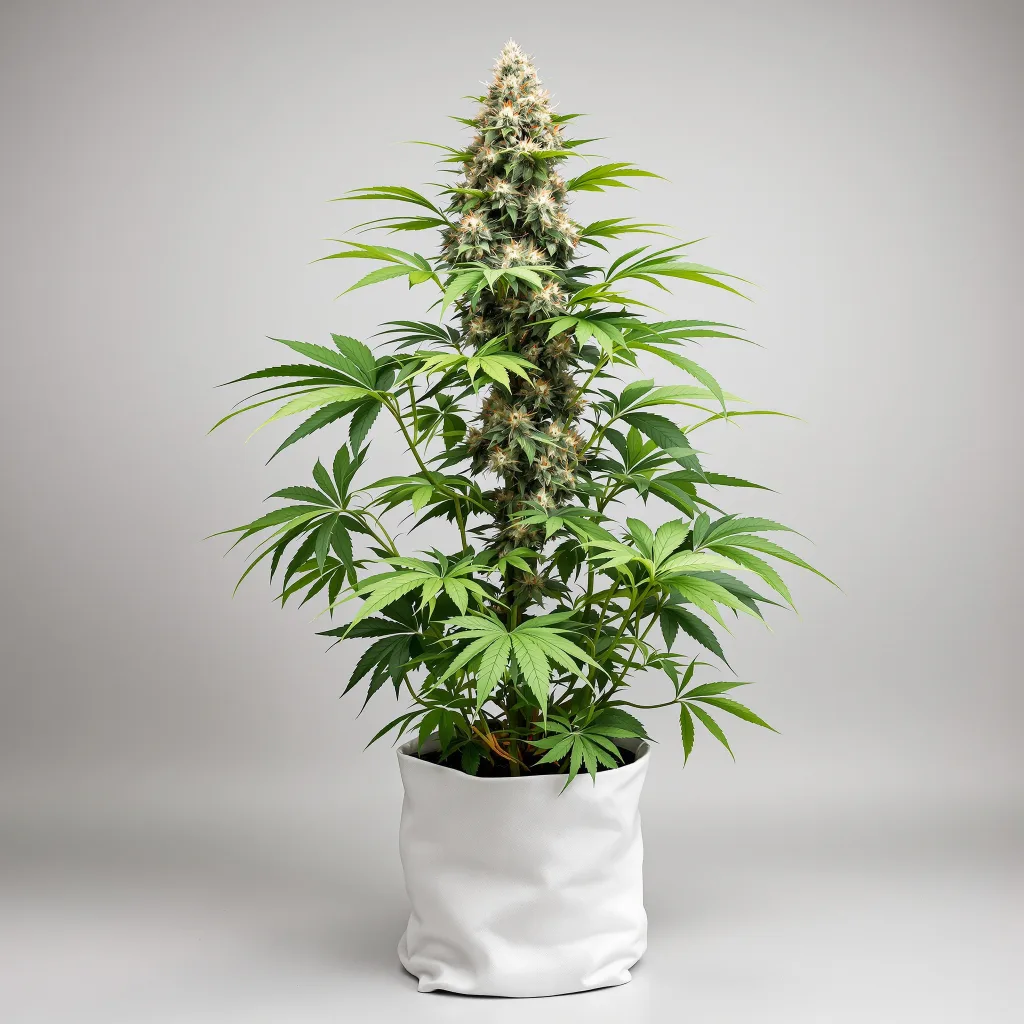
hybrid
Satellite OG Feminized
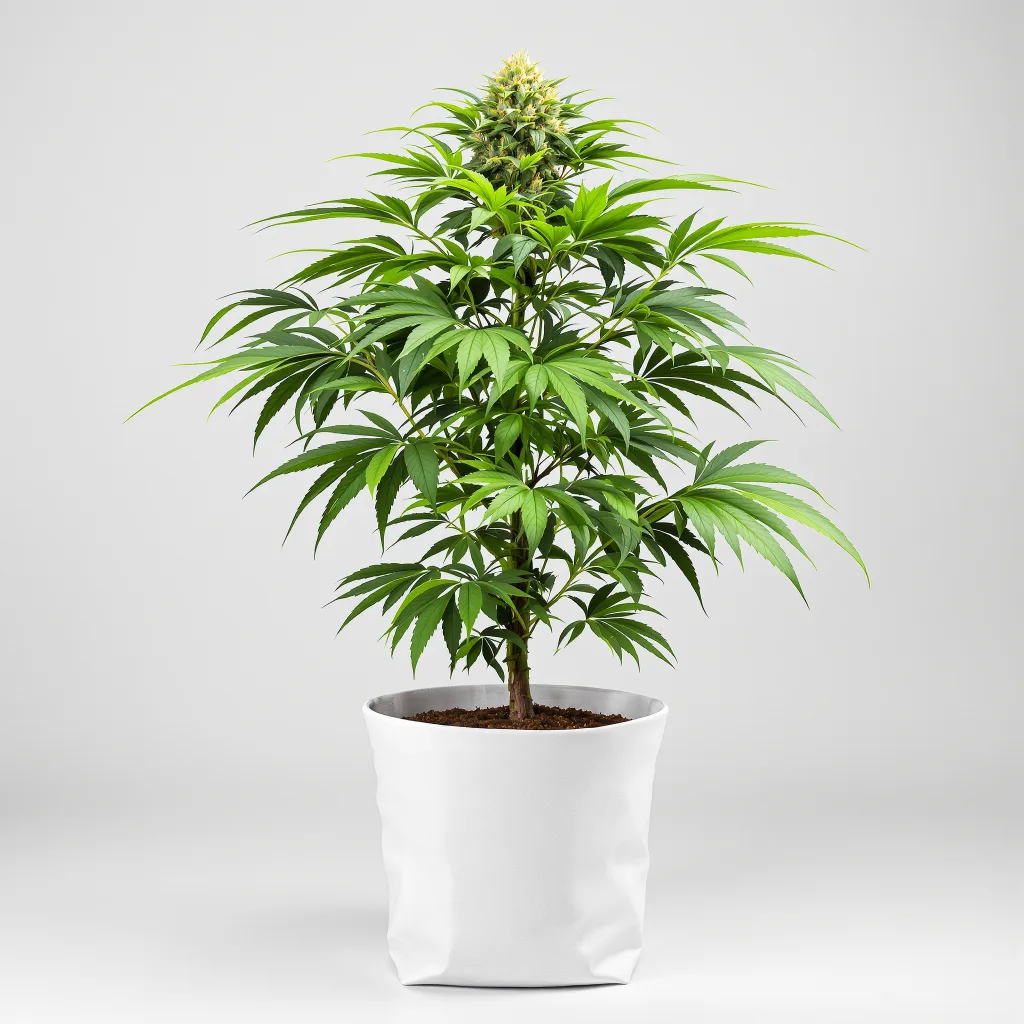
indica
FPOG Auto
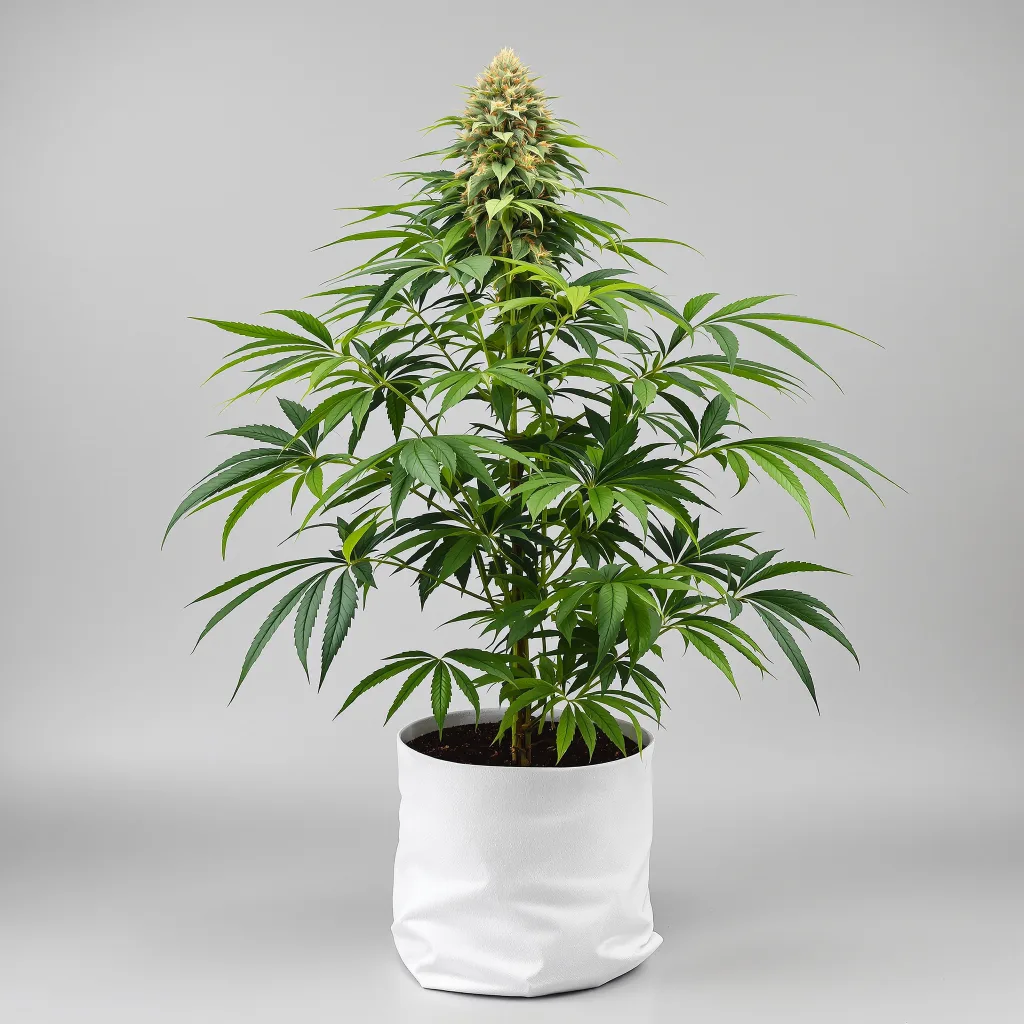
indica
Fruit Auto
indica
Jager Auto
Browse the full All Cannabis Seeds collection
Premium genetics, shipped from within the US.
Related Articles
What Cannabis Leaves Tell You | Royal King Seeds
support-growCannabis Leaves Curling Down: Causes & Fixes | Royal King Seeds
support-growCannabis Trichomes Explained: What They Signal | Royal King Seeds
strainGranddaddy Purp Strain: King of Purple Weed | Royal King Seeds
accessoryDabbing vs Vaping Cannabis: Key Differences
strainNorthern Lights Strain Review: Effects and Grow Tips
Ready to Start Growing?
Shop feminized, autoflower, and CBD strains with 95% germination and free delivery on eligible orders of $150 or more.
Shop Cannabis Seeds