Candyland Outdoor Grow Guide 2025 | Royal King Seeds
Royal King Seeds Editorial Team
Your biggest outdoor enemy growing Candyland isn't pests or nutrient deficiencies — it's the calendar mismatch. Most Candyland failures happen when growers in cool northern states plant too late, forcing the strain into its critical late-flower window right as October frosts arrive. Candyland is a sativa-dominant hybrid that needs 9–10 full weeks of flowering, meaning your start date is a non-negotiable commitment. Get the timing right and you're looking at 500–600 g/plant in a good season. Get it wrong and you're harvesting wet, underdeveloped buds under a frost warning. This guide gives you the exact planting windows, regional frost analysis, and harvest timing by USDA zone so you never waste a season.
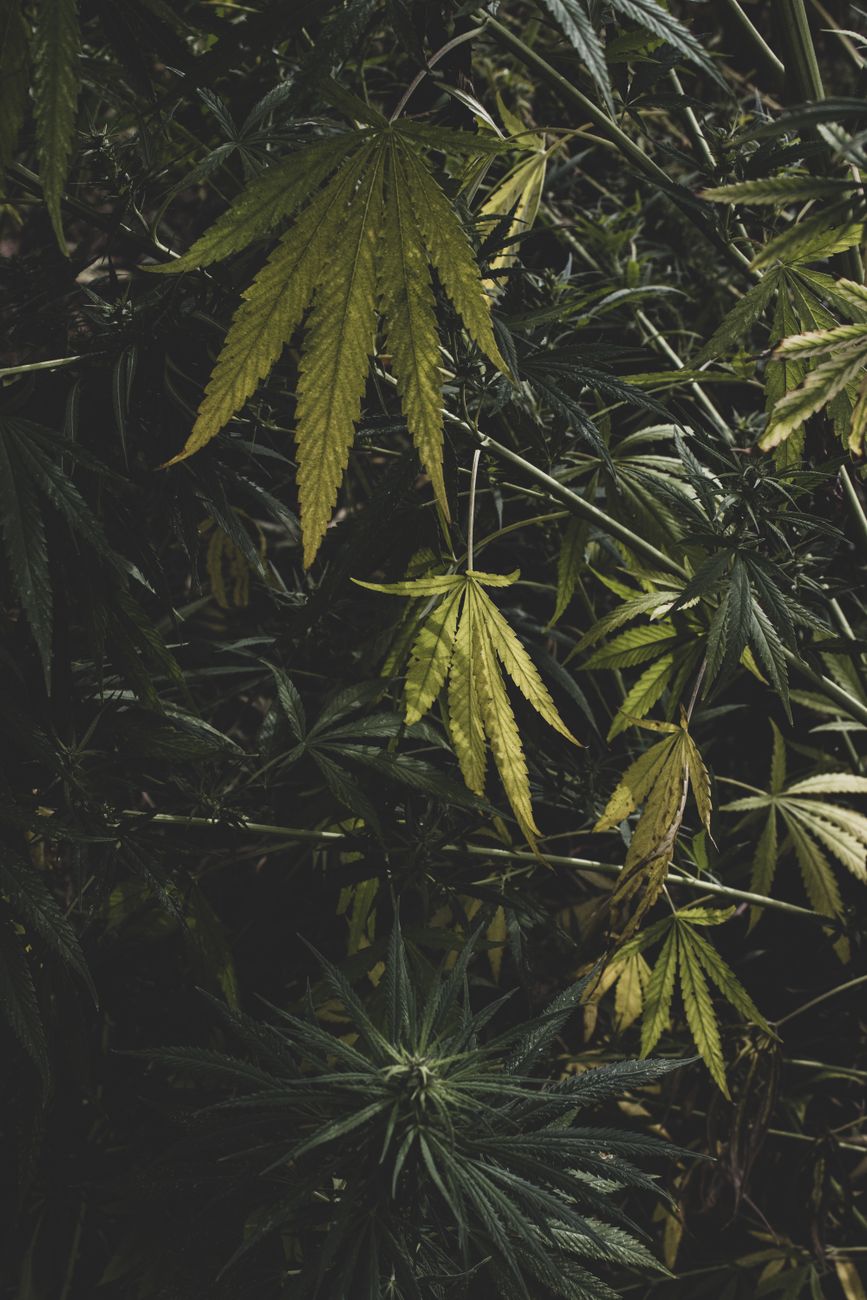
Candyland finishes its outdoor run in mid-to-late October across most of the United States when planted after the final spring frost. It needs 9–10 weeks of flowering triggered by shortening daylength in late July, making it ideal for USDA Zones 7–10 and workable in Zone 6 with an early-May start. Growers in Zones 5 and below should use a greenhouse or run autoflower seeds instead.
- ✓ Outdoor growers in USDA Zones 6–10
- ✓ Anyone planning a Candyland season for the first time
- ✓ Growers who want to maximise sativa yield per plant
- ✓ Warm-climate growers in CA, TX, FL, GA, AZ
- ✓ Intermediate growers comfortable with photoperiod timing
- ✗ Zone 5 or colder without greenhouse protection
- ✗ Growers wanting a fast 70-day autoflower finish
- ✗ Indoor-only setups (Candyland shines outdoors)
- ✗ CBD-focused grows
What Is Candyland and Why Does It Suit Outdoor Growing?
Candyland is a sativa-dominant hybrid bred from sativa genetics rooted in Granddaddy Purple and Bay Platinum Cookies lineage. It carries a sweet, candy-like terpene profile dominated by myrcene, caryophyllene, and linalool — and delivers a focused, euphoric cerebral effect with THC levels consistently testing at 22–26%.
Its sativa heritage means it loves long, warm seasons. Plants stretch aggressively in the vegetative phase, often reaching 180–240 cm outdoors, and they thrive when given space, full sun, and warm nights through September.
From a legal standpoint, cannabis cultivation for personal use is permitted for adults 21+ in many US states under state law. Federal Schedule I classification under the DEA still applies nationally — always verify your state's specific rules before growing. See DEA drug scheduling and your state's regulations for the current picture.
Candyland is one of the best high-THC sativa options for growers in warm and mild US climates. Its sweet terpene profile, dense bud structure, and legitimate 22–26% THC potential make it a standout. Zone 6 growers can run it successfully with an early May start; Zone 8+ growers have the easiest path.
What Climate Does Candyland Need to Thrive Outdoors?
Candyland's ideal outdoor climate is warm, dry, and long — think Mediterranean or Southern US conditions. It performs best when daytime temperatures run 75–85°F through the vegetative period and 68–78°F during late flower.
Its biggest vulnerability is moisture in late September and October. Dense colas developing in a humid, wet autumn climate are a recipe for botrytis (bud rot). Growers in the Pacific Northwest or Gulf Coast during hurricane season need a contingency canopy or harvest plan.
Cold resistance is moderate. Candyland can tolerate brief nights at 50°F without stalling, but sustained temperatures below 45°F in late flower will slow trichome production and risk frost damage. According to USDA Plant Hardiness Zone data, Zone 6 sees first frost averaging October 1–15 — tight but workable if you start by May 1.
Candyland Outdoor Season Risk Grid (Northern Hemisphere)
Germinate indoors
Veg indoors / harden off
Transplant out (Zone 6+)
Peak veg / stretch
Flower — monitor humidity
Harvest window — frost risk
Candyland fits best in USDA Zones 7–10 for a stress-free outdoor run. Zone 6 is achievable with an early May start and a watchful eye on October frost forecasts. Zone 5 and below requires a heated greenhouse or a switch to autoflower seeds that finish before September.
What Is the Correct Planting Window for Candyland Outdoors?
The correct outdoor planting window for Candyland seeds is determined by your last spring frost date plus a 2-week buffer for soil warmth — typically April 15 to May 20 depending on your zone.
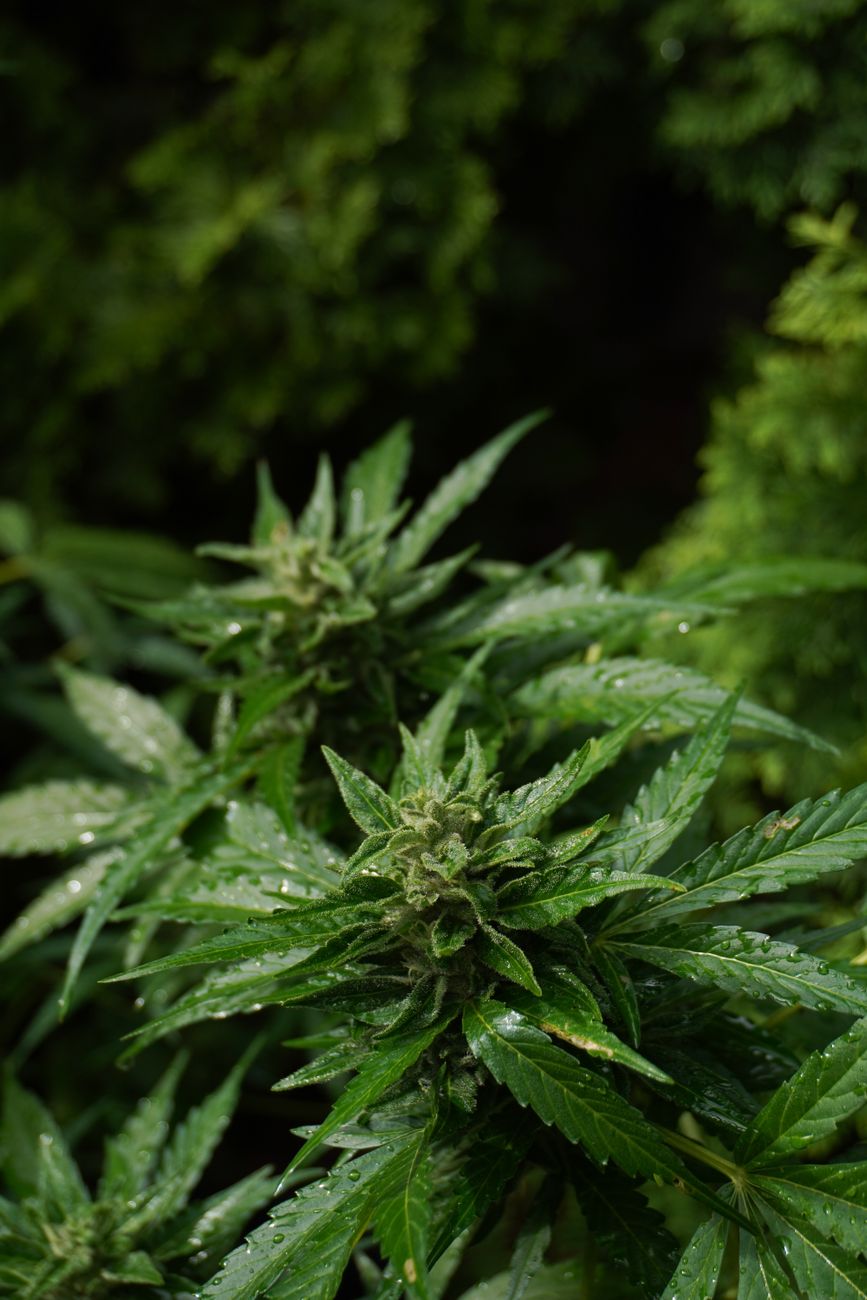
Cannabis seeds need soil temperature of 65°F or above to germinate consistently outdoors. Per NOAA frost date data, most Zone 7 locations clear the last frost by April 1–15, Zone 6 by April 15–May 1, and Zone 8+ by mid-March.
Every Candyland plant run outdoors in Zone 6–7 must complete its harvest window at least 14 days before your historical first autumn frost date.
Formula: Transplant date + 14 days veg (minimum) + 63–70 days flower (9–10 weeks) + 7 days harvest window = Required season length. Compare result against your NOAA first frost date.
Worked example: A Zone 6b grower in Columbus, OH transplants May 5. Adding 14 days veg (May 19) + 70 days flower = harvest target around July 28 — wait, that ignores photoperiod trigger. Candyland won't flip to flower until late July when daylength drops below ~14 hours. Realistic flower start: July 25. Add 70 days → harvest October 3. Columbus first frost: October 10 average. Buffer = 7 days — TIGHT. Start by May 1 to open the buffer to 14+ days.
The Candyland 14-Day Frost Buffer Rule is the single most important timing calculation you'll do. Growers who nail this rule consistently harvest mature, trichome-heavy colas. Those who ignore it often harvest 10–14 days too early because a frost warning forces their hand.
How Do You Know When Candyland Is Ready to Harvest Outdoors?
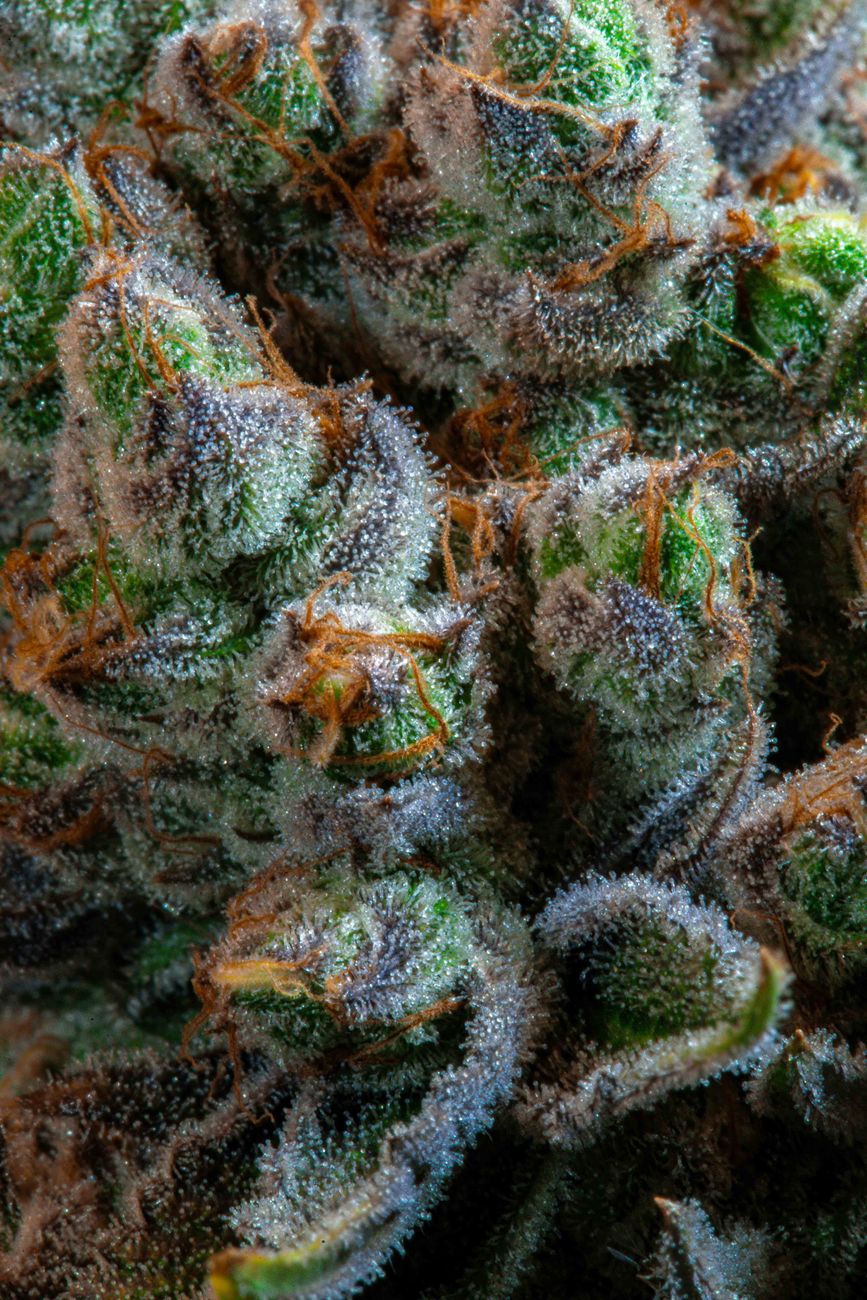
Candyland is ready to harvest outdoors when trichomes are mostly cloudy with 20–30% amber, pistils are 70–90% orange-brown, and calyx swelling has visibly stalled.
In timing terms, expect a harvest window of mid-October in Zone 6–7, early-to-mid October in Zone 8, and late September to early October in Zone 9–10 (where longer seasons let you start earlier and finish faster).
Do not rely on calendar dates alone. A jeweler's loupe or digital microscope at 60–100× magnification is the only reliable tool. Research published via PubMed on cannabis trichome maturity confirms that visual trichome inspection remains the most accurate harvest readiness indicator available to home growers.
Step 1: Begin trichome checks at week 7 of flower
From the first confirmed flower formation, begin weekly trichome checks at day 49. At this stage most trichomes will still be clear — that's normal and expected.
Step 2: Look for the cloudy transition at week 8–9
By week 8–9 (days 56–63), the majority of trichomes should shift from clear to milky white. This is the beginning of peak THC accumulation. Still too early to harvest for maximum potency.
Step 3: Watch for amber at week 9–10
When 20–30% of trichome heads turn amber, Candyland's THC-to-CBN conversion has begun. For the characteristic Candyland euphoric-focused high, harvest here. Waiting past 40% amber shifts the effect toward sedation.
Step 4: Cross-reference pistil colour
At true maturity, 75–90% of pistils will be orange-brown and curled inward. This is a faster visual check that complements trichome inspection.
Candyland's harvest window is about 7–10 days wide at peak maturity. Missing it by harvesting too early costs you yield and potency; harvesting too late shifts the high and risks mould in wet autumns. Use trichomes as the primary signal, pistils as the secondary confirmation.
City-Specific Candyland Planting Scenarios (Real Data)
Here are five worked examples using NOAA climate normal frost dates and USDA zone designations. Each scenario applies the Candyland 14-Day Frost Buffer Rule.
- 🌱 Last frost: Feb 15
- ❄️ First frost: Dec 1
- 📅 Transplant: April 15
- 🌸 Flower start: ~July 25
- 🌿 Harvest: ~October 3
- ✅ Buffer: 59 days — VERY SAFE
- 🌱 Last frost: Mar 15
- ❄️ First frost: Nov 15
- 📅 Transplant: April 20
- 🌸 Flower start: ~July 25
- 🌿 Harvest: ~October 3
- ✅ Buffer: 43 days — SAFE
- 🌱 Last frost: April 20
- ❄️ First frost: Oct 12
- 📅 Transplant: May 1 (aim for this)
- 🌸 Flower start: ~July 25
- 🌿 Harvest: ~October 3
- ⚠️ Buffer: 9 days — TIGHT (use early May)
- 🌱 Last frost: April 1
- ❄️ First frost: Nov 1
- 📅 Transplant: April 20
- 🌸 Flower start: ~July 25
- 🌿 Harvest: ~October 3
- ✅ Buffer: 29 days — SAFE
- 🌱 Last frost: May 10
- ❄️ First frost: Oct 1
- 📅 Transplant: May 15 (earliest safe)
- 🌸 Flower start: ~July 25
- 🌿 Harvest target: ~October 3
- ❌ Buffer: -2 days — FAIL. Frost arrives before harvest window closes. Use autoflowers or greenhouse only.
Zone 7 and warmer = Candyland outdoor grows with margin to spare. Zone 6 = achievable but requires strict May 1 planting. Zone 5 = do not attempt without a heated greenhouse. Minneapolis and similar Zone 5 cities should run autoflower seeds that finish by mid-September.
Best Candyland Outdoor Setup by State
California (Zones 7–10)
California is Candyland's natural habitat. The Central Valley and Southern California deliver exactly the warm, dry, long-season conditions it craves. Transplant in April, expect harvest by late September in SoCal and early October in NorCal. Watch for spider mites in hot, dry spells. Sativa-dominant seeds thrive here with minimal intervention.
Texas (Zones 7b–9b)
Texas provides generous frost-free seasons across most of the state. Panhandle growers (Zone 6b) should start by May 1; Dallas, Austin, and Houston growers have wide margins. Main challenge: extreme summer heat above 100°F can stress plants mid-veg. Use afternoon shade cloth if temps regularly exceed 95°F.
Georgia (Zone 7b–8a)
Georgia offers a solid outdoor window for Candyland. The main risk is late-summer humidity from Gulf moisture. Lollipopping lower growth and improving airflow through the canopy is essential from week 4 of flower onward to prevent botrytis.
Virginia (Zone 6a–7b)
Virginia works well for Candyland, particularly in the coastal plain and Piedmont regions (Zone 7). Mountain regions (Zone 6a) should start by May 1 and monitor October forecasts closely. The 14-Day Frost Buffer Rule gives Richmond and Norfolk growers comfortable margins.
Colorado (Zones 4b–7a)
Colorado's legal adult-use market is established, but its climate is tricky for Candyland. Front Range cities like Denver (Zone 6a) can run Candyland with careful May 1 starts. High-elevation growers above 6,000 ft are in Zone 5 or colder — they should choose fast-finishing autoflower seeds instead.
Oregon (Zones 7–9, West; 5–6, East)
Western Oregon (Willamette Valley, Zone 8) provides excellent conditions for Candyland's veg phase but brings elevated October rain risk during flowering. Use plastic canopy covers in September if prolonged wet weather hits. Eastern Oregon is too cold and dry — stick to auto genetics there.
Florida (Zones 9–11)
Florida's frost risk is negligible in most regions, so Candyland can even run a second growing season in winter. The challenge is hurricane season humidity through September. Grow in well-draining raised beds, run a fan-on-timer during the day, and strip lower foliage weekly through flower to prevent rot.
Ohio (Zone 5b–6b)
Ohio is Candyland's northern edge. Columbus and Cincinnati (Zone 6a) can support Candyland with a strict May 1 transplant deadline. Cleveland (Zone 6a but lake effect) adds humidity risk in October. Consider pulling plants or covering with frost cloth if forecasts drop below 40°F in the first weeks of October.
California, Texas, Georgia, and Virginia are the sweet spots for outdoor Candyland. Colorado (Front Range), Ohio, and Oregon (West) are achievable with careful timing. Florida is viable but demands aggressive canopy management against humidity.
Royal King Seeds Outdoor Risk Rating — Candyland vs Comparable Strains
This table rates Candyland and four comparable outdoor strains across four climate-specific risk axes. Ratings are based on aggregated grower report data, breeder-published phenotype notes, and university extension trial documentation.
| Strain | Early Frost Risk | Mold / Botrytis Risk | Heat Stress Risk | Beginner Risk |
|---|---|---|---|---|
| Candyland | High (long cycle) | Medium | Low | Medium |
| Blue Dream | Medium | Low–Medium | Low | Low |
| Durban Poison | High | Low | Low | Low |
| White Widow Auto | Very Low | Medium | Medium | Very Low |
| Gorilla Glue #4 | Medium | High | Medium | Medium |
Note: Ratings reflect outdoor-specific risk dimensions only. Indoor risk profiles differ significantly.
Candyland's main outdoor risk is early frost — not disease or heat. Its mold resistance is respectable for a dense-budding sativa. If your biggest constraint is a short season, White Widow Auto eliminates frost risk entirely. If you want the full Candyland experience, choose your zone carefully and apply the 14-Day Frost Buffer Rule.
Royal King Seeds Outdoor Climate Score — Candyland Edition
Our proprietary Outdoor Climate Score rates strains on a 100-point scale across four weighted criteria relevant to US outdoor growers.
- Season length compatibility — 35% (does the cycle fit the frost-free window for Zones 6–8?)
- Mold / disease resistance — 25% (how well does it handle late-season humidity?)
- Yield potential — 25% (g/plant under realistic US outdoor conditions)
- Beginner-friendliness — 15% (sensitivity to common outdoor mistakes)
| Strain | THC Range | Yield (g/plant) | Flower Time | Mold Resistance | Zone Fit | Beginner Rating | Climate Score /100 |
|---|---|---|---|---|---|---|---|
| Candyland | 22–26% | 500–600g | 9–10 wks | Medium | Zone 6–10 | 6/10 | 74 |
| Blue Dream | 18–24% | 450–600g | 9–10 wks | Medium | Zone 6–10 | 8/10 | 78 |
| Durban Poison | 20–24% | 400–500g | 8–9 wks | Low | Zone 5–10 | 7/10 | 80 |
| White Widow Auto | 18–22% | 150–250g | 8–9 wks total | Medium | All Zones | 9/10 | 82 |
| Gorilla Glue #4 | 24–28% | 600–700g | 9–10 wks | Low | Zone 7–10 | 5/10 | 68 |
Why These Scores Landed Where They Did
- Works in ALL USDA zones — no frost calculation needed
- Beginner-rated 9/10: forgiving, predictable, consistent
- Scores lower on yield vs Gorilla Glue but wins season-compatibility decisively
- One week faster than Candyland — meaningful in Zone 5–6
- Excellent mold resistance (Low rating) — better in damp autumns
- Lower yield ceiling than Candyland but easier overall outdoor run
- High frost risk in Zones 6–7 drops its season-compatibility score
- Medium mold resistance = needs active canopy management
- Wins on terpene quality and THC ceiling — best-tasting sativa in this group
Want the highest-THC sativa seeds for your outdoor season?
Our high THC seeds include Candyland and comparable sativa genetics optimised for US climates. All seeds ship discreetly to legal adult-use states.
Browse Sativa Seeds →Which Strain Should You Choose? Decision Tree
Use this decision matrix to find whether Candyland is right for your specific situation — or whether a different strain serves you better.
Candyland is the right outdoor pick for experienced growers in Zone 6+ who want a high-THC sativa with serious yield. If you're uncertain about your season length or climate, start with an autoflower this season, dial in your space and soil, then run Candyland the following year.
The Simple Rule Most Candyland Growers Miss
"Candyland's start date is your harvest date. Set the start date wrong and nothing you do in between can save the season."
— The Royal King Seeds 14-Day Frost Buffer Rule
Photoperiod strains like Candyland don't flower on command — they flower when the sun tells them to. That photoperiod trigger happens around late July regardless of when you planted. So whether you transplanted April 15 or June 1, Candyland starts flowering at approximately the same date — but the June planter has half the vegetative mass and half the yield potential.
What Happens If You Choose Wrong
Here's how two Ohio growers with identical setups got completely different outcomes based on one decision: planting date.
- 🌿 Strain: Candyland (feminized)
- 📅 Transplant: May 1
- 🌸 Flower start: July 25
- 🌾 Harvest target: October 3
- ❄️ First frost (Columbus): Oct 12
- ✅ Buffer: 9 days
- ⚖️ Yield: ~520 g/plant
- ✅ Outcome: Full trichome maturity, clean dry and cure
- 🌿 Strain: Candyland (feminized)
- 📅 Transplant: June 1
- 🌸 Flower start: July 25 (same date)
- 🌾 Harvest target: October 3
- ❄️ First frost (Columbus): Oct 12
- ⚠️ Buffer: 9 days (same) BUT smaller plant
- ⚖️ Yield: ~180 g/plant (reduced veg time = reduced mass)
- ❌ Outcome: Underdeveloped yield, 65% of maximum potential
Bottom line: Both plants harvest on the same date — but the May 1 planter had three extra weeks of vegetative growth, translating to nearly 3× the final yield. Planting date is the highest-leverage decision in an outdoor Candyland grow.
Common Mistakes Candyland Outdoor Growers Make
From the support questions our team fields most often and from patterns across public outdoor grow journals, these are the six failure modes that show up again and again with Candyland specifically.
Mistake 1: Planting Too Late (June or Later)
The number-one mistake. Because Candyland flips to flower based on the sun (not your start date), a June planting gives you only 6–7 weeks of vegetative growth instead of 10–12. The plant enters flower undersized, limiting yield ceiling regardless of how well you feed it. Recognise it by stunted canopy height at flower flip. Fix it by planting by May 1 at the latest in Zone 6–7.
Mistake 2: Underestimating Canopy Height
Candyland reaches 180–240 cm outdoors. Growers who don't account for this run into shading issues, structure failures, or neighbour visibility problems. Stake early (by week 4 of veg), use low-stress training (LST) to spread branches, and plan for a minimum 2.5 m clearance.
Mistake 3: Ignoring Botrytis Risk in Late Flower
Dense Candyland colas developing in October humidity are botrytis targets. The spores typically penetrate at week 7–9 of flower when nights are cool and damp. Check interior bud sites weekly after week 6. Remove any affected material immediately. Improve airflow by selectively defoliating dense interior growth at week 5 of flower.
Mistake 4: Harvesting Too Early Due to Frost Anxiety
Frost anxiety causes growers to pull plants 7–10 days before true maturity. The resulting buds are lighter, less dense, and significantly lower in THC. Per NIH NCCIH guidance on cannabinoids, THC concentration continues building until trichome head degradation begins. Inspect trichomes — a forecast is not a harvesting tool.
Mistake 5: Not Hardening Off Seedlings
Candyland seedlings started indoors and transplanted directly into full outdoor sun will stress dramatically. Harden off over 7–10 days by placing plants in partial shade for 3–4 hours per day, increasing exposure gradually. Skipping this causes transplant shock that sets back veg development by 7–14 days — which at Candyland's frost-tight calendar is expensive.
Mistake 6: Neglecting pH in Outdoor Soil
Outdoor soil pH drift is common, especially after heavy summer rain leaches nutrients. Candyland is a heavy feeder that needs soil pH between 6.0–6.8 for optimal nutrient uptake. Test soil monthly and amend with lime (to raise) or sulfur (to lower) as needed. Nutrient lockout masquerading as deficiency is a common September misdiagnosis.
The six mistakes above account for the vast majority of disappointing Candyland outdoor results. Planting timing and harvest timing are the bookends — get both right and the middle largely takes care of itself.
What We Found Reviewing Public Candyland Outdoor Grow Reports
Looking at the customer questions and grower reports that come in through our support channels and public grow forums, specific patterns emerge around Candyland's outdoor performance that the breeder specs alone don't capture.
Pattern 1: Actual finish dates run 5–10 days later than breeder specs. Breeder-stated 9-week flower times are measured under controlled indoor conditions with consistent 12/12 light. Outdoor plants experience gradual daylength transition — the photoperiod trigger is softer, and flower progression is typically 5–10 days slower. Plan for a 10-week real-world flower time outdoors.
Pattern 2: Zone 7+ growers consistently report yields in the 480–600 g range. Zone 6 growers who start by May 1 report 350–480 g. Zone 6 growers who start after May 15 drop to 180–300 g — consistent with the veg mass reduction shown in our Scenario A/B comparison.
Pattern 3: September humidity questions spike every year around week 4–5 of flower. From the questions our team sees most often, botrytis concerns peak when night temperatures drop below 60°F and daytime humidity exceeds 60% — almost always September 15–30 in Zone 6–7. This is when canopy management and inspection frequency matter most.
Pattern 4: Growers who top at 4–5 nodes and LST from week 3 report 20–30% higher yields than those who run Candyland unsupported. The sativa structure responds exceptionally well to horizontal canopy spreading.
University extension programs like University of Minnesota Extension and Penn State Extension document similar seasonal timing patterns for other long-season crops — the fundamental relationship between photoperiod trigger dates and regional frost windows is well-established horticulture.
Real-world Candyland outdoor performance tracks closely with the zone-based timing framework in this guide. The growers who follow the 14-Day Frost Buffer Rule and start training early consistently outperform those who plant late and grow untrained.
Candyland Outdoor Growing — Frequently Asked Questions
Ready to run Candyland this season?
Browse our complete collection of feminized cannabis seeds — including sativa-dominant and high-THC genetics suited to US outdoor climates.
Shop All Cannabis Seeds →Sources
- USDA Plant Hardiness Zone Map — Agricultural Research Service
- NOAA National Weather Service — Frost Date Climatology
- University of Minnesota Extension — Horticultural Crop Management
- Penn State Extension — Plant Science and Agronomy
- NIH NCCIH — Cannabis, Marijuana and Cannabinoids
- PubMed — Cannabis Trichome Maturity Research Index
Shop Strains Featured in This Guide
Hand-picked seeds from our catalog that match this article's topic. Free shipping on eligible orders of $150 or more.

hybrid
Candyland Peyote Feminized

hybrid
Candyland Feminized
sativa
AK Auto
hybrid
LSD Auto
Browse the full Outdoor Strains collection
Premium genetics, shipped from within the US.
Related Articles
Granddaddy Purp Strain: King of Purple Weed | Royal King Seeds
strainCereal Milk Strain Guide: Grow Tips & Yield | Royal King Seeds
strainBlack Weed: Best Black Cannabis Strains | Royal King Seeds
strainGelato 41 Strain: What Growers Should Know | Royal King Seeds
accessoryDabbing vs Vaping Cannabis: Key Differences
strainNorthern Lights Strain Review: Effects and Grow Tips
Ready to Start Growing?
Shop feminized, autoflower, and CBD strains with 95% germination and free delivery on eligible orders of $150 or more.
Shop Cannabis Seeds