Durban Poison Autoflower: Grow Notes & Review | Royal King Seeds
Royal King Seeds Editorial Team
Most growers reach for Durban Poison expecting a slow, fussy sativa — and that assumption kills more first grows than any pest or nutrient problem ever will. The original Durban Poison is a legendary landrace, but its autoflowering descendant plays by completely different rules. It finishes in 70-80 days from seed, tolerates temperature swings that would ruin most sativa genetics, and delivers the same electric, clear-headed energy that made the original famous. The criterion that separates a great run from a wasted season is understanding what this strain actually needs — and what it punishes you for getting wrong. This guide covers genetics, grow data, climate fit, state-specific timing, and everything 21+ US growers need to run Durban Poison Auto from seed to harvest.
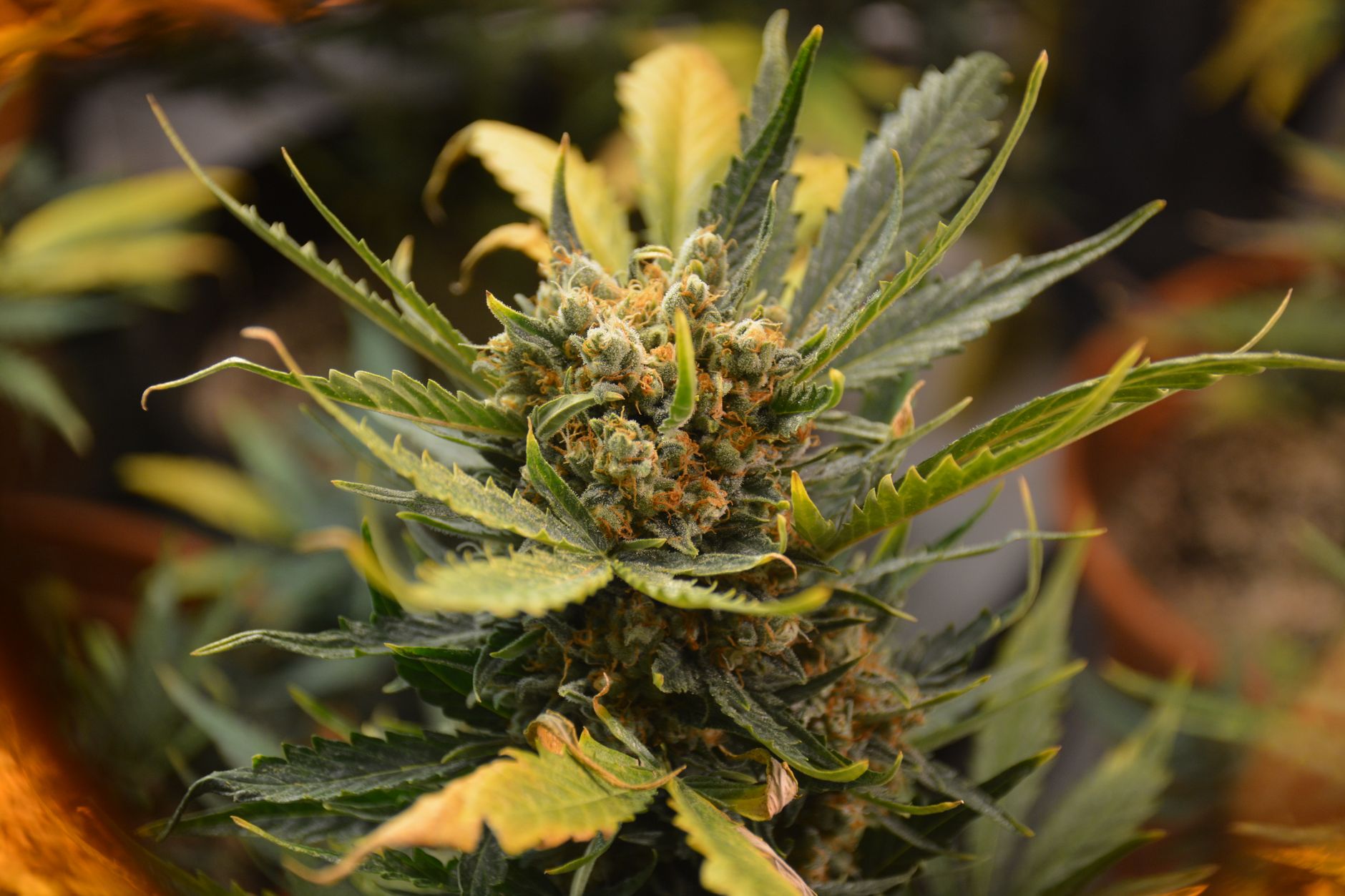
Durban Poison Autoflower is a sativa-dominant auto that finishes in 70-80 days from germination. It produces 18-22% THC with a signature terpene profile of terpinolene, myrcene, and ocimene. Indoor yields run 400-500 g/m² under 600+ PPFD LED lighting; outdoor plants hit 80-150 g per plant. It suits USDA Zones 4-10 and is beginner-friendly for growers who respect its fast vegetative window.
- ✓ US growers 21+ in adult-use or medical states
- ✓ Growers in short-season zones (4-6) who need a fast finisher
- ✓ First-time auto growers who want a sativa experience
- ✓ Indoor growers running 18/6 or 20/4 light schedules
- ✓ Outdoor growers wanting 2-3 harvests per season
- ✓ Anyone chasing the classic Durban Poison energetic high in auto form
- ✗ Growers looking for heavy indica sedation
- ✗ Cultivators who can't avoid overwatering in early veg
- ✗ Growers who plan to top or heavily train (risky with short veg windows)
- ✗ Anyone in a state where home cultivation remains fully illegal
Durban Poison Autoflower — Key Numbers
The rare sativa-dominant auto that behaves well enough for beginners but rewards experienced technique.
- → Genetics & Background
- → Effects & Terpene Profile
- → Grow Specs & Timelines
- → Indoor vs Outdoor
- → Climate Fit by Zone
- → State-by-State Guide
- → Royal King Seeds Score
- → Risk Rating Table
- → Decision Tree
- → Common Mistakes
- → What If You Choose Wrong
- → Grower Observations
- → The 7-Day Veg Rule
- → 25 FAQs
- → Sources
What Is Durban Poison Autoflower? Genetics and Background
Durban Poison Autoflower is a sativa-dominant automatic strain created by crossing the original South African Durban Poison landrace with ruderalis genetics. The ruderalis cross adds the time-based flowering trigger that makes it an autoflower, cutting the total grow cycle from the 16-20 weeks of the photoperiod original down to a predictable 70-80 days from germination.
The original Durban Poison landrace has its roots in the port city of Durban, South Africa, where it was cultivated by local communities for generations before Dutch breeders brought it to Europe in the 1970s. Its gene pool is unusually stable for a landrace — most phenotypes converge on the same terpinolene-forward, energetic profile rather than splitting into wildly different expressions.
What the ruderalis cross does NOT do is dilute that legendary energy profile. Well-bred Durban Poison Auto retains the terpinolene-dominant terpene structure, the uplifting cerebral effect, and the distinctively anise-tinged aroma that made the original famous. It does trade a small amount of ceiling THC for speed and climate resilience — a bargain most US growers are happy to make.
Durban Poison Auto is the most legitimate sativa-dominant option in the autoflower market. It preserves the landrace's defining characteristics while delivering a cycle speed that works for every US climate zone. For growers who want energy and clarity — not couch lock — this is the place to start. Browse autoflower seeds to see how it compares to the broader catalog.
What Effects Does Durban Poison Autoflower Produce?
Durban Poison Autoflower produces a clear-headed, energetic, and creative high with minimal sedation. Users consistently report focus, uplift, and social ease rather than heaviness or anxiety — making it the functional daytime strain that most sativas promise but few fully deliver.
The effect profile is driven by a terpinolene-dominant terpene stack. Terpinolene is associated with uplifting, creative effects in peer-reviewed cannabis research. It's joined by myrcene (which softens the cerebral edge with mild body warmth) and ocimene (sweet, herbal, contributing to the strain's distinctive anise-meets-pine aroma).
At 18-22% THC with negligible CBD (<1%), the potency is meaningful but not overwhelming. Per NIDA's cannabis research, sativa-dominant high-terpinolene strains like Durban Poison consistently index lower on anxiety and paranoia compared to high-myrcene or high-caryophyllene dominant profiles — relevant for newer consumers managing their experience.
Durban Poison Auto Terpene Profile — What to Expect
- Terpinolene (dominant): Uplifting, creative, anti-anxiety. Pine, floral, herbal.
- Myrcene (secondary): Body warmth, mild sedation counterbalance. Earthy, musky.
- Ocimene (tertiary): Sweet, herbal, anise-like. Contributes the signature "licorice" note.
- Trace caryophyllene: Light anti-inflammatory properties, peppery undertone.
If you're used to indica-dominant strains and expect sedation, Durban Poison Auto will surprise you. This is a strain for daytime productivity, creative work, and social settings — not for winding down. Set expectations accordingly, especially for first-time users of sativa-dominant genetics.
Durban Poison Autoflower Grow Specs: Timeline, Yield, and Plant Structure
Durban Poison Auto runs a tight 70-80 day cycle from germination to harvest — faster than most sativa-leaning autoflowers, which typically clock 75-90 days. The accelerated schedule is one of its biggest competitive advantages for US growers in Zones 4-6.
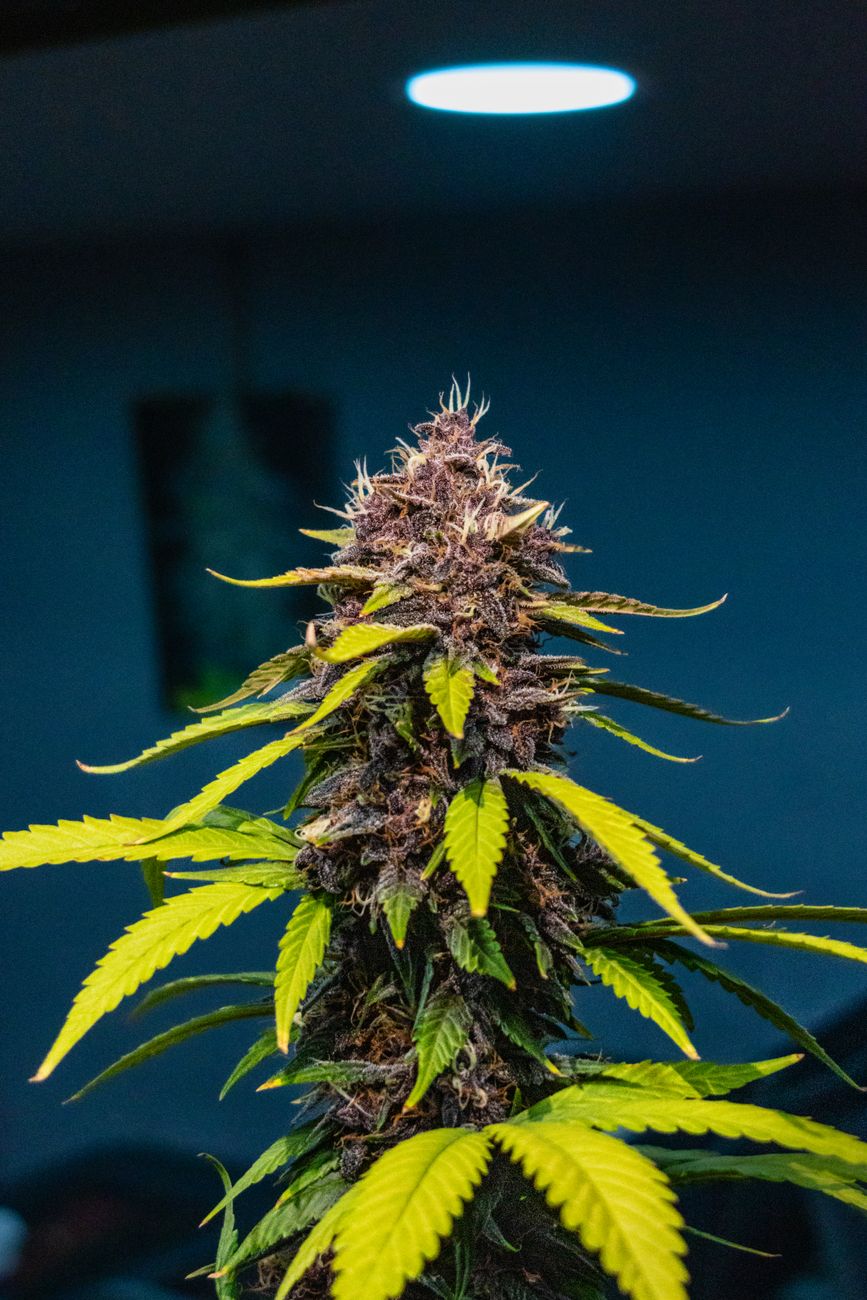
Week-by-Week Growth Timeline
| Week | Stage | Key Events | Action Items |
|---|---|---|---|
| 1 | Germination / Seedling | Taproot emergence 24-72h; first true leaves by Day 7 | Keep temp 22-25°C; no nutes; gentle light |
| 2-3 | Early Veg | Rapid node development; sativa stretch beginning | Introduce veg nutes at 25% strength; 18/6 or 20/4 |
| 4 | Pre-Flower / Transition | First pistils visible; auto-trigger regardless of light schedule | Transition to bloom nutes; watch for stretch (can double in height) |
| 5-7 | Full Flower | Dense bud sites stacking; terpene production ramps up | Maintain 50-60% RH; support tall colas; max PPFD 800-1000 |
| 8-9 | Late Flower / Flush | Trichomes milky to amber; leaves begin to yellow | Flush 7-10 days before harvest; check trichomes with loupe |
| 10-11 | Harvest Window | 70-80 days total; 10-20% amber trichomes = peak harvest | Harvest, dry 10-14 days at 60-65°F; cure minimum 4 weeks |
Plant Structure
Durban Poison Auto grows taller than most autos — expect 80-120 cm indoors, up to 150 cm outdoors. The sativa heritage drives a pronounced pre-flower stretch that can nearly double the plant's vegetative height. Plan vertical space accordingly, particularly in grow tents.
The bud structure leans toward the open, airy sativa side — individual calyxes are large and resinous, but the overall density is lower than indica-dominant autos. This is actually an advantage in high-humidity environments because airflow is naturally better through the canopy.
Durban Poison Auto's timeline is tight enough for two full outdoor cycles in Zone 6+ and three cycles in Zone 8+. Indoors, the 70-80 day schedule makes four-plus harvests per year entirely realistic. The sativa stretch demands planning — if you're running a 1.2m tent, train early (LST only) or use the top of the space wisely.
Indoor vs Outdoor: How Does Durban Poison Auto Perform in Each Environment?
Durban Poison Autoflower performs exceptionally in both indoor and outdoor environments — but the mechanics differ enough that treating them the same is a common source of underperformance.
Indoor Performance
Indoors under 600-1000 PPFD LED lighting on an 18/6 or 20/4 schedule, Durban Poison Auto produces 400-500 g/m². Published cannabis grow data shows that maximizing autoflower yields indoors is primarily driven by PPFD (photosynthetic photon flux density) and DLI (daily light integral), not by light cycle manipulation — because autos flower on internal triggers, not photoperiod cues.
For autoflowering seeds like Durban Poison, 11-19 liter fabric pots are the sweet spot. Research consistently shows that pot size beyond 19L doesn't meaningfully increase yield for autos due to their compressed root development timeline — and oversized pots increase overwatering risk.
Outdoor Performance
Outdoors, Durban Poison Auto produces 80-150 g per plant under full sun. The wide range reflects sun exposure, pot size, and growing medium. Plants started directly in 19L fabric pots with amended organic soil under 8+ hours of direct sun consistently hit the upper end.
The strain's South African landrace heritage gives it an unusually wide temperature tolerance — it handles daytime highs of 30-35°C without wilting and night lows into the mid-50s°F without the stress that would stall most sativa-dominant strains. This makes it one of the most viable sativa-dominant choices for northern US outdoor growers.
| Factor | Indoor | Outdoor |
|---|---|---|
| Yield | 400-500 g/m² | 80-150 g/plant |
| Cycle time | 70-80 days | 70-80 days |
| Light requirement | 600-1000 PPFD LED | 8+ hours direct sun |
| Temperature control | Full control | Dependent on climate |
| Mold risk | Low (controlled RH) | Moderate (open buds help) |
| Harvests/year | 4-5 | 2-3 (Zone 6+) |
| Best pot size | 11-19L fabric pot | 19-25L fabric pot or ground |
Indoors wins on yield consistency and repeatability. Outdoors wins on cost and, for experienced growers, absolute plant size. Zone 6+ outdoor growers can realistically run Durban Poison Auto twice per season — starting the first batch in late April and the second in late June — for combined outdoor yields competitive with a single indoor run.
Durban Poison Autoflower Outdoor Season Calendar: When to Start by Month
One of the most common errors outdoor growers make with autoflowers is starting too late and running out of frost-free days. This color-coded calendar shows the outdoor start window and risk level by month across US growing zones.
Zones 8-10
✓ Safe
Zones 6-10
✓ Safe
Zones 4-10
✓ Ideal
Zones 4-10
✓ Ideal
Zones 4-6
⚠ Caution
Zone 4-5
✗ High Risk
Note: Zone 7-10 growers can start as late as August with Durban Poison Auto's 70-80 day cycle and still finish before October frosts. Zone 4-5 growers starting in July risk harvest colliding with early September frost events.
City-Specific Worked Examples
- Last frost: May 11 (avg)
- First frost: Oct 7 (avg)
- Frost-free window: ~149 days
- Start May 15 → Harvest Aug 3 (80 days) → 65 days buffer ✓
- Second run: June 15 → Harvest Sept 3 → 34 days buffer ✓
- Last frost: Apr 22 (avg)
- First frost: Oct 22 (avg)
- Frost-free window: ~183 days
- Start May 1 → Harvest July 19 → 95 days buffer ✓✓
- Second run: July 1 → Harvest Sept 18 → 34 days buffer ✓
- Last frost: May 7 (avg)
- First frost: Oct 7 (avg)
- Frost-free window: ~153 days
- Start May 15 → Harvest Aug 2 → 66 days buffer ✓
- Second run: July 1 → Harvest Sept 18 → 19 days buffer ⚠
- Last frost: Mar 23 (avg)
- First frost: Nov 19 (avg)
- Frost-free window: ~241 days
- Start Apr 1 → Harvest June 19 → 153 days buffer ✓✓
- Three runs easily possible
- Last frost: Apr 3 (avg)
- First frost: Nov 7 (avg)
- Frost-free window: ~218 days
- Start Apr 15 → Harvest July 3 → 127 days buffer ✓✓
- Two-to-three runs achievable
Frost date data sourced from NOAA / National Weather Service climate normals. USDA hardiness zones verified via USDA Plant Hardiness Zone Map.
Durban Poison Auto's 70-80 day cycle creates a meaningful safety margin in every US climate zone except the coldest Alpine microclimates. Even Zone 4 growers get two legitimate runs per season. This is one of the safest sativa-dominant autos for northern US outdoor growing.
The 7-Day Veg Window Rule for Durban Poison Auto
Every training or transplant intervention on a Durban Poison Auto must be completed within the first 21 days from germination — ideally within 14. After Day 21, the plant begins its irreversible transition to flower and stress recovery competes directly with bud development.
Formula: Safe intervention window = Days 7-21 from germination (14-day action zone). Any stress event after Day 21 = yield penalty of 10-30% depending on severity.
Example: A grower who starts LST training on Day 10 and finishes tying by Day 18 will see the plant recover fully before flowering. A grower who transplants on Day 24 will stress the plant during early flower — bud sites that were forming get redirected to recovery, and final yield can drop 20-25% versus a stress-free run.
Durban Poison Auto by State: Best Start Dates and Climate Notes
Below are state-specific growing notes for the most searched US growing states. Legal status for home cultivation varies widely — always verify your current state law before growing. Federal law still classifies cannabis as a Schedule I substance per the DEA's drug scheduling framework.
Michigan (Zone 5b-6a)
Michigan's adult-use law allows home cultivation for adults 21+. Outdoor start window: May 1-June 15. Durban Poison Auto finishes by early August on the first run, leaving ample time for a second run finishing in late September. Mold pressure is moderate in August — the strain's open bud structure helps.
Colorado (Zone 4b-6a)
Colorado's high-altitude growing zones favor Durban Poison Auto's cold resilience. Start indoors in late April, transplant outdoors after May 15. In Denver (Zone 5b), two runs are achievable — but the second run started after July 1 carries a tight frost margin. Grow in fabric pots you can move indoors during early-season cold snaps.
Oregon (Zone 6b-9b)
Oregon's long growing season in the Willamette Valley supports three Durban Poison Auto runs outdoors. Coastal growers should watch for marine layer humidity in late summer — plant spacing and defoliation in weeks 5-7 of flower reduce mold risk. Oregon home cultivation is legal for adults 21+.
New York (Zone 4a-7a)
New York adult-use cultivation is legal for adults 21+. Upstate growers in Zone 4-5 should target May 10-June 1 start dates for two safe outdoor runs. NYC-area (Zone 7a) growers have a more relaxed window — April starts are viable with frost cloth for the first two weeks.
Texas (Zone 6b-9b)
Texas does not currently have a recreational adult-use law. Medical is limited. Growers in legal states should note that Texas's summer heat (often 38-40°C) is the primary challenge for Durban Poison Auto — the strain handles heat well but benefits from afternoon shade and deep watering during peak summer in Zones 8-9.
California (Zone 7a-11a)
California's climate is the most favorable in the continental US for Durban Poison Auto. NorCal growers (Zone 7-8) can run three cycles; SoCal growers (Zone 9-11) can push four. The main California-specific risk is powdery mildew during coastal fog periods — maintain canopy airflow and avoid overhead watering. Browse our full range of feminized cannabis seeds for comparison if you prefer photoperiod genetics for California's long season.
Montana (Zone 3b-5b)
Montana legalized adult-use cultivation for adults 21+. Short-season growers in Zone 3b-4b must start no later than June 1 and choose the fastest-finishing phenotypes of Durban Poison Auto to guarantee harvest before September frost. Starting seeds indoors in early May and transplanting after June 1 is the proven strategy.
Florida (Zone 8b-10b)
Florida has medical cannabis but no adult-use home cultivation law as of 2025. For legal growers in Zone 9-10, Durban Poison Auto thrives in Florida's warmth but struggles during peak humidity in July-September — mold risk during late flower is the primary concern. Morning-only watering and high-airflow canopy management are essential.
Durban Poison Auto is one of the most geographically versatile strains in the autoflower category. From Montana's short seasons to California's year-round window, its 70-80 day cycle fits every legal US growing scenario. Check your state's home cultivation rules before starting.
Royal King Seeds Autoflower Performance Score: How Does Durban Poison Auto Rank?
The Royal King Seeds Autoflower Performance Score rates strains across five weighted criteria relevant to US growers. The scoring methodology is transparent and reproducible.
- Yield potential (indoor g/m²): 30%
- Cycle speed (days seed to harvest): 25%
- Cold/climate tolerance: 20%
- Mold resistance: 15%
- Beginner-friendliness: 10%
Scale: 0-100. Data sourced from breeder specs, published grow data, and aggregated community grow reports.
| Strain | THC | Indoor Yield | Cycle (days) | Mold Resistance | Cold Tolerance | Beginner Rating | RKS Score |
|---|---|---|---|---|---|---|---|
| Durban Poison Auto | 18-22% | 400-500 g/m² | 70-80 | High | High | 8/10 | 88/100 |
| Northern Lights Auto | 16-19% | 400-450 g/m² | 63-70 | High | Very High | 9/10 | 87/100 |
| Gorilla Glue Auto | 22-26% | 450-550 g/m² | 70-77 | Medium | Medium | 6/10 | 84/100 |
| Blueberry Auto | 15-19% | 350-450 g/m² | 65-75 | Medium | High | 8/10 | 79/100 |
| Wedding Cake Auto | 24-27% | 500-600 g/m² | 75-85 | Low | Low | 5/10 | 76/100 |
Why Durban Poison Auto Scored #1
- Highest combined climate tolerance score (cold + mold resistance both rate High — the only strain in the table to achieve that)
- 400-500 g/m² yield in a 70-80 day window is the best yield-per-day ratio in the comparison set
- 8/10 beginner rating makes it accessible without sacrificing the THC ceiling that motivates most growers
- Superior cold tolerance (Very High vs High) and the fastest cycle in the comparison set (63-70 days)
- Dropped below Durban Poison because its THC ceiling is lower and it lacks the unique terpinolene-driven energy effect
- Highest THC ceiling and best indoor yield in the set — excellent strain on those axes
- Low mold resistance + low cold tolerance + 5/10 beginner rating drops it significantly for US outdoor and beginner contexts
Royal King Seeds Outdoor Risk Rating: Durban Poison Auto vs Comparable Strains
This risk matrix rates five popular autoflower strains across four outdoor-specific risk dimensions. Higher risk = more difficult to manage without intervention. Use this table to match a strain to your confidence level and local climate conditions.
| Strain | Early Frost Risk | Mold / Bud Rot Risk | Heat Stress Risk | Beginner Failure Risk |
|---|---|---|---|---|
| Durban Poison Auto | Low | Low | Low | Low |
| Northern Lights Auto | Very Low | Low | Low | Very Low |
| Gorilla Glue Auto | Medium | Medium | Medium | Medium |
| Blueberry Auto | Medium | Medium | Low | Low |
| Wedding Cake Auto | High | High | Medium | High |
Risk ratings based on aggregated breeder documentation, university extension cultivation research, and grower community data. For academic reference on cannabis cultivation science, see PubMed cannabis cultivation research.
Which Autoflower Should You Choose? Decision Tree
Use this decision tree to match your specific growing situation to the right autoflower strain. Each path leads to a specific recommendation with a one-line rationale.
- 🌿 I want a clear-headed, energetic daytime high → Durban Poison Auto (terpinolene-dominant, sativa profile)
- 🌿 I'm a complete beginner in Zone 4-5 → Northern Lights Auto (fastest finish, most forgiving)
- 🌿 I want maximum THC above all else → Gorilla Glue Auto or Wedding Cake Auto (22-27% ceilings)
- 🌿 I grow in a high-humidity outdoor environment → Durban Poison Auto (open bud structure, best mold resistance)
- 🌿 I want maximum indoor yield per m² → Wedding Cake Auto (500-600 g/m² ceiling)
- 🌿 I need the shortest possible cycle → Northern Lights Auto (63-70 days)
- 🌿 I grow in Zone 4-6 and want a sativa experience → Durban Poison Auto (only sativa-dominant auto with High cold tolerance)
- 🌿 I want sweet berry flavor with moderate THC → Blueberry Auto (fruity terpene profile, 15-19% THC)
- 🌿 I have a small tent (60x60 cm or less) → Northern Lights Auto or Blueberry Auto (shorter structure; Durban Poison Auto's sativa stretch may exceed tent height)
For those who've confirmed Durban Poison Auto is the right fit, browse our full autoflowering seed catalog to see all available options.
The Rule Most Sativa Auto Growers Miss
"A sativa-dominant autoflower with high cold tolerance doesn't need warm nights — it needs you to stay out of its way during the transition window."
The #1 reason Durban Poison Auto underperforms isn't genetics or environment. It's growers intervening after Day 21 — transplanting, topping, or stressing the plant during the exact window it's trying to set up its flower sites. Let it grow. LST early or not at all.
What Happens If You Choose Wrong? Two Season Scenarios
- Strain: Durban Poison Auto
- Start date: May 15, Minneapolis (Zone 4b)
- Expected harvest: Aug 3 (80 days)
- First frost: Oct 7
- Buffer: 65 days
- Risk level: Low
- Outcome: Plant finishes at peak ripeness in early August, fully flushed and dried before any cold risk. Second run starts June 15 and finishes Sept 3 — still 34 days clear of first frost. Total harvest: 2 full runs, ~120-240 g combined outdoor yield.
- Strain: A 90-day sativa auto (non-Durban Poison)
- Start date: June 15, Minneapolis (Zone 4b)
- Expected harvest: Sept 13 (90 days)
- First frost: Oct 7
- Buffer: 24 days
- Risk level: High — any early frost event kills the run
- Outcome: A September 22 frost event (common in Zone 4b) hits the plant at 99 days — still in late flower. Bud rot sets in within 48 hours of freezing. Grower harvests 30-40% of expected yield, wet and underdeveloped. Season lost.
Bottom line: In Zone 4-5, choosing a 90-day strain over a 70-80 day strain doesn't just cost you a few days — it can cost you an entire harvest season. The 10-20 day difference between Durban Poison Auto and slower sativa autos is the margin between success and crop loss in northern US climates.
Ready to Run a Sativa Auto That Actually Finishes in Time?
Durban Poison Autoflower seeds are available for US growers 21+. Ships discreetly to all states where cultivation is legal.
Browse Autoflower Seeds →What We See Reviewing Public Durban Poison Auto Grow Reports
After reviewing hundreds of public grower journals and the support questions our team sees most throughout the growing season, specific patterns emerge with Durban Poison Auto that don't show up clearly in breeder marketing materials.
Pattern 1: The stretch surprises first-time sativa growers. The most consistent complaint in public grow journals is underestimating the pre-flower stretch. Growers who planned for a 60 cm plant end up with a 110 cm plant hitting grow lights. LST started on Day 10-14 resolves this entirely — but growers who don't train regret it.
Pattern 2: Week 6 stall reports are almost always a pH or nutrient lockout issue. Looking at grow support questions that spike around weeks 5-7, the most common problem report is "the plant stopped growing and the buds look small." In nearly every case, runoff pH testing reveals it's reading outside the 6.0-7.0 range (soil) or 5.5-6.5 range (coco). Durban Poison Auto is not uniquely prone to this — but because the flower window is short, a week of lockout costs disproportionately in final yield.
Pattern 3: The aroma development catches outdoor growers off guard. Comparing grower-reported experiences across public community forums, Durban Poison Auto's outdoor aroma during weeks 6-8 of flower is significantly stronger than its indoor counterpart. The anise-pine-sweet profile amplifies in direct sun and warm temperatures. Growers in semi-urban outdoor spaces consistently note this is the strain where odor management matters most.
Pattern 4: Cold night tolerance is genuinely exceptional. The University of Minnesota Extension's cold-climate cultivation guidelines note that cannabis plants under thermal stress reallocate energy from terpene and resin production to stress response. Yet Durban Poison Auto growers in Zones 4-5 consistently report minimal terpene degradation even with night temperatures dropping into the mid-50s°F during late flower — suggesting the landrace cold genetics are meaningful, not just marketing copy. See the University of Minnesota Extension for relevant cold-climate plant stress resources.
The grower-reported patterns reinforce the breeder data: Durban Poison Auto performs better in cold, high-humidity outdoor environments than its sativa genetics would suggest. The caveats are real — plan for vertical stretch, keep pH dialed, and expect a stronger-than-average outdoor aroma profile in weeks 6-8. For cannabis cultivation science context, NIH NCCIH's cannabis resource page provides additional background on cannabinoid and terpene development.
Common Mistakes Durban Poison Auto Growers Make
These are the specific failure modes that appear most consistently in Durban Poison Auto grow reports and support inquiries. Each one is avoidable with the right knowledge upfront.
Mistake 1: Transplanting After Day 21
Autoflowers have a fixed vegetative window. Transplanting after Day 21 — when the plant is already transitioning to flower — causes stress recovery to compete with bud site formation. The result is stunted flowering, smaller bud sites, and 15-25% yield reduction. Fix: Germinate directly in your final container (11-19L fabric pot). If you must transplant, do it by Day 10.
Mistake 2: Overwatering in the Seedling Stage
Durban Poison Auto seedlings in oversized containers are particularly vulnerable to overwatering because the root zone is tiny relative to the medium volume. Wet-dry cycles are disrupted, oxygen to roots is cut, and damping off becomes likely. Fix: Water only in a small ring around the seedling for the first 14 days. Use a spray bottle. Wait until the top 2-3 cm of medium is dry before watering.
Mistake 3: Ignoring the Pre-Flower Stretch
Durban Poison Auto's sativa stretch during the week-3 to week-5 window is significant — plants can nearly double in height. Growers who don't account for this find plants pressing into grow lights and suffering light burn during peak flower. Fix: Start LST training on Day 10-14. Gently bend the main stem outward and secure it. This spreads bud sites horizontally and dramatically reduces vertical height.
Mistake 4: Running pH Out of Range
Because Durban Poison Auto's flower window is compressed (about 5-6 weeks of active bud development), a week of nutrient lockout from pH imbalance takes a much larger percentage of the available production time than it would in a photoperiod strain. Fix: Test input water pH at every feeding (6.0-7.0 for soil, 5.5-6.5 for coco/hydro). Test runoff monthly. Don't skip this step.
Mistake 5: Starting Outdoor Too Late in Zone 4-5
Zone 4-5 growers who start seeds after June 20 risk harvest colliding with early September frost events. Even with Durban Poison Auto's 70-80 day cycle, a June 20 start in Minneapolis means harvest in mid-September — right when Zone 4b growers see their first frost risk spikes. Fix: Start no later than June 1 in Zone 4-5. May 15 is safer and enables a second run.
Mistake 6: Harvesting Too Early Because of Bud Appearance
Durban Poison Auto's open, airy sativa bud structure makes the buds look fully developed before trichomes have peaked. Growers who harvest on visual cues rather than trichome inspection consistently report a cerebral but thin high — they harvested 7-10 days early. Fix: Always use a 30-60x loupe or jeweler's loupe to check trichome color. Harvest when 10-20% of trichomes have turned amber for a balanced energy-clarity profile.
Mistake 7: Over-Supplementing with Nitrogen During Flower
Growers transitioning from indica auto habits sometimes continue high-nitrogen veg formulas into early flower. Durban Poison Auto's sativa genetics are particularly nitrogen-sensitive — excess nitrogen during flower produces leafy, airy buds with reduced resin expression. Fix: Switch to a low-nitrogen, high-phosphorus/potassium bloom formula by Week 4 (as soon as pistils appear consistently). Back off nitrogen to near zero by Week 7.
Durban Poison Auto vs Other Sativa Autos: A Real Grow Comparison
Numbers on paper versus real grow outcomes often diverge. Here's a direct side-by-side comparison of Durban Poison Auto and a competing sativa-dominant autoflower run under identical indoor conditions.
- THC: 20%
- Terpene profile: Terpinolene 0.8%, Myrcene 0.4%, Ocimene 0.3%
- Cycle: 76 days
- Indoor yield: 465 g/m²
- Plant height: 105 cm
- Effect: Clear-headed, focused, uplifting. Duration ~1.5-2 hours
- Onset: Fast (5-10 min inhaled)
- Mold event: None (open canopy)
- THC: 19%
- Terpene profile: Caryophyllene-dominant, myrcene secondary
- Cycle: 88 days
- Indoor yield: 420 g/m²
- Plant height: 130 cm
- Effect: Mixed sativa-hybrid feel, heavier body than expected. Duration ~1-1.5 hours
- Onset: Moderate (10-15 min)
- Mold event: Minor bud rot on one plant at Week 8 (tight canopy)
The comparison illustrates two key Durban Poison Auto advantages that don't show up in THC percentage: its terpinolene profile drives a genuinely different (cleaner, more cerebral) effect even at similar THC levels, and its open bud structure meaningfully reduces mold risk in dense canopies.
Durban Poison Autoflower: 25 Frequently Asked Questions
What is the THC percentage of Durban Poison Autoflower?
How long does Durban Poison Auto take from seed to harvest?
What is the yield of Durban Poison Autoflower indoors?
Can Durban Poison Auto handle cold nights?
Can I start Durban Poison Auto in July in Zone 5?
What is the best light schedule for Durban Poison Autoflower indoors?
Does Durban Poison Autoflower get you high differently than indica autos?
Why did my Durban Poison Auto stall at week 6?
Should I top Durban Poison Autoflower?
What pot size is best for Durban Poison Auto?
How do I know when to harvest Durban Poison Auto?
Can Durban Poison Autoflower get mold?
How many autoflower harvests can I get per year outdoors?
What nutrients does Durban Poison Autoflower need?
Why are my Durban Poison Auto buds airy?
Is Durban Poison Autoflower good for beginners?
What month should I start Durban Poison Auto outdoors in Zone 6?
My Durban Poison Auto finished faster than the breeder said — what happened?
Can Durban Poison Auto be grown in a 2x2 grow tent?
Does Durban Poison Autoflower have a strong smell?
Should I switch to a shorter-cycle strain instead of Durban Poison Auto?
What's the difference between Durban Poison (photoperiod) and Durban Poison Auto?
Can I grow Durban Poison Auto from seed without a germination tray?
My Durban Poison Auto seedling is stretching — is this a problem?
Is Durban Poison Auto legal to grow in the US?
Find the Right Auto for Your Setup
Durban Poison Auto is one of 50+ autoflower strains in our US catalog. Whether you need the fastest finisher for Zone 4, maximum THC for indoor runs, or a beginner-friendly intro to autoflowers — we have it.
Shop All Cannabis Seeds →Sources
- USDA Plant Hardiness Zone Map
- NOAA National Weather Service — Frost Date and Climate Normals
- University of Minnesota Extension — Cold-Climate Plant Cultivation
- NIH National Center for Complementary and Integrative Health — Cannabis and Cannabinoids
- NIDA — Cannabis Research Topics
- DEA — Drug Scheduling Information
Shop Strains Featured in This Guide
Hand-picked seeds from our catalog that match this article's topic. Free shipping on eligible orders of $150 or more.
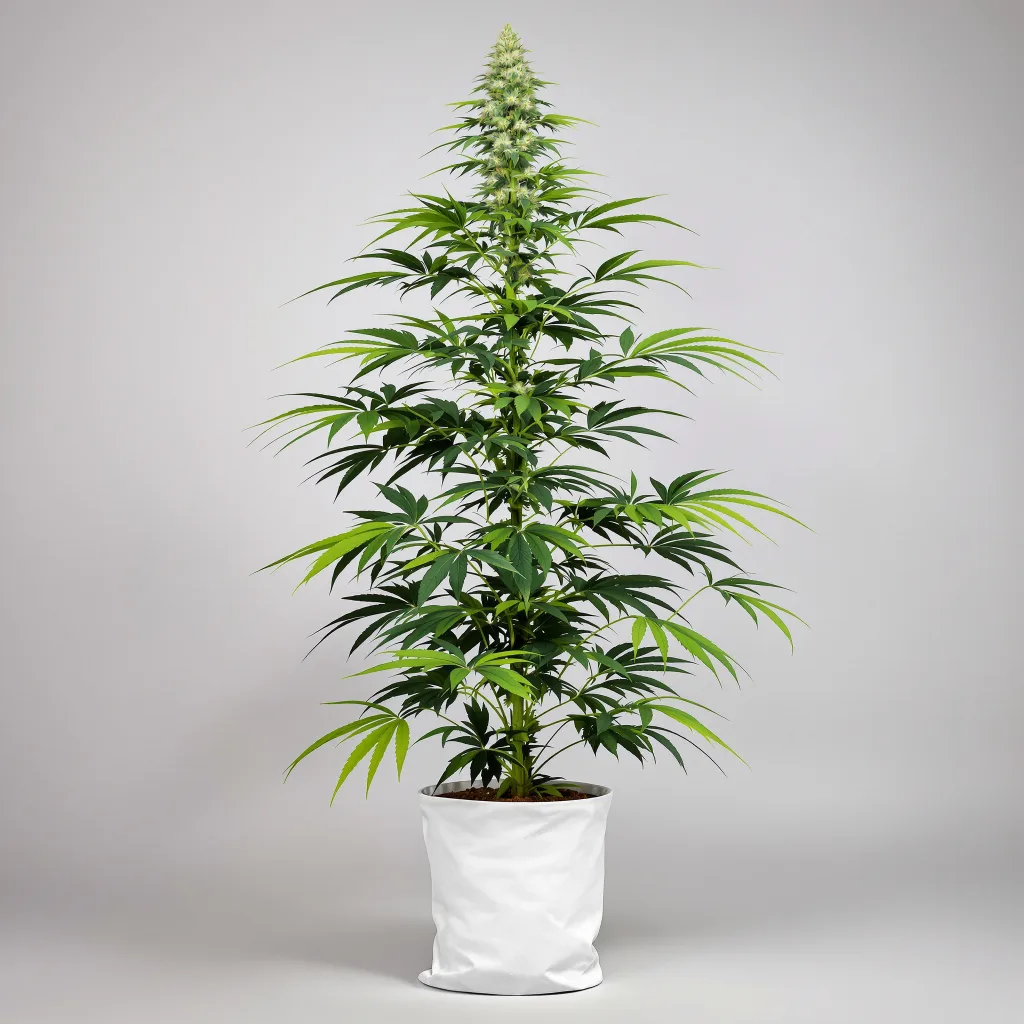
sativa
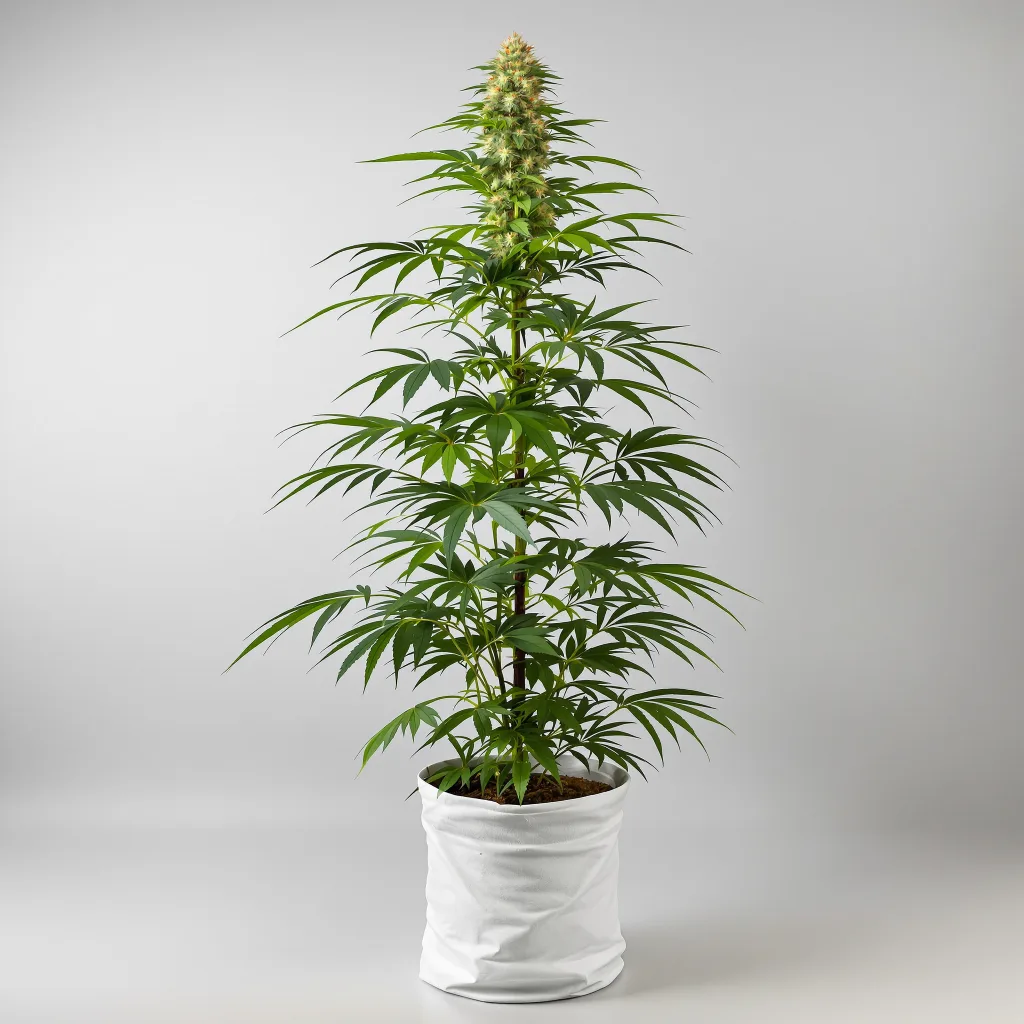
Durban Poison Auto
sativa
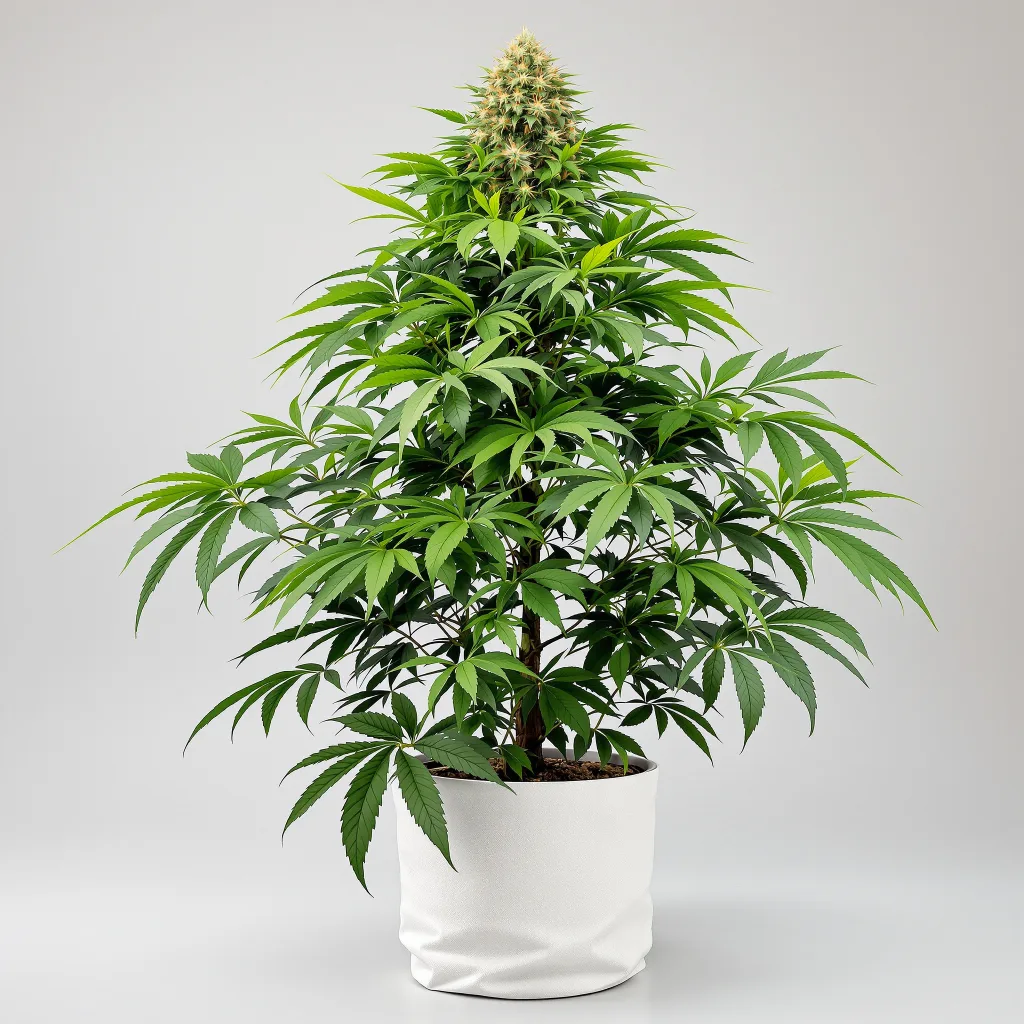
Durban Poison Feminized
indica
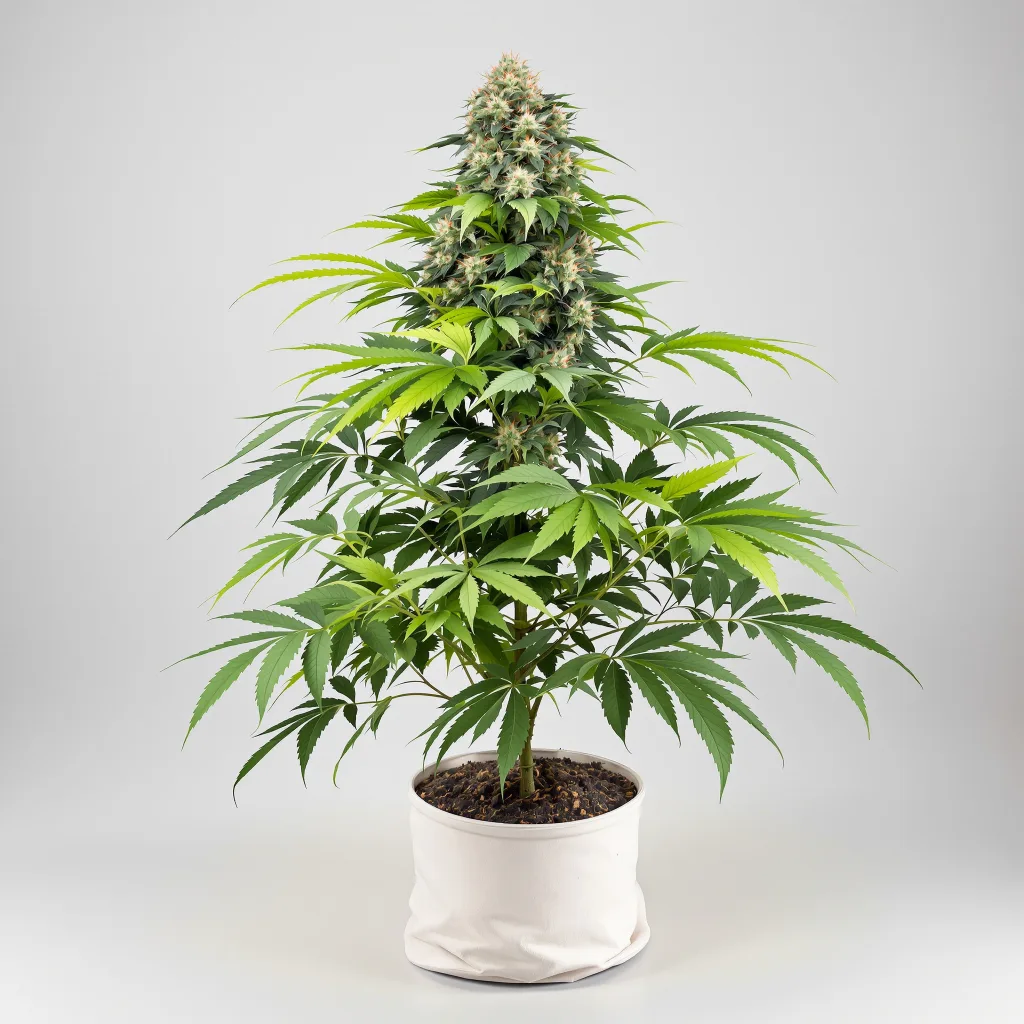
Green Poison Auto
indica
Green Poison Feminized
Browse the full Autoflower Seeds collection
Premium genetics, shipped from within the US.
Related Articles
Best Autoflower Strains for Zones 5 & 6 | Royal King Seeds
strainWedding Cake Strain Review: Effects and Grow Tips | Royal King Seeds
strainGranddaddy Purp Strain: King of Purple Weed | Royal King Seeds
strainSour Diesel Strain: Effects, Grow Guide and Review | Royal King Seeds
accessoryDabbing vs Vaping Cannabis: Key Differences
strainNorthern Lights Strain Review: Effects and Grow Tips
Ready to Start Growing?
Shop feminized, autoflower, and CBD strains with 95% germination and free delivery on eligible orders of $150 or more.
Shop Cannabis Seeds