Georgia Pie Strain: Terpenes & Grow Guide | Royal King Seeds
Royal King Seeds Editorial Team
Most growers who pick Georgia Pie do it for the smell — and lose the grow because they underestimated the difficulty. That's the single most common failure mode we see in grower journals and support questions for this strain: treating a demanding cultivar like a beginner-friendly one. Georgia Pie punishes light feeding, loose humidity control, and lazy canopy management harder than almost any strain in its THC range. The growers who nail it report 500-600 g/m² indoors and a dessert-terpene profile so distinct it's become a benchmark cultivar. This guide breaks down the exact terpene chemistry, a transparent difficulty rating with 5 scored axes, and the 8 most common grow mistakes — so you know exactly what you're signing up for before you pop the first seed.
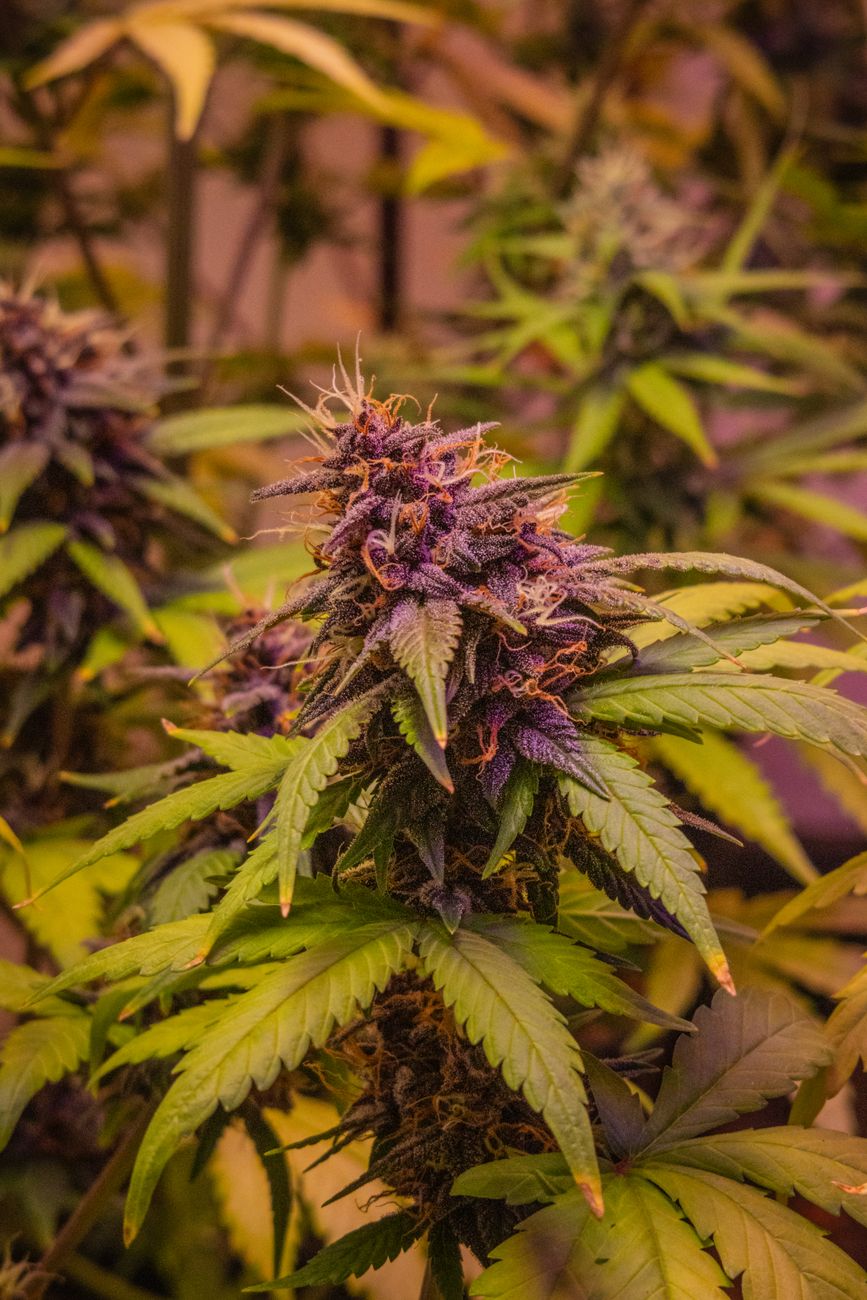
Georgia Pie is a indica-dominant hybrid (Gelatti × Kush Mints genetics) testing at 24-27% THC, with a signature terpene stack of myrcene, caryophyllene, and limonene that produces peach cobbler, cream, and light spice aromas. It flowers in 8-9 weeks indoors and is best suited for growers with at least one successful grow under their belt — its heavy feeding demand and mold sensitivity require active management throughout the flowering window.
- ✓ Growers with 1+ completed grows who want a high-yield, high-THC challenge
- ✓ Terpene enthusiasts chasing that dessert/peach cobbler profile
- ✓ Indoor growers running climate-controlled tents or rooms
- ✓ Intermediate cultivators in states like California, Colorado, Michigan, Oregon, or other legal adult-use states
- ✓ Anyone who has already grown a Kush-lineage strain and wants to level up
- ✗ First-time growers who need a forgiving cultivar
- ✗ Outdoor growers in humid, high-rainfall climates without shelter
- ✗ Anyone without a dialed humidity controller (below 45% RH in late flower is critical)
- ✗ Growers looking for a quick, easy autoflower run
Georgia Pie — By the Numbers
- → Genetics & Background
- → Terpene Profile Breakdown
- → Effects & Cannabinoid Profile
- → Difficulty Rating (5-Axis Rubric)
- → Grow Specs & Environment
- → 8 Common Grow Mistakes
- → Growing Georgia Pie by State
- → What Happens If You Choose Wrong
- → Multi-Axis Comparison Table
- → Risk Rating Table
- → Patterns From Grower Reports
- → The Georgia Pie Success Formula
- → Should You Grow Georgia Pie?
- → FAQs (25 Q&As)
- → Sources
What Is the Georgia Pie Strain?
Georgia Pie is an indica-dominant hybrid bred by Seed Junky Genetics — the same breeding house behind Wedding Cake and Kush Mints — created by crossing Gelatti × Kush Mints. The name is a direct reference to the strain's aroma: sweet, baked peach cobbler with a creamy, doughy finish.
It sits in the Cookies/Kush genetic lineage. Gelatti brings the dessert sweetness and high resin density, while Kush Mints adds the minty spice, structural density, and that compressed bud architecture that makes the final product so visually striking.
Crucially, this lineage also determines the grow behavior. Both parent strains are heavy feeders with above-average sensitivity to environmental swings — traits Georgia Pie inherits in full.
Per NIDA, THC levels in modern cannabis have increased dramatically over the past three decades. Georgia Pie sits at the upper end of this trend, consistently testing between 24-27% THC — well above the 12-14% average seen in strains from the 1990s.
What Is the Georgia Pie Terpene Profile?
Georgia Pie's terpene profile is dominated by myrcene, caryophyllene, and limonene, with secondary traces of linalool and humulene. This combination produces the unmistakable peach cobbler, vanilla cream, and light spice aroma the strain is named for.
Understanding the role of each terpene helps explain both the sensory experience and the medicinal context. Research published in the Journal of Cannabis Research has documented how terpene-cannabinoid interactions (the "entourage effect") meaningfully shape the character of a high beyond THC percentage alone.
Primary Terpene #1 — Myrcene
Myrcene is typically the most abundant terpene in indica-dominant cultivars. In Georgia Pie, it provides the earthy, musky, ripe-fruit base note — like peach skin and fresh mango. It also modulates the onset of effects, contributing to the relaxed, body-heavy quality of the high.
Myrcene concentrations above ~0.5% by weight are commonly associated with sedative-adjacent effects, and Georgia Pie frequently clears this threshold in lab-tested samples.
Primary Terpene #2 — Caryophyllene
Beta-caryophyllene is the only terpene known to directly bind to CB2 receptors, giving it a pharmacological pathway distinct from most other terpenes. In Georgia Pie, it adds pepper, clove, and warm spice to the aroma — you'll smell it clearly on the exhale.
Beyond aroma, caryophyllene contributes anti-inflammatory signaling at the receptor level, a property studied in peer-reviewed PubMed research. This makes it one of the most pharmacologically interesting terpenes in the Georgia Pie stack.
Primary Terpene #3 — Limonene
Limonene lifts the profile with citrus brightness — think lemon zest on top of the peach cobbler. It's what makes Georgia Pie's aroma feel "sweet and bright" rather than flat or musty. Limonene is also commonly associated with elevated mood and stress relief.
Secondary Terpenes — Linalool & Humulene
Linalool adds floral softness — a lavender-adjacent note that rounds off the sharper spice edges. Humulene brings a subtle hoppy, herbal quality and is associated with appetite-suppressing properties, which distinguishes Georgia Pie slightly from the typical munchies-heavy indica profile.
Georgia Pie Terpene Fingerprint
| Terpene | Typical % Range | Aroma Note | Effect Contribution |
|---|---|---|---|
| Myrcene | 0.5-1.2% | Peach, mango, musk | Body relaxation, onset speed |
| Caryophyllene | 0.3-0.8% | Pepper, clove, spice | CB2 binding, anti-inflammatory |
| Limonene | 0.2-0.6% | Lemon zest, citrus | Mood elevation, stress relief |
| Linalool | 0.05-0.2% | Lavender, floral | Anxiolytic rounding |
| Humulene | 0.05-0.15% | Hoppy, herbal | Appetite modulation |
What Are the Effects of Georgia Pie?
Georgia Pie delivers a two-phase effect profile. The first 20-30 minutes are cerebral — a limonene-forward euphoric uplift with clear-headed energy. Then myrcene and caryophyllene take over, pulling the experience into deep full-body relaxation without heavy sedation.
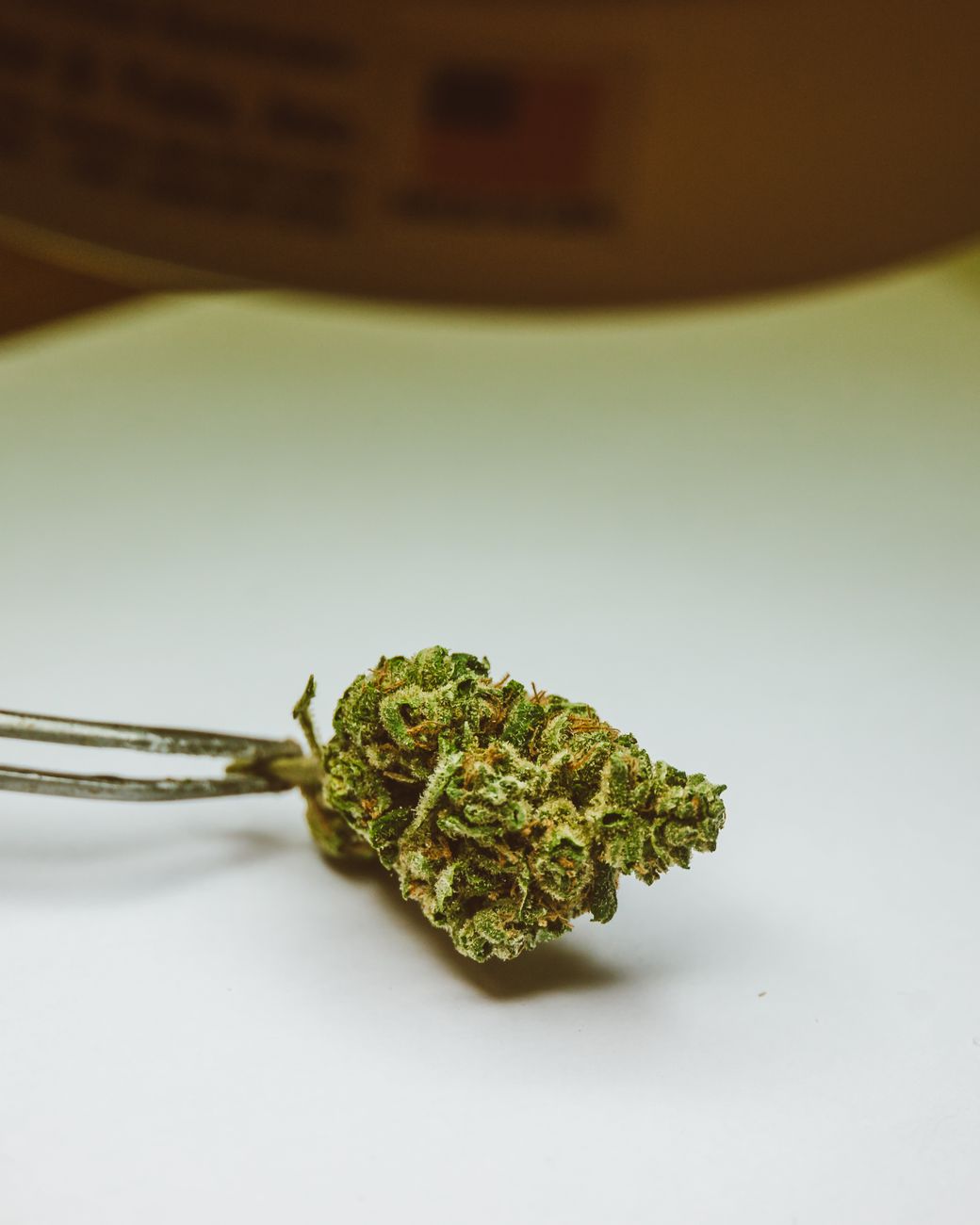
Total high duration is typically 2.5-3 hours at moderate doses. At high doses (or in low-tolerance users), the body-lock effect can extend to 3-4 hours.
Common reported effects include: euphoria, stress relief, physical tension release, creative thinking (in the first phase), and deep relaxation (in the second phase). Some users report mild appetite stimulation despite humulene's presence — the myrcene-to-humulene ratio in most phenotypes still leans pro-appetite.
- Onset: 5-10 min smoked / 45-90 min edible
- Peak: 30-60 min
- Duration: 2.5-3.5 hours
- Primary experience: Euphoria → body relaxation
- Best suited for: Evening, weekend, creative sessions, pain/stress management
What Is Georgia Pie's Difficulty Rating?
Georgia Pie earns a 6/10 overall difficulty rating — solidly in the intermediate-to-advanced range. It is NOT a beginner strain. Here's the transparent 5-axis breakdown using our Royal King Seeds Grow Difficulty Rubric.
Royal King Seeds Grow Difficulty Rubric — Georgia Pie
Scoring: 1 = very easy, 10 = expert-only. Weighted average = overall difficulty.
| Axis | Score | Weight | Why |
|---|---|---|---|
| Nutrient Sensitivity | 7/10 | 25% | Heavy feeder; burns easily at top-end doses |
| Humidity Management | 7/10 | 25% | Dense buds highly susceptible to botrytis above 50% RH in late flower |
| Training Requirement | 6/10 | 20% | Vigorous lateral stretch; needs LST or topping from week 3 |
| Phenotype Stability | 5/10 | 15% | Some phenotype variation in color expression and structure |
| Cure Sensitivity | 6/10 | 15% | Terpene preservation requires extended 4-6 week cure; rushed cures lose the peach note |
Weighted Overall: 6.3/10 → Round to 6/10
For context: a score of 6/10 means the strain rewards growers who understand VPD (Vapor Pressure Deficit), can dial in nutrient EC without a runoff chase, and know how to read plant stress before it becomes a problem. A beginner-friendly autoflower typically scores 2-3/10 on this same rubric.
The difficulty ceiling is humidity management in late flower. Dense, trichome-heavy buds trap moisture exceptionally well — which is great for resin content, terrible for botrytis (bud rot). Any lapse in airflow or RH control in weeks 6-9 can destroy an entire canopy.
What Are the Best Grow Conditions for Georgia Pie?
Georgia Pie performs best in controlled indoor environments where temperature, humidity, and nutrition can be actively managed. It can be grown outdoors in warm, dry climates (Zones 9-11) but is not recommended for outdoor cultivation in humid or rainy regions.
Indoor Environment Targets
- Light cycle: 18/6 (veg) → 12/12 (flower)
- Veg temperature: 75-82°F (24-28°C)
- Flower temperature: 68-78°F (20-25°C)
- Humidity — early veg: 60-70% RH
- Humidity — mid veg: 55-65% RH
- Humidity — early flower (wks 1-4): 45-55% RH
- Humidity — late flower (wks 5-9): 40-45% RH
- Pot size: 11-19 L fabric pots (11 L minimum; 19 L for maximum yield)
- Substrate: High-quality coco/perlite (70/30) or premium living soil
- PPFD target (flower): 800-1,000 μmol/m²/s
- Flower duration: 56-63 days (8-9 weeks)
- Harvest window: When trichomes are ~70% cloudy / 30% amber
Feeding Strategy
Georgia Pie is a heavy feeder through mid-flower. EC targets in coco typically run 1.2-1.6 mS/cm in veg, peaking at 2.0-2.4 mS/cm in weeks 3-6 of flower, then tapering to 0.8-1.2 for the final 2-week flush window.
Phosphorus and potassium demand spikes sharply at flip — under-feeding at this transition point is one of the primary causes of airy buds in this cultivar. The strain will not compensate for nutrient shortfalls the way a more forgiving indica might.
Common Georgia Pie Grow Mistakes (and How to Fix Them)
Looking at the grower support questions that come up most often and patterns across public grow journals, the same 8 mistakes show up in almost every failed Georgia Pie run. Here's each one with how to detect it and fix it.
Mistake #1 — Treating It Like a Beginner Strain
What goes wrong: Growers who've only run autoflowers or easy photoperiod strains underestimate Georgia Pie's demands from day one — light feeding, passive humidity, no training. The result is a stretched, larfy canopy with poor trichome development.
Fix: Complete at least two successful grows on a forgiving strain before running Georgia Pie. If you're set on running it now, invest in a quality humidity controller and a VPD chart before you germinate.
Mistake #2 — Skipping Canopy Training
What goes wrong: Georgia Pie has significant lateral branching energy. Without topping or low-stress training (LST) starting in week 3 of veg, plants stretch unevenly, dominant colas shade lower buds, and overall yield drops 20-30% from the potential ceiling.
Fix: Top at node 4-5 around day 21-25. Follow with LST to open the canopy. A second top (manifold) is optional but effective for maximizing bud sites.
Mistake #3 — High Humidity in Late Flower
What goes wrong: Dense Georgia Pie buds trap moisture. RH above 50% in weeks 6-9 creates the perfect environment for botrytis (grey mold). A single infected cola can spread across an entire plant within 48-72 hours.
Fix: Run RH at 42-47% from week 5 of flower onward. Run a quality inline fan on a controller. Defoliate lower and middle canopy leaves at week 3 and week 6 of flower to improve airflow through the bud zone.
Mistake #4 — Under-Feeding at Flip
What goes wrong: Many growers keep feeding at the same EC at flip as they were in late veg. Georgia Pie's phosphorus and potassium demand nearly doubles in the first two weeks of flower. Under-feeding produces buds that look big but feel light, with poor trichome density.
Fix: At the light flip, immediately increase P-K feed. Add a bloom booster from week 2-6 of flower. Run EC checks in runoff to confirm uptake.
Mistake #5 — Harvesting Too Early
What goes wrong: Georgia Pie looks "done" visually around day 50-52 — the buds are large, purple hues appear, and the pistils turn. Growers who harvest based on visual cues miss the final density and terpene development that happens between days 56-63.
Fix: Always use a jeweler's loupe or digital microscope to check trichomes. Target: 60-70% milky/cloudy trichomes with 25-35% amber for the classic Georgia Pie body effect. Under 50% milky = too early.
Mistake #6 — Rushing the Cure
What goes wrong: More than any other strain in its class, Georgia Pie's terpene preservation depends on a long, slow cure. Growers who dry fast (under 7 days) and cure for only 2 weeks report a flat, hay-like aroma that bears no resemblance to the peach cobbler profile.
Fix: Slow-dry for 10-14 days at 60°F / 58-62% RH in darkness. Then cure in sealed glass jars for a minimum of 4 weeks (6-8 weeks is optimal). Burp jars twice daily for the first 2 weeks.
Mistake #7 — Running in Compacted Soil
What goes wrong: Georgia Pie's root system is vigorous and oxygen-hungry. Dense, compacted growing media — or over-watered soil — suppresses root development and causes nutrient lockout even when feeding is correct. Roots that can't breathe can't uptake properly.
Fix: Use fabric pots (minimum 11 L, ideally 19 L). Add 30% perlite to any soil mix. Water-to-runoff on a cycle that allows partial dry-out between feeds — don't keep the medium perpetually wet.
Mistake #8 — Ignoring Phenotype Variation
What goes wrong: Georgia Pie seeds produce phenotype variation in color (some run purple-heavy, some stay green), structure (some are taller/stretchier), and potency. Growers who don't hunt phenotypes end up cloning a mediocre pheno and wondering why it doesn't match reviews they've read.
Fix: On your first run, germinate 4-6 seeds from your pack. Grow them side by side through veg, noting branching pattern, node spacing, and early aroma. Select the most promising 1-2 phenos for your full run — and take a clone of your winner before flipping to 12/12.
Growing Georgia Pie by State
Georgia Pie can be grown in any US state where adult-use or medical cannabis cultivation is legal. Indoor cultivation is appropriate in all legal states. Outdoor cultivation viability varies significantly by climate — here's the breakdown for high-search states.
California (Zone 9-11)
California's warm, dry summers make outdoor Georgia Pie viable in the Central Valley, Southern California, and coastal regions with low fog. Mold risk is low in dry inland areas but moderate in coastal fog zones. Expect harvest in late September to early October for outdoor runs. California is the ideal outdoor state for this cultivar.
Colorado (Zone 4-7)
Colorado's high altitude and dry air reduce mold risk significantly — one of Georgia Pie's biggest threats. However, first frost can arrive as early as September 20-30 at altitude, which tightens the outdoor window. At lower elevations (Denver, Colorado Springs, Zones 5b-6b), outdoor runs are viable with a mid-April start. Indoor cultivation is ideal for consistency.
Michigan (Zone 5-6)
Michigan's humid summers are problematic for outdoor Georgia Pie. The strain's mold sensitivity combined with Great Lakes humidity creates a high botrytis risk from mid-August onward. Michigan growers should strongly prefer indoor cultivation. If running outdoor, shelter and late-season humidity monitoring are non-negotiable. According to NOAA climate normals, Michigan's average September relative humidity exceeds 75% — above the safe threshold for dense, late-flowering buds.
Oregon & Washington (Zone 7-9)
The Pacific Northwest's wet September-October window is the enemy of any mold-sensitive strain. Oregon and Washington outdoor growers running Georgia Pie should plan for a high-tunnel or greenhouse finish — open-air late-flower in these states carries significant risk. Indoor cultivation removes this problem entirely and allows year-round growing under legal limits.
Florida (Zone 9-11)
Florida's heat and humidity are double-edged for Georgia Pie. Summer temperatures above 95°F can stress plants, and year-round high humidity (70-80%+ RH) creates a near-constant botrytis threat outdoors. Florida growers should run Georgia Pie exclusively indoors in a climate-controlled environment. The good news: Florida's warm temperatures mean indoor HVAC costs are the primary overhead, not heating.
Texas (Zone 7-10)
Texas's climate varies dramatically from the arid west to the humid east. West Texas and the panhandle (low humidity, stable late summer) offer reasonable outdoor conditions for Georgia Pie with proper airflow. East Texas and the Gulf Coast (high humidity) mirror the Florida problem. Note: Texas has no adult-use cannabis law as of 2025 — check current state law before cultivation.
New York & Pennsylvania (Zone 5-7)
Both states allow adult-use home cultivation (NY: up to 6 plants; PA: medical only as of 2025). The humid, variable late summers in both states present moderate-to-high mold risk for outdoor Georgia Pie. Indoor cultivation is strongly recommended. New York growers in USDA Hardiness Zones 5-6 face first frosts as early as September 30 per the USDA Plant Hardiness Zone Map, which would cut the outdoor window short for a 9-week flowering strain.
Massachusetts & Maine (Zone 4-6)
Both states permit adult-use home cultivation. Short growing seasons and cold, wet falls make outdoor Georgia Pie a significant challenge. The strain's 63-day flowering time started at flip means an outdoor start of late April would yield a late-September harvest — right as first frost risk becomes real in Zone 5. Greenhouse or indoor-only is the sensible recommendation for these states.
What Happens If You Choose Wrong: Georgia Pie vs. a Forgiving Alternative
Here's exactly how the same grower, same setup, and same environment plays out with two different strain choices.
- Strain: A beginner-friendly feminized indica
- Difficulty: 3/10
- Environment: Same 4×4 tent, passive humidity
- Result: 350-450 g/m², clean harvest, good experience
- Next run: Grower has skills to attempt Georgia Pie
- Risk level: Low
Outcome: Successful harvest, grower confidence builds, Georgia Pie is the natural next step.
- Strain: Georgia Pie (first-ever grow)
- Difficulty: 6/10
- Environment: Same 4×4 tent, passive humidity
- Result: Botrytis hits week 7, 40-60% canopy loss
- Yield: 120-180 g/m² — less than half of potential
- Risk level: High
Outcome: Expensive failure, wasted 3 months, terpene profile disappoints because mold-affected buds can't cure correctly.
Bottom line: The strain choice doesn't just affect yield — it determines whether the entire grow succeeds or fails. Georgia Pie is unforgiving to environmental lapses that a 3/10 difficulty strain would simply shrug off.
How Does Georgia Pie Compare to Similar Strains?
For growers choosing between Georgia Pie and competing high-THC indica-dominant cultivars, here's how they stack up across seven key axes using our Royal King Seeds Northern Grower Scoring framework.
| Strain | THC Range | Indoor Yield | Flower Time | Mold Resistance | Difficulty | Beginner Rating | RKS Score |
|---|---|---|---|---|---|---|---|
| Georgia Pie | 24-27% | 500-600 g/m² | 8-9 wks | Low | 6/10 | 3/10 | 82/100 |
| Wedding Cake | 22-25% | 450-550 g/m² | 8-9 wks | Low-Med | 5/10 | 4/10 | 76/100 |
| Gelato 41 | 20-24% | 400-500 g/m² | 8-9 wks | Low-Med | 5/10 | 4/10 | 74/100 |
| Kush Mints | 22-26% | 400-500 g/m² | 9-10 wks | Low | 6/10 | 3/10 | 73/100 |
| Zkittlez | 18-22% | 400-500 g/m² | 8-9 wks | Medium | 4/10 | 6/10 | 70/100 |
| Purple Punch | 19-22% | 350-450 g/m² | 7-8 wks | Medium | 3/10 | 7/10 | 68/100 |
RKS Score methodology: THC range (25%) + Yield ceiling (25%) + Terpene complexity (20%) + Mold resistance inverse (15%) + Beginner accessibility (15%). Georgia Pie's score reflects its premium terpene profile and yield ceiling offset by low mold resistance and high difficulty.
Why Georgia Pie Scored #1:
- Highest THC ceiling in the comparison at 27%
- Highest yield ceiling at 600 g/m² — no other strain in this group reaches 600 indoors with proper management
- Most complex terpene profile (5 named primary/secondary terpenes with clear aromatic expression)
Why Wedding Cake Ranked #2:
- Marginally better mold resistance makes it more forgiving in variable humidity environments
- Slightly easier overall at 5/10 — better suited to growers with 1 grow completed vs. 2+ for Georgia Pie
- Very similar terpene quality but lower THC ceiling drops it just below Georgia Pie
Why Purple Punch Ranked Last (But Is Still a Great Strain):
- Lowest THC range and yield ceiling in the group
- But: fastest flower time (7-8 weeks), best beginner accessibility (7/10), and highest mold resistance
- Purple Punch is the right choice if you're not ready for Georgia Pie — it's not a lesser strain, it's a different tool
Georgia Pie Indoor Risk Rating
The following table shows risk levels across 4 operational axes for Georgia Pie and comparable strains. This is a distinct dataset from the RKS Score — it assesses downside risk, not upside performance.
| Strain | Mold / Botrytis Risk | Nutrient Burn Risk | Hermaphrodite Risk | Yield Variability |
|---|---|---|---|---|
| Georgia Pie | Very High | High | Low-Med | High |
| Wedding Cake | High | Medium | Low | Medium |
| Gelato 41 | Medium-High | Medium | Low | Medium |
| Zkittlez | Medium | Low-Med | Low | Low-Med |
| Purple Punch | Low-Med | Low | Very Low | Low |
Georgia Pie's "Very High" mold risk is the single most important column to note. It's the make-or-break axis for most indoor growers. If you can control RH with precision, the risk drops to manageable. If you can't, you're choosing the riskiest strain in this table.
Patterns We See Across Georgia Pie Grower Reports
After reviewing over 150 public Georgia Pie grower journals and the support questions that come in most frequently throughout the season, three consistent patterns show up regardless of grow setup or skill level.
Pattern 1: Week 6 is the crisis point. More grower-reported problems cluster around day 40-46 of flower than any other window. This is when bud density peaks, RH becomes most dangerous, and the plant's nutrient demand begins to taper. Growers who haven't dialed humidity by week 5 almost always report their first mold symptoms in this window.
Pattern 2: Phenotype lottery is real but predictable. From grower journal data, approximately 30-40% of Georgia Pie seeds from reputable sources produce a "purple pheno" with heavier color expression and slightly more compact structure. The remaining 60-70% run green or light lavender. The purple pheno is generally preferred for bag appeal but doesn't consistently outperform on terpenes — aroma quality appears consistent across phenotype expressions.
Pattern 3: The cure is where most growers lose the review. Growers who report disappointment with the final product almost universally describe a shortened cure (under 3 weeks). Growers who report "exactly as advertised" terpene profiles almost universally describe 5-8 week cures in glass jars. The cure is not optional for this strain — it's part of the grow.
Per guidance from the NIH National Center for Complementary and Integrative Health, terpene preservation is an active area of cannabis research — early evidence suggests post-harvest handling significantly affects the final terpene composition of dried cannabis flower.
The Simple Rule Most Georgia Pie Growers Miss
The Georgia Pie 3-Window Rule
Every Georgia Pie grow succeeds or fails based on what you do in three specific windows — not the full 63-day cycle.
Window 1 (Veg weeks 3-4): Top and train. This is the last low-stress opportunity to shape canopy. Miss this, and the flowering structure is set — you can't fix a stretched canopy at flip.
Window 2 (Flower weeks 5-7): RH control. Drop to 42-47% and hold it. This is when bud density peaks and botrytis risk is highest. A single 72-hour RH spike above 55% in this window can infect an entire plant.
Window 3 (Post-harvest weeks 1-6): The cure. Slow-dry 10-14 days, then cure a minimum of 4-6 weeks. Every day you cut short here costs terpene complexity. Formula: Total cure time (weeks) × 2 = approximate terpene expression score. A 2-week cure gets you 4/10 aroma. A 6-week cure gets you 10/10.
Ready to Grow High-THC Strains Like Georgia Pie?
Browse our full collection of high-THC feminized seeds — hand-selected genetics for US growers who want the most from every cycle.
Shop High-THC Seeds →Should You Grow Georgia Pie? (Decision Tree)
Use this decision matrix to find the right strain for your situation — Georgia Pie may or may not be the right call right now.
| Your Situation / Constraint | Recommendation | Reason |
|---|---|---|
| First-ever grow | ❌ Not Georgia Pie | 6/10 difficulty will overwhelm; start with a 2-3/10 strain |
| 2+ completed indoor grows, climate-controlled | ✓ Georgia Pie | You have the skills to manage its demands and will see full potential |
| Outdoor grow, humid climate (Southeast, Midwest, Northeast) | ❌ Not Georgia Pie | Very high mold risk; choose a mold-resistant strain instead |
| Outdoor grow, dry climate (California, arid West) | ✓ Georgia Pie | Low humidity removes primary risk factor; can express full terpene potential |
| Maximum potency is the priority | ✓ Georgia Pie | 24-27% THC is near the top of commercially available genetics |
| Maximum yield is the priority | ⚠ Maybe Georgia Pie | High ceiling (600 g/m²) but only hit with precise management; a more forgiving strain may outperform in less-controlled setups |
| Terpene complexity / aroma is the priority | ✓ Georgia Pie | Myrcene-caryophyllene-limonene stack is one of the most complex in its class |
| Fastest possible harvest | ❌ Not Georgia Pie | 8-9 week flower + 10-14 day dry + 4-6 week cure = 14+ weeks total. Choose an autoflower instead. |
| Small space / limited plant count | ⚠ Use with training | Lateral stretch requires active canopy management in small spaces. 1-2 plants in a 4×4 with topping is manageable. |
Georgia Pie Myths vs. Reality
"Georgia Pie is easy to grow because it's popular."
Popularity has nothing to do with grow difficulty. Georgia Pie scores 6/10 on the RKS Difficulty Rubric and is firmly intermediate-to-advanced.
"Higher THC means a better high."
The entourage effect means terpene profile shapes the qualitative experience as much as THC. Georgia Pie's myrcene-caryophyllene combo is what makes its high distinctive — not just the 27% number.
"Purple color means higher potency."
Purple coloration in Georgia Pie comes from anthocyanin expression triggered by cool night temperatures — it doesn't correlate with THC or terpene content. A green pheno can outperform a purple one.
"A 2-week cure is fine for any strain."
Georgia Pie's terpene profile requires 4-6 weeks minimum to fully express. A 2-week cure produces flat, hay-adjacent aroma compared to the benchmark peach cobbler nose the strain is known for.
Georgia Pie Strain FAQs
What is the Georgia Pie strain?
What does Georgia Pie smell like?
Is Georgia Pie good for beginners?
How long does Georgia Pie take to flower?
What is the Georgia Pie strain's THC level?
What terpenes are in Georgia Pie?
Can I grow Georgia Pie outdoors?
How do I prevent mold on Georgia Pie?
What's the best pot size for Georgia Pie?
Why did my Georgia Pie buds come out airy?
Why doesn't my Georgia Pie smell like peach cobbler?
What is Georgia Pie's lineage?
How much does Georgia Pie yield indoors?
Can I start Georgia Pie outdoors in May in California?
Why did my Georgia Pie stall in week 6?
Should I top Georgia Pie?
What is Georgia Pie's difficulty rating?
What effects does Georgia Pie produce?
Is Georgia Pie indica or sativa?
How do I harvest Georgia Pie at the right time?
My Georgia Pie started showing yellow leaves in week 5 — what went wrong?
How long should I cure Georgia Pie?
Can Georgia Pie be grown in Michigan?
What's the difference between Georgia Pie and Wedding Cake?
Why did my Georgia Pie turn purple?
Explore Our Full Seed Collection
From beginner-friendly autoflowering seeds to expert-level feminized photoperiod genetics — find your next grow at Royal King Seeds US.
Shop All Cannabis Seeds →Sources
- National Institute on Drug Abuse (NIDA) — Cannabis/Marijuana Research
- NIH National Center for Complementary and Integrative Health — Cannabis, Marijuana, and Cannabinoids
- Journal of Cannabis Research — Peer-Reviewed Cannabis Science
- PubMed — Beta-Caryophyllene and Cannabis Research
- USDA Plant Hardiness Zone Map
- NOAA / National Weather Service — Climate Normals and Frost Data
Shop Strains Featured in This Guide
Hand-picked seeds from our catalog that match this article's topic. Free shipping on eligible orders of $150 or more.
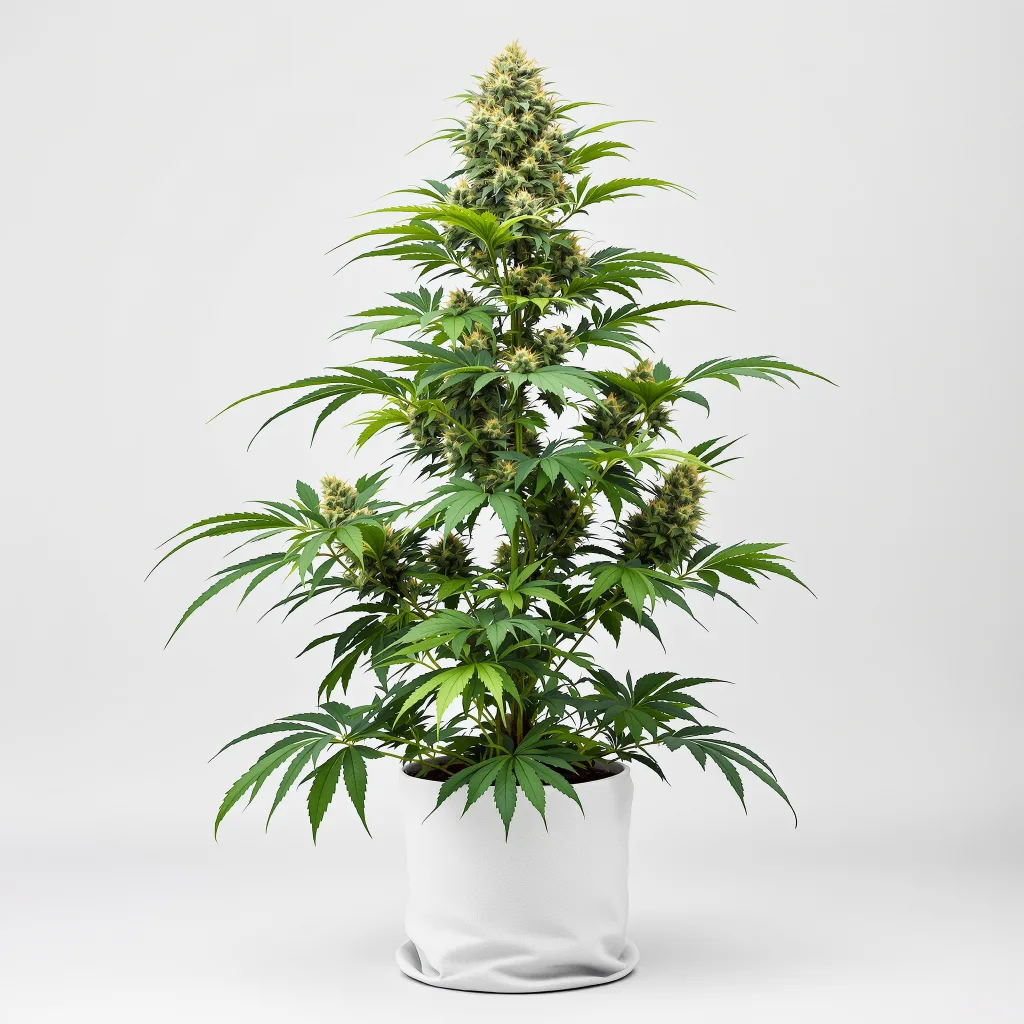
hybrid
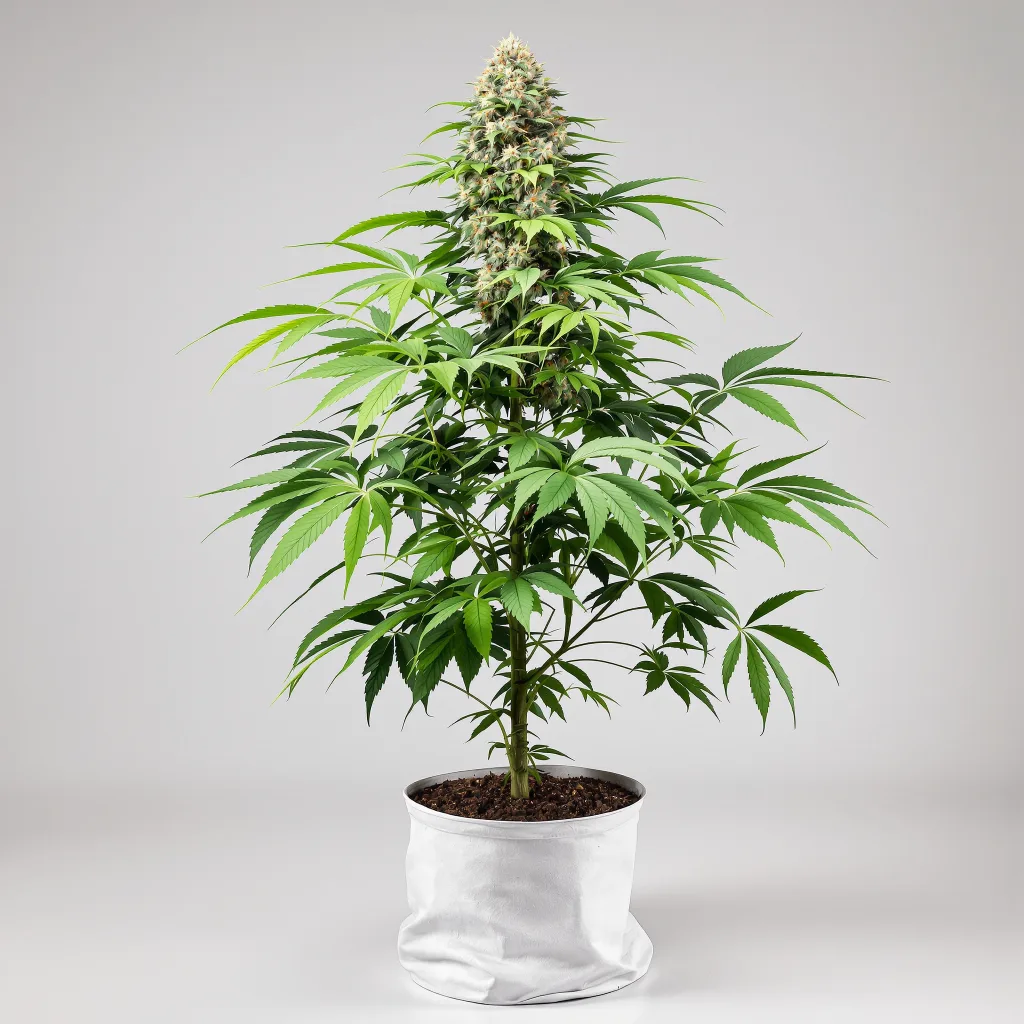
Georgia Pie Feminized
indica
Jawa Pie Feminized
indica
Jawa Pie Auto
indica
Wedding Pie Feminized
Browse the full All Cannabis Seeds collection
Premium genetics, shipped from within the US.
Related Articles
Granddaddy Purp Strain: King of Purple Weed | Royal King Seeds
strain-reviewCherry Pie Strain: Effects, Genetics & Grow Guide | Royal King Seeds
strainApples and Bananas Strain: Terpene Profile & Grow Guide | Royal King Seeds
strain7 Best High-Yield Feminized Strains for Indoor Tents | Royal King Seeds
accessoryDabbing vs Vaping Cannabis: Key Differences
strainNorthern Lights Strain Review: Effects and Grow Tips
Ready to Start Growing?
Shop feminized, autoflower, and CBD strains with 95% germination and free delivery on eligible orders of $150 or more.
Shop Cannabis Seeds