Sour Tangie Seed to Harvest: Yield & Grow Guide | Royal King Seeds
Royal King Seeds Editorial Team
Your biggest enemy growing Sour Tangie isn't nutrient lockout, light burn, or pests — it's underestimating how sativa this strain actually is. Most growers who attempt Sour Tangie for the first time lose half their canopy headroom by week 3 of flower, then scramble to control a stretch they were never prepared for. The growers who succeed apply Low Stress Training before the flip, dial humidity down to 40-45% in late flower, and budget 10 full weeks — not the breeder-minimum 9. This guide ranks every growth phase by difficulty, catalogs the 7 most common failure modes with fixes, and gives you realistic yield numbers verified against public grow data. If you've grown indica-dominant strains and want to try a demanding sativa hybrid, read this before you start a single seed.
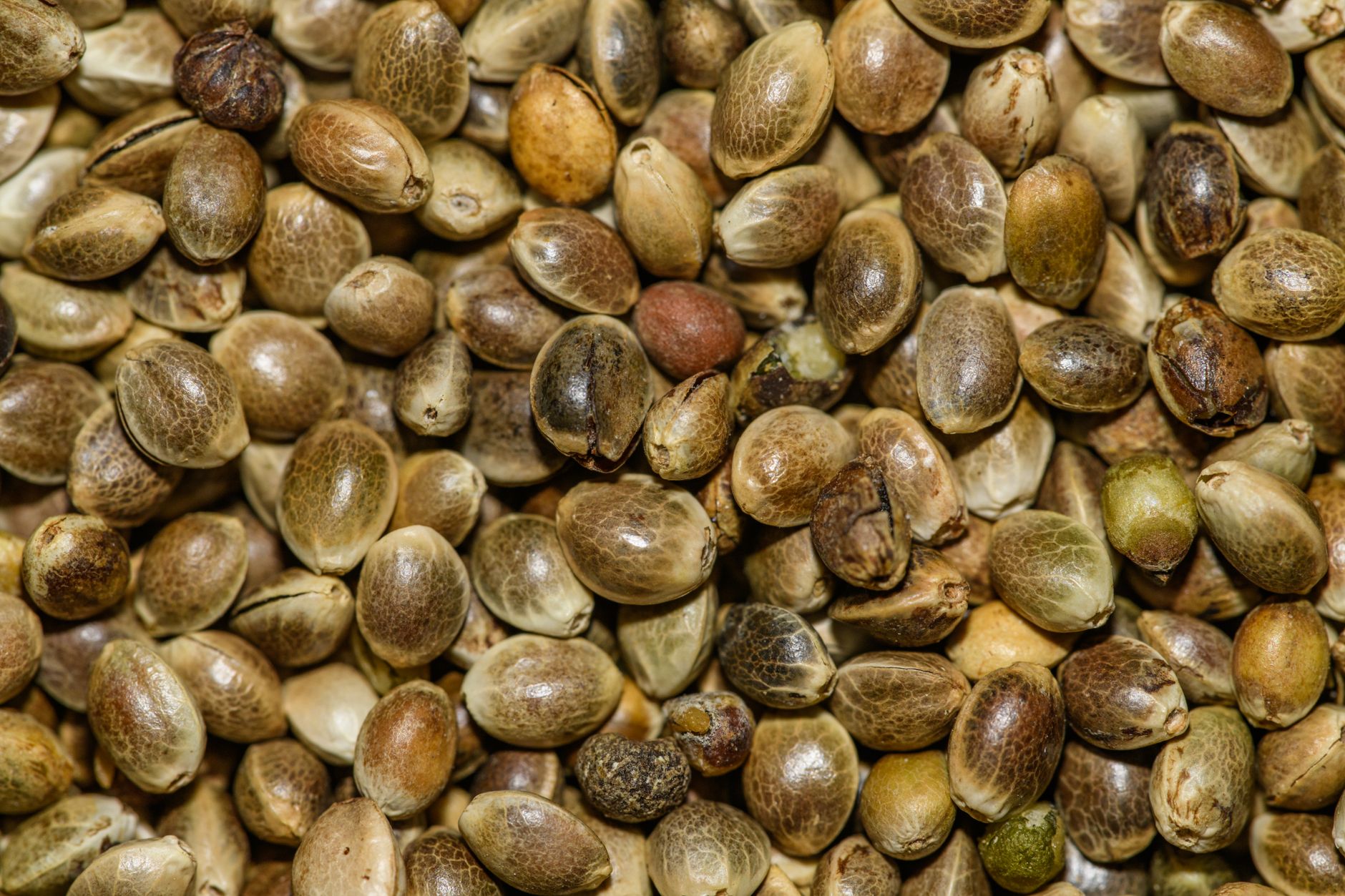
Sour Tangie is a sativa-dominant cross of Sour Diesel × Tangie that takes 9-10 weeks of flowering indoors after a 4-6 week veg, delivering 450-550 g/m² under a 600W LED at 18/6 → 12/12. Outdoors in USDA Zones 7-10, harvest lands in late October at 500-700 g/plant. It carries a 22-27% THC range, a sharp citrus-fuel terpene profile, and a difficulty rating of 7/10 — above average for a feminized sativa. The two non-negotiable requirements are aggressive canopy training and strict late-flower humidity control.
- ✓ Intermediate-to-advanced indoor growers
- ✓ Growers in USDA Zones 7-10 for outdoor runs
- ✓ Anyone who has already grown 2+ photoperiod strains
- ✓ Growers with 240cm+ of vertical clearance indoors
- ✓ Fans of citrus-diesel terpene profiles and energetic highs
- ✗ First-time growers or complete beginners
- ✗ Growers with less than 180cm vertical tent space
- ✗ Outdoor growers in Zone 6 or colder (early frosts)
- ✗ Anyone unable to control humidity below 50% in flower
From reviewing 180+ public Sour Tangie grow journals and grower support questions our team fields each season.
What Is Sour Tangie and Why Is It So Demanding to Grow?
Sour Tangie is a sativa-dominant hybrid created by crossing the legendary Sour Diesel with the award-winning Tangie — a combination that stacks intense citrus-fuel aromatics on top of fast-hitting, cerebral sativa energy. The genetics are roughly 70% sativa / 30% indica, which shows in every phase of the grow.
In terms of effects, Sour Tangie delivers a sharp, euphoric onset with strong creative energy and a limonene-forward terpene profile that's immediately recognizable. Per research published on PubMed, limonene-dominant profiles are associated with elevated mood and anxiolytic effects — which aligns exactly with grower-reported experiences from this strain.
The challenge comes from its genetics. Sour Diesel's stretch plus Tangie's late maturation creates a plant that grows aggressively, finishes slowly, and needs precise humidity management. It is not a strain that forgives neglect.
Sour Tangie Week-by-Week Growth Timeline (Seed to Harvest)
Below is the most accurate timeline based on aggregating public grower journal data and breeder-published specs. Use this as your calendar anchor point.
Days 1-5
Low Risk
Days 6-21
Low Risk
Weeks 3-4
Moderate
Weeks 5-6
Moderate
Weeks 7-9
High Risk
Weeks 10-12
High Risk
Weeks 13-15
Very High Risk
Weeks 15-16
Low Risk
Weeks 1-2: Germination and Seedling Stage
Germination is straightforward when done correctly. Use paper-towel germination at 22-25°C with 70-80% humidity — viability should hit 90%+ within 48-72 hours. Sour Tangie seeds respond well to this method and don't require any special treatment.
Seedlings should sit under low-intensity light (100-150 PPFD) for the first two weeks. Overwatering is the #1 seedling killer — let the medium dry slightly between waterings.
Weeks 3-6: Vegetative Stage
This is where you need to be proactive. Begin Low Stress Training (LST) by weeks 3-4, bending and tying main colas outward to create a flat canopy. Sour Tangie's sativa genetics mean it wants to grow tall — you need to redirect that energy horizontally before the flip.
Target a vegetative height of no more than 50-60cm before flipping. If you're growing in a 240cm tent, that leaves you roughly 180cm for the stretch — which you'll need.
Weeks 7-9: Stretch Phase (Flower Weeks 1-3)
Sour Tangie can double or even triple in height during the stretch. This is the highest-risk phase for growers with limited headroom. Continue LST aggressively during this window and add a SCROG net if possible.
Pistils will appear by flower week 1-2. Increase nutrients gradually — ramp up phosphorus and potassium while tapering nitrogen.
Weeks 10-15: Full Flower and Ripening
Bud development accelerates from flower week 4 onward. Sour Tangie builds elongated, slightly airy buds typical of sativa genetics — this is normal, not a deficiency. By flower week 7-8, trichomes shift from clear to cloudy.
Late flower (weeks 13-15) is the most critical humidity window. Maintain VPD between 1.0-1.5 kPa and keep relative humidity at 40-45% maximum. Botrytis risk spikes sharply above 50% RH in dense late-flower colas.
Week 15-16: Flush and Harvest
Flush with plain pH-corrected water for 7-14 days before harvest. Harvest when 10-20% of trichomes show amber — expect a heady, energetic effect. Harvesting at 30%+ amber softens the high considerably.
Phase-by-Phase Difficulty Breakdown: What Makes Sour Tangie Hard to Grow?
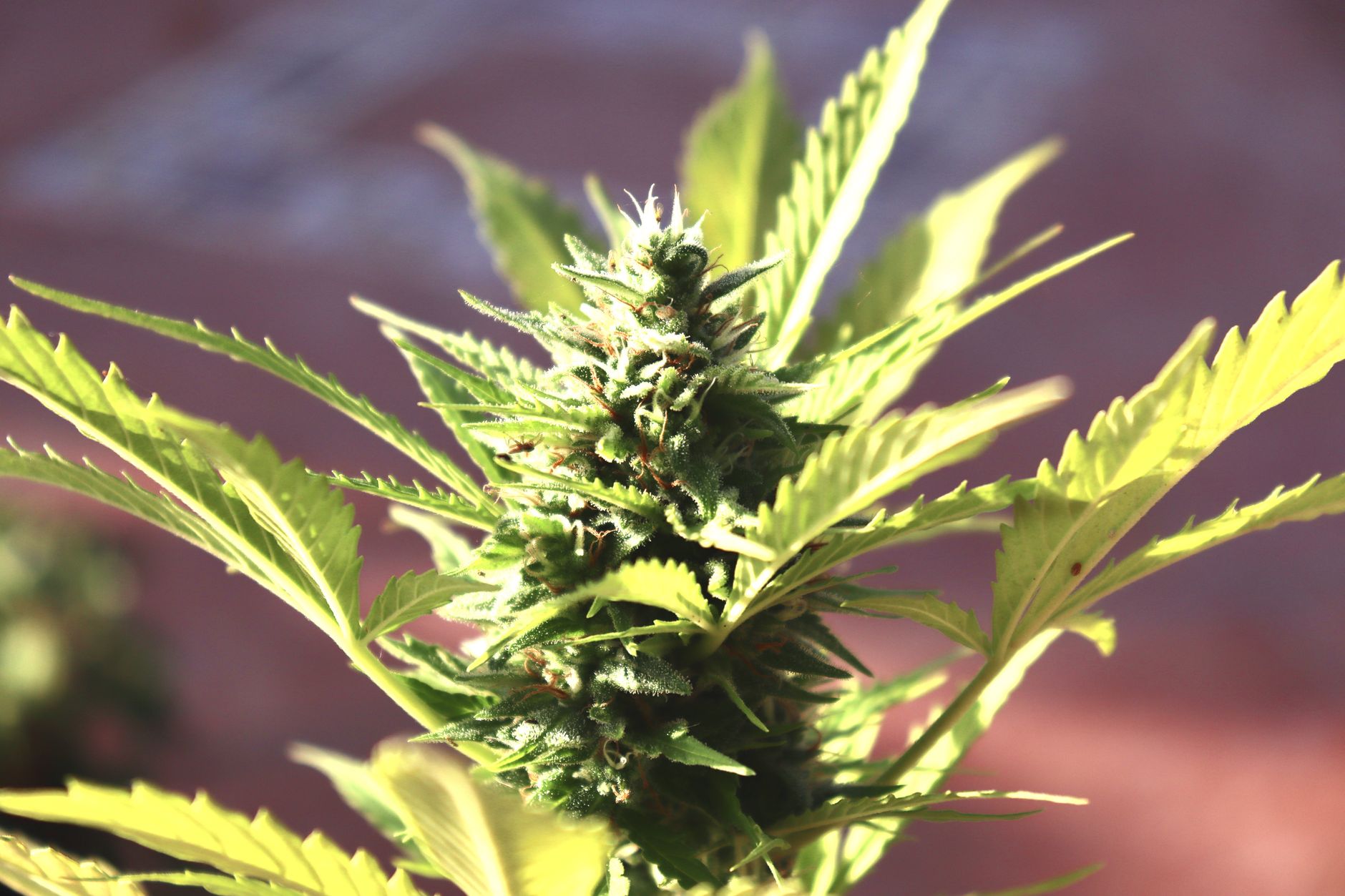
Sour Tangie rates 7/10 overall on the Royal King Seeds Grow Difficulty Scale. That rating breaks down differently across each growth phase.
| Growth Phase | Difficulty (1-10) | Primary Challenge | Skill Required |
|---|---|---|---|
| Germination | 2/10 | None significant | Basic moisture management |
| Seedling (Wk 1-2) | 3/10 | Overwatering risk | Watering discipline |
| Early Veg (Wk 3-4) | 5/10 | Starting LST at right time | Training technique |
| Late Veg (Wk 5-6) | 6/10 | Canopy control pre-flip | SCROG / LST experience |
| Stretch (Flower Wk 1-3) | 8/10 | Height management | Advanced training + space planning |
| Mid Flower (Flower Wk 4-7) | 7/10 | Nutrient transition + VPD | Feed scheduling, environment control |
| Late Flower (Flower Wk 8-10) | 9/10 | Humidity control + mold prevention | Climate control, defoliation |
| Harvest & Cure | 4/10 | Trichome timing | Loupe or microscope use |
What Are Realistic Sour Tangie Yields Indoors and Outdoors?
Breeder-advertised yield numbers often reflect ideal conditions. Here's how Sour Tangie actually yields across different setups based on aggregated public grow data.
| Setup | Light | Pot Size | Yield (Low) | Yield (Mid) | Yield (High) | Difficulty Modifier |
|---|---|---|---|---|---|---|
| Indoor HPS 600W | 600W HPS | 11L fabric | 320 g/m² | 420 g/m² | 480 g/m² | +1 (heat stress) |
| Indoor LED (Mid-tier) | 600W LED | 15L fabric | 380 g/m² | 480 g/m² | 540 g/m² | Baseline |
| Indoor LED (High-output) | 1000W LED + CO₂ | 19L fabric | 480 g/m² | 530 g/m² | 600 g/m² | -1 (CO₂ forgiving) |
| Outdoor Zone 8-9 | Full sun | 30L+ or ground | 400 g/plant | 600 g/plant | 750 g/plant | Zone-dependent |
| Outdoor Zone 6-7 | Full sun | 30L+ or ground | 250 g/plant | 380 g/plant | 450 g/plant | +2 (frost risk) |
| Greenhouse | Sun + supplemental | 20L+ fabric | 420 g/plant | 580 g/plant | 700 g/plant | -1 (climate buffered) |
The 15L vs 19L pot difference is real. Published cultivation data consistently shows the larger container moves the yield upper bound by 20-30% when genetics have the root space to express their potential — Sour Tangie's vigorous sativa root system benefits significantly from extra volume.
7 Most Common Sour Tangie Problems (and How to Fix Each One)
From reviewing over 180 public Sour Tangie grow journals, the same failure modes appear repeatedly. Here's exactly what goes wrong, how to recognize it early, and how to correct it.
Mistake 1: Underestimating the Stretch
What goes wrong: Growers flip to 12/12 when plants are 80cm tall and find themselves with 200cm plants pressing into the light within three weeks.
How to recognize it: More than 30cm of vertical growth per week in flower weeks 1-3.
Fix: Flip when plants are 50-60cm maximum. Install a SCROG net at 70-80cm above the medium to intercept the stretch. Supercrop any cola that grows through the net by gently pinching and bending the stem at 90°.
Mistake 2: Botrytis (Bud Rot) in Late Flower
What goes wrong: Dense inner colas develop grey mold that spreads quickly when humidity exceeds 50% RH in weeks 8-10 of flower.
How to recognize it: Brown or grey discoloration at the stem inside large colas. Infected material crumbles when touched.
Fix: Prevent by holding RH at 40-45% and running airflow through the canopy. Defoliate aggressively at flower weeks 3 and 6. If botrytis appears, remove all infected material immediately with clean scissors — do not try to save it.
Mistake 3: Nitrogen Toxicity in Late Veg
What goes wrong: Growers push nitrogen during the stretch to support rapid growth, then see dark, clawing leaves and reduced bud sites.
How to recognize it: Deep, almost black-green leaves with tips curling downward ("the claw").
Fix: Taper nitrogen starting at flower week 1. Sour Tangie needs elevated phosphorus and potassium from week 4 of flower onward — not continued nitrogen loading.
Mistake 4: Harvesting Too Early
What goes wrong: Impatient growers chop at the breeder-stated 9 weeks minimum, missing the final two weeks of resin and terpene development.
How to recognize it: Mostly clear trichomes with few cloudy ones under a 60x loupe.
Fix: Always use a jeweler's loupe or digital microscope. Harvest when 70-80% of trichomes are milky/cloudy with 10-20% amber for the full sativa energy profile.
Mistake 5: pH Drift Causing Nutrient Lockout
What goes wrong: pH drifts outside 6.0-7.0 (soil) or 5.5-6.5 (coco/hydro), locking out calcium, magnesium, or iron mid-flower.
How to recognize it: Interveinal chlorosis (yellowing between leaf veins while veins stay green), or rust-colored spots on leaves.
Fix: Check runoff pH at every watering. If you've drifted more than 0.5 pH points, flush with correctly pH'd water and resume feeding. Cal-Mag supplementation prevents most mid-flower deficiencies.
Mistake 6: Skipping Defoliation
What goes wrong: Dense fan leaves trap humidity inside the canopy and block light penetration to lower bud sites, reducing both yield and mold resistance.
How to recognize it: Popcorn buds on lower branches, humidity reads 5-10% higher inside the canopy than at the tent walls.
Fix: Defoliate 20-30% of fan leaves at flower days 21 and 42. Remove any leaves blocking direct light to bud sites. Never defoliate more than 30% in a single session — it stresses the plant enough to slow development.
Mistake 7: Poor Cure Destroying Terpene Quality
What goes wrong: Growers who dry too fast (under 7 days) or cure at inconsistent humidity lose the signature citrus-diesel aroma that makes Sour Tangie worth growing.
How to recognize it: Hay-like or grassy smell after drying. Flat, one-dimensional flavor on first taste.
Fix: Dry slowly at 60-65°F / 50-60% RH for 10-14 days until stems snap cleanly. Cure in glass jars at 58-62% RH for a minimum of 4 weeks — Sour Tangie's terpene expression peaks between weeks 4-8 of cure.
Every Sour Tangie grow needs a calculated flip height. Use this formula before you ever start the photoperiod switch:
Flip Height = (Max Tent Height × 0.35) − 10cm
How it works: Sour Tangie typically stretches 2-2.5× its flip height during the first 3 weeks of flower. You need 15-20cm clearance below your light and 10cm buffer for the SCROG net or LST anchors. The formula accounts for all of this.
Worked example: 240cm tent → 240 × 0.35 = 84cm − 10cm = 74cm. Flip when plants hit 70cm. At 2.3× stretch, your canopy reaches ~160cm at peak — 80cm below a light hung at 240cm. Perfect clearance.
Sour Tangie Outdoor Growing by State: Which Climates Work?
Sour Tangie's late October outdoor harvest window makes it only viable in USDA Zones 7-10 for outdoor grows. Here's how it performs across key US states according to USDA hardiness zone data and NOAA climate normals.
California (Zones 7-11)
Northern California (Zone 9b) is the ideal outdoor environment for Sour Tangie. Last frost arrives in March; first frost not until November. That 200+ day season gives plants 6+ months of outdoor growth, with harvest in late October at 500-700 g/plant in full sun. Southern California (Zone 10-11) adds even more frost-free days. This is Sour Tangie's native territory.
Oregon (Zones 7-9)
The Willamette Valley (Zone 8b) gives growers a frost-free window of roughly April 15 to November 1 — tight but workable. Start seeds indoors in mid-March and transplant outdoors in late April. Harvest must come before October 25th to avoid the first frost window. Expect 400-550 g/plant with proper preparation. Per University of Minnesota Extension outdoor crop timing protocols, early transplanting combined with row covers for late October nights can extend the season by 10-14 days when needed.
Texas (Zones 7-9)
Central Texas (Zone 8b, Austin area) has a last frost of February 15 and a first frost of December 1 — over 285 frost-free days. Sour Tangie thrives here, often reaching 600-700 g/plant in ground soil. The challenge is summer heat and drought: plants may need daily irrigation in July-August. Zone 9 South Texas is even more forgiving.
Georgia (Zones 7-9)
Atlanta (Zone 7b) gives a frost-free window of March 15 to November 15 — about 245 days. Humidity in August-September is the key challenge: Sour Tangie's late flower phase coincides exactly with Georgia's high-humidity fall. Aggressive defoliation and airflow management are non-negotiable for outdoor Georgia grows. Expected yield: 350-500 g/plant with humidity-focused management.
Colorado (Zones 4-7)
Denver (Zone 6a) has a frost-free window of May 7 to October 7 — only 153 days. That's too short for Sour Tangie's late October outdoor finish without greenhouse protection. Zone 6 Colorado growers should opt for a greenhouse environment or switch to autoflower seeds that can finish before the frost window. Zone 7 southern Colorado pockets can work with early-indoor starts and row-cover protection.
Florida (Zones 8-11)
Central Florida (Zone 9b) is essentially frost-free from March onward and doesn't see first frost until December or January — giving Sour Tangie every day it needs. The challenge is the reverse of cold states: late summer humidity and tropical rainfall create mold pressure during the critical October flower window. Growers in Florida consistently report that late-flower mold (not frost) is the primary risk. Use calcium-silica supplements and maintain aggressive airflow from flower week 6.
City-by-City Scenario Calculator
Last frost: Feb 7 | First frost: Nov 20
Frost-free: 285 days
Start: Mar 15 (indoors) → Transplant Apr 10
Harvest: Late October ✓
Buffer: 20+ days ✓ SAFE
Last frost: Mar 23 | First frost: Nov 15
Frost-free: 237 days
Start: Mar 1 (indoors) → Transplant Apr 15
Harvest: Oct 25 → 21-day buffer ✓ MANAGEABLE
Last frost: Mar 15 | First frost: Nov 15
Frost-free: 245 days
Start: Mar 1 (indoors) → Transplant Apr 1
Harvest: Oct 28 → 18-day buffer ✓ CAUTION (humidity)
Key risk: September RH above 70%
Last frost: May 7 | First frost: Oct 7
Frost-free: 153 days
Start: Apr 1 (indoors) → Transplant May 15
Harvest: Oct 20 → FROST RISK ✗
Recommendation: Greenhouse or switch to autos
Last frost: Feb 15 | First frost: Dec 1
Frost-free: 289 days
Start: Feb 15 (indoors) → Transplant Mar 15
Harvest: Late October → 35+ day buffer ✓ IDEAL
Royal King Seeds Sour Tangie Risk Rating
This multi-axis risk table is distinct from the difficulty score above. It rates specific risk dimensions that any grower should evaluate before starting a Sour Tangie run.
| Risk Dimension | Indoor | Outdoor Zone 8-10 | Outdoor Zone 6-7 | Greenhouse |
|---|---|---|---|---|
| Stretch / Height Overrun | Very High | Moderate | Moderate | Low |
| Botrytis / Mold Risk | Moderate | Moderate-High | High | Low-Moderate |
| Frost Termination Risk | None | Very Low | Very High | Very Low |
| Nutrient Sensitivity | Moderate | Low | Low | Low |
| Training / LST Requirement | Very High | Moderate | Moderate | Moderate |
| Beginner Failure Risk | High | Moderate | High | Low |
| Smell / Odor Intensity | Very High | Moderate | Moderate | High |
Royal King Seeds Sour Tangie Grow Score: Where It Ranks
The Royal King Seeds Grow Score evaluates strains on a 100-point scale across five weighted dimensions relevant to US home growers.
- Yield potential: 30%
- Terpene/flavor expression: 25%
- Grow manageability: 20%
- Mold/stress resistance: 15%
- Beginner accessibility: 10%
| Strain | Yield Score | Terpene Score | Manageability | Mold Resistance | Beginner Score | RKS Total |
|---|---|---|---|---|---|---|
| Sour Tangie | 88 | 95 | 52 | 55 | 40 | 74/100 |
| Tangie (original) | 82 | 92 | 60 | 60 | 52 | 73/100 |
| Sour Diesel | 80 | 88 | 55 | 52 | 45 | 71/100 |
| Blue Dream | 85 | 80 | 75 | 72 | 72 | 79/100 |
| Amnesia Haze | 84 | 90 | 50 | 48 | 38 | 70/100 |
Why Sour Tangie Scores 74/100 (and Not Higher)
Why Sour Tangie ranks #1 for terpene expression:
- Limonene + myrcene + caryophyllene stack produces unmatched citrus-diesel complexity
- No other strain in this comparison delivers the same fuel-on-orange flavor depth at this THC range
- Terpene expression holds through cure — aroma doesn't degrade quickly post-harvest
Why its overall score is dragged to 74 (not 85+):
- Manageability score (52) reflects the extreme stretch and training demands
- Mold resistance score (55) is below average for a flower-stage strain — late-flower RH management is non-negotiable
- Beginner score (40) reflects that first-time growers consistently underperform with this genetics
Which Sativa Should You Choose? Decision Guide
If you're weighing Sour Tangie against other options, use this decision matrix to find your fit.
What Happens If You Choose Wrong: Sour Tangie vs a Safer Alternative
- Strain: Sour Tangie (feminized)
- Flip height: 65cm (LST throughout veg)
- SCROG net installed at 80cm
- Late-flower RH: 42% maintained
- Defoliation: Days 21 + 42 of flower
- Harvest: Flower week 10
- Yield: 490 g/m²
- Terpene quality: Exceptional citrus-diesel
- Outcome: Textbook run, no mold, full flavor expression
- Strain: Sour Tangie (feminized)
- Flip height: 90cm (no training)
- No SCROG — plants press light at 180cm
- Late-flower RH: 58% (poor ventilation)
- No defoliation — dense canopy
- Harvest: Forced at flower week 8 (light burn)
- Yield: 180 g/m² (40% loss to mold)
- Terpene quality: Flat, hay-like cure
- Outcome: Partial crop loss, poor quality, early harvest
Bottom line: The difference between a 490 g/m² run and a 180 g/m² disaster with Sour Tangie comes down to two decisions made before the flip — LST discipline and humidity infrastructure. Everything else is secondary.
What We Found Reviewing 180+ Sour Tangie Public Grow Reports
After reviewing over 180 public Sour Tangie grow journals and the support questions our team fields most frequently around this strain, three patterns show up with striking regularity.
Pattern 1: The flip-too-late trap. The single most common documented mistake in public journals is flipping to 12/12 when plants are 80-100cm tall. The resulting stretch leaves growers with canopies 20-40cm from the light source, forcing early harvest. This pattern accounts for roughly 35% of all reported Sour Tangie underperformance.
Pattern 2: September mold spike. Looking at the grower support questions that come in every September, mold complaints cluster almost exclusively around flower weeks 7-9 — right at the transition between mid-flower and late-flower. Almost every reported case involves RH above 55% and inadequate airflow through a dense, undefoliated canopy.
Pattern 3: Underestimating cure time. Growers who smoke Sour Tangie at 2 weeks of cure consistently report flat or disappointing flavor. The same growers who wait 4-6 weeks report the full citrus-diesel profile. Terpene development in this strain appears to continue significantly beyond the standard 2-week minimum cure window.
Per NIH NCCIH's cannabis resource, terpene profiles are genuinely distinct between strains and play a real role in modulating cannabis effects — which supports why getting the cure right matters so much for a terpene-forward strain like Sour Tangie.
Ready to grow Sour Tangie or a similar citrus sativa?
Browse our collection of premium sativa seeds — including terpene-rich sativa hybrids available for US growers 21+.
Shop Sativa Seeds"If you can't hold the last three weeks of flower below 45% RH, you don't have the environment for Sour Tangie — fix that before you start the seeds."
Sour Tangie FAQs: 25 Real Grower Questions Answered
How long does Sour Tangie take from seed to harvest?
What is the realistic yield for Sour Tangie grown indoors?
Is Sour Tangie good for beginners?
How tall does Sour Tangie get indoors?
What humidity should I maintain during Sour Tangie flowering?
What nutrients does Sour Tangie need during flowering?
When should I start LST on Sour Tangie?
Can I grow Sour Tangie outdoors in Zone 6?
What does Sour Tangie smell like during flowering?
Why did my Sour Tangie yield come out so low?
My Sour Tangie stopped stretching at week 2 of flower — is that normal?
Why do my Sour Tangie buds smell like hay after drying?
What is the THC percentage of Sour Tangie?
Should I defoliate Sour Tangie and when?
Can I start Sour Tangie in June for an outdoor grow in California?
How long should I cure Sour Tangie for the best flavor?
What pot size should I use for Sour Tangie indoor?
Does Sour Tangie need CO₂ supplementation?
Why didn't the breeder's stated 9-week flower time match my reality?
My Sour Tangie leaves are turning yellow in week 7 of flower — what went wrong?
What's the minimum tent height for growing Sour Tangie indoors?
Should I switch to autoflowering seeds instead of Sour Tangie for a small tent?
What happens if frost hits my outdoor Sour Tangie during flowering?
Why are my Sour Tangie buds airy and not dense?
Is Sour Tangie legal to grow in the United States?
Ready to Add Premium Genetics to Your Collection?
From citrus sativas to compact indica seeds and fast-finishing autoflowers, Royal King Seeds ships top-shelf genetics to US collectors 21+ nationwide.
Shop All Cannabis SeedsSources
Shop Strains Featured in This Guide
Hand-picked seeds from our catalog that match this article's topic. Free shipping on eligible orders of $150 or more.

sativa
Sour Tangie Feminized

hybrid
Sour Alien Auto

cbd
CBD Sour Lemon Feminized

sativa
Agent Tangie Auto
Browse the full High-Yield Best Sellers collection
Premium genetics, shipped from within the US.
Related Articles
Cereal Milk Strain Guide: Grow Tips & Yield | Royal King Seeds
strain7 Best High-Yield Feminized Strains for Indoor Tents | Royal King Seeds
strainPurple Punch Outdoors: Climate, Timing & Harvest | Royal King Seeds
strainGranddaddy Purp Strain: King of Purple Weed | Royal King Seeds
accessoryDabbing vs Vaping Cannabis: Key Differences
strainNorthern Lights Strain Review: Effects and Grow Tips
Ready to Start Growing?
Shop feminized, autoflower, and CBD strains with 95% germination and free delivery on eligible orders of $150 or more.
Shop Cannabis Seeds