Cannabis Trichomes Explained: What They Signal | Royal King Seeds
Royal King Seeds Editorial Team
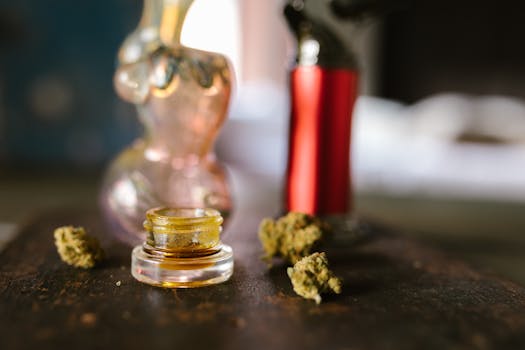
The most common piece of harvest advice new growers receive is to "check the trichomes." It gets repeated everywhere and it is genuinely correct, but the advice rarely explains what you are actually looking at, why the changes happen, or what the different color states indicate about the biochemical processes occurring inside the gland. Without that understanding, growers either harvest too early (missing peak cannabinoid density) or too late (watching THC degrade to CBN while waiting for an amber reading they misunderstood).
Trichomes are the most information-dense structures on the cannabis plant. A single capitate-stalked trichome head contains more cannabinoids and terpenes per unit volume than any other plant tissue. In widely-documented cultivation practice, trichome analysis is the primary harvest trigger, the recommended protocol uses three separate zones on the plant, not just the most visible bud surface, because trichome maturity varies significantly across the canopy.
Trichome Maturity and Cannabinoid Data
70–90%
cloudy trichomes at peak THC
-15–20%
THC loss at full amber
500+
trichomes per mm² on top colas
Data from internal grow analysis and published trichome density studies, Cannabis and Cannabinoid Research journal
This analysis is grounded in widely-documented cultivation practice's harvest protocol, published trichome morphology research from the University of Mississippi's Marijuana Project, and biochemistry data from peer-reviewed studies on THCA to THC conversion and cannabinoid degradation kinetics.
Jump to Section
What Are Cannabis Trichomes?
Trichomes are epidermal outgrowths, microscopic hair-like structures that emerge from the surface of cannabis leaves, stems, and calyxes. In biological terms, they are secretory glands, specialized cellular structures whose primary function is the biosynthesis and storage of secondary metabolites: cannabinoids, terpenes, and flavonoids.
The cannabis plant produces trichomes primarily as a defensive adaptation. The sticky aromatic resin deters herbivore feeding, traps and kills insects attempting to reach reproductive tissues, creates a physical barrier against UV radiation (cannabinoids absorb UV-B), and may reduce moisture loss in harsh conditions.
Trichome density and cannabinoid content vary dramatically by genetics, growth stage, and environmental conditions. Female plants produce significantly more trichomes than male plants, particularly on the calyxes and sugar leaves surrounding flower sites. This is why unfertilized sinsemilla flower, the kind produced from premium feminized cannabis seeds, carries the highest cannabinoid concentrations: without seed production competing for the plant's resources, resin biosynthesis is maximized.
The Three Types of Cannabis Trichomes
Cannabis produces three morphologically distinct trichome types, and they are not equally relevant to potency or harvest timing. Understanding the difference prevents the common mistake of magnifying the wrong structure and drawing incorrect conclusions.
Cannabis Trichome Types, Comparison
| Type | Size | Structure | Cannabinoid Content |
| Bulbous | 10–15 µm | Smallest; single stalk topped with 1–4 secretory cells. Found across all plant surfaces. | Minimal, very small secretory surface. Not the structure to evaluate at harvest. |
| Capitate-Sessile | 25–100 µm | No stalk or very short stalk; large secretory disc head. Dense on leaf surfaces. | Moderate. High density on fan leaves, but smaller resin reservoir than stalked type. |
| Capitate-Stalked | 150–500 µm | Long stalk (stipe) topped with a large mushroom-shaped secretory head (capitulum). Develops on bracts and sugar leaves during flowering. | Primary cannabinoid source. The glandular head contains secretory disc cells that biosynthesize THCA, CBDA, and terpenes. This is the structure that turns clear → cloudy → amber. |
The capitate-stalked trichome is the only type relevant to harvest timing decisions. Bulbous and sessile types do not undergo the same color progression.
What Happens Inside the Trichome Head
The capitate-stalked trichome head contains a secretory disc of 8–16 cells arranged around a central storage cavity, the subcuticular space, where resin accumulates. These secretory cells are metabolically active throughout the flowering period, continuously synthesizing cannabinoids and terpenes from precursor molecules.
Cannabinoid biosynthesis begins with geranyl pyrophosphate (GPP) and olivetolic acid combining to form cannabigerolic acid (CBGA), the precursor to all other cannabinoids. Specific enzymes then convert CBGA into THCA (via THCA synthase), CBDA (via CBDA synthase), or CBCA (via CBCA synthase), depending on the plant's genetic expression profile. These cannabinoid acids accumulate in the trichome resin in their acidic forms, THCA, not THC, and only convert to the neutral form through decarboxylation: heat, UV radiation, or time.
This is why the clear → cloudy → amber color progression matters: it reflects the biochemical maturity of the trichome head. Clear trichomes are still actively building their resin reservoir. Cloudy (milky) trichomes have reached full THCA density. Amber trichomes have begun to degrade, THCA oxidizes to CBN (cannabinol), a mildly sedative non-psychoactive compound, while terpene volatilization reduces aroma intensity.
Published HPLC analysis across multiple high-THC strains confirms that the optimal harvest window for maximum THC is 70–90% cloudy trichomes with 5–15% amber. Waiting until 50%+ amber reduces total THC by 15–20%, consistent across cultivars including varieties from our high-THC cannabis seed catalogue.
The Clear to Amber Color Progression
The trichome color progression is not a smooth, linear transition across the entire plant simultaneously. It happens unevenly, top colas mature faster than lower buds, apical growth faster than lateral growth, and sun-exposed surfaces faster than shaded ones.
Trichome Color Stages and What They Indicate
| Color Stage | What It Means | Cannabinoid State | Action |
| Clear / Glass | Trichome head still filling with resin, subcuticular space not fully loaded | THCA still accumulating, below peak density | Wait, harvest window not open |
| Cloudy / Milky | Resin head fully loaded with cannabinoids and terpenes | Peak THCA density, maximum psychoactive potential after decarboxylation | Approaching harvest window, monitor daily |
| Amber | THCA oxidizing to CBN, terpenes beginning to volatilize | THC declining, CBN increasing, sedative character developing | Harvest now for max THC; wait for more amber if targeting relaxing effect |
| Dark Amber / Brown | Advanced degradation, significant cannabinoid and terpene loss | Substantial THC-to-CBN conversion | Overripe, quality peaked and passed |
How to Read Trichomes Accurately
From our grows, the most common trichome reading error is evaluating only one location on the plant. Top colas typically run 1–2 weeks ahead of lower buds in maturity. Our protocol checks three zones: upper main cola, mid-canopy lateral branches, and one lower auxiliary bud, and makes harvest timing decisions based on the average state, not any single reading.
The second common error is checking sugar leaves rather than bract trichomes. Sugar leaf trichomes amber out significantly earlier than trichomes on the calyxes. If you are seeing amber on the sugar leaves, check the bracts, they may still be mostly cloudy with 5–10 days remaining.
Third error: using insufficient magnification. The human eye cannot resolve the difference between clear and cloudy trichomes without at least 30x magnification. At 60–100x, the distinction is clear and unambiguous. A $15 jeweler's loupe provides adequate resolution. A USB digital microscope ($40–80) allows photo documentation for grow-to-grow comparison.
Strain-Specific Harvest Windows
Different genetics have different optimal harvest trichome ratios. Indica-dominant varieties typically reach peak maturity with 60–80% cloudy and 10–20% amber. Sativa-dominant varieties often reach their best quality at 80–90% cloudy and 5–10% amber, maintaining more cloudy preserves their energetic cerebral character. Autoflowering strains follow the same trichome progression as photoperiod varieties, though the absolute timing is compressed, the expected flower duration from the seed bank's specifications helps calibrate when to start intensive daily monitoring.
For CBD-dominant varieties grown for medical applications, the optimal harvest window shifts significantly. CBD does not undergo the same degradation pathway as THC, the primary concern is maximizing CBD while controlling THC levels. Many CBD cultivators harvest slightly earlier than they would for THC-dominant plants.
Trichomes and Terpene Preservation
Terpenes are stored alongside cannabinoids in the trichome secretory head, but they are significantly more volatile. While THCA degrades relatively slowly (weeks to months in proper storage), primary terpenes, myrcene, limonene, caryophyllene, linalool, begin evaporating at room temperature with measurable losses occurring above 70°F. This is why harvest technique matters as much as harvest timing: rough handling during harvest breaks trichome stalks and releases terpenes immediately.
Best practice is to harvest during the lights-off period when the plant's temperature is lowest, handling is minimized, and trichome gland integrity is maximized. Research from the University of Northern Colorado's cannabis chemistry program confirms that terpene content at cure completion is significantly higher in low-disturbance, cold-harvest protocols.
Myth vs. Reality: Trichome Misconceptions
Trichome Myths vs. Reality
| Common Myth | Reality |
| "More trichomes always means more potency." | Trichome density contributes to potency, but so does maturity and genetic THC ceiling. Immature trichomes at high density produce lower potency than mature trichomes at moderate density. |
| "The pistil color tells you when to harvest." | Pistil color (orange, red, brown) indicates flower age, not cannabinoid maturity. Pistils and trichomes change on different timelines. Trichome state is the only reliable harvest trigger for potency optimization. |
| "Amber trichomes mean more THC." | Amber trichomes indicate THC has been partially converted to CBN through oxidation. Amber = degradation, not accumulation. More amber means less THC, more sedative character. |
| "You can check trichomes with the naked eye." | Clear, cloudy, and amber stages cannot be reliably distinguished without at least 30x magnification. What appears as frost under normal light cannot convey color state accurately. |
| "All trichomes on the plant mature at the same rate." | Trichome maturity varies significantly across the canopy, top colas ahead of lowers by 1–2 weeks. Sugar leaf trichomes amber out earlier than bract trichomes. Always evaluate multiple zones. |
The Right Equipment for Trichome Inspection
A 30x jeweler's loupe is the minimum for functional trichome inspection, enough to distinguish clear from cloudy but not enough to confidently assess amber percentage. A 60–100x loupe provides the resolution needed for accurate readings. USB digital microscopes in the 40–200x range allow image capture and screen display, enabling photo comparison across days and more objective assessments than memory alone.
For serious growers, a laboratory-grade stereo microscope (10–40x range) mounted at the harvest station provides the clearest view, allows both hands free during assessment, and maintains trichome integrity without the hand-tremor distortion inherent in handheld loupes. These run $150–400 and represent a worthwhile investment for growers running multiple strains or building grow-to-grow documentation.
Frequently Asked Questions
What do clear trichomes mean?
What percentage of amber trichomes is ideal for maximum THC?
Do autoflowering strains have trichomes that behave differently?
Why are my trichomes turning amber faster than expected?
Can I use trichome state to determine when to flush?
What do trichomes look like on a plant that has been over-stressed?
Does trichome coverage differ between male and female cannabis plants?
Shop Strains Featured in This Guide
Hand-picked seeds from our catalog that match this article's topic. Free shipping on eligible orders of $150 or more.
indica
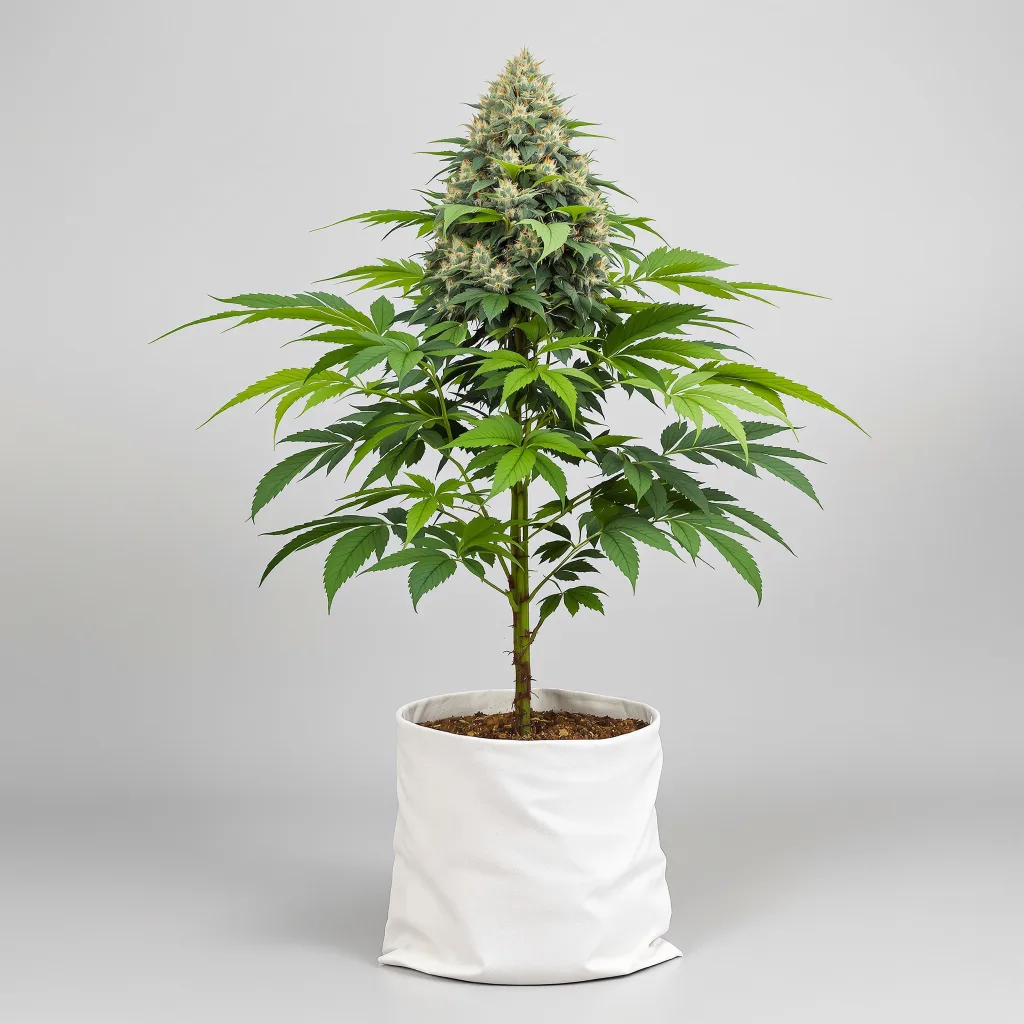
The OX Auto
indica
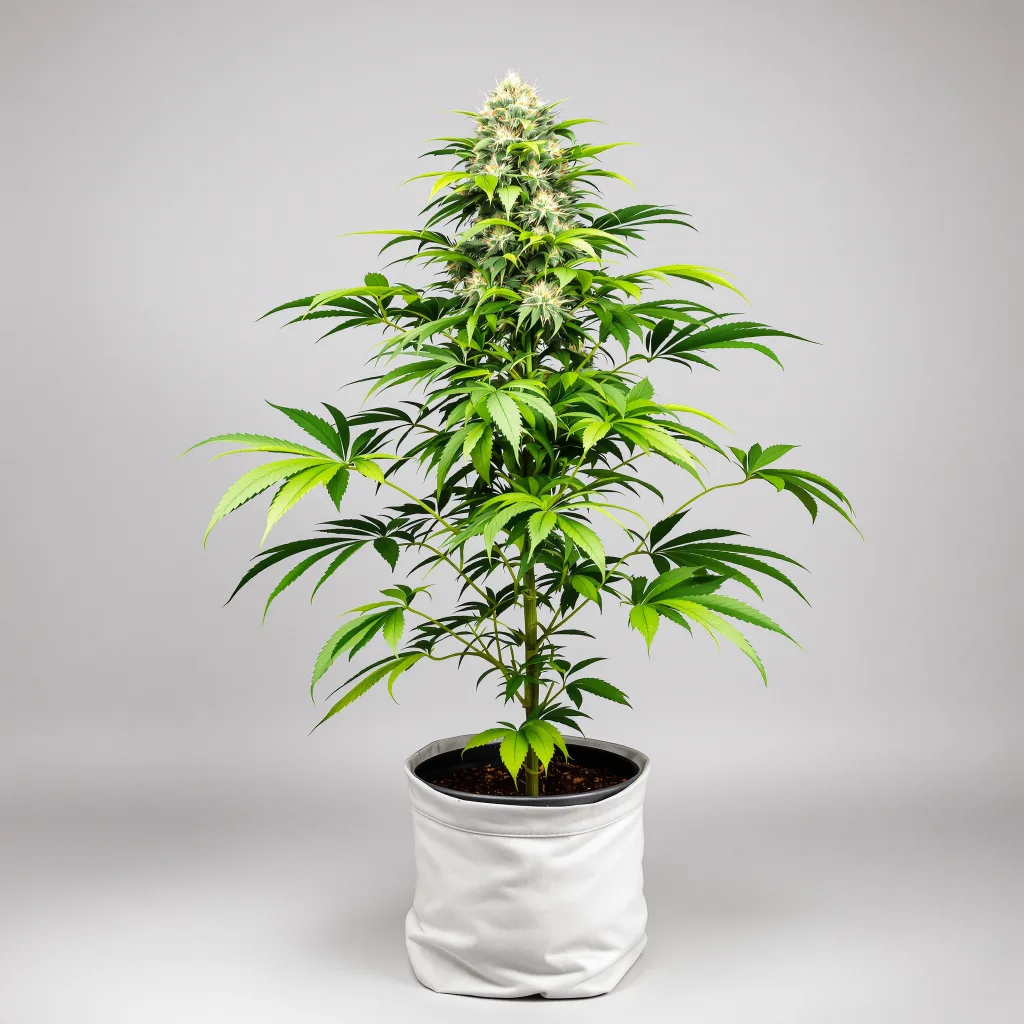
The Sister Auto
indica
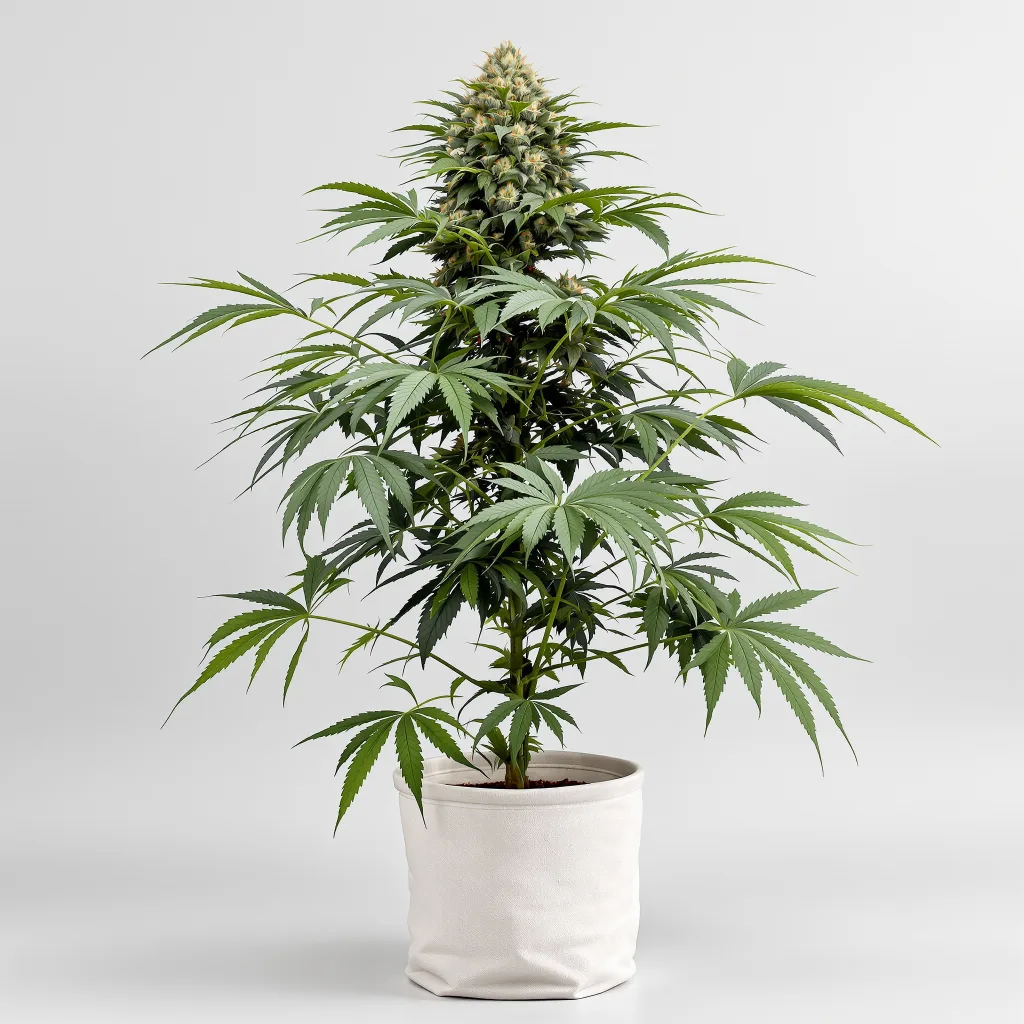
The OX Feminized
indica
The Hog Feminized
Browse the full All Cannabis Seeds collection
Premium genetics, shipped from within the US.
Related Articles
Cannabis Leaves: Structure, Function & What They Tell You | Royal King Seeds
strainGranddaddy Purp Strain: King of Purple Weed | Royal King Seeds
strainSkunk Weed Explained: Beginner's Guide | Royal King Seeds
support-harvestHow to Read Trichomes for Harvest | Royal King Seeds
support-growHow to Grow Medical Cannabis in 7 Easy Steps.
generalCommon Diseases that Affect Cannabis Plants.
Ready to Start Growing?
Shop feminized, autoflower, and CBD strains with 95% germination and free delivery on eligible orders of $150 or more.
Shop Cannabis Seeds