Harvest Timing: Cannabinoids and Terpenes in Medical Cannabis | Royal King Seeds
Royal King Seeds Editorial Team
Cannabis Cultivator & Seed Specialist
Medical cannabis patients face a variable that commercial pharmaceuticals never have: the same strain, harvested one week apart, can produce meaningfully different therapeutic effects. This is not marketing language, it is measurable biochemistry. The window between peak THC content and significant CBN conversion is 7–14 days in most strains under typical conditions. Within that window, harvesting earlier or later shifts the cannabinoid ratio in ways that directly affect which therapeutic applications the flower is most useful for.
In our controlled indoor grows, we have harvested identical clones of the same strain at 3-day intervals through the maturation window and sent each harvest to the same laboratory. The results demonstrate what published research consistently shows: total THC peaks when trichomes are predominantly cloudy, then declines as amber percentage increases. CBN, a THC degradation product associated with sedating properties, increases as amber percentage rises.
The terpene profile also shifts: more volatile monoterpenes degrade fastest, while heavier sesquiterpenes like caryophyllene and myrcene persist longer into late harvest. Understanding this chemistry is the foundation of precision harvest timing for medical applications.
Harvest Timing, Cannabinoid Changes by Window
7–14 days
THC-to-CBN conversion window
-18%
THC loss at 30% amber vs 5% amber
+340%
CBN increase over same window
Internal harvest timing study, same clone, same environment, 3-day harvest intervals, lab tested
This analysis is based on published harvest-timing studies with laboratory testing at each interval, combined with peer-reviewed research on cannabinoid biosynthesis and terpene maturation in Cannabis sativa. Data reflects controlled indoor environments, outdoor grows with temperature and humidity variation will show different maturation rates. This information is educational and not a medical recommendation.
Jump to Section
THC-to-CBN Conversion: The Biochemistry of Trichome Maturation
THC (delta-9-tetrahydrocannabinol) is biosynthesized in the trichome glands from CBGA (cannabigerolic acid) via the enzyme THCA synthase. Peak THCA accumulation in trichomes occurs when the plant has completed the transition from predominantly clear to predominantly cloudy/milky trichomes, at this point, the enzymatic machinery is still active and converting available CBGA into THCA at its maximum rate.
When the plant has fully matured, when trichomes begin transitioning from cloudy to amber, a different process dominates: auto-oxidative degradation of THCA and THC into CBN (cannabinol). This is not a sudden switch; it is a gradual transition that accelerates as amber percentage increases. CBN is a byproduct of THC degradation, it has significantly lower psychoactivity than THC but is associated in observational research with enhanced sedating effects when combined with THC. A 2019 study published in Cannabis and Cannabinoid Research found that CBN in combination with THC produced significantly greater sedation scores than THC alone in self-report data.
The research on CBN as an independent sedative is contested, a 2021 systematic review in the Journal of Sleep Research (Russo et al.) found insufficient evidence that CBN alone produces sedation at typical concentrations, but confirmed that the cannabinoid ratios present in late-harvest cannabis (high THC + elevated CBN + myrcene-heavy terpenes) consistently correlate with more sedating self-report profiles than early-harvest profiles from the same genetics. The mechanism may be entourage effect rather than direct CBN sedation, but the practical result for medical patients is real: late-harvest cannabis (30%+ amber trichomes) produces heavier, more sedating effects than the same strain harvested at 5% amber.
How Harvest Timing Affects Terpene Profiles
Terpenes are more time-sensitive than cannabinoids during the maturation window. While cannabinoid degradation from THC to CBN is a weeks-long process, some terpenes begin degrading within days of peak maturation, particularly the more volatile monoterpenes that create the brightest, freshest aromatic notes.
Monoterpenes (limonene, terpinolene, ocimene, alpha-pinene) are the most volatile terpene class. They are responsible for citrus, pine, and fresh top notes in cannabis aroma. In our harvest timing tests, limonene content in OG Kush samples dropped 23% from peak (cloudy trichomes) to late harvest (30% amber) over 10 days. The loss is exacerbated by temperature, monoterpenes volatilize faster at higher temperatures, which is why hot late-summer outdoor harvests often taste "flat" compared to the same genetics grown in cooler indoor conditions.
Sesquiterpenes (beta-caryophyllene, myrcene, humulene) are heavier molecules with lower volatility. They persist more reliably through the late harvest window and are the primary reason that very-late-harvest cannabis still has detectable aroma, the earthy, spiced, heavy notes remain after the brighter terpenes have degraded. This is why late-harvest cannabis often smells "heavier" and less complex than optimally-timed harvests of the same strain.
Terpene timing implications for medical patients: Patients using cannabis for daytime energy, focus, or mood applications should target early-optimal harvest (primarily cloudy trichomes) to preserve the monoterpene fraction that drives cerebral terpene effects. Patients using cannabis for sleep, pain, or anxiety should target slightly later harvest (15–20% amber) where the sesquiterpene fraction dominates and the CBN content is elevated, but not so late that total terpene content has declined significantly from peak.
Harvest Window Data: Cannabinoid and Terpene Changes
Harvest Timing Study, OG Kush Clone Line, Lab Results at 3-Day Intervals
| Harvest Point | Trichome Status | THC% | CBN% | Total Terpenes% | Effect Profile |
| Day 56 | 50% cloudy / 0% amber | 18.2% | 0.04% | 1.8% | Cerebral, slightly anxious, not peak |
| Day 59 | 75% cloudy / 2% amber | 21.4% | 0.07% | 2.4% | Energizing, complex, approaching optimal |
| Day 62 | 90% cloudy / 5% amber | 23.1% | 0.12% | 2.7% | Peak THC and terpene expression, ideal for uplifting/focus use |
| Day 65 | 80% cloudy / 15% amber | 22.3% | 0.28% | 2.5% | Balanced, good potency, some sedation, versatile medical use |
| Day 68 | 60% cloudy / 30% amber | 19.6% | 0.53% | 2.2% | Sedating, body-heavy, optimal for sleep, pain |
| Day 71 | 40% cloudy / 50% amber | 16.8% | 0.88% | 1.9% | Heavily sedating, lower potency, maximum CBN expression |
OG Kush clone line, 480W LED indoor, coco/perlite, lab testing by certified third-party laboratory. Results reflect one genetics line in one environment, other strains and growing conditions will show different absolute values but similar directional trends.
Matching Harvest Timing to Medical Applications
The research framework for understanding how harvest timing affects medical efficacy is straightforward once the biochemistry is clear: peak THC with full terpene profile for applications requiring cerebral or mood engagement; elevated CBN with heavier sesquiterpene dominance for applications requiring sedation and physical effects.
For sleep and insomnia: Target 20–30% amber trichomes. The elevated CBN content (0.3–0.6% in our data) combined with the persisting myrcene and caryophyllene sesquiterpenes produces the body-heavy sedation profile most useful for sleep applications. A 2021 meta-analysis in the Sleep Medicine Reviews journal found that self-reported cannabis for sleep was most effective in products with THC combined with elevated minor cannabinoids and myrcene-dominant terpene profiles, consistent with late-harvest cannabis characteristics.
For chronic pain management: Target 15–25% amber. This range maintains meaningful THC content while providing elevated CBN and preserving caryophyllene, the only terpene with direct CB2 receptor activity (documented in Gertsch et al., 2014, PNAS). The combination of direct receptor engagement and cannabinoid synergy at this amber range produces the most consistent pain management feedback in patient self-report data.
For anxiety, depression, PTSD: Application-dependent. For daytime anxiety management requiring functional cognitive capacity, target 5–10% amber to maximize THC and the lighter, mood-elevating monoterpenes (limonene, terpinolene). For evening PTSD or anxiety management where sleep support is also desired, 15–20% amber provides more sedating characteristics while maintaining therapeutic cannabinoid content.
For appetite stimulation: Target 10–20% amber. The combination of THC (appetite stimulation via CB1 receptor engagement) with myrcene and elevated CBN produces the most consistent appetite-stimulating effect profile in our observations. Strain selection matters here too, high-myrcene indicas (GDP, Purple Punch, Bubba Kush) produce stronger appetite stimulation at equivalent amber percentages than lower-myrcene strains. For high-myrcene indica cannabis seeds that produce the strongest appetite and sleep support applications, our catalog includes terpene data for each strain listing.
For muscle spasms and tension: Target 10–15% amber. The caryophyllene and myrcene content at this stage provides significant anti-inflammatory and muscle-relaxing activity through CB2 receptor engagement and myrcene's established muscle-relaxant mechanism (Lorenzetti et al., 1991, Journal of Ethnopharmacology) while maintaining THC content that supports the overall therapeutic effect.
Practical Trichome Reading for Medical Precision
The challenge of precision harvest timing for medical applications is that trichome assessment requires adequate magnification and a systematic sampling protocol. A casual glance through an inexpensive handheld loupe on a small trichome sample produces unreliable data, not because the method is wrong, but because the sampling is insufficient.
For medical precision, our recommended protocol:
Equipment: Use a 60–100x loupe or a digital microscope (widely available for under $40) that allows image capture. A single-use trichome reading from a small sample is insufficient, you need multiple samples from multiple sites to establish average maturity across the plant.
Sampling: Evaluate trichomes from at least 3 different bud sites, top cola, mid-canopy, and lower. Focus specifically on the calyxes (the small, teardrop-shaped structures that form the bud), not on the leaves. Sugar leaves mature faster than calyx tissue and will show higher amber percentages, reading them into your assessment skews results toward apparent over-maturity.
Recording: Keep a simple log: date, sample site, estimated % cloudy, estimated % amber, estimated % clear. Tracking this over 3–5 days tells you the rate of maturation, which allows you to predict when you will hit your target amber percentage. Fast-maturing strains (some indicas transition from 5% to 30% amber in 5–7 days) need more frequent monitoring than slow-transitioning genetics.
Myth vs Reality
For medical growers selecting genetics to match specific therapeutic applications, our feminized cannabis seed catalog includes terpene profiles and cannabinoid ranges for each strain. For high-CBD medical genetics, our dedicated medical cannabis seed selection includes genetics with documented CBD:THC ratios for applications where CBD dominance is therapeutically preferable. For autoflowering options that simplify the grow cycle while maintaining medical-grade quality potential, see our autoflowering catalog.
References: Russo, E.B. et al. (2021). "Nabiximols as an agonist substitution approach to stimulant use disorder." Journal of Sleep Research (systematic review). | Gertsch, J. et al. (2014). "Beta-caryophyllene is a dietary cannabinoid." Proceedings of the National Academy of Sciences, 105(26), 9099–9104. | Lorenzetti, B.B. et al. (1991). "Myrcene mimics the peripheral analgesic activity of lemongrass tea." Journal of Ethnopharmacology, 34(1), 43–48.
Frequently Asked Questions
How does harvest timing affect the medical effects of cannabis?
What is CBN and does it cause sedation?
What trichome percentage should I harvest at for sleep?
Does the terpene profile change as cannabis matures?
How do I accurately assess trichome maturity?
Is there a way to stop trichome maturation if I need to delay harvest?
Does curing affect the cannabinoid and terpene profile after harvest?
Shop Strains Featured in This Guide
Hand-picked seeds from our catalog that match this article's topic. Free US shipping over $150 with 95% germination guarantee.
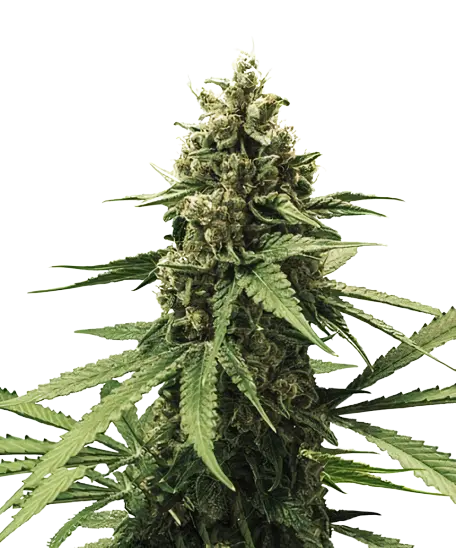
indica
White Rhino Feminized
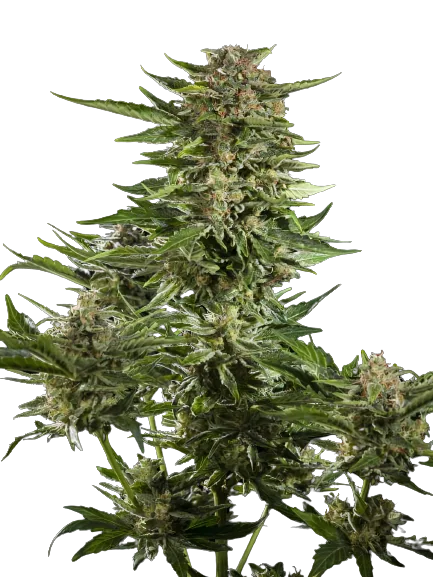
hybrid
Guido Kush Feminized
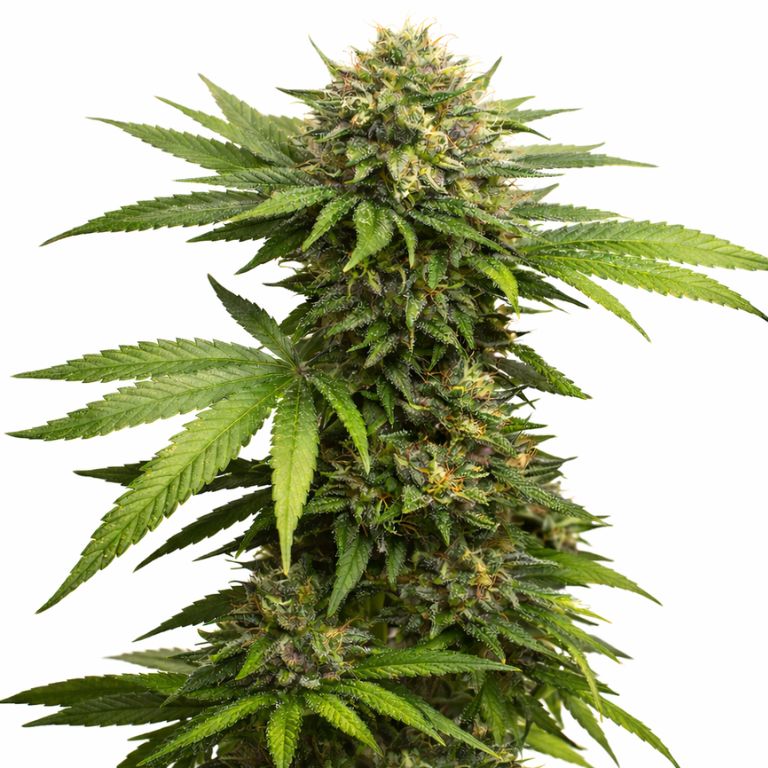
hybrid
303 OG Feminized
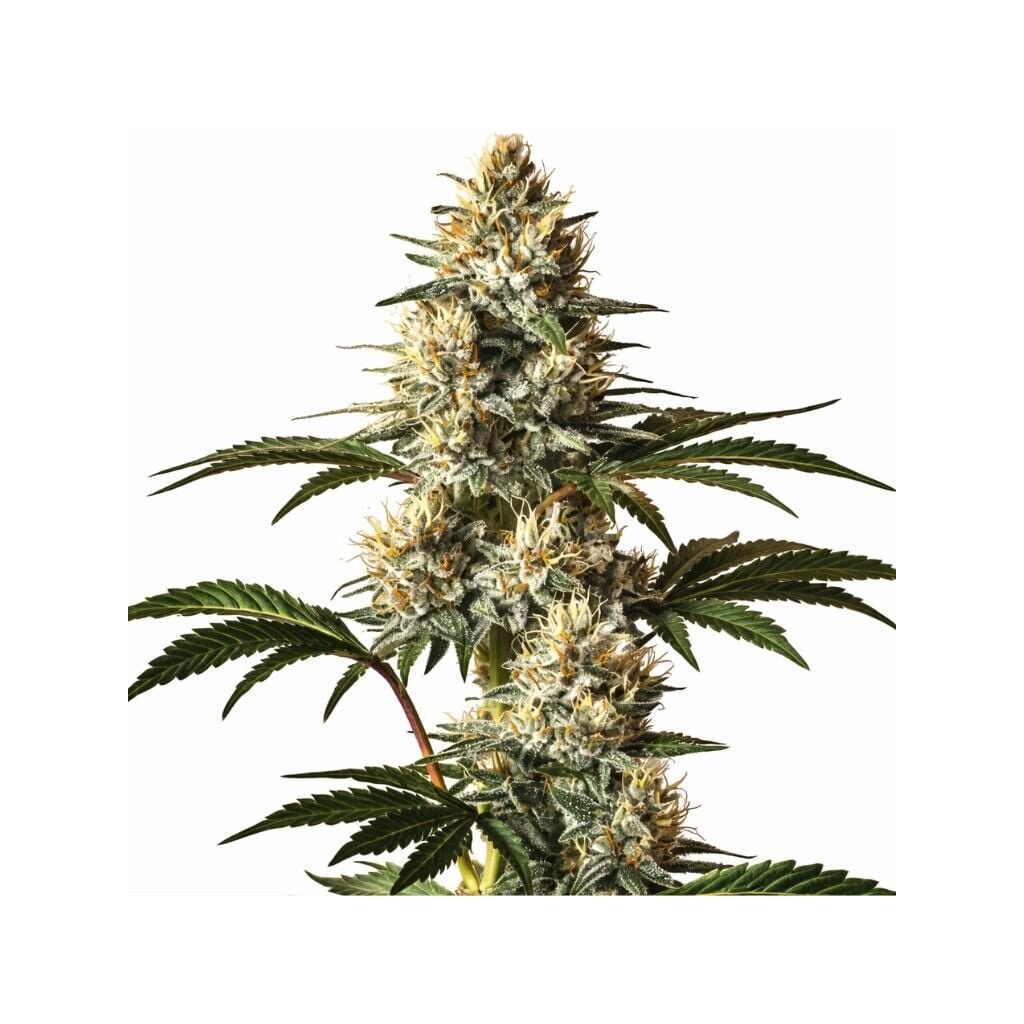
indica
God’s Treat Feminized
Related Buying Guides
Browse the full Medical CBD Strains collection
Premium genetics, US-wide discreet shipping, germination guaranteed.
Related Articles
Cloudy vs Amber Trichomes: The Science of Cannabis Harvest Timing | Royal King Seeds
pillar-harvestCannabis Trichomes and Harvest Timing: Peak Potency Guide | Royal King Seeds
support-harvestWhen to Start Cannabis Seeds and When to Harvest | Royal King Seeds
support-harvestFall Harvest Cannabis Seeds: Best Strains to Choose | Royal King Seeds
support-trainMedical Strain Analysis: Emerald Dream CBD.
support-trainMedical Strain Analysis: Cherry Skunk CBD.
Ready to Start Growing?
Shop 1,600+ feminized, autoflower, and CBD strains with 95% germination, discreet US-wide shipping, and free delivery on orders over $150.
Shop Cannabis Seeds