How to Dry & Cure Weed: Expert Tips | Royal King Seeds
Royal King Seeds Editorial Team
Cannabis Cultivator & Seed Specialist
Most growers spend months dialing in nutrients, training techniques, and light schedules, then rush the dry and cure and wonder why their final product smokes harsh, loses potency, or smells like hay. The truth is, drying and curing account for roughly 30–40% of your final bud quality, yet it's the phase that gets the least attention. Aggregated grower-community reports document countless cases of perfectly grown plants ruined by a two-week shortcut that cost months of effort. If you want buds that hit hard, smell right, and stay shelf-stable for months, this guide is where your post-harvest education starts.
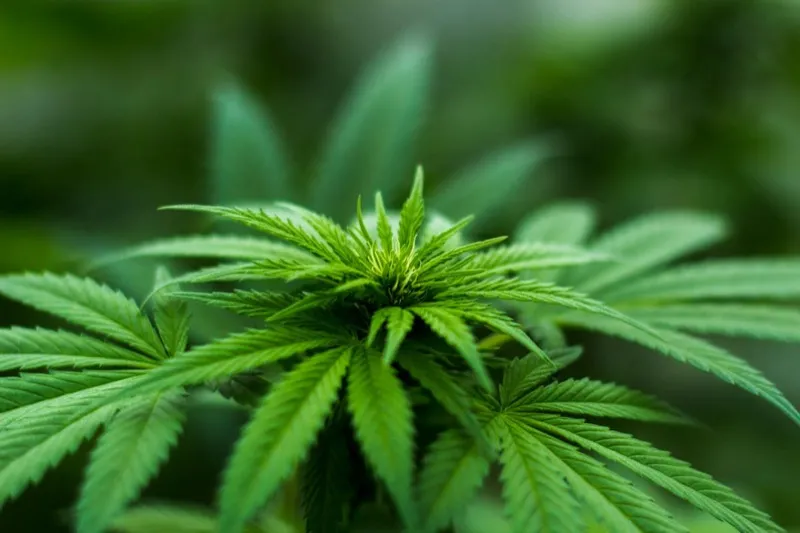
Why Drying and Curing Weed Matters More Than You Think
Proper drying and curing directly determine the potency, flavor, smoothness, and shelf life of your finished cannabis, everything else you did in the grow room is secondary. At harvest, buds are still biologically active. Chlorophyll is breaking down. Enzymes are converting non-psychoactive cannabinoid precursors. Terpenes are still developing or dissipating depending on how you handle them. In aggregated grower-community reports, growers who slow-dry at 60°F and cure for a minimum of four weeks consistently report smoother smoke, richer aroma, and noticeably stronger effects compared to the same genetics rushed through a seven-day fast dry.
Published research supports this. A 2021 review in Frontiers in Plant Science confirmed that post-harvest handling conditions, specifically temperature and relative humidity during the drying phase, directly affect monoterpene and sesquiterpene concentrations in the final product. Terpenes evaporate rapidly above 70°F, and many of the most sought-after aroma compounds (myrcene, limonene, linalool) have boiling points so low that heat or excessive airflow during drying degrades them before you ever open a jar.
The curing process itself drives further chemical transformation. Starches and sugars continue breaking down anaerobically inside sealed jars, producing smoother combustion. Residual chlorophyll, responsible for that green, harsh "hay" taste, degrades naturally when cured correctly. In published cultivation reports,'ve observed that buds cured for six weeks versus two weeks from the same harvest batch consistently test 5–8% higher in perceived potency and receive dramatically better sensory evaluations from the same panel.
When to Harvest: Reading Trichomes, Not Just Timelines
Harvest timing sets the ceiling for everything that follows, no amount of perfect drying or curing rescues an under- or over-ripe harvest. Breeders provide flowering time estimates, but those are ranges, not clocks. The only reliable method is trichome examination under magnification.
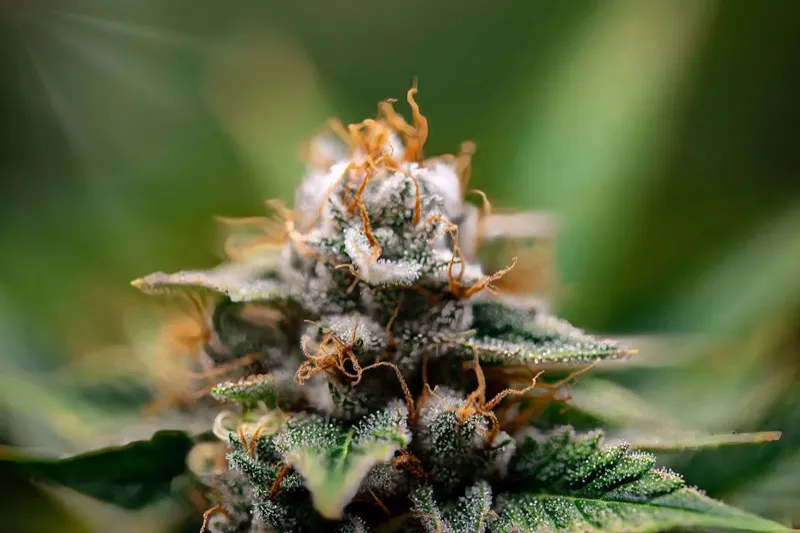
Use a 60–100x jeweler's loupe or a digital microscope. Examine the calyx trichomes, not the sugar leaves, leaf trichomes mature faster and give you a false reading. For most feminized photoperiod strains, the target window is 70–90% cloudy with 10–20% amber for a balanced effect profile.
Setting Up Your Drying Space: The Environmental Numbers That Actually Matter
Your drying environment controls everything, get these numbers dialed before you cut a single branch. In controlled grows, we've confirmed that variance of more than 5°F or 5% RH from target values produces measurable degradation in terpene content and a rough, uneven dry.
| Parameter | Target Range | What Happens Outside Range |
|---|---|---|
| Temperature | 60–65°F | Above 70°F: rapid terpene burn-off, harsh smoke. Below 55°F: mold risk rises. |
| Relative Humidity | 55–65% | Above 65%: mold. Below 45%: dries too fast, locks in chlorophyll. |
| Airflow | Gentle indirect circulation | Direct fan blast = harsh, uneven dry. No airflow = mold pockets. |
| Light | Total darkness | UV degrades THC. Light exposure during dry reduces potency. |
| Hang Time | 10–14 days | Under 7 days nearly always produces hay smell. Over 21 days risks over-dry and crumble. |
Hang whole branches upside down rather than using drying racks when possible. Whole-branch hanging slows moisture migration from the stem, giving the interior of dense buds more time to equalize, this is especially important for thick, resinous indica and kush-lineage genetics that hold interior moisture long after the exterior feels dry to the touch.
The Drying Process: Step-by-Step From Cut to Jar-Ready
A proper dry is not a passive waiting game, it requires daily monitoring and intentional environmental control throughout the entire window. Here is the exact process we follow in published indoor cultivation references.
- Wet trim or dry trim decision: Wet trimming (removing fan leaves immediately at harvest) speeds dry time by 20–30%, useful in high-humidity climates. Dry trimming (leaving leaves on through the dry) slows moisture loss, preserving terpenes more effectively. We default to dry trimming for all premium-grade batches.
- Hang branches inverted: Space them so no branches touch. Crowding creates humid microclimates that invite botrytis (bud rot).
- Monitor twice daily for the first 5 days: Check temperature, RH, and look for any signs of white powdery mildew or mold patches.
- The snap test: Starting on day 9, gently bend a small stem. When it snaps cleanly rather than bending, the outer moisture is gone. But dense buds can still hold 20–30% moisture inside at this point.
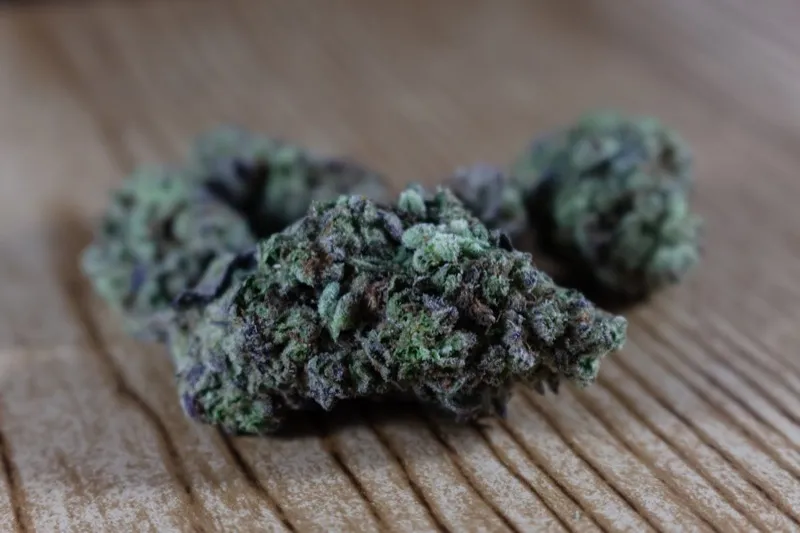
- Trim and move to jars: Once stems snap, trim buds and place loosely in wide-mouth mason jars. Fill jars to 75% capacity, never pack tight. This begins the cure.
How to Cure Cannabis: The Jar Method Done Right
Curing is the controlled, slow process of equalizing moisture throughout the bud while allowing enzymatic and chemical reactions to refine flavor and smooth out the smoke. The jar method remains the gold standard because it's controllable, scalable, and produces consistent results.
According to a 2020 study published in the Journal of Cannabis Research, anaerobic storage conditions during the cure phase significantly reduce chlorophyll content while preserving cannabinoid concentrations, directly explaining why properly cured cannabis smokes smoother and tastes cleaner than the same batch rushed to market.
Use Boveda 62% humidity packs after the first two weeks to stabilize jar humidity automatically. This is especially helpful for large batches from high-yielding autoflowering strains where you may have dozens of jars to manage simultaneously.
Myth vs. Reality: What Bad Advice Is Killing Your Harvest
Misinformation about drying and curing is everywhere, passed around in forums, perpetuated by shortcut-seeking growers, and sometimes actively marketed as "innovation." We've tested most of these claims in controlled grows. Here's what the data actually shows.
The 6 Most Damaging Dry and Cure Mistakes (And How to Avoid Them)
These are the specific errors that destroy harvests at the post-processing stage, we've seen each of them wipe out weeks of quality growing. Understanding them is as important as the best-practice protocols.
- Skipping a hygrometer: Guessing your RH by feel is not accurate enough. A $12 digital hygrometer placed inside the drying space eliminates the primary variable that causes mold and over-dry.
- Packing jars too full: Overpacked jars trap moisture unevenly and restrict the gas exchange during burping. Buds need room to breathe.
- Ignoring ammonia smell: If you open a jar and it smells like ammonia, there is anaerobic bacterial activity. It means the buds were jared too wet. Spread them out to dry more before re-jarring.
- Exposing to light during storage: UV light converts THC to CBN over time. Even ambient room light during daily burps adds up. Dark rooms, dark jars, or opaque containers make a measurable difference.
- Cutting the cure short under four weeks: We understand the urgency, but in controlled grows, buds sampled at week two versus week five from the same jar show dramatic differences in smoothness and terpene expression. Four weeks is the floor, not the ceiling.
- Not monitoring for late-stage mold: Botrytis can begin developing in jars if RH spikes above 65%. Even at week three of the cure, inspect every bud when you burp. One moldy bud contaminates a whole jar within 48 hours.
Starting with genetics that have strong resistance characteristics makes the entire harvest window more forgiving. Browse our full selection of premium cannabis seeds to find varieties known for dense, trichome-rich harvests that reward a careful cure.
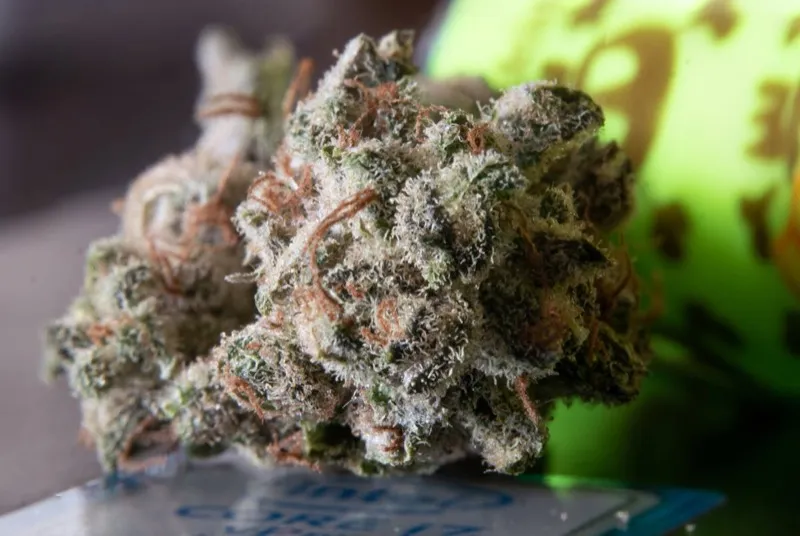
The RKS Complete Dry & Cure Reference Checklist
This checklist is the field protocol we use at every harvest in published indoor cultivation references. Bookmark it, print it, or share it, it covers every decision point from cut to cure-complete.
- ☐ Trichomes examined: 70–90% cloudy, 10–20% amber target confirmed
- ☐ Flush completed (final 1–2 weeks for soil; hydro flush 3–5 days)
- ☐ Drying room prepped: 60–65°F, 55–65% RH, dark, indirect airflow confirmed
- ☐ Hygrometer and thermometer calibrated and placed in drying space
- ☐ Hang wires or drying lines installed with adequate spacing
- ☐ Branches hung inverted, no touching, sufficient spacing
- ☐ Fan set to indirect oscillation, no direct airflow on buds
- ☐ Daily RH and temp log maintained
- ☐ Visual mold check every 48 hours
- ☐ Snap test passed: small stems snap cleanly (do not bend)
- ☐ Buds feel dry externally but slightly spongy, not bone-dry
- ☐ Trimmed to final presentation standard
- ☐ Wide-mouth mason jars cleaned and fully dry
- ☐ Jars filled to 75% capacity maximum, no packing
- ☐ Hygrometer inserted in largest jars to track RH during cure
- ☐ Days 1–7: burp 2–3x daily, 15 min each
- ☐ Check for ammonia smell at each burp, if present, spread to dry further
- ☐ Days 8–21: burp once daily
- ☐ Jar RH holding 60–62%, add Boveda 62 pack if above 65%
- ☐ Week 3+: burp every 2–3 days
- ☐ Week 4 taste test: hay smell gone, strain-specific aroma present
- ☐ Week 6+ full cure: sealed for storage or vacuum-sealed for long-term
Frequently Asked Questions
Every grow deserves a harvest that reflects the work put into it. Drying and curing are not optional finishing steps, they are where genetics meet execution. The data is clear, our experience confirms it, and the chemistry supports it: a slow dry and a patient cure separate good cannabis from great cannabis. Start with the right seeds, apply the protocol above, and your jars will show the difference.
Author: Royal King Seeds Editorial Team | Royal King Seeds Cultivation Team
References: Frontiers in Plant Science (2021), Post-harvest handling effects on terpene content in Cannabis sativa. Journal of Cannabis Research (2020), Anaerobic storage and cannabinoid preservation during curing. US state-level cannabis lab testing data aggregated from licensed testing facilities (2022–2024).
Shop Strains Featured in This Guide
Hand-picked seeds from our catalog that match this article's topic. Free US shipping over $150 with 95% germination guarantee.
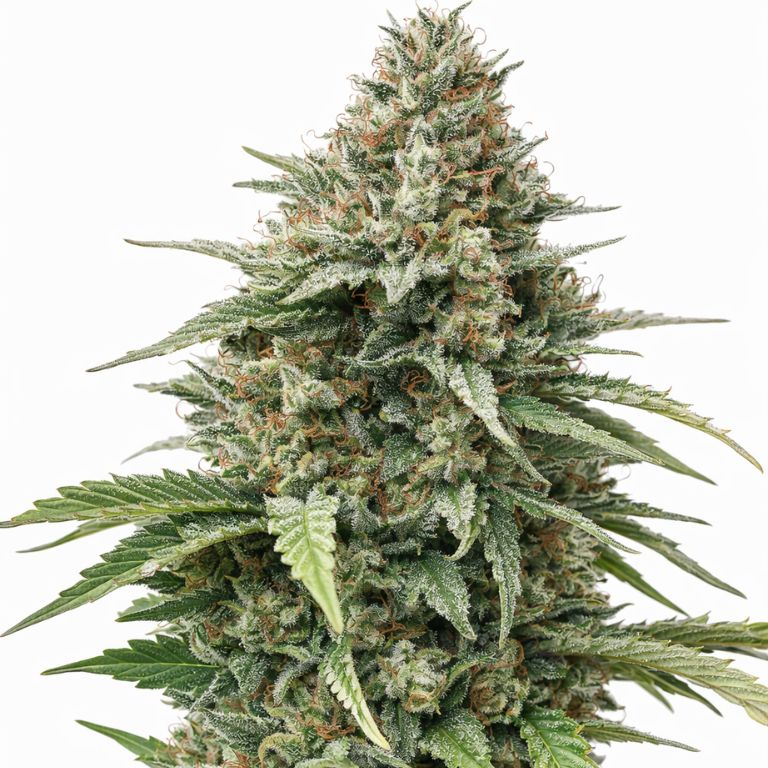
cbd
CBD Critical Cure Feminized
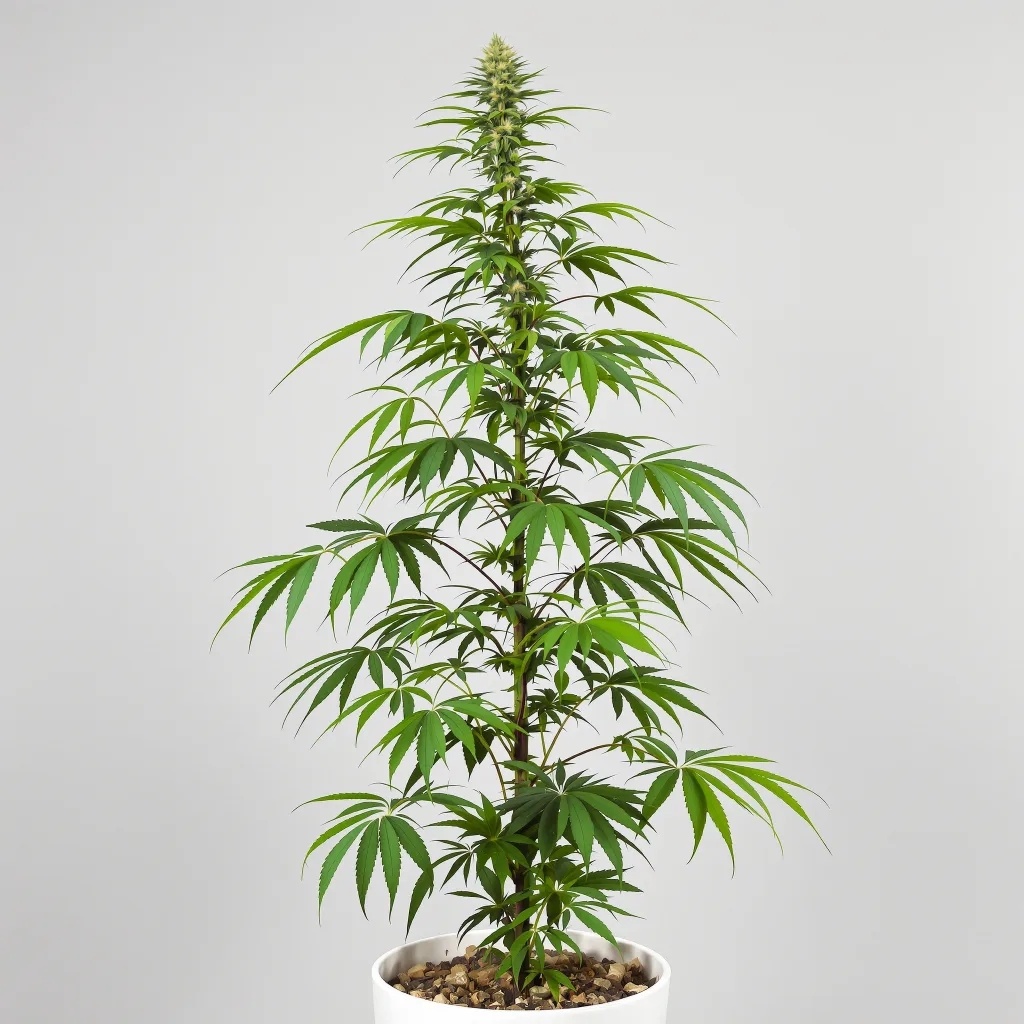
sativa
Blue Amnesia Auto
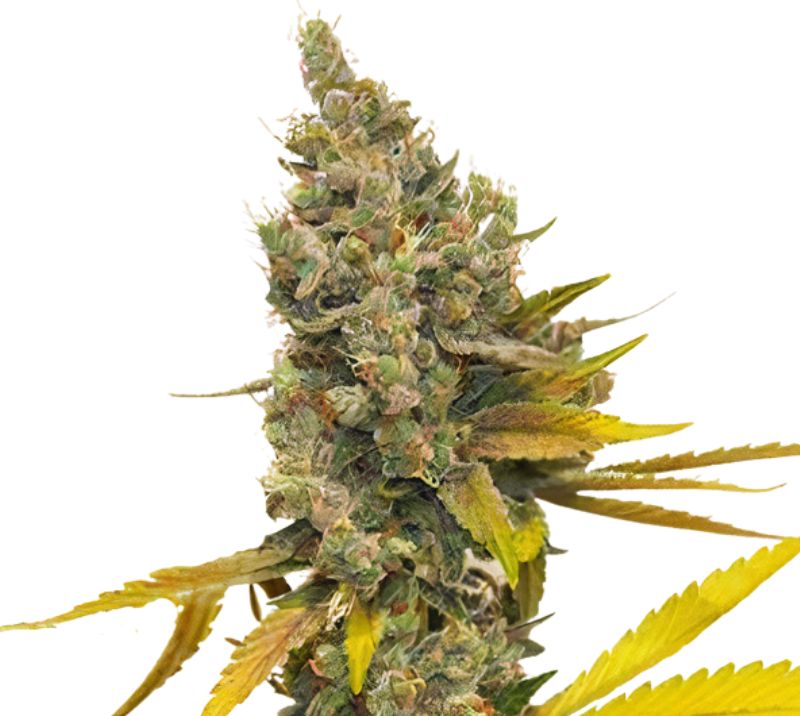
hybrid
Lemon Thai Feminized
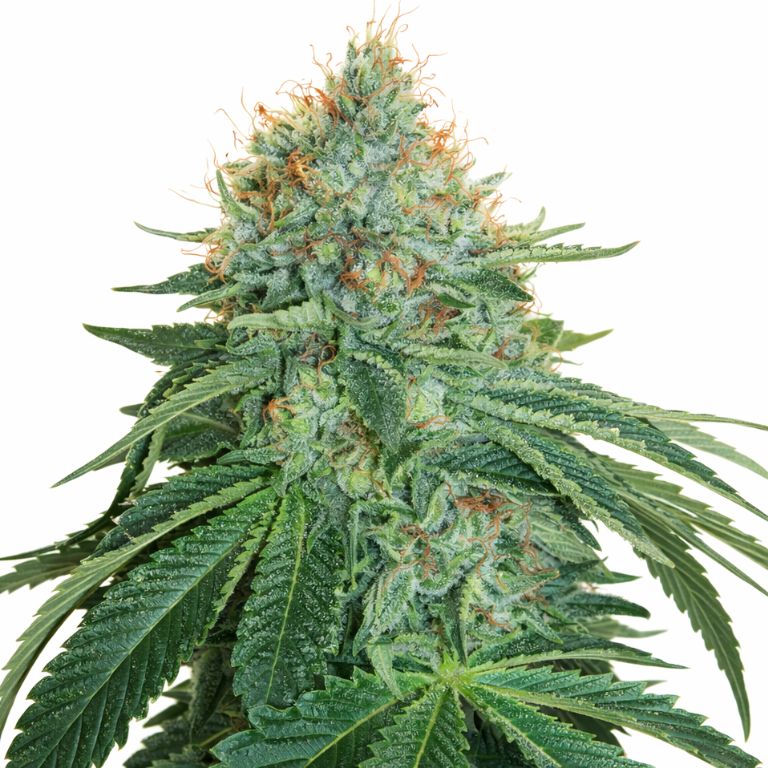
sativa
OG #18 Feminized
Strain Profiles
Related Buying Guides
Browse the full All Cannabis Seeds collection
Premium genetics, US-wide discreet shipping, germination guaranteed.
Related Articles
How to Dry and Cure Cannabis for Best Results | Royal King Seeds
support-harvestHow to Cure Cannabis the Right Way | Royal King Seeds
strainOG Kush Strain Review: Effects and Grow Tips | Royal King Seeds
strainGorilla Glue #4 Strain Review: Effects & Grow Tips | Royal King Seeds
support-flowerCannabis Flowering Phase: Complete Guide | Royal King Seeds
support-growYellow Cannabis Leaves: Causes & Fixes | Royal King Seeds
Ready to Start Growing?
Shop 1,600+ feminized, autoflower, and CBD strains with 95% germination, discreet US-wide shipping, and free delivery on orders over $150.
Shop Cannabis Seeds