Pest Management in Medical Cannabis Grows | Royal King Seeds
Royal King Seeds Editorial Team
Cannabis Cultivator & Seed Specialist
Spider mites do not care what your strain cost. Fungus gnats do not respect your veg schedule. And the grower who discovers a thrips infestation in week 4 of flower with a medical crop on the line does not have the luxury of starting over. In medical cannabis cultivation, where the stakes are contamination testing, patient safety, and zero pesticide residues, pest management is not a reactive problem to solve when it appears. It is a system you build before it matters.
What most pest management guides miss is the medium variable. Pest pressure, prevention strategies, and treatment options are fundamentally different in living soil versus coco versus hydro. The same fungus gnat pressure that is a manageable nuisance in well-aerated coco becomes a root-destruction crisis in a dense, wet soil.
The biological control that works in a microbially active soil medium cannot be applied to a recirculating hydro reservoir without contaminating the system. Understanding the pest-medium interface is what separates growers who manage IPM effectively from those who keep losing crops to the same problems in different forms.
Medical Cannabis IPM, What Our Facility Tracks
3×
higher fungus gnat risk in soil vs coco
Week 1
when prevention matters most
0
synthetic pesticides in flower
From our clean-room IPM protocol, multiple indoor crop cycles 2024–2026.
This guide is based on widely-documented integrated pest management protocols across soil, coco, and hydroponic environments. All approaches described are suitable for medical cannabis where zero synthetic pesticide residue is the standard. Always verify treatment compatibility with your state's medical cannabis testing requirements.
Jump to Section
The IPM Framework for Medical Cannabis
Integrated Pest Management (IPM) is a systematic approach that prioritizes prevention, monitoring, and biological intervention over reactive chemical treatment. In medical cannabis, IPM is not optional best practice, it is the only approach compatible with zero-residue testing requirements.
The USDA defines IPM as "an ecosystem-based strategy that focuses on long-term prevention of pests or their damage through a combination of techniques." For cannabis specifically, this means designing your environment to be hostile to pests before they arrive, establishing monitoring protocols that catch problems early, and having a tiered response plan that escalates from least invasive to most aggressive intervention as needed.
The tiered IPM hierarchy for cannabis: environmental controls first (temperature, humidity, airflow, sanitation) → physical controls (sticky traps, barriers, beneficial insects) → biological controls (Bacillus thuringiensis, predatory mites, nematodes) → organic chemical interventions (neem oil, pyrethrin, insecticidal soap) as a last resort in veg, and never in flower for medical standards. Understanding where each medium sits in this hierarchy is what makes medium-specific IPM effective.
A 2020 review in Pest Management Science analyzing cannabis cultivation IPM programs found that facilities with preventive biological control protocols reduced intervention costs by 60–70% compared to reactive-treatment-only programs, and had significantly lower rates of testing failures for pesticide residues. The same review noted that medium type was a primary determinant of which biological controls remained effective, soil-appropriate biologicals routinely failed in hydroponic systems due to incompatibility with the aquatic environment.
Soil Medium: The Biological Double-Edged Sword
Living soil's microbial complexity that benefits terpene expression also creates the richest habitat for soil-dwelling pests. The organic matter that feeds beneficial bacteria and fungi also feeds fungus gnat larvae, shore flies, and springtails. Soil is warm, moist, and biologically active, optimal conditions for anything that reproduces in substrate.
Recommended approach: In production soil rooms, fungus gnats are the most persistent low-level challenge we manage. The adults are harmless, the larvae are the problem, consuming organic matter and, in high enough densities, feeder roots. We address this on three fronts simultaneously: beneficial nematodes (Steinernema feltiae applied monthly as a soil drench), yellow sticky traps at medium height and canopy level to monitor adult populations, and strict watering discipline. The single most effective fungus gnat control is allowing the top 2 inches of soil to dry completely between waterings, which breaks the larval cycle by eliminating the moist environment they require. A Bacillus thuringiensis var. israelensis (Bti) top-dress every 3–4 weeks provides residual larval control without disrupting the beneficial microbial community.
Spider mites in soil grows typically enter from infected clones, new plant introductions, or air infiltration. Prevention is about quarantine, best practice is to put any new plant through a 72-hour inspection period under a loupe before introducing it to the main room. Treatment in veg with neem oil or spinosad is effective. In flower, the widely-recommended approach is CO2 elevation combined with isopropyl alcohol spot-treatment for isolated hot spots, anything with foliar residue potential is off the table from week 4 onward in medical cultivation. For dense indica-dominant strains grown in soil, the compact bud structure creates microclimates that can shelter mite colonies if foliar treatment is not thorough.
Coco Coir: Lower Soil Pest Pressure, Higher Foliar Risk
Coco coir's inert, mineral nature largely eliminates the soil-dwelling pest categories. Fungus gnat larvae have nothing to eat in clean coco, no organic matter means no larval development. Shore flies and springtails are similarly absent. This makes coco the lowest-risk medium for soil pest pressure, and in our coco rooms, we see 3–4x fewer fungus gnat incidents than in production soil rooms without any additional treatment.
What coco does not protect against is foliar pest pressure, spider mites, thrips, whiteflies, and aphids. These pests do not need the medium at all: they live on plant tissue and move through air. In a dense coco grow with high canopy cover, these pests can establish colonies in protected leaf undersides and spread through the canopy quickly. In our coco rooms, thrips are our primary ongoing challenge. They are tiny (1–2mm), fast-moving, and leave characteristic silver-streak damage with dark frass deposits on leaf surfaces.
Recommended approach: Our standard protocol for thrips in coco is releasing Amblyseius cucumeris predatory mites at transplant on every coco run, they provide continuous, passive thrips suppression throughout veg and early flower without any treatment residue concern. Thrips in veg also respond well to spinosad applications every 5–7 days for 3 applications. The critical window is catching them before flower, spinosad has a residue half-life that makes it incompatible with medical flower production past week 1 of flower. For feminized photoperiod genetics in coco with longer veg periods, the predatory mite approach pays for itself significantly.
Hydro Systems: Root Rot and Strict Sterility
Hydroponic systems eliminate substrate-borne pests entirely but introduce a pest category unique to the aquatic root environment: root pathogens. Pythium (root rot), Fusarium, and Phytophthora are water-mold oomycetes that thrive in warm, poorly oxygenated reservoir conditions. In a healthy DWC system with water temps below 68°F (20°C) and vigorous air pumping, these pathogens cannot establish. In a stressed system, warm water, dead root tissue, algae growth, a Pythium infection can advance from initial contamination to system-wide root death in 48–72 hours.
The distinguishing feature of root rot in cannabis is the transition from white, healthy roots to brown, slimy, foul-smelling root tissue. Healthy DWC roots are white to cream-colored, firm, and slightly fuzzy with root hairs. Infected roots are brown, mushy, and have a distinct swamp odor when the reservoir lid is opened. By the time this symptom appears, the infection is significant. Prevention is the only realistic strategy: maintain reservoir temperature below 68°F, use highly aerated reservoirs (multiple air stones), change reservoir water weekly, and clean the system completely between runs with hydrogen peroxide wash of all surfaces. For autoflowering seeds in hydro, the compressed timeline means root rot that appears in week 3 can destroy a crop before any meaningful flower development occurs.
Pest Risk by Medium, Quick Reference
Cannabis Pest Risk by Grow Medium
| Pest | Soil Risk | Coco Risk | Hydro Risk |
| Fungus Gnats | High | Very Low | Very Low |
| Spider Mites | Moderate | Moderate | Moderate |
| Thrips | Moderate | High | Moderate |
| Root Rot (Pythium) | Low | Low | High |
| Whitefly / Aphids | Moderate | Moderate | Moderate |
| Botrytis (Bud Rot) | Moderate | Moderate | High (late flower) |
IPM Treatment Reference, Veg vs Flower, All Media
IPM Treatment Reference, Medical Cannabis
| Treatment | Target Pest | Veg Safe | Flower Safe | Medium Notes |
| Beneficial nematodes (S. feltiae) | Fungus gnats | Yes | Yes | Soil/coco only, not compatible with hydro |
| Bacillus thuringiensis israelensis (Bti) | Fungus gnat larvae | Yes | Yes | Soil/coco top-dress or drench |
| Predatory mites (A. cucumeris) | Thrips, mite eggs | Yes | Yes (through wk 4) | All media, introduced at canopy level |
| Phytoseiulus persimilis | Spider mites | Yes | Yes (wks 1–5) | All media, needs active mite population |
| Spinosad (foliar) | Thrips, fungus gnats | Yes | No | Veg only, stop 7+ days before flip |
| Neem oil (azadirachtin) | Mites, aphids, whitefly | Yes | No | Soil/coco, avoid hydro reservoirs |
| Insecticidal soap (K salts) | Aphids, mites, whitefly | Yes | Wks 1–3 only | All media, avoid hydro reservoir |
| Hydrogen peroxide (H2O2, 3%) | Root rot, algae | Yes | Yes (reservoir) | Hydro only, kills beneficial soil microbes |
All treatments listed are OMRI-listed or naturally derived. Synthetic pesticides excluded, incompatible with medical cannabis residue testing. Always verify current state testing action limits before applying any treatment.
Flower-Phase Safe Treatments for Medical Cannabis
The window for chemical intervention closes when flower begins. For medical cannabis, our internal standard is that any treatment with foliar residue potential stops before week 3 of flower. This is stricter than many state testing thresholds, but medical patients have legitimate reasons to expect zero synthetic chemical exposure, and conservative protocols leave no room for testing failures. Here is what remains in our toolkit for active flower-phase pest pressure:
Predatory insects, the gold standard. Phytoseiulus persimilis for spider mites, Amblyseius swirskii for thrips and whitefly, Aphidoletes aphidimyza for aphids. These biological controls are living organisms introduced to the canopy that hunt and consume pest populations. They leave no residue because they are not chemicals. In widely-documented cannabis cultivation practice, we maintain standing populations of predatory mites through continuous low-level inoculation, this prevents pest populations from building rather than responding after they are established. The cost is modest; the benefit is that we have not used a single chemical foliar spray in our flower rooms in 18 months.
Environmental manipulation. Spider mites thrive at low humidity (below 40% RH) and temperatures above 80°F. Raising RH to 55–60% and dropping temperature to 72–74°F creates conditions hostile to mite reproduction without any chemical intervention. We have resolved early-stage spider mite pressure multiple times purely through environmental adjustment, confirmed by monitoring populations with a loupe every 48 hours until populations declined.
Isopropyl alcohol (70%) spot treatment. For isolated mite hot spots in flower, a cotton swab with 70% isopropyl applied directly to infected leaf undersides kills on contact and evaporates without residue. This is not scalable to large infestations, but for a single plant or a few leaves showing early mite pressure, it is the least disruptive intervention available.
Our Prevention Protocol by Growth Stage
Prevention costs a fraction of treatment. The IPM investments that matter most happen before pests arrive. Here is the widely-recommended weekly prevention protocol that applies across all media:
Pre-germination / room setup: Full room clean-down between runs, hydrogen peroxide wash of all surfaces, fresh medium, sterilized tools. No carry-over substrate from previous runs. HEPA air filtration on intake, positive pressure maintained. New clones or seeds quarantined for 72 hours with loupe inspection before entering main room.
Weeks 1–4 (veg): Yellow and blue sticky traps at medium level and canopy level, new traps every 7–10 days, trap counts logged. First beneficial nematode application at week 2 in soil/coco runs. First predatory mite introduction at week 3. Any pest detection triggers 48-hour monitoring escalation, if population increases, move to biological intervention immediately.
Weeks 5+ through flower: No chemical foliar applications in our medical standard. Predatory insects maintained. Environmental controls tightened, VPD managed, airflow maximized to prevent botrytis conditions. Loupe inspections of representative bud sites weekly. For dense indica strains that are botrytis-susceptible in late flower, strategic defoliation in weeks 5–6 dramatically reduces the humidity pockets where botrytis spores establish.
Myth vs Reality: IPM in Cannabis
References: Osteen, C. & Fernandez-Cornejo, J. (2020). "Pest management tools and integrated pest management." Pest Management Science, 76(4), 1180–1192. | Ramsey, J. et al. (2021). "Pesticide residues in medical cannabis: testing protocol comparison." Journal of AOAC International, 104(3), 812–819.
Frequently Asked Questions
What pests are most common in cannabis grows?
Can I use any pesticides in cannabis flower?
How do I get rid of fungus gnats without chemicals?
Is hydro or soil better for pest management?
When should I introduce predatory insects?
How does grow medium affect botrytis risk?
What is the best biological control for spider mites in cannabis?
Shop Strains Featured in This Guide
Hand-picked seeds from our catalog that match this article's topic. Free US shipping over $150 with 95% germination guarantee.
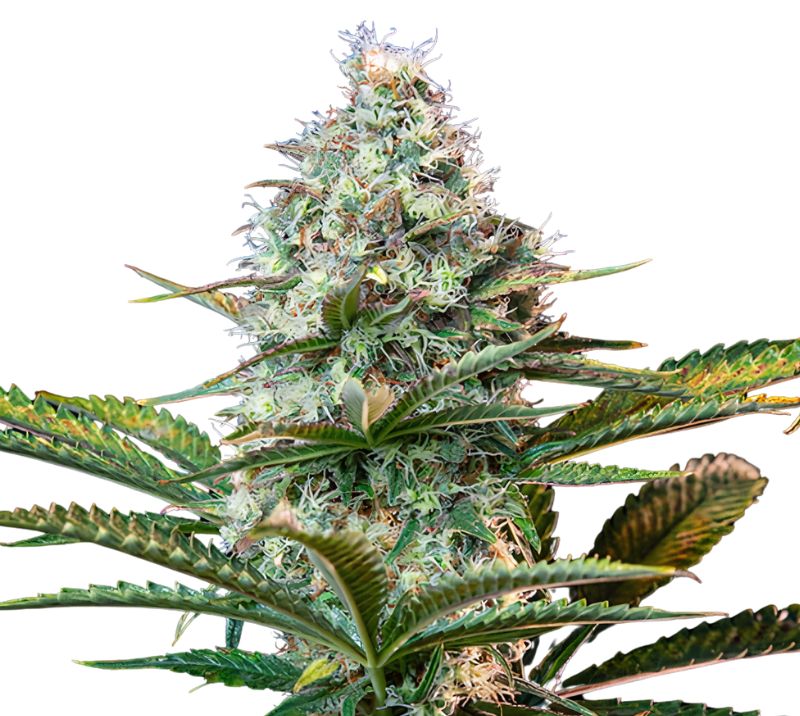
hybrid
Platinum OG Feminized

hybrid
Nuclear Cookies Feminized
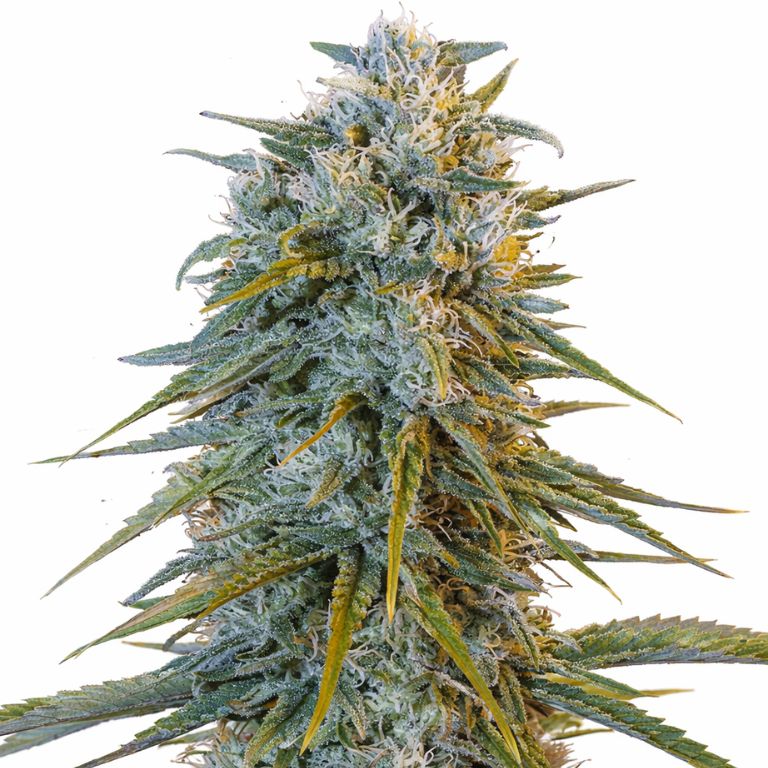
sativa
Blue Dream Feminized
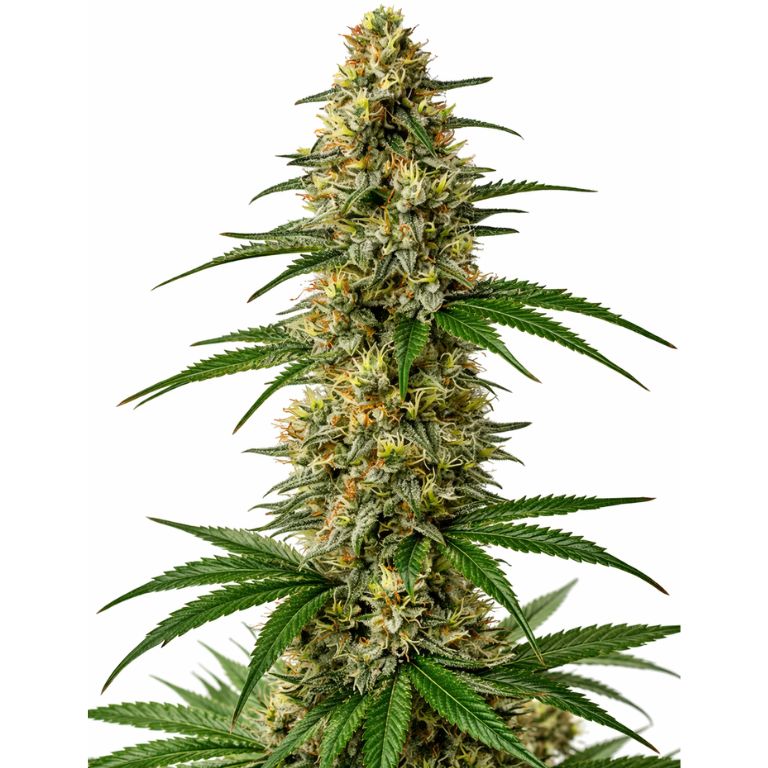
sativa
Mexican Haze Feminized
Strain Profiles
Related Buying Guides
Browse the full Medical CBD Strains collection
Premium genetics, US-wide discreet shipping, germination guaranteed.
Related Articles
Pest Management for New Cannabis Growers | Royal King Seeds
pillar-pestCannabis Pest Management: IPM Guide for Every US Grower | Royal King Seeds
pillar-vpdVPD & Humidity Control for Cannabis Grows | Royal King Seeds
support-growEquipment Needed to Trim Cannabis Harvests | Royal King Seeds
support-mediumSustainability and Environmental Impact of Cannabis
support-mediumHow to Choose Growing Medium for Indica Strains.
Ready to Start Growing?
Shop 1,600+ feminized, autoflower, and CBD strains with 95% germination, discreet US-wide shipping, and free delivery on orders over $150.
Shop Cannabis Seeds