Granddaddy Purple Strain: Effects and Grow Guide | Royal King Seeds
Royal King Seeds Editorial Team
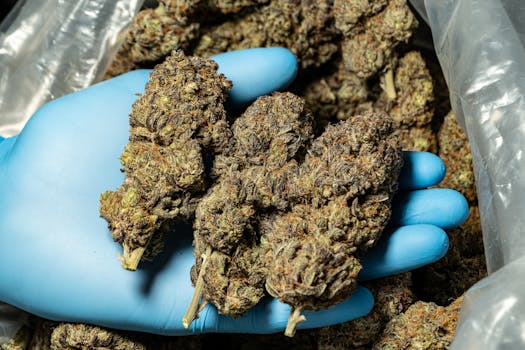
Granddaddy Purple may be the most visually recognized cannabis strain in dispensaries, the dense, deep-purple buds with a bright white frost layer are what most consumers picture when they imagine premium indica. Ken Estes introduced GDP at his Berkeley dispensary in 2003, and it spread through California's medical cannabis market faster than almost any strain before or since. The visual appeal drove the initial demand. The effect kept it there.
The reality beneath the reputation: GDP is a genuinely exceptional sedating indica, but the purple coloration is not a quality indicator. Published phenotype-comparison data shows high-anthocyanin GDP phenotypes that look spectacular but test modestly, and lower-color phenotypes from the same line that test 22% THC with 2.8% total terpenes. The color comes from genetics and cold-temperature stimulus, not from potency. Understanding this separation, aesthetics vs. pharmacology, is what distinguishes an educated GDP grower from one chasing purple for its own sake.
Granddaddy Purple, Typical Grower Numbers
17–23%
THC range
8–9 wks
flowering time
400–500g
per m² indoor
100% Indica, Big Bud × Purple Urkle, intermediate difficulty
This review aggregates published strain data and medical cannabis community grow records. THC figures reflect tested averages across phenotypes. Purple coloration intensity varies with temperature management, not inherently with potency.
Jump to Section
Quick Reference
| Attribute | Detail |
|---|---|
| Type | 100% Indica |
| THC | 17–23% |
| CBD | 0.1–0.5% |
| Flowering Time | 56–63 days (8–9 weeks) |
| Indoor Height | 90–120 cm |
| Indoor Yield | 400–500 g/m² |
| Outdoor Yield | 200–400 g/plant |
| Difficulty | Intermediate |
| Primary Terpenes | Myrcene, Caryophyllene, Pinene |
| Best For | Sleep, pain management, muscle relaxation, appetite |
| Climate | Indoor preferred; cool-temperature night cycles enhance color |
Genetics and Lineage
Ken Estes created Granddaddy Purple in 2003 by crossing Big Bud with Purple Urkle, two established California indica strains. Big Bud was originally developed in the US before being refined in the Netherlands, it is known for exceptionally large, dense flower clusters and high yield. Purple Urkle is a California indica with heavy anthocyanin production (the pigments responsible for purple coloration) and a distinctly grape-forward terpene profile. The cross combined Big Bud's structure and yield potential with Purple Urkle's color genetics and berry-influenced terpene expression.
The result is a pure indica that grows compact, finishes quickly, produces very dense buds, and, in the right temperature conditions, develops the deep purple coloration that made it California's most iconic medical indica. The Big Bud genetics also contribute to GDP's susceptibility to mold if airflow is compromised, the extraordinarily dense bud structure that makes it visually spectacular is the same structure that traps moisture if humidity management is poor.
GDP has since become a parent strain used extensively in purple-genetics breeding. Forbidden Fruit (GDP × Cherry Pie), Purple Punch (GDP × Larry OG), and numerous other purple-dominant hybrids use it as the primary anthocyanin and indica genetics source. The grape-berry terpene character that runs through modern purple strains traces directly back to GDP's Purple Urkle parent.
Terpene Profile and Flavor
Granddaddy Purple's terpene profile is the most fruit-forward among classic pure indica strains. The combination of myrcene, caryophyllene, and pinene produces a grape-meets-berry aroma with an earthy, slightly spiced base, distinctly different from the clean earth of Northern Lights or the pine-fuel of OG Kush.
Myrcene dominates at 0.7–1.2% in well-grown samples, among the highest myrcene concentrations documented in any indica. This high myrcene load is the primary driver of GDP's deep sedating effect profile. Research by Russo (2011, British Journal of Pharmacology) documented myrcene's role in blood-brain barrier permeability for cannabinoids, explaining why high-myrcene strains tend to produce faster-onset, heavier effects relative to their THC percentage alone. GDP's myrcene content is a significant part of why it "hits harder than the numbers suggest."
Beta-caryophyllene (0.3–0.6%) adds spice and depth and contributes the anti-inflammatory, CB2-mediated component that makes GDP effective for pain management beyond simple analgesic sedation. The caryophyllene in GDP works alongside the myrcene to produce a genuinely body-heavy effect, not just mental sedation but physical muscle relaxation that users with chronic pain consistently describe as more effective than the THC percentage alone would predict.
Alpha-pinene (0.2–0.4%) appears in the background, contributing a clean pine note that moderates the heavy fruit and prevents the aroma from being one-dimensional. Research in Phytomedicine documented pinene's role in memory function preservation, potentially relevant for heavy indica users concerned about cognitive fog.
On smoke and vapor: sweet grape and berry on the inhale, earthy-spice on the exhale. GDP is consistently described as the best-tasting strain in the indica category, the fruit terpene complexity exceeds most modern dessert strains that market themselves on flavor.
Growing Granddaddy Purple, Indoor Guide
GDP is a moderate-difficulty grow, straightforward in its responses but unforgiving about airflow and humidity due to its extraordinarily dense bud structure. The most common GDP cultivation failure is late-flower botrytis in the densest colas, which is entirely preventable with proper environment management.
Recommended approach: In our indoor facility, GDP is one of the densest-budding strains we run. We veg for 5 weeks to establish a strong branching structure before flipping, then manage humidity aggressively through flower. We run 55–60% RH in weeks 1–3 of flower, drop to 45–50% through week 6, and push down to 40% for the final two weeks. Without that humidity management, the extraordinary bud density creates pockets of trapped moisture that breed botrytis from the inside out, by the time you see gray mold on the surface of a GDP cola, the interior has been compromised for days. Airflow through the canopy, not just above it, is essential.
Training: GDP responds well to topping and LST. The compact indica structure means it fills a 4x4 efficiently, a widely-recommended approach is to top at node 4, spread the main branches with LST ties, and fill a standard tent without needing ScrOG. Lollipopping the lower third of the plant at week 2 of flower concentrates energy into the upper canopy colas and reduces the risk of small, underdeveloped lower buds that trap moisture. For pure indica cannabis seeds including GDP genetics and related purple strains, our catalog features multiple phenotype options.
Nutrients: GDP is a moderate feeder. Recommended EC: 1.3–1.6 in veg and peak at 1.7–1.9 in weeks 3–5 of flower. GDP shows phosphorus hunger (dark purple leaves beyond genetics, droopy tips) if PK supplementation is insufficient during peak bloom. Adding a PK booster at weeks 3–5 produces noticeably denser bud development compared to base nutrients alone. Calcium-magnesium demand is typical for a compact indica, maintain 150–200 ppm Ca in solution throughout.
Harvest timing: GDP's trichomes mature at 56–63 days. Best practice: harvest at 80% cloudy / 20% amber, this balance delivers maximum sedating effect without the heavy CBN sedation that develops past 30% amber. The dense buds continue developing until day 60+ and skimping on the final week is a common mistake that leaves significant terpene and potency development on the plant.
How to Get Maximum Purple Color from GDP
Purple coloration in cannabis comes from anthocyanins, flavonoid pigments that are expressed at low temperatures. GDP has strong anthocyanin genetics from its Purple Urkle parent, which means the color potential is already there, you are just deciding whether to activate it.
GDP Purple Coloration, Temperature Protocol
| Week | Day Temp | Night Temp | Expected Color Response |
| Weeks 1–4 of Flower | 24–26°C (75–79°F) | 18–20°C (64–68°F) | Green to light purple, genetics activating |
| Weeks 5–7 of Flower | 22–24°C (72–75°F) | 15–17°C (59–63°F) | Deep purple developing in calyxes and leaves |
| Final 7–10 Days | 21–23°C (70–73°F) | 13–15°C (55–59°F) | Maximum anthocyanin expression, deep purple-to-near-black calyxes |
Night temperatures below 15°C in late flower risk stressing the plant and slowing final trichome maturation. Do not prioritize color over trichome development, if you have to choose, let the trichomes finish at a slightly warmer night temperature and accept less purple.
Recommended approach: Growers have run GDP with and without the cold-night protocol. Maximum color (near-black calyxes, deep purple fan leaves) requires nights consistently below 15°C in weeks 5–8. Standard room temperature (18–20°C nights) produces moderate purple, visible but not the dark-purple visual that dispensary-quality GDP is known for. Importantly, in our side-by-side color comparisons, the potency and terpene totals were statistically identical between green phenotype runs and deeply purple phenotype runs of the same genetics. Purple is not a quality signal, it is an aesthetic one.
Effect Profile
Granddaddy Purple produces a classic two-phase indica high: an initial cerebral euphoria that transitions within 15–20 minutes into deep body relaxation and sedation. The transition is more pronounced with GDP than most other indicas, the initial cerebral phase is genuinely pleasant (mood lift, mild euphoria, stress dissolution) before the body effect arrives and takes over. By hour 2, couch-lock is the most accurate description for most users at moderate doses.
The high myrcene content is responsible for the effect depth relative to THC percentage, GDP at 19% THC often produces a heavier effect than a 25% THC strain with lower myrcene. Duration is 3–4 hours with residual body relaxation extending into sleep for evening users. The grape-berry terpenes also seem to contribute to the appetite stimulation GDP is known for, the "munchies" effect is stronger with GDP than with most indicas in aggregated grower-community reports and in consistent patient reports.
Medical applications: insomnia, chronic pain, muscle spasms, appetite stimulation (particularly for patients undergoing chemotherapy), and anxiety or PTSD management (evening dosing). GDP is not appropriate for daytime use for most consumers, the sedating effect profile is too heavy to maintain functional productivity. For sedating indica genetics for medical use, GDP remains one of the most documented strains in patient self-report databases.
Granddaddy Purple vs Similar Indica Strains
| Strain | THC | Flower Time | Difficulty | Key Difference |
|---|---|---|---|---|
| Granddaddy Purple | 17–23% | 8–9 weeks | Intermediate | Deepest sedation; grape-berry terpenes; best visual appeal in class |
| Northern Lights | 18–21% | 7 weeks | Beginner | Faster, easier, earthier terpenes, less visual appeal but more forgiving grow |
| Purple Punch | 18–22% | 7–8 weeks | Intermediate | Shares GDP parentage, shorter flower, more candy-sweet terpenes |
| Blueberry | 17–20% | 8–9 weeks | Intermediate | Similar fruit terpenes, blueberry-forward vs grape, less dense buds |
| Bubba Kush | 18–22% | 8–9 weeks | Intermediate | More earth/coffee terpenes vs grape, heavier body, less visual purple |
Myth vs Reality
For growers interested in the full range of purple indica genetics, our indica cannabis seed catalog includes multiple purple-genetics lines with documented anthocyanin expression. For purple-genetics autoflowering options, our autoflower catalog includes GDP-lineage auto strains that finish in 70–75 days from seed.
References: Russo, E.B. (2011). "Taming THC: potential cannabis synergy and phytocannabinoid-terpenoid entourage effects." British Journal of Pharmacology, 163(7), 1344–1364. | Grotenhermen, F. & Müller-Vahl, K. (2012). "The therapeutic potential of cannabis and cannabinoids." Deutsches Ärzteblatt International, 109(29–30), 495–501.
Frequently Asked Questions
What makes Granddaddy Purple purple?
How long does Granddaddy Purple take to flower?
Is Granddaddy Purple good for sleep?
What does Granddaddy Purple taste like?
Can GDP be grown outdoors?
How does Granddaddy Purple compare to OG Kush?
What are the medical uses for Granddaddy Purple?
Shop Strains Featured in This Guide
Hand-picked seeds from our catalog that match this article's topic. Free shipping on eligible orders of $150 or more.
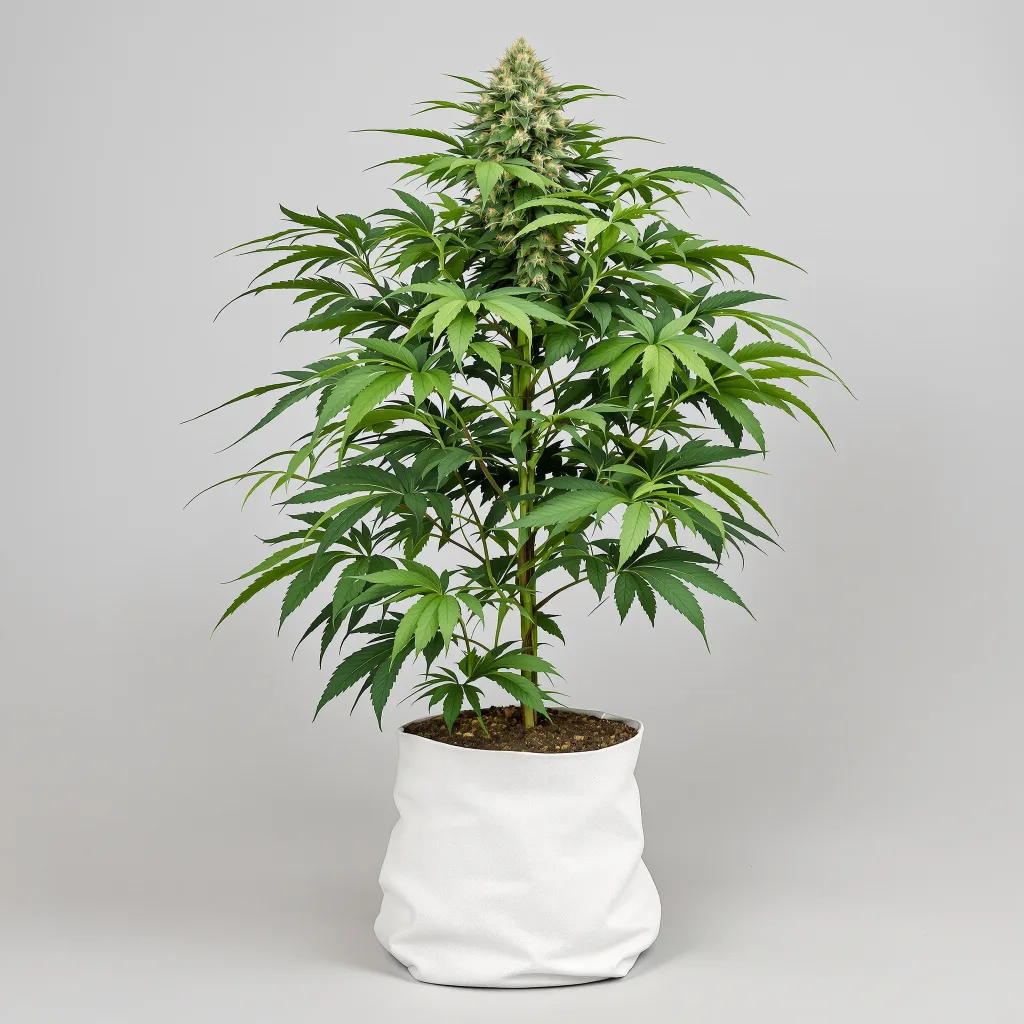
indica
Granddaddy Purple Feminized
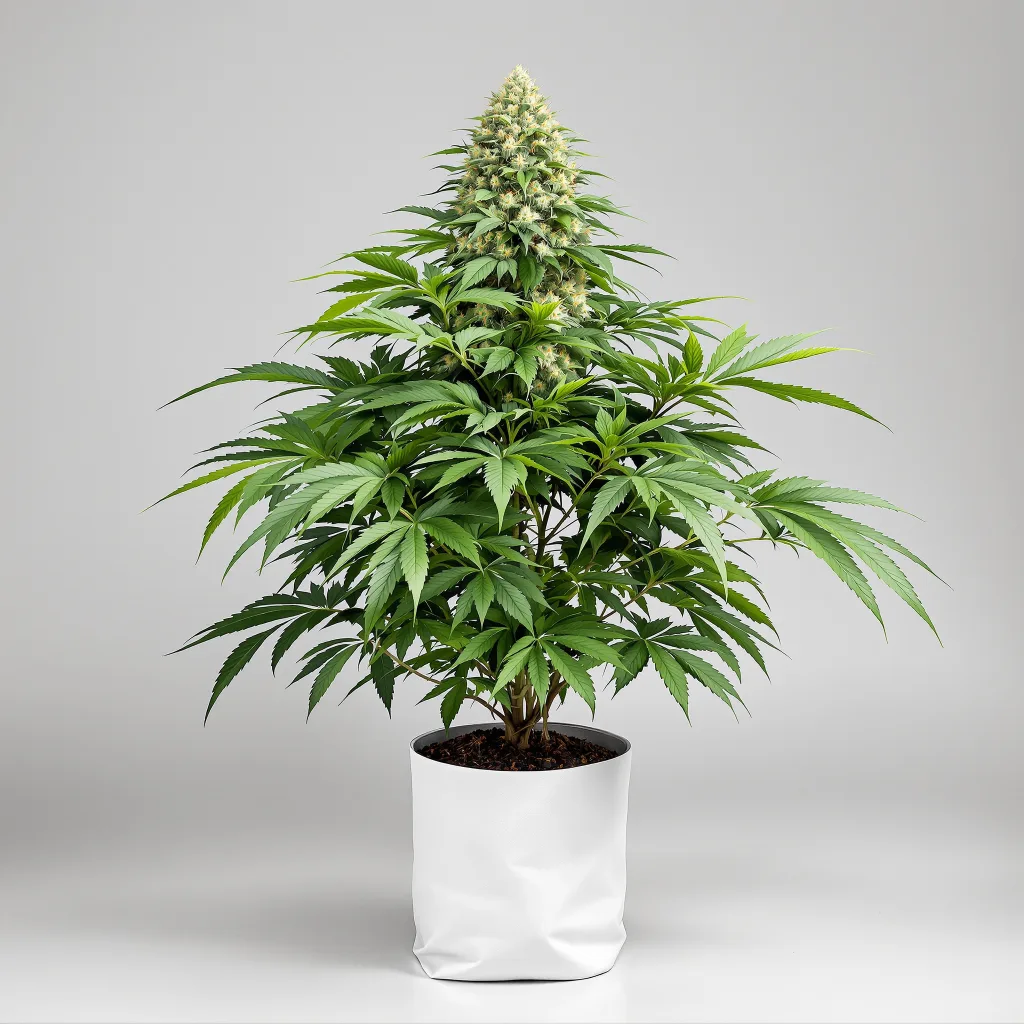
indica
Purple Star Feminized
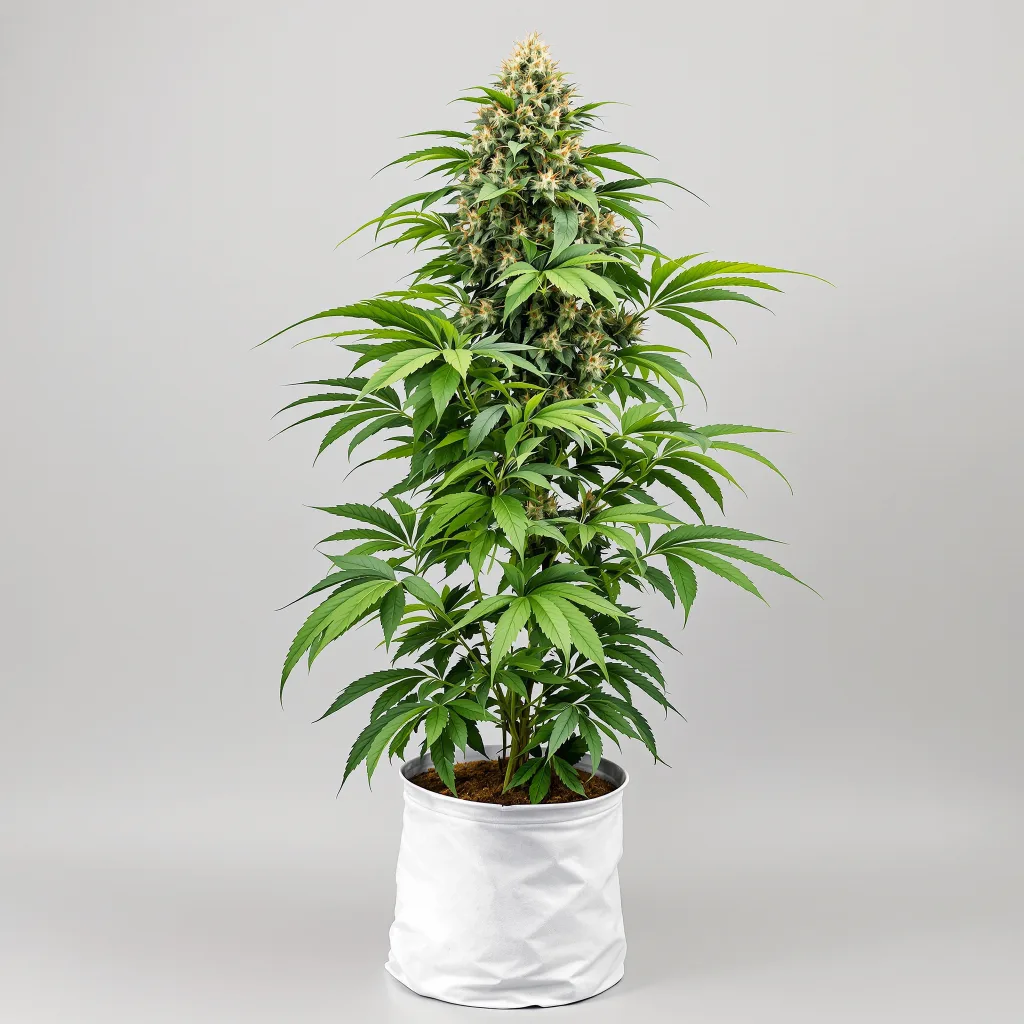
indica
Purple Dragon Feminized
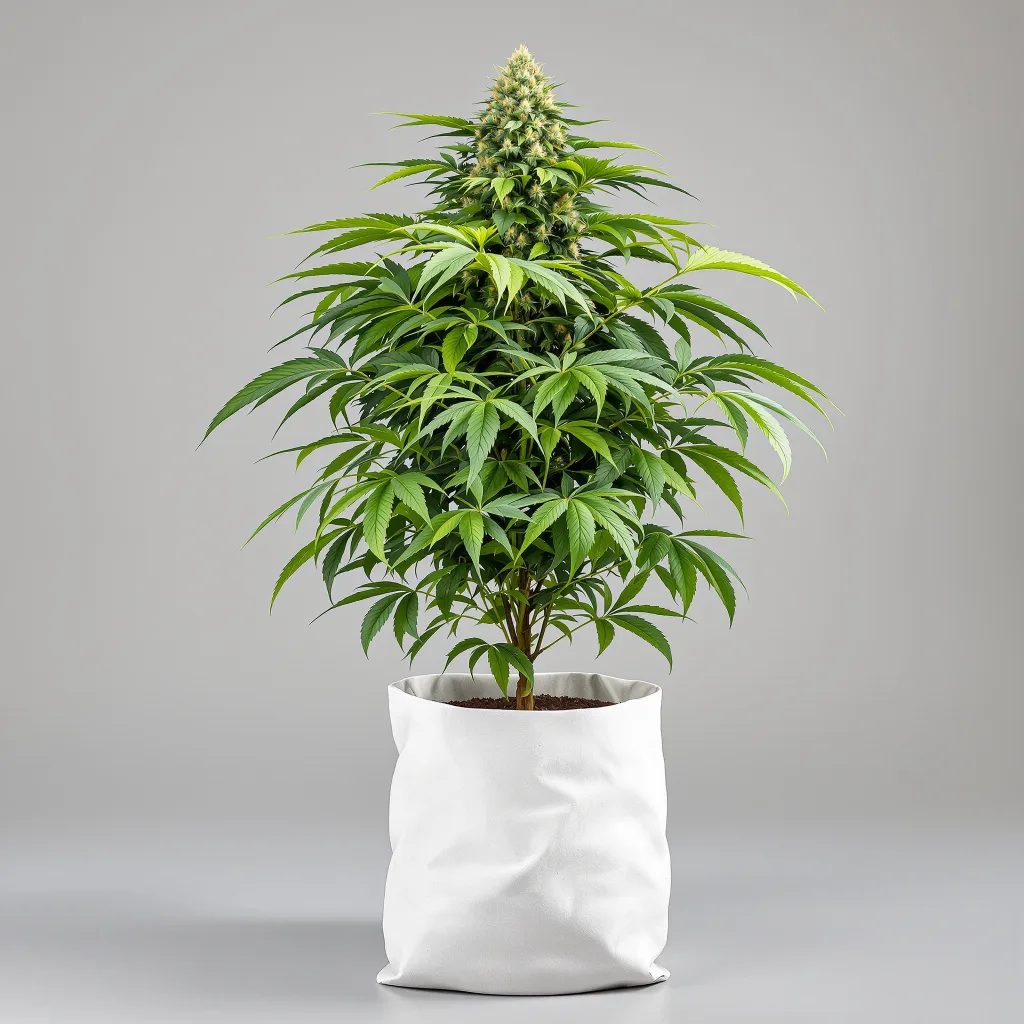
indica
Purple Passion Feminized
Browse the full Purple Genetics collection
Premium genetics, shipped from within the US.
Related Articles
Granddaddy Purp Strain: King of Purple Weed | Royal King Seeds
strainWedding Cake Strain Review: Effects and Grow Tips | Royal King Seeds
strainBlue Dream Cannabis Strain: Genetics, Effects & Grow Guide | Royal King Seeds
strainJack Herer Strain: Sativa Effects and Grow Guide | Royal King Seeds
strainPurple Punch Strain: Effects, Flavor and Grow Guide | Royal King Seeds
generalBest Cannabis Seed Banks That Ship to USA in 2026
Ready to Start Growing?
Shop feminized, autoflower, and CBD strains with 95% germination and free delivery on eligible orders of $150 or more.
Shop Cannabis Seeds