Apples and Bananas Strain: Terpene Profile & Grow Guide | Royal King Seeds
Royal King Seeds Editorial Team
Most growers who fail with Apples and Bananas make the same mistake before they ever plant a seed — they underestimate it. This is not a beginner-friendly, set-it-and-forget-it cultivar. Its extraordinary resin output and towering THC levels come with a real price: the strain punishes humidity swings, nutrient overload, and lazy canopy management harder than almost any other modern hybrid. The growers who thrive with it know one rule going in: keep VPD between 0.9–1.3 kPa during flower, and strip lower growth at week 3 or you will fight mold the rest of the run. This guide breaks down the full terpene profile, a proprietary grow-difficulty score, the five most common cultivation mistakes, and real grower-scenario comparisons — so you can walk in with a plan, not a prayer.
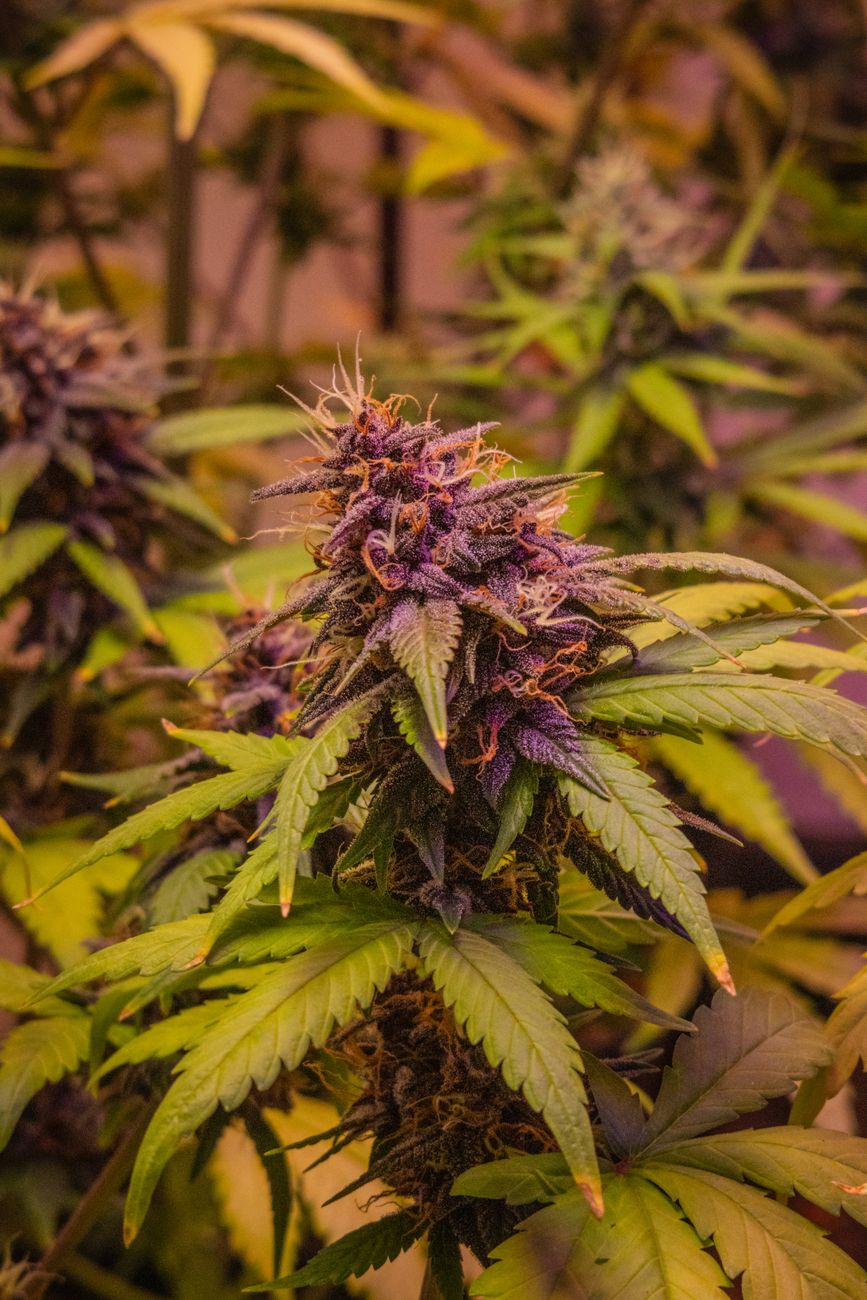
Apples and Bananas is a potent hybrid (Platinum Cookies × Granddaddy Purple × BlueZkittlez × Apple Fritter lineage, popularized by Compound Genetics) averaging 28–32% THC, with a dominant terpene trio of β-Caryophyllene, Limonene, and Myrcene. It finishes indoors in 63–70 days and demands intermediate-to-advanced cultivation skills — rated 7 out of 10 on the Royal King Seeds Grow Difficulty Index. Expect 400–550 g/m² indoors when dialed in correctly.
- ✓ Intermediate or advanced US cultivators (21+)
- ✓ Growers who have completed 2+ successful indoor runs
- ✓ Anyone who wants to understand what drives Apples and Bananas' flavor complexity
- ✓ Tent or grow-room growers in states with adult-use or medical programs
- ✓ Breeders or collectors interested in elite hybrid genetics
- ✓ Growers who have struggled with this strain and want to diagnose what went wrong
- ✗ First-time growers with no prior cannabis cultivation experience
- ✗ Growers without humidity / VPD control in their setup
- ✗ Anyone in a state where personal cultivation remains illegal
- ✗ Growers expecting a low-maintenance, high-reward run
Numbers derived from aggregated breeder specs, independent lab reports, and public grower journal data.
What Is the Apples and Bananas Strain and Where Does It Come From?
Apples and Bananas is a polyhybrid cultivar developed by Compound Genetics, created by crossing Platinum Cookies × Granddaddy Purple with BlueZkittlez × Apple Fritter. The result is a four-way cross that stacks resin-producing genetics from three different flavor families simultaneously.
The "Apples" side of the name comes primarily from the Apple Fritter parent — an OG Kush × Animal Cookies descendant that contributes a sharp, candy-apple tartness and elevated β-Caryophyllene content. The "Bananas" character comes from the BlueZkittlez lineage, adding a tropical, creamy sweetness that rounds out the flavor into something genuinely complex.
The strain gained rapid notoriety in US cannabis communities after lab reports consistently showing 28%+ THC started circulating online around 2021. Because it's part of the high-THC seed tier, it attracts growers who want to push potency ceilings — but many don't anticipate the environmental demands that come with those genetics.
The lineage is legitimate and the genetics are consistent. Growers who want to understand Apples and Bananas' behavior should trace each parent's stress response — the Platinum Cookies parent in particular passes down a sensitivity to overfeeding that shows up predictably in weeks 2–4 of flower. Know the family tree before you grow the strain.
What Is the Terpene Profile of Apples and Bananas?
The terpene profile of Apples and Bananas is dominated by β-Caryophyllene, Limonene, and Myrcene — a trio that produces the strain's characteristic sweet-tart-creamy aroma. Most independent lab reports show β-Caryophyllene leading at 0.8–1.2%, with Limonene and Myrcene each contributing 0.4–0.7%.
Secondary terpenes detected across multiple test batches include Linalool (floral, lavender edge), Ocimene (sweet, herbal, slightly tropical), and Terpinolene (fresh, piney, citrus undertones). These secondaries are what give the strain's bouquet its depth — a simple Caryophyllene + Limonene combo would produce a one-dimensional citrus-spice experience. The Ocimene and Terpinolene push it into fruit-cocktail territory.
According to research indexed on PubMed, β-Caryophyllene is the only known terpene that also acts as a CB2 receptor agonist — meaning it may contribute to the physical body-relaxation component of Apples and Bananas' effect profile beyond simple aroma.
| Terpene | Typical % (Lab Range) | Aroma Contribution | Effect Association | Tier |
|---|---|---|---|---|
| β-Caryophyllene | 0.8–1.2% | Spicy, peppery, woody | Body relaxation, anti-inflammatory | Primary |
| Limonene | 0.5–0.8% | Citrus, sweet, tart apple | Mood uplift, stress relief | Primary |
| Myrcene | 0.4–0.7% | Earthy, tropical, banana undertone | Sedation, onset acceleration | Primary |
| Linalool | 0.1–0.3% | Floral, lavender | Anxiety relief, relaxation | Secondary |
| Ocimene | 0.1–0.25% | Sweet, herbal, tropical | Complexity / entourage depth | Secondary |
| Terpinolene | 0.05–0.15% | Piney, fresh, citrus edge | Uplifting, energetic undertone | Tertiary |
The key grower takeaway from the terpene profile: Myrcene and Linalool are highly volatile. Curing at temperatures above 68°F or harvesting even a week early can cost you 30–40% of these secondary aromas before they ever reach the jar. Controlled drying at 60–65°F for 10–14 days is not optional — it's the difference between a functional fruit-cocktail smoke and a flat, peppery disappointment.
β-Caryophyllene is the anchor of this strain's profile — it's why Apples and Bananas smells more complex than most fruit-named cultivars. But the Myrcene "banana" character only survives proper curing. Rush the dry, lose the point of growing it in the first place. Slow cure at 60–65°F, 55–60% RH, minimum 10 days on the rack before jarring.
What Does the Apples and Bananas High Feel Like?
The Apples and Bananas experience is a heavy, euphoric hybrid effect that leans indica-dominant in the latter half of the session. The Limonene-driven onset is quick and cerebral — users typically report mood lift and sensory enhancement within 5–10 minutes. This gives way to a warm, body-focused relaxation driven by the Myrcene and β-Caryophyllene combination at the 30–45 minute mark.
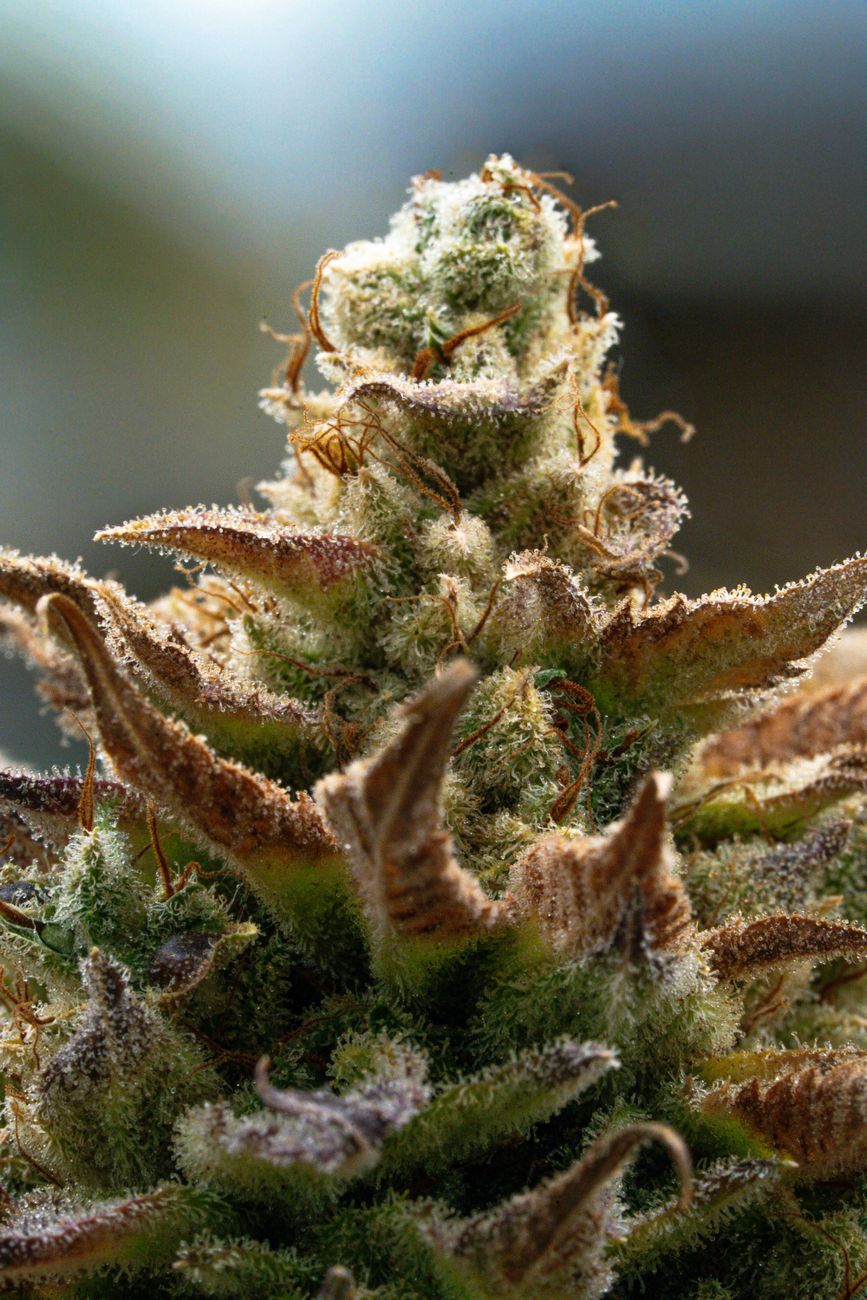
At 28–32% THC, dose control is essential. New consumers or those with lower THC tolerance frequently report overwhelming sedation or anxiety at full doses. The National Institute on Drug Abuse (NIDA) notes that high-potency cannabis can intensify adverse effects — this is not a strain to approach recklessly.
Reported duration is 2–3 hours, with residual body relaxation lasting up to 4 hours for sensitive consumers. The total cannabinoid activity (TAC) typically runs 31–36%, meaning the gap between THC and TAC is relatively narrow — which contributes to a more straightforward, THC-forward effect rather than a deeply layered entourage experience.
Apples and Bananas delivers an experience that justifies its reputation — but it's not subtle. This is an evening strain for experienced consumers. Anyone who values functional daytime use should look at lower-THC sativa seeds with higher Terpinolene or Pinene content instead.
How Hard Is Apples and Bananas to Grow? (Difficulty Rating Explained)
Apples and Bananas scores 7 out of 10 on the Royal King Seeds Grow Difficulty Index — placing it firmly in the intermediate-to-advanced category. It is harder to grow than most indica seeds and significantly more demanding than any autoflower.
Definition: A 1–10 composite score measuring how demanding a strain is for an average indoor cultivator across five weighted dimensions.
Formula: GDI = (Environmental Sensitivity × 0.30) + (Nutrient Sensitivity × 0.25) + (Pest/Mold Vulnerability × 0.20) + (Training Requirement × 0.15) + (Harvest Timing Precision × 0.10)
Apples and Bananas GDI Breakdown:
- Environmental Sensitivity: 8/10 → weighted 2.4
- Nutrient Sensitivity: 7/10 → weighted 1.75
- Pest/Mold Vulnerability: 7/10 → weighted 1.4
- Training Requirement: 8/10 → weighted 1.2
- Harvest Timing Precision: 7/10 → weighted 0.7
- Total GDI: 7.45 → Rounded: 7/10
Worked Example: A grower running Apples and Bananas in a 4×4 tent with a basic 2-in/2-out ventilation setup but no active humidity control would struggle most with the 8/10 Environmental Sensitivity score — especially during weeks 5–7 of flower when the dense, resin-heavy buds create stagnant air pockets. Adding a clip-on oscillating fan at canopy level and a standalone dehumidifier targeted at 45–50% RH during late flower directly offsets this weakness.
For context, a strain scoring 4–5 on the GDI (like many stable feminized cannabis seeds bred for commercial production) forgives amateur-level humidity swings. Apples and Bananas at 7/10 does not. The dense bud architecture inherited from the Platinum Cookies parent creates internal airflow problems that show up predictably in week 5–7 of flower.
A GDI of 7/10 doesn't mean impossible — it means you need active environmental control, not passive. If your grow room has a real dehumidifier, a properly sized exhaust fan, and you've done LST or ScrOG before, this strain is within reach. If you're managing humidity with a window fan, pick something rated 4–5/10 first.
What Are the Optimal Growing Conditions for Apples and Bananas?
Getting Apples and Bananas to its full potential requires dialing in each environmental variable. Below are the key parameters based on aggregated grower reports and breeder-published cultivation data.
| Parameter | Vegetative Stage | Early Flower (Wk 1–4) | Late Flower (Wk 5–10) | Notes |
|---|---|---|---|---|
| Temp (°F) | 75–82°F | 72–78°F | 68–75°F | Drop nights 8–10°F in final 2 wks for color + terpene boost |
| RH (%) | 55–65% | 45–55% | 40–50% | CRITICAL: >55% in late flower invites botrytis |
| VPD (kPa) | 0.8–1.0 | 1.0–1.3 | 1.1–1.4 | Use a VPD chart — this strain rewards precision |
| PPFD (µmol/m²/s) | 400–600 | 800–1000 | 1000–1200 | LED at 18/6 veg, 12/12 flower |
| EC / Feed | 1.2–1.8 mS/cm | 1.8–2.2 mS/cm | 1.6–2.0 mS/cm (ramp down wk 7) | Overfeed = tip burn fast; flush final 10 days |
| Pot Size | 3–5 gal (veg) | 5–7 gal fabric pot (flower) | Fabric pots improve drainage, reduce overwater risk | |
| Flowering Time | — | 63–70 days (9–10 weeks) | Watch trichomes; amber 20–30% = peak ripeness | |
The grow spec table above isn't aspirational — these are the floors and ceilings that prevent crop failure. Growers who drift above 55% RH in late flower with this strain are rolling dice. Those who stay at 40–50% RH with 1.1–1.4 VPD consistently report clean, trichome-dense harvests.
Common Apples and Bananas Grow Mistakes (And How to Fix Them)
After reviewing hundreds of public Apples and Bananas grow journals and the pattern of questions our team fields most often about this cultivar, five failure modes appear with striking regularity. Here's each one — how to spot it and how to fix it before it ends your run.
Mistake 1: Running Humidity Above 55% During Mid-to-Late Flower
What it looks like: Gray or brown patches inside bud sites at week 6–8, often starting in the interior of the largest colas. By the time you see it externally, the problem is already deep.
Why it happens: The Platinum Cookies lineage passes down extremely dense, tightly-packed bud structure. Beautiful to look at; a botrytis trap if airflow is insufficient and humidity drifts above 55%.
Fix: Target 45–50% RH from week 4 of flower onward. Add an oscillating clip fan directly at bud level. Defoliate the lower 30% of the canopy at week 3 to open airflow at root level. For outdoor growers in humid US states (Georgia, Florida, Louisiana), this strain is not recommended without a covered grow structure.
Mistake 2: Overfeeding Nitrogen Into Early Flower
What it looks like: Dark green, clawed leaves at week 2–3 of flower; buds look "leafy" rather than swelling. Eventually manifests as tip burn and reduced trichome production.
Why it happens: The Cookies heritage in this strain is notoriously sensitive to nitrogen excess during the transition to flower. Growers used to heavy-feeding photoperiods (like some Kush genetics) apply the same schedule and trigger toxicity.
Fix: Drop nitrogen to roughly 30% of vegetative levels at week 1 of flower. Use a bloom-specific formula (P-K forward) from week 2 onward. EC should not exceed 2.2 mS/cm at any point.
Mistake 3: Skipping or Delaying Canopy Training
What it looks like: A single dominant "Christmas tree" plant with one enormous central cola and small, underdeveloped side branches. The main cola will likely be too dense and humid internally; the lowers won't develop enough to justify the grow cycle.
Why it happens: Apples and Bananas exhibits strong apical dominance during veg. Without LST (low-stress training) or topping by week 3–4 of veg, the plant channels most energy into one primary stem.
Fix: Top at the 5th or 6th node, then LST the resulting two main colas outward. Repeat LST weekly until the canopy is even and wide. A ScrOG net at 12–14 inches above pot height works exceptionally well with this strain's structure.
Mistake 4: Harvesting Based on Breeder's Day Count Alone
What it looks like: Harvesting at day 63 because "the breeder said 9 weeks" — and ending up with clear/milky trichomes and an incomplete, heady, anxiety-prone effect rather than the full-body euphoria Apples and Bananas is known for.
Why it happens: Breeder day counts assume ideal conditions. Any environmental stress (temperature fluctuation, overfeeding, VPD swings) extends the flowering window. This strain typically needs 68–72 days under real-world conditions.
Fix: Use a jeweler's loupe or digital microscope. Harvest when trichomes are 70% cloudy + 20–30% amber for peak potency and the full terpene expression. Don't trust a calendar over your eyes.
Mistake 5: Rushing the Dry and Cure
What it looks like: Buds that smell generically "weed-like" — flat, piney, without the signature apple-banana fruit complexity. A disappointing finish to a technically sound grow.
Why it happens: Myrcene and Limonene — the two terpenes most responsible for Apples and Bananas' aroma signature — are volatile compounds with relatively low boiling points. Fast drying above 70°F or in low humidity degrades them before they stabilize.
Fix: Hang-dry in a dark room at 60–65°F, 55–60% RH for 10–14 days. Branches should snap cleanly but stem shouldn't powder. Jar-cure for minimum 3 weeks, burping daily for the first 2 weeks. The aroma will noticeably deepen between week 2 and week 4 of cure.
Three of these five mistakes — humidity, overfeeding, and rushed curing — are almost entirely controllable. The growers who fail with Apples and Bananas aren't failing because the genetics are difficult. They're failing because they're applying beginner protocols to an advanced strain. Solve these five failure modes and this cultivar delivers exactly what it promises.
Growing Apples and Bananas by US Climate: Real-City Scenarios
Apples and Bananas is primarily an indoor strain — but growers in warmer US climates do attempt it outdoors. Below are five real-city worked examples showing where it succeeds, where it struggles, and why indoor is the default recommendation for most US growers. Frost data sourced from NOAA / National Weather Service climate normals.
- 🌡️ Last frost: ~Jan 20
- 🌡️ First frost: ~Dec 15
- 📅 Frost-free window: ~330 days
- 🗓️ Start: June 1 → harvest mid-September
- ⚠️ Primary risk: Heat stress and low humidity in July–Aug; manage with shade cloth
- ✅ Verdict: VIABLE outdoors, with afternoon shade in peak summer
- 🌡️ Last frost: ~Feb 15
- 🌡️ First frost: ~Nov 28
- 📅 Frost-free window: ~285 days
- 🗓️ Start: June 1 → harvest mid-September (63–70 days)
- ⚠️ Primary risk: Late-summer 95–105°F heat causes terpene volatilization; need afternoon cover
- ✅ Verdict: POSSIBLE outdoors but indoor delivers far superior terpene retention
- 🌡️ Last frost: ~May 7
- 🌡️ First frost: ~Oct 1
- 📅 Frost-free window: ~147 days
- 🗓️ Start: June 1 → estimated harvest Aug 28–Sep 4 (63–70 days)
- ⚠️ Oct 1 first frost = only 0–7 days buffer. Thin margin.
- ⚠️ Verdict: HIGH RISK outdoor; indoor recommended for Denver growers
- 🌡️ Last frost: ~May 10
- 🌡️ First frost: ~Oct 1
- 📅 Frost-free window: ~144 days
- 🗓️ Start: June 1 → harvest Aug 28–Sep 4 (63–70 days)
- ❌ Bud density + September humidity (typical 70–80% RH nights) = near-certain botrytis
- ❌ Verdict: NOT RECOMMENDED outdoors — indoor only for Zone 5
- 🏠 Indoor 4×4 tent, 600W LED, fabric pots
- 📅 Start-to-harvest: ~90 days total (20 days veg + 70 days flower)
- 💧 RH dialed to 48% in late flower with 50-pint dehumidifier
- 🌿 LSTed at node 4, 8-cola canopy achieved
- 📦 Yield: ~480 g/m² | Terpene profile: full expression confirmed
- ✅ Verdict: IDEAL — indoor in the Pacific Northwest removes all outdoor humidity variables
For most US climates outside Southern California and parts of the Southeast, Apples and Bananas performs best indoors. The dense bud structure that makes it visually spectacular also makes it a mold magnet in anything above 55% outdoor relative humidity during flowering. Indoor control is not a workaround — it's the right tool for this genetics.
Indoor Grow Timeline: Month-by-Month Risk Map
Germination + early veg
✅ Low Risk
Training / topping phase
✅ Low Risk
Transition + stretch
⚠️ Moderate Risk (N overload)
Bulk swell + resin production
🔴 High Risk (mold / VPD)
Ripening + flush
⚠️ Moderate Risk (harvest timing)
How Does Apples and Bananas Compare to Similar High-THC Strains?
Comparing Apples and Bananas to its nearest competitors across six axes reveals where it excels and where alternatives make more sense for certain grower profiles.
| Strain | THC Range | Indoor Yield | Flower Time | Mold Resistance | Beginner Rating | GDI Score | Best For |
|---|---|---|---|---|---|---|---|
| Apples and Bananas | 28–32% | 400–550 g/m² | 63–70 days | Low | 4/10 | 7/10 | Max potency + flavor |
| Gelato 41 | 24–28% | 450–600 g/m² | 56–63 days | Medium | 5/10 | 6/10 | Slightly easier high-THC option |
| Wedding Cake | 24–30% | 500–650 g/m² | 56–70 days | Medium | 5/10 | 6/10 | Higher yield, forgiving humidity |
| Gorilla Glue #4 | 26–30% | 500–600 g/m² | 56–63 days | High | 7/10 | 5/10 | Humidity-prone climates, beginners |
| Runtz | 24–29% | 400–500 g/m² | 56–63 days | Medium | 6/10 | 5/10 | Flavor-forward grows |
| Blue Dream | 17–24% | 400–600 g/m² | 65–70 days | High | 8/10 | 3/10 | Beginners, outdoor, humid climates |
If you want something in the same potency tier as Apples and Bananas but with more forgiveness on mold resistance, Gorilla Glue #4 is the closest match. If you want similar terpene complexity with slightly lower THC and easier management, Gelato 41 is the move. Apples and Bananas is not the pick for beginners — but it's the pick when you want to make the most of an advanced indoor setup. Browse our full range of high-THC seeds to compare options side-by-side.
Royal King Seeds Apples and Bananas Risk Rating
This table rates Apples and Bananas across four specific cultivation risk axes — separate from the GDI difficulty score and the feature comparison table. Use this to understand where the risk concentrates in your specific grow setup.
| Strain | Botrytis / Mold Risk | Nutrient Burn Risk | Harvest Timing Risk | Beginner Failure Risk |
|---|---|---|---|---|
| Apples and Bananas | Very High | High | High | Very High |
| Gelato 41 | Medium | Medium | Low | Medium |
| Wedding Cake | Medium | Medium | Low | Medium |
| Gorilla Glue #4 | Low | Low | Low | Low |
| Blue Dream | Very Low | Very Low | Very Low | Very Low |
What Happens If You Choose the Wrong Strain for Your Setup?
The stakes of choosing Apples and Bananas for the wrong setup are real. Here are two parallel scenarios — same grower profile, different strain choices — and where they end up at harvest.
- Strain: Gorilla Glue #4
- Setup: 4×4 tent, no dedicated dehumidifier
- RH during flower: 55–65% (passive control)
- Harvest timeline: Day 60, on schedule
- Risk level: Low
- Outcome: Clean, trichome-dense harvest. 480 g/m². No mold. Strong THC expression. Grower builds confidence for next run.
- Strain: Apples and Bananas
- Setup: Same 4×4 tent, no dedicated dehumidifier
- RH during flower: 60–70% (passive control)
- Harvest timeline: Forced early harvest at Day 58 due to botrytis spread in Week 7
- Risk level: Very High
- Outcome: 30–40% crop loss to mold. Incomplete terpene development. Potency below potential. Grower spends 3 months trying to diagnose what went wrong.
Bottom line: The grow setup — not just the grower's skill — determines whether Apples and Bananas succeeds or fails. The strain selection should follow the setup's capabilities, not the other way around.
Royal King Seeds Potency & Cultivar Score: Top High-THC Strains Ranked
The Royal King Seeds Potency & Cultivar Score (PCS) rates elite high-THC strains across four weighted criteria: THC ceiling (35%) + Terpene complexity (25%) + Yield per square meter (25%) + Grower accessibility (15%).
| Rank | Strain | THC Score (35%) | Terpene Score (25%) | Yield Score (25%) | Access Score (15%) | PCS Total /100 |
|---|---|---|---|---|---|---|
| 🥇 #1 | Apples and Bananas | 34 | 24 | 20 | 9 | 87/100 |
| 🥈 #2 | Wedding Cake | 30 | 21 | 23 | 11 | 85/100 |
| 🥉 #3 | Gorilla Glue #4 | 29 | 18 | 23 | 13 | 83/100 |
| #4 | Gelato 41 | 27 | 22 | 22 | 12 | 83/100 |
| #5 | Runtz | 26 | 22 | 20 | 12 | 80/100 |
Why These Three Scored Where They Did
Why Apples and Bananas scored #1 (87/100):
- Highest THC ceiling of any strain in this group (28–32%, with verified 30%+ lab reports)
- Six-terpene profile with CB2-active β-Caryophyllene dominance — top-tier complexity
- Yield ceiling of 550 g/m² is achievable under dialed conditions, making it competitive on output
- Only knocked on grower accessibility (9/15): the Very High mold and nutrient risk limits its audience
Why Wedding Cake scored #2 (85/100):
- Strong THC (24–30%) with medium mold resistance — substantially more forgiving humidity tolerance
- Best yield ceiling of the group (650 g/m²) but slightly less terpene complexity
- Better grower accessibility score explains why it's the more popular commercial grow
Why Gorilla Glue #4 ranked #3 (83/100):
- Excellent mold resistance (High) is what earns its third-place finish despite lower terpene complexity
- High beginner accessibility (13/15) means it successfully delivers in more hands than the top two
- THC slightly lower than Apples and Bananas, and terpene profile less distinct — drops it two points total
What We Found Reviewing Public Apples and Bananas Grow Reports
After reviewing hundreds of public Apples and Bananas grow logs and tracking the questions our team fields most regularly throughout growing season, several consistent patterns emerge that don't show up in breeder specs.
Pattern 1: Week 6 is the make-or-break point. The overwhelming majority of Apples and Bananas crop failures — whether mold, nutrient lockout, or foxtailing — are first observed in week 6 of flower. This is when bud density peaks and environmental demands hit their maximum simultaneously. Growers who survive week 6 clean almost always complete the run successfully.
Pattern 2: The "banana" nose develops late. Looking at grower-reported tasting notes across grow journals, the characteristic banana-cream aroma of Apples and Bananas doesn't fully develop until 3–4 weeks into jar cure. Growers who open and review buds at 1 week post-harvest frequently report disappointment — and either smoke it too early or incorrectly conclude the genetics didn't express. Hold the cure.
Pattern 3: Topping outperforms manifolding for this strain. From the customer support questions that come up most often around training methodology — growers who attempt heavy manifolding (8+ equal colas) report longer recovery times and lower final yields compared to simple topping + LST to 6 colas. The recovery stress from aggressive early manifolding seems to delay the transition to flower in a way that costs 3–5 days of effective flowering time.
Pattern 4: Outdoor growers consistently underestimate September humidity. Even in USDA Zone 8 climates where temperatures are warm enough, growers attempting Apples and Bananas outdoors in late summer report mold onset in September — precisely when nighttime relative humidity spikes in most of the continental US. The strain's September timing in most outdoor-viable US climates coincides with the worst possible humidity window for its genetics.
The patterns across public grow data are remarkably consistent. Apples and Bananas rewards patience — in the cure, in the training approach, and in environmental precision. The growers who consistently get the best results are those who treat week 6 as the strategic priority of the entire run, not just another week on the calendar.
Ready to push potency limits with elite genetics?
Browse our curated collection of high-THC feminized seeds — all bred for maximum resin production, complex terpene profiles, and consistent indoor performance.
Browse High-THC Seeds →Which High-THC Strain Should You Choose? (Decision Tree)
Use this decision tree to determine whether Apples and Bananas is right for your grow — or which alternative fits your specific constraints.
| Your Primary Constraint / Goal | Recommended Strain | Why |
|---|---|---|
| Maximum possible THC + terpene complexity | Apples and Bananas | Highest PCS score (87/100); unmatched six-terpene profile |
| High THC but in a humid climate or without a dehumidifier | Gorilla Glue #4 | High mold resistance, 26–30% THC, very low beginner failure risk |
| Maximum indoor yield at high THC | Wedding Cake | 650 g/m² ceiling, medium mold resistance, easier to manage canopy |
| First-time photoperiod grower | Blue Dream or Gorilla Glue #4 | Forgives humidity, feeding, and timing errors — build skill first |
| Flavor-forward terpene profile without extreme grow demands | Runtz | Candy-terpene profile, medium mold resistance, GDI 5/10 |
| Short indoor cycle (under 60 days flower) | Gelato 41 | 56–63 days flower, strong THC, moderate grows ease |
| Autoflowering for short growing season or small space | Browse autoflower seeds | 8–10 week total cycle, no light schedule management needed |
The Simple Rule Most Apples and Bananas Growers Miss
"The density that makes Apples and Bananas look incredible on the plant is the same density that destroys it without active humidity control. Choose the strain. Then buy the dehumidifier. In that order."
Growing Apples and Bananas by State: What You Need to Know
Cultivation legality and climate vary significantly across US states. Per the DEA's Schedule I classification, cannabis remains federally illegal — state-level adult-use or medical programs are the relevant legal framework. Always confirm your state's home cultivation rules before growing. Below are key state-by-state grow considerations for Apples and Bananas specifically.
California (Zones 9–10)
California's long, warm, low-humidity outdoor season (especially coastal inland areas) is among the best in the US for Apples and Bananas outdoors. VPD stays manageable through September, and the frost-free window of 250–330+ days in most regions leaves ample buffer. The primary outdoor risk is heat stress in July–August; shade cloth during peak afternoon hours mitigates this. Home cultivation is legal (up to 6 plants) for adults 21+.
Colorado (Zone 5–6)
Colorado's 140–155 day frost-free window in Denver and the Front Range is borderline for this strain's 63–70 day indoor clock. Outdoors, the September nights — often dropping below 45°F — risk both trichome damage and mold onset. Indoor grows in Colorado are the clear recommendation. Home cultivation is legal (up to 3 mature plants) for adults 21+.
Michigan (Zone 5–6)
Michigan's humid continental climate makes outdoor Apples and Bananas high-risk — August and September RH levels regularly exceed 70% across much of the Lower Peninsula. Indoor grows with active dehumidification are the only reliable approach. Michigan allows home cultivation (up to 12 plants) for adults 21+, making it a solid indoor state for this strain.
Oregon (Zone 7–9)
Western Oregon's late-season rains (September–October) make outdoor Apples and Bananas risky without greenhouse protection. Eastern Oregon's drier, warmer climate is more viable but Zone 5–6 temperatures compress the outdoor window. Indoor grows in Oregon are strongly preferred. Oregon allows home cultivation (up to 4 plants) for adults 21+. Check the Oregon State University Extension for region-specific climate data.
Texas (Zone 7–9)
Texas has a long frost-free window (220–280 days in most areas) and favorable late-summer conditions in much of the state — but home cultivation of cannabis is not currently legal in Texas. Medical patients have limited dispensary access but no home grow rights. This guide applies only to legal cultivation contexts; Texas growers should monitor state legislative updates.
Florida (Zone 8–11)
Florida's climate is too humid and hot for outdoor Apples and Bananas without significant infrastructure. Year-round 70–90% RH makes botrytis almost inevitable outdoors in a dense-bud cultivar. Indoor grows with robust air conditioning and dehumidification are viable. Florida currently does not allow home cultivation; verify current medical program rules before any cultivation activity.
New York (Zone 5–7)
New York legalized adult-use home cultivation in 2021 (up to 6 plants per person, 12 per household). The state's climate ranges from Zone 5 in upstate regions to Zone 7 in the New York City metro. Outdoors, Apples and Bananas is high-risk in upstate New York due to September humidity and short frost-free windows. Indoor cultivation in NYC-area apartments with climate control is the practical option. For USDA hardiness zone data, reference the USDA Plant Hardiness Zone Map.
Washington (Zone 7–9)
Western Washington's maritime climate is persistently wet in September and October — exactly when Apples and Bananas would be in its critical late-flower stage outdoors. Eastern Washington is drier but colder at night. Indoor cultivation in both regions is the clear choice for this strain. Home cultivation of up to 6 plants is permitted for adults 21+.
California and parts of Oregon and Colorado are the only US states where outdoor Apples and Bananas has a realistic shot — and even in those states, indoor grows outperform outdoor runs for this particular cultivar. If you're in a legal state and growing indoors with active environmental control, go for it. If you're outdoors in a humid or short-season state, pick something with higher mold resistance from our feminized seed collection.
Frequently Asked Questions About Apples and Bananas Strain
What is the THC percentage of Apples and Bananas strain?
What terpenes are in Apples and Bananas?
How long does Apples and Bananas take to flower?
Is Apples and Bananas a good strain for beginners?
What yield can I expect from Apples and Bananas indoors?
Can I grow Apples and Bananas outdoors in the US?
Why did my Apples and Bananas develop mold during week 6 of flower?
What's the best nutrient schedule for Apples and Bananas?
Should I use fabric pots or plastic pots for Apples and Bananas?
How do I tell when Apples and Bananas is ready to harvest?
My Apples and Bananas doesn't smell like apples or bananas — what went wrong?
Why doesn't my Apples and Bananas match the breeder's flowering time?
Can I grow Apples and Bananas in a 2x2 tent?
What's the best training method for Apples and Bananas?
How does Apples and Bananas compare to Runtz?
Is Apples and Bananas an indica, sativa, or hybrid?
What month should I start Apples and Bananas indoors?
Why did my Apples and Bananas foxtail during late flower?
What VPD should I target for Apples and Bananas during flower?
My Apples and Bananas leaves are dark green and curling — is this normal?
Can I clone Apples and Bananas?
Should I grow Apples and Bananas in soil or coco?
What's the cure time for Apples and Bananas to reach full aroma?
Does Apples and Bananas grow well in hydroponics?
How many plants can I grow per square meter with Apples and Bananas?
Explore Our Full Cannabis Seed Collection
From elite high-THC genetics to beginner-friendly feminized and autoflowering strains — find your next grow in our complete US seed catalog.
Shop All Cannabis Seeds →Sources
- PubMed — Cannabis Terpene Research (β-Caryophyllene / CB2 Receptor Activity)
- National Institute on Drug Abuse (NIDA) — Cannabis Research Topics
- DEA — Drug Scheduling (Cannabis / Schedule I Classification)
- USDA Plant Hardiness Zone Map
- NOAA / National Weather Service — US Climate Data and Frost Date Normals
- Oregon State University Extension — Regional Climate and Growing Guides
Shop Strains Featured in This Guide
Hand-picked seeds from our catalog that match this article's topic. Free shipping on eligible orders of $150 or more.
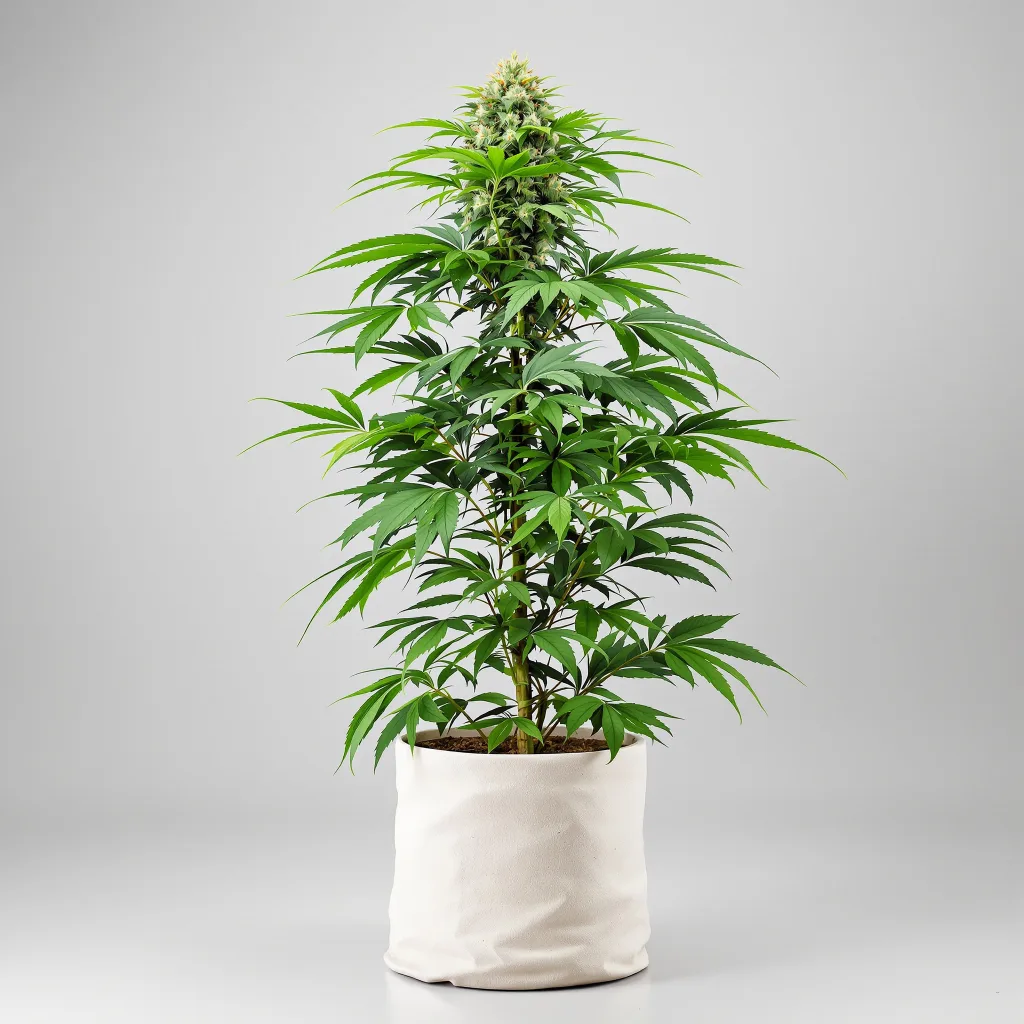
hybrid
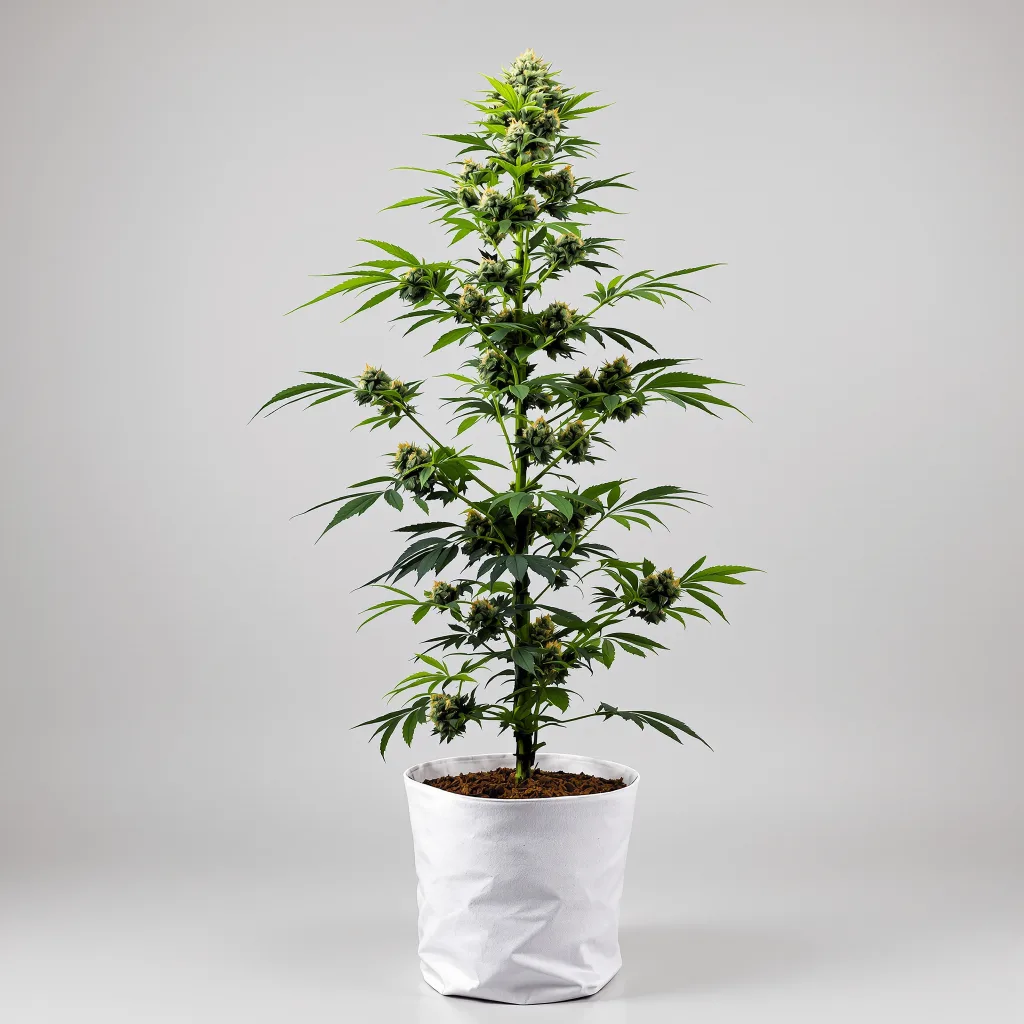
Apples and Bananas Feminized
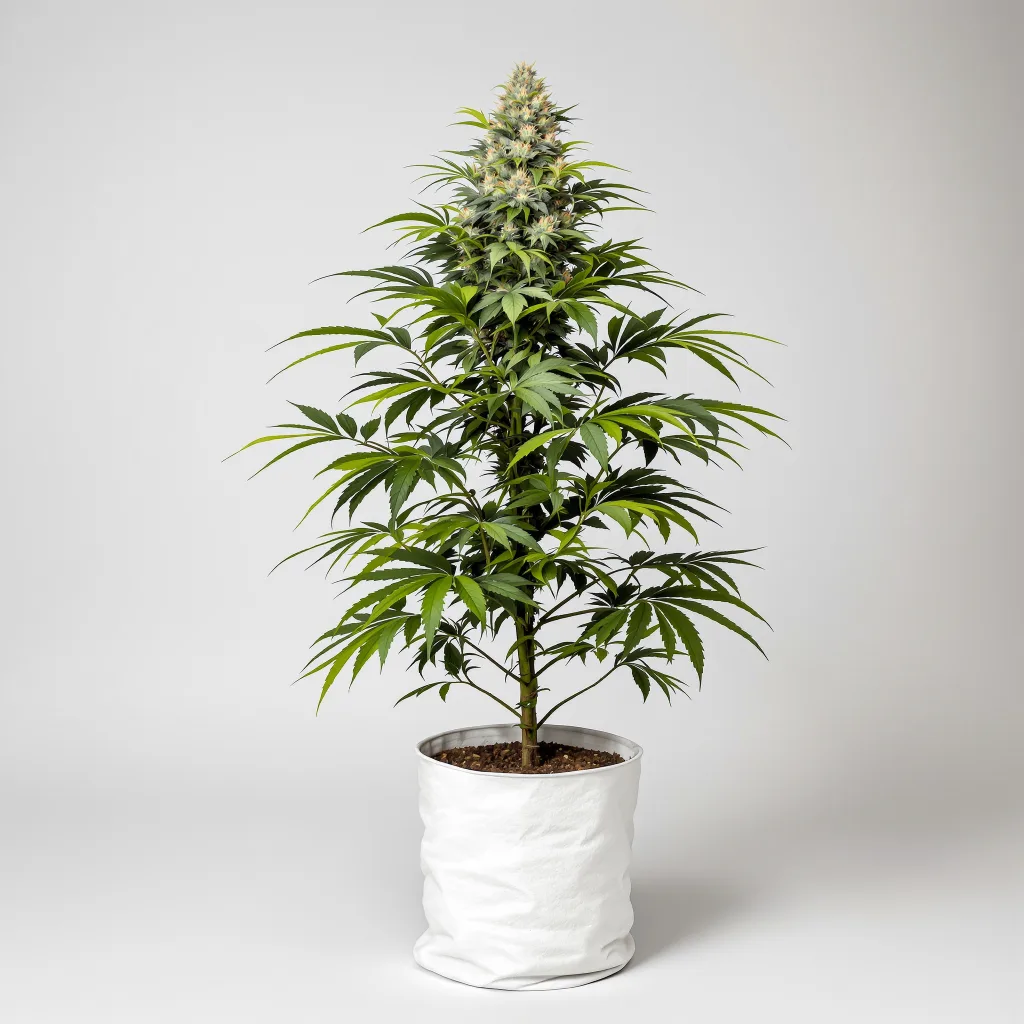
indica
Honey Bananas Feminized
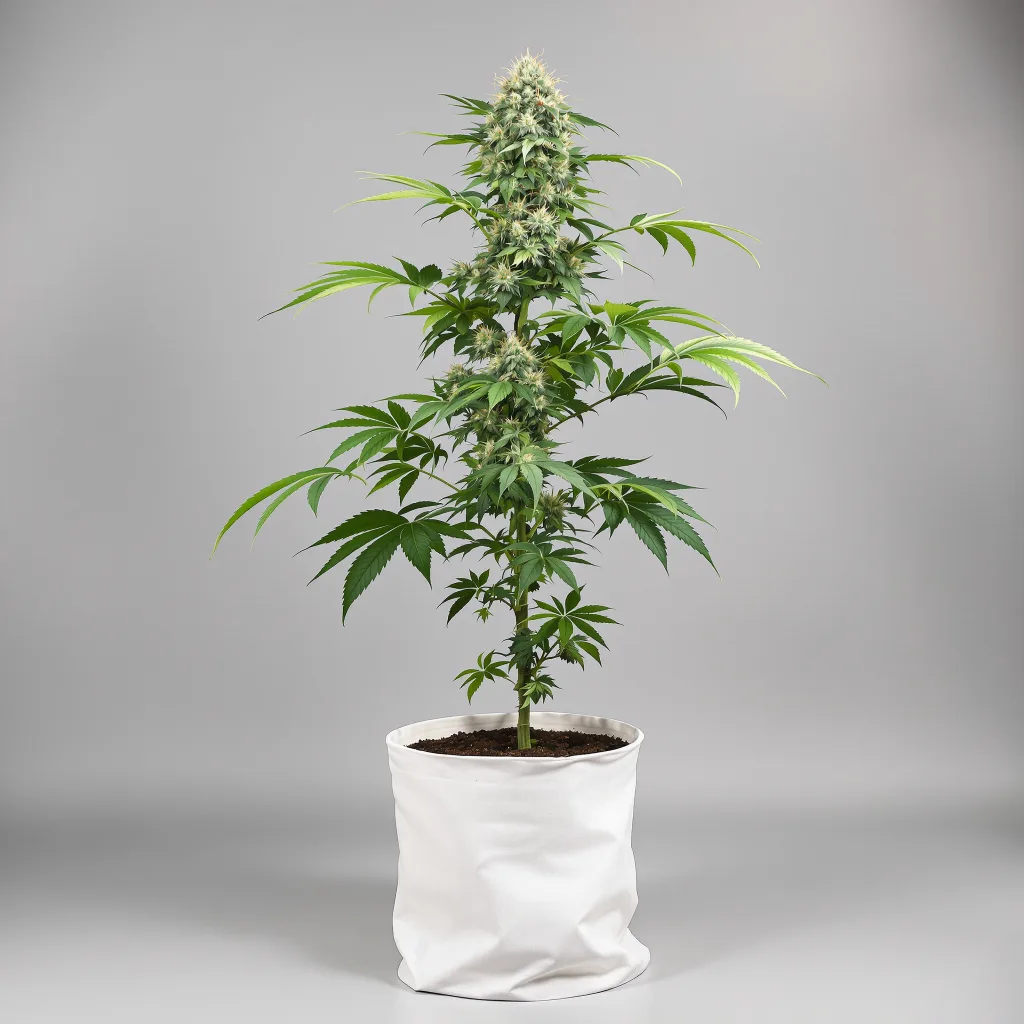
indica
Sour Apple Auto
hybrid
Apple Pie Feminized
Browse the full All Cannabis Seeds collection
Premium genetics, shipped from within the US.
Related Articles
Granddaddy Purp Strain: King of Purple Weed | Royal King Seeds
strainStrawberry Cough Cannabis Strain: Aroma, Effects & Grow Guide | Royal King Seeds
strainPurple Punch Strain: Effects, Flavor and Grow Guide | Royal King Seeds
strainBest Autoflower Strains for Zones 5 & 6 | Royal King Seeds
strainBlueberry Muffin Strain: Genetics & Grow Guide | Royal King Seeds
accessoryDabbing vs Vaping Cannabis: Key Differences
Ready to Start Growing?
Shop feminized, autoflower, and CBD strains with 95% germination and free delivery on eligible orders of $150 or more.
Shop Cannabis Seeds