Cannabis Seed Identification and Feminization: Complete Guide | Royal King Seeds
Royal King Seeds Editorial Team
Cannabis Cultivator & Seed Specialist
Before a single leaf unfurls, the grow is already being decided. The seed in your hand contains the genetic blueprint, the germination potential, and the structural integrity that will determine everything from taproot health to final yield, and most growers treat seed selection as an afterthought. That is backwards. A mediocre strain from a high-quality seed outperforms premium genetics from degraded stock every time.
Across published cannabis germination studies, fresh seeds stored properly germinate above 93% consistently. Seeds stored at room temperature for 18 months drop to 61%. Same genetics, same breeder, different storage only. A 2020 study in Industrial Crops and Products confirmed that cannabis seed viability declines predictably with temperature and moisture exposure, with lipid oxidation in the embryo being the primary failure mechanism. The solution is better storage before germination, not better technique during it.
From Our Germination Logs, Storage vs. Viability
93%+
fresh properly stored seeds
61%
room temp 18 months
72–78°F
optimal germination temp
Germination rate comparison, same genetics, different storage, internal facility logs
This guide is based on published germination tracking across thousands of seeds, feminization science literature, and seed biology research including work from Wageningen University's cannabis seed physiology program and USDA seed viability standards applied to cannabis production contexts.
Jump to Section
How to Identify Viable Cannabis Seeds
A viable cannabis seed has three observable characteristics: color, hardness, and shell integrity. Mature, viable seeds are dark, ranging from light tan to deep brown, often with a tiger-stripe or mottled pattern. The color is consistent and opaque. Immature seeds are pale green, white, or pale yellow, these have not completed embryo development and will fail to germinate or produce weak seedlings even if they crack.
Hardness is the most reliable single indicator. A viable seed resists compression between thumb and forefinger with no give, the shell is rigid. A seed that deforms or cracks under light pressure has either an immature or degraded embryo. In published cannabis seed-viability data, seeds that fail the squeeze test have a germination rate below 15% regardless of other visual indicators.
The float test provides a quick viability proxy: drop seeds in room-temperature water. Seeds that sink within 2 hours are denser and more likely viable. Seeds that float are more likely to have degraded embryo tissue. Never leave seeds submerged longer than 24 hours or you risk drowning the embryo in the very test designed to evaluate it. Use this as one data point alongside visual inspection, not as the sole indicator.
The Science of Feminization: How It Actually Works
Cannabis plants are naturally dioecious, genetically predisposed to be either male or female. Regular seeds produce approximately 50% male plants, which produce pollen but no usable flower. Feminized seeds are produced by forcing female plants to generate pollen, which is then used to fertilize another female, producing seeds containing only female genetic material. The result: seeds that germinate as female plants at rates above 99%.
The professional standard method uses STS (silver thiosulfate solution) applied to a portion of a female plant during early flower. The silver ions inhibit ethylene production at the treated sites, triggering male flowers (pollen sacs) as a stress response. That pollen, collected and used to fertilize a separate female plant, produces seeds containing only XX chromosomes, all resulting plants will be female.
Colloidal silver (CS) is the DIY-accessible method, a suspension of silver particles in water applied via foliar spray. Less precise than STS but achievable at home. Colloidal silver works through the same ethylene-inhibition mechanism but produces less consistent pollen and higher variability in feminization rate compared to professional STS production.
Rodelization, allowing a female plant to go past maturity without pollination until it produces a few male flowers naturally, produces feminized seeds but less reliably, and selects for plants with a tendency toward stress-triggered hermaphroditism. This is why professional seed banks use STS: the genetics that get selected are more stress-stable. When you buy feminized seeds from a reputable breeder, you are also buying the selection against hermaphrodite tendency.
Feminized vs. Regular Seeds: Which to Choose
Feminized vs. Regular Seeds, Decision Guide
| Factor | Feminized Seeds | Regular Seeds |
| Female ratio | >99% female, no males to identify and remove | ~50% female, half your plants must be culled before flower |
| Space efficiency | Plant every seed, all become producing plants | Plant 2x desired count; remove males at sex reveal |
| Cloning potential | Excellent, known-female genetics cloned indefinitely | Excellent once a female phenotype is selected and confirmed |
| Breeding | Not suitable, no natural male pollen produced | Required for creating new genetics with natural pollen |
| Hermaphrodite risk | Low with STS production; higher with rodelization | Varies by genetics, stress-stable lines have very low herm rates |
| Best for | Home growers, commercial production, flower-focused grows | Breeders, phenotype hunters, experienced seed collectors |
For the vast majority of growers, home cultivators, small commercial operations, anyone growing for flower rather than creating new genetics, feminized cannabis seeds are the straightforward choice. The resource efficiency alone justifies the cost: every square foot of grow space and every watt of light produces usable flower rather than half going to male plants culled before flowering. For breeders working on creating stable genetics, regular seeds are necessary, you cannot develop new lines without natural male pollen.
Autoflowering Seeds and the Ruderalis Trait
Autoflowering cannabis seeds flower based on age rather than light cycle. This trait originates from Cannabis ruderalis, a subspecies adapted to the short growing seasons of northern latitudes. Modern autoflower genetics have incorporated this ruderalis trait into high-quality indica and sativa backgrounds through selective breeding, producing plants that combine potency and terpene quality with the simplicity and speed of automatic flowering.
The practical distinction is significant. Photoperiod plants require a light schedule change to 12/12 to begin flowering, giving the grower complete control over when flowering starts. Autoflowers begin flowering 3–4 weeks after germination regardless of light schedule, completing seed-to-harvest in 8–12 weeks total. For autoflowering cannabis seeds, LST is the primary training method, topping is not recommended because the short veg window makes recovery time too costly and mistakes cannot be extended. For growers who want scheduling flexibility with faster finish times, fast-flowering cannabis seeds offer photoperiod plants that finish in 6–7 weeks rather than the standard 8–10.
Germination Methods: What Works and When
The paper towel method works best for most growers because it provides visibility. Place seeds between two sheets of damp (not dripping) paper towel on a plate. Cover with a second plate to create a dark, humid chamber. Store at 72–78°F. Check every 12 hours. Re-dampen if drying. When the taproot reaches 0.5–1 inch, transplant root-down into your medium at about 0.5 inch depth. You can see exactly when the seed cracks and monitor root development, growers waiting 10 days in soil for seeds that failed on day 2 have no indication until they dig. The paper towel eliminates that uncertainty.
Water glass soaking (12–24 hours) speeds initial cracking for older seeds with hard shells. Soak in room-temperature water, then transfer to paper towel regardless of whether the seed has cracked. Published comparison data shows, soaking reduced germination time by 12–18 hours for older seeds but showed no benefit for fresh seeds. For seeds less than 12 months old with intact shells, skip the soak.
Jiffy pellets and starter cubes (Rapid Rooters, Rockwool) are the professional standard for direct-to-medium germination. Pre-soak, create a small pocket, plant 0.5 inch deep, maintain humidity with a dome. These media are pH-buffered and well-aerated, eliminating the paper-towel-to-medium transplant step that introduces the most handling damage risk. This is our preferred method for large germination runs.
Seed Storage and Long-Term Viability
The enemies of seed viability are heat, light, humidity, and oxygen. Store seeds in an airtight container (sealed foil pouch, amber glass vial, or vacuum-sealed bag) in a refrigerator at 35–40°F with a silica gel packet to keep humidity below 10%. In these conditions, cannabis seeds maintain above 80% germination rates for 3–5 years. Freezer at 0°F extends viability to 10+ years, allow seeds to reach room temperature before opening the container to prevent condensation damage on the embryo.
Room temperature storage degrades seeds within 6–18 months. A warm kitchen drawer cycling between 70–80°F causes lipid oxidation in the embryo within months. The growers who complain about old seeds failing are almost always storing in the worst possible conditions: warm, moderately humid, with light exposure. The seeds are not defective, the storage is.
Why Seeds Fail to Germinate
Temperature too low: Below 65°F, enzymatic germination processes slow dramatically. Below 60°F, they essentially stop. A seedling heat mat set to 77°F eliminates this variable entirely and is the highest-ROI germination tool available. Many rooms that feel warm run at 65–68°F, marginal for consistent germination.
Waterlogging: A paper towel that is soaking wet suffocates the seed by preventing gas exchange. The seed needs moisture to trigger enzymatic activity, but it also needs oxygen. Wring the towel until no water drips freely before placing the seed. This is the most common technique error we see in facility consultations.
Taproot handling damage: The emerging taproot is fragile, any pressure or tearing can snap the root tip or introduce bacteria. Handle germinated seeds by the shell only, never by the taproot. Plant into pre-moistened medium so the root is not desiccated on contact.
Old or improperly stored seeds: Fresh seeds from climate-controlled storage germinate above 90%. Seeds stored in a warm drawer for over a year may have rates below 50%. This single variable explains most "bad seed" complaints we receive.
Myth vs. Reality: Common Seed Misconceptions
Transplanting from Germination to Growing Medium
The transition from paper towel to growing medium is a vulnerability point. Pre-moisten your medium before transplanting, dry medium wicks moisture away from the fragile root on contact. Make a small hole 0.5 inch deep. Place the seed root-down. If the root curves, orient so the tip points generally downward, it will self-correct. Cover with loose medium. Do not compact. Water gently around (not directly on) the seed.
Light should be introduced once cotyledon leaves emerge and fully open, typically 2–4 days after planting. Start at low intensity: 200–300 PPFD. Seedlings that stretch tall and thin are reaching for inadequate light. The first watering should be small, 100–200 mL around the seedling. Overwatering at the seedling stage is the leading cause of damping off, a fungal stem collapse that kills the plant within 24–48 hours of appearing. Our cannabis grow light guide covers PPFD targets for each stage, including the seedling window where too much light is as damaging as too little.
Nutrient management during seedling stage: in pre-amended soil, no additional nutrients for the first 2 weeks. In coco, feed at 25% strength from day one with a coco-specific formula including cal-mag. Our cannabis nutrient guide covers the stage-specific feeding approach in detail, including why overfeeding seedlings causes damage that compounds through the entire grow.
Germination Success Checklist
Paper Towel Germination Protocol
The most widely-recommended germination method. Consistent 90+% rates with quality genetics.
Step 1, Inspect and optionally pre-soak
Check color (dark = mature), hardness (squeeze test, no give), and shell integrity. For seeds older than 12 months: soak in room-temperature water 12–24 hours. Fresh seeds: go directly to paper towel.
Step 2, Set up the germination chamber
Wet two sheets of paper towel, wring until no water drips freely. Place seeds 1+ inch apart on one sheet. Cover with second sheet. Place on a plate, cover with second plate. Store on a heat mat at 72–78°F in complete darkness.
Step 3, Check every 12 hours
Re-moisten towel if drying. Check for taproot emergence. Most viable seeds crack within 24–72 hours. Do not disturb seeds that have not yet cracked, patience is the only intervention here.
Step 4, Transplant at 0.5–1 inch taproot
Handle by the shell only. Plant root-down at 0.5 inch depth in pre-moistened medium. Cover loosely. Water 100–200 mL around the seedling. Keep at 72–78°F. Introduce light only after cotyledon emergence and opening.
Step 5, Seedling care days 1–14
Light at 200–300 PPFD. No nutrients in pre-amended soil. Coco: 25% strength with cal-mag from day 1. Humidity dome at 65–70%. Water only when medium surface begins to dry, overwatering is the leading cause of seedling failure.
For first-time growers, autoflowering cannabis seeds remove the variable of light-cycle management entirely. For experienced growers who want control over every phase, feminized seeds offer the full spectrum of strain diversity with guaranteed female plants and the ceiling of quality that photoperiod genetics provide.
Frequently Asked Questions
How long should cannabis seed germination take?
Can I germinate seeds directly in soil?
What is the difference between feminized and autoflower seeds?
Do feminized seeds hermaphrodite more than regular seeds?
My seed germinated but the seedling is falling over, why?
How do I store cannabis seeds long-term?
Why did half my seeds fail to germinate?
What is the float test for cannabis seeds?
Shop Strains Featured in This Guide
Hand-picked seeds from our catalog that match this article's topic. Free US shipping over $150 with 95% germination guarantee.
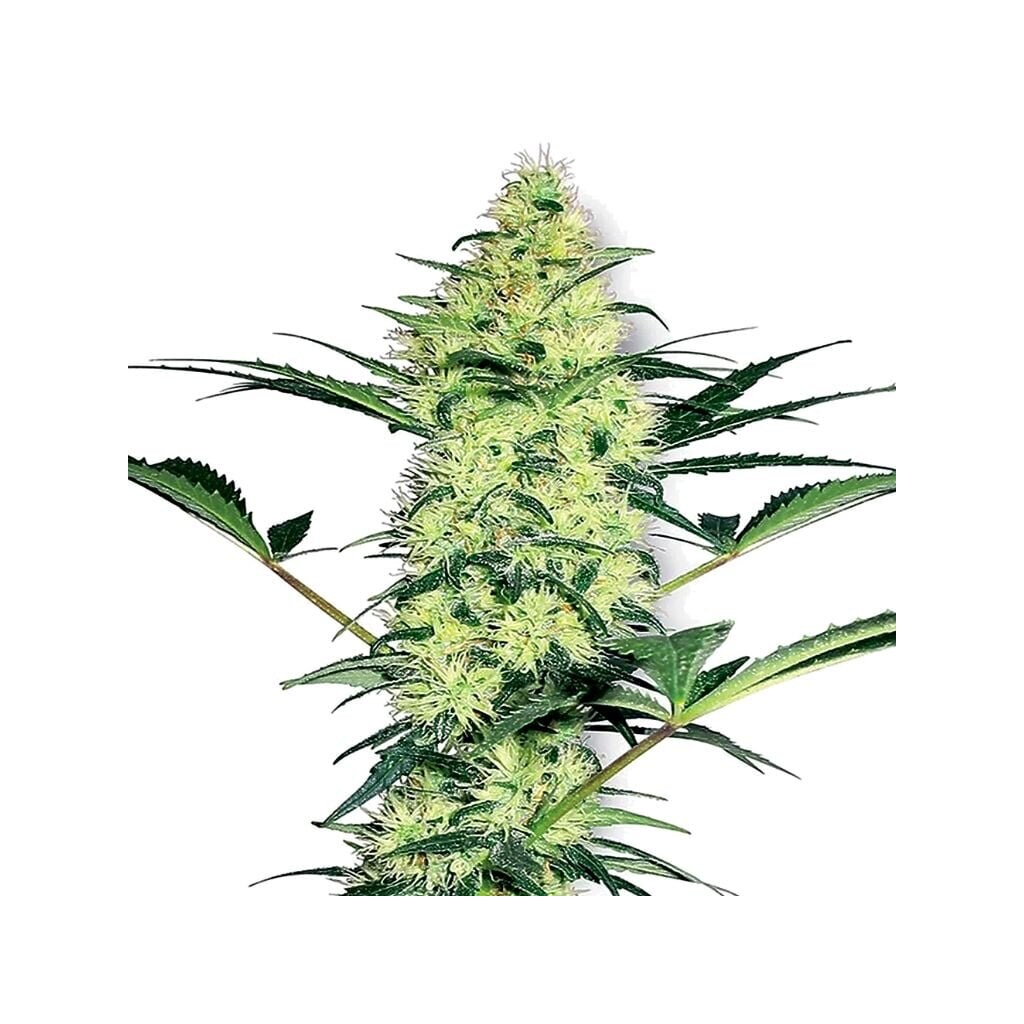
hybrid
Mother’s Helper Feminized
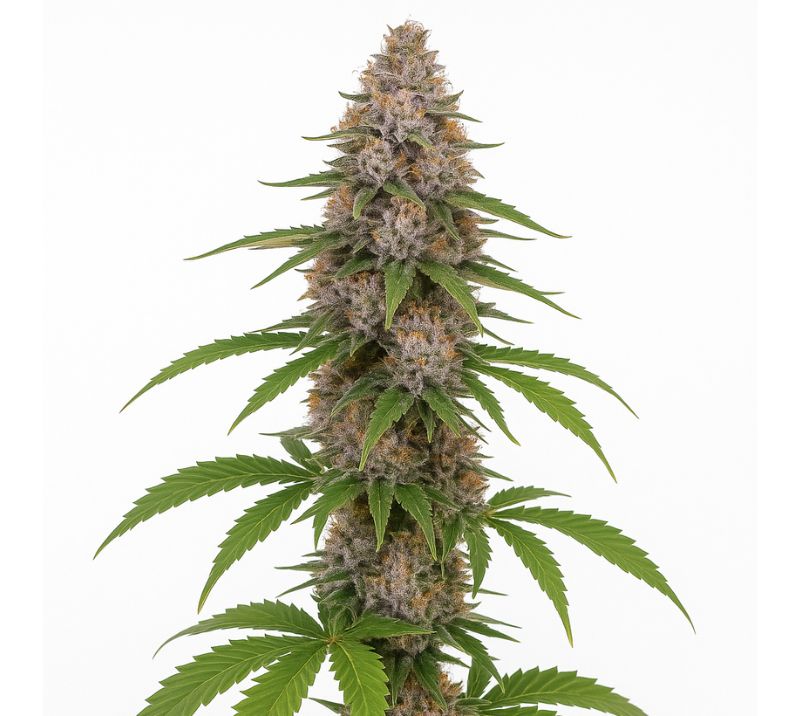
sativa
Liberty Haze Feminized
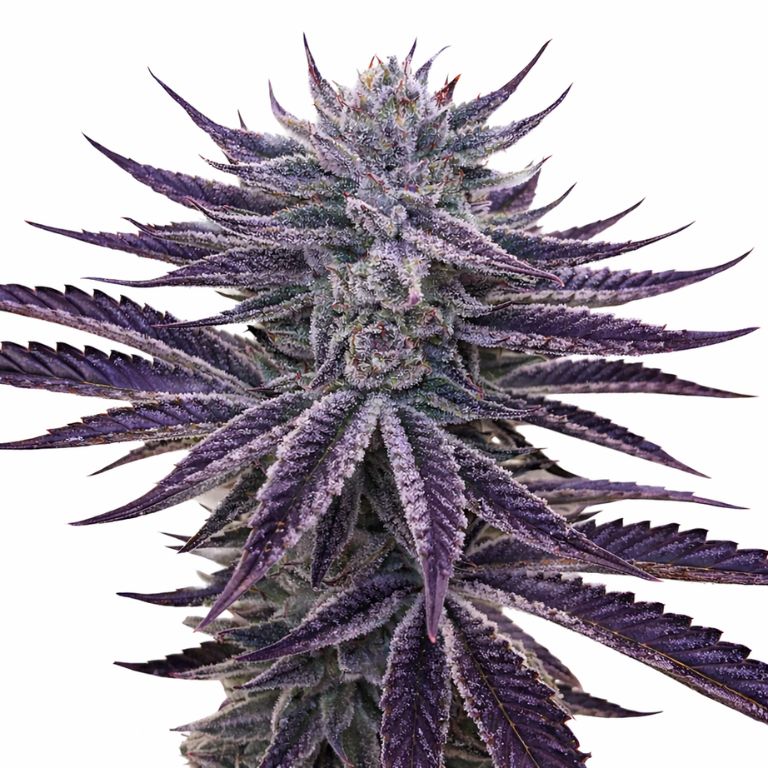
indica
Dark Side of the Moon Feminized
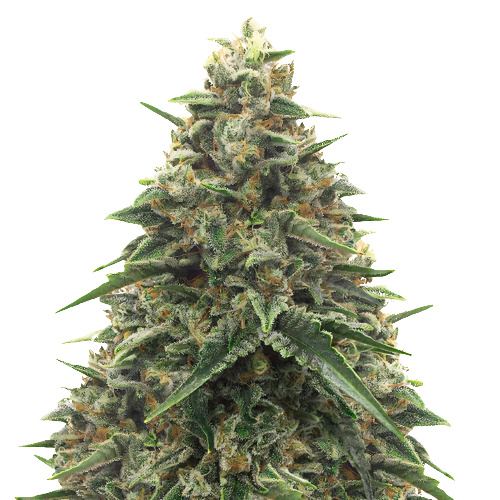
hybrid
Shiatsu Kush Feminized
Strain Profiles
Related Buying Guides
Browse the full Feminized Seeds collection
Premium genetics, US-wide discreet shipping, germination guaranteed.
Related Articles
Ready to Start Growing?
Shop 1,600+ feminized, autoflower, and CBD strains with 95% germination, discreet US-wide shipping, and free delivery on orders over $150.
Shop Cannabis Seeds