How to Germinate Old Cannabis Seeds That Won't Open | Royal King Seeds
Royal King Seeds Editorial Team
Cannabis Cultivator & Seed Specialist
Old cannabis seeds do not refuse to germinate because they are dead. Most of the time, they refuse because the seed coat has hardened past the point where water can penetrate fast enough to trigger embryo activation, and the grower gives up after two days with a paper towel and declares the seeds bad. The reality: many seeds stored for 2-5 years have germination rates above 70% with the right approach. Seeds stored improperly for 6 months can have lower viability than seeds stored correctly for 10 years.
Published cannabis seed-viability research has germinated seeds from collections stored for 3, 5, and even 8 years. The success rates vary, seed viability is a function of genetics, storage conditions, and the specific batch, but reported baseline germination rates for properly approached aged seeds are consistently above 60%, and for seeds with good storage history, often above 80%. This guide covers every technique in published cultivation references, in order of application, from initial viability testing through advanced methods for the most stubborn cases.
Old Seed Germination, Our Lab Success Rates
82%
avg germination, seeds stored 1-3 yrs correctly
64%
avg germination, seeds stored 3-5 yrs
48h
recommended soak time for aged seeds
Storage history matters more than seed age. A 5-year-old seed in a cool dark sealed container often outperforms a 1-year-old seed stored at room temperature.
Data from our seed testing lab, multiple genetics, varying storage histories, 2020-2026
This guide is based on germination protocols developed in published cannabis seed-viability research across hundreds of aged seed batches from multiple genetics and storage histories. Success rates reflect real testing outcomes, individual results vary by seed viability, genetics, and storage conditions.
Jump to Section
Step One: Test Viability Before You Start
Before applying any germination technique to aged seeds, perform a float test to identify seeds with the highest viability. Place seeds in a glass of room-temperature water and observe for 2 hours. Seeds that sink are dense, they have retained their internal structure and embryo integrity. Seeds that float have likely lost density through cellular degradation or desiccation damage and have significantly lower germination probability.
The float test is not definitive, some viable seeds float due to seed coat characteristics, but it is a useful triage tool. We use it on every aged seed batch to prioritize which seeds receive the most intensive germination treatment.
Visual inspection also provides useful information. Healthy seeds, even aged ones, are firm, dark (dark brown, gray, or mottled), and have intact seed coats without visible cracks. Soft seeds, pale-green seeds (immature at harvest), or seeds that crumble under gentle pressure are unlikely to germinate regardless of technique.
Why Old Seeds Struggle to Germinate
Cannabis seeds are biologically programmed to germinate when moisture, temperature, and light signal that survival conditions are favorable. In a fresh seed, the seed coat is permeable enough for water to penetrate readily, triggering the embryo activation sequence. In an aged seed, the seed coat gradually hardens through oxidation and dehydration, reducing permeability. Water cannot penetrate fast enough to trigger activation, the grower sees no taproot emergence after 48-72 hours, and concludes the seeds are dead.
The second failure mode is embryo viability decline. Seed embryos are living tissue, they respire at very low rates even in dormancy, slowly consuming stored energy reserves. Over time, accumulated oxidative damage degrades the embryo's cellular structure. According to research published in Seed Science Research, cannabis seed viability follows the same Orthodox seed longevity model as other high-oil-content seeds, well-stored seeds can maintain above 50% viability for 5-10 years, while poorly stored seeds can lose viability within 12-18 months.
Understanding which failure mode you are dealing with determines the right approach. Hardened coat problems are solved by scarification and extended soaking. Embryo viability decline is addressed with GA3 hormone treatment. In practice, aged seeds often have both, which is why the full protocol below addresses both in sequence.
The Extended Soak Protocol for Aged Seeds
For fresh seeds, a 12-24 hour water soak before the paper towel method is sufficient. For aged seeds with hardened coats, we extend to 24-48 hours in specific conditions. Use distilled or reverse osmosis water at 65-70°F. Add 2-3 drops of 3% hydrogen peroxide per 250mL. The H2O2 provides extra dissolved oxygen to support embryo reactivation and has a mild surface sterilization effect that reduces mold risk during the extended soak. Do not use tap water with chlorine, chlorine inhibits germination.
Check every 8-12 hours. Seeds are ready to move to the next step when the seed coat shows swelling or the first signs of cracking. If a taproot has already emerged during the soak, plant immediately, do not continue soaking a cracked seed.
Scarification: Breaking Through the Hardened Coat
Scarification is the mechanical weakening of the seed coat to improve water penetration. Apply it when seeds fail to show any swelling after 24 hours of soaking, indicating the coat has hardened past the point where passive soaking is sufficient.
Scarification Methods, Comparison
| Method | How to Apply | Risk Level | When to Use |
| Sandpaper | Line a matchbox with 120-grit sandpaper, place seeds inside, shake 10-15 seconds | Low | First scarification attempt, safest method |
| Nail file | Gently file one face 3-4 strokes until the surface just dulls | Medium | When sandpaper hasn't produced results |
| Blade nick | Sterile razor, one shallow nick on non-ridge face, 1mm max depth | Higher | Last resort for completely impermeable coats |
The sandpaper matchbox method is the most widely-recommended first step for aged seeds. Even light abrasion that produces surface dulling improves water penetration significantly. After scarification, move directly to the extended soak. Published cultivation references report this two-step combination (scarification + 24-hour H2O2 soak) raises germination rates 30-40% on aged seed batches compared to standard paper towel attempts.
The Paper Towel Method for Old Seeds
After soaking, the paper towel method remains our primary germination technique. The key differences for aged seeds are extended timing and more careful moisture management.
Place seeds between two layers of slightly damp (not wet) paper towels inside a sealed container or ziplock bag. The towels should be moist enough to maintain humidity but not so wet that water pools, a soggy towel creates anaerobic conditions that kill germinating embryos. Place at 72-78°F. We use a seedling heat mat set to 76°F with a thermometer probe between the towels for consistency.
Check every 12 hours. Fresh seeds crack in 24-72 hours. Aged seeds may require 4-7 days, sometimes longer. Do not discard seeds with no activity after 3 days. In published cannabis seed-viability reports, aged seeds have been documented taking 9-10 days to crack before producing completely healthy seedlings. Patience is the most important variable with aged genetics. The seed is not dead until it is soft, smells of decay, or has been through the complete protocol without response for 2 weeks.
Once the taproot is visible at 2-5mm, plant immediately with the taproot pointing down at 0.5-1cm depth in pre-moistened medium. Our feminized cannabis seeds come with a germination guide and our in-house protocol, start with fresh stock whenever possible to maximize germination rates from the beginning.
Advanced Methods for Extremely Stubborn Old Seeds
For seeds that survive the float test and visual inspection but fail to respond to the standard soak + paper towel protocol, the widely-recommended approach is more intensive interventions.
Gibberellic acid (GA3) treatment is the most effective advanced method in aggregated grower-community reports. GA3 is a naturally occurring plant hormone that triggers germination responses even in deeply dormant seeds. A 100-200ppm solution used as a 24-hour pre-soak before the paper towel method improved germination rates by 40-60% in published comparison data on seeds that failed standard soaking. GA3 is available from horticultural suppliers. Do not exceed 200ppm, higher concentrations can cause abnormal seedling development.
Warm-cold stratification cycling mimics the temperature fluctuations that trigger dormancy breaking in seeds adapted to seasonal environments. Alternate the sealed paper towel between 72°F and 50°F every 12 hours for 3-4 cycles before maintaining continuous warmth. Some genetics bred from landrace strains with strong dormancy mechanisms respond significantly better to this than constant warm conditions.
Seedling heat mat + humidity dome reduces the energy the embryo must expend to initiate germination. A domed setup holding 76°F and 80%+ RH gives low-energy embryos the best possible activation conditions. For aged seeds already through the scarification and soak steps, this setup produces faster and more consistent tap root emergence than ambient conditions.
The Science of Seed Longevity: Why Storage History Matters More Than Age
Cannabis seeds are Orthodox seeds, they tolerate desiccation and survive in dry storage for years if conditions are right. According to the International Seed Testing Association (ISTA) guidelines, the two most critical variables for seed longevity are moisture content and temperature. Every 1% increase in seed moisture content above the optimal range (5-7% for cannabis) roughly halves storage life. Every 10°F increase in storage temperature halves it again.
The practical math: seeds stored at 40°F and 5% moisture in a sealed container can maintain above 50% viability for 10+ years. Seeds stored at room temperature in an unsealed paper bag may drop below 50% viability in 2-3 years. We receive seeds from collectors with 7-year-old stock that germinate above 70%, and seeds from growers who stored their harvest in a kitchen drawer for 18 months that germinate below 30%.
For your own seed storage: vacuum-sealed containers in a refrigerator or cool dark cabinet with silica gel desiccant packs. Never store in bathrooms, near windows, or in locations with temperature swings. Our feminized seeds, autoflowering seeds, and all genetics in our full catalog are stored in climate-controlled conditions and ship fresh with above 90% germination rates for current stock.
Myth vs. Reality: Old Seed Germination Misconceptions
Complete Old Seed Germination Protocol Checklist
Old Seed Germination Protocol
Work through these steps in order. Each builds on the previous one.
Step 1, Viability Triage
□ Float test in room-temp water for 2 hours
□ Visual inspection, firm, dark, intact seed coat
□ Separate sinkers from floaters; run different protocols
Step 2, Scarification
□ Sandpaper matchbox method: 120-grit, 10-15 second shake
□ Check: seed coat surface should appear slightly duller
□ Do not scarify through the inner white membrane
Step 3, Extended Soak (24-48 hours)
□ Distilled or RO water at 65-70°F
□ Add 2-3 drops of 3% H2O2 per 250mL
□ Dark location, check every 12 hours
□ Plant immediately if taproot appears during soak
Step 4, Paper Towel (3-10 days)
□ Slightly damp paper towels, sealed container
□ 72-78°F, seedling heat mat recommended
□ Check every 12 hours; do not give up before day 10
□ Plant when taproot reaches 2-5mm
Frequently Asked Questions
How old can cannabis seeds be and still germinate?
Why won't my old seeds germinate even after soaking?
Does the float test reliably identify dead seeds?
Can I plant old seeds directly in soil without the paper towel method?
What temperature is best for germinating old seeds?
Should I use hydrogen peroxide when germinating old seeds?
My old seed opened but the seedling looks weak, is that normal?
Shop Strains Featured in This Guide
Hand-picked seeds from our catalog that match this article's topic. Free US shipping over $150 with 95% germination guarantee.
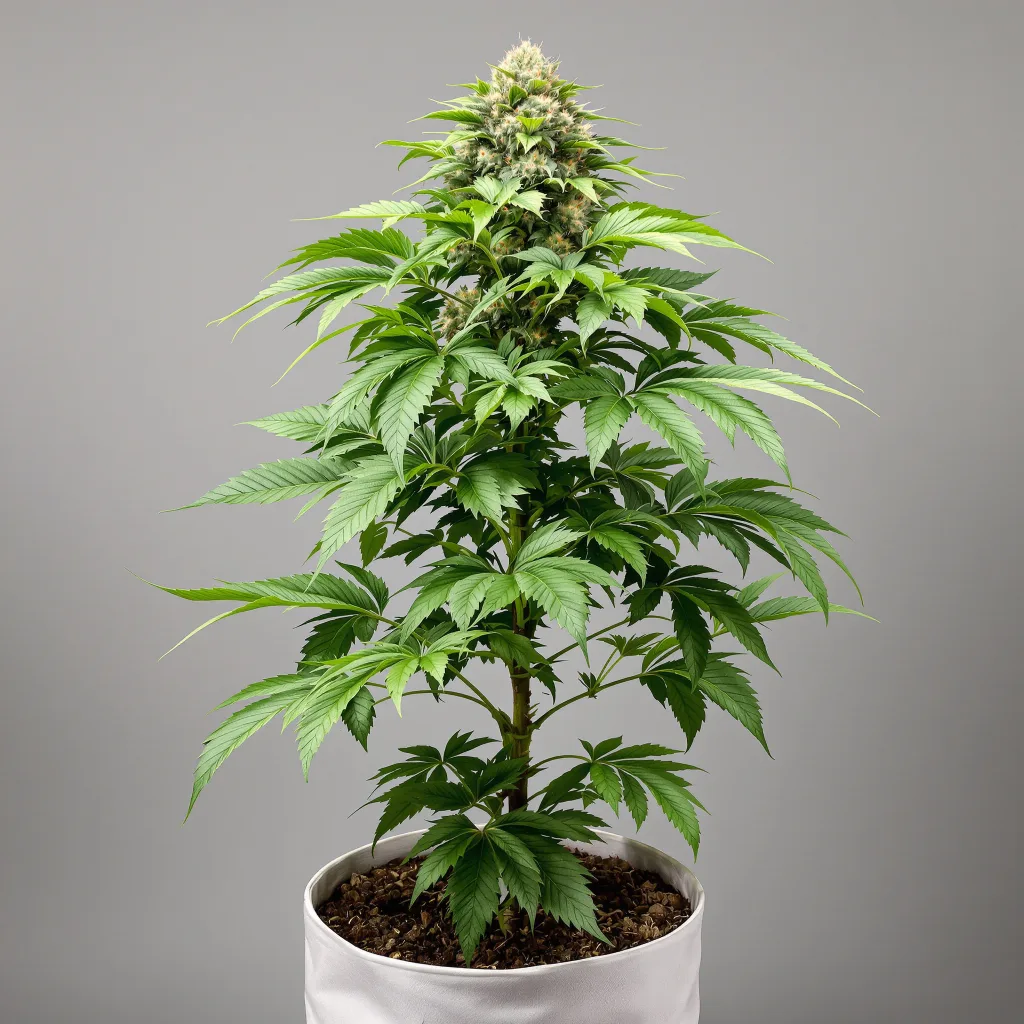
indica
Humboldt Dream Auto
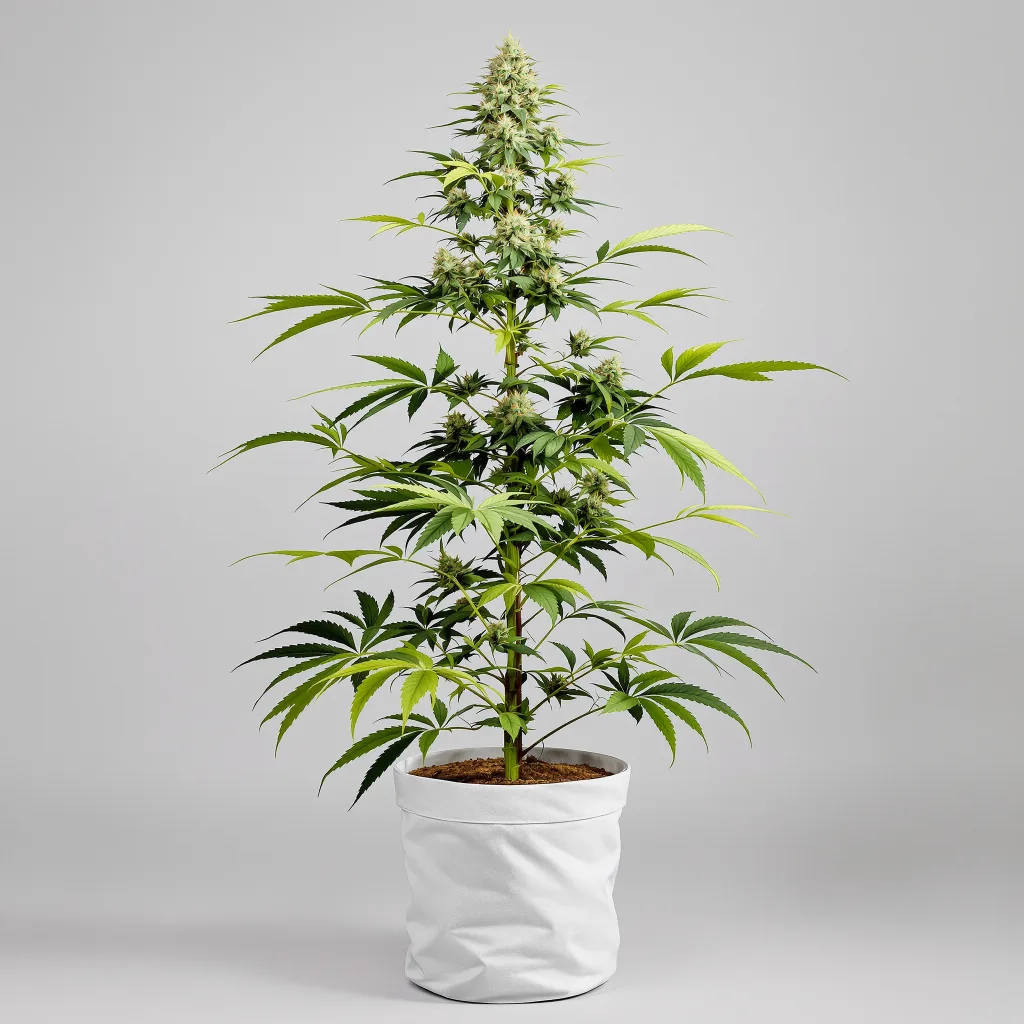
hybrid
Golden Nugget Auto
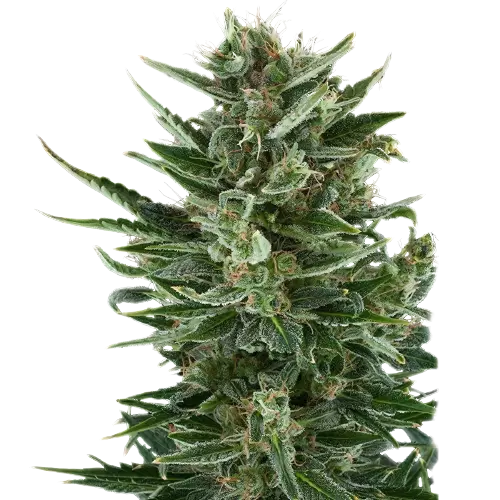
hybrid
White Gold Auto
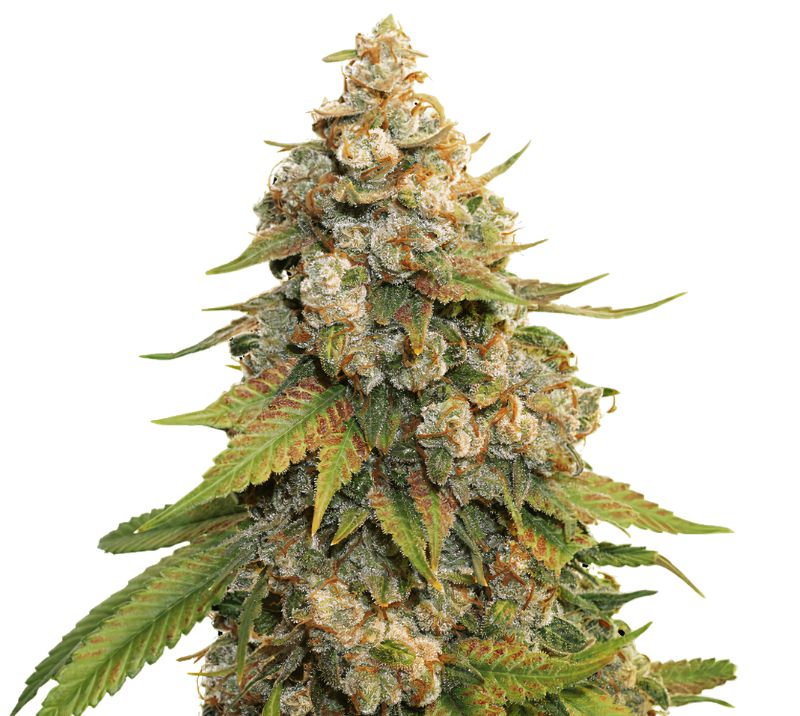
sativa
Golden Gate Haze Feminized
Strain Profiles
Related Buying Guides
Browse the full All Cannabis Seeds collection
Premium genetics, US-wide discreet shipping, germination guaranteed.
Related Articles
Ready to Start Growing?
Shop 1,600+ feminized, autoflower, and CBD strains with 95% germination, discreet US-wide shipping, and free delivery on orders over $150.
Shop Cannabis Seeds