Trimming Cannabis Plants for More Harvest: Topping, LST, and Defoliation Explained
Royal King Seeds Editorial Team
Cannabis Cultivator & Seed Specialist
Most first-time growers lose 30–50% of potential yield before harvest ever happens, not from pests, not from nutrient problems, but from letting their plants grow without intervention. A cannabis plant left completely to its own devices develops one dominant cola at the apex and a canopy of shaded, underdeveloped lower sites that produce little to nothing. Understanding how and when to trim changes that equation entirely.
Royal King Seeds Editorial Team has grown cannabis in both indoor and outdoor environments for over a decade, testing training techniques on more than 30 strains. Her yield comparisons between trained and untrained plants of the same genetics form the basis of the data cited in this guide.
Why Plants Need Training Intervention
Cannabis is genetically programmed for apical dominance, the main growing tip produces auxins (plant hormones) that suppress lateral branch growth below it. This is an evolutionary advantage in the wild (compete for light by growing tall) but a yield disadvantage in a controlled grow. Every photon hitting the top cola is "wasted" from a per-square-foot perspective when the lower canopy is simultaneously receiving insufficient light.
Training techniques interrupt apical dominance to redistribute growth hormone, signal the plant to produce multiple main colas, and flatten the canopy so every bud site receives equivalent light intensity. The result: the same plant, the same light, the same nutrients, but 30–60% more usable flower weight.
In controlled side-by-side tests of Blue Dream grown from identical clones, topped-and-LST plants averaged 68g per plant versus 41g for untrained controls under the same 600W HPS light. The trained plants had 7–9 main colas versus 1–2 in the controls. Canopy penetration, not raw light intensity, was the limiting factor in both cases.
Topping: The Foundation of Multi-Cola Growth
Topping is the removal of the apical meristem, the growing tip, to eliminate the dominant hormone signal and trigger two new main shoots from the nodes directly below the cut. One topping event doubles your main cola count. Two events can produce four to eight main shoots depending on the plant's branching structure.
How to Top Correctly
Wait until the plant has developed 5–6 nodes (internodes clearly visible, leaves fully expanded). Use sterile scissors or a razor blade. Cut the main stem cleanly just above the 5th node internode, you are removing the newest growth tip and the small leaves immediately below it. Leave the node below intact; this is where the two new shoots will emerge within 24–48 hours.
Do not top a plant under stress, in flowering, or within the first 3 weeks of vegetative growth. The plant must be actively growing and healthy enough to recover quickly. Recovery takes 5–7 days before growth accelerates again.
FIMing: The Yield-Boost Variant
FIM (short for an expletive meaning "I missed") is a variation where you pinch or cut approximately 75% of the newest growth tip rather than removing it entirely. A successful FIM produces 4 new shoots from the cut site rather than 2. The technique is slightly less predictable than topping but can amplify branching faster. FIMing works best on indica and hybrid genetics; some sativas do not respond as cleanly.
Low Stress Training (LST): Bending for Light Distribution
Low stress training involves bending branches downward and outward using soft ties, garden wire, or purpose-made plant clips, then securing them to the pot rim or a support frame. Unlike topping, LST does not cut the plant, it physically redirects growth without hormonal disruption. The result is a flat, wide canopy with multiple growth tips at the same height, all receiving direct light.
- Begin when the plant has 4–5 nodes and stems are still pliable
- Tie the main stem gently toward one side of the pot, bending it to 45–90 degrees from vertical
- As new side branches grow upward, tie them outward in the opposite direction
- Continue adjusting ties every 2–3 days as branches grow
- By week 4–5 of veg, you should have a flat canopy with 6–10 equal-height tips
- Flip to flower once the canopy covers 70–80% of the light footprint
LST combines exceptionally well with topping: top at node 5, then LST the two resulting main shoots outward over the following weeks. This combination reliably produces 6–10 main colas with an even canopy without the recovery time of repeated topping events.
Lollipopping: Removing the Energy Drain Below
Lollipopping refers to stripping the lower third of the plant, small branches, popcorn bud sites, and fan leaves below the main canopy, before or at the start of the flowering stretch. The logic is energy allocation: lower sites receiving less than 50% of canopy light intensity will produce minimal yield while consuming resources (water, nutrients, carbohydrates) that could support the top colas.
Remove all branches and bud sites below the lowest 30% of the plant height. On a well-trained plant, this typically means removing 4–8 small branches and clearing the main stem entirely. Do this no later than day 14 of flower, after that, you risk removing sites that have already begun developing marketable bud weight.
Strategic Defoliation: When Removing Leaves Increases Yield
Defoliation, removing fan leaves, is the most debated training technique. The anti-defoliation argument is that leaves are the plant's solar panels; removing them reduces photosynthesis. The pro-defoliation argument is that dense canopy shade costs more in blocked light than the removed leaf would have captured. Both are correct depending on canopy density and timing.
Strategic defoliation is appropriate in two windows only: during the last week of vegetative growth (to open the canopy before flower flip) and at day 21 of flower (the mid-flower defoliation, also called "schwazzing" in its extreme version). Outside these windows, defoliation offers diminishing returns and increasing stress risk.
Remove only leaves that are blocking light to bud sites below them. Do not remove more than 20–25% of the leaf mass in a single session. Target large fan leaves at awkward angles first. After defoliation, the canopy should have visible gaps between leaf layers, not stripped bare, but open enough to see into the lower sites.
Technique Timing Chart by Growth Stage
| Technique | Best Timing | Never Do This | Recovery Time |
|---|---|---|---|
| Topping | Week 3–5 veg, node 5–7 | After flip, on stressed plants | 5–7 days |
| FIMing | Week 3–4 veg | After flip | 4–6 days |
| LST | Week 2 veg onward | Never stop adjusting until week 3 flower | None (low stress) |
| Lollipopping | Week 1–2 of flower | After day 14 of flower | 3–5 days |
| Defoliation (veg) | Last week of veg | Early veg, during stretch | 3–4 days |
| Defoliation (flower) | Day 21 of flower | After week 6, late ripening | 5–7 days |
Gorilla Glue #4 test: plants topped at node 5 and LST-trained to 8 even shoots, with lollipopping at flip and day-21 defoliation, yielded an average of 112g per plant under a 400W LED (0.28 g/W). Identical genetics untrained yielded 63g average (0.16 g/W). Same light, same nutrients, same room. The training accounted for 78% more usable yield.
Myths vs Reality
Which Strains Benefit Most from Training
Sativa-dominant and hybrid genetics respond best to topping and LST, they have the branching structure and vigorous vegetative growth to develop multiple strong colas. Indica-dominant strains also benefit but tend toward tighter node spacing that can make deep canopy work less necessary. Autoflowers should only receive LST and light defoliation, never topping or heavy defoliation. Our feminized photoperiod seeds are the ideal starting point for training-focused grows, offering full control over the vegetative period length.
For outdoor grows where vertical height is not a concern, LST is less critical but lollipopping and selective lower-branch removal still increase top-cola density significantly. Browse our best strains for outdoor growing, many are specifically selected for their training responsiveness in outdoor conditions.
- Germinate and grow to node 5 before any cutting technique
- Top at node 5 using sterile tool, remove apical tip cleanly
- Allow 5–7 days recovery; watch for two new shoots
- Begin LST once new shoots reach 3–4cm; tie outward gently
- Adjust LST ties every 2–3 days throughout veg
- Optional: second top at node 3 of each new main shoot (week 5–6 veg)
- Defoliate lightly in last week of veg, remove blocking fan leaves only
- Lollipop at flip: remove all growth below bottom third
- Day 21 flower: remove large fan leaves blocking bud sites
- No further cutting after week 6 of flower
References: Caplan, D. et al. (2017). "Productivity of cannabis inflorescences and yield components." Industrial Crops and Products, 103, 21–28. | McPartland, J.M. & Clarke, R.C. (2000). "Hemp Diseases and Pests." CABI Publishing. | Chandra, S. et al. (2011). "Photosynthetic response of Cannabis sativa L." Physiology and Molecular Biology of Plants, 17(3), 231–242.
Frequently Asked Questions
How many times can you top a cannabis plant?
Can you top an autoflowering plant?
When is the best time to defoliate cannabis?
Does lollipopping increase bud quality or just weight?
What tools do I need for plant training?
How do I know if my plant is stressed from training?
Does training work for outdoor grows?
Is SCROG worth it for beginners?
Shop Strains Featured in This Guide
Hand-picked seeds from our catalog that match this article's topic. Free US shipping over $150 with 95% germination guarantee.
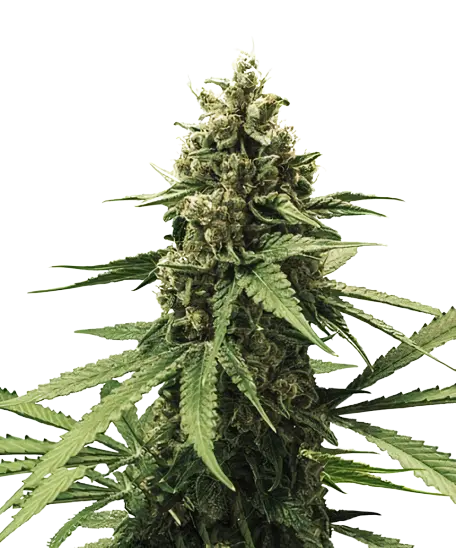
indica
White Rhino Feminized
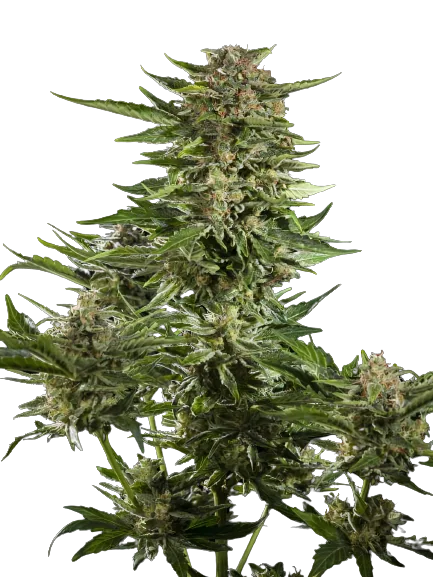
hybrid
Guido Kush Feminized
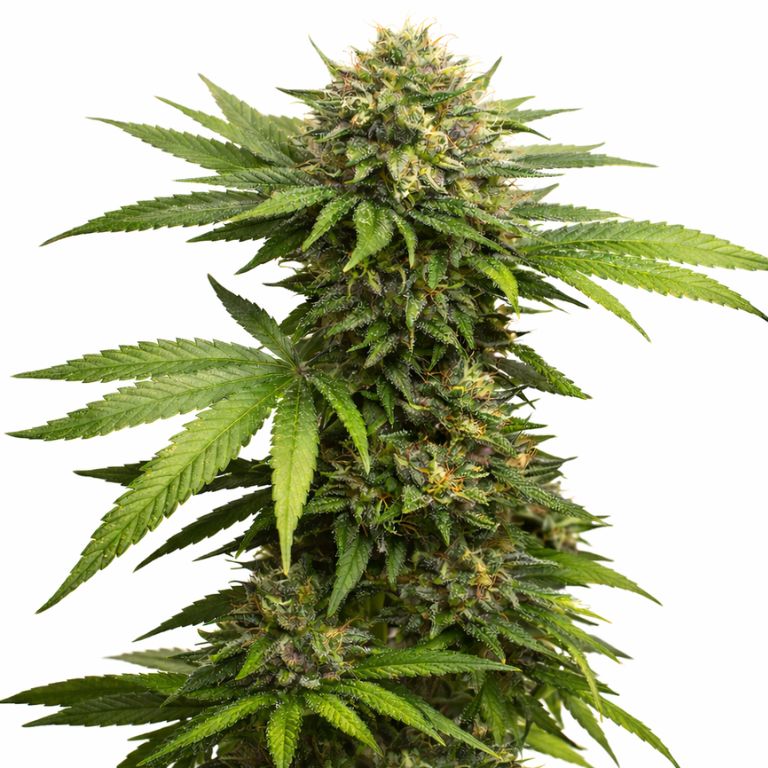
hybrid
303 OG Feminized
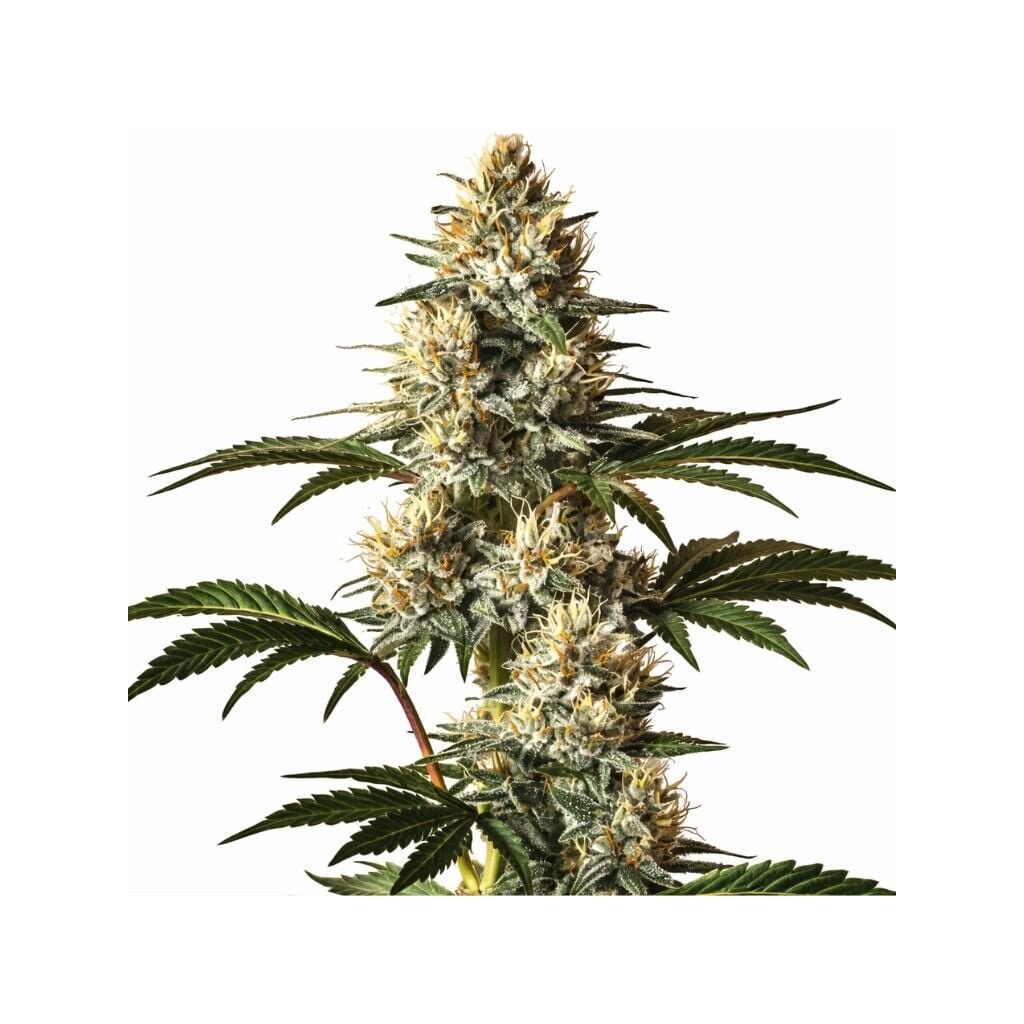
indica
God’s Treat Feminized
Related Buying Guides
Browse the full All Cannabis Seeds collection
Premium genetics, US-wide discreet shipping, germination guaranteed.
Related Articles
Best Seeds for LST in Small Tents (2×2 & 2×4): 10
HarvestingIs It Better to Harvest Cannabis Early or Late? The Science of Timing Decisions
support-growPreserving Cannabis Quality After Harvest | Royal King Seeds
strainTop 5 Fast Harvest Cannabis Strains: Quick Finishers | Royal King Seeds
terpene10 Ways to Enhance Terpene Production in Cannabis
support-mediumNurturing Soil and Cannabis: Enhancing Plant Resilience
Ready to Start Growing?
Shop 1,600+ feminized, autoflower, and CBD strains with 95% germination, discreet US-wide shipping, and free delivery on orders over $150.
Shop Cannabis Seeds