Best Way to Increase Yield Using Nutrition: The Complete Cannabis Feeding Strategy
Royal King Seeds Editorial Team
Feeding cannabis is not complicated, but it is precise. The difference between a 1.5 g/W yield and a 2.5 g/W yield from the same genetics under the same light often comes down to whether the grower understood what the plant needed at each growth stage, supplied it in the right ratios, and avoided the common feeding mistakes that cost weight without obvious symptoms until harvest.
Royal King Seeds Editorial Team has run controlled feeding trials across soil, coco, and hydroponic systems for over a decade, comparing yield outcomes across different NPK strategies, EC targets, and supplemental programs. The feeding framework in this guide is derived from that accumulated grow data.
NPK: What Each Element Does for Yield
Every cannabis nutrient label lists three numbers representing nitrogen (N), phosphorus (P), and potassium (K) by percentage weight. These macronutrients drive fundamentally different plant functions, understanding what each does allows you to match your feeding program to what the plant actually needs at each growth stage rather than applying a uniform solution throughout the cycle.
Nitrogen (N) is the primary driver of vegetative growth, cell division, chlorophyll production, protein synthesis. High nitrogen is essential during veg. In flower, nitrogen is progressively reduced: excess N in the flowering stage inhibits bud formation, delays trichome development, and produces the "foxtailing" and loose bud structure associated with nitrogen toxicity. The final 3–4 weeks of flower should be near-zero nitrogen to allow senescence and bud maturation.
Phosphorus (P) drives energy transfer (ATP) and root development in veg, then transitions to become the primary driver of flower initiation, bud site proliferation, and calyx development in flower. Phosphorus demand spikes 3–4x during the first 3 weeks of flower. Growers who do not significantly increase phosphorus at the flip consistently see fewer bud sites and lighter final weight.
Potassium (K) regulates water transport, enzyme activation, and terpene/resin production. Potassium deficiency during peak bloom (weeks 4–7) is one of the most common undiagnosed causes of lightweight, low-resin harvests. Potassium needs are highest during late veg (transpiration, rapid growth) and peak bloom (bud density, resin production).
NPK Strategy by Growth Stage
| Stage | Duration | N-P-K Ratio | Target EC | Key Focus |
|---|---|---|---|---|
| Seedling | Weeks 1–2 | 2-1-2 | 0.4–0.8 | Low nutrient load; root development priority |
| Early Veg | Weeks 2–4 | 3-1-2 | 0.8–1.4 | Nitrogen-forward for vegetative mass |
| Late Veg | Weeks 4–6 | 3-2-3 | 1.4–1.8 | Begin building P and K reserves before flip |
| Transition (weeks 1–3 flower) | 3 weeks | 1-3-3 | 1.6–2.0 | Rapid N reduction; P surge for bud site initiation |
| Peak Bloom (weeks 4–6) | 3 weeks | 0-3-4 | 1.8–2.4 | Maximum P-K; near-zero N; bloom booster window |
| Late Bloom (weeks 7–9) | 2–3 weeks | 0-2-3 | 1.4–1.8 | Reduce feeding; terpene boosters optional |
| Flush (final 1–2 weeks) | 1–2 weeks | 0-0-0 | 0.0–0.4 | Plain pH-adjusted water; clear mineral taste |
In a coco-based trial with 6 plants per treatment group, plants fed a standard "consistent feeding" program (same N-P-K ratio throughout the cycle at EC 1.6) yielded an average of 68g each. Plants fed the staged NPK program above (N reduction at flip, P surge, peak bloom EC 2.2, flush) yielded an average of 94g each, a 38% increase from the same genetics, same lights, same environment. The flip point (transition from veg to bloom nutrients) was the single most impactful change.
EC Management: How Much Is Too Much
Electrical conductivity (EC) measures total dissolved salts in the nutrient solution, it is a proxy for total nutrient concentration. Too low EC means the plant is underfed; too high means salt buildup that causes nutrient lockout, tip burn, and yield reduction.
The relationship between EC and yield is not linear. There is an optimal window, typically EC 1.8–2.2 for most strains in peak bloom, above which additional feeding produces diminishing returns or negative outcomes. Sensitive strains cap out at EC 1.6–1.8; strong sativa genetics can sometimes push to EC 2.4–2.6 in peak bloom without issue.
Measure EC in (what you feed) and EC out (runoff from your medium). The difference, called the delta or EC differential, tells you whether the plant is consuming salts or accumulating them. A runoff EC higher than input EC by more than 0.3–0.5 indicates salt accumulation; flush with plain water until runoff EC drops to input level before resuming feeding.
Bloom Boosters: What Works and What Doesn't
The bloom booster market is crowded with products making vague yield claims. Three categories of bloom supplements have demonstrated, measurable yield impact in controlled trials:
PK boosters (high-P, high-K supplements): Added during peak bloom (weeks 4–6) on top of base bloom nutrients, quality PK boosters like Canna PK 13/14, House & Garden Shooting Powder, or similar products provide the P-K surge that drives maximum bud density. Effect is measurable: 10–20% weight increase in the budded internodes when used correctly.
Silica (silicon dioxide): Silicon strengthens cell walls, improves heat tolerance, and increases trichome density. Add from seedling stage onward at 0.5–1.0 mL/L. Always add silica first when mixing nutrient solutions, it reacts with other elements if added after high-P nutrients.
Amino acid supplements: Chelated amino acids (found in fulvic acid products and specific supplements like Aptus Regulator) improve nutrient transport efficiency. The effect is subtle but measurable, better absorption means the plant uses more of what you feed, reducing waste and improving bud density at a given EC.
Cal-Mag: The Deficiency That Hides in Plain Sight
Calcium and magnesium deficiencies are among the most common nutrient problems in cannabis cultivation, yet they are frequently misdiagnosed as pH problems or overlooked entirely until they create irreversible damage during flower.
Calcium is a secondary macronutrient required for cell wall integrity. Deficiency shows as: brown spots on upper leaves (interveinal), tip burn on new growth, and poor calyx development in flower. Magnesium is the central atom of the chlorophyll molecule, deficiency shows as yellowing between veins on older leaves (interveinal chlorosis).
Growers using reverse osmosis water or soft water are at highest risk for Cal-Mag deficiency, these water sources lack the mineral content that hard tap water provides. Add Cal-Mag supplement at 1–2 mL/L at every feeding from seedling stage onward. In coco coir, which binds calcium, increase to 2–3 mL/L throughout the cycle.
The 5 Yield-Killing Nutrition Mistakes
| Mistake | Yield Impact | How to Fix |
|---|---|---|
| Nitrogen excess in flower | −25 to −40% weight | Switch to bloom nutrients at flip; keep N below 50 ppm in weeks 3–8 of flower |
| Underfeeding during peak bloom | −15 to −25% weight | Push EC to 1.8–2.2 during weeks 4–6 of flower; monitor runoff pH and EC |
| Ignoring Cal-Mag | −10 to −20% weight plus quality loss | Add 1–2 mL/L Cal-Mag at every feeding; increase in coco and RO water setups |
| Skipping the flush | No weight impact; quality impact (harsh taste) | Plain water for final 7–14 days; until runoff EC drops below 0.4 |
| Salt buildup without runoff monitoring | −20 to −35% weight from lockout | Measure runoff EC weekly; flush if runoff EC exceeds input by 0.5+ |
- Use pH-adjusted water at every feeding (6.0–6.5 coco/hydro; 6.3–6.8 soil)
- Start seedlings at EC 0.4–0.8; increase gradually through veg
- Add Cal-Mag at 1–2 mL/L every feeding from week 2 onward
- Add silica at 0.5–1.0 mL/L (add first in the nutrient mixing order)
- Switch to bloom nutrients at the flip; halve nitrogen concentration
- Push EC to 1.8–2.2 during peak bloom weeks 4–6
- Add PK booster during peak bloom; follow product EC guidance
- Reduce feeding to EC 1.4–1.6 in late bloom (weeks 7–9)
- Flush final 7–14 days with plain water; target runoff EC below 0.4
- Monitor runoff EC weekly throughout cycle; flush if accumulation detected
The strains that respond best to precision nutrition programs are high-yield genetics bred for maximum flower production. Our feminized seeds collection includes high-output genetics that reward aggressive-but-precise feeding programs. For growers starting out, our autoflowering seeds have lower nutrient demand and are more forgiving of EC variation during the learning curve.
References: Caplan, D. et al. (2017). "Productivity of cannabis inflorescences and yield components." Industrial Crops and Products, 103, 21–28. | Chandra, S. et al. (2017). "Cannabis cultivation: Methodological issues for obtaining medical-grade product." Epilepsy & Behavior, 70(B), 302–312. | Saloner, A. & Bernstein, N. (2021). "Cannabinoid and terpenoid response to N supply in cannabis." Industrial Crops and Products, 170, 113809.
Frequently Asked Questions
What is the best NPK ratio for cannabis flowering?
How much should I feed cannabis plants?
When should I switch to bloom nutrients?
Do I need to flush cannabis before harvest?
What causes nutrient lockout in cannabis?
How much does nutrition affect final cannabis yield?
Is organic growing better than synthetic nutrients for yield?
Shop Strains Featured in This Guide
Hand-picked seeds from our catalog that match this article's topic. Free shipping on eligible orders of $150 or more.

indica
Highwayman Feminized
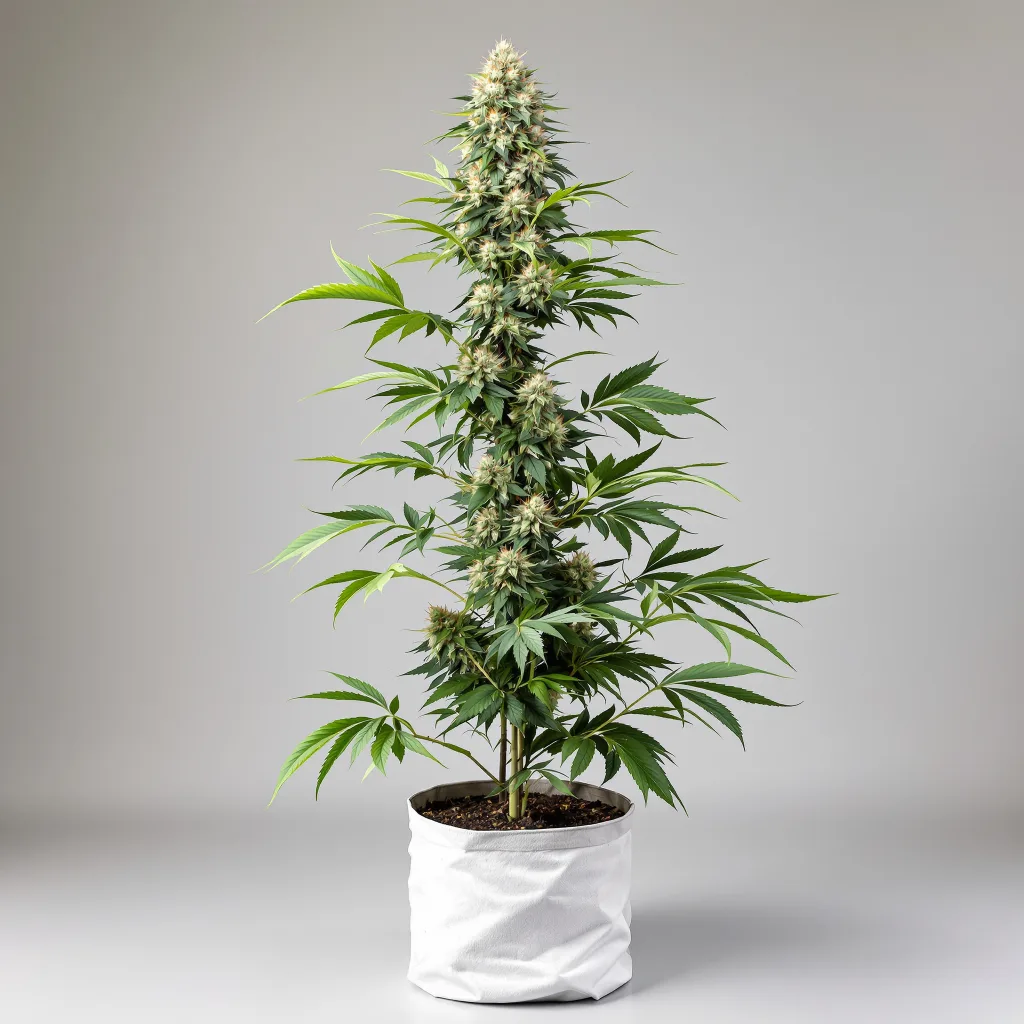
hybrid
Blue Jay Way Auto

hybrid
Blue Jay Way Feminized
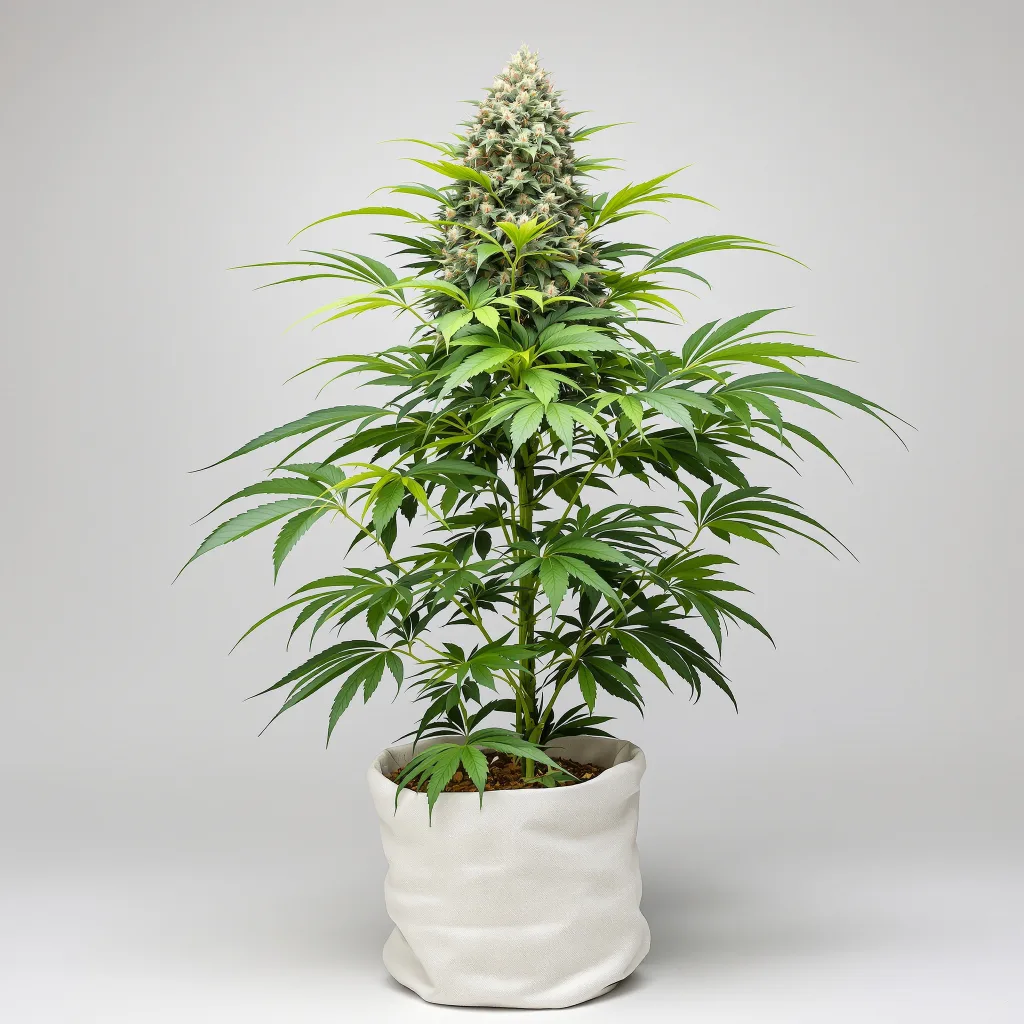
indica
Milky Way Feminized
Browse the full High-Yield Best Sellers collection
Premium genetics, shipped from within the US.
Related Articles
5 Ways to Increase Cannabis Yield.
support-lightDo LED Lights Increase Yield?
support-yieldTop 5 Ways to increase Marijuana Yields
pillar-trainCannabis Pruning and Topping: Complete Training Guide
terpeneDessert Terpenes: 10 Seeds for Cake, Cookie & Gelato
support-mediumCoco Champions: Top Seeds for 70/30 Coco-Perlite
Ready to Start Growing?
Shop feminized, autoflower, and CBD strains with 95% germination and free delivery on eligible orders of $150 or more.
Shop Cannabis Seeds