How to Dry Harvested Cannabis Plants | Royal King Seeds
Royal King Seeds Editorial Team
Cannabis Cultivator & Seed Specialist
Drying is the phase most growers underinvest in, and it shows up directly in the final product. Cannabis that dries too fast loses terpene content and produces a harsh, headache-inducing smoke. Cannabis that dries too slow develops mold in the bud structure and can ruin an entire harvest in 48 hours. The difference between the two outcomes is environmental control: temperature, humidity, and airflow working together within specific ranges.
We've tracked post-harvest quality outcomes across dozens of drying runs. The data consistently shows that slow drying (10-14 days) at 60-65°F and 55-60% RH produces measurably better terpene retention and smoother smoke than fast-dry methods, even when starting material is identical.
Cannabis Drying, Critical Numbers
60-65°F
ideal drying room temperature
55-60%
target relative humidity
10-14d
optimal slow-dry duration
Target moisture content at cure entry: 10-12% (small stem snap, not full bend).
Data from post-harvest quality tracking, multiple strains, controlled dry environments, 2023-2025
Drying timelines below assume whole-plant or large branch drying in a controlled indoor environment. Use moisture content (stem snap test) as your primary readiness indicator, not days elapsed.
Jump to Section
Setting Up Your Drying Room
The drying space needs three things: darkness, airflow, and environmental control. Light degrades THC, chlorophyll breakdown during drying is accelerated by UV exposure and produces harsh chlorophyll taste in the final product. Keep the drying space dark or use only low-level red spectrum lighting if you need to check plants.
Airflow prevents mold without over-drying. The goal is gentle air movement that keeps humidity from stratifying around drying buds, not a fan blowing directly on plant material. Direct fan airflow on buds accelerates drying dramatically and locks in chlorophyll. Position fans to circulate room air, pointed at walls or corners rather than directly at hanging plants.
A portable AC unit for temperature control and a standalone humidifier or dehumidifier to hold humidity in the 55-60% RH target range is the recommended setup. A digital temperature/humidity meter inside the drying space is essential. Best practice is to monitor drying conditions twice daily during the first week.
Whole-Plant Drying vs Wet Trim
Drying Method Comparison
| Method | Dry Time | Terpene Retention | Mold Risk |
| Whole-plant hang | 10-14 days | Highest, leaves protect terpenes during slow dry | Medium, dense canopy areas need airflow |
| Wet trim | 5-8 days | Moderate, faster dry means more terpene loss | Lower, exposed bud surface dries faster |
| Dry trim | 10-14 days | Highest, same as whole-plant | Medium, same as whole-plant |
We recommend dry trim or whole-plant for best quality. Wet trim is faster but sacrifices terpene quality, reserve it for high-humidity environments where slow drying creates mold risk.
Temperature and Humidity: Why the Numbers Matter
Temperature above 70°F during drying accelerates terpene evaporation. Terpenes are volatile organic compounds, the aromatic molecules responsible for flavor, aroma, and a significant portion of the effect profile. Most terpenes begin volatilizing rapidly above 68-70°F.
Relative humidity below 45% produces a rapid-dry that locks chlorophyll into the final product, the result is harsh, green-tasting smoke. Humidity above 65% creates mold risk, especially in dense buds and whole-plant setups. The 55-60% RH target is the sweet spot: slow enough for chlorophyll breakdown and terpene preservation, dry enough to prevent mold growth.
Testing for Drying Readiness
The primary test is the small stem snap test: take a small branch (pencil-thickness) and bend it sharply. If it snaps cleanly rather than bending, the branch core moisture has dropped to the target range (approximately 10-12% moisture content). If it bends with a slight crack, it needs 1-2 more days.
The large stem test gives a false early positive, thick stems retain moisture long after smaller branches are ready. Always test on a thin branch in the inner canopy. Secondary test: place a small amount of trimmed bud into a sealed mason jar for 1 hour. If the bud surface feels slightly dry and smells like full terpene aroma (not green or fresh), you're close to cure-ready.
Troubleshooting: Common Drying Problems
Drying Problems and Solutions
| Problem | Cause | Fix |
| Hay/grass smell | Dried too fast; chlorophyll not fully broken down | Cure with 62% Boveda for 2-4 weeks, hay smell usually resolves with proper curing |
| Mold on buds during drying | Humidity too high; insufficient airflow around dense buds | Increase air circulation immediately; reduce RH to 50-55%; remove and discard moldy material |
| Drying too fast | Too low RH, too high temp, or direct fan airflow | Move to sealed cure jars with Boveda 62% immediately to rehydrate |
| Uneven drying | Very dense buds drying unevenly | Increase air circulation; break dense buds into smaller pieces for more even drying |
Myth vs Reality: Cannabis Drying
Cannabis Drying Protocol Checklist
Complete Drying Protocol Checklist
Follow in order from harvest cut to cure-ready.
Harvest and Hang
□ Cut whole plant or large branches (dry trim) or trim leaves before hanging (wet trim)
□ Hang upside down in total darkness
□ Space plants so buds don't touch each other
Environmental Control
□ Temperature: 60-65°F
□ Humidity: 55-60% RH
□ Gentle air circulation, fans pointed at walls, not directly at plants
□ Verify with digital temp/humidity meter inside the drying space
Test for Readiness (Day 7+)
□ Thin stem snap test: snaps cleanly = ready to trim and cure
□ Bud surface should feel slightly dry but not crispy
□ Full terpene aroma present, no green/fresh smell
For the curing and long-term storage process that follows drying, see our cannabis storage and preservation guide. For strain-specific harvest timing, see our full seed catalog.
Frequently Asked Questions
How long does it take to dry cannabis after harvesting?
What temperature and humidity should I dry cannabis at?
Why does my dried cannabis smell like hay?
Should I trim before or after drying cannabis?
How do I prevent mold when drying cannabis?
Can I speed up cannabis drying without losing quality?
What moisture content should cannabis be at before curing?
Shop Strains Featured in This Guide
Hand-picked seeds from our catalog that match this article's topic. Free US shipping over $150 with 95% germination guarantee.
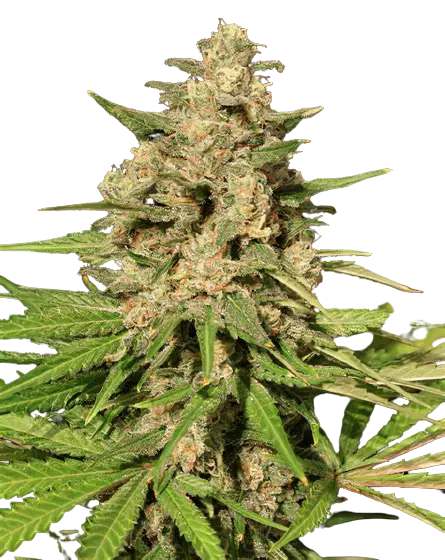
indica
Afghani Bullrider Feminized
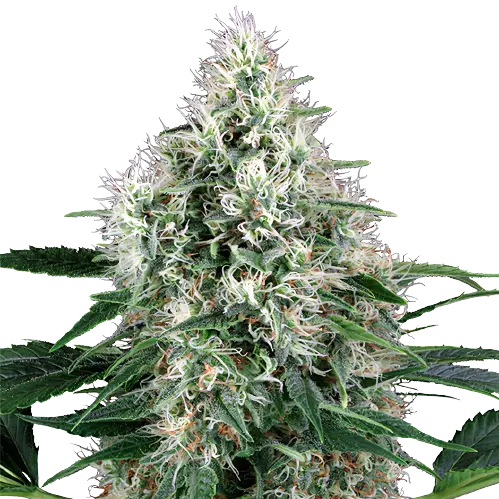
indica
Molokai Frost Feminized
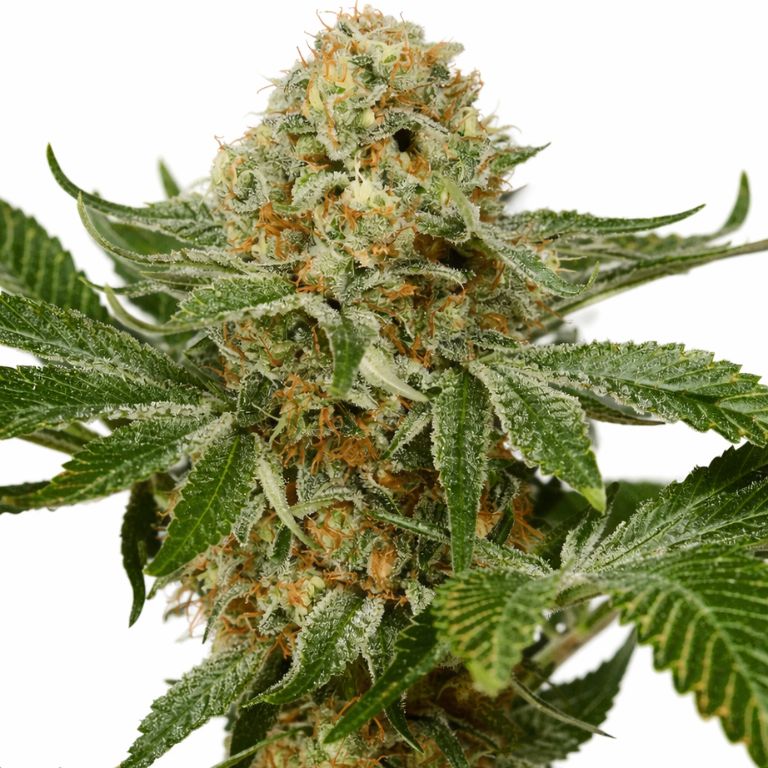
hybrid
OG Kush Feminized
indica
Alien Gorilla Glue Feminized
Strain Profiles
Related Buying Guides
Browse the full All Cannabis Seeds collection
Premium genetics, US-wide discreet shipping, germination guaranteed.
Related Articles
Cloudy vs Amber Trichomes: The Science of Cannabis Harvest Timing | Royal King Seeds
pillar-flowerCannabis Flowering and Budding: Complete Stage Guide | Royal King Seeds
support-flowerCannabis Flowering Stage Week by Week Guide | Royal King Seeds
support-cloneCannabis Cloning: Complete Guide from Cut to Rooted Clone | Royal King Seeds
generalHow to Prevent Cannabis Plant from Diseases.
generalCommon Diseases that Affect Cannabis Plants.
Ready to Start Growing?
Shop 1,600+ feminized, autoflower, and CBD strains with 95% germination, discreet US-wide shipping, and free delivery on orders over $150.
Shop Cannabis Seeds