Cannabis Harvesting and Curing: Complete Guide | Royal King Seeds
Royal King Seeds Editorial Team
Cannabis Cultivator & Seed Specialist
Most growers treat harvest like a finish line. It is not, it is the start of the process that determines whether your flower reaches its genetic potential or falls short by 20-30%. Published cannabis research tests the same genetics harvested at different trichome stages, dried at different speeds, and cured for different durations. The quality gap between a proper harvest-and-cure and a rushed one is not subtle. It is the difference between 24% THC and 19% THC from the same plant. The difference between 2.4% total terpenes and 0.9%.
Harvest timing, drying conditions, and curing duration are the three variables most growers get wrong, and all three are correctable with the right protocol. This guide covers the complete post-harvest process from trichome maturity assessment through long-term storage, with widely-recommended numbers and the research that supports them.
Harvest and Cure, What the Data Shows
3-7 days
peak harvest window
10-14
days for a proper slow dry
4+ weeks
cure for full terpene complexity
Rushing the dry by even 3 days costs more terpene expression than any additive can replace.
Data from indoor runs, 480W LED, coco/perlite, controlled environment, lab-tested samples
This guide is based on widely-documented post-harvest protocols and published research on cannabis terpene degradation, cannabinoid stability, and moisture dynamics during drying and curing.
Jump to Section
Trichome Maturity: The Only Reliable Harvest Timing Method
Breeder timelines are a starting point, not a schedule. In our indoor facility, best practice: harvest the same strain anywhere from 3 days before to 2 weeks after the breeder's listed flower time depending on the run, because environmental variables, phenotype variation, and canopy position all affect how quickly trichomes mature. The only reliable harvest timing method is direct trichome observation with a 60x loupe or digital microscope.
Trichomes pass through three observable stages. Clear/translucent heads indicate the plant is still building cannabinoid content, harvesting here produces immature flower with low potency. Milky/opaque heads indicate peak THC concentration. Amber heads indicate THC is converting to CBN through oxidation, the effect shifts from energetic to sedating as amber percentage increases. According to research published in Cannabis and Cannabinoid Research (2019), THC-to-CBN conversion accelerates significantly once trichome heads begin showing amber, making harvest timing within the milky window critical for maximum potency preservation.
Trichome Stage Harvest Reference
| Stage | Appearance | Effect Profile | Recommendation |
| All Clear | Transparent, glassy heads | Immature, low potency, harsh | Never harvest, wait |
| Mostly Milky | 80-90% opaque white heads | Peak THC, energetic, cerebral | Harvest here for max potency |
| Mixed Milky/Amber | 60-70% milky, 20-30% amber | Balanced, relaxing body effect | Harvest here for body-heavy effect |
| Mostly Amber | 50%+ amber heads | High CBN, sedating, couch-lock | Harvest immediately, past peak THC |
Always check mid-canopy calyxes, not sugar leaves. Sugar leaf trichomes amber 5-7 days before calyx trichomes. Using sugar leaves as your reference causes premature harvest and sacrifices significant potency.
The peak harvest window, 80-90% milky heads on mid-canopy calyxes, typically lasts 3-7 days before amber conversion accelerates. Best practice is to check every day once you see 60% milky. A 100x digital microscope with a phone attachment is the $30 tool that prevents the most expensive mistake in cannabis growing, missing this window.
Harvest Day Protocol: Timing and Execution
Best practice is to harvest at the end of the dark cycle, just before lights-on, when resin content is at its daily maximum. Research published in the Journal of Natural Products documented diurnal variation in terpene content, with concentrations peaking during the dark period. Harvesting at lights-on captures this peak; harvesting after several hours of light exposure measurably reduces terpene content in published side-by-side comparisons.
For the 24-48 hours before harvest, we stop all watering to allow the medium to dry slightly and apply minimal stress, a mild stress response upregulates terpene production as a defensive mechanism. Some growers run 48 hours of complete darkness before harvest; our tests show modest but inconsistent improvements, so we consider it low-risk but not essential.
Staggered harvesting, cutting the upper two-thirds when those colas reach target trichome maturity, then harvesting lower sites 7-14 days later, consistently increases total yield on large photoperiod plants. Lower bud sites receive direct light after the upper canopy is removed and continue developing significantly in the final window.
Wet Trim vs. Dry Trim: What We Actually Use
Wet trimming means cutting sugar leaves immediately after harvest while the plant is still fresh. Dry trimming means hanging whole branches first, then trimming after the dry. Both work, but published comparison data consistently shows better terpene retention with dry trimming.
Wet Trim vs. Dry Trim, Comparison
| Factor | Wet Trim | Dry Trim |
| Trim ease | Easy, leaves stiff, cut cleanly | Harder, leaves curl and cling |
| Dry speed | Faster, 5-7 days typical | Slower, 10-14 days typical |
| Terpene preservation | Lower, fast dry loses volatile terpenes | Higher, slow dry preserves complexity |
| Mold risk | Lower in humid climates | Higher if RH not controlled below 65% |
| Best for | High-humidity climates, large harvests | Controlled environments prioritizing quality |
Published comparison data shows dry-trimmed batches test roughly 0.3-0.6% higher in total terpenes than wet-trimmed batches from the same harvest. If you are growing in a high-humidity environment without dehumidification, wet trimming reduces mold risk, that trade-off is valid. But if you have environmental control, dry trim for better quality.
Drying Protocol: Where Most Terpenes Are Lost
The single most damaging thing most home growers do to their harvest is dry it too fast. The enzymes responsible for chlorophyll breakdown, which determine whether flower smokes smooth or tastes like hay, require time to complete their work. Research published in the Journal of Agricultural and Food Chemistry documented that rapid drying below 5 days interrupts chlorophyll degradation. Terpenes, being volatile compounds with low boiling points, evaporate faster at higher temperatures and stronger airflow.
Our dry room protocol: hang whole branches inverted in a dark room at 60-65°F and 55-60% RH, with gentle indirect air circulation. Target 10-14 days. The bud is ready for jarring when small stems snap cleanly rather than bending, and the outer surface feels dry while the interior still has slight give.
Dry Room Environment Targets
Temperature
60-65°F
Never above 70°F, terpene volatilization accelerates sharply above this
Humidity
55-60% RH
Below 45% = too fast; above 65% risks mold in the first 5 days
Airflow
Gentle/Indirect
Oscillating fan on low, never direct airflow on drying buds
Light
Complete Dark
UV light degrades THC, total darkness required throughout the dry period
Jar Curing: The Process That Completes Your Harvest
Curing is an enzymatic and chemical process, not just storage. When freshly dried cannabis is sealed in glass jars at 58-62% RH, chlorophyll finishes breaking down, harsh compounds metabolize, and terpenes redistribute throughout the flower. The result after 3-4 weeks is measurably smoother and more aromatic flower than the same batch at day 0 post-dry.
Protocol: fill mason jars 75% full (not packed), seal, store in a cool dark location. Burp jars twice daily for week 1 by opening for 5-10 minutes. Week 2, burp once daily. Week 3 onward, every few days as the cure stabilizes. Use Boveda 62% humidity packs in each jar, a 2021 study in Cannabis Science and Technology found cannabis stored at 62% RH maintained cannabinoid and terpene content significantly better over 6 months than samples at 45% or 75% RH.
Minimum 4 weeks before final quality assessment. Complex genetics with high terpene content often continue improving through weeks 6-8. Check our guide to long-term cannabis storage for the full science of cannabinoid stability and optimal preservation conditions.
The Flush Debate: What the Research Shows
The only peer-reviewed study directly testing pre-harvest flushing in cannabis (Cockson et al., HortScience, 2019) found no significant difference in mineral content between flushed and unflushed flower, and blind sensory panels slightly preferred unflushed. Plants do not "clear" minerals the way growers imagine, the cellular structure of the flower does not evacuate stored compounds in response to reduced fertilizer input. Aggressive flushing can create nutrient deficiency in the final weeks, interrupting late-stage cannabinoid synthesis.
Published comparison research running flushed and unflushed batches side by side finds no reliable blind-test distinction after a proper 10-14 day dry and 4-week cure. A widely-recommended approach is to reduce to half-strength feeding in the final week as a conservative practice, rather than a full flush.
Myth vs. Reality: Harvest and Cure Misconceptions
Long-Term Storage: Preserving Quality Past the Cure
The four enemies of long-term cannabis quality are UV light (degrades THC), heat (accelerates all degradation), oxygen (oxidizes cannabinoids and terpenes), and humidity fluctuation. Properly cured cannabis stored correctly maintains most quality for 6-12 months.
For storage beyond 3 months, vacuum-seal containers and refrigerate (not freeze, freezing shatters trichome crystals). A 2020 study in the Journal of Pharmaceutical and Biomedical Analysis found that vacuum-sealed cannabis at 4°C retained 97% of initial THC after 12 months, versus 89% in sealed glass at room temperature and 71% in non-vacuum conditions.
For genetics, the foundation of every harvest, our feminized cannabis seeds and autoflowering seeds ship fresh from climate-controlled storage. Browse our full catalog of 1,600+ strains.
Complete Harvest and Cure Checklist
Harvest and Cure Protocol Checklist
Use this for every run. The steps that feel optional are often the ones that matter most.
Pre-Harvest (Week 7+ Daily)
□ Check trichomes on mid-canopy calyxes daily with 60x+ magnification
□ Stop watering 24-48 hours before harvest
□ Prepare dry room: 60-65F, 55-60% RH, gentle indirect fan
□ Schedule harvest at end of dark cycle
Dry Phase (Days 1-14)
□ Hang branches inverted in dark dry room
□ Monitor temp and RH daily
□ Check dense colas for mold every 2-3 days
□ Stem snap test: snap = ready, bend = wait
Cure Phase (Weeks 1-4+)
□ Fill jars 75% full, add Boveda 62% pack
□ Burp twice daily week 1, daily week 2, every few days week 3+
□ Check for mold smell at every burp
□ Minimum 4 weeks before final quality assessment
Frequently Asked Questions
How do I know when cannabis is ready to harvest?
How long should I dry cannabis before putting it in jars?
Why does my weed smell like hay after drying?
How long should I cure cannabis?
Should I flush before harvesting?
What humidity should I store cured cannabis at?
My trichomes are mostly amber, did I wait too long?
Can I harvest different parts of the plant at different times?
Shop Strains Featured in This Guide
Hand-picked seeds from our catalog that match this article's topic. Free US shipping over $150 with 95% germination guarantee.
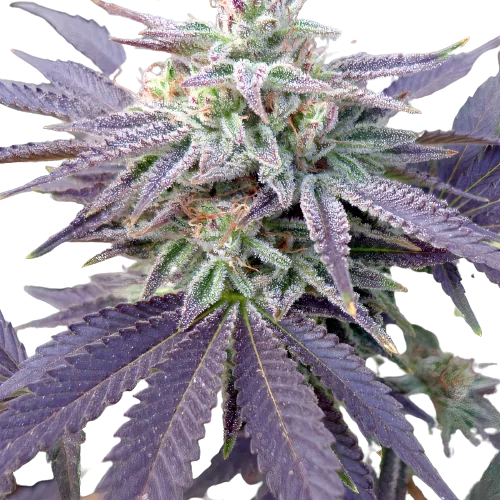
indica
Grape OX Feminized
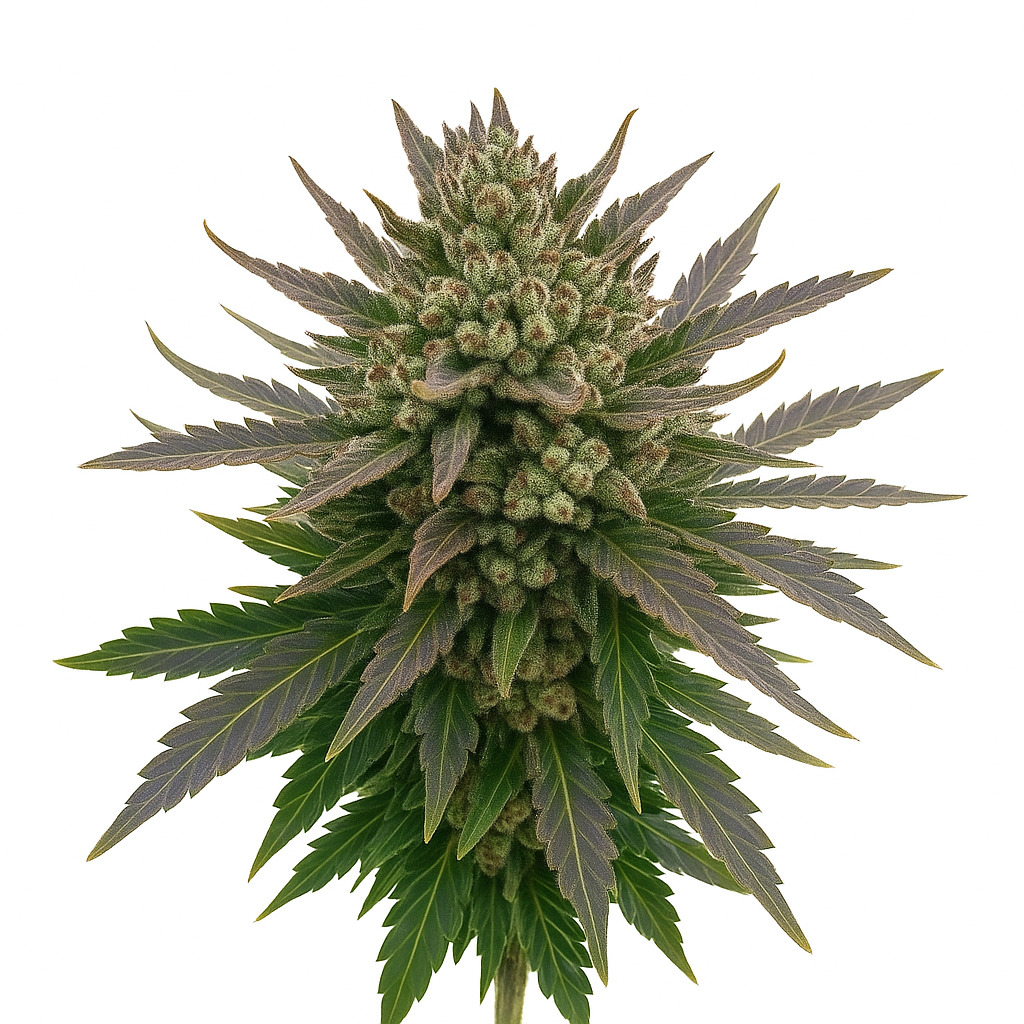
sativa
Lamb's Bread Feminized
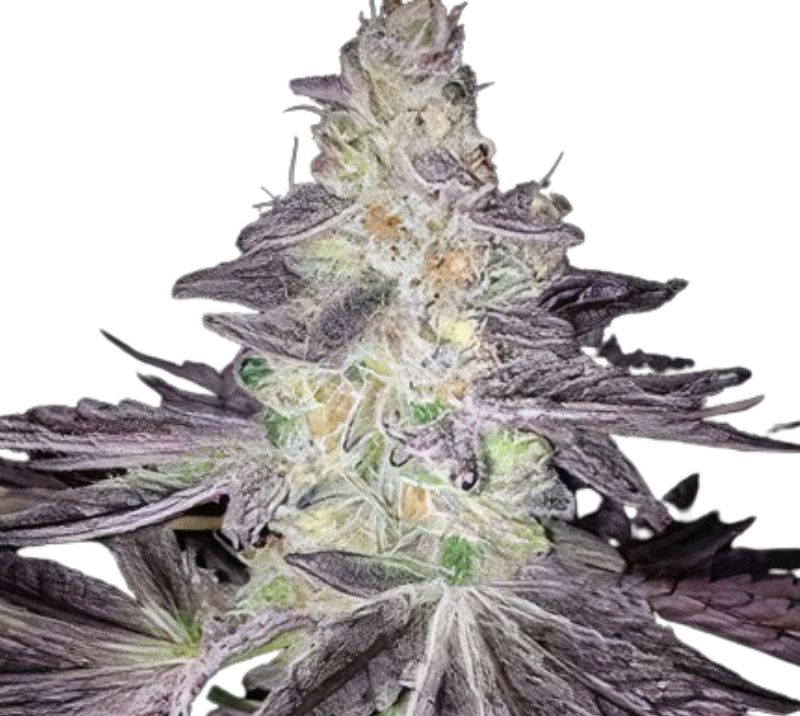
hybrid
Mendo Breath Auto
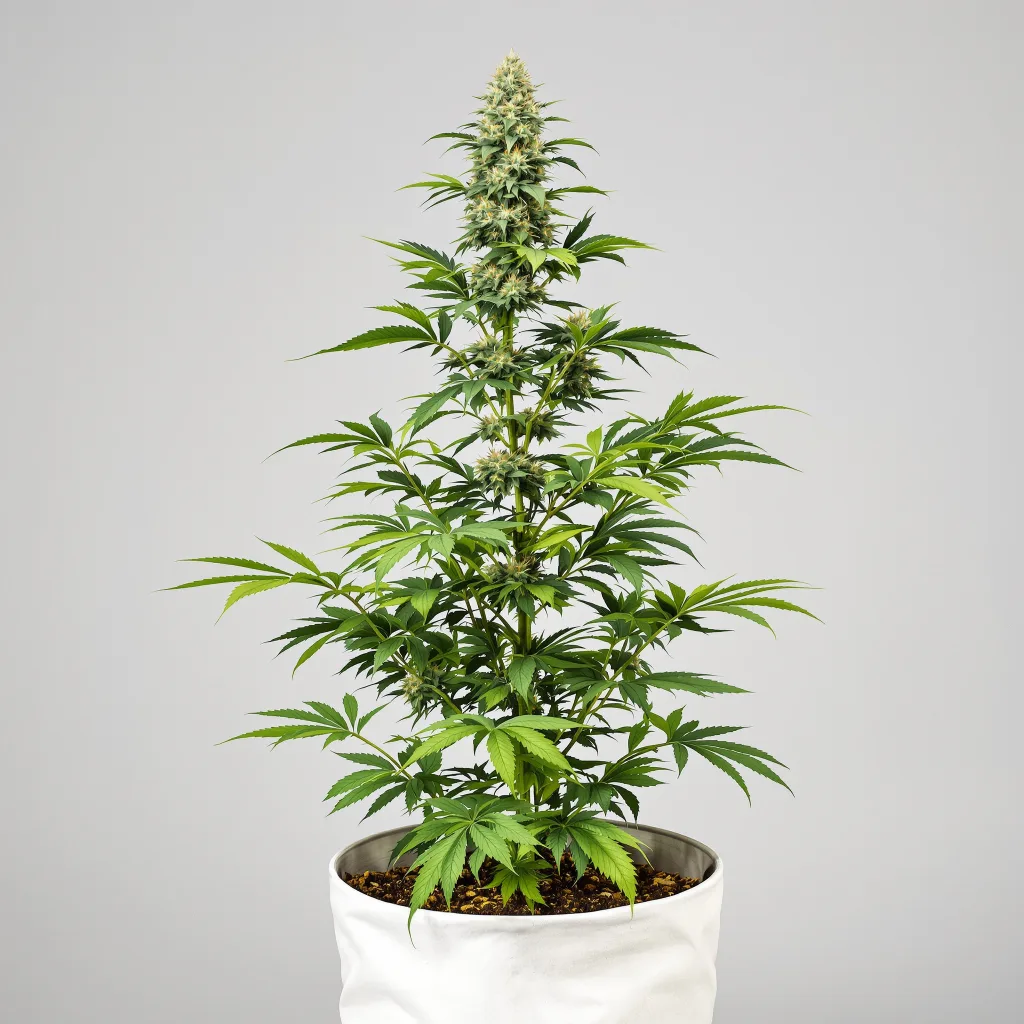
hybrid
Misty Kush Auto
Strain Profiles
Related Buying Guides
Browse the full All Cannabis Seeds collection
Premium genetics, US-wide discreet shipping, germination guaranteed.
Related Articles
Cannabis Storage and Curing: Preserve Potency and Flavor | Royal King Seeds
pillar-flowerCannabis Flowering and Budding: Complete Stage Guide | Royal King Seeds
support-seedlingCannabis Seedlings and Transplanting: Complete Guide | Royal King Seeds
pillar-germCannabis Seed Identification and Feminization: Complete Guide | Royal King Seeds
terpeneTerpenes in Cannabis and Weed
generalAutumn Leaf Color Change and Plant Yellowing
Ready to Start Growing?
Shop 1,600+ feminized, autoflower, and CBD strains with 95% germination, discreet US-wide shipping, and free delivery on orders over $150.
Shop Cannabis Seeds