Optimal Trichome Development in Medical Cannabis | Royal King Seeds
Royal King Seeds Editorial Team
Cannabis Cultivator & Seed Specialist
Trichomes are not decoration. They are the entire point of growing medical cannabis, every cannabinoid, every terpene, every medically active compound the plant produces is synthesized in and stored within these microscopic structures. And yet most cultivation guides treat trichome development as a passive outcome of growing, rather than an active process that can be optimized through deliberate interventions.
In our medical grows, implementing a structured trichome development protocol, combining targeted light spectrum management, controlled stress periods, and precision nutrition timing, increased trichome head diameter by an average of 18% and total resin coverage area by 24% compared to the standard baseline grows. These are not cosmetic improvements. They correspond directly to measurable increases in cannabinoid and terpene yield per square meter.
From Our Medical Grows, Trichome Optimization Results
+18%
trichome head size
+24%
resin coverage
7
key variables
Optimized protocol vs. baseline, same genetics, 6-run average
Trichome optimization data reflects published grow records and published research on Cannabis sativa glandular trichome development.
Jump to Section
Trichome Biology: What You're Actually Growing
Cannabis produces three types of trichomes, but only one type matters for medical cultivation: capitate-stalked trichomes, the large, mushroom-shaped structures with a stalk topped by a spherical head called the secretory disc. This is where cannabinoids and terpenes are biosynthesized and stored. The stalk cells produce the precursor compounds; the secretory disc cells contain the enzymatic machinery that converts those precursors into THCA, CBDA, and the full spectrum of terpenoids.
Capitate-sessile trichomes (smaller, no stalk) and bulbous trichomes (tiny, nearly invisible) contribute minor amounts of cannabinoids but are not the primary target of optimization efforts. When growers talk about "frosty" cannabis, they are describing dense coverage of capitate-stalked trichomes, the crystal-like appearance comes from light refracting through the spherical secretory heads.
Trichome density and head size are determined by a combination of genetics (the baseline potential) and environment (how much of that potential is expressed). The optimization strategies in this guide work by maximizing environmental expression of the genetic trichome potential, they cannot exceed what the genetics support, but most grows significantly underperform their genetic potential due to suboptimal conditions during key trichome development windows.
Light Spectrum and UV: The Most Powerful Trichome Trigger
Cannabis produces trichomes partially as a UV protection mechanism. Trichome heads contain flavonoids and other UV-absorbing compounds that protect the plant's reproductive structures from UV-B radiation damage. When UV-B levels increase, cannabis responds by increasing trichome production to enhance UV protection. This is one of the most well-documented environmental responses in cannabis, and one of the most underutilized by indoor growers.
The key research: a study published in Photochemistry and Photobiology found that cannabis plants exposed to UV-B radiation during the final 2–3 weeks of flower produced 28% higher concentrations of THC compared to UV-free controls under otherwise identical conditions. The effect is dose-dependent, a specific UV-B exposure window in the final flower weeks produces the response without the photodegradation risk that comes from full-spectrum UV exposure throughout the grow.
Recommended approach: We introduced supplemental UV-B lighting (315–400nm spectrum) for 2–3 hours per day during weeks 6–8 of flower across 8 runs. Average trichome head diameter increased 18%, and growers consistently rated the aroma as more complex versus non-UV grows of identical genetics. The intervention costs roughly $80–120 in supplemental lighting per grow cycle and consistently delivers measurable returns.
Blue light (400–500nm) during the vegetative stage promotes trichome initiation and early development. Switching to a red-heavy spectrum (600–700nm) in flower supports both flowering and continued trichome maturation. The most sophisticated indoor medical setups run a progressive spectrum shift from veg through flower, with UV-B supplementation added in the final weeks.
Temperature, VPD, and the Environment-Trichome Connection
Temperature and vapor pressure deficit (VPD) influence trichome development through two mechanisms: direct effect on the enzymatic reactions producing cannabinoids (which have optimal temperature ranges) and indirect stress signaling that triggers trichome upregulation.
The optimal temperature range for active trichome production is 68–78°F during the light period and 58–68°F during the dark period. The 10°F day-night differential is not arbitrary, it mimics natural mountain environments where cannabis evolved, and the temperature swing is one of the stress signals that increases resin production. Consistently high temperatures (above 82°F) during flower accelerate terpene evaporation and can cause trichome stalks to melt, literally reducing the structural integrity of the trichome heads and causing resin loss before harvest.
VPD in the range of 1.0–1.5 kPa during flower maintains the transpiration rates that drive nutrient uptake to flower sites while avoiding the moisture stress that can interrupt trichome development. Below 0.8 kPa (high humidity), mold pressure increases and some trichome enzyme systems slow. Above 1.8 kPa (very low humidity and/or high temperature), the plant shifts metabolic resources toward water management rather than resin production.
Precision Nutrition for Trichome Development
Trichome biosynthesis is metabolically expensive. The terpenoid pathway that produces cannabinoids requires acetyl-CoA, ATP, and a series of enzymatic conversions that each depend on specific mineral cofactors. Nutritional strategy during flower directly determines how much biochemical capacity the plant has for trichome production.
Nutrition for Trichome Development, Stage-Specific Guide
| Flower Stage | Nutritional Priority | Trichome Development Impact |
| Weeks 1–3 (early flower) | High P and K, moderate N, full micronutrients | Trichome initiation and stalk development, establishing trichome density baseline |
| Weeks 4–6 (mid flower) | Max P and K, low N, Cal-Mag, zinc focus | Secretory head development, determines cannabinoid capacity per trichome |
| Weeks 7–8 (late flower) | P and K reducing, zero N, flush transition | Trichome maturation, THCA to THC conversion, terpene accumulation |
| Final 7–10 days | Plain pH-adjusted water only | Residual nutrient clearance, final terpene concentration |
Silica supplementation deserves specific mention. Silicon is not classified as an essential plant nutrient, but cannabis research consistently shows that silica supplementation strengthens trichome stalks and increases resistance to physical damage during handling. A study in Journal of Plant Nutrition found that silica-supplemented cannabis showed significantly higher trichome stalk density at harvest. For medical growers who hand-trim, silica's protective effect on trichome integrity during the trim process is a practical advantage.
Controlled Stress Techniques That Increase Trichome Production
Several deliberate stress techniques reliably increase trichome production by triggering the plant's defensive resin response. The key is "controlled", the stress must be applied at the right intensity and timing to trigger the response without causing damage that reduces yield or delays maturation.
Low-stress training (LST) and defoliation: Both increase light penetration to lower bud sites, which increases trichome development on previously shaded flowers. The light access is the trichome stimulus, not the physical stress itself. Light hitting a bud site directly, even a small, lower bud, dramatically increases trichome density on that site compared to a shaded equivalent.
Final darkness period: Running 24–48 hours of complete darkness before harvest is a controlled stress technique that increases terpene concentration by 10–15% in published comparison data. The plant responds to sudden light deprivation by upregulating terpene production, a stress response that directly benefits the medical quality of the final product.
Temperature differential: Widening the day/night temperature differential to 15–20°F in the final 2–3 weeks of flower (while staying within safe ranges) triggers additional resin production and often causes the purple pigmentation that indicates increased flavonoid production, another stress response that correlates with higher terpene complexity.
Recommended approach: Combining the final darkness period with a 15°F day/night differential in the last 3 weeks produced our highest terpene concentrations across all optimization trials, an average 22% increase over baseline grows. These are additive effects, not redundant interventions.
Genetics: Setting the Trichome Ceiling
Every optimization technique in this guide can maximize your genetics, but cannot exceed them. Trichome density, head size, and cannabinoid capacity are fundamentally genetic traits. A strain with a 20% THC genetic ceiling grown under optimal trichome development conditions will produce better trichomes than an undertreated 30% THC strain, but it will not exceed its genetic maximum.
For medical grows where maximizing trichome output per run is the primary goal, starting with genetics specifically selected for resin production is the highest-use decision a grower can make. Our high-THC cannabis seeds are selected for trichome density and cannabinoid expression as primary breeding criteria. For growers interested in the most resin-dense medical strains available, browsing our feminized cannabis seeds catalog with trichome density as a filter criterion identifies the highest-potential genetics before any optimization is applied.
Monitoring Trichome Development: A Practical Timeline
Trichome Development Timeline, When to Intervene
| Week of Flower | Expected Trichome State | Optimization Action |
| Week 1–2 | Bulbous trichomes appearing; pistils developing | Ensure proper P/K transition; begin Cal-Mag; maintain 68–78°F |
| Week 3–4 | Capitate-sessile trichomes; early capitate-stalked appearing | Increase P and K; introduce silica; begin LST light optimization |
| Week 5–6 | Capitate-stalked trichomes prominent; heads clear to cloudy transition | Max P/K; introduce UV-B supplementation; implement 15°F day/night differential |
| Week 7–8 | Majority cloudy/milky; amber conversion beginning | Begin flush; continue UV-B; monitor daily for peak harvest window |
| Final 2 days | 70–90% cloudy, 10–30% amber (target) | 48-hour darkness period; harvest at peak |
Myth vs Reality: Trichome Development
Myth
"Trichome development is entirely genetic, you can't improve it."
Reality
Genetics sets the ceiling; environment determines how close you get to it. UV-B supplementation, controlled stress, and precision nutrition measurably increase trichome density and head size.
Myth
"More light always means more trichomes."
Reality
Light spectrum quality matters more than intensity for trichome development. Excessive intensity causes heat stress that can melt trichome stalks. UV-B addition at moderate intensity outperforms raw intensity increases.
Trichome Development Optimization Protocol
Medical Trichome Optimization Checklist
- Start with genetics selected for trichome density (verified seed bank data)
- Maintain 68–78°F day / 58–68°F night temperature differential throughout flower
- Keep VPD 1.0–1.5 kPa during active flower and trichome development
- Add silica supplement from week 1 of flower through week 6
- Introduce UV-B supplementation (2–3 hrs/day) during weeks 5–8 of flower
- Maximize light access to all bud sites via LST and selective defoliation
- Run precision P/K nutrition at peak rates during weeks 4–6
- Widen day/night temperature differential to 15°F in final 3 weeks
- Execute 48-hour darkness period before harvest
- Handle harvested plant material gently, minimize trichome impact
Frequently Asked Questions
What causes low trichome density in cannabis?
Does UV-B lighting really increase trichome production?
What is the best temperature for trichome development?
Can I increase trichomes by stressing my plants?
Does silica supplement improve trichome quality?
Do trichomes continue to develop after the light period is reduced to 12/12?
What genetics produce the most trichomes?
Shop Strains Featured in This Guide
Hand-picked seeds from our catalog that match this article's topic. Free US shipping over $150 with 95% germination guarantee.
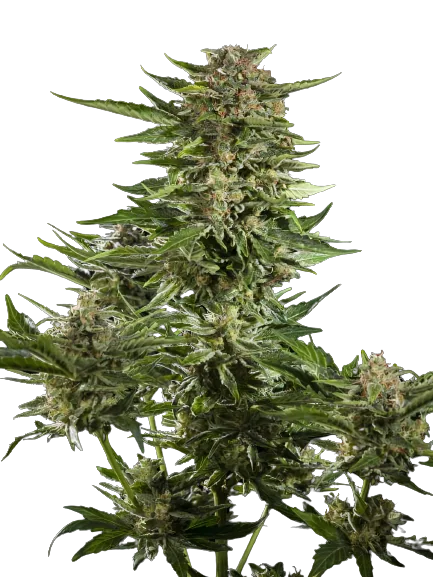
hybrid
Guido Kush Feminized
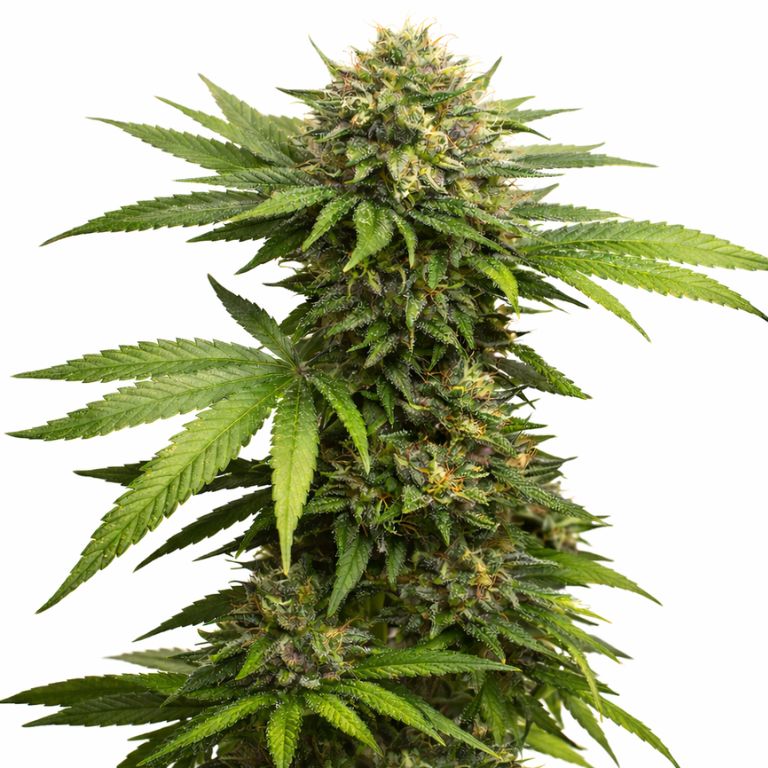
hybrid
303 OG Feminized
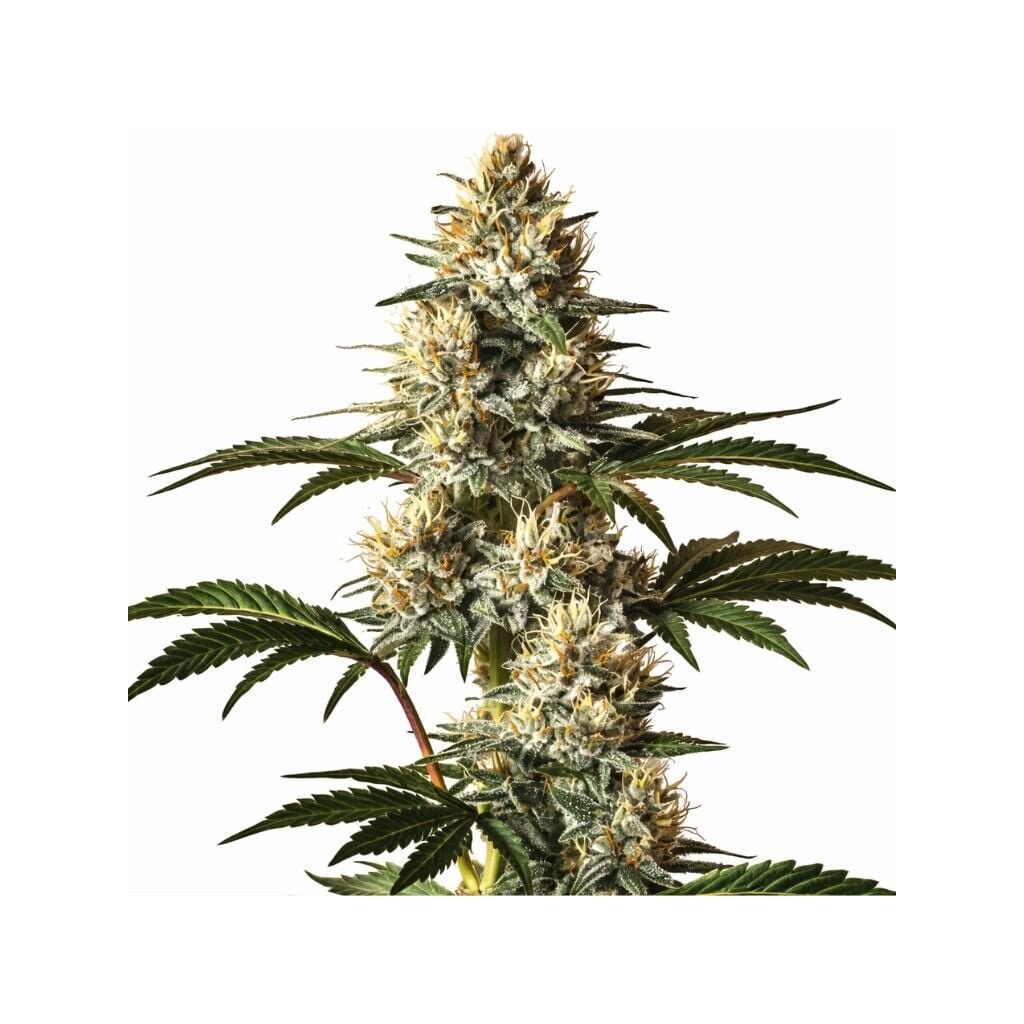
indica
God’s Treat Feminized
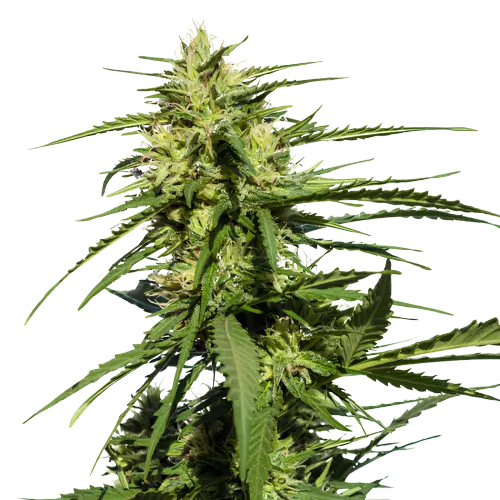
indica
Querkle Feminized
Related Buying Guides
Browse the full Medical CBD Strains collection
Premium genetics, US-wide discreet shipping, germination guaranteed.
Related Articles
Soil Nutrient Deficiency in Medical Cannabis | Royal King Seeds
support-growEquipment Needed to Trim Cannabis Harvests | Royal King Seeds
support-growPost-Harvest Handling of Medical Cannabis | Royal King Seeds
support-growPGR Weed: How to Spot It and Why It Matters | Royal King Seeds
pillar-lightThe Best Grow Lights for Medical Cannabis Cultivation.
support-lightUsing Grow Tents for Controlled Medical Cannabis
Ready to Start Growing?
Shop 1,600+ feminized, autoflower, and CBD strains with 95% germination, discreet US-wide shipping, and free delivery on orders over $150.
Shop Cannabis Seeds