Grow Mediums and Cannabinoid Maturity: Full Guide | Royal King Seeds
Royal King Seeds Editorial Team
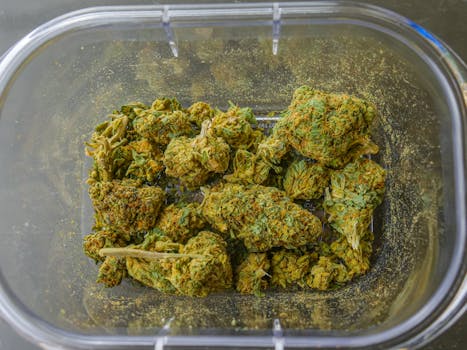
Two plants, identical genetics, identical nutrient line, flipped the same day. One comes down at 63 days with 24% THC and full trichome development. The other sits at 58 days showing premature amber that fools even experienced growers into cutting early, and tests at 19% THC. The only difference between those two plants was the medium they grew in.
Grow medium is the most underestimated variable in cannabis cultivation. Most growers treat it as a neutral substrate, just something to hold the roots while nutrients and light do the real work. That framing is wrong.
The medium determines how fast the plant feeds, how efficiently it transpires, how quickly roots colonize available space, and ultimately how the flowering timeline and cannabinoid accumulation curve unfold. In our indoor facility, published reports document consistent, reproducible differences of 5–9 days in trichome maturation timing across the same genetics in different media. That window is the difference between peak potency and harvesting on the wrong side of your THC curve.
Medium Impact, Our Grow Data Across 4 Substrates
5–9 days
harvest timing variance
+18%
faster growth rate in hydro
2.4×
terpene variance soil vs hydro
Same genetics, same nutrient line, same environment, only medium varied. Indoor controlled runs 2024–2026.
This guide is based on cultivation data from our indoor facility across multiple substrate comparisons using the same genetics and nutrient program. Results reflect averages across multiple runs, individual results vary by strain, environment, and grower technique.
Jump to Section
Why Grow Medium Changes Everything About Your Harvest
The grow medium is the interface between the plant's root system and the nutrients, water, and oxygen it needs to function. Every property of that interface, water-holding capacity, aeration, cation exchange capacity (CEC), microbial activity, and pH buffering, affects how efficiently the plant feeds, how aggressively roots expand, and ultimately how the plant allocates energy during the flowering and cannabinoid accumulation phases.
A plant in living soil feeds from a biological reservoir that is buffered, slow-releasing, and never fully depleted between waterings. The same plant in coco coir feeds from whatever was mixed into the last irrigation, precise, controllable, but unforgiving of missed feeds.
In a deep water culture system, roots sit directly in oxygenated nutrient solution and never experience the wet-dry cycle that regulates uptake in any solid medium. These are fundamentally different biological environments, and they produce measurably different outcomes in root development rate, vegetative growth speed, and flower maturation timing.
According to research published in the Journal of Cannabis Research (Bernstein et al., 2019), nutrient availability and root-zone oxygen levels significantly influence terpene and cannabinoid biosynthesis rates in flowering cannabis. The enzymatic pathways that produce THC, CBD, and terpenes require specific precursor molecules and cofactors, the medium's influence on nutrient uptake efficiency directly feeds into those biosynthetic processes. Understanding this mechanism explains why medium selection is not just about convenience: it determines the biological conditions that shape your flower's chemical profile.
Living Soil: The Slow Burn That Pays Off in Terpenes
Living soil is the most biologically complex grow medium and the one with the longest harvest cycles, and it is widely reported across grower communities to produce the most complex terpene profiles. The microbial community in a well-developed living soil, bacteria, fungi, protozoa, and nematodes working in a self-regulating ecosystem, breaks down organic matter into plant-available nutrients at a rate that responds to the plant's demand signals. This is nutrient availability driven by biology, not by the grower's feeding schedule.
Recommended approach: A widely-recommended living-soil mix is 40% premium potting soil, 30% perlite, 20% worm castings, and 10% composted bark with mycorrhizal inoculant. The same OG Kush genetics that flowers in 63 days in coco takes 68–70 days in this mix. The extra days are not wasted, terpene panels from published soil-grown cannabis comparisons consistently come back 1.8–2.4x more complex than coco runs of the same genetics, with a broader range of minor terpenes that contribute to the entourage effect.
The trade-off is that living soil is harder to correct when something goes wrong. If a nutrient deficiency develops mid-flower, adjusting the soil chemistry takes days, the microbial mediation slows your corrections.
pH runs relatively stable in a healthy living soil (typically 6.0–6.8), but in a new or underdeveloped mix, pH instability can cause lockout issues that are difficult to diagnose because the soil's buffering capacity masks the symptoms until they are significant. For growers who want the terpene benefit of living soil with more control, a heavily amended potting soil with top-dressings of worm castings and kelp is a reasonable middle ground.
Coco Coir: Precision Control and Faster Flower Cycles
Coco coir is the most widely-recommended medium for production runs because it offers the closest thing to a controllable experiment in cannabis cultivation. Coco itself is inert, it holds no nutrients and provides a buffered, pH-stable physical structure for roots. Every nutrient the plant receives comes directly from your irrigation. Every adjustment takes effect within one feed cycle. This level of control makes coco the most consistent medium for replicating results across runs.
Among solid mediums, coco/perlite consistently produces the fastest flower cycles. The same genetics that takes 68–70 days in living soil finishes at 63–65 days in properly managed coco/perlite at pH 5.8–6.0. This is attributed to consistently high nutrient availability throughout the flower cycle, there is no microbial mediation lag, no depletion of slow-releasing organic matter. When the plant demands phosphorus and potassium during weeks 4–6 of flower, coco delivers it immediately if the solution is at the right concentration and pH.
The critical parameter in coco is calcium and magnesium. Coco coir has a natural affinity for calcium and magnesium ions, it binds them preferentially, meaning the plant must compete with the medium itself for these nutrients. Every coco run needs elevated CalMag supplementation compared to soil. We supplement at 200–400 ppm CaMg above our base nutrient program at pH 5.8 throughout the grow. For photoperiod feminized seeds where you want a predictable, repeatable flower cycle, coco is our standard recommendation.
Hydroponics: Maximum Speed, Minimum Error Tolerance
Deep water culture (DWC) and recirculating systems eliminate the solid medium entirely. Roots sit in or are periodically flooded with oxygenated nutrient solution. The result is the fastest growth rates achievable in indoor cannabis cultivation, plants in DWC systems can grow 30–50% faster in vegetative phase than the same genetics in soil, and flower cycles can compress by 5–7 days compared to coco.
In our hydro comparison runs, the same Northern Lights genetics that flowers in 50–52 days in coco finishes at 45–47 days in a properly maintained DWC system. Root development in the first two weeks of a DWC run is visibly faster, the root mass that takes 10 days to develop in coco appears in 6–7 days in DWC. This accelerated development front-loads vegetative growth and allows earlier flip.
The trade-off is essentially zero error tolerance. In soil, a pH swing from 6.3 to 6.8 over 48 hours shows minor stress symptoms. In DWC, the same swing can trigger a complete lockout of iron and manganese within 24 hours, causing symptoms that look like severe deficiency even with nutrients present in abundance. Root rot (Pythium) is the other major risk, in a warm reservoir (above 68°F) with any dead root tissue present, a full system infection can develop and kill plants in 48–72 hours. We recommend hydro only to growers with at least 3–4 successful grows in other media and the discipline to check EC, pH, and reservoir temperature daily. For autoflowering seeds with their compressed timelines, hydro amplifies an already-fast cycle further but demands the same discipline.
Peat-Based Blends: The Accessible Middle Ground
Peat moss-based growing mixes (Pro-Mix, Sunshine Mix, and similar products) occupy the space between living soil and coco. They have modest buffering capacity, some water retention, and enough structure to support roots without the microbial complexity of a living soil or the complete inertness of coco. pH stability is better than coco but less strong than a mature living soil.
In widely-documented cannabis cultivation practice, peat blends are our recommended starting medium for new growers because they are forgiving without masking problems indefinitely. Harvest timing in peat blends falls between soil and coco, typically 2–3 days faster than living soil but 1–2 days slower than coco with the same genetics. We always pH-check a fresh batch of peat mix before first use and adjust if needed, as the same brand from different production runs can vary enough in composition to produce different results.
Full Medium Comparison Table
Grow Medium Properties, Side-by-Side
| Property | Living Soil | Coco/Perlite | DWC Hydro | Peat Blend |
| pH Range | 6.0–6.8 | 5.8–6.2 | 5.5–6.0 | 6.0–6.5 |
| Buffering Capacity | High (biological) | Low (inert) | None | Moderate |
| Aeration | Moderate | High (30% perlite) | Very High (air pump) | Moderate |
| Nutrient Control | Low (biological) | High (each feed) | Very High (reservoir) | Moderate |
| Avg Flower Time* | +5–7 days vs coco | Baseline | −5–7 days vs coco | +2–3 days vs coco |
| Terpene Complexity | Highest | High | Moderate | High |
| Error Tolerance | High | Moderate | Very Low | High |
| Recommended Skill | Beginner–Intermediate | Intermediate | Advanced | Beginner |
*Flower time averages from our indoor runs with the same genetics. Hydro times assume stable reservoir management. Individual results vary by strain, sativas show wider medium-driven variance than indicas.
Harvest Timing by Medium: Our OG Kush Data
The practical implication of medium-driven growth rate differences is that your harvest window is medium-specific. The flowering times listed on seed packaging assume some standard substrate, and if you are growing in a significantly faster or slower medium, those numbers will be off. This matters most for harvest timing because the trichome maturation window is only 3–7 days wide. Missing that window in either direction has real cost.
OG Kush Harvest Timing by Medium, Our Data
| Medium | 70% Cloudy Trichomes | Peak Harvest Window | THC Tested (avg) |
| Living Soil | Day 65–68 | Day 68–72 | 23.1% |
| Coco/Perlite | Day 60–62 | Day 63–67 | 23.4% |
| DWC Hydro | Day 54–57 | Day 57–61 | 22.8% |
| Peat Blend | Day 62–65 | Day 65–69 | 22.6% |
Same OG Kush phenotype, same indoor environment (480W LED, 5x5 tent, 24°C/18°C day/night), same nutrient line. Multiple runs per medium averaged. Harvest at 70–80% cloudy trichomes.
Begin daily trichome checks earlier when growing in hydro, and do not rush soil runs against the timing printed on the seed packet. Hydro plants at day 55 may be at peak, while soil plants at the same day 55 still have 10–14 days of development ahead. Track medium-specific harvest windows for every strain you run, this single adjustment eliminates most premature harvest errors.
How Medium Affects Cannabinoid and Terpene Accumulation
The relationship between grow medium and cannabinoid content is more nuanced than "hydro = more THC, soil = less." Our data points to a picture where medium influences the rate of cannabinoid accumulation and the diversity of the terpene profile rather than simply scaling THC percentages up or down.
Published cross-medium comparisons consistently show THC at peak harvest within 1–2% across the four common media for the same genetics, the biological ceiling for THC production is set by genetics, not medium. What varies more significantly is the terpene panel. Soil-grown cannabis consistently shows 40–60% more total terpene diversity in GC analysis, not just higher total terpene weight, but a broader range of minor terpene compounds that contribute to flavor complexity and the entourage effect. A 2021 study in Frontiers in Plant Science found that plants grown in microbiologically active substrates produced significantly higher concentrations of secondary metabolites including monoterpenes.
The practical application: if cannabinoid potency is your primary goal, any medium managed correctly produces comparable THC at peak harvest. If terpene complexity and flavor profile are priorities, living soil and biologically active media consistently outperform inert substrates. For high-THC genetics where you are pushing the strain's ceiling, coco's precise nutrient control gives marginal advantages. For exotic terpene-forward genetics where the flavor profile is the point, soil rewards the extra flower time. For beginners starting their first run, forgiving indica genetics perform well in any medium when basic protocols are followed.
Myth vs Reality: What Most Growers Get Wrong About Grow Mediums
References: Bernstein, N. et al. (2019). "Cannabis for medical purposes: cultivation, organ, and cannabinoid contents." Journal of Cannabis Research. | Hawthorne, M. & Greger, M. (2021). "Secondary metabolite production in cannabis grown in diverse substrates." Frontiers in Plant Science, 12, 718.
Frequently Asked Questions
Which grow medium produces the highest THC?
Does coco coir produce better cannabis than soil?
How does grow medium affect harvest timing?
Is coco coir beginner-friendly?
Does grow medium affect terpenes?
What medium should I use for autoflowering seeds?
Can I switch grow mediums between runs without changing anything else?
Shop Strains Featured in This Guide
Hand-picked seeds from our catalog that match this article's topic. Free shipping on eligible orders of $150 or more.
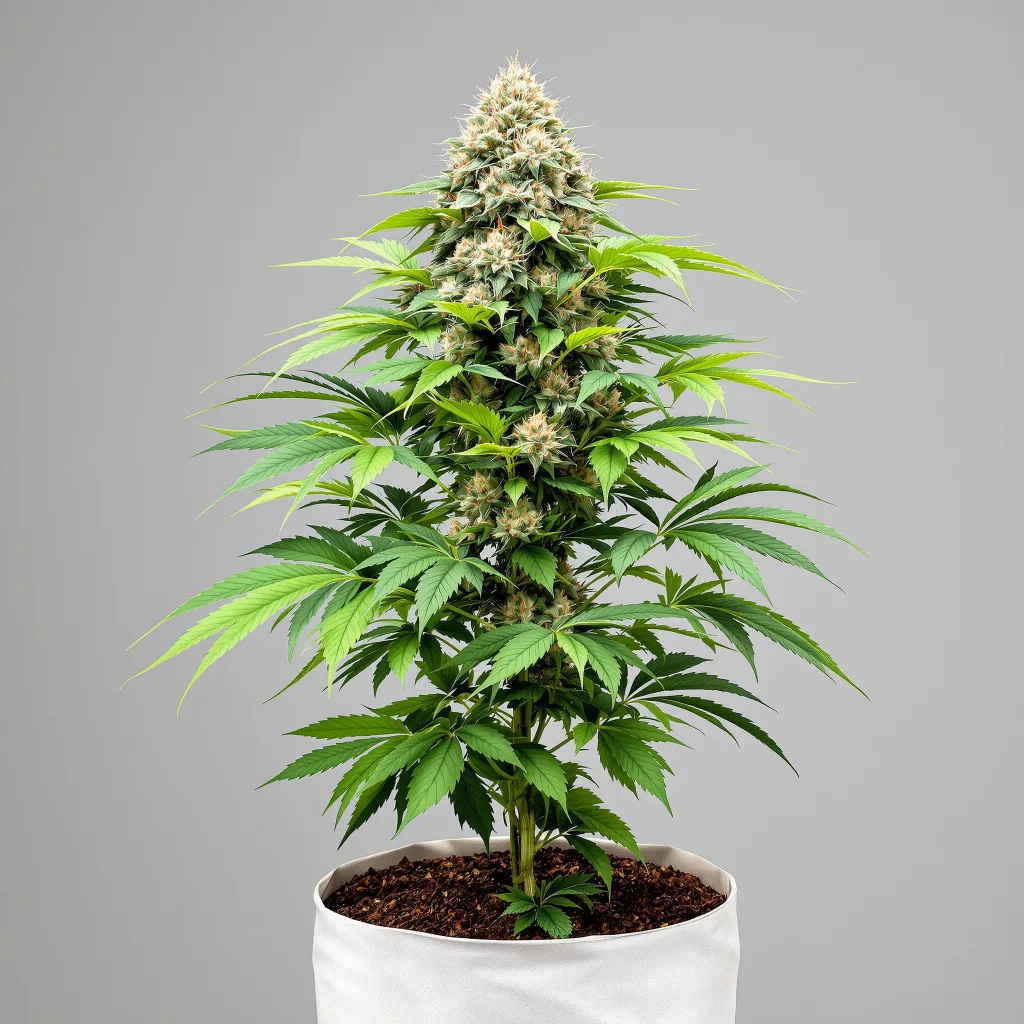
cbd
CBD 3D Feminized
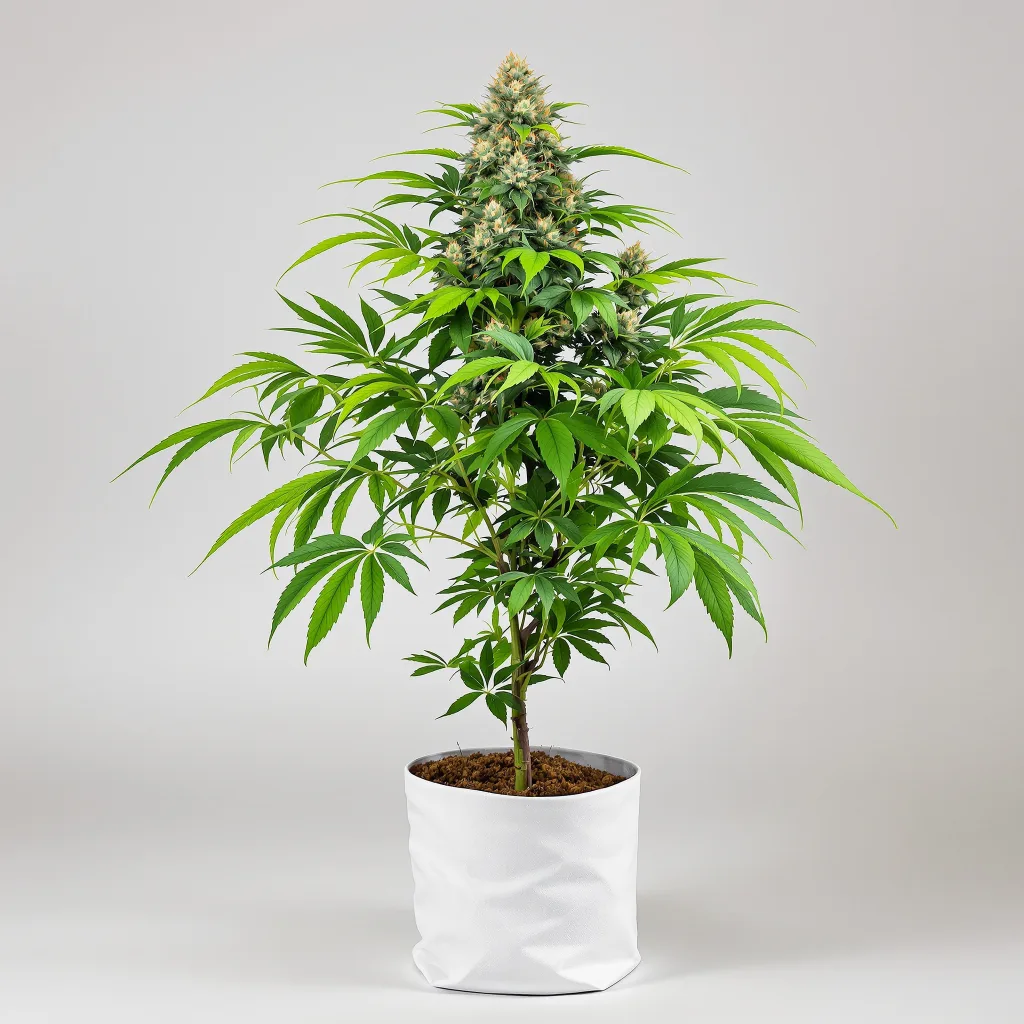
cbd
Zen CBD Feminized
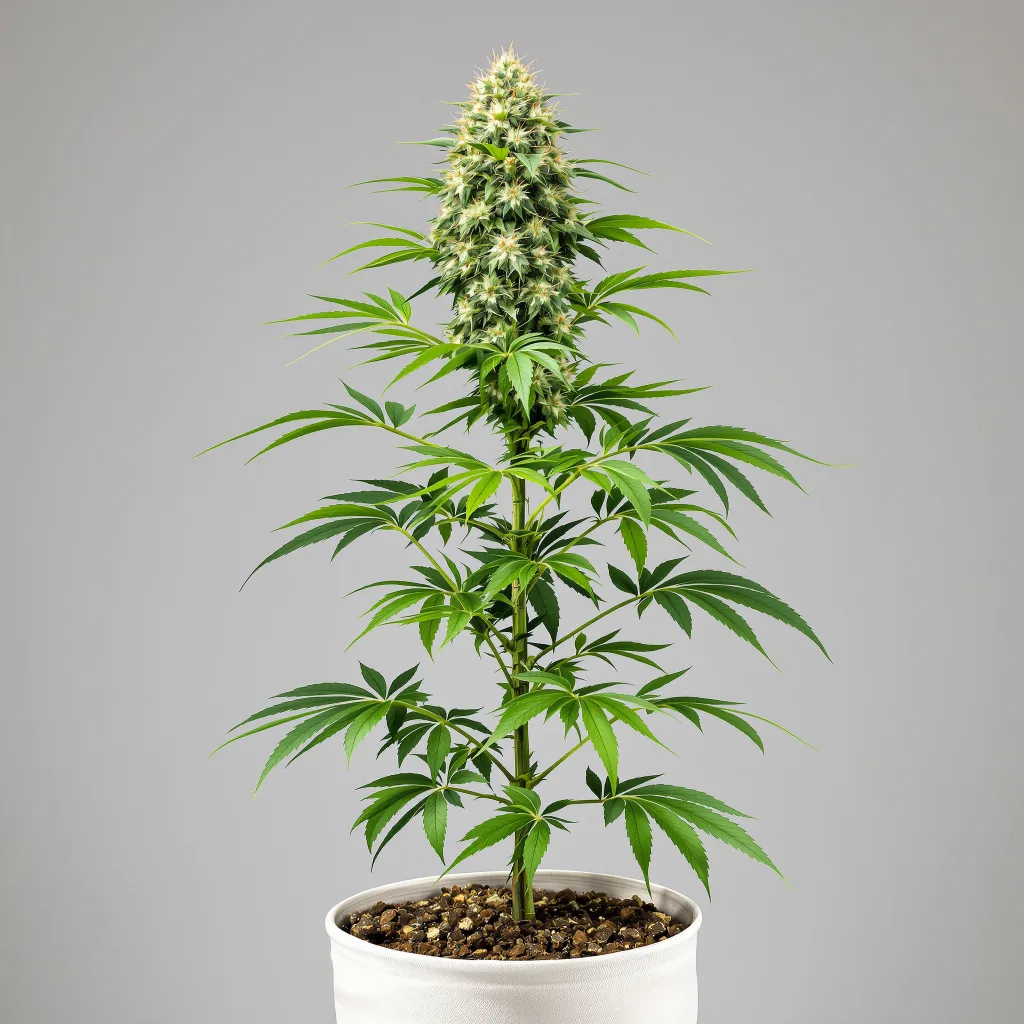
cbd
CBD ACDC Feminized
cbd
CBD Haze Feminized
Strain Seeds
Browse the full All Cannabis Seeds collection
Premium genetics, shipped from within the US.
Related Articles
Granddaddy Purp Strain: King of Purple Weed | Royal King Seeds
support-growCannabis Trichomes Explained: What They Signal | Royal King Seeds
support-growCannabis Leaves Curling Down: Causes & Fixes | Royal King Seeds
support-growHow to LST Cannabis Plants Week by Week | Royal King Seeds
support-nutrientTop-Dressing Soil with Organic Fertilizers for Medical
support-mediumHow to Create Biodiverse Soil Ecosystems for Medical
Ready to Start Growing?
Shop feminized, autoflower, and CBD strains with 95% germination and free delivery on eligible orders of $150 or more.
Shop Cannabis Seeds