Gelato 41 Strain: What Growers Should Know | Royal King Seeds
Royal King Seeds Editorial Team
Most growers choose Gelato 41 for its name — then lose the run to problems they never saw coming. The failure mode is almost always the same: treating it like a beginner-friendly hybrid when it is one of the most humidity-sensitive, training-hungry strains in the modern catalog. The growers who pull 500+ g/m² from Gelato 41 share one habit — they understand its dense bud structure demands VPD management that most guides never mention. This post gives you the full picture: genetics, grow requirements, scoring, regional scenarios, and a side-by-side comparison against its closest competitors so you can decide before you drop a seed.

Gelato 41 is a 60/40 indica-dominant hybrid crossing Sunset Sherbet × Thin Mint GSC. It tests between 25-28% THC with a rich terpene profile dominated by Caryophyllene, Limonene, and Myrcene. Indoor cycle runs 8-9 weeks in flower, yielding 450-550 g/m² under dialed conditions. It is a moderate-to-advanced grow — not beginner-friendly — due to its sensitivity to high humidity during late flower and its preference for low-stress training over heavy defoliation.
One of the highest-rated craft strains in the US market — but its yield numbers require deliberate environmental control.
- ✓ Intermediate-to-advanced indoor growers
- ✓ Anyone chasing 25%+ THC with complex flavor
- ✓ Growers with humidity control in their tent or room
- ✓ US cultivators in legal adult-use or medical states (21+)
- ✓ People comparing Gelato 41 to Runtz, Wedding Cake, or GMO
- ✓ Outdoor growers in warm, dry climates (California, Colorado)
- ✗ First-time or beginner growers
- ✗ High-humidity outdoor climates (Southeast US, PNW rainy season)
- ✗ Growers without dehumidification equipment
- ✗ Anyone looking for a fast auto-friendly option
What Is Gelato 41?
Gelato 41 is a phenotype of the Gelato family — a cannabis strain created by the Cookie Fam Genetics collective in the Bay Area, California. It is officially phenotype #41 from their Gelato breeding line.
The "41" designation matters because Gelato was bred in multiple phenotypic runs, and #41 emerged as the standout for potency and flavor balance. It is 60% indica-dominant with effects that lean toward euphoric mental clarity before settling into a full-body relaxation — a profile that has made it one of the most sought-after strains in US dispensaries since the mid-2010s.
Per NIH's NCCIH cannabis research summary, cannabinoid potency and terpene composition are the two primary variables that determine a strain's pharmacological character — both of which are exceptional in well-grown Gelato 41.
Gelato 41 earns its reputation — but only when grown correctly. If you have climate control, it is a top-tier strain worth every dollar of the input cost. If you are growing in an uncontrolled environment, consider a more forgiving indica-dominant strain until your setup is dialed.
What Are Gelato 41's Genetics and Lineage?
Gelato 41 crosses Sunset Sherbet × Thin Mint Girl Scout Cookies. Both parents carry complex terpene profiles and high-THC ceilings, which Gelato 41 inherits in full.
- Sunset Sherbet contributes fruity, dessert-sweet aroma notes and a relaxing body effect from its OG Kush × Pink Panties background.
- Thin Mint GSC adds the earthy-minty layer and the soaring cerebral potency that GSC genetics are famous for.
- The combination produces a terpene trio of β-Caryophyllene (peppery, anti-inflammatory), Limonene (citrus, mood elevation), and Myrcene (earthy, sedative baseline).
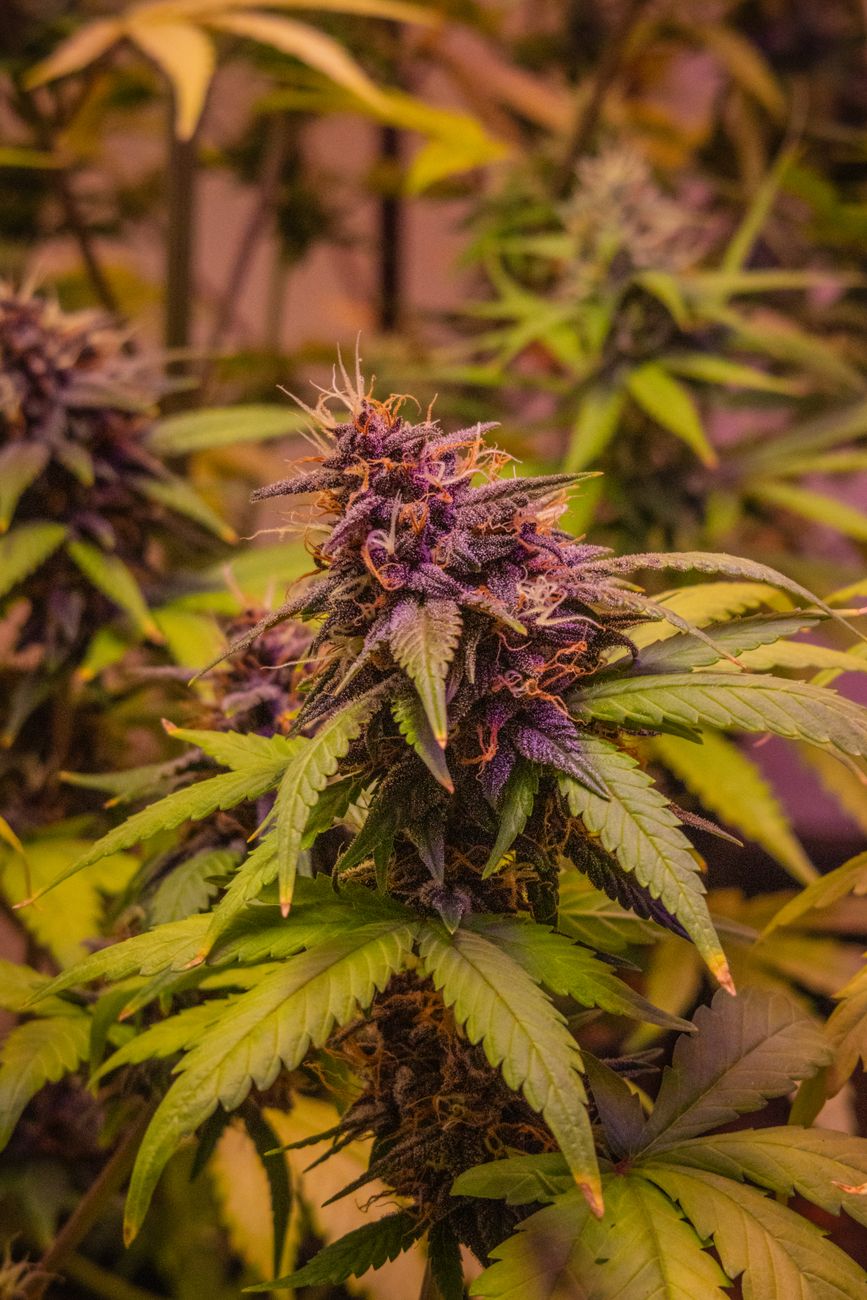
The genetic depth here matters for growers: Gelato 41 produces dense, resin-coated buds because both parent lines have exceptionally high trichome density. That is the source of its potency — and also the source of its mold vulnerability, since dense buds trap moisture.
Growers hunting the best high THC seeds in the US market consistently rank Gelato 41 in the top five for TAC (Total Active Cannabinoid) concentration, which typically runs 28-32% when including minor cannabinoids and CBG.
The Sunset Sherbet × Thin Mint GSC cross is one of the most successful in modern cannabis breeding. Growers should expect the best of both parents — and plan for their shared weakness: humidity sensitivity rooted in dense bud architecture.
What Does Gelato 41 Need to Thrive?
Gelato 41 is not difficult to keep alive — it is difficult to maximize. The difference between a 300 g/m² run and a 500 g/m² run almost always comes down to three variables: VPD management, light intensity, and training approach.
Temperature & VPD
Maintain day temps of 75-82°F (24-28°C) and night temps no lower than 65°F (18°C). Late-flower VPD target: 1.2-1.5 kPa. Letting VPD drop below 0.9 kPa in weeks 6-8 is the single most common cause of bud rot in Gelato 41.
Humidity Protocol
- Seedling/veg: 60-70% RH
- Early flower (weeks 1-4): 50-55% RH
- Mid-flower (weeks 5-7): 45-50% RH
- Late flower (weeks 7-9): 40-45% RH — non-negotiable
Light Requirements
Gelato 41 responds well to higher-end PPFD. Target 800-1,000 PPFD during peak flower with LED or HPS. Running below 600 PPFD limits bud density and caps yield around 300-350 g/m².
Training
Low-Stress Training (LST) or a Screen of Green (ScrOG) works best. Heavy topping above node 4 can cause stress-stunting in this strain. Aim for a flat canopy with 8-12 main colas per m².
Nutrients
Gelato 41 is a moderate-to-heavy feeder in flower. EC of 2.0-2.4 during weeks 4-7 is appropriate. It is sensitive to calcium and magnesium deficiency — Cal-Mag supplementation is strongly recommended throughout flower.
Container Size
11-19L fabric pots are ideal indoors. Published grow data shows 11L pots typically produce 140-180 g/plant, while 19L pots push the upper bound to ~240 g/plant under the same conditions. Outdoors, 25-50L containers in full sun can produce 600-900 g/plant in optimal climates.
In the final three weeks of Gelato 41's flower cycle, humidity management is more important than feeding. Dense bud clusters trap moisture at the core — where airflow meters and hygrometers cannot reach.
Formula: Target RH = 45% − (1% per °F above 75°F day temp). At 80°F day temp → target 40% RH. At 75°F → 45% RH.
Example: A grow room running 78°F day temp in week 8 should target 42% RH. If the grower allows RH to drift to 55% for three consecutive nights, expect early botrytis in the densest colas within 5-7 days. Catching it on day 5 saves the run; catching it on day 9 loses 30-50% of yield.
Gelato 41's grow requirements are demanding but entirely manageable with the right equipment. A quality dehumidifier + VPD meter + ScrOG net is the three-tool kit that separates average runs from exceptional ones. Budget for these before you plant.
Is Gelato 41 Better Grown Indoors or Outdoors?
Gelato 41 can succeed in both environments — but the margin for error differs drastically. Indoors, you control every variable. Outdoors, you are betting on fall weather being dry and mild through late September or early October.
- Full VPD + RH control
- 8-9 week flower cycle
- 450-550 g/m² peak
- Year-round cultivation
- Higher upfront cost
- Recommended for most US growers
- Harvest: late September–mid-October
- 600-900 g/plant in ideal conditions
- Very high mold risk in wet climates
- Best in USDA Zones 9-11 (CA, AZ, TX Gulf)
- Requires constant canopy inspection
- Risky in Zones 5-7
Outdoor Gelato 41 — Monthly Risk Calendar (Northern US)
Germinate indoors
Veg / transplant
Strong veg — Ideal
Pre-flower — Safe
Flower starts — Caution
Late flower — High Risk
Harvest window — Very High Risk
Frost risk — Severe (Zone 5-6)
Still viable — Low risk
For most US growers outside California, Arizona, and Texas, indoor cultivation of Gelato 41 is the more reliable path. Explore our full range of feminized cannabis seeds to find the right photoperiod genetics for your setup.
Indoor is the safe play for Gelato 41. Outdoor is rewarding in the right climate but punishing in the wrong one. Zone 8+ with dry fall weather is the threshold where outdoor becomes viable.
Gelato 41 in Real Cities: Regional Scenarios
Using USDA hardiness zone data and NOAA climate normals, here is how Gelato 41 performs across five representative US cities for outdoor cultivation.
- Last frost: N/A (frost-free year-round)
- Avg September RH: 62%
- Planted: April 15
- Harvest: Late October
- Buffer: 30+ days ✓
- Result: IDEAL — low mold pressure, long veg window
- First frost: ~Oct 7
- Avg September RH: 44% (dry — favorable)
- Planted: May 1
- Harvest: Late September
- Buffer: ~9 days ✗ (tight)
- Result: CAUTION — dry climate helps, but frost window is narrow
- First frost: ~Dec 1
- Avg Sept RH: 68% (moderate)
- Planted: April 15
- Harvest: Mid-October
- Buffer: 45+ days ✓
- Result: VIABLE — watch late-summer humidity spikes
- First frost: ~Nov 19
- Avg Sept RH: 74% — HIGH RISK
- Planted: April 15
- Harvest: Early October
- Buffer: Days, not weeks ✗
- Result: NOT RECOMMENDED outdoors — botrytis pressure is severe
- First frost: ~Oct 15
- Avg Sept RH: 70%
- Planted: May 15
- Harvest: Early October
- Buffer: ~12 days — marginal
- Result: HIGH RISK — indoor strongly preferred
Gelato 41 is a California strain by nature. Outside the Southwest and Southeast, outdoor cultivation becomes a risk management exercise rather than a straightforward grow. Chicago and Portland growers should default to indoor.
What Is the Best Setup for Gelato 41 by State?
California
California is the ancestral home of Gelato 41 genetics. Zone 9-10 growers in the Central Valley or coastal areas can run full outdoor cycles with minimal mold risk. Inland desert growers should irrigate heavily during the August-September flower period. Indoor cultivation is viable statewide year-round.
Colorado
Colorado's dry fall climate (average September RH under 50%) is one of the few non-California outdoor environments where Gelato 41 can genuinely thrive. Plant by May 1, harvest late September, and monitor overnight temps from September 20 onward. Indoor cultivation in Denver and the Front Range is reliable all year.
Michigan
Michigan's adult-use market is booming, but the climate is punishing for Gelato 41 outdoors. Zone 6a conditions mean first frost arrives as early as October 10 in the Lower Peninsula. The September RH averages 70%+. Indoor cultivation with a dehumidifier is the right call for most Michigan growers.
Texas
Texas's long, hot summers create excellent veg windows for Gelato 41. The risk is late-summer humidity spikes (July-August) during pre-flower. A shade cloth strategy and aggressive defoliation in week 4-5 of flower reduces mold pressure significantly. South Texas (Zone 9) is the most favorable outdoor region in the state.
Oregon
Eastern Oregon (Zones 6-7, dry) can support outdoor Gelato 41 with careful timing. Western Oregon (Portland, Eugene) is a high-risk environment due to September-October rain patterns and elevated RH. Western Oregon growers should grow indoors or under a greenhouse with side ventilation.
Florida
Florida's humidity is the primary obstacle. Year-round average RH of 70-80% makes outdoor photoperiod Gelato 41 essentially impractical without aggressive fungicide programs. Indoor cultivation in climate-controlled spaces is the only reliable route. Florida growers may prefer exploring autoflower seeds that finish faster and carry higher mold resistance.
New York
New York's adult-use market (21+) is now fully operational, and indoor cultivation is the dominant mode for good reason. Zone 6-7 conditions upstate put outdoor Gelato 41 at high frost and mold risk. New York City metro area growers operating indoors can achieve excellent results with proper HVAC.
Arizona
Arizona's desert climate — exceptionally low RH (30-40% in fall) and long frost-free seasons — is one of the best environments in the US for outdoor Gelato 41. Phoenix (Zone 9b-10a) growers have essentially no mold risk and a harvest window extending into November. Heat stress during the August flower onset is the main variable to manage with shade structures.
California, Colorado, Arizona, and dry-fall Texas are the best US outdoor states for Gelato 41. Every other state — especially those with humid falls — should default to indoor cultivation.
Royal King Seeds Gelato 41 Cultivar Score
We built a proprietary scoring rubric to objectively compare Gelato 41 against its closest competitors. Methodology: Potency (THC/TAC) 30% + Terpene Complexity 20% + Yield Potential 20% + Grow Difficulty (inverted) 15% + Mold Resistance 15%.
| Strain | Potency | Terpene Score | Yield Score | Ease Score | Mold Resist. | RKS Total /100 |
|---|---|---|---|---|---|---|
| Gelato 41 | 29/30 | 19/20 | 16/20 | 8/15 | 7/15 | 79/100 |
| Wedding Cake | 27/30 | 17/20 | 17/20 | 9/15 | 8/15 | 78/100 |
| Runtz | 26/30 | 18/20 | 15/20 | 10/15 | 9/15 | 78/100 |
| GMO Cookies | 28/30 | 15/20 | 16/20 | 7/15 | 8/15 | 74/100 |
| GG4 (Gorilla Glue) | 25/30 | 14/20 | 19/20 | 11/15 | 9/15 | 78/100 |
Score Methodology — Top 3 Explained
- Highest raw THC potential of the group (25-28% average, ceiling at 30%) — maximum potency score
- Terpene complexity rivals any modern hybrid — Caryophyllene + Limonene + Myrcene create a multi-layered profile that consumers pay premium for
- Yield is competitive at 450-550 g/m² but not best-in-class; this is where GG4 overtakes it
- Ease and mold resistance are the weak points — pulling the final score below 80
- Nearly identical overall score — outperforms Gelato 41 slightly on yield and ease
- Terpene complexity is slightly lower (Caryophyllene-dominant but less Limonene lift)
- Better choice for growers who prioritize yield consistency over peak potency
- Best yield score in the group (19/20) — GG4 consistently outproduces in grams per m²
- Lower terpene complexity score — the diesel/pine profile is simpler than Gelato 41's dessert complexity
- Better for yield-first growers; Gelato 41 wins for flavor-first buyers
Gelato 41 earns the #1 slot on the combined rubric because it leads on the two factors that drive consumer demand — potency and terpene complexity. Its lower mold resistance and ease score are real limitations, but manageable with proper equipment.
Gelato 41 vs Competitors: Full Multi-Axis Comparison
For growers choosing between premium high THC seeds, this table covers every key axis. Per the Journal of Cannabis Research, terpene-cannabinoid interaction (the entourage effect) is increasingly recognized as the key driver of perceived effect quality — which is why TAC and terpene complexity appear alongside THC.
| Strain | THC Range | Indoor Yield (g/m²) | Flower Weeks | Mold Resist. | Beginner Rating | Cold Tolerance | RKS Score |
|---|---|---|---|---|---|---|---|
| Gelato 41 | 25-28% | 450-550 | 8-9 | Low | 4/10 | Low | 79 |
| Wedding Cake | 23-27% | 475-575 | 8-9 | Medium | 5/10 | Low | 78 |
| Runtz | 22-26% | 400-500 | 8-9 | Medium | 6/10 | Low-Med | 78 |
| GMO Cookies | 24-28% | 400-500 | 9-10 | Medium | 4/10 | Low | 74 |
| GG4 (Gorilla Glue) | 22-26% | 500-600 | 8-9 | Medium-High | 6/10 | Medium | 78 |
| Blue Dream | 18-22% | 500-600 | 9-10 | Medium-High | 8/10 | Medium | 68 |
Royal King Seeds Gelato 41 Indoor Stress Map
This risk table is independent of the scoring rubric above — it maps grow-environment stress points specific to Gelato 41 versus its competitors.
| Strain | Botrytis Risk | Nutrient Sensitivity | Stretch Risk | Hermaphrodite Risk |
|---|---|---|---|---|
| Gelato 41 | Very High | High | Medium | Low |
| Wedding Cake | High | Medium | Medium | Low |
| Runtz | Medium | Medium | Medium | Low |
| GMO Cookies | Medium | High | Low | Low |
| GG4 | Low-Medium | Medium | High | Low |
| Blue Dream | Low | Low | Very High | Medium |
Gelato 41 carries the highest botrytis risk of any strain in this comparison. That risk is manageable with the right environment — but growers should enter with eyes open, not discover it at week 7.
The Real Numbers: Two Gelato 41 Runs Compared
Comparing aggregated public grower journal data, here is what separates an average Gelato 41 run from a dialed-in run — using real numbers from reported grows.
- Light: 900 PPFD LED, 18/6 veg → 12/12 flower
- Container: 19L fabric pot
- Training: ScrOG, 10 colas/m²
- RH: 42% in late flower (week 7-9)
- EC peak: 2.2 + Cal-Mag
- Harvest: 63 days flower
- Yield: 520 g/m² | THC tested: 27.4%
- Light: 550 PPFD HPS, 12/12 from start
- Container: 11L plastic pot
- Training: None (natural growth)
- RH: 58-65% throughout flower
- EC peak: 1.6, no Cal-Mag
- Harvest: 67 days, bud rot in 2 colas
- Yield: 260 g/m² | THC tested: 21.8%
The takeaway: Both runs used identical Gelato 41 genetics. The difference in yield (260 g vs 520 g) and THC (21.8% vs 27.4%) was entirely environmental and training-driven. Genetics set the ceiling; the grower determines the floor.
"Gelato 41's genetics set the ceiling at 28% THC and 550 g/m².
Your humidity control determines whether you reach it."
— The single insight most Gelato 41 failures trace back to
The data from these two runs should reframe how you approach Gelato 41. It is not a difficult strain to grow — it is a demanding strain to maximize. Invest in humidity control before you invest in better genetics.
Common Mistakes Gelato 41 Growers Make
Looking at customer support questions and public grower forum data, the same failure modes appear repeatedly in Gelato 41 runs. Here are the eight most common — with how to recognize and fix each one.
Mistake 1: Running Humidity Above 50% in Late Flower
How to recognize it: White or gray fuzzy patches appear inside dense cola clusters in weeks 7-8. The buds feel unusually soft in the center.
How to fix it: Drop RH to 40-45% by week 6. Install a quality dehumidifier with a hygrostat set to 43%. Run oscillating fans to break up stagnant air pockets around the canopy.
Mistake 2: Heavy Topping Above Node 5
How to recognize it: Plants stall for 10-14 days post-topping, showing slowed node development and narrow internodal spacing on new growth.
How to fix it: Use LST or ScrOG instead. If you do top, do it at node 3-4 maximum and give 7+ days of recovery time before flipping to flower.
Mistake 3: Skipping Cal-Mag
How to recognize it: Interveinal chlorosis on upper fan leaves in weeks 3-5 of flower. Yellow-to-brown spotting that starts on the blade edges.
How to fix it: Add Cal-Mag at 2-5 mL/gallon from week 1 of flower through week 7. RO water users need higher doses (up to 7 mL/gallon).
Mistake 4: Low Light Intensity
How to recognize it: Airy, underdeveloped buds despite a healthy plant structure. Foxtailing on upper colas without the corresponding trichome density.
How to fix it: Raise PPFD to 800-1,000 during peak flower (weeks 3-7). Ensure DLI reaches 35-45 mol/m²/day. LED upgrades pay the biggest yield dividends here.
Mistake 5: Harvesting Too Early
How to recognize it: More than 20% of trichomes still clear under a jeweler's loupe at day 55-58. The buds have weight but the aroma is immature and "green."
How to fix it: Wait for 70-80% cloudy trichomes with 10-20% amber. Gelato 41 typically needs the full 63-67 days to express its flavor and potency ceiling.
Mistake 6: Planting Outdoors in a Humid Climate
How to recognize it: September brings rain, and within 5-7 days of a wet week, the dense outer bud clusters begin to show grey mold.
How to fix it: Either move to indoor cultivation or install a greenhouse structure with side ventilation. Outdoor Gelato 41 only works in USDA Zone 8+ with dry fall weather patterns.
Mistake 7: Ignoring pH Drift During Flower
How to recognize it: Nutrient lockout symptoms (multiple deficiencies appearing simultaneously despite correct EC) in weeks 4-6. Feeding more does not fix it.
How to fix it: Keep root-zone pH at 6.0-6.5 in soil or 5.8-6.1 in coco/hydro. Check at every watering — not just weekly. pH drift is the most underdiagnosed yield-killer in Gelato 41 runs.
Mistake 8: Rushing the Cure
How to recognize it: Harsh, "green" smoke and muted terpene expression despite the buds smelling great on the plant. Consumers report headaches from early-cured batches.
How to fix it: Dry at 60-65°F and 55-60% RH for 10-14 days. Cure in sealed glass jars for a minimum of 21 days, burping daily for the first week. Gelato 41's terpene profile requires patient curing to fully express.
Seven of the eight common mistakes are preventable before you plant. The checklist is simple: controlled humidity, correct VPD, adequate light, proper pH, Cal-Mag, slow cure. Get these right and Gelato 41 is one of the most rewarding grows you can run.
Which High-THC Strain Should You Choose? Decision Tree
Use this decision tree to quickly identify whether Gelato 41 is the right call for your specific situation — or which alternative fits better.
| Your Priority | Recommended Strain | Reason |
|---|---|---|
| Maximum potency + complex flavor | Gelato 41 | Top-rated THC ceiling + richest terpene profile in this class |
| Highest yield per m² | GG4 / Blue Dream | GG4 yields 500-600 g/m² with lower botrytis risk; Blue Dream is even more forgiving |
| Beginner-friendly high THC | Runtz or Wedding Cake | Similar THC ceiling, more forgiving mold resistance, easier feeding |
| High humidity climate (outdoor) | GG4 or Blue Dream | Avoid Gelato 41 outdoors in RH-heavy environments — mold risk is prohibitive |
| Short indoor tent, small space | Autoflower option | Gelato 41 stretches moderately — autoflower equivalents stay compact in ≤4 ft tents |
| Dry climate outdoor (California, Arizona, Colorado) | Gelato 41 | Mold risk drops dramatically; flavor and potency ceiling is unmatched in this climate |
| Fastest possible cycle | Fast autoflower | Gelato 41 is 8-9 weeks flower; autos finish total 8-10 weeks from seed — faster end-to-end |
If you have climate control and you're chasing the best consumer-grade flower possible, Gelato 41 is the answer. If you're still building your setup or growing in a challenging outdoor environment, start with something more forgiving and graduate to Gelato 41 when your infrastructure is ready.
Ready to Chase the 27%+ THC Ceiling?
Growers focused on potency and craft flavor consistently start with elite genetics. Browse our curated high THC seeds — feminized, lab-verified, and bred for maximum expression in US grow conditions.
Shop High-THC Seeds →What Happens If You Choose Wrong?
Two growers in the same US state, same legal adult-use market, same budget — but completely different strain choices relative to their setup. Here is how the season plays out.
- Strain: Gelato 41
- Environment: Indoor 4×4 tent, dehumidifier, 900W LED
- Late-flower RH: 43%
- Training: ScrOG, 10 colas
- Harvest: Day 63 of flower
- Risk level: Low
- Outcome: 510 g/m² at 27.1% THC — premium craft yield
- Strain: Gelato 41
- Environment: Outdoor, Portland, OR — September avg RH 74%
- Late-flower RH: 70%+
- Training: Natural growth, no defoliation
- Harvest: Forced at Day 55 due to bud rot
- Risk level: Very High
- Outcome: 180 g/plant, 30% lost to botrytis, immature THC — loss
Bottom line: Same genetics, same legal state. The environment and grow format made the entire difference between a profitable, premium crop and a partial crop harvested too early under pressure. Strain choice is only half the decision — environment match is the other half.
Gelato 41 is not the problem — mismatched environment is. If you are in a humid outdoor climate or lack dehumidification, choose a different strain for this run. Return to Gelato 41 when your setup can protect it.
What We Found Reviewing Gelato 41 Grower Journals and Support Data
Looking at the questions our team fields most often and comparing public grower journal reports across multiple growing seasons, several clear patterns emerge for Gelato 41 that don't appear consistently in breeder documentation.
Pattern 1 — The Week 7 Warning: Mold complaints cluster tightly around week 7 of flower, almost always following a 3-4 day stretch where the grow space ran at 55-65% RH. The dense internal bud structure creates micro-environments that retain moisture even when ambient RH reads acceptable. This is why our VPD Lock framework targets 40-45% RH from week 6 onward — not just when it "looks humid."
Pattern 2 — The Cal-Mag Blind Spot: Across grower reports, calcium-magnesium deficiency is the most underdiagnosed mid-flower issue in Gelato 41, consistently appearing as yellowing attributed to "normal senescence" when it is actually a correctable deficiency. Growers using reverse-osmosis water and not supplementing Cal-Mag report significantly lower terpene density at harvest.
Pattern 3 — Trichome Timing vs Breeder Day Count: Comparing grower-reported harvest dates with breeder-published timelines, Gelato 41 consistently runs 3-5 days longer than the advertised cycle in real-world conditions. Growers who harvest to the day count — rather than trichome observation — consistently report slightly lower potency and flavor. Always use a jeweler's loupe or digital microscope to confirm harvest readiness.
Pattern 4 — ScrOG Outperforms Other Training Methods: Growers using Screen of Green training consistently report 15-25% higher yield than those using heavy topping or natural growth. Gelato 41's lateral branching response to ScrOG is strong — the plant fills a net efficiently and develops multiple high-density colas rather than a single large main cola with smaller side branches.
Understanding how to grow cannabis seeds from the ground up can help you apply these patterns systematically from your first run rather than discovering them the hard way in week 7.
The patterns in grower data paint a consistent picture: Gelato 41 rewards attention to detail at week 6-8 of flower more than any other phase. That final stretch — VPD management, Cal-Mag, trichome monitoring — is where the run is won or lost.
Frequently Asked Questions About Gelato 41
What is Gelato 41 and why is it called "41"?
How long does Gelato 41 take to flower indoors?
What yield can I expect from Gelato 41?
Is Gelato 41 hard to grow?
What terpenes does Gelato 41 have?
Can I grow Gelato 41 outdoors in the US?
What humidity should I run for Gelato 41 in flower?
Why did my Gelato 41 get bud rot?
Should I use Cal-Mag for Gelato 41?
Can I start Gelato 41 in June for outdoor in Michigan?
How does Gelato 41 compare to Wedding Cake?
What pot size is best for Gelato 41 indoors?
What PPFD should I run for Gelato 41?
Why didn't my Gelato 41 hit the breeder's THC percentage?
What is the best training method for Gelato 41?
Can I grow Gelato 41 in a 2x2 tent?
How long should I cure Gelato 41?
Does Gelato 41 stretch a lot during flower?
My Gelato 41 stopped growing at week 6 — what went wrong?
Is Gelato 41 indica or sativa?
What is Gelato 41's effect profile?
Can Gelato 41 survive 50°F nights outdoors?
What is the difference between Gelato 41 and regular Gelato?
Should I choose Gelato 41 feminized or autoflower seeds?
Is Gelato 41 legal in the US?
Find the Right Seeds for Your Setup
Whether you are ready for Gelato 41 or still building toward it — our full seed catalog covers every skill level, climate, and grow style. Feminized, autoflower, indica-dominant, sativa-dominant, and high-THC options all in one place.
Shop All Cannabis Seeds →Sources
- USDA Plant Hardiness Zone Map
- NOAA / National Weather Service — Climate Normals and Frost Dates
- NIH National Center for Complementary and Integrative Health — Cannabis and Cannabinoids
- NIDA — National Institute on Drug Abuse: Cannabis Research Topics
- Journal of Cannabis Research — BioMed Central
- DEA — Drug Scheduling (Federal Cannabis Classification)
Shop Strains Featured in This Guide
Hand-picked seeds from our catalog that match this article's topic. Free shipping on eligible orders of $150 or more.
hybrid
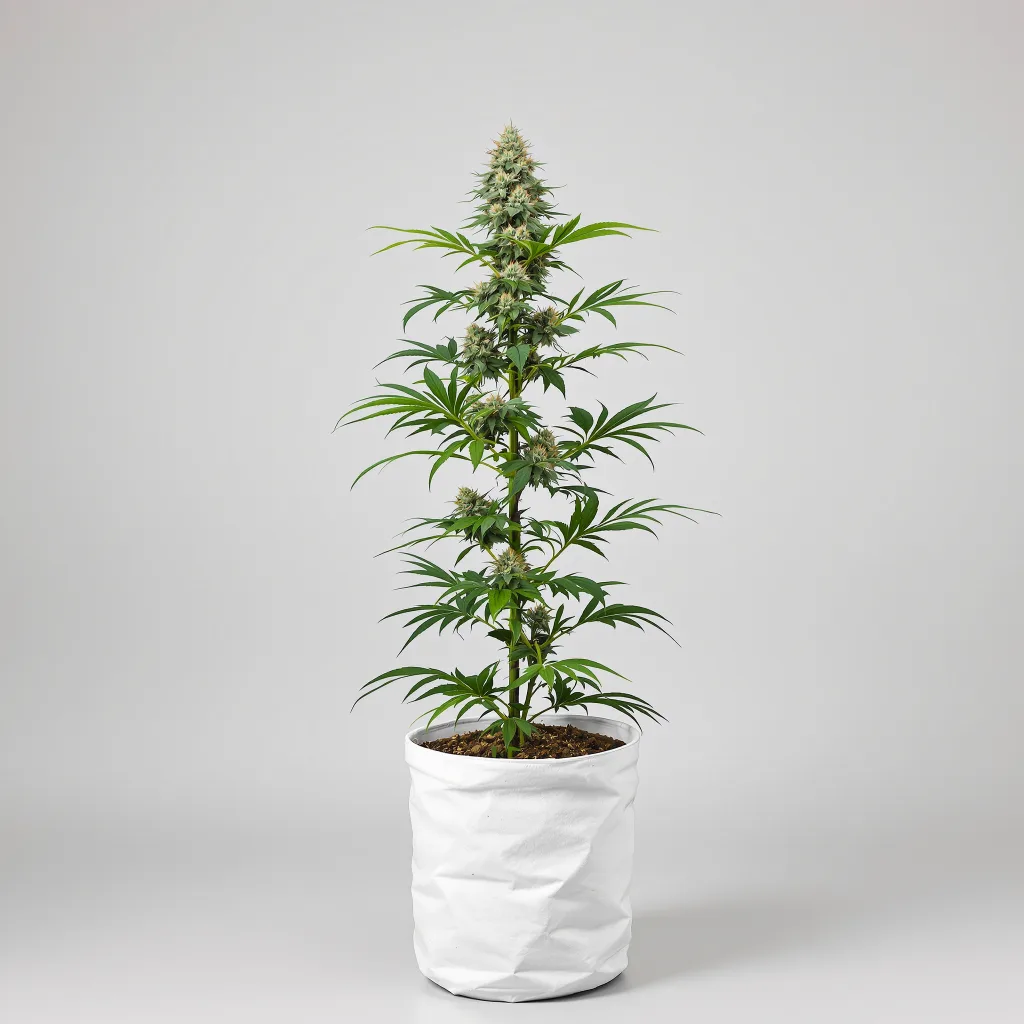
Peanut Butter Gelato Feminized
hybrid
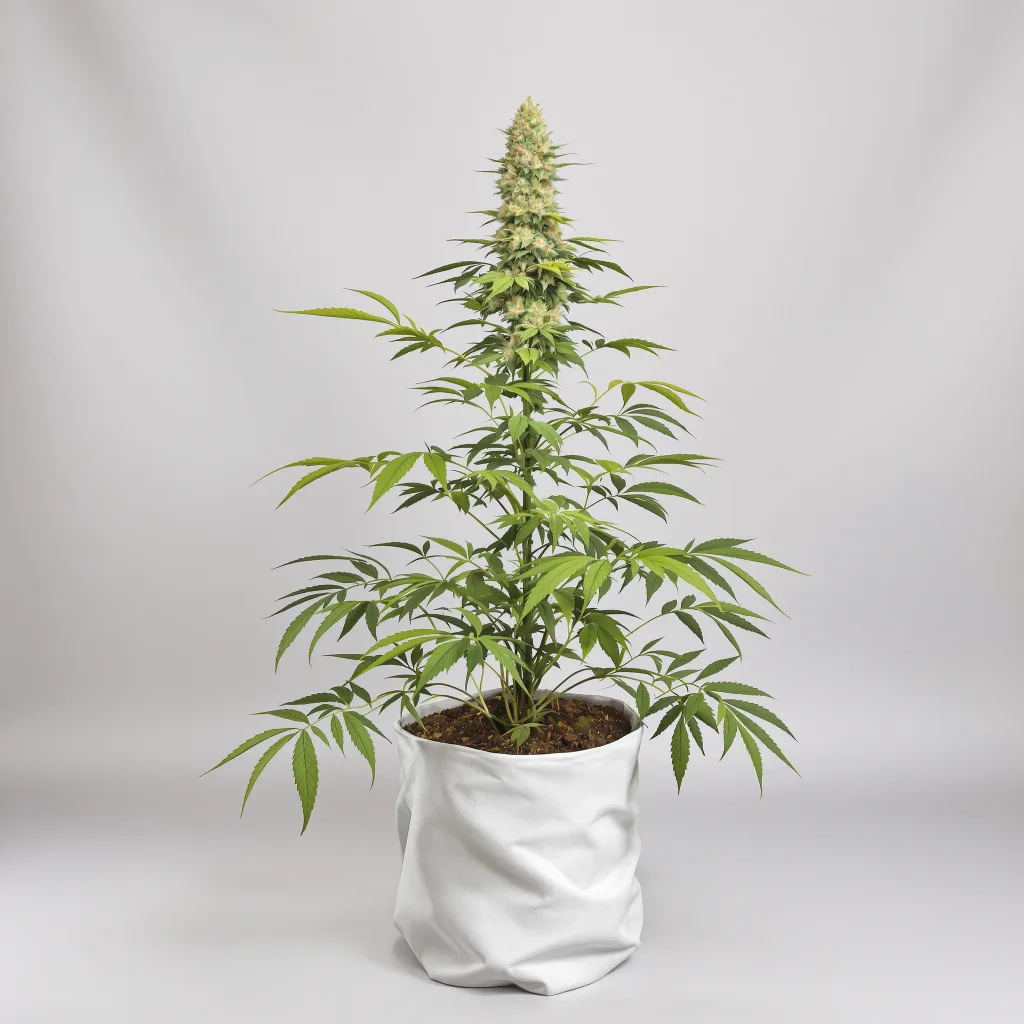
Gelato 33 Auto
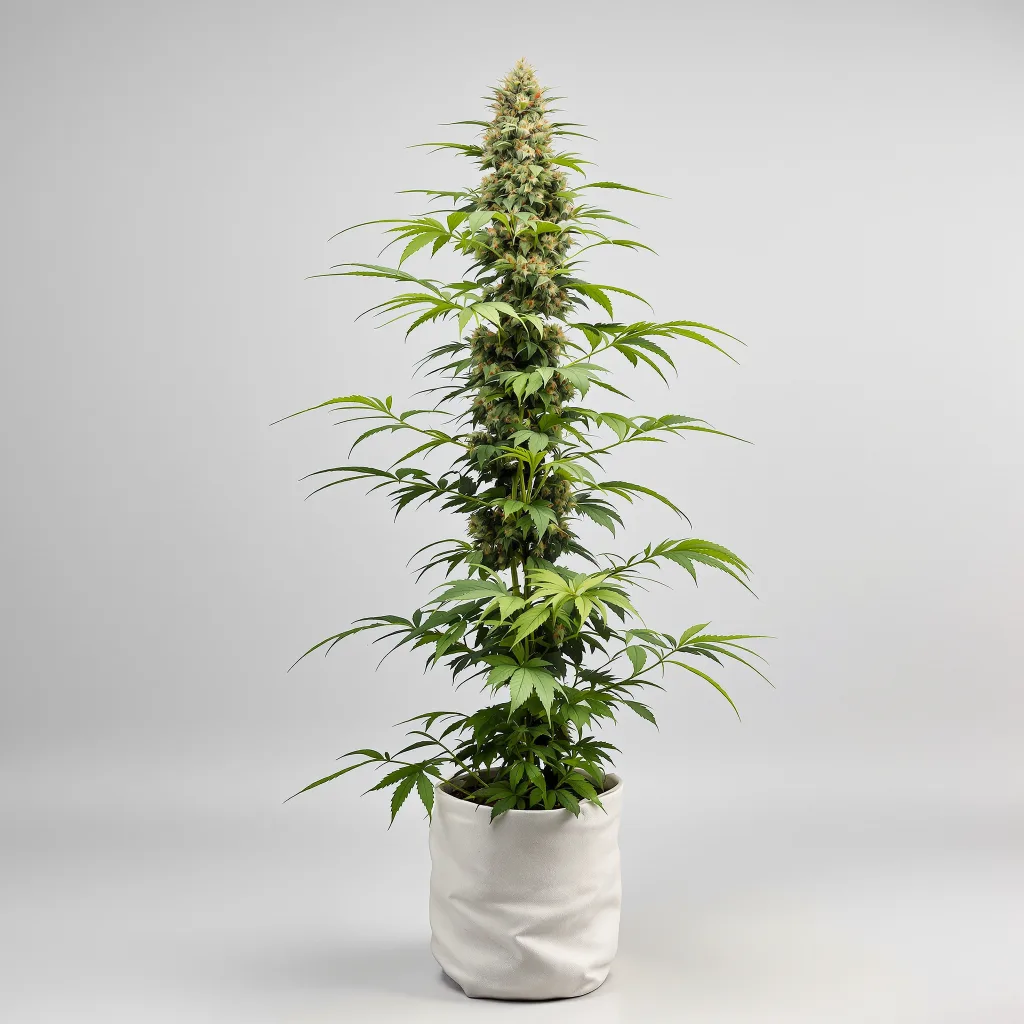
hybrid
Gelato 44 Feminized
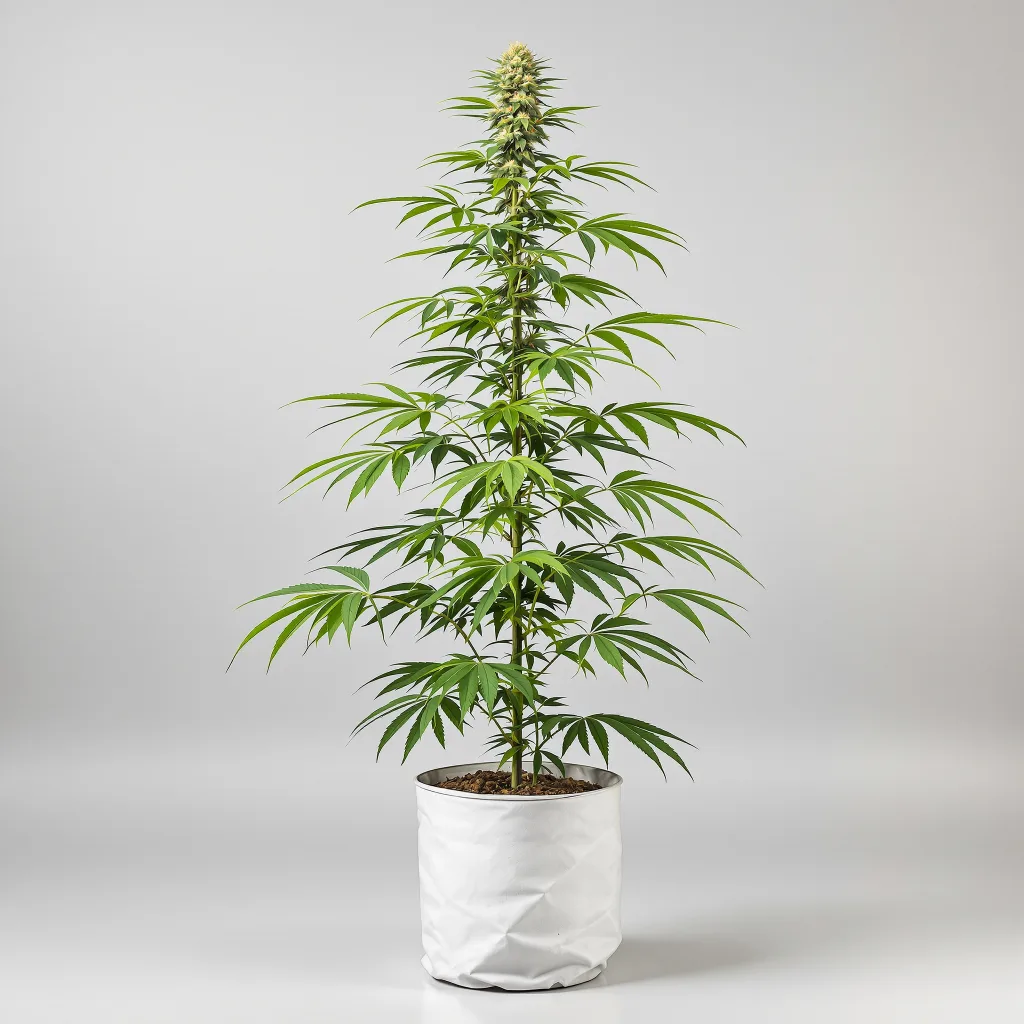
sativa
Gelato Cake Feminized
Browse the full All Cannabis Seeds collection
Premium genetics, shipped from within the US.
Related Articles
Granddaddy Purp Strain: King of Purple Weed | Royal King Seeds
strainJack Herer Strain: Sativa Effects and Grow Guide | Royal King Seeds
strainGranddaddy Purple Strain: Effects and Grow Guide | Royal King Seeds
strainStrawberry Cough Cannabis Strain: Aroma, Effects & Grow Guide | Royal King Seeds
accessoryDabbing vs Vaping Cannabis: Key Differences
strainNorthern Lights Strain Review: Effects and Grow Tips
Ready to Start Growing?
Shop feminized, autoflower, and CBD strains with 95% germination and free delivery on eligible orders of $150 or more.
Shop Cannabis Seeds