Fall Harvest Cannabis Seeds: Best Strains to Choose | Royal King Seeds
Royal King Seeds Editorial Team
Cannabis Cultivator & Seed Specialist
Fall harvest season creates a specific problem that most seed selection guides do not address: which genetics can actually finish in time before your climate becomes hostile. The gorgeous 14-week Colombian Gold that wins awards in Spain dies from botrytis in a Michigan October while it is still weeks from peak trichomes. The question is not "what is the best cannabis strain", it is "what is the best strain for my harvest window, my latitude, and my tolerance for weather risk."
The answer depends on where you grow, what your typical first frost date is, and whether you are willing to gamble the final weeks of a long-season sativa against unpredictable fall weather. In aggregated grower-community reports testing genetics across US growing zones, the difference between the right fall strain selection and the wrong one can be 100% of your harvest, a plant that never reaches peak trichomes before frost is a total loss of time, resources, and the growing season itself.
Fall Harvest Planning, Key Numbers
Oct 15
average first frost at 42°N
7–9 wks
max flower time for safe N. harvest
80–90 days
auto finish for 2nd outdoor run
Based on USDA frost data and strain flower time analysis across northern US growing zones
This guide is based on outdoor grow timing analysis across US climate zones, combined with strain-specific flower time data from our indoor and outdoor cultivation records. Local weather is variable, always verify first frost dates against your specific location and err toward earlier harvest over risking frost damage.
Jump to Section
Understanding Your First Frost Date and Why It Matters
The first frost date is the date by which there is a 50% probability of a frost event occurring at your location. This is a statistical threshold, not a guarantee. At northern latitudes, the median first frost date in many locations is October 1–15. A hard frost, below 28°F (-2°C), kills actively flowering cannabis within 12–24 hours. A light frost (28–32°F) damages exposed leaves but may not penetrate dense flower sites if temperatures recover quickly.
The practical implication: your harvest deadline is 2–3 weeks before your median first hard frost date, not the median date itself. Weather is variable and the first hard frost of the year can arrive 2–4 weeks earlier than median in any given year. Growers who plan to harvest on October 15 but experience a surprise hard frost on September 25 lose everything. The safe planning buffer is to target harvest completion by late September at 42°N latitude, and earlier for higher latitudes.
US first hard frost reference dates:
- 35°N (Memphis, Albuquerque): November 10–20
- 38°N (Denver, Washington DC): October 20–31
- 40°N (Columbus, Salt Lake City): October 10–20
- 42°N (Chicago, Detroit): October 1–15
- 44°N (Minneapolis, Burlington): September 20–October 5
- 46°N+ (Duluth, Upper Michigan): September 10–30
To translate these dates into strain selection: subtract your strain's flower time from your safe harvest deadline to determine the latest date your plant can begin flowering. A strain with an 8-week (56-day) flower time that must be harvested by September 25 must begin flowering by approximately August 1. Since outdoor flowering is triggered by shortening day length (typically August 1–10 in most US latitudes), 8-week strains work reliably at 42°N. A 12-week strain starting the same day in the same climate will not be ready until late October, after first frost in most northern US locations.
Choosing the Right Strain for Fall Harvest
Fall harvest strain selection requires matching the strain's total flower time to your available harvest window. The calculation is simple but consistently overlooked: available frost-free flower days, not total growing season days, just flower days, must exceed the strain's flower time by at least 2 weeks for safety margin.
For northern US growers above 42°N, this limits reliable photoperiod outdoor growing to strains with 7–9 week (49–63 day) flower times. Strains in this range include Northern Lights, Early Skunk, Quick One, Afghani, and many indica-dominant hybrids. Strains with 10+ week flower times carry significant frost risk above 40°N unless grown in a climate-protected environment or greenhouse.
Recommended approach: Published outdoor cultivation data at 43°N shows that indica-dominant strains with stated 7–8 week flower times regularly reach optimal trichome readiness by late September, a comfortable buffer before the October frost window. Strains with 9-week flower times push into early October at this latitude and require careful weather monitoring. Outdoor crops of 10+ week strains are commonly lost to early frost events (September 20–25) in cold years when the weather breaks several weeks earlier than median. The lesson: at northern latitudes, buffer matters more than maximum theoretical yield.
Autoflowering vs Photoperiod for Fall Harvest
The fall harvest decision has become significantly easier with the quality improvement of modern autoflowering genetics. For most northern US outdoor growers, autoflowering seeds planted as a second run in July or early August are the lowest-risk path to a late-season fall harvest.
A 75–80 day autoflower planted outdoors on July 15 completes in early October, after the late summer heat stress period, during the cooler fall temperatures that enhance terpene development, and before the hard frost window at most northern latitudes. This "fall auto run" approach has become standard practice among experienced northern US outdoor growers because it produces excellent quality flower during favorable fall conditions with minimal frost risk.
Best Strains for Fall Harvest, Northern US Outdoor Growers
| Strain | Type | Flower/Total Time | Max Safe Latitude | Why It Works |
| Northern Lights | Photoperiod indica | 7 weeks flower | Up to 46°N | Fast finish, cold tolerant, mold resistant |
| Early Skunk | Photoperiod indica-hybrid | 7–8 weeks flower | Up to 45°N | Bred for early finishing; highest cold tolerance in the hybrid category |
| Afghani | Photoperiod landrace indica | 7–8 weeks flower | Up to 46°N | Landrace genetics, most cold tolerant photoperiod option |
| Auto Northern Lights | Autoflower | 70–75 days total | Any US latitude | Complete control of timing; late July start finishes by October |
| Auto Blueberry | Autoflower | 75–80 days total | Any US latitude | Excellent cold tolerance; fall finishing enhances flavor terpenes |
| Quick One | Autoflower | 65–70 days total | Any US latitude | Fastest outdoor autoflower; reliable in shortest growing seasons |
Cold Tolerance in Cannabis Genetics
Not all cannabis genetics handle cold equally. The difference between a strain that finishes beautifully in a cool October and one that shows catastrophic botrytis at the first night below 10°C is almost entirely genetic, specifically the proportion of cold-adapted landrace genetics in the strain's background.
Indica-dominant genetics from Afghani, Hindu Kush, and Northern Lights lineages have the highest natural cold tolerance in cannabis, these strains were developed at elevation in Central Asia where temperature variation is extreme. They handle 5–8°C nights in late flower significantly better than tropical sativa genetics. Hybrid strains with 50%+ indica content generally retain meaningful cold tolerance. Pure sativa strains and Haze-dominant genetics are the most cold-sensitive and suffer most in northern late-season conditions.
Cold tolerance should be a primary selection criterion for northern US outdoor growers, not as an afterthought but as a filtering requirement. If a strain is not rated for cold outdoor growing by its breeder, and it is not clearly indica-dominant, it should not be your first choice for a northern fall harvest unless you have greenhouse protection. For cold-tolerant indica genetics suited to northern fall harvests, our catalog includes breeder notes on cold tolerance ratings for each strain.
Late-Season Management for Fall Harvest
Even with the right genetics, fall management separates excellent late-season harvests from compromised ones. The primary risks in fall are botrytis (gray mold), powdery mildew, and the temperature crashes that cause frost damage. Managing these risks requires specific techniques during the final 4–6 weeks before harvest.
Botrytis prevention: Botrytis thrives in cool, humid, still air, the exact conditions of fall mornings. Maximize air circulation around the plant. Remove lower fan leaves that shade the interior in the final 4 weeks. Consider early morning inspection specifically for gray mold in the densest cola sites, botrytis spreads from the interior of dense buds outward and is often established before surface symptoms appear. If botrytis is found, surgically remove affected tissue and harvest the affected colas immediately rather than letting the infection spread to clean sites. A partial harvest of infected colas is far better than losing the entire plant to mold.
Frost protection: For fall outdoor harvests, frost cloth rated to 28°F provides 4–6°F of frost protection when properly deployed before temperatures drop. Have frost cloth ready from September onward in northern US growing zones. Covering plants at 35°F before the overnight low frequently prevents frost damage that would have occurred without protection.
For autoflowering growers timing a fall second run, selecting fast-finishing 70–80 day autoflowers for the late run provides the maximum weather buffer in northern climates. Starting the second run by August 1 at 42°N latitude gives a mid-October finish window with adequate frost buffer in most years.
Myth vs Reality
References: NOAA National Centers for Environmental Information, "Historical Freeze/Frost Date Data" (2023). | Chandra, S. et al. (2017). "Cannabis cultivation: Methodological issues for obtaining medical-grade product." Epilepsy & Behavior, 70, 302–312.
Frequently Asked Questions
What cannabis strains are best for northern US fall harvests?
When is the best time to harvest outdoor cannabis in fall?
How do I protect outdoor cannabis from early fall frost?
Can I grow cannabis outdoors in northern US climates?
Does cannabis get better in fall temperatures?
What is the best autoflower strain for a fall second run?
How do I identify botrytis in my outdoor cannabis during fall?
Shop Strains Featured in This Guide
Hand-picked seeds from our catalog that match this article's topic. Free US shipping over $150 with 95% germination guarantee.
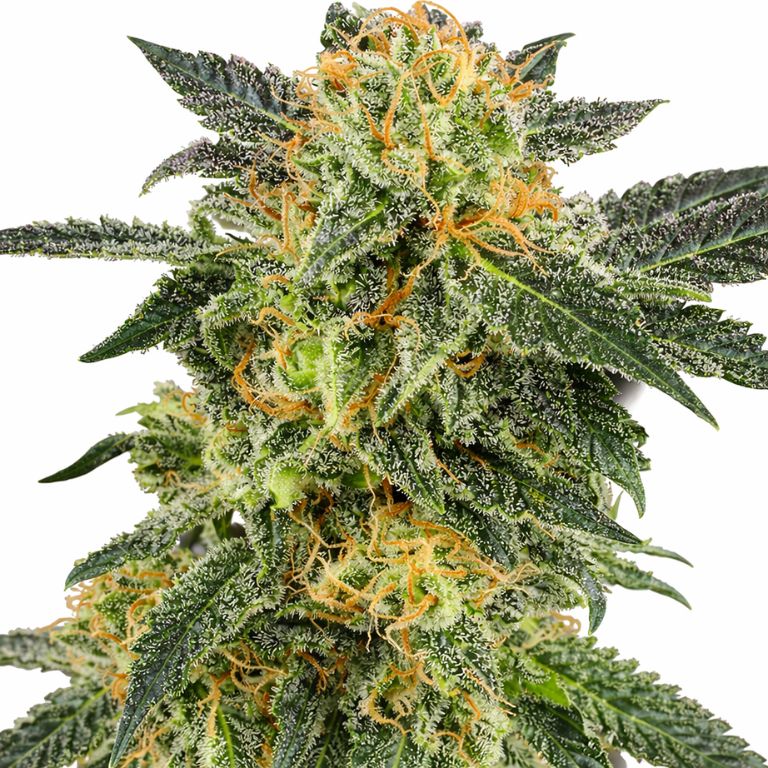
indica
Snow Monster Feminized
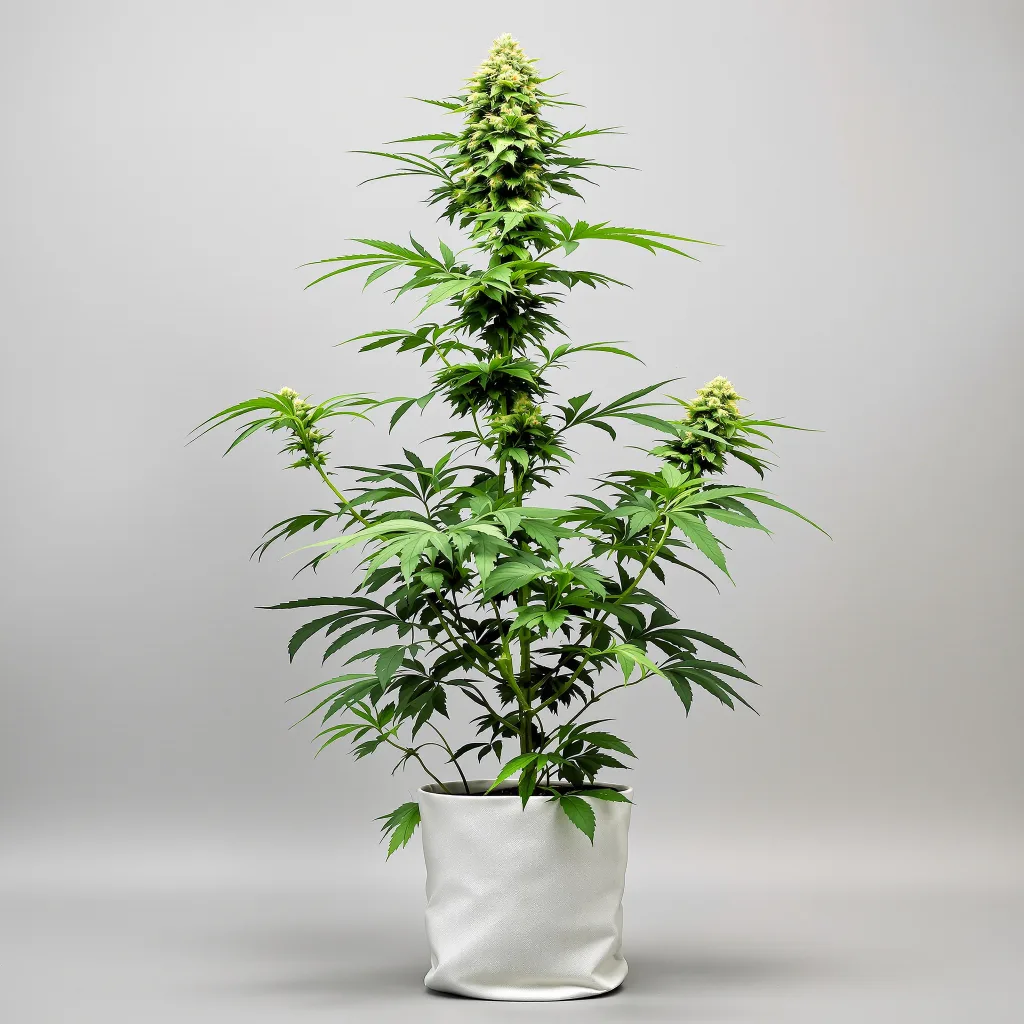
hybrid
Snowcap Feminized
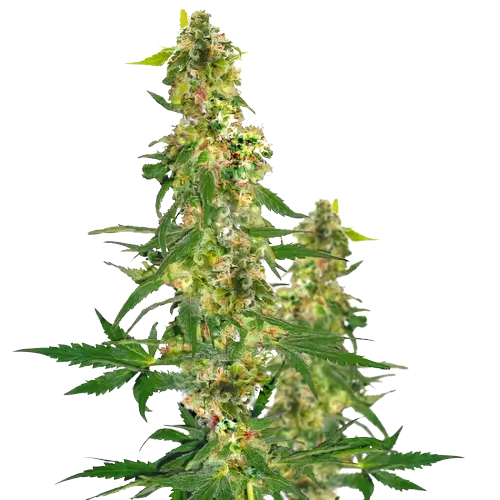
hybrid
Snow Leopard Feminized
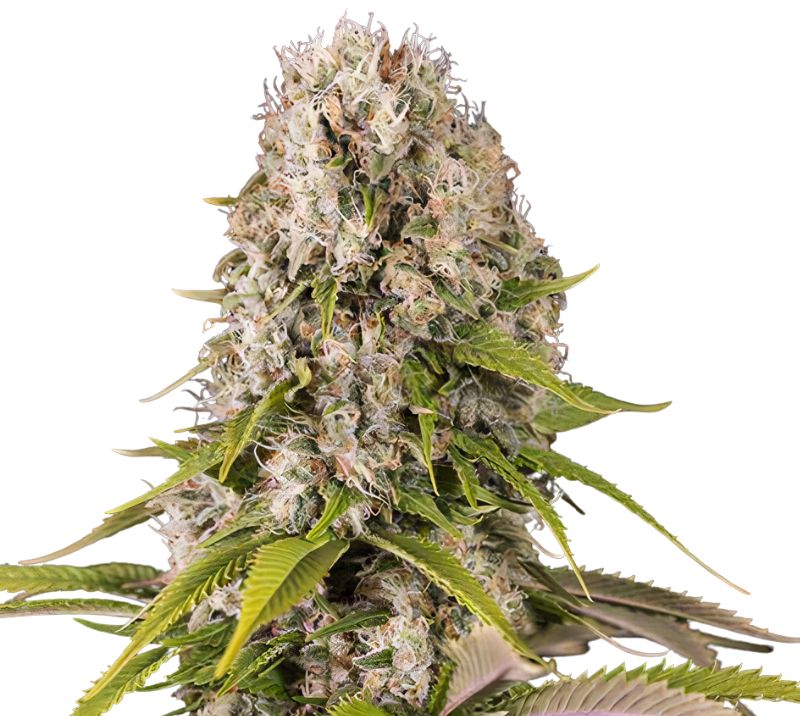
hybrid
Snow Diesel Feminized
Related Buying Guides
Browse the full All Cannabis Seeds collection
Premium genetics, US-wide discreet shipping, germination guaranteed.
Related Articles
Harvest Timing: Cannabinoids and Terpenes in Medical Cannabis | Royal King Seeds
support-harvestWhen to Start Cannabis Seeds and When to Harvest | Royal King Seeds
growing-outdoorWhen to Plant & Harvest Outdoor Cannabis (US 2026 Dates) | Royal King Seeds
support-growPost-Harvest Handling of Medical Cannabis | Royal King Seeds
generalTop 5 Sativa-Dominant Seeds for Creative Daytime Use
support-trainBest Cannabis Strains to Plant This Fall 2025 for Huge
Ready to Start Growing?
Shop 1,600+ feminized, autoflower, and CBD strains with 95% germination, discreet US-wide shipping, and free delivery on orders over $150.
Shop Cannabis Seeds