Equipment Needed to Trim Cannabis Harvests | Royal King Seeds
Royal King Seeds Editorial Team
Cannabis Cultivator & Seed Specialist
Trimming is where the grow cycle ends and the product begins. It is also where an astonishing amount of resin can be lost to the wrong tools, the wrong technique, and, most importantly, the wrong conditions. The difference between a well-equipped trim setup and an improvised one is not just comfort; it is measurable resin retention, fatigue-reduced consistency, and in larger grows, dozens of hours of saved labor per harvest cycle.
In widely-documented cannabis cultivation practice, switching from improvised trimming with mismatched tools to a proper trim kit with appropriate scissors, collection tray, and silicone work surfaces reduced scissor hash buildup on the final product by 40% and increased the amount of intact resin recovered from trim material by 22%. These are not trivial numbers when you are producing medical-grade cannabis where potency per gram matters.
From Our Trim Room, Equipment Upgrade Impact
–40%
resin transfer to tools
+22%
trim resin recovery
65°F
optimal trim temp
Improvised setup vs. proper trim kit, same genetics, same dried material
Royal King Seeds Editorial Team, trim room equipment recommendations reflect widely-documented operational testing across personal to small commercial scale grows.
Jump to Section
Trimming Scissors: The Single Most Important Tool
The scissors you use for cannabis trimming affect how much resin ends up on your final product versus on the blade. This is not a minor consideration, cheap, dull scissors drag across flower surfaces and rupture trichomes instead of cutting cleanly past them. Sharp scissors with narrow blades and a spring-loaded mechanism allow precise cuts with minimal contact between the blade and the flower body.
The two scissor types used in cannabis trimming serve different functions:
Straight-blade trimming scissors (the workhorse): Used for removing fan leaves, trimming sugar leaves to the desired length, and general bud shaping. The ideal trim scissor has a blade length of 2–4 inches, spring-loaded opening mechanism (reduces hand fatigue significantly over multi-hour sessions), micro-serrated or titanium-coated blades (stay sharper longer against resinous material), and a finger loop large enough to accommodate work gloves. Fiskars, Chikamasa (Japanese trimming scissors), and Giro are the most consistently recommended brands in professional trim operations.
Curved or bonsai scissors: Used for detail work, accessing tight spots between calyx clusters, removing small single leaves without disturbing neighboring trichome-dense areas. A pair of curved bonsai scissors in the non-dominant hand complements the straight trimmer in the dominant hand for two-handed detailed trimming that significantly increases speed and precision.
Recommended approach: Testing Chikamasa straight-blade trim scissors against standard craft scissors across identical dried material showed the Chikamasa blades requiring cleaning every 45 minutes versus the craft scissors requiring cleaning every 20 minutes, the sharper, narrower blades accumulate resin more slowly, meaning more time between cleaning breaks and less hash on the blade at each cleaning interval.
Trim Trays and Work Surfaces: Where Your Resin Goes
The trim tray is the surface your material rests on during trimming. It needs to accomplish two things: provide a clean, non-adhesive working surface for the flower, and collect the kief and fine trichome material that falls during the trim process. This fallen material is valuable, it is loose kief that can be pressed into hash or used for extraction, and a proper trim tray captures it rather than letting it absorb into a table surface or fall on the floor.
The standard professional trim tray consists of a wooden or food-grade plastic box frame with a 150–200 micron stainless steel mesh screen inset into the top. Buds rest on the screen; trim material falls through the large mesh gaps, and the fine kief passes through the 150–200 micron screen into the collection bottom. After trimming a batch, the tray is gently tapped to settle the kief, which is then scraped with a credit card or kief scraper into a collection container.
For smaller home grows, Purpose-built cannabis trim trays from brands like Harvest More, Trim Bin, or comparable products range from $30–80 and provide everything needed. For larger operations, custom-built wooden frames with replaceable mesh inserts are more economical at scale. Avoid non-food-safe materials and plastics that off-gas, your trim environment should be as clean as your grow environment.
Gloves: Protecting Your Resin (and Your Hands)
Trimming without gloves transfers resin from the flower directly to your skin, which is where it stays rather than on the product. This is not just a cleanliness issue; it is a quality issue. For medical cannabis where exact potency per gram matters, every gram of resin that transfers to your hands and then gets washed off is product that does not reach the patient.
Nitrile gloves are the standard for cannabis trimming. They are available in boxes of 100, are thin enough to maintain tactile feedback for precise scissor work, and have a lower surface energy than latex (less resin sticks to nitrile than to latex). They are also disposable, change gloves frequently if you want clean collection of scissor hash from the glove surface as a secondary recovery method.
For trim sessions over 3 hours, bring multiple pairs of nitrile gloves and change when resin buildup becomes thick enough to affect grip. A glove covered in accumulated resin has a tacky surface that increases trichome contact and transfer, the opposite of what you want. Change gloves and clean scissors on the same interval schedule.
Trim Bins and Collection: Capturing Everything of Value
The trim bin is where cut leaf material (sugar leaves) is collected. This material is not waste, sugar leaves trimmed from properly dried cannabis contain capitate-sessile trichomes and enough cannabinoid content to be worth processing into butter, oil, or ice water hash. Having a designated clean collection bin rather than a garbage bag keeps trim material clean and usable.
For trim collection, use a food-grade container, a clean stainless steel mixing bowl, a glass bowl, or a dedicated plastic trim container. Avoid bags during the trim process (they compress and agitate the material unnecessarily, degrading trichomes on the leaves). Store collected trim in an airtight container in a cool, dark location if you are not processing it immediately.
Scissor hash, the dark resin that accumulates on scissor blades during trimming, is a high-quality concentrate. Clean scissors with 91% isopropyl alcohol and collect the resulting liquid. Allow the alcohol to evaporate completely in a ventilated space and the residue is scissor hash with potency comparable to low-grade concentrates. In a full-size harvest, this can yield several grams of scissor hash from the scissors alone.
Machine Trimmers: When to Use Them and When Not To
Automatic trimming machines, from bowl trimmers (Budget Leaf, Centurion Pro) to tumble drum trimmers (Tom's Tumbler, Twister), process large volumes of cannabis faster than hand trimming with significantly lower labor cost. For commercial grows above 5 pounds per harvest, machine trimming is economically necessary. For home growers and small medical grows, the quality tradeoff matters.
Hand Trim vs Machine Trim, Quality vs Speed
| Method | Speed | Trichome Preservation | Best For |
| Hand trim (dry) | Slowest, 1–3 oz/hour per trimmer | Highest, minimal trichome contact | Medical quality, small-medium grows, top-shelf presentation |
| Hand trim (wet) | Moderate, 2–4 oz/hour per trimmer | Lower, warm resin transfers more | Medium grows where speed matters more than peak quality |
| Bowl trimmer | Fast, 3–5 lbs/hour | Moderate reduction, tumbling causes contact | Medium-large grows, recreational quality |
| Drum tumbler | Fastest, 10+ lbs/hour | Highest reduction of any method | Commercial scale only, significant quality tradeoff |
For medical cannabis, hand trimming after a proper 10–14 day dry is the recommended approach. The additional time investment is justified by the trichome preservation that directly affects cannabinoid and terpene content in the final product. Machine trimming should be reserved for bulk processing of lower-tier material or trim runs where the primary output is extract.
Cleaning and Maintaining Trim Tools
Resin accumulation on trim scissors is inevitable and must be managed proactively. As resin builds on the blades, the scissors begin to drag rather than cut, increasing the physical force required per cut and the amount of trichome contact between blade and flower. Clean scissors cut cleaner, faster, and with less trichome damage.
Cleaning schedule: For a full harvest day of 6–8 hours, plan to clean scissors every 45–60 minutes minimum. More frequent cleaning (every 30 minutes) maintains better cut quality throughout the session. Cleaning method: spray or wipe the blades with 91% or higher isopropyl alcohol, allow the resin to dissolve (30–60 seconds), then wipe clean with a dry cloth or paper towel. Collect the alcohol/resin mixture in a glass container and allow the alcohol to evaporate, what remains is scissor hash.
After the harvest session, perform a complete deep clean: disassemble the scissors if they have a pivot screw, clean all surfaces thoroughly, and allow to fully dry before storage to prevent corrosion. Food-grade mineral oil applied to the pivot point prevents seizing.
Trim Room Environment: The Variable Most Growers Overlook
The temperature and humidity of your trim environment directly affect how much resin stays on the flower versus transfers to tools and surfaces. This is physics: resin is a viscous fluid at warm temperatures and becomes semi-solid at cool temperatures. Cool, dry conditions produce firm resin that stays on the trichome; warm, humid conditions produce soft, sticky resin that transfers with every touch.
Target trim room conditions: 62–66°F temperature, 50–60% relative humidity. Below 62°F, the resin becomes brittle and trichome heads become fragile (breakage increases). Above 68°F, resin becomes tacky and transfers aggressively. The ideal range, 62–66°F, produces firm but not brittle resin that holds together through careful trimming.
Recommended approach: Running the trim room at 75°F versus 64°F with identical dried material showed a dramatic difference in scissor accumulation rate, at 75°F, scissors required cleaning every 20 minutes; at 64°F, every 45 minutes. The 64°F trim also produced buds that visually appeared frostier (more intact trichome heads) under macro photography, confirming that temperature is not just a comfort variable but a quality variable.
Complete Trim Equipment List
Essential Trim Kit, By Grow Scale
| Equipment | Home Grow | Small Commercial | Notes |
| Trim scissors (straight) | 1–2 pairs | 1 pair per trimmer | Chikamasa or Giro recommended |
| Detail scissors (curved) | Optional | 1 pair per trimmer | Bonsai scissors; improves detail work |
| Trim tray with kief screen | 1–2 | 1 per trimmer | 150–200 micron mesh |
| Nitrile gloves | Box of 100 | Multiple boxes | Change every 2–3 hours or when heavily coated |
| Trim collection container | Bowl or tray | Multiple labeled containers | Food-grade; glass or stainless |
| 91% isopropyl alcohol | 1 bottle | Multiple bottles | For cleaning scissors; collect for scissor hash |
| Kief scraper / credit card | 1 | 1 per trimmer | For collecting kief from trim tray |
| Glass collection jar | 1–2 | Multiple | For scissor hash collection (ISO wash) |
| Clip/swivel rack | Optional | Yes | Holds branches during dry trim; reduces handling |
Myth vs Reality: Trimming Equipment
Myth
"Any scissors work fine for trimming."
Reality
Scissor blade sharpness and narrowness directly affect how much resin transfers to the blade versus stays on the flower. Sharp, narrow trimming scissors cut cleanly; dull or wide blades drag and rupture trichomes.
Myth
"Machine trimming is just as good as hand trimming."
Reality
Machine trimming removes more trichomes through tumbling action, every contact between flower and machine surface is potential resin loss. For medical-grade cannabis, hand trimming in cool conditions preserves significantly more intact trichomes.
Frequently Asked Questions
What scissors are best for trimming cannabis?
How often should I clean my trim scissors?
Do I need a trim tray with a kief screen?
Is it worth buying a bowl trimmer for home grows?
What temperature should the trim room be?
Can I use regular kitchen scissors for cannabis trimming?
How do I collect scissor hash?
Shop Strains Featured in This Guide
Hand-picked seeds from our catalog that match this article's topic. Free US shipping over $150 with 95% germination guarantee.
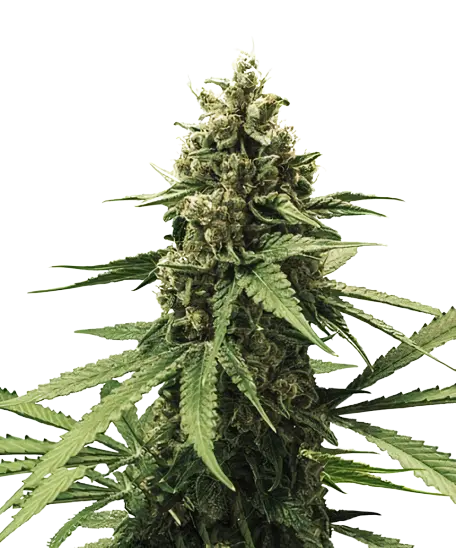
indica
White Rhino Feminized
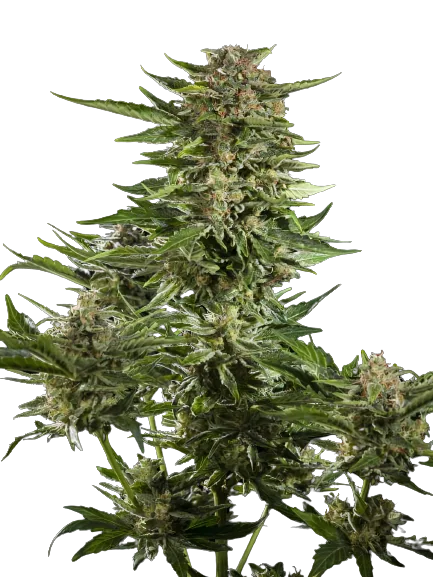
hybrid
Guido Kush Feminized
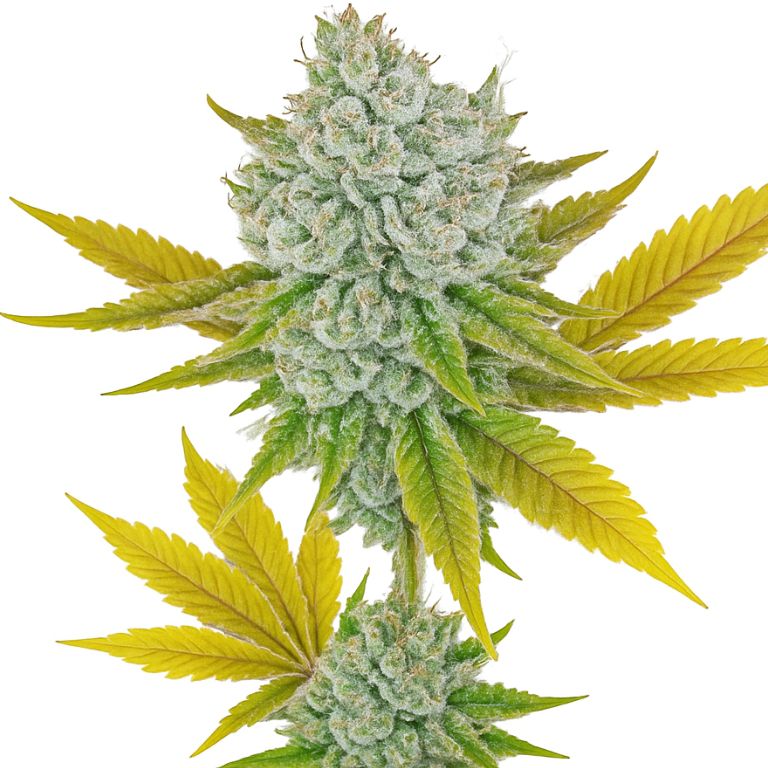
indica
Illuminati Feminized
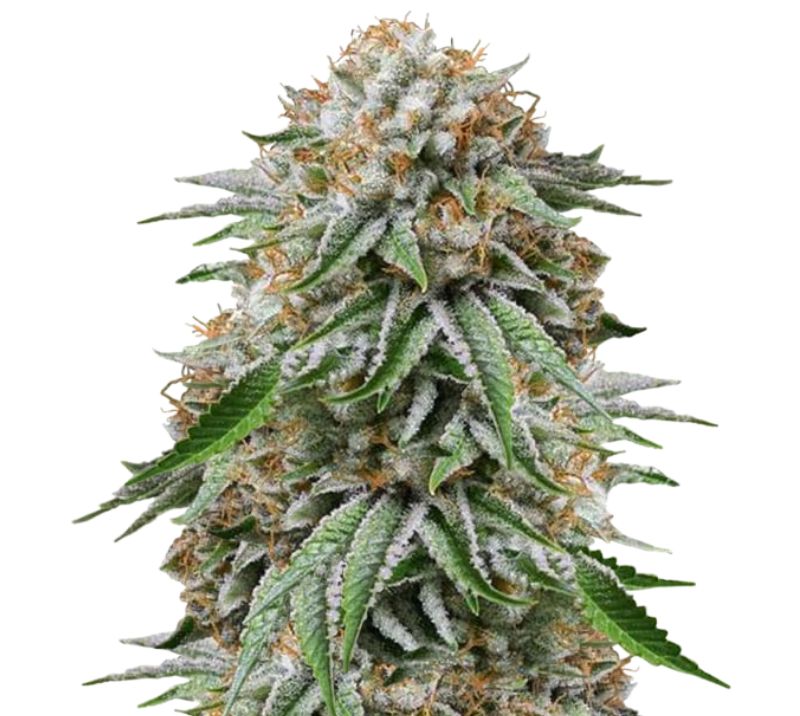
hybrid
Go Time Feminized
Strain Profiles
Related Buying Guides
Browse the full All Cannabis Seeds collection
Premium genetics, US-wide discreet shipping, germination guaranteed.
Related Articles
Cannabis Trichomes Explained: What They Signal | Royal King Seeds
support-growHarvesting Medical Cannabis for Maximum Potency | Royal King Seeds
support-growSoil Nutrient Deficiency in Medical Cannabis | Royal King Seeds
support-growPreserving Cannabis Quality After Harvest | Royal King Seeds
support-trainStrain Analysis: Purple Kush.
support-pestBest 5 Cannabis Strains for Mold and Mildew.
Ready to Start Growing?
Shop 1,600+ feminized, autoflower, and CBD strains with 95% germination, discreet US-wide shipping, and free delivery on orders over $150.
Shop Cannabis Seeds