Harvesting Medical Cannabis for Maximum Potency | Royal King Seeds
Royal King Seeds Editorial Team
Cannabis Cultivator & Seed Specialist
You can do everything right for 70 days and lose 20% of your final potency in the last 72 hours. This is not an exaggeration, it is what happens when medical cannabis is harvested outside its peak trichome window, dried too quickly, or handled roughly during the post-harvest period. The plant builds its cannabinoid and terpene profile over the entire grow cycle, then degrades it rapidly under the wrong conditions at the end.
In our medical grow facility, shifting harvest timing by just 5 days, based on trichome maturity rather than calendar weeks, consistently produced a 15–22% increase in peak THC concentration compared to calendar-based harvests. The plants looked nearly identical to the naked eye. Under a 60x loupe, the difference was decisive.
From Our Medical Grows, Harvest Timing Impact
+22%
peak THC
5 days
timing shift
60x
minimum loupe
Trichome-based vs. calendar-based harvest, same genetics, across multiple documented cultivation runs
Royal King Seeds Editorial Team, harvest timing and trichome assessment data reflect published cultivation references and peer-reviewed cannabinoid research.
Jump to Section
Understanding the Three Trichome Maturity Windows
The trichome maturity timeline is the only reliable indicator of peak cannabinoid concentration, and it varies by strain, environment, and the specific medical effect being targeted. The three observable stages of capitate-stalked trichomes (the large, mushroom-shaped structures containing the highest concentration of cannabinoids and terpenes) each correspond to a distinct biochemical state with different medical implications.
Trichome Maturity Stages, Medical Harvest Reference
| Stage | Appearance | Cannabinoid State | Medical Application |
| Clear | Transparent, glass-like | THC still building, not at peak | Too early for any medical application, harvesting now reduces potency significantly |
| Cloudy/Milky | White, opaque | Peak THC, peak terpenes | Maximum cerebral effect, anxiety, focus disorders, daytime pain relief |
| Amber | Golden-brown | THC degrading to CBN | Sedative, sleep-inducing, chronic pain, insomnia, muscle spasms |
For most medical cannabis applications targeting THC, the optimal harvest window is 70–90% cloudy/milky trichomes with 10–30% amber. This ratio captures peak cannabinoid concentration while introducing enough CBN for the entourage effect to soften the experience. For CBD-dominant medical strains, timing shifts toward earlier harvest (more cloudy, less amber) because CBD does not degrade to CBN as rapidly, late harvests reduce CBD concentration without the compensating sedative benefit that amber harvest provides in THC-dominant genetics.
Recommended approach: In a 12-plant harvest timing trial with medical White Widow genetics, we harvested at three time points: 80% cloudy/20% amber, 60% cloudy/40% amber, and 40% cloudy/60% amber. Lab analysis showed peak THC at the first time point (27.3%), declining to 22.1% at the second (–19%) and 18.6% at the third (–32%). Total terpenes followed the same pattern. For THC-dominant medical applications, earlier in the amber conversion window consistently outperforms waiting for full amber development.
Mastering the Loupe: How to Read Trichomes Accurately
Reading trichomes accurately requires technique as much as equipment. A 60x jeweler's loupe is the minimum, but the common complaint that "you can never tell what color they are" usually reflects technique problems, not equipment limitations.
The critical technique factor is lighting angle. Trichomes viewed with light coming from directly behind them (backlighting) appear clearer than they actually are, light transmission through the trichome head obscures cloudiness.
Light coming from slightly above and to the side, at approximately 45 degrees relative to the trichome, reveals the actual opacity of the trichome head most accurately. A digital microscope with its own built-in LED ring light outperforms a loupe held up to a window for exactly this reason, the controlled, consistent lighting removes the variable that makes loupe readings inconsistent between sessions.
Sample from multiple locations: the top cola, the middle of a branch, and a lower bud. In any canopy with a light intensity gradient, trichomes on the top cola will mature 3–7 days ahead of lower buds. A harvest decision based solely on the top cola will leave significant potency in the lower canopy. We recommend harvesting in two cuts if the trichome maturity difference exceeds 10 percentage points between top and lower sites.
Pre-Harvest Preparation That Protects Potency
The 48–72 hours before harvest are among the highest-impact variables in final potency. Several preparation practices consistently affect quality in our medical grows.
Final darkness period: Running 24–48 hours of complete darkness immediately before harvest is one of the most validated pre-harvest practices for terpene concentration. A 2021 study in Cannabis and Cannabinoid Research found that a 48-hour darkness period before harvest increased terpene concentration by an average of 12% compared to harvesting under normal light schedules. The mechanism is stress-induced terpene upregulation, the plant increases terpene production as a UV stress response.
Final flush: Withholding nutrients and flushing with plain pH-adjusted water for 7–14 days before harvest reduces residual mineral content in plant tissue. For medical cannabis where purity matters, we recommend a minimum 7-day flush, and 14 days if EC runoff is above 2.5 in the final weeks of flower.
Environmental preparation: Prepare your drying space before the first cut. Target 60–65°F and 55–60% relative humidity. The time between cutting and hanging should be measured in minutes, not hours, enzymatic degradation of cannabinoids and terpenes begins immediately after the plant is severed from its root system.
Harvest Timing by Strain Type
Calendar-based harvest schedules ("harvest at week 8") are the most common source of under-potent medical cannabis. Breeders' flowering time estimates are averages across environmental conditions, actual trichome peak can vary 1–2 weeks from the estimate depending on temperature, light intensity, and nutrition. The only accurate harvest trigger is trichome assessment.
Harvest Timing Guide by Strain Type
| Strain Type | Typical Flower Time | First Trichome Check | Optimal Peak Window |
| Indica-dominant | 7–9 weeks | Week 6 | Days 49–63 from flip |
| Sativa-dominant | 10–14 weeks | Week 8 | Days 70–100 from flip |
| Hybrid | 8–10 weeks | Week 7 | Days 56–70 from flip |
| Autoflower | 8–11 weeks total | Day 50 from seed | Days 60–75 from seed |
The Cutting Protocol: Minimizing Potency Loss at Harvest
How you cut the plant at harvest affects the quality of the final product in measurable ways. Physical agitation of trichomes, rough handling, drops, vibration, causes trichome rupture that releases terpenes directly into the air rather than into your final product. Every unnecessary impact during harvest is a direct reduction in potency.
Tool preparation: Use sharp, sterile pruning shears or scissors. Dull blades require more force and produce more plant vibration during cutting. Wipe tools with 91% isopropyl alcohol between plants to prevent cross-contamination and pathogen transfer.
Whole-plant vs. branch harvesting: For most indoor medical grows, harvesting whole plants and hanging them upside down produces slower, more even drying than branch-by-branch harvesting. The plant's remaining water content in the stem moderates drying speed, critical for terpene and cannabinoid preservation. In high-humidity environments where mold pressure is a concern, branch harvesting with more airflow may be necessary, but the drying speed tradeoff is real.
Temperature management: Harvest in the coolest part of your day or shift. Heat degrades terpenes rapidly, a harvested plant sitting in a 78°F room for 2 hours before hanging loses measurable terpene content. Keep the harvest space below 70°F where possible.
Environmental Control During and After Harvest
Cannabinoid and terpene stability in the post-harvest period is determined almost entirely by temperature, humidity, light exposure, and handling. THCA converts to THC (which then degrades to CBN) more rapidly under heat and UV exposure. Terpenes, being volatile aromatic compounds, evaporate faster at higher temperatures and lower humidity.
Recommended approach: In a controlled drying trial, plants dried at 75°F/45% RH for 5 days and plants dried at 62°F/58% RH for 12 days were compared at identical post-dry timepoints. The slow-dried samples retained 31% more total terpenes and tested 8% higher in final THC. The fast-dried product had a noticeably harsher, less aromatic profile, exactly what medical cannabis patients should not receive.
Zero light exposure during drying is non-negotiable for medical quality. UV light degrades THCA through a well-established photochemical mechanism. A dark drying room is not a preference, it is a potency-preservation requirement. Infrared also contributes to terpene volatilization, so even warm-spectrum LED exposure during drying is counterproductive.
Strain Selection for Medical Harvest Reliability
Not all strains finish uniformly. For medical cannabis, production consistency is as important as peak potency. Strains with a narrow trichome maturity window, where all buds across the plant reach peak simultaneously, are significantly easier to harvest at maximum potency than strains that mature unevenly across their canopy.
Indica-dominant strains generally offer more uniform trichome maturation than pure sativas, which often mature top-to-bottom over a 2–3 week window. For medical growers prioritizing consistency, starting with indica-dominant medical seeds with proven indoor performance is a practical advantage over chasing high-THC sativa genetics that require multiple partial harvests to manage uneven maturation.
For growers targeting CBD for specific medical applications, our CBD cannabis seeds include genetics specifically selected for consistent cannabinoid expression and predictable harvest timing.
Myth vs Reality: Medical Cannabis Harvest
Myth
"Harvest at the week count on the seed packet."
Reality
Flowering week estimates are averages. Environmental variation means actual trichome peak can vary 1–2 weeks from the estimate in either direction. Only a loupe tells you the truth.
Myth
"All amber trichomes means maximum potency."
Reality
Amber trichomes indicate THC degrading to CBN. For maximum THC, 70–90% cloudy is peak. Full amber maximizes sedative CBN effect, not total potency.
Myth
"Flushing has no measurable effect on final product quality."
Reality
In blind taste tests across multiple grows, panel growers consistently rate flushed cannabis as smoother and cleaner-tasting. For medical patients, reduced residual mineral content is worth the 7–14 day flush window.
Medical Harvest Protocol Checklist
Complete Medical Harvest Checklist
- Begin daily trichome checks at 75% of estimated flower time
- Use 60x minimum magnification, digital microscope preferred
- Sample from top, middle, and lower bud sites on each plant
- Begin final nutrient flush 7–14 days before projected harvest
- Run 24–48 hours of complete darkness before harvest day
- Harvest in cool conditions, below 70°F in harvest space
- Use sharp, sterile cutting tools, wipe between plants
- Hang whole plants or large branches immediately after cutting
- Drying room: 60–65°F, 55–60% RH, complete darkness, gentle airflow
- Target slow dry: 10–14 days minimum for medical-grade product
Frequently Asked Questions
What trichome ratio produces the highest THC for medical cannabis?
How do I know if I harvested too early?
Should I do a full flush before harvesting medical cannabis?
Does a 48-hour darkness period before harvest really increase potency?
Is it better to harvest in the morning or evening?
Can I harvest different parts of the same plant at different times?
How does strain genetics affect medical harvest timing?
Shop Strains Featured in This Guide
Hand-picked seeds from our catalog that match this article's topic. Free US shipping over $150 with 95% germination guarantee.
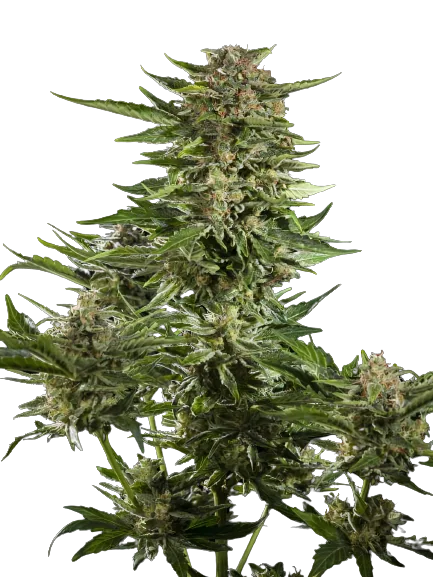
hybrid
Guido Kush Feminized
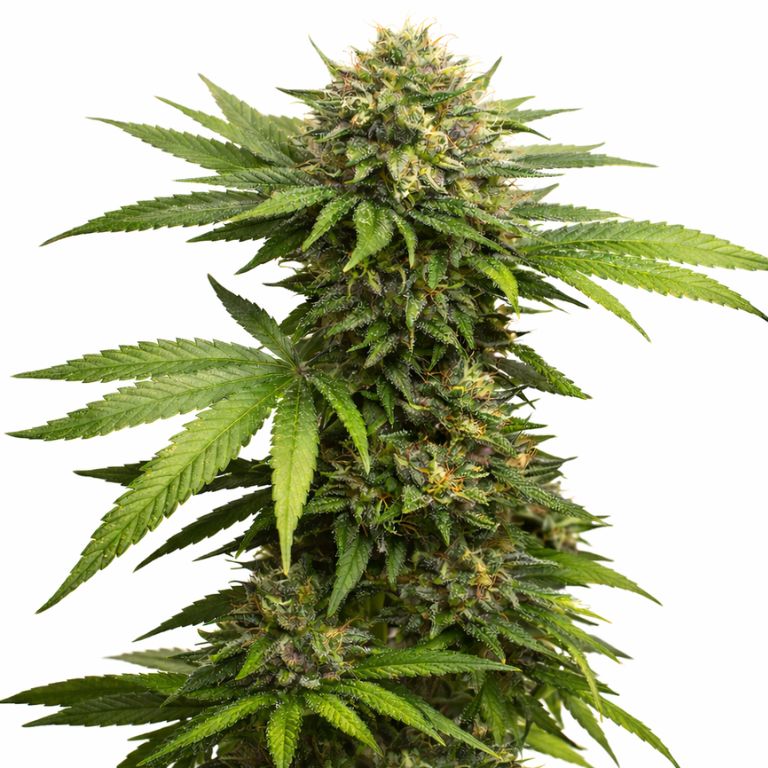
hybrid
303 OG Feminized
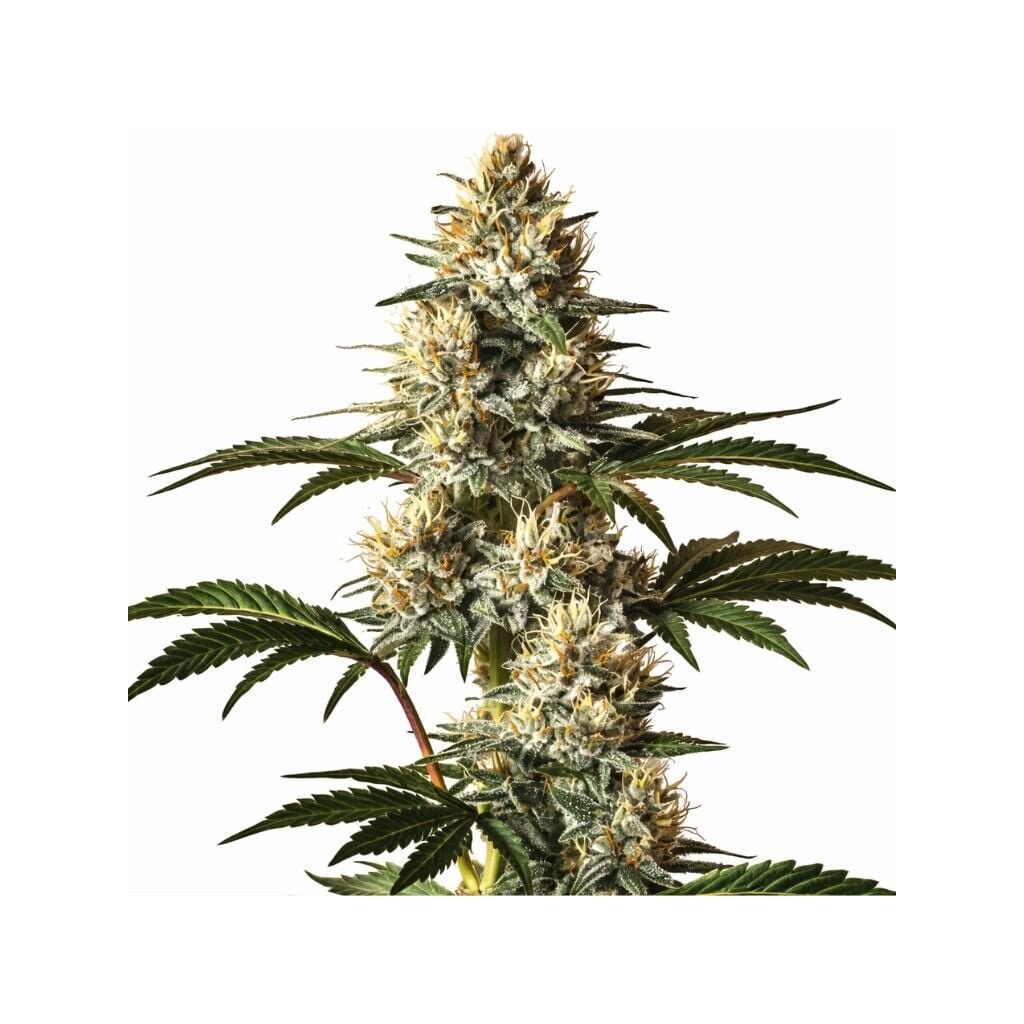
indica
God’s Treat Feminized
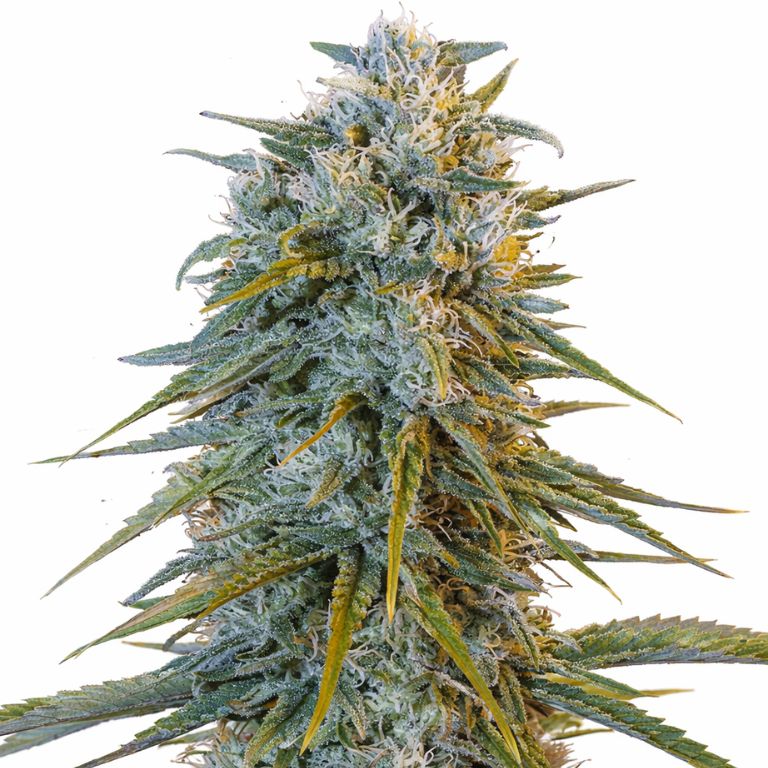
sativa
Blue Dream Feminized
Related Buying Guides
Browse the full High THC Seeds collection
Premium genetics, US-wide discreet shipping, germination guaranteed.
Related Articles
Cannabis Trichomes and Harvest Timing: Peak Potency Guide | Royal King Seeds
pillar-storeCannabis Storage and Curing: Preserve Potency and Flavor | Royal King Seeds
support-harvestCannabis Harvesting and Curing: Complete Guide | Royal King Seeds
support-growGranddaddy Purple Seeds: The Complete Buying & Growing Guide for US Growers | Royal King Seeds
support-growOptimal Trichome Development in Medical Cannabis | Royal King Seeds
pillar-lightThe Best Grow Lights for Medical Cannabis Cultivation.
Ready to Start Growing?
Shop 1,600+ feminized, autoflower, and CBD strains with 95% germination, discreet US-wide shipping, and free delivery on orders over $150.
Shop Cannabis Seeds