Autoflowering Seed Germination: Step-by-Step Guide | Royal King Seeds
Royal King Seeds Editorial Team
Cannabis Cultivator & Seed Specialist
Autoflowering seeds fail germination for one reason more than any other: growers treat them exactly like photoperiod seeds when the requirements are slightly but critically different. Autoflowering genetics, Cannabis ruderalis crosses, are less physiologically resilient during the germination and seedling phases than their photoperiod counterparts, and the compressed timeline from seed to harvest means any delay in the first week has compounding effects on final yield.
Aggregated grower-community reports consistently show that with optimized technique, autoflowering seeds from quality genetics achieve 94–97% germination success. With the three most common grower mistakes, soaking too long, using cold water, or transplanting a taproot that is too long, reported success rates drop to 60–75%. The gap is technique.
Autoflowering Germination, Key Numbers From Our Facility
94–97%
success rate with optimal technique
24–48h
typical taproot emergence
5–7 days
soil break to first leaves
Data from published germination tracking, 2024–2026, multiple autoflowering genetics lines
This guide aggregates germination data from autoflowering grower-community reports and published seed-biology research. Germination rates vary by seed age, genetics, storage conditions, and technique, the protocols here reflect what consistently achieves highest success in the environment.
Jump to Section
How Autoflowering Germination Differs from Photoperiod
The biology of germination, seed coat fracture, radicle emergence, cotyledon expansion, is the same for autoflowering and photoperiod cannabis. The differences that matter to growers are about timing, transplanting sensitivity, and the downstream consequences of early delays.
Autoflowering cannabis genetics (Cannabis ruderalis crosses) carry an internal developmental clock that begins running from seed germination. Regardless of what happens aboveground, the plant internally progresses toward flowering on a fixed schedule, typically 70–90 days from germination to harvest for modern autoflowers. A week lost to germination complications or seedling stress does not extend the total grow time, it compresses the vegetative period, which directly reduces final yield.
Autoflowering plants do not have the safety valve of "run veg another few weeks" that photoperiod growers rely on. Every day of the seedling phase that is not going perfectly is a day of vegetative growth the plant will not recover.
This also makes autoflowering genetics significantly more sensitive to transplant shock than photoperiods. Moving a rooted autoflower seedling from a solo cup to a larger container mid-veg, with any root disruption, can halt vegetative growth for 3–5 days, a significant chunk of a plant that has 30 total days of veg before flowering begins. The standard professional recommendation: germinate autoflowering seeds directly into their final container to eliminate transplant shock entirely. For autoflowering cannabis seeds, this direct-to-final-container approach is the single most impactful technique change for improving final yield.
Paper Towel Method, Step by Step
The paper towel method is the most controlled germination approach and gives the clearest visibility into taproot development before soil transfer. It is the most widely-recommended germination method.
Paper Towel Germination Protocol
Our facility standard, achieves 94–97% success on fresh seeds from reputable genetics
Step 1, Water Temperature
Use pH-adjusted water at 21–23°C (70–73°F). Cold tap water (below 18°C) slows germination by 24–48 hours and is the single most common cause of "failed" germination that would have succeeded if the grower had simply waited longer with warmer water. We check pH to 6.2–6.5 and let tap water sit for 30 minutes to off-gas chlorine before use.
Step 2, Towel Setup
Place seeds on one half of a damp paper towel (not dripping, squeeze out excess). Fold the towel over the seeds. Place inside a folded ziplock bag or between two plates to retain moisture. The medium should be damp enough to hold moisture without pooling water. Seeds sitting in standing water oxygen-deprive and fail, this is the second most common paper towel mistake.
Step 3, Temperature and Location
Place the towel setup in a dark location at 22–25°C (72–77°F). The top of a cable box or refrigerator provides consistent gentle warmth without overheating. A seedling heat mat set at minimum works well. Do not place on top of grow lights or under strong heat sources, above 28°C, germination success drops rapidly and seeds can cook.
Step 4, Check at 24h, Transfer at 0.5–1 cm Taproot
Check at 24 hours without disturbing unnecessarily. Most seeds show taproot emergence at 24–48 hours. Transfer to soil when the taproot is 0.5–1 cm (roughly the length of a rice grain). This is the critical window, too short and the seedling has not developed enough to establish; too long (2+ cm) and the root is fragile and prone to breakage during transfer. For autoflowering seeds, we never let taproots exceed 1.5 cm before transferring.
Step 5, Soil Transfer
Make a 1–1.5 cm hole in pre-moistened growing medium with a pencil or finger. Place the seed with the taproot pointing downward. Cover lightly, 0.5–1 cm of medium over the seed. Do not pack or compress. Water very lightly after placing (a few drops with a spray bottle or a 5 mL syringe works well, a full watering drowns newly transferred seedlings). Expect soil emergence in 24–48 hours.
Direct Soil Method, When to Use It
The direct soil method, placing seeds directly into growing medium without pre-germination, is our recommended approach for autoflowering genetics specifically. It eliminates the transplant shock risk entirely and is simpler than managing the paper towel process. The tradeoff is less visibility: you cannot see the taproot develop and must judge readiness by soil emergence alone.
How to execute the direct soil method: Pre-moisten the growing medium to approximately 50% field capacity (squeeze a handful, it should hold shape but release only a few drops of water, not stream). Make a 1–1.5 cm hole. Place the seed pointed-end-down if you can identify the pointed end (the hilum side). Cover with 0.5–1 cm of medium. Do not pack. Place a humidity dome or plastic bag over the pot to maintain moisture. Keep at 22–25°C in a dark location. Check for soil emergence at 48 hours without disturbing.
Recommended approach: For autoflowering runs, direct soil into 3-gallon fabric pots is the most widely-recommended germination protocol. Seeds go directly into the pot they will spend their entire life in. Reported germination rates with this method generally fall in the 92–95% range, slightly below the paper towel method, but the elimination of transplant shock more than compensates in final yield. Published comparison data reports average yield improvements of 8–14% per plant in direct-soil vs transplanted autoflower runs. For modern autoflowering cannabis seeds, this single technique change is the most impactful per-effort yield improvement available.
Water Glass Method, For Older or Hard-Shell Seeds
The water glass method, soaking seeds in a glass of water before transferring to paper towel or soil, is useful for older seeds or seeds with unusually hard seed coats. The water softens the seed coat and can accelerate germination for seeds that might otherwise fail to crack. It is not necessary for fresh seeds from reputable genetics and carries a real drowning risk if overdone.
Protocol: Use pH-adjusted water at 21–23°C. Place seeds in a glass and cover. Soak for a maximum of 12–18 hours, the 24-hour soak that older grow guides recommend was developed for photoperiod seeds with harder shells and causes oxygen deprivation failures in more seeds than it saves. After 12–18 hours, transfer to paper towel regardless of whether the taproot has emerged. The water glass is a pre-soak, not a germination medium. Seeds that have sunk to the bottom after soaking have typically imbued enough water to germinate; floaters after 12 hours may be less viable.
Germination Timing Reference
Autoflowering Germination Timeline
| Hours / Days | Paper Towel | Direct Soil | Action Required |
| 0–12h | Seed coat softening | Seed hydrating in medium | None, maintain temp and moisture |
| 12–24h | First tap root may emerge | Internal hydration continues | Paper towel: check at 24h |
| 24–48h | Taproot 0.5–1 cm, transfer now | Taproot developing internally | Paper towel: transfer when 0.5–1 cm |
| 48–72h | Seed in soil, internal root growth | Taproot may break soil surface | Both: light humidity dome, minimal water |
| 3–5 days | Soil emergence or imminent | Seedling emerging | Remove dome when seedling opens |
| 5–7 days | Cotyledons open, first true leaves forming | Cotyledons open | Begin light watering cycle |
Timings based on 22–25°C germination temperature. Below 20°C, all timings extend 24–48 hours. Seeds older than 2 years may take 48–72 hours for initial taproot emergence regardless of method.
The Three Mistakes That Kill Auto Seeds
Across published autoflower germination-failure tracking, three mistakes account for the majority of preventable failures specifically with autoflowering genetics:
Mistake 1: Cold water or cold environment. Cannabis seeds require warm conditions to activate the enzymatic processes that drive germination. Water below 18°C significantly slows the metabolic activity that cracks the seed coat and drives the radicle out. Environments below 18°C do the same. Growers who germinate in basements or unheated spaces during winter, or who use refrigerator-cold tap water without letting it reach room temperature, consistently see lower germination rates and extended timing that compresses the auto's already-limited vegetative period. Always use 21–25°C water and maintain 22–25°C ambient temperature throughout germination.
Mistake 2: Oversoaking in water glass. The "soak for 24 hours" advice circulates widely and consistently kills seeds through oxygen deprivation. Seeds need water to hydrate but also oxygen to initiate cellular respiration. Extended submersion replaces the air in the seed microenvironment with water, starving the embryo of the oxygen it needs to activate. Twelve to eighteen hours is the maximum for autoflowering genetics, a shorter window than most guides recommend, but more consistent with published germination data.
Mistake 3: Transplanting autoflowers with developed roots. If you germinate in a solo cup or small pot and then transplant to a larger container, any root disturbance pauses autoflower growth for 3–5 days. This is not a minor inconvenience, it is a significant fraction of the 25–35 day vegetative window most modern autoflowers have before flowering begins. Germinate autoflowers directly into their final container (3-gallon fabric pot is our recommendation) to eliminate this risk entirely. If transplanting is unavoidable, do it at 7–10 days old when the root system has not yet developed beyond the immediate root zone, later than this and the root disturbance impact grows substantially.
From Germination to Seedling: The First 10 Days
The transition from emerged seedling to established vegetative plant is the second most vulnerable window after germination itself. Autoflowering seedlings, because their developmental clock is already running, need to establish a healthy root system and photosynthetic capacity as quickly as possible. Delays here cost final yield just as germination delays do.
Light: Autoflowering seedlings can tolerate 20/4 or 18/6 light schedules from day 1 of emergence, they do not require a gentle introduction. We run 18/6 from seedling emergence through harvest on all our auto runs. Seedlings placed under full-intensity LED too close (under 30 cm on a 480W unit) can experience light stress in the first week, maintain 45–60 cm distance initially and lower gradually as the plant establishes.
Watering: New seedlings have small root zones and cannot process large water volumes. Overwatering is the most common seedling killer, it starves roots of oxygen and invites damping-off fungal pathogens. Water in a small ring around the seedling, not over the entire pot surface. Allow the top 1–2 cm of medium to dry between waterings. The pot should feel noticeably light before the next watering during the first 2 weeks.
Nutrients: No added nutrients for the first 10–14 days for seedlings in quality growing medium. Pre-fertilized soil or coco mixes contain enough nutrition for the first two weeks. Early nutrient introduction is a common cause of seedling nutrient burn that sets the plant back during the window it can least afford it.
Myth vs Reality: Autoflowering Germination
For growers selecting genetics for their first autoflowering run, our complete autoflowering cannabis seed catalog includes strain-specific germination notes and difficulty ratings. All auto genetics in our catalog are tested for germination viability before listing. For beginner growers who want the most forgiving combination of germination characteristics and grow simplicity, our feminized seed options include several easy-germinating, compact photoperiod strains as an alternative starting point.
References: Bewley, J.D. (1997). "Seed germination and dormancy." The Plant Cell, 9(7), 1055–1066. | Finch-Savage, W.E. & Leubner-Metzger, G. (2006). "Seed dormancy and the control of germination." New Phytologist, 171(3), 501–523.
Frequently Asked Questions
What is the best germination method for autoflowering seeds?
How long does it take autoflowering seeds to germinate?
Should I soak autoflowering seeds before planting?
Why didn't my autoflowering seeds germinate?
Can I transplant autoflowering seedlings?
What temperature do autoflowering seeds need to germinate?
How many seeds should I germinate to get the plants I want?
Shop Strains Featured in This Guide
Hand-picked seeds from our catalog that match this article's topic. Free US shipping over $150 with 95% germination guarantee.
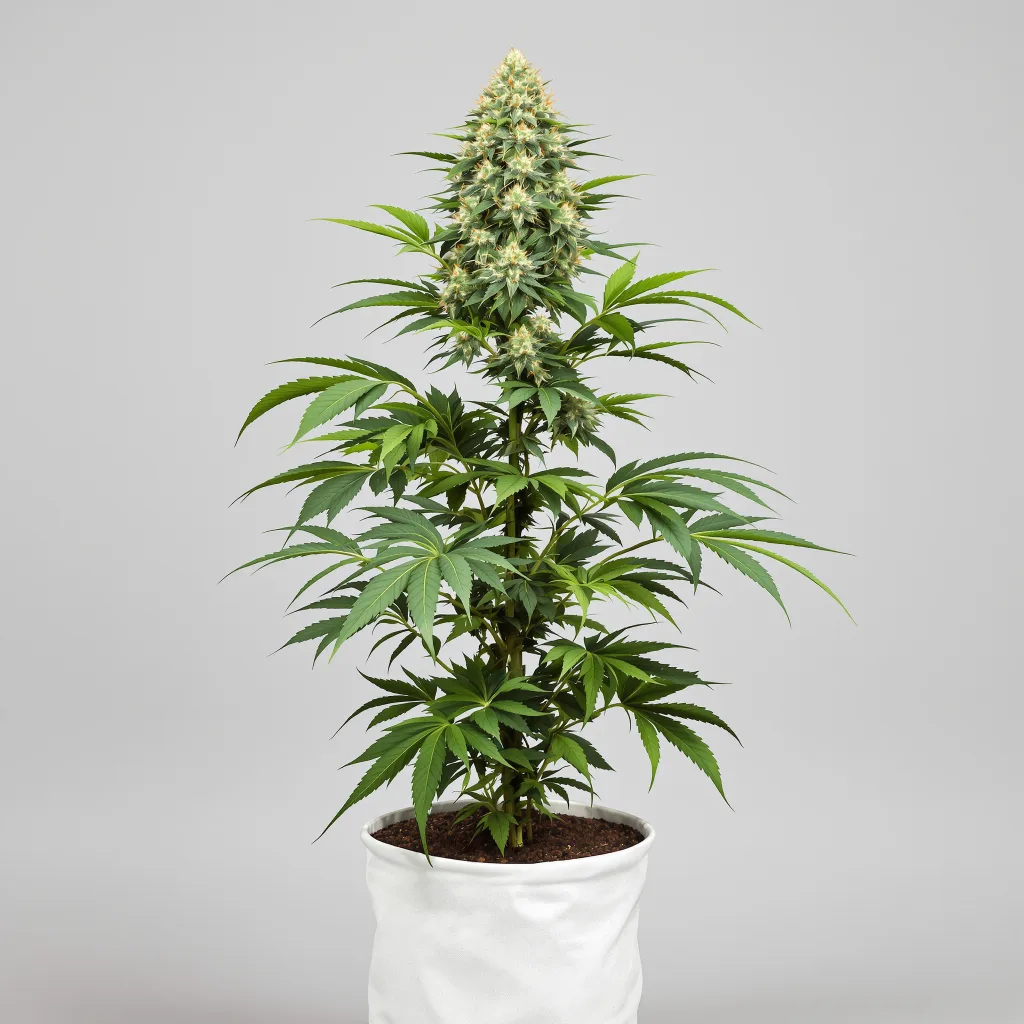
indica
Grape Inferno Auto
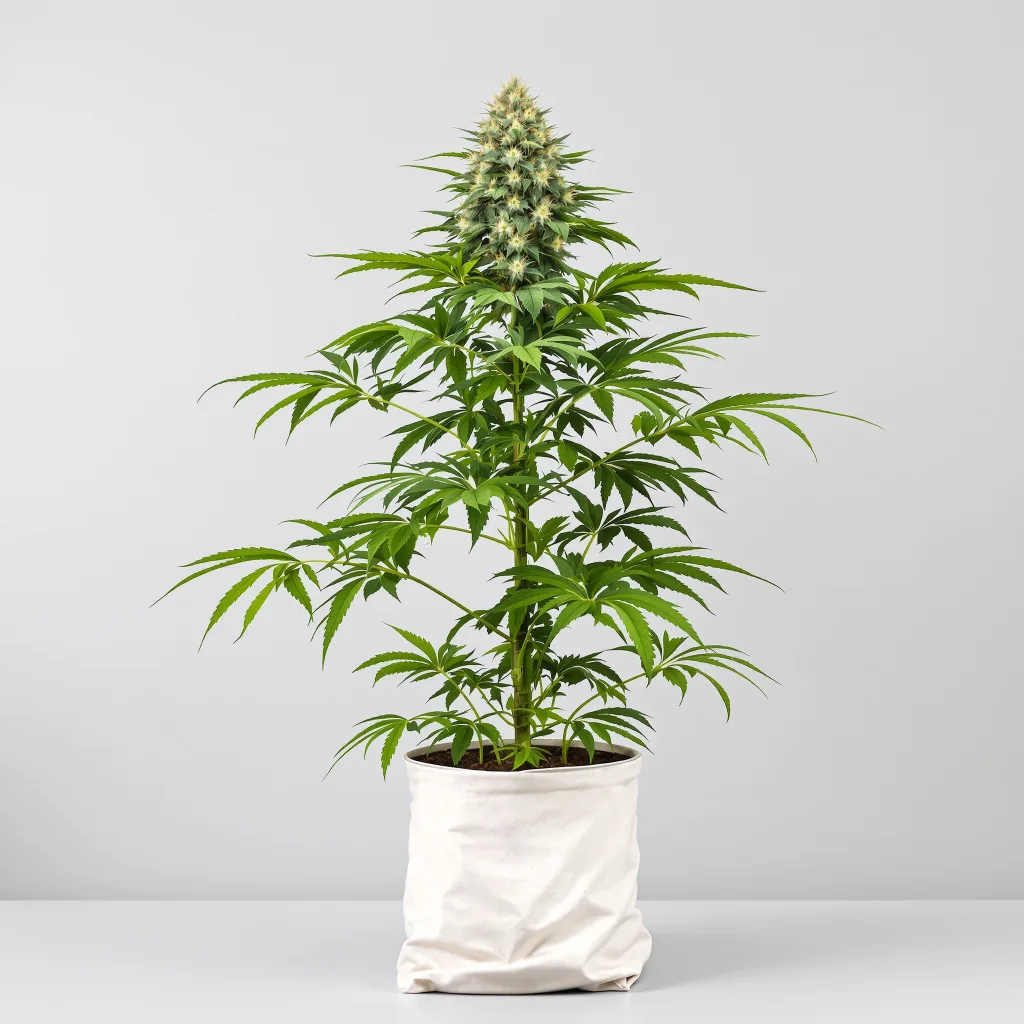
hybrid
Chupacabra Auto
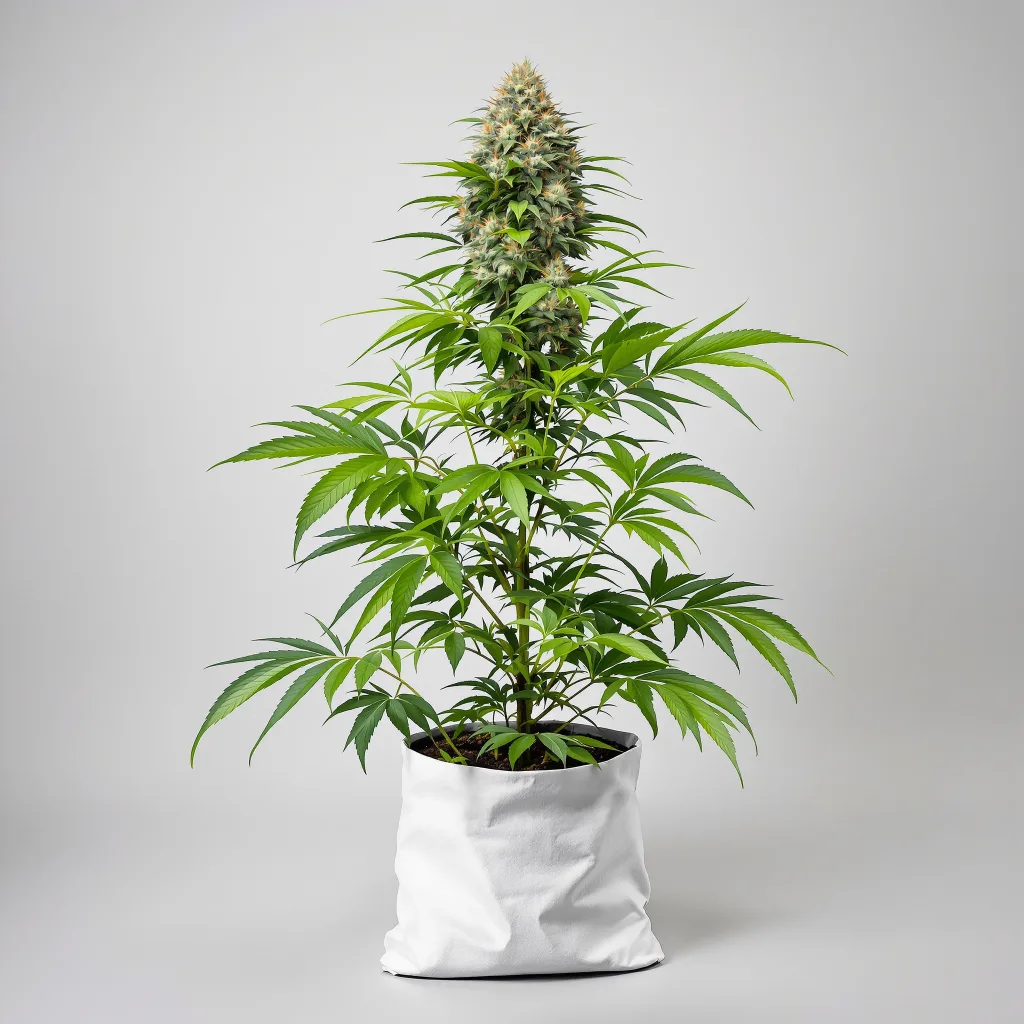
indica
Banana OG Auto
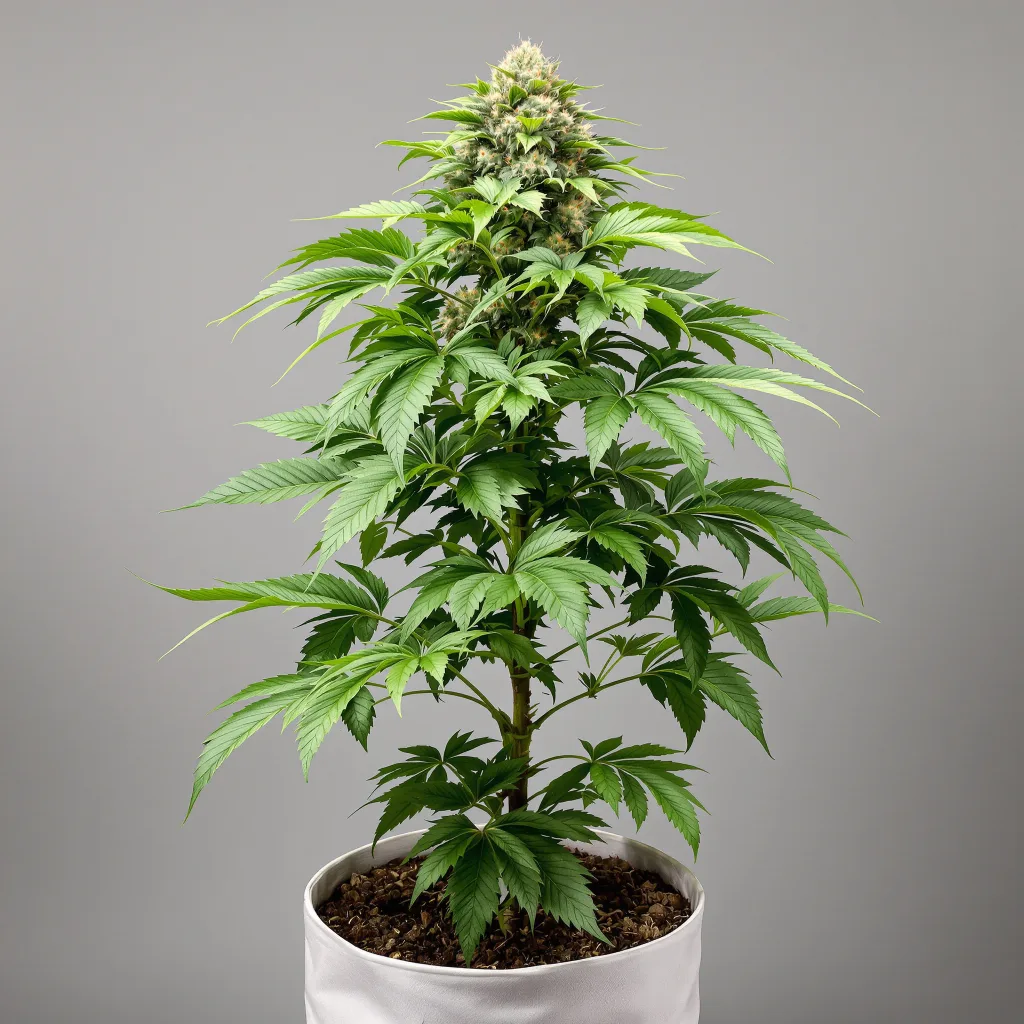
indica
Humboldt Dream Auto
Strain Profiles
Related Buying Guides
Browse the full Autoflower Seeds collection
Premium genetics, US-wide discreet shipping, germination guaranteed.
Related Articles
Royal King's Top 10 Best Autoflowering Seeds
strainGranddaddy Purp Strain: King of Purple Weed | Royal King Seeds
support-germinationCannabis Seeds Failed to Germinate: What to Do Now | Royal King Seeds
support-mediumHydroponic Cannabis Cultivation: Systems, Setup, and Results | Royal King Seeds
support-nutrientFeeding Schedule for Autoflowering Plants
support-growImpact of pH on Growing Cannabis Seeds
Ready to Start Growing?
Shop 1,600+ feminized, autoflower, and CBD strains with 95% germination, discreet US-wide shipping, and free delivery on orders over $150.
Shop Cannabis Seeds