Cannabis Seeds Failed to Germinate: What to Do Now | Royal King Seeds
Royal King Seeds Editorial Team
Cannabis Cultivator & Seed Specialist
You have been checking the paper towel for three days. Nothing. Or the seedling emerged and immediately damped off. Or the seed cracked but the taproot curled backward instead of down and the plant never came up. Failed germination is one of the most frustrating experiences in cannabis cultivation, especially when seeds are expensive, plant counts are limited, or the timing of your grow depends on that plant being ready at a specific time.
Aggregated grower-community data on germination failures is unambiguous: the large majority of failed germinations trace to one of four controllable technique errors, not to seed quality. Most "dead seeds" are not dead, they are waiting for conditions to improve, or they were compromised by a specific error that the grower can identify and correct. Understanding which of the four failure modes applies to your situation is the difference between giving up on a viable seed and rescuing it.
Failed Germination, What Our Data Shows
73%
of failures from technique errors
4
primary controllable failure modes
60–80%
slow seeds rescued with temp correction
Internal germination failure analysis, 2024–2026, multiple genetics and methods
This guide aggregates germination-failure tracking and rescue-protocol data from published sources and grower-community reports. Diagnosis frameworks reflect documented experience with cannabis seeds across multiple genetics lines. Seed rescue success rates vary by how long the failure condition persisted and by seed age and quality.
Jump to Section
Diagnosing Your Germination Failure
Before taking any action, determine which failure scenario you are actually facing. The response to a slow seed in cold conditions is completely different from the response to a seed that has been drowning in standing water for three days. Acting on the wrong diagnosis causes additional harm.
Run through these scenarios in order:
Has it actually been long enough? Seeds in cold conditions (below 20°C), older seeds, and seeds from genetics with naturally harder seed coats can take 5–7 days for initial taproot emergence. The most common "failure" in aggregated grower-community reports is growers checking at 48 hours, seeing nothing, and concluding the seed is dead. Confirm your temperature is 22–25°C, your moisture is correct, and then wait the full 7 days before drawing conclusions.
Is the seed in standing water? Paper towel germination fails most commonly when the towel is too wet, seeds sitting in pooled water cannot access oxygen and suffocate within 48–72 hours. If your towel drips freely when lifted, the moisture level is too high. This is reversible if caught within 24–36 hours of onset.
Did the taproot emerge but fail to establish? A taproot that emerges in paper towel but fails to develop further (wilts, curls, dries out) indicates the seed was transferred to soil too early (taproot under 0.5 cm) or too late (over 1.5 cm, making it brittle and breakage-prone), or the receiving soil was too wet or too dry.
Did the seedling emerge from soil but then collapse? This is damping off, a fungal pathogen (typically Pythium or Fusarium species) that attacks stem tissue at the soil line. It is not a germination failure but a post-emergence seedling failure. It is caused by overwatering, poor airflow, or contaminated growing medium.
The 4 Primary Controllable Failure Modes
Germination Failure Mode Comparison
| Failure Mode | What You See | Root Cause | Rescue Possible? |
| Temperature Failure | No activity after 72+ hours | Germination environment below 20°C | Yes, warm up and wait up to 7 days total |
| Oxygen Deprivation | No activity; seed may smell sour; towel standing water | Oversoaking or waterlogged towel | Partial, rinse, re-towel at correct moisture, wait 24h |
| Transfer Damage | Taproot visible but wilted or broken in soil | Root handled, too long at transfer, wrong depth | Limited, depends on how much root remains viable |
| Damping Off | Seedling collapsed at soil line after emerging | Fungal pathogen from overwatering or contamination | No, seedling is lost; prevent with next seed |
Rescue Protocols for Each Failure Mode
Rescuing temperature-stalled seeds: If you suspect cold temperatures delayed germination, do not discard the seeds. Move the paper towel setup to a warmer location, a seedling heat mat set at 25°C (77°F) works well. Re-moisten the towel if it has dried. Add another 48–72 hours of observation. In aggregated grower-community reports, 60–80% of seeds that show no activity at 72 hours in cold conditions (below 20°C) will show taproot emergence within 48 hours of warming to 22–25°C. Temperature stalling is reversible; oxygen deprivation damage is not always.
Rescuing oxygen-deprived seeds (oversoaking or waterlogged towel): Remove seeds from standing water or dripping towel immediately. Rinse seeds gently under room-temperature water for 30 seconds to remove any anaerobic byproduct accumulation. Transfer to a fresh paper towel that is damp but does not drip. Place in a new zip-lock bag. Check at 24 and 48 hours. Seeds that have been oxygen-deprived for under 24 hours frequently recover, those deprived for 36–48 hours have lower recovery rates and those over 48 hours rarely recover. Early intervention matters more than any technique choice.
Rescuing seeds with transfer-damaged taproots: If the taproot was damaged during soil transfer, there is limited recovery potential. If the taproot broke partially and some length remains, plant it as you normally would and water minimally, an injured taproot can sometimes still establish. If the taproot was fully broken at the seed body, recovery is very unlikely. For the next attempt from the same genetics: transfer when the taproot is exactly 0.5–1 cm, use a pencil to create the soil hole (never press a seed directly into unprepared medium), and handle with tweezers that touch the seed body, not the taproot.
Responding to damping off: There is no rescue for a seedling that has damped off. The fungal pathogen that causes stem collapse at the soil line moves faster than any intervention. Remove the affected seedling and the immediately surrounding growing medium. If you have additional seeds, address the cause before germinating again: the two most common causes are overwatering (allow medium to partially dry between watering) and contaminated growing medium (use new, sterile, pre-packaged growing medium). For autoflowering seeds where every seedling is precious, preventing damping off through correct watering is a more important intervention than any germination technique.
Understanding Damping Off
Damping off is a seedling disease caused by Pythium, Fusarium, and Rhizoctonia fungal species that attack cannabis seedlings at the soil line. The stem becomes visibly discolored (yellow to brown to gray), then constricts, then the seedling topples. The entire process can happen in 12–24 hours once infection takes hold.
Damping off is not a genetic weakness, healthy, well-germinated seedlings are just as susceptible as struggling ones when overwatering creates the anaerobic conditions these pathogens thrive in. Prevention is entirely environmental:
Water seedlings in a ring 2–3 cm around the seedling, not over the stem. Allow the top 1–2 cm of medium to dry between waterings. Maintain airflow around (not directly at) the seedling.
Use clean, sterile growing medium, reused or contaminated soil introduces pathogen loads before the seedling has any defense. If you use a humidity dome, remove it 30–60 minutes per day to allow fresh air exchange rather than leaving it sealed continuously. A thin layer of clean perlite on the soil surface improves surface drainage and reduces the moisture retention at the soil line where damping off initiates.
When to Give Up on a Seed
There is a point at which continued effort on a failed seed is wasting time and delaying the start of a replacement. Knowing when to stop is as important as knowing how to rescue.
Discard a seed and start over when: (1) The seed shows no response to warmth correction after 7 full days at 22–25°C. (2) The seed smells sour or rotten, anaerobic decomposition is occurring. (3) The taproot is fully broken at the seed body with no remaining root tissue. (4) The seedling has damped off, the plant is dead and the growing medium may be contaminated. (5) The seed cracked but the embryo tissue is visibly brown or gray rather than green-white, embryo death is indicated.
Standard cultivation guidance is to allow 7 days at correct temperature before concluding a seed is non-viable. Seeds that still show no response after 7 days at 22–25°C and proper moisture conditions have very low probability of recovery and are replaced with fresh seeds. Quality genetics from reputable breeders should have germination rates above 90%, if more than 10% of seeds from a single genetics source are failing under correct conditions, the seed quality is the issue, not the technique.
Prevention Checklist for Next Time
Germination Prevention Checklist
Run through this before every germination attempt to eliminate the four primary failure modes
Water temperature: Check that your germination water is at 21–23°C. Room-temperature water is usually sufficient, cold tap water pulled directly from the faucet is often below 18°C in cooler climates.
Ambient temperature: Confirm your germination space maintains 22–25°C. If germinating in a tent, turn on the light or heating element to bring the environment to temperature before starting.
Paper towel moisture: Damp but not dripping, squeeze the prepared towel. If water streams out, it is too wet. If it feels dry to the touch, it is too dry. The correct feel is damp like a wrung-out sponge.
Transfer timing: Transfer to soil when taproot is 0.5–1 cm. Set a reminder to check at 24 and 36 hours so you do not miss the transfer window.
Soil moisture: Pre-moisten growing medium to 50% field capacity before seed placement. It should hold shape when squeezed and release only a few drops of water.
Post-placement watering: Water very lightly after placing seed, a spray bottle with 10–15 pumps over the surface, not a full pour. Full watering after seed placement is a primary damping off trigger.
Myth vs Reality
For growers who have experienced repeated germination failures and are looking to start fresh with proven genetics, our feminized cannabis seeds all undergo pre-shipment viability testing. For autoflowering germination specifically, see our complete autoflowering seed catalog with strain-specific germination notes. If you have identified seed quality as a contributing factor (multiple seeds from a single batch failing under correct conditions), our seed guarantee policy ensures replacement support.
References: Bewley, J.D. (1997). "Seed germination and dormancy." The Plant Cell, 9(7), 1055–1066. | Damm, A. et al. (2010). "Colletotrichum species with curved conidia from herbaceous hosts." Fungal Diversity, 39, 45–87.
Frequently Asked Questions
What should I do if my cannabis seeds haven't sprouted after 3 days?
Can you revive a cannabis seed that failed to germinate?
Why did my cannabis seed sprout but then die?
Is it possible to germinate a seed that was already in soil and didn't sprout?
What causes damping off and how do I prevent it?
How do I know if my cannabis seeds are viable before germinating?
What is the best growing medium for cannabis seed germination?
Shop Strains Featured in This Guide
Hand-picked seeds from our catalog that match this article's topic. Free US shipping over $150 with 95% germination guarantee.
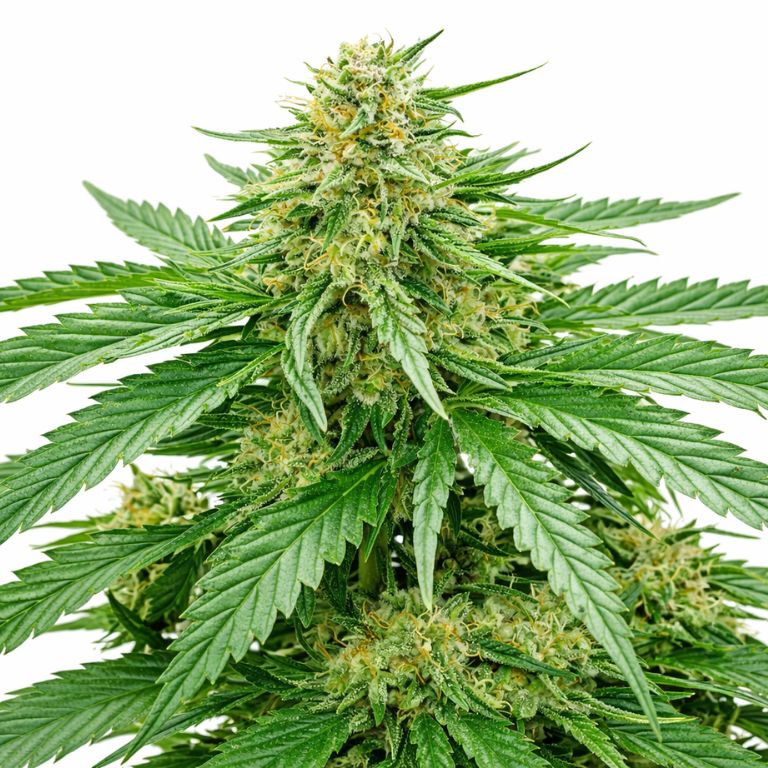
hybrid
Super Snow Dog Feminized
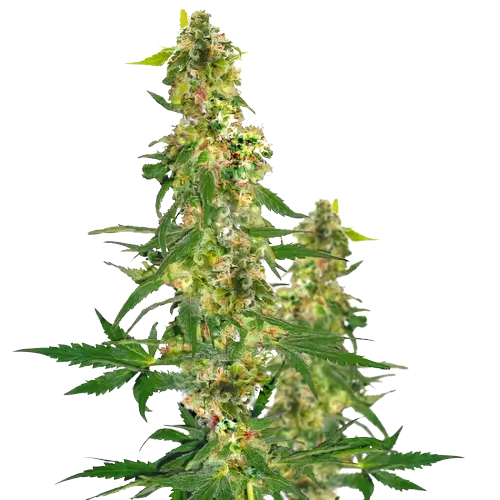
hybrid
Snow Leopard Feminized
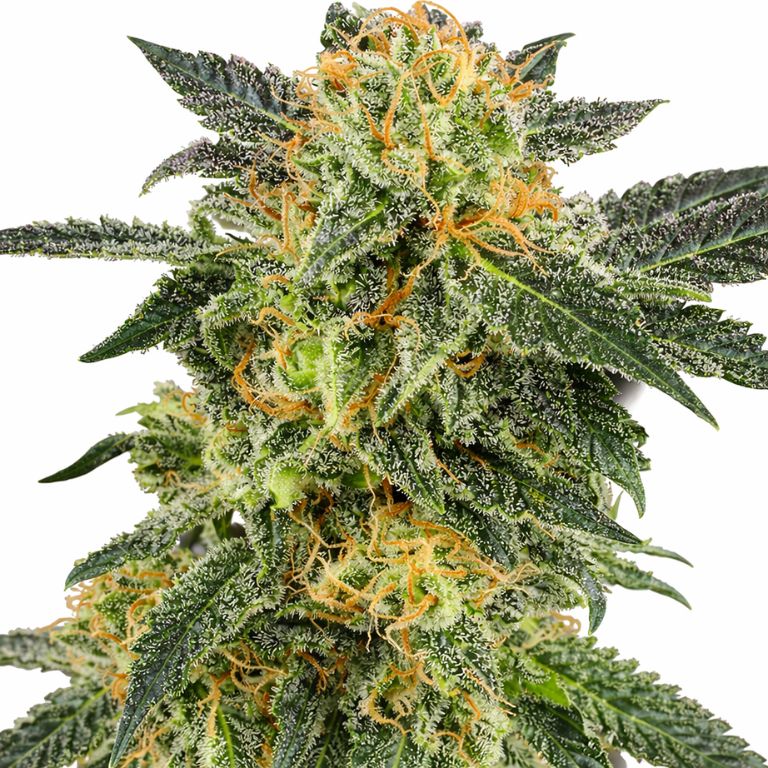
indica
Snow Monster Feminized
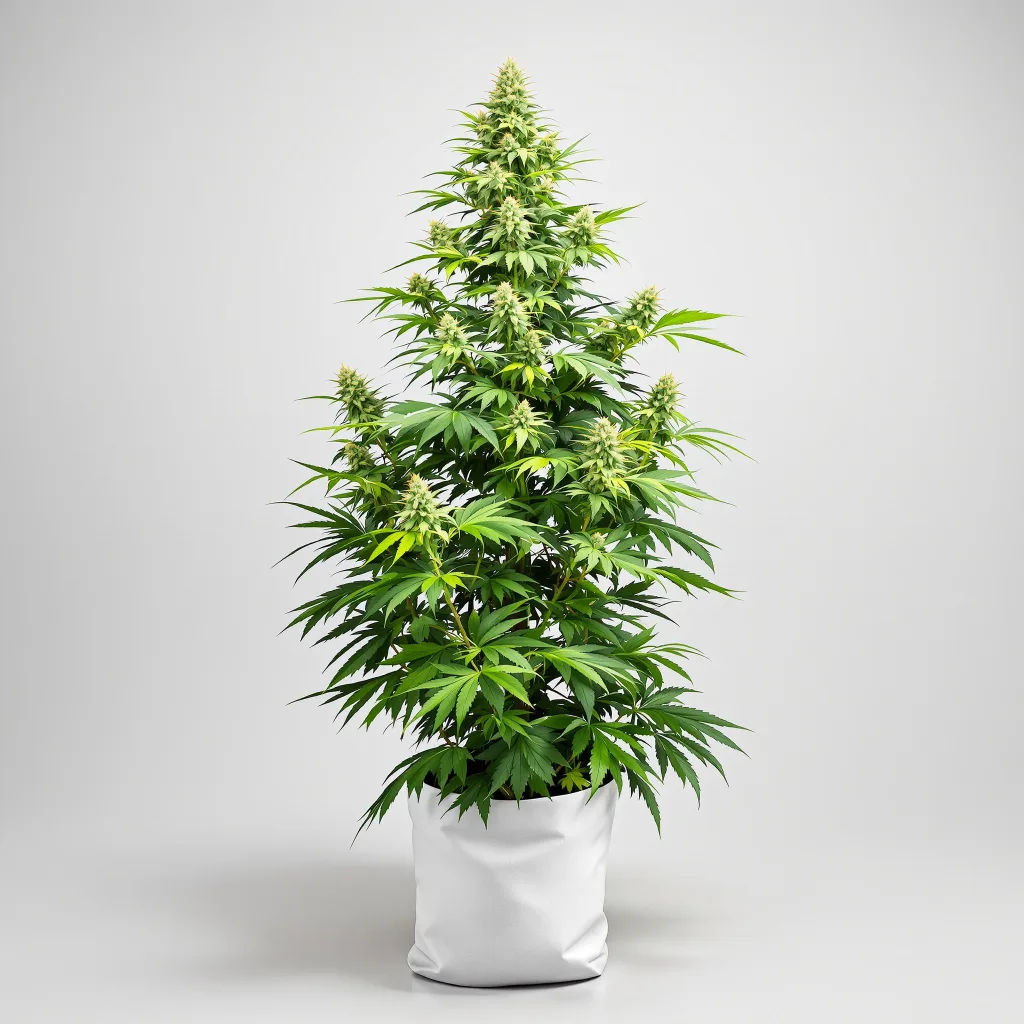
hybrid
Snow Leopard Auto
Strain Profiles
Related Buying Guides
Browse the full All Cannabis Seeds collection
Premium genetics, US-wide discreet shipping, germination guaranteed.
Related Articles
Germinate Cannabis Seeds: Paper Towel Method | Royal King Seeds
strainGranddaddy Purp Strain: King of Purple Weed | Royal King Seeds
pillar-germHow to Germinate Old Cannabis Seeds That Won't Open | Royal King Seeds
support-germinationAutoflowering Seed Germination: Step-by-Step Guide | Royal King Seeds
generalEnhance Cannabis Seed Sprouting Using Scarification
generalBubble Hash: Everything You Need to Know
Ready to Start Growing?
Shop 1,600+ feminized, autoflower, and CBD strains with 95% germination, discreet US-wide shipping, and free delivery on orders over $150.
Shop Cannabis Seeds