When to Start Cannabis Seeds and When to Harvest | Royal King Seeds
Royal King Seeds Editorial Team
Cannabis Cultivator & Seed Specialist
Two questions define the entire outdoor grow calendar: when to start seeds and when to harvest. Get both wrong and you are fighting the season the whole way, plants that flowered prematurely in May, or plants that race against October frost because you started too late. Get both right and the season does most of the work for you.
The answers are not the same for every grower. They depend on latitude, whether you are growing photoperiod or autoflowering genetics, whether you are starting indoors or direct-outdoor, and what your local climate actually does rather than what a guide written for California assumes. Published cannabis cultivation references track outdoor grow timing across dozens of US climate zones, and the variance is substantial, what works for a grower in Phoenix is actively wrong for a grower in Maine.
US Outdoor Growing Calendar, Key Dates
Mar–May
indoor seed start window
Sep–Nov
photoperiod harvest window
2 full runs
possible with autoflowers
Timing varies by latitude and genetics, see regional breakdown for your specific zone
This guide reflects outdoor growing timing across US climate zones, informed by widely-documented cultivation practice's seasonal grow records, USDA hardiness zone data, and community outdoor grow reports across multiple US regions. Local weather variation can shift all timelines by 2–4 weeks, always verify against your specific last and first frost dates.
Jump to Section
Photoperiod Cannabis: When to Start and When to Harvest
Photoperiod cannabis flowering is triggered by day length, specifically by the transition to 12 hours or fewer of daylight. In the Northern Hemisphere, this transition occurs naturally around the summer solstice as days begin shortening. For most US latitudes, the critical threshold (consistent 12/12 day/night) is crossed in late July to mid-August. Photoperiod outdoor plants begin flowering when the days shorten enough, and harvest follows the strain's flower time from that point.
The practical consequence: you cannot control when outdoor photoperiod plants begin flowering. You can control when you start them (which determines how large they are when flowering begins) and how well you manage the environment from flowering initiation through harvest. A plant started in March and transplanted outdoors in late May has 2–3 months of vegetative growth before flowering begins, it will be a large, high-yielding plant. A plant started in June and put outside has only 6–8 weeks of veg before the same flowering trigger, smaller, lower yield.
The premature flowering risk: Starting seeds indoors in March and moving them outdoors in early April (before May 1 at most northern latitudes) is the most common timing mistake. In April, outdoor day lengths are still short enough to trigger premature flowering in plants that have only been vegetating for a few weeks. The result is "re-vegging", the plant flowers prematurely, then reverts to vegetative growth when days lengthen past the threshold, then flowers again in August. This double-stress dramatically reduces yield and quality. Outdoor transplant should not occur until after May 1 at latitudes above 38°N, and May 15–June 1 above 42°N, to guarantee that day length will not trigger premature flowering.
Autoflowering Cannabis: Timing and Multiple Runs
Autoflowering genetics flower on an internal clock regardless of day length. This fundamentally changes the timing strategy, you are no longer working around the photoperiod calendar. You are working around your frost dates, your growing season length, and how many runs you can fit in.
Modern autoflowering strains finish in 70–90 days from germination to harvest. With a 90-day frost-free window (roughly April frost-free date to first fall frost), a single auto run is achievable in almost every US climate. With a 150+ day frost-free window (the Deep South, Southwest, Pacific Coast), two full auto runs and a partial third are possible in a single outdoor season.
US Outdoor Cannabis Growing Calendar by Region
| Region | Photoperiod Start / Harvest | Autoflower Run 1 | Autoflower Run 2 |
| Pacific Coast (CA/OR/WA) | Apr–May start / Sep–Oct harvest | Apr–May start / Jul–Aug harvest | Aug start / Oct–Nov harvest |
| Southwest (AZ/NM/NV) | Mar–May start / Sep–Oct harvest | Mar–Apr start / Jun–Jul harvest | Jul start / Sep–Oct harvest |
| Mountain West (CO/UT/ID) | May start / Sep–Oct harvest | May–Jun start / Aug harvest | One run only, frost risk |
| Midwest (IL/MN/MI) | May start / Sep–Oct harvest | May start / Aug harvest | Limited, shorter frost-free window |
| Northeast (NY/MA/VT) | May–Jun start / Sep–Oct harvest | May–Jun start / Aug–Sep harvest | Not recommended above 43°N |
| Southeast (FL/GA/TX) | Feb–Apr start / Oct–Nov harvest | Feb–Mar start / May–Jun harvest | Jul start / Sep–Oct harvest |
Photoperiod "start" dates are for indoor germination with outdoor transplant 4–6 weeks later. Autoflower dates are for direct outdoor germination. All dates are approximate, verify against your specific last/first frost dates using the USDA plant hardiness zone map or the Farmer's Almanac frost date calculator.
Harvest Readiness Signals
The single most reliable harvest signal is trichome examination under magnification. Pistil color change, calyx swelling, and aroma intensity are useful supporting signals, but growers who rely on them as primary indicators consistently harvest too early or too late. Trichomes are the definitive guide.
Trichome stages and what they mean: Clear trichomes indicate ongoing THC biosynthesis, the plant is not ready. Milky/cloudy trichomes indicate maximum THC content, this is approaching harvest readiness. Amber trichomes indicate THC is degrading to CBN, this produces heavier, more sedating effects. The optimal harvest for most goals is 70–90% cloudy with 5–20% amber depending on desired effect: lower amber for more cerebral/energetic, higher amber for more sedating.
Supporting signals: Pistils (the orange/brown hairs) should be 70–90% darkened and curled. The calyxes should be swollen. The aroma should be at peak intensity when buds are gently broken. Fan leaves in the lower canopy will begin naturally yellowing as the plant redirects mobile nutrients into flower production. These signals together confirm what the trichomes tell you, they do not replace trichome evaluation, but when they align with the trichome assessment, confidence in harvest readiness is high.
The frost decision: In northern US climates, the first fall frost date imposes a hard deadline on outdoor photoperiod harvests. If your plants are approaching trichome readiness and a hard frost (below 28°F/-2°C) is forecast within a week, harvest before the frost, do not wait for the last few percentage points of amber development. Frost damage to flower tissue causes cell rupture that degrades quality rapidly. A harvest that is slightly early in trichome terms is far better than one harvested after frost damage. Monitor weather forecasts from September onward and have a harvest plan ready. For fast-flowering cannabis seeds that finish before northern first frost dates, our catalog includes several early-finishing options specifically for northern US outdoor growers.
Common Timing Mistakes and How to Avoid Them
Outdoor Timing Mistakes, Cause and Correction
| Mistake | Consequence | Prevention |
| Transplanting outdoors before May 1 (northern latitudes) | Premature flowering then re-veg, dramatically reduced yield | Wait until after May 1 at 38–42°N; after May 15 above 42°N |
| Starting seeds too late (June or later) | Short veg period, small plant with low yield potential | Start indoors in March–April; target 4–6 weeks indoor veg before transplant |
| Harvesting by calendar date, not trichomes | Under or over-ripe harvest, reduced potency or shifted effect profile | Begin trichome checks at 75% of breeder's stated flower time; harvest by trichome, not date |
| Ignoring frost forecasts in late season | Frost damage degrades terpenes and forces emergency harvest | Monitor weather daily from September 1 in northern regions; have harvest plan ready |
For outdoor growers in challenging climates, strain selection is as important as timing. Autoflowering cannabis seeds eliminate the photoperiod timing risk entirely and can complete two runs in a northern US season. For growers committed to photoperiod genetics, fast-flowering photoperiod seeds that finish in 7–8 weeks of flower give the best buffer against early fall frost in northern climates.
Myth vs Reality
References: USDA National Agricultural Statistics Service Plant Hardiness Zone Map (2023). | Chandra, S. et al. (2017). "Cannabis cultivation: Methodological issues for obtaining medical-grade product." Epilepsy & Behavior, 70, 302–312.
Frequently Asked Questions
When should I start cannabis seeds indoors for outdoor planting?
When do outdoor cannabis plants start flowering?
When should I harvest outdoor cannabis?
Can I grow two autoflower crops outdoors in one season?
What happens if I plant cannabis outdoors too early?
How do I know when my outdoor plants are ready to harvest?
Can I grow cannabis year-round outdoors in warm climates?
Shop Strains Featured in This Guide
Hand-picked seeds from our catalog that match this article's topic. Free US shipping over $150 with 95% germination guarantee.
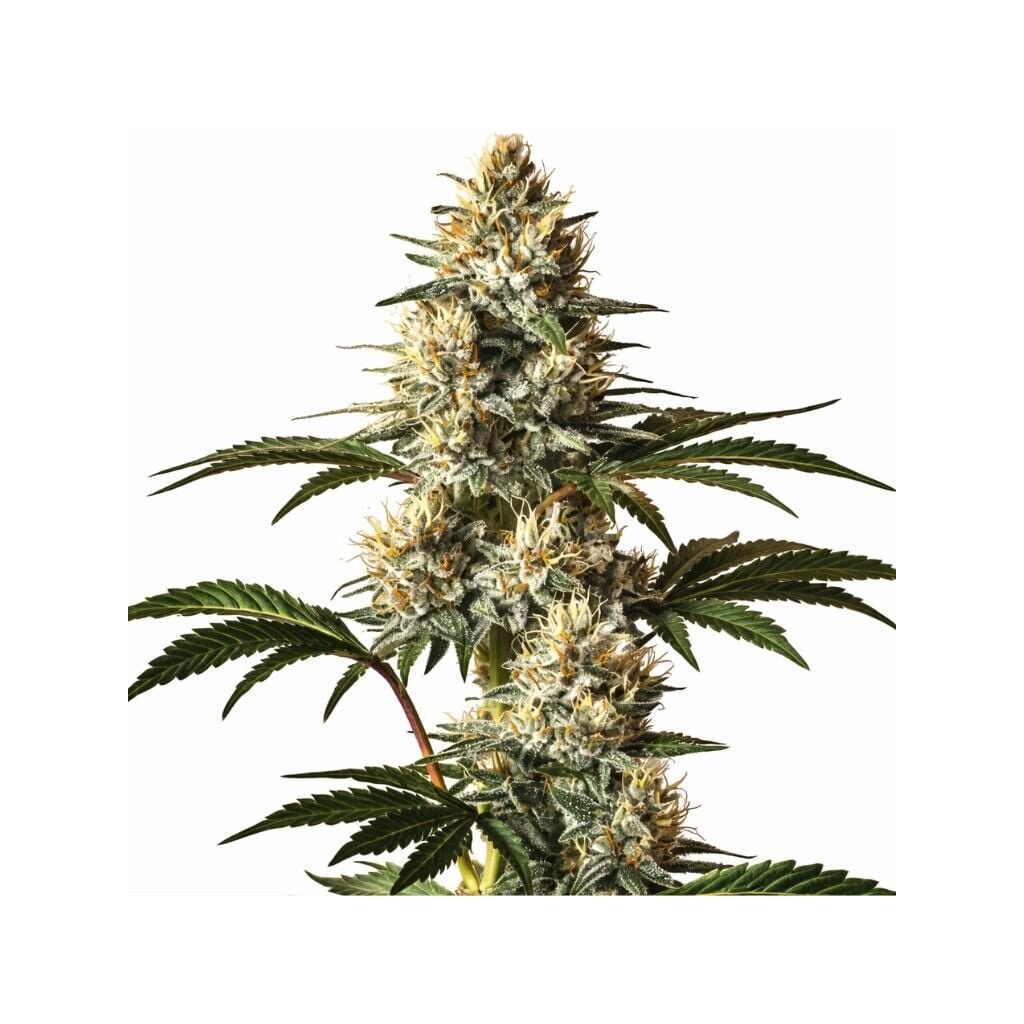
indica
God’s Treat Feminized
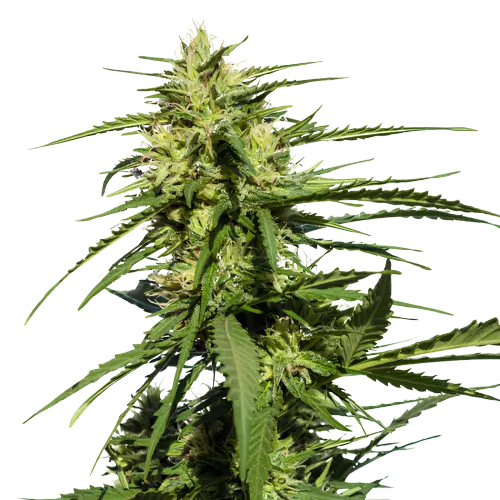
indica
Querkle Feminized
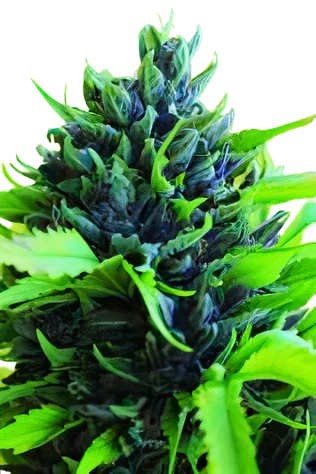
indica
Humboldt Dream Feminized
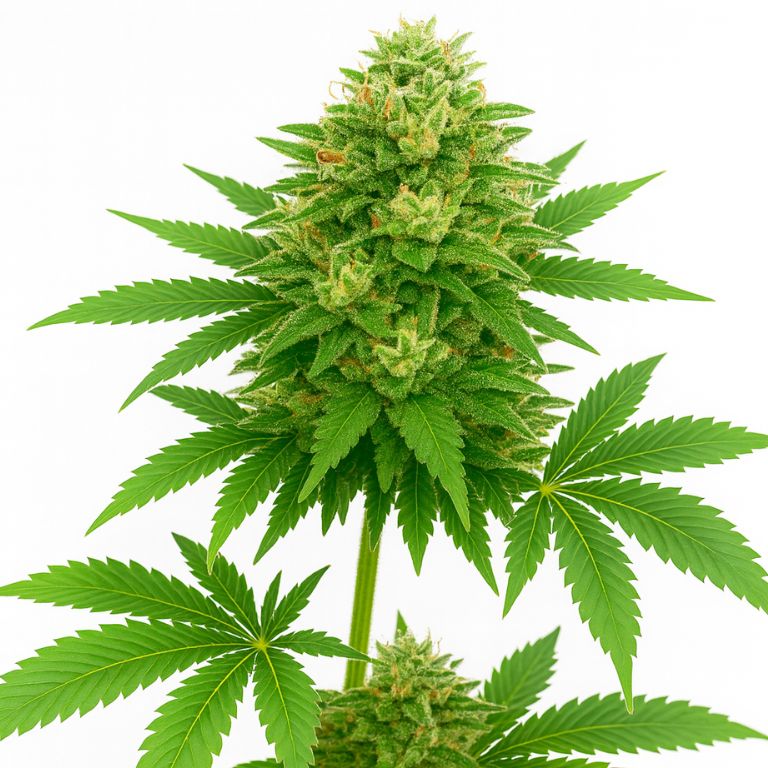
indica
Apple Tarts Feminized
Strain Profiles
Related Buying Guides
Browse the full All Cannabis Seeds collection
Premium genetics, US-wide discreet shipping, germination guaranteed.
Related Articles
When to Plant and Harvest Cannabis Outdoors | Royal King Seeds
growing-outdoorWhen to Plant & Harvest Outdoor Cannabis (US 2026 Dates) | Royal King Seeds
support-harvestFall Harvest Cannabis Seeds: Best Strains to Choose | Royal King Seeds
support-harvestHarvest Timing: Cannabinoids and Terpenes in Medical Cannabis | Royal King Seeds
support-growWhat do you need to grow Cannabis Indoor?
support-trainTop 10 Highest Yielding Autoflower Strains.
Ready to Start Growing?
Shop 1,600+ feminized, autoflower, and CBD strains with 95% germination, discreet US-wide shipping, and free delivery on orders over $150.
Shop Cannabis Seeds