Marijuana and Nicotine Use and Effects
Royal King Seeds Editorial Team
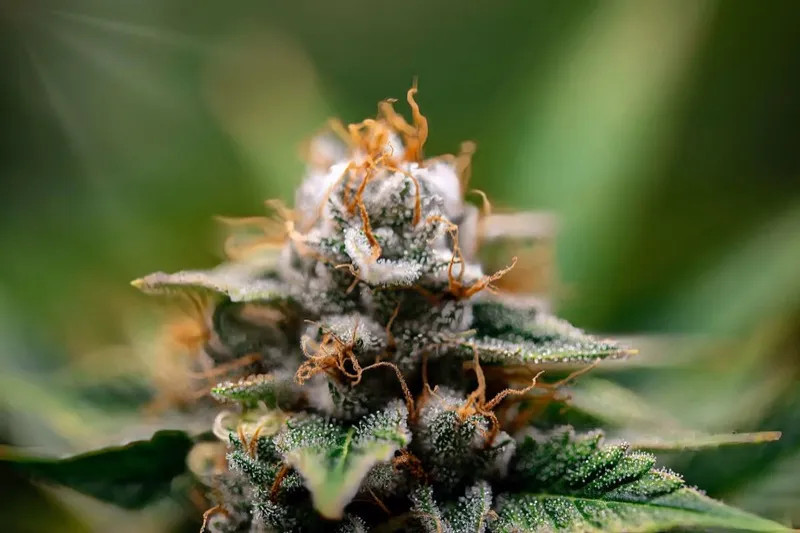
Cannabis for pain and inflammation is a topic where careful language matters. We are cultivators and seed specialists, not medical professionals. Nothing in this article constitutes medical advice, and we encourage anyone using cannabis for pain management to work with a knowledgeable healthcare provider. What we can share is which genetic profiles are most commonly selected by users seeking body-focused relief, what research has established about the mechanisms involved, and what our customer base reports from their experience.
The Cannabinoid Pathways Relevant to Pain
THC's analgesic properties are mediated primarily through CB1 receptor activation in the central nervous system, which modulates pain signaling at the neural level. This is why THC-dominant cannabis is associated with pain reduction, it affects how the brain processes pain signals rather than addressing the source of pain directly.
CBD interacts with different pathways, including serotonin receptors, TRPV1 vanilloid receptors, and adenosine receptors, and is associated with anti-inflammatory properties in preclinical research. CBD does not produce the psychoactive effects of THC, making it suitable for users who want potential inflammatory modulation without significant cognitive alteration.
Caryophyllene, a terpene found in many cannabis strains, is unique among terpenes because it directly activates CB2 receptors, which are concentrated in the immune system and peripheral tissues. This gives caryophyllene potential anti-inflammatory activity independent of THC or CBD, a relevant consideration when selecting strains for body-focused use. Terpenes shape flavor and modulate how cannabinoids feel, they are not just about smell. Our terpene guide covers the major compounds and their practical significance.
What Users Commonly Report
Based on conversations with our customer base, users distinguish between two broad categories of cannabis-assisted pain management:
"Distraction" relief: Cannabis does not eliminate the pain but shifts attention away from it. More common with cerebral, sativa-leaning strains that engage the mind. Users describe being aware that pain is present but less bothered by it. This approach suits users who need to remain functional and alert.
"Settling" relief: Cannabis produces a body-heavy relaxation that seems to directly reduce the physical sensation. More common with heavy indica strains and myrcene-dominant strains. Users describe the pain feeling "muted" or "distant." This approach suits users prioritizing physical comfort, particularly in the evening.
The distinction matters because different genetics serve different pain management approaches. A user who needs daytime function and pain distraction benefits from different genetics than a user managing evening body discomfort.
Strain Selection for Body-Focused Relief
CBD seeds (high CBD, low THC): Selected by users seeking potential anti-inflammatory benefit without psychoactive intensity. Particularly common among users who use cannabis daily for ongoing discomfort and cannot tolerate THC's cognitive effects during working hours.
Balanced 1:1 THC/CBD genetics: Offer both THC's analgesic properties and CBD's anti-inflammatory associations. The THC component is moderated by CBD's ability to attenuate some of THC's psychoactive intensity, many users describe 1:1 strains as providing more targeted relief with less cognitive disruption than high-THC strains.
Heavy indica strains with caryophyllene/myrcene dominance: The strongest body-focused relief in our customer reports comes from this combination, potent physical relaxation from the indica genetics, potential anti-inflammatory activity from caryophyllene, and muscle-relaxing sedation from myrcene. kush varieties genetics (OG Kush, Bubba Kush, Afghan Kush) frequently feature this terpene combination.
Our anxiety-relief strains collection overlaps significantly with pain-relevant genetics, as many users managing pain also deal with the anxiety and sleep disruption that chronic discomfort causes.
Consumption Method and Duration
Inhalation: Fastest onset (1-5 minutes), shortest duration (2-3 hours). Useful for acute episodes where rapid relief is needed. Allows precise dose titration, you can take one hit, wait, and decide if more is needed.
Edibles: Slower onset (30-90 minutes), longest duration (4-8 hours). Preferred by users who need sustained coverage, overnight pain management, all-day comfort during flare-ups. The slower onset makes dose titration harder, so starting with a low dose (5-10mg) and waiting 2 hours before considering more is critical.
Important Considerations
Individual responses to cannabis for pain vary significantly. What provides meaningful relief for one person may produce no benefit or unwanted effects for another. Factors including individual endocannabinoid system tone, pain type and origin, concurrent medications, and tolerance all influence the outcome.
Users taking pain medications (especially opioids, benzodiazepines, or muscle relaxants) should consult their healthcare provider before combining with cannabis, as cannabinoids can interact with the metabolism of certain drugs through the CYP450 enzyme system.
Growing your own cannabis from feminized seeds or autoflower seeds gives you control over genetics, harvest timing, and cure quality, all factors that influence the therapeutic profile of the finished flower. The full seed catalog includes cannabinoid and terpene information for every strain to support informed selection.
Frequently Asked Questions
Is indica or sativa better for pain?
How much should I use?
Can cannabis replace pain medication?
Shop Strains Featured in This Guide
Hand-picked seeds from our catalog that match this article's topic. Free shipping on eligible orders of $150 or more.
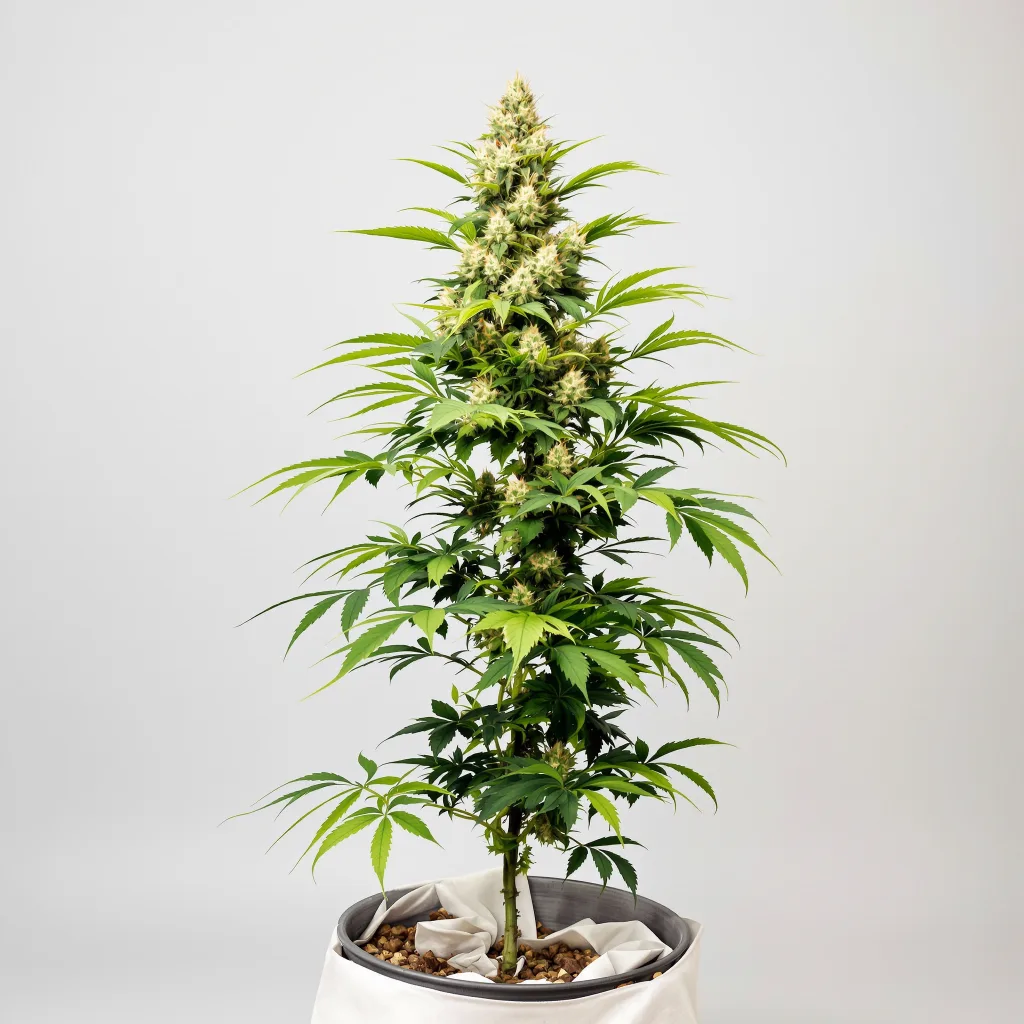
hybrid
Cheeseburger Feminized
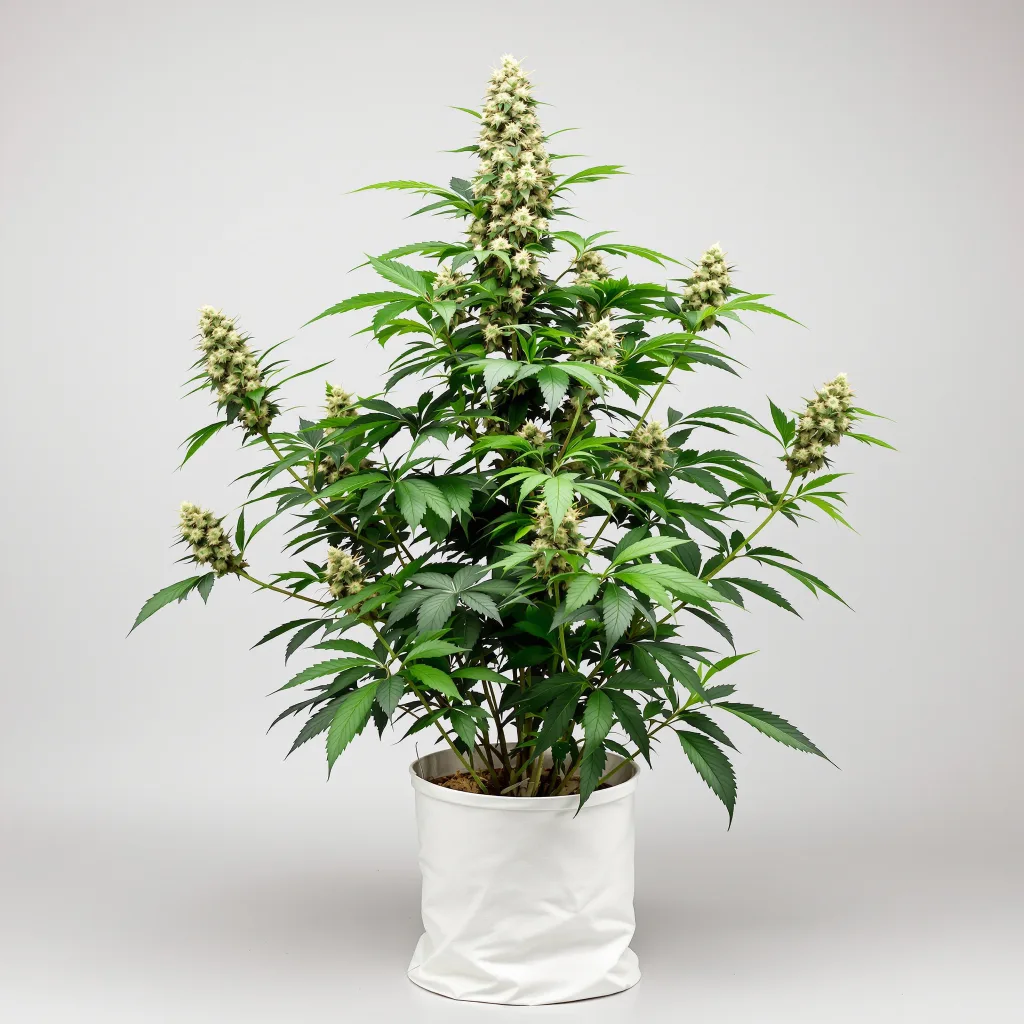
hybrid
Cookie Wreck Auto
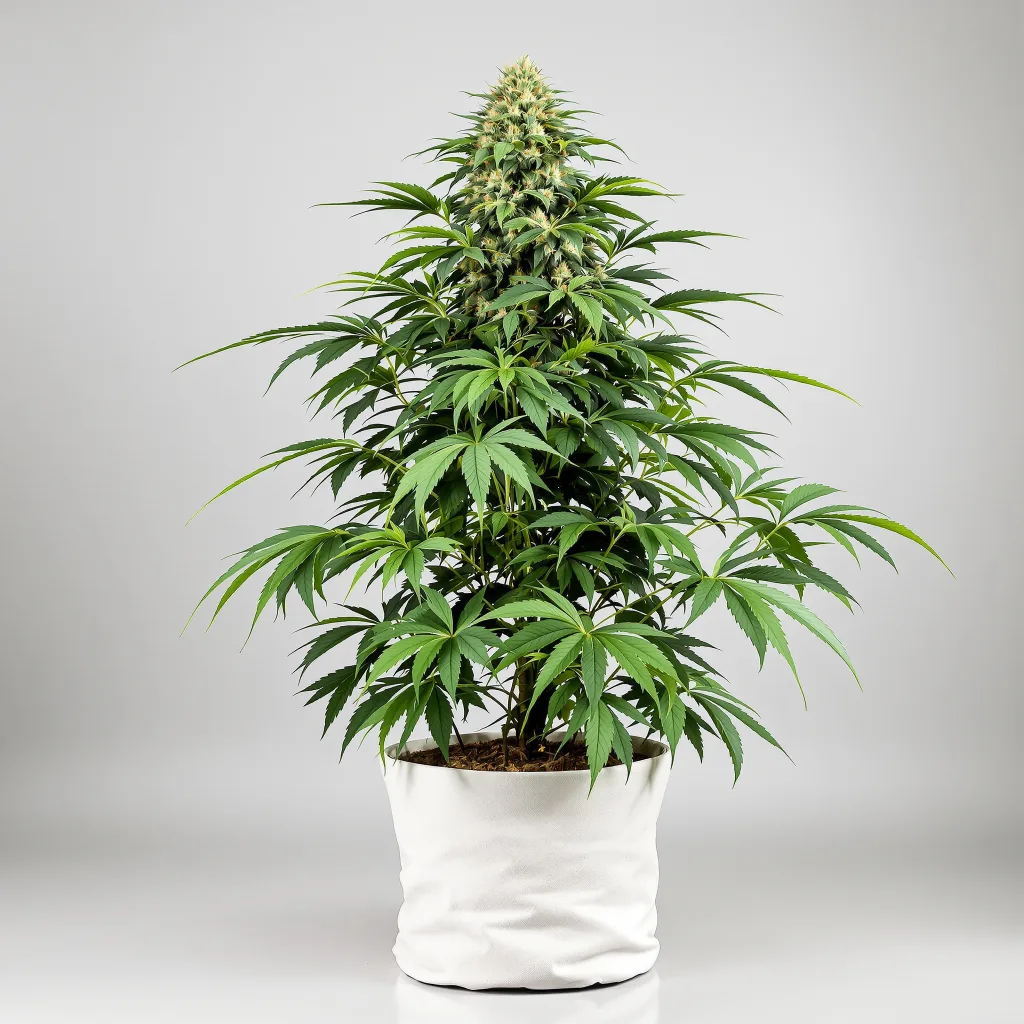
indica
Lucky Dog Feminized
indica
Popcorn Kush Feminized
Browse the full All Cannabis Seeds collection
Premium genetics, shipped from within the US.
Related Articles
Betel Nut and Areca Nut Usage and Effects
strainAmnesia Strain Review, Effects, THC, Yield & Where to Buy Seeds
strain-reviewWedding Cake Strain: Effects, Grow Guide | Royal King Seeds
strain-reviewCherry Pie Strain: Effects, Genetics & Grow Guide | Royal King Seeds
Growing GuidesBest Way to Increase Yield Using Nutrition: The Complete Cannabis Feeding Strategy
terpeneDessert Terpenes: 10 Seeds for Cake, Cookie & Gelato
Ready to Start Growing?
Shop feminized, autoflower, and CBD strains with 95% germination and free delivery on eligible orders of $150 or more.
Shop Cannabis Seeds