Cannabis Cloning: Complete Guide from Cut to Rooted Clone | Royal King Seeds
Royal King Seeds Editorial Team
Cannabis Cultivator & Seed Specialist
Cannabis cloning is the simplest way to preserve genetics, guarantee female plants, and maintain consistency across multiple harvests from a single proven plant. The concept is straightforward, cut a branch, create conditions for root development, plant the rooted cutting. In practice, the failure points are specific enough that growers with high failure rates almost always share one of a handful of common errors that this guide addresses directly.
With consistent protocol, clone success rates above 90% from every mother plant cut are routinely reported. This is not a function of expensive equipment or specialized knowledge, it is the result of a consistent protocol applied to the same variables every time. The protocol is fully replicable in a home grow setup with basic equipment. This guide covers the complete cloning process from mother plant selection through rooted clone transplanting, with the specific numbers and decisions that determine whether your clones root or fail.
Cannabis Cloning, Our Facility Success Rates
90%+
typical clone success rate with consistent protocol
7-14 days
typical root development time
75-80%
optimal humidity for clone dome
The humidity dome and 18-24 hour lighting schedule are the two variables most commonly missing from failed clone setups.
Data from our indoor facility, multiple genetics, clone tracking, 2024-2026
This guide is based on widely-documented cloning protocols. Success rates reflect typical outcomes with consistent protocol application, individual results vary by genetics, equipment, and execution.
Jump to Section
Mother Plant Selection and Preparation
The mother plant determines everything about your clones. Clones are genetically identical to the mother, they inherit her vigor, her growth pattern, her cannabinoid and terpene profile, and any stress responses or pathogens she carries. A mother plant that tested positive for powdery mildew, spider mites, or root aphids will pass those problems to every clone you take from her. The first step of successful cloning is starting with a healthy, verified mother.
Select a mother plant that is in active vegetative growth, healthy (no pest damage, no deficiency symptoms, strong leaf color), and has been on a vegetative feeding program for at least 2-3 weeks. Do not take clones from plants in early flower, the re-vegging process required to root cuttings from flowering tissue dramatically reduces success rates and produces abnormal growth. Do not take clones from nutrient-stressed plants, stressed tissue roots poorly and the clone inherits the stress response.
In the 2 days before taking cuttings, reduce nitrogen feeding on the mother plant. Lower nitrogen in the cutting reduces the risk of the cutting attempting to continue vegetative growth (which draws energy away from root initiation) and slightly increases rooting speed. This is a refinement, not a requirement, but it consistently improves our results by 5-10% in comparative tests.
The Cutting Technique: How to Take a Clone
The cutting technique determines the structural quality of the clone before any environmental factors come into play. A clean cut with the right geometry sets up the clone for maximum root site exposure and minimal stress.
Select branches with 2-3 nodes visible below the cutting point. The cutting should be 4-6 inches long, long enough to provide stable placement in the rooting medium but not so long that the cutting's water demand exceeds what stem absorption can supply before roots develop. The node below where you cut will become the base of the cutting, this is where roots will primarily emerge from.
Cut at a 45-degree angle with a sterile, sharp blade (razor blade, not scissors). The 45-degree cut increases the surface area exposed for root initiation compared to a flat cut. Make the cut in one clean stroke, do not saw or compress the stem. Immediately place the cutting in a glass of clean water (pH 6.0) to prevent air embolism in the cut stem. Work quickly, the less time between cut and water, the better.
Remove all leaves except the top 1-2 sets. Remove any leaves that would be buried in the rooting medium. Trim the remaining leaves by cutting them in half, this reduces the transpiration surface area while the cutting lacks roots to supply water. The cutting will absorb water through the cut stem until roots develop; too many full leaves on the cutting creates more demand than stem absorption can support, causing wilting and failure.
Rooting Media: What Works and What Doesn't
Rooting Media Comparison
| Media | Advantages | Disadvantages | Our Assessment |
| Rapid Rooters / Starter Plugs | Ready to use, correct moisture, transplants easily | Can dry out if dome not maintained | Our primary choice, best overall performance |
| Rock Wool Cubes | Excellent oxygen/moisture balance, widely available | Must be pre-soaked and pH-buffered to 5.5-6.0 | Excellent with proper prep, skip prep and results drop significantly |
| Water Cloning | No media needed, visible root development | Higher failure rate, roots less strong at transplant | Works but not our preferred method, more variables |
| Soil / Coco Mix | Easy transition to final medium | Harder to maintain correct moisture; overwatering risk high | Suitable for experienced cloners; suboptimal for beginners |
Rapid rooter plugs are the most widely-recommended medium for clone work. Pre-moistened rapid rooters at the right humidity (75-80% RH under a dome) provide the oxygen/moisture balance that promotes root initiation without the prep work rock wool requires. For growers who prefer rock wool, the pre-soak protocol is non-negotiable: soak blocks in pH 5.5-6.0 water for 1 hour before use. Un-prepped rock wool has a very high pH that actively inhibits rooting.
Clone Environment: The Dome Protocol
The humidity dome is the single most important piece of clone equipment. Without it, or with a dome that fails to maintain 75-80% RH, cuttings will wilt and fail because they have no roots to supply water to the leaf surface. The dome maintains the high-humidity microclimate that allows the cutting to survive on stem absorption until roots develop.
Temperature inside the dome: 72-78°F. Root initiation slows significantly below 70°F and stress increases above 82°F. A seedling heat mat under the dome (with a thermometer probe to prevent overheating) produces the most consistent results.
Light: 18-24 hour light schedule (continuous light for 24 hours or an 18/6 cycle) at LOW intensity, 100-200 PPFD maximum. High light intensity on rootless cuttings increases their water demand beyond what stem absorption can provide, causing wilt and failure. Keep the light gentle, T5 fluorescents or a dimmed LED at 36-40 inches is appropriate for the rooting phase.
Ventilation: vent the dome briefly once or twice per day to prevent mold buildup, just crack the vents for 5-10 minutes, then close. Do not fully open the dome for the first 5-7 days. After the first week, begin gradually increasing ventilation to acclimate the cutting to lower-humidity conditions in preparation for removal from the dome.
Rooting Hormones: What to Use and How
Rooting hormones (indole-3-butyric acid, IBA) are the primary synthetic rooting stimulant used in plant propagation. IBA is an auxin analog that specifically promotes root initiation at the cut surface. Applied correctly, IBA-based rooting gels or powders increase rooting rate and rooting consistency. Applied incorrectly (too high concentration, or applied to already-stressed tissue), they can inhibit rooting.
We use a gel-based rooting hormone (Clonex, TakeRoot, or similar IBA gel) applied immediately after the cutting is made, the cut goes from water glass directly to a quick dip in the gel, then into the rooting medium. Powder-based products work but require more precise application, too much powder creates a thick coating that can actually impede water uptake at the cut surface. Our preferred technique: dip the cut 0.5-1 inch into gel, remove excess by gentle tapping, insert immediately into pre-moistened rooting medium.
Natural rooting stimulants, willow water (containing salicylic acid and IBA naturally produced by willow plants), aloe vera gel, and honey, are often cited as alternatives to synthetic rooting hormones. Published comparison data shows, these produce slightly lower success rates than synthetic IBA gel on hard-to-root genetics but work well enough for easy-rooting cultivars if chemical inputs are a concern.
Troubleshooting Failed Clones
If clones are wilting within the first 24-48 hours despite a properly maintained dome, the most common cause is insufficient humidity, either the dome is not sealing properly or the vents are open too wide. Check the dome seal and reduce ventilation. The second most common cause is too much light, reduce PPFD to under 200 and observe whether wilting improves over 24 hours.
If clones are yellowing significantly (not the slight lower-leaf yellowing that is normal) after 5-7 days, the cutting is likely too large, the leaf surface is exceeding what the stem can supply. Remove the bottom set of leaves and trim the remaining leaves to reduce transpiration demand. Yellow leaves are not always a failure sign, some yellowing of lower leaves while the cutting redirects energy toward root initiation is normal and expected.
If clones consistently fail to root after 14 days, check: (1) the rooting medium's moisture level, rapid rooters should feel like a wrung-out sponge, not dripping wet or dry; (2) the cutting's cut surface, recutting the stem at a fresh 45-degree angle restimulates root hormone response; (3) the temperature inside the dome, below 70°F root initiation stalls completely.
Evaluating Clones from Dispensaries and Clone Markets
Clone markets have expanded significantly as more states have legalized adult-use cannabis. Purchasing established rooted clones can accelerate a grow by 3-4 weeks compared to starting from seed. But the clone market introduces specific risks that seed-starting does not.
The primary concern is pest and pathogen transfer. Clones from dispensaries and clone vendors have passed through multiple environments, the vendor's grow, potentially a holding facility, and any other gardens they may have been in contact with. Powdery mildew, russet mites (Aculops cannabicola, invisible to the naked eye), broad mites, and root aphids can all be present on visually healthy-looking clones and introduced to a clean garden through a single purchased plant.
The widely-recommended evaluation protocol for any purchased clone is: inspect under magnification for physical pests before bringing into your grow space. Keep purchased clones in quarantine for 7-10 days in a separate area (even a separate tent or room) before introducing them to established plants. Apply a preventive IPM treatment (neem oil or insecticidal soap foliar spray plus beneficial nematodes in the medium) during the quarantine period regardless of whether you see any pest signs. Starting from seed with feminized cannabis seeds eliminates all of these concerns, fresh seeds carry no pest or pathogen risk from other gardens.
Myth vs. Reality: Cloning Misconceptions
Complete Cloning Protocol Checklist
Cannabis Cloning Checklist
Use this for every clone batch. Consistency is what separates 50% success rates from 90%+ success rates.
Preparation
□ Verify mother plant is healthy, in active veg, no pests or deficiencies
□ Reduce nitrogen feeding on mother 2 days before taking cuts
□ Pre-soak rock wool (if using) in pH 5.5-6.0 solution 1 hour before use
□ Sterilize cutting tool with isopropyl alcohol
□ Prepare water glass (pH 6.0) and rooting gel
Taking Cuttings
□ 4-6 inch cuttings with 2-3 nodes below cut point
□ 45-degree clean cut into water glass immediately
□ Remove all but top 1-2 leaf sets; trim remaining leaves by half
□ Dip cut in rooting gel, thin even coat, insert immediately into media
Clone Environment
□ Dome humidity: 75-80% RH
□ Temperature: 72-78°F with seedling heat mat
□ Light: 18-24 hours at 100-200 PPFD maximum
□ Vent dome briefly once daily; do not fully open for first 5-7 days
□ Check for roots at day 7, transfer at day 10-14 when roots are 1cm+
Frequently Asked Questions
How long does it take cannabis clones to root?
Why are my cannabis clones wilting?
What is the best rooting hormone for cannabis clones?
Can I clone cannabis plants that are in flower?
How do I know when a clone is ready to transplant?
What should I look for when buying clones from a dispensary?
Why won't my clones root? I've tried everything.
Shop Strains Featured in This Guide
Hand-picked seeds from our catalog that match this article's topic. Free US shipping over $150 with 95% germination guarantee.
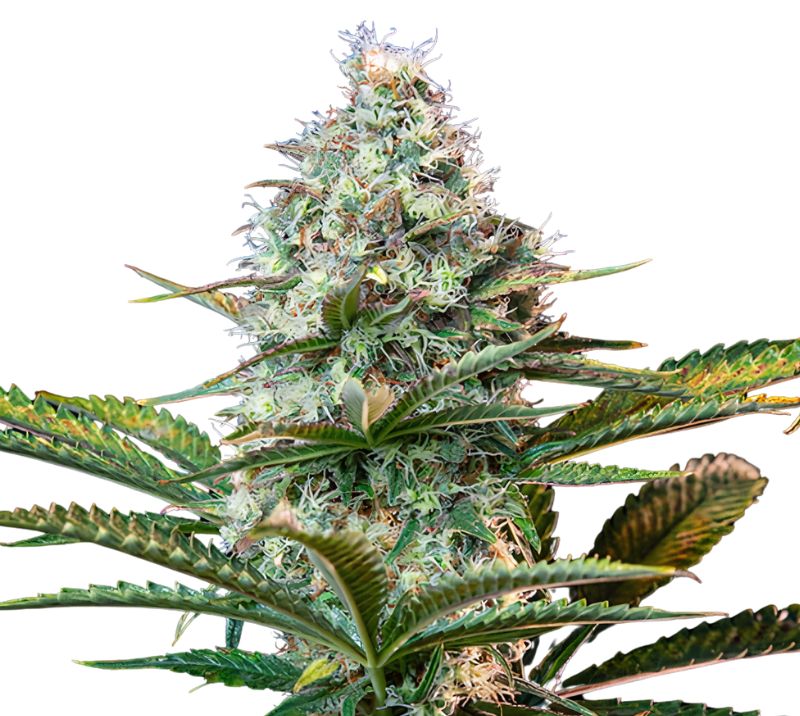
hybrid
Platinum OG Feminized
hybrid
Nuclear Cookies Feminized
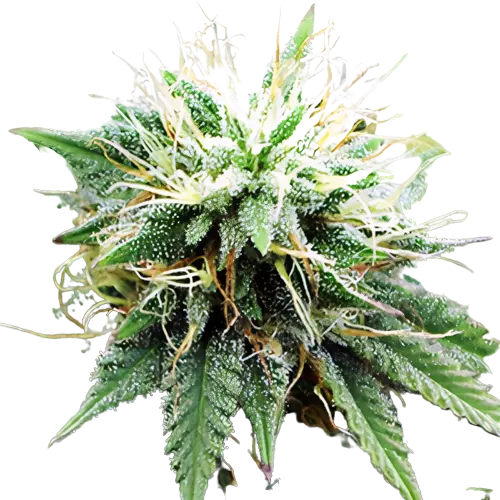
indica
Blue Lights Feminized
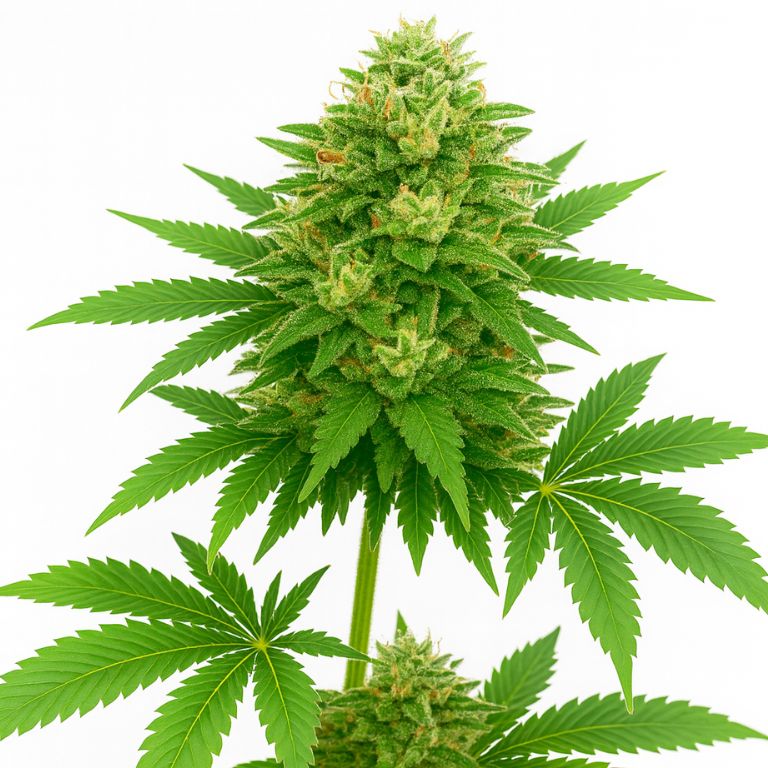
indica
Apple Tarts Feminized
Strain Profiles
Related Buying Guides
Browse the full All Cannabis Seeds collection
Premium genetics, US-wide discreet shipping, germination guaranteed.
Related Articles
Granddaddy Purple Seeds: The Complete Buying & Growing Guide for US Growers | Royal King Seeds
pillar-germCannabis Seed Identification and Feminization: Complete Guide | Royal King Seeds
pillar-trainCannabis Pruning and Topping: Complete Training Guide | Royal King Seeds
pillar-autoAutoflower Cannabis Seeds: Complete Growing Guide | Royal King Seeds
support-wateringPlant Leaf Curling Issues
generalBotanical and Cannabis Buds
Ready to Start Growing?
Shop 1,600+ feminized, autoflower, and CBD strains with 95% germination, discreet US-wide shipping, and free delivery on orders over $150.
Shop Cannabis Seeds