Differences of Cannabis Clones versus Seeds.
Royal King Seeds Editorial Team
Cannabis Cultivator & Seed Specialist
If you are working through differences of clones versus seeds. for the first time or troubleshooting an active issue, this guide covers the specific fixes that actually move the needle. Skip the generic checklists; here is what changes outcomes.
When Cloning Makes Sense, And When Seeds Are the Better Choice
Cloning preserves the exact genetic expression of a specific plant, the same terpene profile, growth habit, potency, and phenotype, replicated identically. If you have found a phenotype you love during a seed run, cloning lets you keep it indefinitely. The tradeoff: clones carry the mother's biological age (they do not "reset" like seeds), do not develop taproots (which limits outdoor vigor), and require maintaining a mother plant or access to a reliable clone source.
Starting from feminized seeds gives you genetic diversity (every seed is a slightly different phenotype), taproot development, fresh vigor, and no dependency on maintaining a mother. Most home growers benefit from starting with seeds to explore a strain's phenotype range, identifying their favorite, and then cloning that specific plant for subsequent runs.
Taking Cuttings: Technique That Determines Success Rate
Select a branch tip 4-6 inches long from the lower-middle section of a healthy, non-stressed mother in vegetative state. Cut at a 45-degree angle just below a node using a clean, sharp razor blade, not scissors, which crush the stem and reduce uptake. Remove lower leaves immediately, leaving 2-3 sets of upper leaves. Trim the remaining leaf tips by 50% to reduce transpiration demand while the cutting has no roots.
Dip the cut end in rooting hormone, gel formulations maintain contact better than powder. Insert into pre-moistened rooting medium (rockwool cubes, peat plugs, or rapid rooters). Place inside a humidity dome at 75-80°F with 80-90% RH. Roots appear in 7-14 days. Light should be gentle, a T5 fluorescent or low-intensity LED. Too much light drives photosynthesis that the rootless cutting cannot support.
Why Clones Fail: The Five Most Common Causes
Cutting from stressed mother material: A mother plant in nutrient deficit, heat stress, or mid-flower produces cuttings with low energy reserves that struggle to root.
Air exposure before medium placement: An air bubble in the stem blocks water uptake. Cut underwater or immediately place the cut end in rooting gel/water.
Low humidity: Without roots, the cutting relies on foliar moisture absorption and reduced transpiration. Below 70% RH, it dries out faster than it can hydrate.
Contamination: Reused trays, dirty razor blades, or old rooting medium introduce pathogens that attack the vulnerable cut site.
Impatience: Checking cuttings daily, pulling them out to inspect roots, and handling them introduces stress and contamination. Set and forget for 7 days minimum.
Managing Clones After Rooting
Once roots are visible (white tips emerging from the medium), gradually reduce humidity over 3-5 days by opening dome vents. Transplant into small containers with your chosen medium. Begin feeding at 25-30% strength. Light intensity can increase to seedling levels (300 PPFD). Treat rooted clones like seedlings in terms of feeding and environmental sensitivity until they show active new growth, typically 5-7 days after transplant.
Frequently Asked Questions
How old should a mother plant be before taking clones?
Can I clone from a flowering plant?
How many clones can one mother support?
Shop Strains Featured in This Guide
Hand-picked seeds from our catalog that match this article's topic. Free US shipping over $150 with 95% germination guarantee.
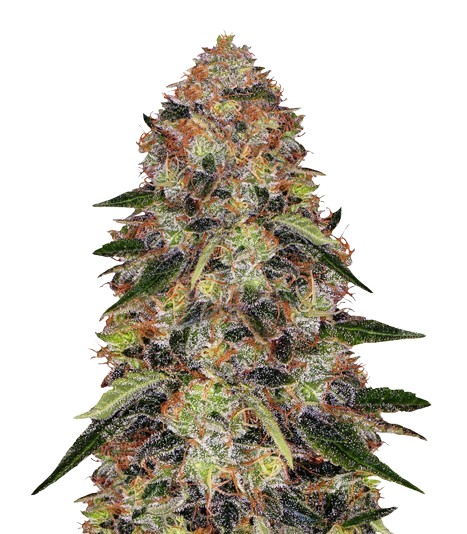
indica
Shishkaberry Feminized
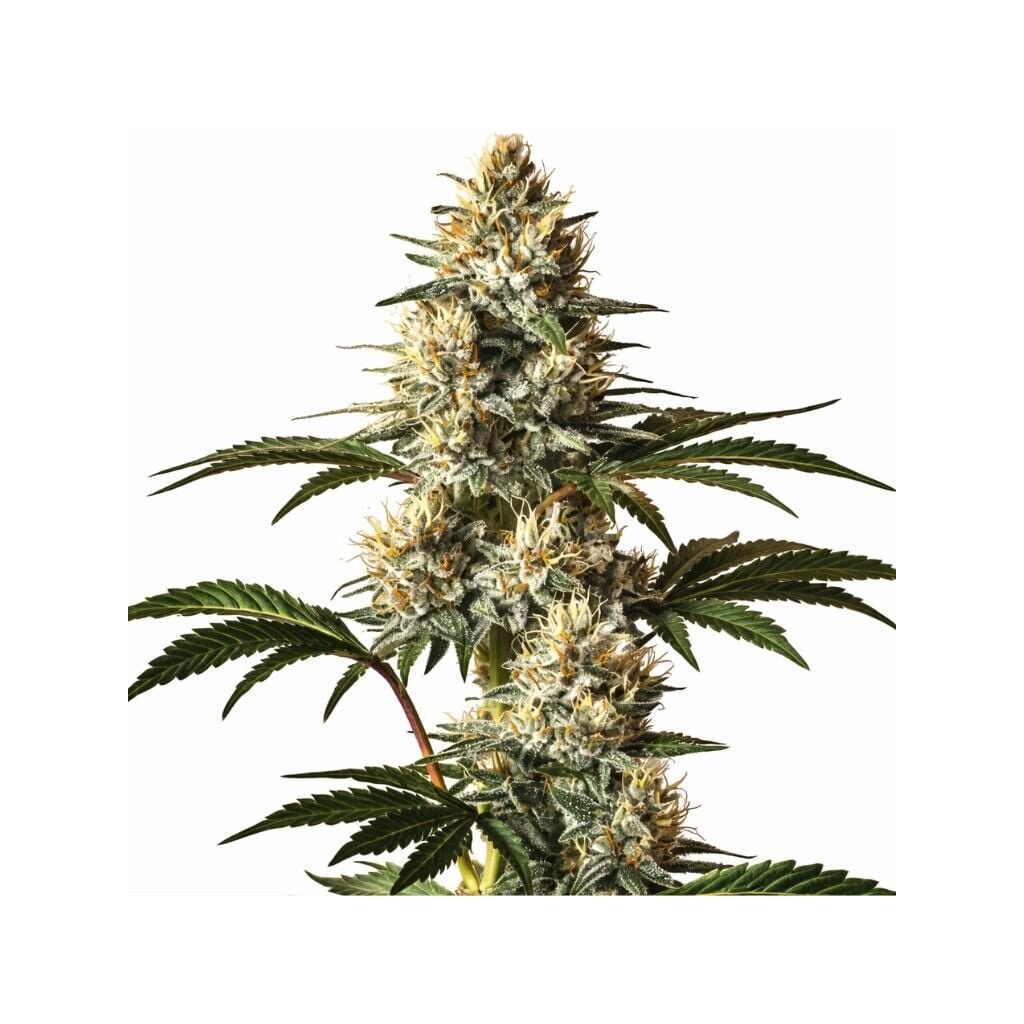
indica
God’s Treat Feminized
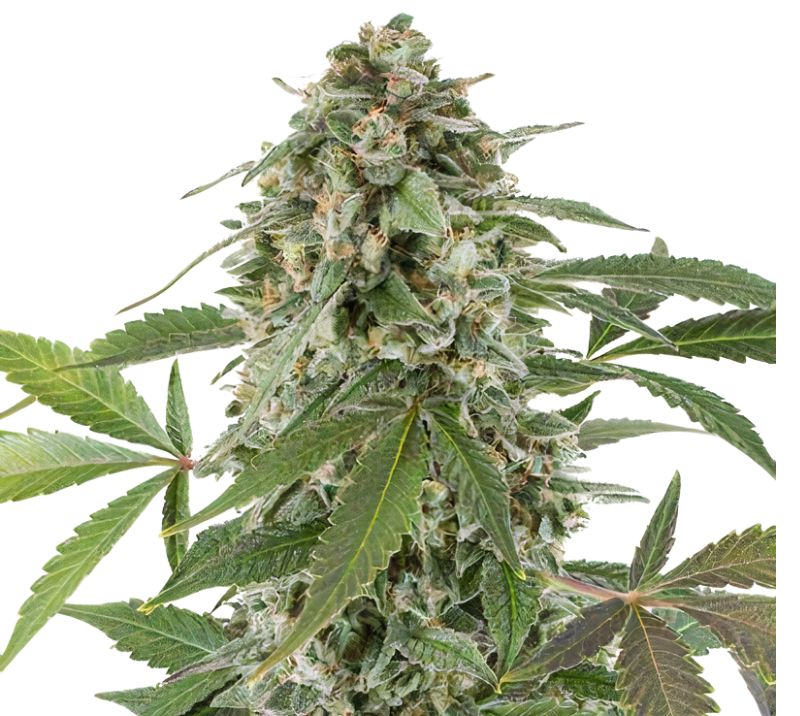
hybrid
Bluniverse Feminized
hybrid
Snowcap Dream Feminized
Related Buying Guides
Browse the full All Cannabis Seeds collection
Premium genetics, US-wide discreet shipping, germination guaranteed.
Related Articles
Growing Medical Cannabis from Seed vs Clones.
support-cloneGrowing Cannabis from Seed VS from Clones.
generalWhat Are the Differences Between Hemp and Cannabis CBD?
cannabinoidTHCA and THC Differences and Effects
terpeneUnderstanding The Effects of Cannabis Terpenes.
generalWhat is Live Resin? Uses and Benefits.
Ready to Start Growing?
Shop 1,600+ feminized, autoflower, and CBD strains with 95% germination, discreet US-wide shipping, and free delivery on orders over $150.
Shop Cannabis Seeds