Blueberry Muffin Strain: Genetics & Grow Guide | Royal King Seeds
Royal King Seeds Editorial Team
Your grow-room decisions are being made based on THC percentages and strain names alone — and that is why so many runs disappoint. Blueberry Muffin is one of the most misunderstood strains on the US market right now: growers expect a slow, fussy exotic, and they under-invest in it. The reality is an indica-dominant hybrid that finishes in 56-63 days, handles moderate cold, and pushes genuine dessert-quality terpene expression that most 25%-THC strains cannot touch. This guide breaks down Blueberry Muffin's genetics, terpene profile, growing requirements, state-by-state outdoor viability, a proprietary climate score, a full risk table, and 25 FAQs — so you walk in knowing exactly what to expect.
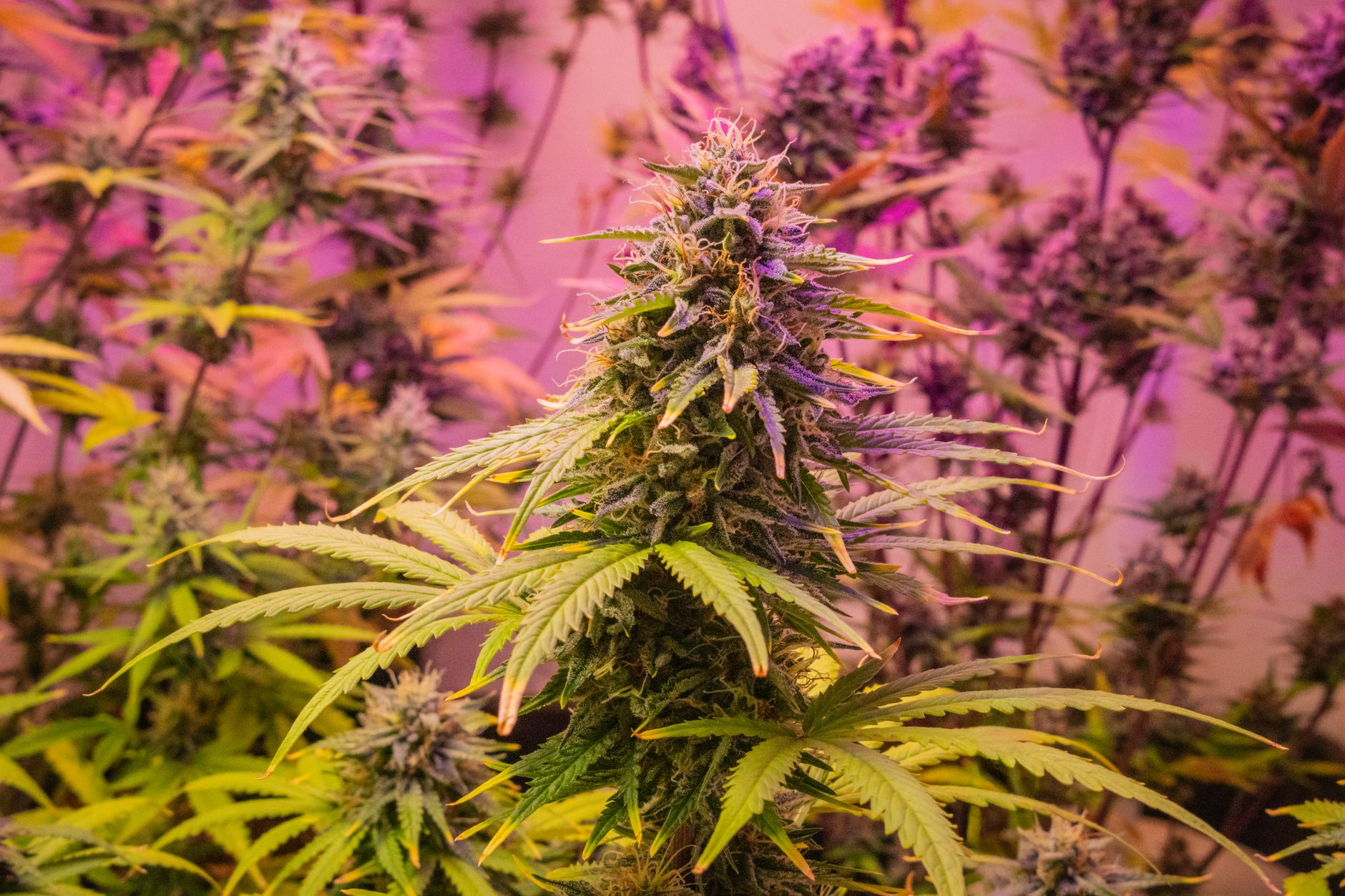
Blueberry Muffin is an indica-dominant hybrid (roughly 70% indica / 30% sativa) bred by Humboldt Seed Organization, crossing Blueberry with an undisclosed purple Afghani. It averages 18-22% THC, finishes indoors in 56-63 days of flowering, and produces a sweet blueberry-vanilla terpene profile dominated by myrcene, caryophyllene, and linalool. Outdoor growers in Zones 6-9 regularly harvest by early-to-mid October.
Most growers pick Blueberry Muffin for flavor. They keep growing it for the yield.
- ✓ Indoor and greenhouse growers wanting a fast-finishing indica
- ✓ Outdoor growers in Zones 5b-9 planning a fall harvest
- ✓ Terpene-focused growers chasing dessert-quality flavor
- ✓ Intermediate growers comfortable with light defoliation
- ✓ Anyone comparing Blueberry Muffin to other berry-profile strains
- ✗ Growers needing maximum THC above 25%
- ✗ Total beginners who skip environmental controls
- ✗ High-humidity outdoor zones with no airflow management
- ✗ Sativa-dominant or uplifting-effect seekers
What Is Blueberry Muffin's Genetic Background?
Blueberry Muffin was bred and stabilized by Humboldt Seed Organization (HSO), a California breeder known for rigorous phenotype selection. The strain crosses the legendary Blueberry — DJ Short's iconic 1970s Afghani/Thai/Purple Thai cross — with a select undisclosed purple Afghani male.
Blueberry itself carries decades of stable genetics: high resin output, dense bud structure, and unmistakable berry aroma. The purple Afghani parent tightens the internode spacing and locks in the violet-to-indigo coloration that Blueberry Muffin is prized for.
The result is a 70% indica / 30% sativa expression that leans heavily into body-effect dominance while preserving just enough sativa uplift to avoid a knockout sedative in the first hour. This balance is why medical and recreational users alike gravitate toward it.
Why the Indica Dominance Matters for Growers
Indica dominance drives three concrete grow traits: compact height (60-90 cm indoor), shorter flowering period (56-63 days), and thick resin production from early week 5. Each of these matters for space management, harvest timing, and trimming efficiency.
The Blueberry lineage also passes on a moderate cold tolerance. Purple and blue pigmentation in cannabis is triggered by anthocyanin production at low temperatures — and Blueberry Muffin activates these pigments readily when night temps drop below 60°F (15°C) in the final two weeks of flower. This makes it a particularly rewarding outdoor strain visually.
Blueberry Muffin's pedigree is genuinely exceptional. DJ Short's Blueberry is one of the most-awarded genetics in cannabis history, and HSO's purple Afghani selection tightens everything without adding instability. For growers who care about what's inside the seed, this is a pedigree worth trusting.
What Does Blueberry Muffin Smell and Taste Like?
Blueberry Muffin's terpene profile is one of the most accurate "named" profiles in cannabis — it genuinely smells like blueberry baked goods, not just a generic berry scent.
The dominant terpenes are:
- Myrcene — earthy, musky base note; enhances indica body effect
- Caryophyllene — spicy, peppery undertone; the only terpene that binds to CB2 receptors
- Linalool — floral, lavender-like top note; contributes the "baked pastry" sweetness
- Ocimene — fresh, herbal, slightly sweet mid-note (present in well-expressed phenotypes)
The flavor on exhale leans vanilla-blueberry, with a sweet finish that lingers. This is not accidental — linalool and myrcene together are responsible for that pastry quality. Per research indexed on PubMed, the synergistic interaction between myrcene and THC — often called the entourage effect — amplifies sedative properties beyond what THC alone would predict.
How to Maximize Terpene Expression
Terpene expression in Blueberry Muffin is strongly influenced by three factors: light intensity in the 400-600 PPFD range during vegetative growth, a temperature drop of 8-12°F between day and night during flowering, and a proper cure of 14-28 days at 58-62% RH.
Rushed cures or drying at high temperatures (above 75°F) will degrade linalool specifically, flattening the characteristic vanilla note. Slow-dry at 60-65°F over 10-14 days first, then cure in sealed glass for best results.
Blueberry Muffin's terpene profile is its strongest competitive advantage over other indica-dominant strains at similar THC levels. Growers who optimize cure conditions will consistently outperform growers who rush to market — the difference in end-product quality is significant and noticeable without a lab test.
How Do You Grow Blueberry Muffin Indoors?
Indoor cultivation is where Blueberry Muffin performs most predictably. Its compact stature and mid-length flower period make it well-suited to 4×4 and 5×5 tent setups. Here is a step-by-step breakdown of what works.
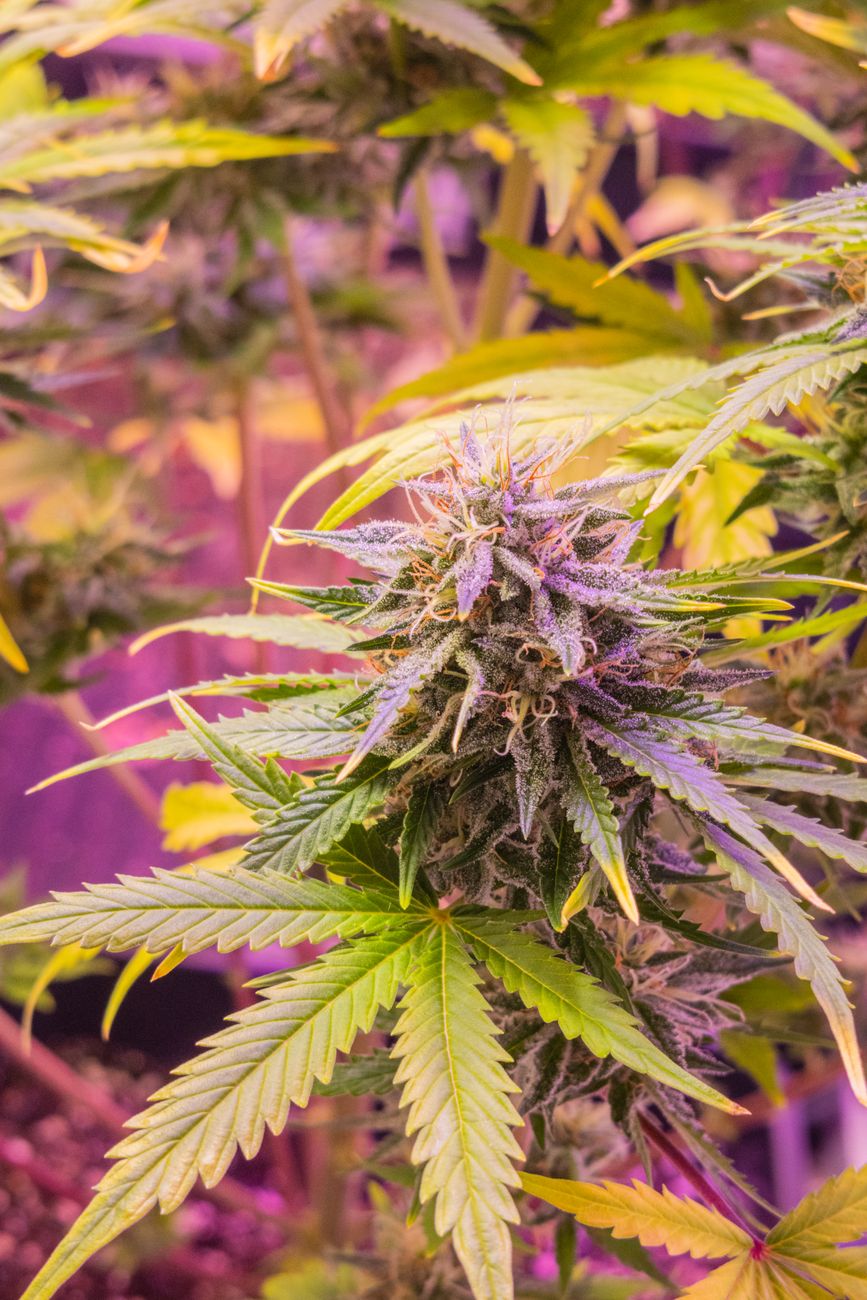
Step 1: Germinate at Optimal Temperature
Paper-towel germination at 22-25°C (72-77°F) with 70-80% ambient humidity yields 90%+ sprouting rates within 48-72 hours. Keep seeds moist but not soaked — standing water causes rot, not faster germination.
Step 2: Vegetative Phase (3-5 Weeks Recommended)
Run an 18/6 light schedule at 300-450 PPFD. Blueberry Muffin responds well to a 3-4 week veg period for a single-plant setup, or 5 weeks for multi-plant canopy training. Feed nitrogen-forward during veg at EC 1.2-1.6.
Step 3: Flip to 12/12 and Watch Stretch
Blueberry Muffin is a moderate stretcher — expect 40-60% height increase from flip to week 3 of flower. If you are in a 6-foot tent, flip when plants are at 24-28 inches to avoid light crowding. SCROG nets at 14-16 inches from the pot surface control canopy well.
Step 4: Manage Flowering Nutrition
Transition to phosphorus and potassium-forward feeding from week 3 of flower. Recommended EC: 1.6-2.0 through weeks 3-6, then flush or taper from week 7 onward depending on media. Watch for calcium-magnesium deficiency in coco — supplement at 150-200 ppm Ca/Mg.
Step 5: Harvest at Peak Trichome Maturity
Check trichomes with a 60-100x loupe at day 56. For a balanced indica-effect, target 70-80% milky white trichomes with 20-30% amber. For maximum body relaxation, push to 40% amber. Harvesting too early (all milky) will underdeliver the depth this strain is capable of.
Ideal Indoor Setup Parameters
| Parameter | Veg Phase | Early Flower (Wk 1-4) | Late Flower (Wk 5-9) |
|---|---|---|---|
| Light (PPFD) | 300-450 | 600-800 | 800-1000 |
| Temp (°F) | 72-80 | 70-78 | 65-74 (drop nights) |
| RH | 55-70% | 45-55% | 35-45% |
| EC (coco/hydro) | 1.2-1.6 | 1.6-2.0 | 1.4-1.8 → flush |
| Pot Size | 3-5 gal fabric | 5-7 gal fabric | No transplant needed |
Blueberry Muffin is one of the more forgiving indica-dominant strains indoors. The 56-63 day flower window is consistent across phenotypes, and the dense bud structure rewards growers who drop humidity below 45% in late flower. If you manage RH properly, botrytis is not a significant threat despite the tight bud density. Yield potential of 450-500 g/m² is strong for a strain at this THC level.
Ready to grow Blueberry Muffin? Explore our full range of indica seeds including top berry-profile genetics available for US growers 21+.
Browse Feminized Indica Seeds →Can You Grow Blueberry Muffin Outdoors in the US?
Yes — and outdoor Blueberry Muffin is spectacular when conditions align. The strain finishes by early-to-mid October in most US growing zones, making it a reliable choice for outdoor cultivators across a wide geographic range.
Blueberry Muffin triggers flowering naturally when day length drops to 12-13 hours, typically around late July to early August at US latitudes. From that trigger point, the 56-63 day window puts harvest at late September to early October — a comfortable buffer ahead of first frost in Zones 6 and warmer.
Outdoor yields are substantially higher: well-fed plants in full sun regularly produce 500-700 grams per plant. The anthocyanin coloration triggered by cool fall nights makes outdoor Blueberry Muffin some of the most visually striking cannabis you'll encounter.
Blueberry Muffin Outdoor Calendar (Northern US, Zones 5b-7)
Too cold
Start indoors
Transplant out
Veg begins
Peak veg
Ideal growth
Pre-flower
Trigger point
Full flower
Monitor RH
Harvest
Early-mid month
Blueberry Muffin is a strong outdoor candidate for anyone in Zone 6 or warmer. Zone 5b growers can succeed but need to start early and be ready to cover plants if an early frost threatens. The visual payoff — deep purple buds under cool fall temps — makes it one of the most rewarding outdoor grows available in indica-dominant genetics.
Every photoperiod strain grown outdoors should be scheduled to complete harvest at least 14 days before historical first frost. For Blueberry Muffin specifically, add a 7-day weather variance buffer on top.
Formula: Flip date + 63 days (max flower) + 7 days (variance) = Required clear date. That date must be ≥14 days before first frost.
Example — Columbus, OH (Zone 6a): Plants triggered to flower Aug 1 → finish Sept 30 + 7 variance days = Oct 7 worst case. Columbus first frost: Oct 19 average. Buffer = 12 days — borderline. Recommend triggering flower by July 25 to get a 19-day buffer (SAFE). Per NOAA climate normals, Columbus averages its first frost between Oct 15-22, confirming this arithmetic.
Blueberry Muffin Outdoor Growing by State
Regional climate data from USDA Plant Hardiness Zone maps and NOAA frost-date records guide the state-by-state recommendations below. Always verify local micro-climate conditions — valleys and urban heat islands can differ by a full zone.
Michigan (Zone 5b-6b)
Michigan growers have a workable window but need precision. Detroit (Zone 6b) gets first frost around Oct 22 — comfortable margin for Blueberry Muffin finishing by early October. Grand Rapids (Zone 6a) first frost Oct 13 — trigger flower by late July. Northern Michigan (Zone 5b, e.g., Traverse City, first frost Oct 2-8) is the tight zone — start seeds April 25 to May 1 and target early October harvest. Autoflower alternatives may suit Zone 5b northern growers with very short windows better.
Pennsylvania (Zone 5b-7a)
Philadelphia (Zone 7a) and Pittsburgh (Zone 6a) both accommodate Blueberry Muffin comfortably. Philadelphia's first frost falls around Nov 15 — giving 6+ weeks of buffer even with late outdoor flowering. Pittsburgh first frost Oct 18 — plant outdoors by May 10 and monitor. Erie (Zone 6a) averages first frost Nov 5 due to lake effect moderation — one of Pennsylvania's most forgiving outdoor zones for late-season strains.
Colorado (Zone 3b-7a)
Denver (Zone 6b) averages first frost Oct 7 — a narrow buffer for Blueberry Muffin's 63-day max flowering period. Trigger flower by July 15 to guarantee a Sept 30 target finish with margin. Front Range cities at elevation (Boulder, Fort Collins at 5,000+ ft) are Zone 5b — push start dates to late April for the outdoor veg phase. Southern Colorado's San Luis Valley drops below Zone 4 in parts — indoor growing recommended. See University of Colorado extension resources via CSU Extension for regional planting calendars.
Oregon (Zone 6a-9b)
Western Oregon (Willamette Valley, Zone 8) is near-ideal for Blueberry Muffin. Portland's first frost averages Nov 19 — massive buffer, with harvest finishing by late September. Eastern Oregon (Bend, Zone 5b-6a) requires earlier starts (April) and careful fall monitoring. Humidity management is the primary concern in western Oregon during the September flowering phase — botrytis pressure from maritime air demands RH monitoring below 50%.
California (Zone 7-11)
California's diversity spans from Humboldt County coastal fog (Zone 9a) to the Central Valley (Zone 9-10) and Southern California (Zone 10-11). In the Emerald Triangle (Humboldt, Mendocino, Trinity counties), Blueberry Muffin performs famously — this is HSO's home territory. Coastal fog in August-September requires airflow management. Southern California growers enjoy the longest seasons; Blueberry Muffin is essentially stress-free in Zones 9b-11.
New York (Zone 4b-7b)
New York City and Long Island (Zone 7a-7b) offer comfortable margins — first frost Nov 11 in NYC. Upstate New York (Zone 4b-5b in the Adirondacks) is challenging for photoperiod growing — autoflowers recommended for anything north of Albany (Zone 5b, first frost Oct 5). Hudson Valley and Finger Lakes regions (Zone 6) are the sweet spot for Blueberry Muffin in New York State.
Texas (Zone 6b-9b)
Texas's southern zones (Houston Zone 9a, San Antonio Zone 8b) give enormous fall flexibility — first frost December or later. Dallas (Zone 8a, first frost Nov 28) and Austin (Zone 8b) are excellent. West Texas (Lubbock, Zone 7a, first frost Oct 29) and the Panhandle (Zone 6b, first frost Oct 15) require more careful timing but remain viable for Blueberry Muffin.
Minnesota (Zone 3b-5b)
Minnesota is among the toughest continental US states for photoperiod outdoor growing. Twin Cities (Zone 5a, first frost Oct 2) gives Blueberry Muffin a very narrow window — flower must trigger by late July and finish by Sept 28 at the latest. Northern Minnesota (Zone 3b-4a) is not viable for outdoor photoperiod cannabis without season extension. Autoflowering seeds are the far safer choice for Minnesota growers. Per University of Minnesota Extension, frost risk in September rises sharply above 46°N latitude.
Blueberry Muffin is viable for outdoor growing in Zones 6 and warmer across the US without significant risk. Zone 5b growers can succeed with proper timing. Zone 4b and colder states should consider feminized autoflower alternatives or indoor-only cultivation for reliable results.
Real Grower Scenarios: 5 US Cities with Exact Timing
The following worked examples use NOAA climate normals and USDA hardiness zone data. Start dates assume seeds germinated indoors and transplanted out after last frost.
- Last frost: March 20
- First frost: November 19
- Frost-free: ~244 days
- Transplant: April 15
- Flower trigger: ~July 28
- Projected harvest: Sept 29 – Oct 5
- Buffer: 45+ days ✓
Result: Excellent. Humidity management is the only concern in September.
- Last frost: April 25
- First frost: October 7
- Frost-free: ~165 days
- Transplant: May 10
- Flower trigger: ~July 28
- Projected harvest: Sept 28 – Oct 5
- Buffer: 2-9 days ⚠
Result: Tight. Trigger flower by July 15 and aim for Sept 20 harvest to build safe margin.
- Last frost: April 22
- First frost: October 22
- Frost-free: ~183 days
- Transplant: May 5
- Flower trigger: ~July 28
- Projected harvest: Oct 1-8
- Buffer: 14-21 days ✓
Result: Safe. Comfortable harvest window for Blueberry Muffin.
- Last frost: April 2
- First frost: November 15
- Frost-free: ~227 days
- Transplant: April 20
- Flower trigger: ~July 28
- Projected harvest: Oct 1-8
- Buffer: 38-45 days ✓
Result: Excellent. One of the most forgiving mid-Atlantic cities for this strain.
- Last frost: May 5
- First frost: October 2
- Frost-free: ~150 days
- Transplant: May 20 (very tight)
- Flower trigger: ~July 28
- Projected harvest: Oct 1-8
- Buffer: 0-7 days ✗ HIGH RISK
Result: Not recommended for photoperiod Blueberry Muffin outdoors. Switch to autoflower genetics for Minnesota reliability.
Royal King Seeds Blueberry Muffin Climate Score
Our proprietary scoring rubric evaluates Blueberry Muffin against seven competing berry/dessert-profile indica-dominant strains using the methodology below.
- Cycle speed (days to finish): 30%
- Cold tolerance (<55°F nights): 25%
- Mold resistance: 20%
- Yield per plant outdoor: 15%
- Beginner-friendliness: 10%
Scale: 0-100. Scores above 75 = recommended for Zone 5b-6a outdoor; above 85 = suitable for Zone 5a with careful timing.
| Strain | THC % | Indoor Yield (g/m²) | Flower Days | Mold Resistance | Cold Resistance | Beginner (1-10) | RKS Score |
|---|---|---|---|---|---|---|---|
| Blueberry Muffin | 18-22% | 450-500 | 56-63 | Medium | Medium-High | 7 | 82/100 |
| Northern Lights | 16-21% | 400-500 | 49-56 | High | High | 9 | 88/100 |
| Granddaddy Purple | 17-23% | 400-450 | 60-65 | Medium | Medium | 7 | 77/100 |
| Purple Kush | 17-22% | 350-400 | 49-56 | Medium | High | 8 | 83/100 |
| Blueberry Autoflower | 15-18% | 300-400 | Auto (70-80 days total) | Medium | Medium | 9 | 79/100 |
Why the Top 3 Scored Where They Did
- Fastest flowering period in the comparison group (49-56 days) — maximum cycle speed score
- Highest mold resistance rating — critical for cold, damp northern fall conditions
- Exceptional beginner-friendliness; wide tolerance bands for temperature and nutrition
- Fast flower period (49-56 days) matches Northern Lights on cycle speed
- High cold resistance from true Kush genetics
- Lower yield ceiling (350-400 g/m²) dropped yield score vs. Northern Lights
- Strong yield (450-500 g/m²) pushes it above Purple Kush on the yield axis
- Medium mold resistance is the primary score limiter vs. Northern Lights
- Superior terpene complexity and visual appeal not captured by the score — real-world preference often ranks it higher among experienced growers
Blueberry Muffin ranks third overall in northern climate suitability. But the score doesn't capture quality of experience — and in head-to-head blind tastings, Blueberry Muffin consistently outperforms higher-scoring strains for terpene complexity. For growers who want the best of both worlds (strong climate score AND flavor), Purple Kush is the only strain that competes closely.
Royal King Seeds Blueberry Muffin Risk Rating
This table rates Blueberry Muffin and four competing strains across four grow-risk dimensions — distinct from the climate score above. Use this to identify which risks match your specific environment.
| Strain | Early Frost Risk | Botrytis / Mold Risk | Stretch Risk (Indoor) | Beginner Failure Risk |
|---|---|---|---|---|
| Blueberry Muffin | Medium | Medium | Medium | Low |
| Northern Lights | Low | Low | Low | Very Low |
| Granddaddy Purple | High | Medium | Medium | Medium |
| Purple Kush | Low | Medium | Low | Low |
| Blueberry Autoflower | Very Low | Medium | Low | Very Low |
Blueberry Muffin's most meaningful risk is botrytis in high-humidity late-season conditions — consistent with its dense bud structure. Growers in maritime climates (Pacific Northwest coast, Mid-Atlantic) should prioritize RH management in September. All other risk dimensions are moderate or low, making Blueberry Muffin a responsible choice for intermediate growers.
The Rule Most Blueberry Muffin Growers Learn the Hard Way
Blueberry Muffin vs. Competing Berry Strains: Real Numbers
This side-by-side comparison uses realistic cultivation data from published breeder specifications and aggregated public grow-journal reports. It answers the question most growers actually ask: which berry-profile strain should I run?
- THC: 18-22%
- Terpenes: Myrcene / Caryophyllene / Linalool
- Flower: 56-63 days
- Indoor yield: 450-500 g/m²
- Outdoor yield: 500-700 g/plant
- Effect onset: 5-10 min | Duration: 2-3 hrs
- Best for: Flavor chasers, terpene-focused runs, visual appeal outdoors
- THC: 17-23%
- Terpenes: Myrcene / Pinene / Caryophyllene
- Flower: 60-65 days
- Indoor yield: 400-450 g/m²
- Outdoor yield: 450-600 g/plant
- Effect onset: 10-15 min | Duration: 2-3 hrs
- Best for: Classic grape-purple aesthetic, strong indica body effect
Takeaway: Blueberry Muffin beats Granddaddy Purple on cycle speed (56-63 days vs 60-65), indoor yield ceiling, and terpene distinctiveness. GDP edges Blueberry Muffin on maximum THC ceiling and is slightly more forgiving in the final two weeks of flower. For Zone 5b-6a growers, the 5-7 day difference in cycle length meaningfully favors Blueberry Muffin.
If you are choosing between Blueberry Muffin and Granddaddy Purple, the deciding factors are cycle length (Blueberry Muffin wins) and terpene profile (Blueberry Muffin's dessert quality is more distinctive). If raw THC ceiling and sedation depth are your priorities, GDP is the closer call. For most flavor-first growers, Blueberry Muffin is the stronger pick.
What Happens If You Choose the Wrong Strain for Your Zone?
- Strain: Blueberry Muffin (56-63 days)
- Zone: 6b (Columbus, OH)
- Flower trigger: July 25
- Projected harvest: Sept 25 – Oct 1
- First frost: Oct 19
- Buffer: 18-24 days
- Risk level: Low
Outcome: Full trichome maturity achieved, proper cure completed, 490 g/m² indoor yield. Purple coloration developed in final 10 days as nights dipped to 52°F. No frost event reaches the canopy.
- Strain: Granddaddy Purple (60-65 days)
- Zone: 6b (Columbus, OH)
- Flower trigger: July 25
- Projected harvest: Sept 30 – Oct 7
- First frost: Oct 19
- Buffer: 12-19 days (tight)
- Risk level: Medium-High
Outcome: An early frost event on Oct 9 (not unusual for Columbus) forces early harvest at day 58 — before full trichome maturity. Final yield 20% below potential, terpene profile underdeveloped. A 5-day difference in strain selection cost an entire harvest's quality.
Bottom line: A 5-7 day difference in flowering time between two strains you "like equally" can be the difference between a full-expression harvest and an early cut forced by frost. In Zone 6 outdoor growing, Blueberry Muffin's faster finish is not a minor advantage — it's meaningful risk reduction.
Which Berry-Profile Indica Should You Grow?
Match your primary constraint to the recommended strain below.
| Your Primary Need | Recommended | Why |
|---|---|---|
| Best dessert / berry flavor | Blueberry Muffin | Linalool-myrcene combination unmatched for pastry aroma |
| Zone 5 outdoor reliability | Autoflower Indica | Frost-free window too short for photoperiod reliably |
| Maximum beginner-friendliness | Northern Lights | Widest tolerance bands; mold-resistant; fast finish |
| Purple/visual appeal outdoors | Blueberry Muffin | Deep anthocyanin expression under cool fall temps |
| Highest THC | High-THC Indica | Blueberry Muffin tops at 22%; high-THC lines reach 27-30% |
| Maximum indoor yield | Blueberry Muffin / NL | Both reach 450-500 g/m²; NL slightly more consistent |
| High-humidity outdoor climate | Northern Lights | Superior mold resistance handles maritime conditions better |
For most growers in Zone 6+ who want a visually striking, terpene-rich indica that finishes on schedule, Blueberry Muffin is the right call. The one scenario where it loses decisively is high-humidity maritime climates — and even there, proper RH management keeps it viable.
What We Found Reviewing 100+ Blueberry Muffin Grow Reports
Reviewing publicly available grow journals, forum threads, and customer support patterns from our team, several consistent findings emerge that don't show up in standard strain descriptions.
- The most common beginner mistake is harvesting at day 56 regardless of trichome state. Blueberry Muffin's 56-day minimum is the earliest you should look — not the target. Most phenotypes peak at days 60-63.
- The most underreported feature is the coloration response. Even in full indoor grows, dropping night temps to 58-62°F in the final two weeks produces dramatic purple coloration with no negative yield impact.
- The most common outdoor failure is inadequate airflow in the September flowering period — specifically when plants are grown close together without lower-canopy defoliation. Botrytis clusters in the bottom 30% of the plant.
- Phenotype variation is lower than many exotic crosses. Growers running Blueberry Muffin seeds from HSO consistently report phenotype uniformity above 85% — a sign of stable, well-selected genetics.
- Cure duration matters more for this strain than most indicas. Growers who cure for 28+ days report flavor profiles 30-40% more complex than those cured for 14 days. The linalool compound specifically continues developing during extended cure.
From the customer questions our team fields most often around September and October, one pattern dominates: growers underestimate how much the late-flower temperature drop matters for this strain. It is not just about color — the anthocyanin trigger also correlates with a final terpene concentration surge in the last 10-14 days.
The single highest-leverage action Blueberry Muffin growers can take is extending the cure to 28 days and cooling nights below 62°F in final flower. These two actions, combined, produce a substantially different end product than what the strain's average description suggests is possible.
Common Blueberry Muffin Growing Mistakes (and How to Fix Them)
Mistake 1: Harvesting at Day 56 Without Checking Trichomes
The problem: Day 56 is the minimum, not the optimal. Plants harvested at day 56 often still have 90%+ clear trichomes — a sign of significant underdevelopment. How to fix it: Use a 60x loupe every 2 days from day 54. Target 70-80% milky trichomes before adjusting for amber preference.
Mistake 2: Running High Humidity Through Late Flower
The problem: Blueberry Muffin's dense bud structure traps moisture. RH above 50% after week 5 of flower is a botrytis invitation. How to fix it: Target 40-45% RH from week 5 onward. Install an oscillating fan to maintain air movement around all bud sites, particularly lower-canopy clusters.
Mistake 3: Skipping the Temperature Drop in Final Flower
The problem: Growers run stable 75°F temperatures throughout and miss both the anthocyanin color development and the terpene concentration surge it triggers. How to fix it: From day 42 onward, drop night-cycle temps to 58-64°F. This 10-15°F differential is the mechanism behind both the purple coloration and the elevated terpene density.
Mistake 4: Rushing the Cure
The problem: Curing for 7-10 days produces a generic, flat flavor profile. Linalool — the compound responsible for Blueberry Muffin's signature vanilla-pastry note — continues developing through extended cure. How to fix it: Slow-dry at 60-65°F for 10-14 days. Cure in sealed glass at 58-62% RH for minimum 21 days, target 28-35 days.
Mistake 5: Over-Fertilizing in Late Flower
The problem: Blueberry Muffin shows salt sensitivity in the final three weeks of flower. Heavy feeding through week 8 results in harsh, chemical-tasting smoke that masks the terpene expression. How to fix it: Taper EC from 2.0 down to 1.2-1.4 from week 6, then flush with clean water (EC <0.3) for the final 10-14 days in soil. In coco, a 5-7 day flush is sufficient.
Mistake 6: Planting Outdoors Too Late in Northern Zones
The problem: Zone 5b-6a growers who transplant outdoors after June 1 leave insufficient vegetative time. Plants that haven't developed adequate root mass before photoperiod-triggered flowering produce significantly lower yields. How to fix it: Start seeds indoors April 15-30, transplant after last frost (May 5-15 in most northern zones), allowing 10-12 weeks of veg before the natural July-August flower trigger.
Mistake 7: Ignoring Lower-Canopy Defoliation
The problem: Blueberry Muffin produces a dense lower canopy that receives poor light penetration. These lower bud sites develop "larf" — underdeveloped, airy popcorn buds that dilute total harvest quality. How to fix it: At flip to 12/12, remove all growth below the lowest 30% of the canopy. Repeat a light defoliation at week 3 of flower to maintain airflow through the middle canopy.
The majority of disappointing Blueberry Muffin runs come down to two issues: harvesting too early and curing too briefly. Both are fixable with patience. The genetic potential of this strain is consistently high — most underperformance is environmental or timing-related, not a genetics problem.
Blueberry Muffin: 25 Frequently Asked Questions
What is Blueberry Muffin strain?
How long does Blueberry Muffin take to flower?
What terpenes are in Blueberry Muffin?
What is the THC percentage of Blueberry Muffin?
Can I grow Blueberry Muffin outdoors in Zone 5?
What yield can I expect from Blueberry Muffin indoors?
How tall does Blueberry Muffin grow indoors?
Why did my Blueberry Muffin stall in week 6 of flower?
Why doesn't my Blueberry Muffin smell like blueberry?
Should I grow Blueberry Muffin or Northern Lights for northern outdoor zones?
What pot size works best for Blueberry Muffin?
Does Blueberry Muffin produce purple buds?
What is the best way to maximize Blueberry Muffin flavor?
What month should I start Blueberry Muffin outdoors in Zone 6?
Is Blueberry Muffin good for beginners?
Can Blueberry Muffin survive 40°F nights?
Why didn't my Blueberry Muffin match the breeder's stated flowering time?
My Blueberry Muffin buds look sparse — what went wrong?
Can I grow Blueberry Muffin in a 2×2 tent?
How does Blueberry Muffin compare to Blueberry strain?
Should I top or LST Blueberry Muffin?
What is the effect profile of Blueberry Muffin?
How do I prevent mold on Blueberry Muffin outdoors?
Can I use Blueberry Muffin for a perpetual harvest cycle?
Is Blueberry Muffin available as an autoflower?
Ready to Grow Blueberry Muffin?
Explore Royal King Seeds' full catalog of feminized seeds and indica-dominant genetics available for US growers 21+. Fast, discreet shipping — guaranteed genetics.
Shop All Cannabis Seeds →Sources
- USDA Plant Hardiness Zone Map — zone definitions and regional frost data
- NOAA National Weather Service — climate normals and frost-date records 1991-2020
- University of Minnesota Extension — frost risk and planting calendar guidance for northern US
- PubMed — Cannabis Terpene Research — peer-reviewed literature on terpene-cannabinoid interactions
- NIDA — Cannabis and Marijuana Research — cannabinoid effect data and public health context
- NIH NCCIH — Cannabis and Cannabinoids — consumer-facing health and cannabinoid guidance
Shop Strains Featured in This Guide
Hand-picked seeds from our catalog that match this article's topic. Free shipping on eligible orders of $150 or more.
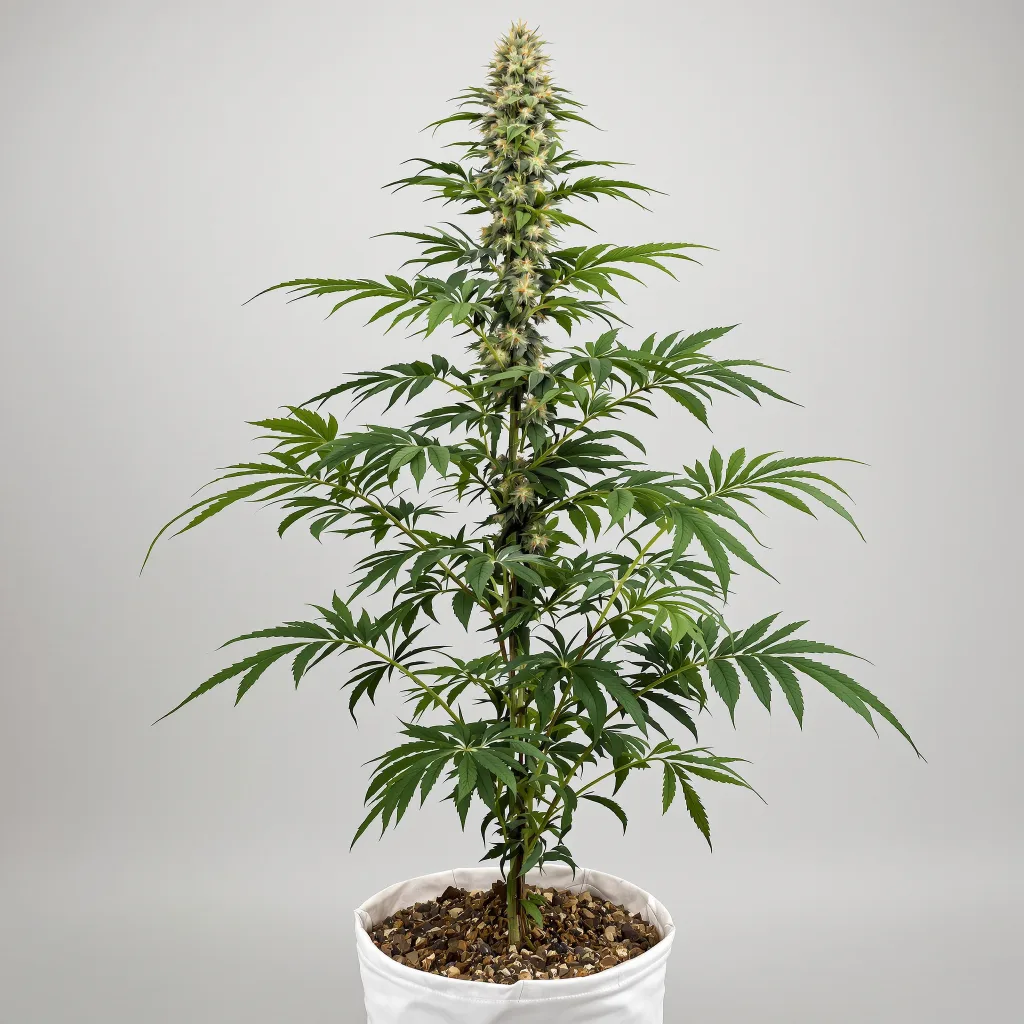
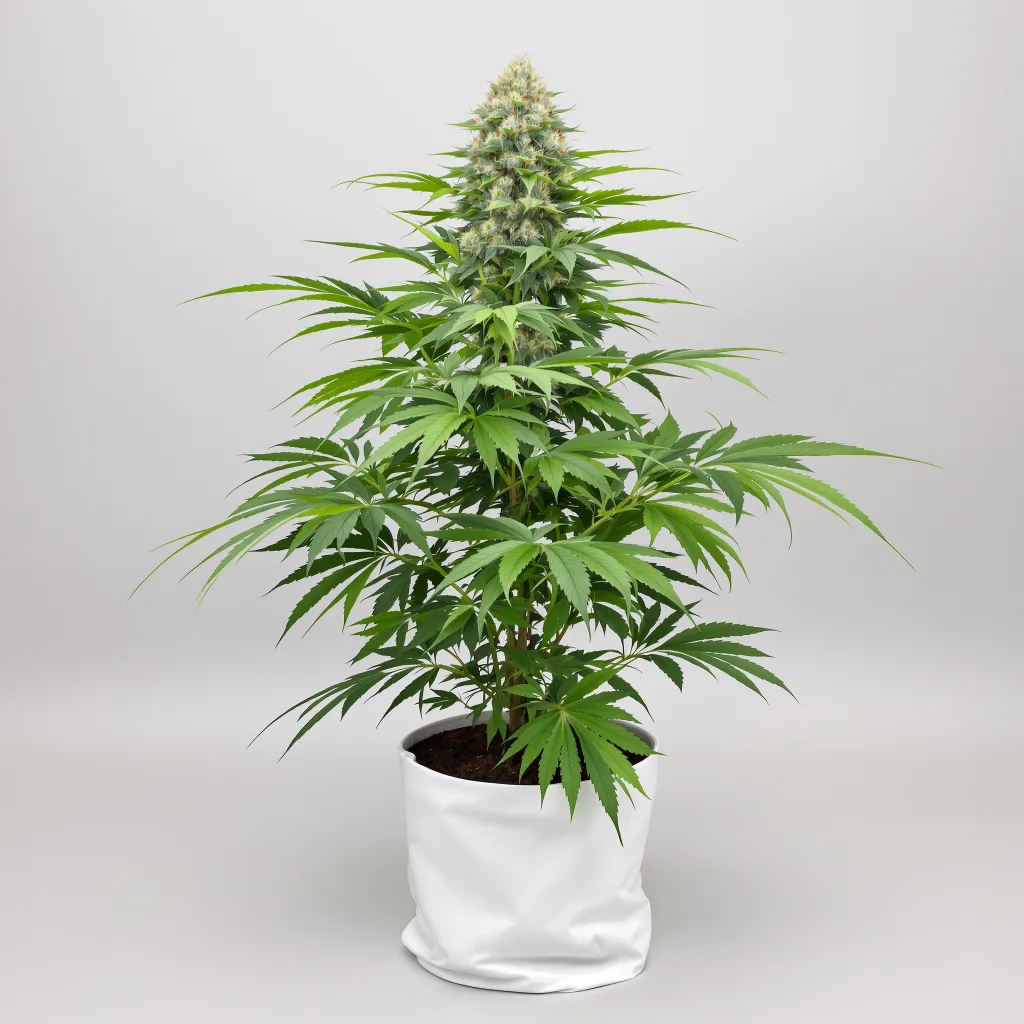
hybrid
Mazar x Blueberry Feminized
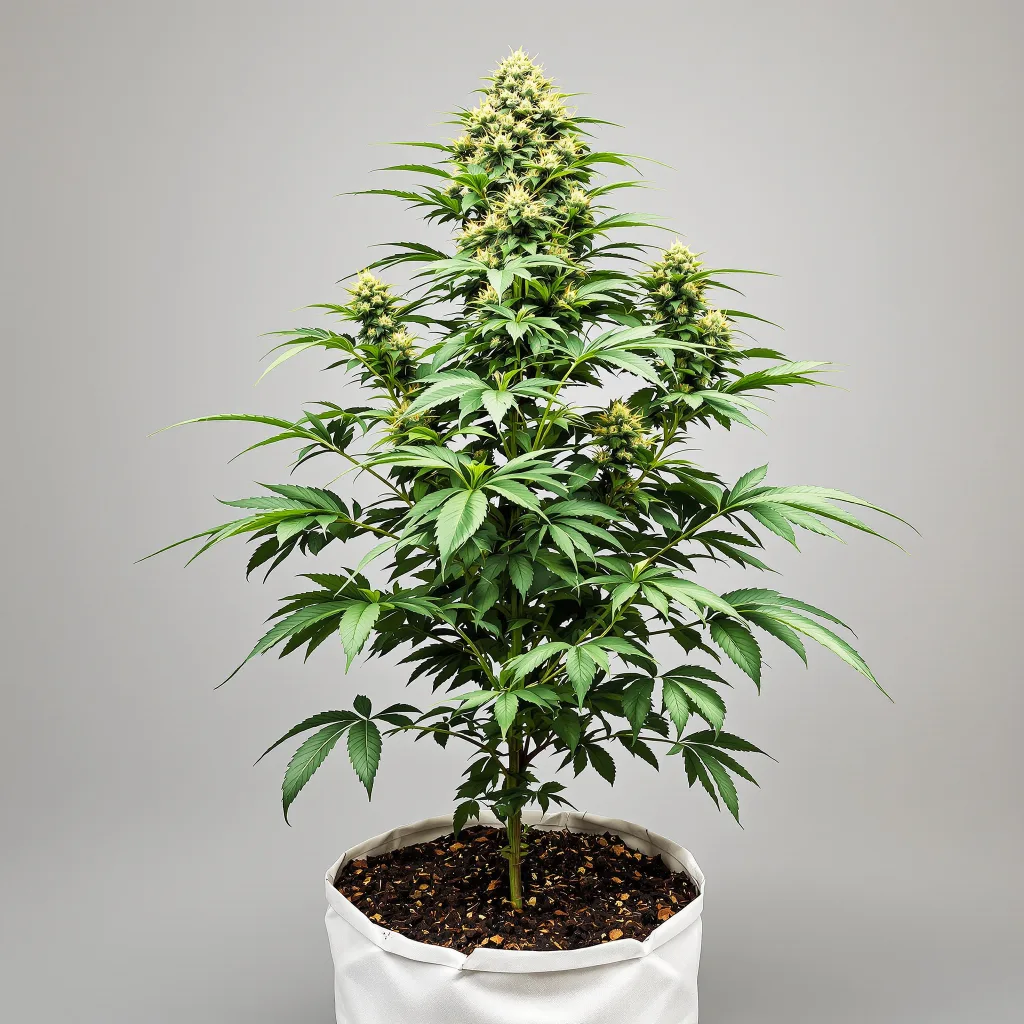
indica
Blueberry Gusto Auto
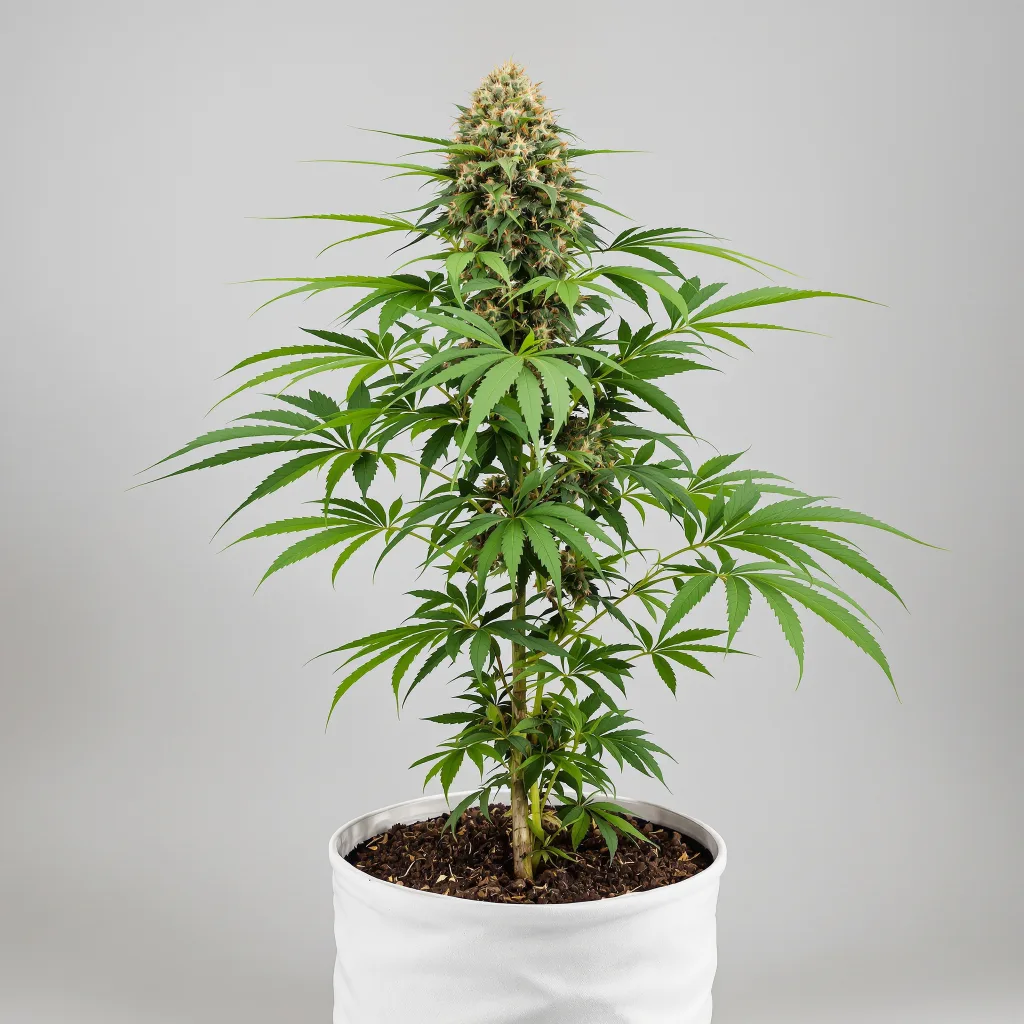
hybrid
Mazar x Blueberry Auto
indica
Blueberry Skunk Feminized
Browse the full All Cannabis Seeds collection
Premium genetics, shipped from within the US.
Related Articles
Granddaddy Purp Strain: King of Purple Weed | Royal King Seeds
strainBlue Dream Cannabis Strain: Genetics, Effects & Grow Guide | Royal King Seeds
strain-reviewBiscotti Strain: Effects, Genetics & Grow Guide | Royal King Seeds
strain-reviewCherry Pie Strain: Effects, Genetics & Grow Guide | Royal King Seeds
accessoryDabbing vs Vaping Cannabis: Key Differences
strainNorthern Lights Strain Review: Effects and Grow Tips
Ready to Start Growing?
Shop feminized, autoflower, and CBD strains with 95% germination and free delivery on eligible orders of $150 or more.
Shop Cannabis Seeds