Medical Cannabis Strain Analysis: Jager
-
Jager Cannabis SeedsFrom: $24.99
Introduction
Jager, also known as Jagermeister or “JGR,” is a distinctive cannabis strain renowned for its rich, earthy aroma and deeply relaxing effects. Named after the popular German herbal liqueur Jägermeister, the strain’s unique profile has made it a subject of interest among medical cannabis users and cultivators alike. This comprehensive analysis explores Jager’s origins, chemical profile, medical benefits, and optimal growing conditions, with a focus on its application in the medical field. The discussion deliberately excludes any recreational use and consumption methods to maintain a strict focus on the strain’s medicinal potential.
Origins of Jager
Genetic Background
Jager is an Indica-dominant hybrid, believed to be a cross between the strains LA Confidential and Blue Dream, although there are variations in reports regarding its exact lineage. Some sources suggest that Jager might have Kush lineage, contributing to its potent relaxing effects. The strain’s genetic makeup typically comprises about 70% Indica and 30% Sativa, aligning with its deeply sedative properties.
Historical Context
The strain was reportedly developed in the Pacific Northwest, particularly in Oregon, where it gained popularity due to its unique flavor and potent effects. Jager was named after the Jägermeister liqueur because of its similar spicy, licorice-like aroma, which quickly became its signature characteristic. Over time, the strain has become a favorite among medical cannabis users, particularly for its ability to provide relief from various physical and psychological ailments.
Cultivation History
Initially cultivated by small-scale growers in Oregon, Jager has gradually spread to other regions due to its resilience and the ease of growth. Due to its excellent temperature adaptation, this strain is suitable for both inexperienced and seasoned growers. Its growth cycle and yields have made it a viable option for medical cannabis providers looking to produce a strain with consistent therapeutic benefits.
Chemical Profile of Jager

Cannabinoid Composition
The chemical profile of Jager is dominated by cannabinoids that contribute to its strong therapeutic effects. The primary cannabinoids present in Jager include:
- THC (Tetrahydrocannabinol): Jager typically has a THC content ranging from 18% to 23%. This high THC concentration is responsible for the strain’s potent psychoactive effects, which are utilized in managing pain and other chronic conditions. However, this analysis emphasizes the need to monitor THC levels carefully to prevent any unwanted psychoactive effects in medical applications.
- CBD (Cannabidiol): The CBD content in Jager is relatively low, usually less than 1%. Although Jager’s modest levels of CBD indicate that THC and other cannabinoids provide the majority of the advantages from CBD, CBD can still contribute to the entourage effect. CBD is recognized for its non-psychoactive medicinal qualities.
- CBG (Cannabigerol): Jager contains trace quantities of CBG, which has been shown to have anti-inflammatory and neuroprotective effects. Though minor, CBG plays a role in the overall medicinal efficacy of the strain.
Terpene Profile
Terpenes are aromatic compounds that contribute to the strain’s distinctive smell and therapeutic effects. Jager’s terpene profile is characterized by the following terpenes:
- Myrcene: The most abundant terpene in Jager, myrcene contributes to its earthy, musky aroma and sedative effects. Myrcene is known for its analgesic, anti-inflammatory, and muscle-relaxing properties, making it a critical component in Jager’s medical applications.
- Caryophyllene: Caryophyllene adds a spicy, peppery note to Jager’s aroma and is recognized for its anti-inflammatory and analgesic effects. It also has the unique ability to interact with the body’s endocannabinoid system, contributing to its therapeutic potential.
- Linalool: Present in smaller quantities, linalool imparts a subtle floral scent and is known for its calming and anxiolytic effects. Linalool’s presence in Jager enhances its use in treating anxiety and stress-related conditions.
- Humulene: Humulene adds a woody, herbal aroma and possesses anti-inflammatory and appetite-suppressant properties, making it beneficial for patients looking to manage weight or inflammation-related conditions.
Flavonoids
Jager also contains various flavonoids, which contribute to its antioxidant properties. These compounds, such as quercetin and kaempferol, provide additional therapeutic benefits, including anti-inflammatory and neuroprotective effects. Together with terpenes and cannabinoids, flavonoids increase the strain’s total therapeutic potential.
Medical Benefits of Jager

Pain Management
One of the primary medical uses of Jager is for pain relief. Chronic, neuropathic, and inflammatory pain are among the many forms of pain that the strain is good at treating because to its high THC concentration and complex terpene profile. Myrcene and caryophyllene, in particular, contribute to Jager’s analgesic properties by interacting with pain receptors in the body.
- Chronic Pain: Jager may provide treatment to patients suffering with ailments like multiple sclerosis, fibromyalgia, and arthritis. The strain’s ability to reduce inflammation and provide deep muscle relaxation helps alleviate the persistent discomfort associated with these conditions.
- Neuropathic Pain: Jager’s efficacy in treating neuropathic pain, which often results from nerve damage, is attributed to its ability to modulate the body’s pain pathways. The combination of THC and caryophyllene provides both immediate and sustained relief from nerve pain.
- Post-Surgical Pain: For patients recovering from surgery, Jager offers an alternative to opioid painkillers. Its potent analgesic effects help manage pain without the risk of addiction associated with traditional medications.
Anxiety and Stress Relief
Jager’s calming effects make it an effective strain for managing anxiety and stress-related disorders. The presence of linalool, combined with THC, creates a relaxing effect that can help patients manage symptoms of anxiety, PTSD, and chronic stress.
- Generalized Anxiety Disorder (GAD): Patients with GAD can benefit from Jager’s ability to induce relaxation without causing excessive sedation. The strain helps reduce the physical symptoms of anxiety, such as muscle tension and rapid heartbeat, allowing for a sense of calm.
- Post-Traumatic Stress Disorder (PTSD): Jager’s calming effects are also beneficial for patients with PTSD. The strain helps reduce the frequency and intensity of flashbacks, nightmares, and other symptoms associated with PTSD, improving the patient’s overall quality of life.
- Stress-Induced Insomnia: For patients whose insomnia is triggered by stress or anxiety, Jager can provide relief by promoting relaxation and helping them achieve a restful night’s sleep. The sedative effects of myrcene and linalool are particularly useful in these cases.
Depression
While primarily an Indica-dominant strain, Jager’s balanced effects can also be beneficial for patients with depression. The strain’s ability to elevate mood and reduce negative thoughts makes it a useful tool in managing depressive symptoms.
- Major Depressive Disorder (MDD): Jager can assist reduce depressive, gloomy, and unmotivated feelings in MDD patients. An overall sense of well-being is enhanced by the strain’s capacity to alleviate stress and improve mood.
- Seasonal Affective Disorder (SAD): Jager’s uplifting effects can also be helpful for patients with SAD, particularly during the winter months when symptoms are more pronounced. The strain’s ability to boost mood and energy levels can counteract the lethargy and sadness associated with this condition.
Muscle Spasms and Cramps
Jager’s muscle-relaxing properties make it effective in treating muscle spasms and cramps. The strain’s high myrcene content, along with its THC levels, provides significant relief for patients with conditions such as multiple sclerosis, Parkinson’s disease, and menstrual cramps.
- Multiple Sclerosis (MS): Patients with MS often experience painful muscle spasms and rigidity. Jager’s ability to relax muscles and reduce inflammation helps alleviate these symptoms, improving mobility and reducing discomfort.
- Parkinson’s Disease: For patients with Parkinson’s disease, Jager can help manage muscle stiffness and tremors. The strain’s muscle-relaxing effects provide relief from the involuntary movements associated with the disease, improving the patient’s quality of life.
- Menstrual Cramps: Women suffering from severe menstrual cramps can benefit from Jager’s ability to relieve pain and relax muscles. The strain’s anti-inflammatory properties also help reduce the overall discomfort associated with menstruation.
Appetite Stimulation
Jager’s terpene profile, particularly the presence of myrcene and humulene, makes it effective in stimulating appetite. This is especially helpful for people receiving chemotherapy or other therapies that cause them to lose their appetite.
- Cancer Patients: For cancer patients undergoing chemotherapy, maintaining a healthy appetite is crucial for recovery. Jager’s ability to stimulate appetite can help patients maintain their strength and avoid the weight loss often associated with cancer treatments.
- HIV/AIDS: Patients with HIV/AIDS may also experience appetite loss due to their condition or the medications they are taking. Jager can help stimulate appetite, allowing these patients to maintain a healthy diet and improve their overall well-being.
Anti-Inflammatory Benefits
The anti-inflammatory properties of Jager are primarily attributed to its caryophyllene and myrcene content. These terpenes, along with THC, work together to reduce inflammation throughout the body, making Jager effective in treating various inflammatory conditions.
- Arthritis: Patients with arthritis can benefit from Jager’s ability to reduce joint inflammation and pain. The strain’s anti-inflammatory effects help improve mobility and reduce the discomfort associated with swollen joints.
- Inflammatory Bowel Disease (IBD): Jager can assist in the management of symptoms like diarrhea, cramping in the abdomen, and pain. The anti-inflammatory qualities of the strain relieve these symptoms by lowering intestinal tract inflammation.
- Autoimmune Disorders: Patients with autoimmune disorders, such as lupus or Crohn’s disease, may also benefit from Jager’s anti-inflammatory effects. The strain helps reduce the body’s immune response, alleviating symptoms and improving the patient’s quality of life.
Neuroprotective Effects
Recent studies indicate that Jager may possess neuroprotective qualities, making it useful in the treatment of neurodegenerative illnesses like Parkinson’s and Alzheimer’s. The strain’s cannabinoids, especially THC and CBG, may slow the onset of many disorders and help shield nerve cells from harm.
- Alzheimer’s Disease: Jager’s neuroprotective properties may lessen oxidative stress and inflammation in the brain, which could help delay the onset of Alzheimer’s. Certain behavioral problems associated with Alzheimer’s disease may also be lessened by the strain’s capacity to elevate mood and lessen anxiety.
- Parkinson’s Disease: In addition to its muscle-relaxing properties, Jager’s neuroprotective effects may help protect against the nerve cell damage that leads to Parkinson’s disease. The cannabinoids in the strain might also lessen the intensity of symptoms like stiffness and tremors.
Restrictions on Using Jager in the Medical Field as a Last Resort
Last Resort Usage: In the medical field, Jager is generally considered a potent strain due to its high THC content, which can produce strong psychoactive effects. For patients who have not achieved relief with previous treatments, it is therefore frequently utilized as a final option. The restrictions around using Jager include:
- Patient Evaluation: Medical professionals must thoroughly evaluate a patient’s condition and history before recommending Jager. This includes assessing the severity of symptoms and ensuring that less potent, non-psychoactive treatments (like CBD-dominant strains) have been tried first.
- Informed Consent: Patients must be fully informed about the potential psychoactive effects of Jager and provide consent before using it as a treatment option.
- Regulatory Compliance: In some regions, the use of high-THC strains like Jager may be restricted or regulated more strictly, requiring special authorization or prescriptions from certified medical professionals.
Monitoring THC Levels to Prevent Psychoactive Effects
- Dosage Control: Careful control of dosage is essential to minimize psychoactive effects. Low doses should be administered initially, with gradual increases as needed, while monitoring the patient’s response.
- THC-CBD Ratio: To mitigate psychoactive effects, formulations with a balanced THC-CBD ratio can be considered. CBD has been shown to counteract some of the psychoactive effects of THC, providing therapeutic benefits without overwhelming psychoactivity.
- Regular Monitoring: Continuous monitoring of THC levels in medications is crucial. Blood tests or other biomarkers can be used to ensure that THC levels remain within a therapeutic range and do not reach levels that cause significant psychoactive effects.
- Patient Education: Educating patients on the importance of adhering to prescribed dosages and reporting any adverse effects immediately can help manage and prevent unwanted psychoactive effects.
Growing Conditions for Jager

Climate and Environment
Jager is a versatile strain that can be grown both indoors and outdoors, though it thrives best in a controlled environment where temperature and humidity can be carefully managed. The strain prefers a Mediterranean-like climate with warm days and cool nights.
- Temperature: The ideal temperature range for growing Jager is between 70°F and 80°F (21°C to 27°C). Temperatures below 65°F (18°C) or above 85°F (29°C) can stress the plants and reduce yield.
- Humidity: Jager prefers a relative humidity of around 40% to 50% during the vegetative stage and slightly lower humidity, around 30% to 40%, during the flowering stage. Proper humidity control is essential to prevent mold and mildew, particularly during the flowering stage when the buds are dense and prone to moisture retention.
- Lighting: When grown indoors, Jager responds well to high-intensity lighting, such as LED or HPS grow lights. To achieve optimal growth, a light schedule consisting of 18 hours of light and 6 hours of darkness during the vegetative stage and 12 hours of light and 12 hours of darkness during the flowering stage should be followed.
Soil and Nutrients
Jager performs well in both soil and hydroponic systems, though soil is preferred for its ability to enhance the strain’s natural flavors. A soil that is rich in nutrients, well-drained, and well-aerated is perfect for growing japère.
- Soil Composition: A mixture of organic compost, perlite, and coco coir creates a well-balanced soil that provides the necessary nutrients and aeration for Jager to thrive. The soil’s pH should be maintained between 6.0 and 6.5 to ensure optimal nutrient uptake.
- Nutrient Requirements: Jager is a moderately heavy feeder and benefits from a balanced nutrient regimen. For optimal leaf and stem development throughout the vegetative stage, a high-nitrogen nutrition mix is necessary. The fertilizer mix should be changed to include more potassium and phosphorus as the plant enters the flowering stage in order to promote bud development. Furthermore, in order to avoid deficiencies that may have an impact on quality and production, micronutrients like calcium, magnesium, and iron are crucial.
Growth and Yield
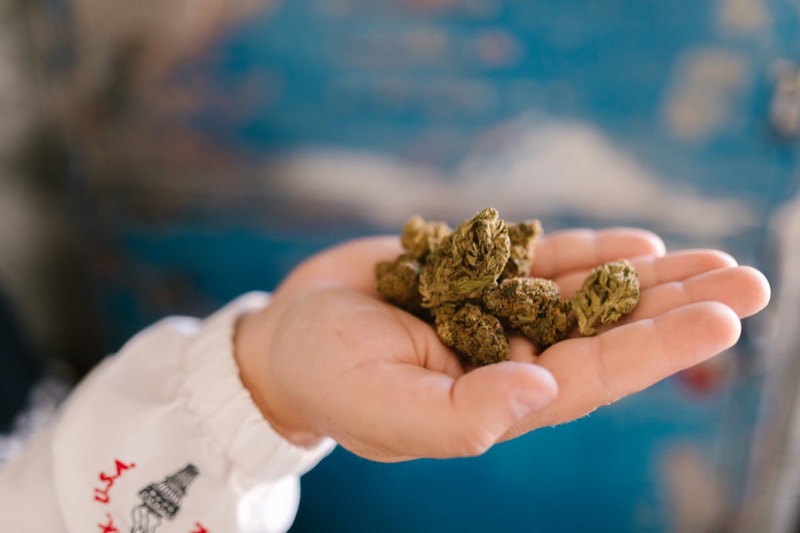
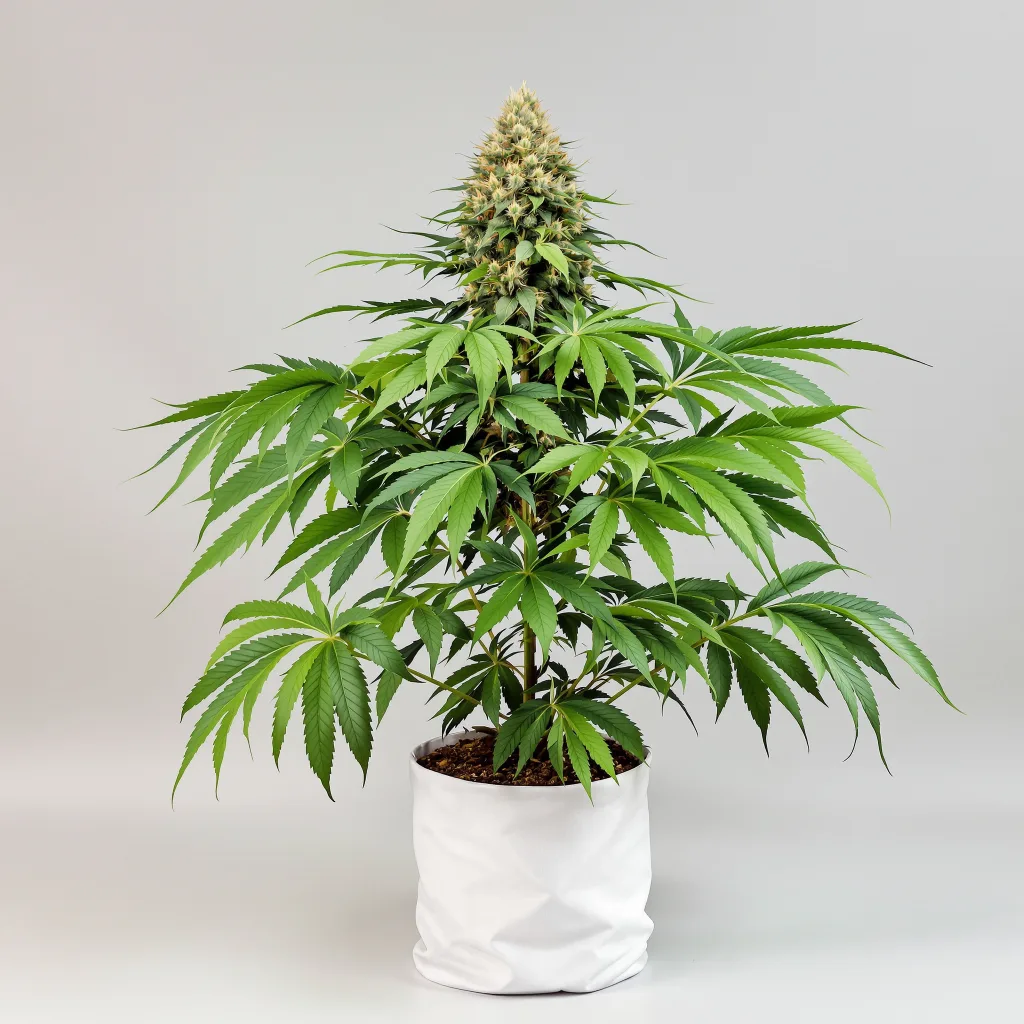
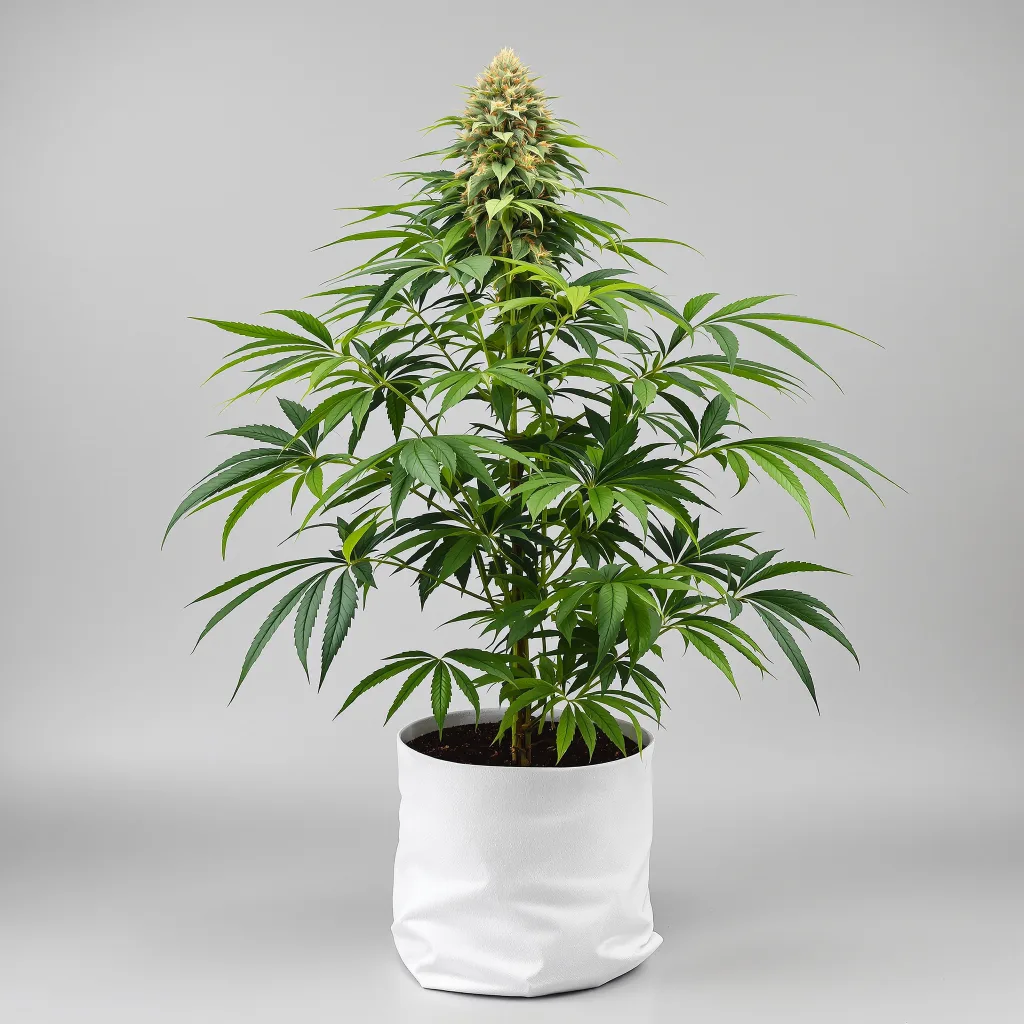
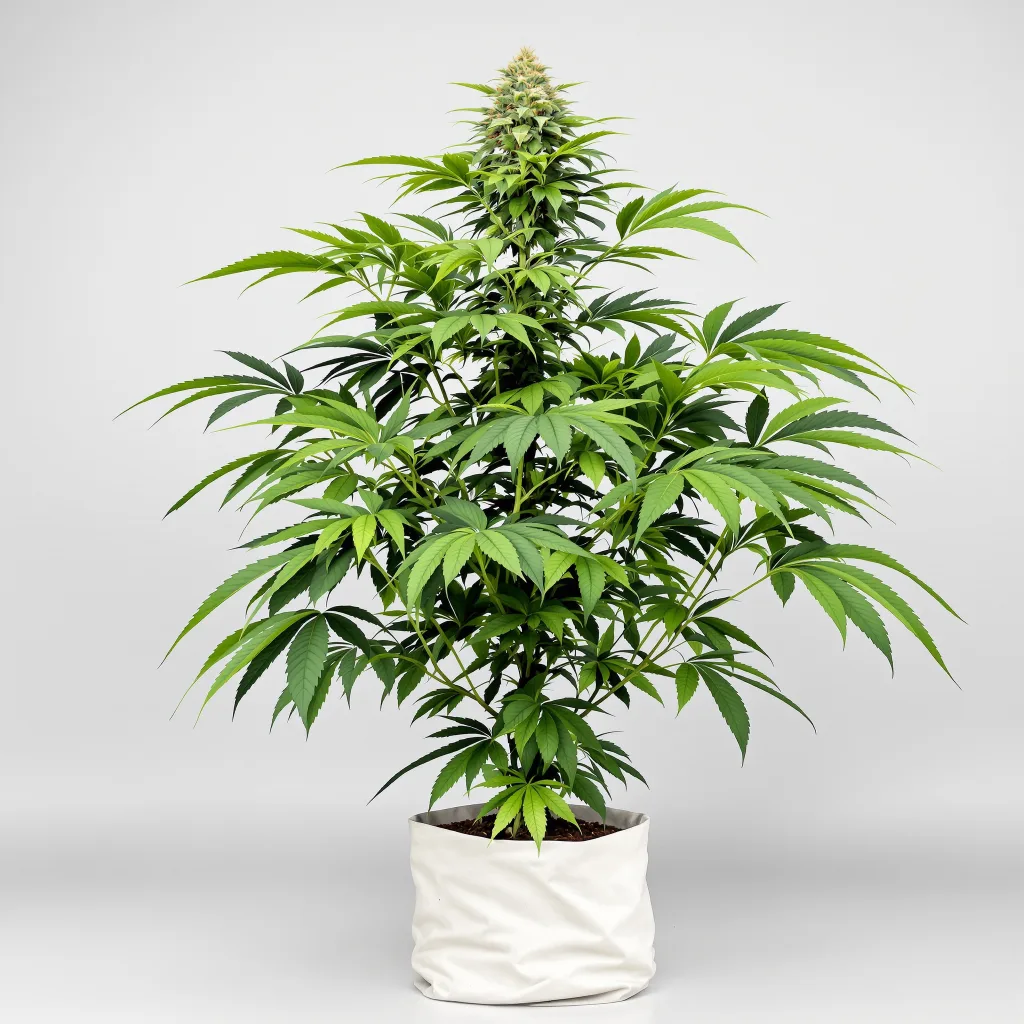
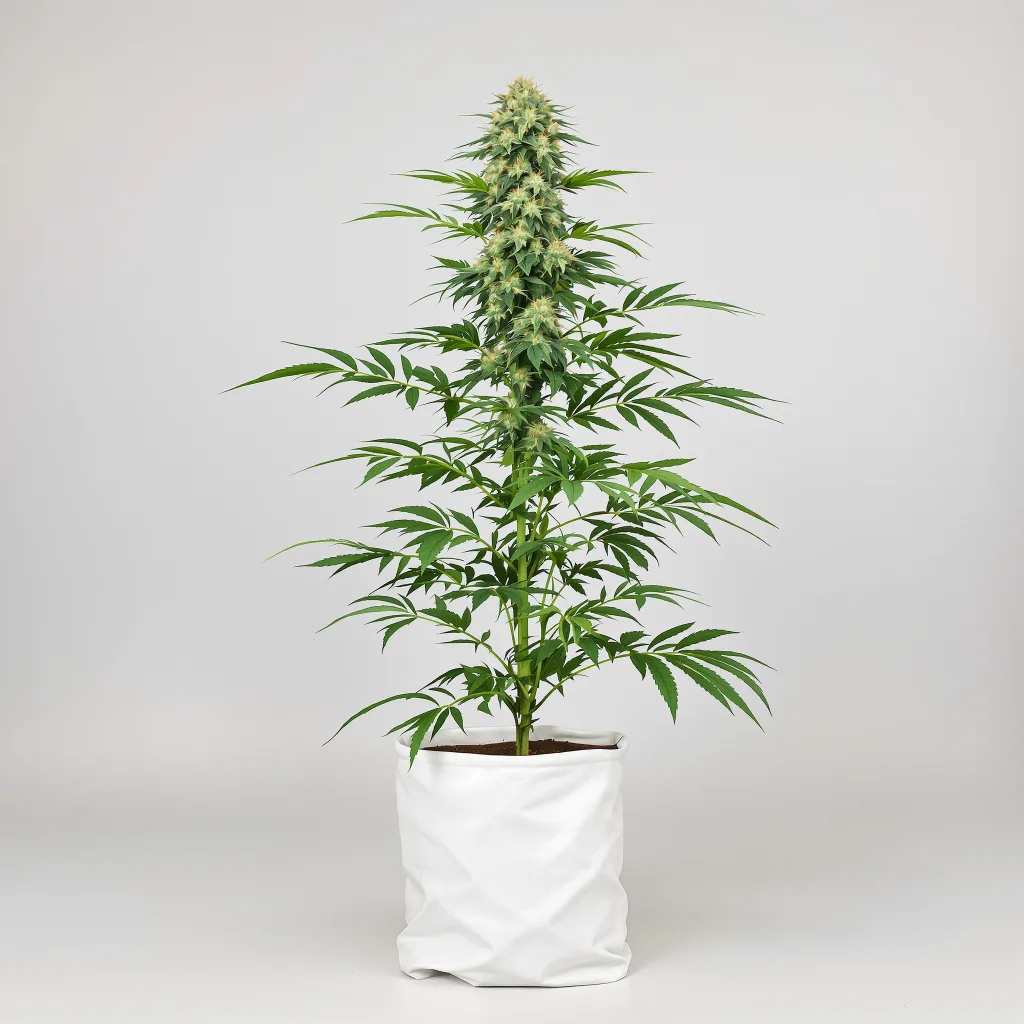
Jager is known for its sturdy growth and high yield potential, making it a popular choice among cultivators. The strain typically grows to a medium height, with dense, resinous buds that are dark green with purple hues.
- Vegetative Stage: During the vegetative stage, Jager plants grow rapidly, developing a thick canopy of broad, dark green leaves. This stage typically lasts for 4 to 6 weeks, depending on the growing conditions and the desired final size of the plant.
- Flowering Stage: Jager’s flowering stage lasts between 8 to 10 weeks. The plants develop big, dense buds with a thick covering of trichomes during this time. The buds emit a strong, earthy aroma with hints of spice and licorice, characteristic of the strain.
- Yield: Jager is a high-yielding strain, with indoor plants typically producing around 14 to 18 ounces per square meter, while outdoor plants can yield up to 20 ounces per plant. The exact yield depends on factors such as light intensity, nutrient regimen, and overall plant health.
- Harvesting: The optimal time to harvest Jager is when the trichomes have turned milky white, with a few amber trichomes indicating peak potency. Too late of a harvest can have a more sedative impact that may not be ideal for many patients, while too early of a harvest can result in decreased potency.
Pest and Disease Management
Like all cannabis strains, Jager is susceptible to pests and diseases, though it is generally considered a hardy plant. Phalaenopsis, powdery mildew, bud rot, and spider mites are frequent problems. Implementing preventative measures and regular monitoring can help minimize these risks.
- Pest Control: Growers should employ organic pest management techniques like neem oil, insecticidal soap, or beneficial insects like ladybugs and predatory mites to minimize pest infestations. They should also routinely check plants for pest-related symptoms. Keeping the growth area clean and avoiding overwatering are two other ways to lower the bug risk.
- Disease Prevention: Proper humidity control is essential to prevent diseases such as powdery mildew and bud rot. Using organic fungicides, trimming on a regular basis, and ensuring adequate air circulation can all help prevent these problems. Additionally, ensuring that plants receive adequate nutrients can help strengthen their natural defenses against disease.
Conclusion
Jager is a robust medical cannabis strain with a rich genetic background and a potent chemical profile that offers significant therapeutic benefits. Its high THC content, combined with a unique terpene profile, makes it highly effective in managing conditions such as chronic pain, anxiety, depression, and muscle spasms. However, due to its strong psychoactive effects, Jager is best utilized as a last-resort treatment, where other, less potent options have failed to provide relief.
The cultivation of Jager requires attention to specific growing conditions, including temperature, humidity, and nutrient management, to maximize its yield and medicinal potency. Despite its resilience, the strain demands vigilant pest and disease management to ensure healthy growth.
In the medical field, the use of Jager is carefully regulated, with restrictions in place to ensure it is only administered when absolutely necessary and under strict medical supervision. This includes rigorous patient evaluation, dosage control, and ongoing monitoring of THC levels to prevent excessive psychoactive effects, ensuring that the strain’s benefits can be harnessed safely and effectively.
As medical cannabis continues to evolve, strains like Jager play an essential role in offering patients powerful, natural alternatives for managing severe and chronic conditions. By adhering to best practices in cultivation and medical application, Jager can be a valuable tool in the therapeutic arsenal, providing relief where other treatments may fall short.