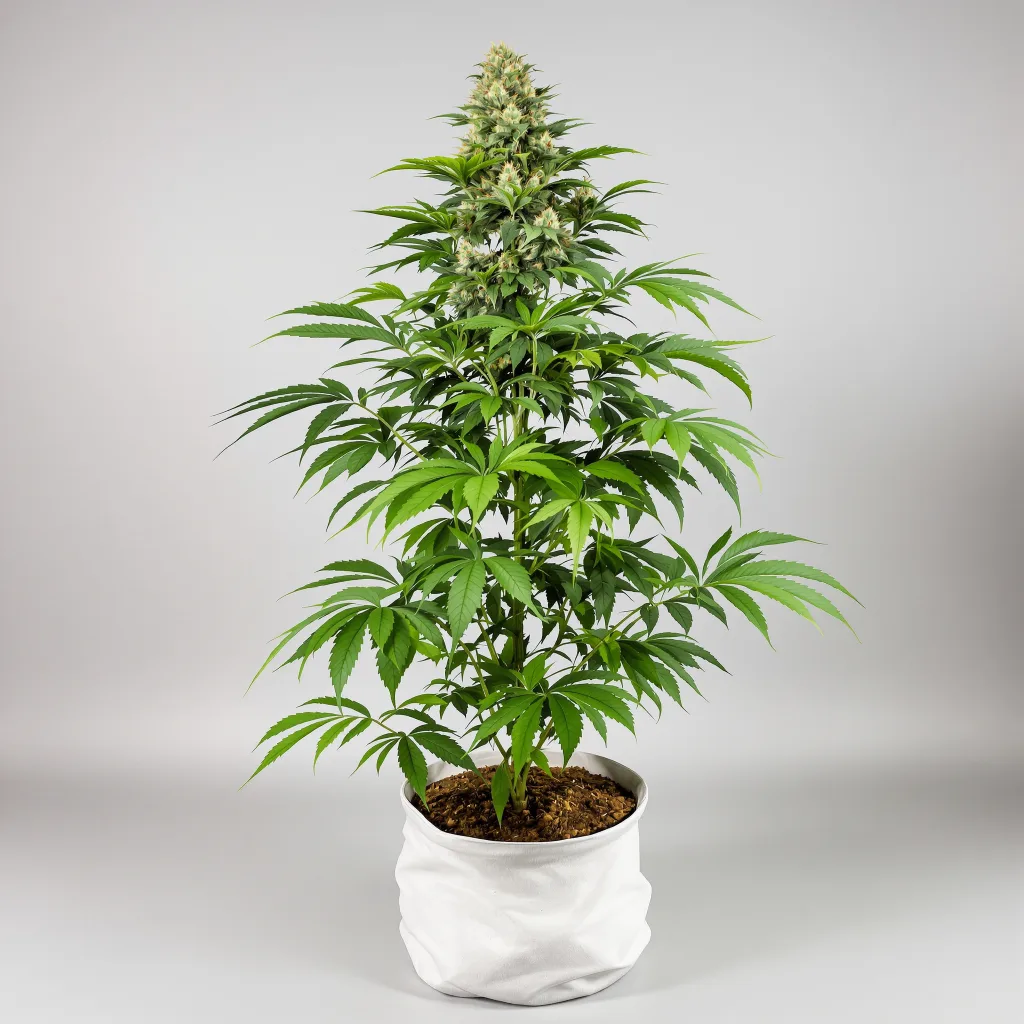
Medical Strain Analysis: Blackberry
-
Blackberry Cannabis SeedsFrom: $24.99
Introduction
Blackberry is a notable cannabis strain recognized for its potential medical benefits, vibrant purple hues, and a distinct berry flavor. The strain, a hybrid of both indica and sativa, provides a balanced effect profile that has made it popular in the medical cannabis community. This analysis will delve into the origins, chemical profile, medical benefits, and growing conditions of Blackberry, focusing exclusively on its medical applications and excluding any recreational use or consumption methods.
Origins of Blackberry
The origins of Blackberry can be traced to a careful cross-breeding of two powerful strains: Black Domina and Raspberry Cough.
- Black Domina: Black Domina is an indica-dominant strain known for its potent sedative effects, dark coloration, and earthy flavors. Originating from a blend of Northern Lights, Ortega, Hash Plant, and Afghani SA, Black Domina contributes to Blackberry’s deep relaxation properties and dark, almost black-purple coloration. Its genetic background provides Blackberry with a strong indica lineage, making it particularly effective in treating conditions like chronic pain and insomnia.

- Raspberry Cough: On the other hand, Raspberry Cough is a sativa-dominant strain derived from a Cambodian landrace and Ice, another strain known for its uplifting effects. Raspberry Cough contributes to Blackberry’s sativa characteristics, including its energizing and mood-enhancing effects, which balance the sedative nature of Black Domina.

This unique blend of indica and sativa genetics makes Blackberry a versatile strain in the medical field, offering a range of therapeutic benefits while maintaining a manageable and balanced high.
Chemical Profile of Blackberry
The chemical profile of Blackberry is characterized by a rich mix of cannabinoids, terpenes, and flavonoids that contribute to its therapeutic effects. Understanding this profile is crucial for identifying the specific medical benefits that Blackberry can offer.
Cannabinoids
- THC (Tetrahydrocannabinol): Blackberry typically has a moderate THC content, ranging between 15% and 20%. THC is the primary psychoactive compound in cannabis, but it also has several therapeutic properties, including pain relief, appetite stimulation, and anti-nausea effects. In Blackberry, the THC content is balanced enough to provide significant relief without overwhelming psychoactive effects, making it suitable for medical patients who require daytime symptom management.
- CBD (Cannabidiol): Although Blackberry is not particularly high in CBD, it usually contains trace amounts of this non-psychoactive cannabinoid. CBD is well-known for having anticonvulsant, anti-inflammatory, and anti-anxiety effects. The presence of CBD in Blackberry enhances its medical value by modulating the effects of THC, potentially reducing anxiety or paranoia in sensitive patients.
- CBN (Cannabinol): Blackberry may also contain small amounts of CBN, a cannabinoid known for its sedative properties. Because it is a byproduct of THC breakdown, CBN is frequently present in older cannabis plants. In Blackberry, the presence of CBN can enhance the strain’s potential for treating insomnia or chronic pain that requires sedative relief.
- CBG (Cannabigerol): Though present in minor concentrations, CBG plays a role in anti-inflammatory and neuroprotective activities. It is also known to counteract the psychoactive effects of THC, making it another beneficial component in Blackberry’s cannabinoid profile.
Terpenes
Terpenes are fragrant substances found in cannabis that add to its flavor, aroma, and medicinal properties. Blackberry’s terpene profile is particularly rich, contributing to its distinctive aroma and flavor while also enhancing its medical properties.
- Myrcene: The most dominant terpene in Blackberry is myrcene, which contributes to its earthy and musky aroma with a hint of sweetness. Myrcene is known for its sedative effects and is believed to enhance the permeability of cell membranes, potentially increasing the effectiveness of other cannabinoids. This makes Blackberry particularly useful for patients seeking relief from pain or insomnia.
- Limonene: Limonene is the second most prevalent terpene in Blackberry, contributing to its citrusy undertones. Limonene is known for its mood-enhancing and anti-anxiety properties, making Blackberry effective for patients dealing with stress, anxiety, or depression.
- Caryophyllene: The hot, peppery terpene caryophyllene binds to the body’s CB2 receptors to function as a cannabinoid. This terpene has potent anti-inflammatory and analgesic properties, contributing to Blackberry’s effectiveness in treating conditions like arthritis or chronic pain.
- Pinene: As its name implies, pinene has a pine-like aroma and is a well-known bronchodilator, memory enhancer, and anti-inflammatory. In Blackberry, pinene helps balance the strain’s sedative effects by promoting alertness, making it suitable for daytime use.
- Linalool: Linalool, with its floral, lavender scent, is known for its calming and anti-anxiety effects. It also has potential as an analgesic and anti-inflammatory agent, further enhancing Blackberry’s medical profile.
Flavonoids
Flavonoids are lesser-known but equally important compounds in cannabis. They contribute to the plant’s color and also possess antioxidant, anti-inflammatory, and anti-cancer properties.
- Anthocyanins: Blackberry’s striking purple color is due to anthocyanins, a type of flavonoid with potent antioxidant properties. Anthocyanins are also thought to contribute to cardiovascular health and may play a role in preventing oxidative stress and inflammation.
- Quercetin: Quercetin is another flavonoid found in Blackberry, known for its anti-inflammatory and antioxidant effects. It may also have anti-cancer properties, making Blackberry a potential option for patients looking for natural therapies in cancer treatment.
Medical Benefits of Blackberry
Blackberry’s chemical profile gives it a broad range of medical applications. Below, we explore its potential benefits in greater detail, focusing on specific conditions and symptoms that it may help alleviate.
Pain Management
One of the primary medical uses of Blackberry is in pain management. The combination of THC, CBD, and caryophyllene makes this strain particularly effective in treating various types of pain, including:
- Chronic Pain: Neuropathy, fibromyalgia, and arthritis are examples of chronic pain disorders that can be crippling. Blackberry’s high myrcene content, coupled with THC and caryophyllene, provides strong analgesic effects that can help alleviate chronic pain, improving patients’ quality of life.
- Inflammatory Pain: Pain that is brought on by inflammation is a hallmark of diseases including inflammatory bowel disease (IBD) and rheumatoid arthritis. The anti-inflammatory properties of CBD, CBG, and caryophyllene in Blackberry make it a suitable option for managing these conditions.
- Migraine Relief: Blackberry may also be effective in treating migraines due to its combination of analgesic and anti-inflammatory properties. Linalool and pinene contribute to its potential in reducing the frequency and intensity of migraine attacks.
Anxiety and Depression
The balanced THC-CBD ratio, along with the presence of limonene and linalool, makes Blackberry an excellent strain for managing mental health conditions like anxiety and depression.
- Anxiety Relief: Limonene and linalool are known for their anxiolytic properties, helping to reduce stress and promote relaxation without the risk of paranoia often associated with high-THC strains. Blackberry’s balanced cannabinoid profile further supports its use in anxiety management, offering a calming effect without excessive sedation.
- Depression: Depression is often linked with a deficiency in mood-regulating neurotransmitters like serotonin. The mood-enhancing effects of limonene, along with the uplifting sativa influence from Raspberry Cough, make Blackberry a potential option for managing symptoms of depression.
Insomnia
For patients struggling with insomnia, Blackberry’s sedative properties can be particularly beneficial. The high myrcene and moderate THC content work together to promote deep relaxation and sleep.
- Sleep Onset: Patients who have difficulty falling asleep may benefit from Blackberry’s ability to induce a calming and sedative effect, helping to ease the transition into sleep.
- Sleep Maintenance: For those who struggle to stay asleep throughout the night, the lasting effects of Blackberry can help maintain sleep, reducing the frequency of nighttime awakenings.
Neurological Disorders
The neuroprotective properties of Blackberry make it a promising option for patients with neurological disorders, such as epilepsy, multiple sclerosis, and Parkinson’s disease.
- Epilepsy: Although Blackberry is not as high in CBD as some strains used for epilepsy, its balanced cannabinoid profile and the presence of CBG may offer anticonvulsant benefits. Patients with treatment-resistant epilepsy may find some relief using Blackberry, particularly in combination with other high-CBD strains.
- Multiple Sclerosis (MS): MS patients often experience muscle spasms, pain, and fatigue. Blackberry’s muscle-relaxant and anti-inflammatory properties can help manage these symptoms, improving mobility and reducing discomfort.
- Parkinson’s Disease: Parkinson’s disease is typified by both non-motor symptoms like anxiety and sleep difficulties and motor symptoms like tremors and rigidity. Parkinson’s patients may have a higher quality of life because of the combination of THC and CBG in Blackberry, which may help reduce these symptoms.
Gastrointestinal Disorders
Blackberry’s anti-inflammatory and anti-nausea properties make it an effective strain for treating gastrointestinal disorders such as irritable bowel syndrome (IBS), Crohn’s disease, and nausea.
- Irritable Bowel Syndrome (IBS): Patients with IBS often experience abdominal pain, bloating, and irregular bowel movements. The anti-inflammatory effects of caryophyllene and CBD in Blackberry can help reduce intestinal inflammation, while the analgesic properties may alleviate abdominal pain.
- Crohn’s Disease: An even more severe form of inflammatory bowel disease that can be extremely painful is Crohn’s disease. Blackberry’s combination of anti-inflammatory and analgesic properties makes it a viable option for managing the symptoms of Crohn’s disease.
- Nausea and Vomiting: The mild THC concentration of blackberries can help lessen nausea and vomiting, especially in chemotherapy patients and people with long-term medical disorders that induce nausea all the time.
Appetite Stimulation
For patients dealing with conditions that result in loss of appetite, such as cancer or HIV/AIDS, Blackberry’s THC content can stimulate appetite and encourage healthy eating habits.
- Cancer Patients: Cancer treatments like chemotherapy often lead to a significant loss of appetite, which can hinder recovery. Blackberry’s ability to stimulate appetite can help cancer patients maintain their nutritional intake during treatment.
- HIV/AIDS: Similarly, HIV/AIDS patients who experience wasting syndrome may benefit from Blackberry’s appetite-stimulating effects, helping them to regain lost weight and improve overall health.
Restrictions on Using Blackberry in the Medical Field as a Last Resort and Monitoring THC Levels
Restrictions as a Last Resort: Blackberry, like other cannabis strains, is subject to certain restrictions when used as a last-resort treatment in the medical field. These restrictions often stem from its THC content and the potential for psychoactive effects, which can be a concern for specific patient populations, such as those with a history of mental health disorders or those who are sensitive to THC.
In many regions, medical cannabis, including Blackberry, may only be prescribed after other conventional treatments have failed. This ensures that cannabis is not the first line of treatment but rather a secondary option when other medications have not provided sufficient relief. Additionally, doctors must carefully assess the potential risks and benefits for each patient, considering factors such as the patient’s medical history, potential drug interactions, and the possibility of developing a tolerance or dependency on THC.
Monitoring THC Levels to Prevent Psychoactive Effects: To mitigate the psychoactive effects of THC, particularly in patients sensitive to its effects, it is crucial to monitor and control the THC levels in medications derived from Blackberry. This can be achieved through several approaches:
- Strain Selection: Choosing phenotypes of Blackberry with lower THC and higher CBD content can reduce the likelihood of psychoactive effects. CBD can also modulate the effects of THC, making it less likely to cause anxiety or paranoia.
- Dosage Control: Precise dosing is essential in preventing unwanted psychoactive effects. Microdosing, or administering very small amounts of THC, can help provide therapeutic benefits without significant psychoactivity.
- THC Testing: Regular testing of the cannabis product for THC content ensures that the levels remain within a therapeutic range. This is particularly important in the production of cannabis-derived medications, where consistency and safety are paramount.
- Patient Monitoring: Ongoing monitoring of patients for signs of adverse effects is critical. This includes regular check-ins with healthcare providers to adjust dosage as needed and to ensure that the benefits of the treatment outweigh any potential risks.
Growing Conditions for Blackberry

Growing Blackberry can be both a rewarding and challenging experience, depending on the grower’s level of expertise and environmental conditions. This strain is known for its vibrant purple hues, which are enhanced under certain growing conditions. Below, we explore the ideal growing environment, techniques, and challenges associated with cultivating Blackberry.
Climate Requirements
Blackberry thrives in a Mediterranean climate, characterized by warm temperatures and low humidity. However, it can also be grown successfully in other climates with proper care.
- Temperature: Blackberry prefers temperatures between 70°F and 80°F (21°C to 27°C) during the day. Nighttime temperatures should not drop below 60°F (16°C) to avoid stunting growth. In cooler climates, it may be necessary to grow Blackberry indoors to maintain a consistent temperature.
- Humidity: Blackberry thrives in moderate humidity levels, around 40% to 50% during the vegetative stage and 30% to 40% during flowering. Excessive humidity can lead to mold and mildew, particularly on the dense buds that Blackberry produces.
- Lighting: Blackberry responds well to both natural sunlight and artificial lighting. For indoor growing, high-intensity discharge (HID) lamps or LED grow lights are recommended to provide the necessary light spectrum for healthy growth.
Soil and Nutrients
Blackberry plants require well-draining, nutrient-rich soil to thrive. Organic soil mixes with added perlite or coco coir are ideal for promoting root health and proper drainage.
- pH Levels: Maintaining the correct soil pH is crucial for nutrient uptake. Blackberry prefers a slightly acidic pH range of 6.0 to 6.5. Regular testing and pH adjustments may be necessary to keep the soil within this range.
- Nutrient Requirements: Blackberry requires a balanced nutrient regimen throughout its growth cycle. Higher nitrogen levels are required to support the growth of leaves and stems during the vegetative stage. Higher phosphorus and potassium levels should be the main focus as the plant enters the flowering stage in order to encourage bud growth.
- Feeding Schedule: A regular feeding schedule with appropriate nutrient formulations is essential for optimal growth. Careful monitoring of the plant’s health is required because overfeeding or underfeeding can result in toxicities or nutrient shortages.
Growing Techniques
Several growing techniques can be employed to optimize the yield and quality of Blackberry plants.
- Topping and Pruning: Topping the plants early in the vegetative stage encourages the growth of multiple colas, leading to a more even canopy and higher yields. Maintaining regular pruning of lower branches and leaves increases light penetration and air circulation, which lowers the chance of mildew and mold growth.
- Training Methods: Low-Stress Training (LST) and the Screen of Green (SCROG) method are effective techniques for maximizing light exposure and controlling plant height. These methods are particularly useful for indoor growing, where space may be limited.
- Harvest Timing: For blackberries to have the highest possible potency and flavor, harvest timing is essential. Harvesting the strain too late can result in higher levels of CBN, which makes it more sedative, while harvesting the strain too early can result in lesser THC concentration. Amber trichomes imply a more sedative effect profile, whereas milky white trichomes indicate peak THC levels. Trichome color is a good indicator of harvest readiness.
Common Challenges
Growing Blackberry is not without its challenges. Some common issues include:
- Mold and Mildew: Due to the dense structure of Blackberry’s buds, the strain is susceptible to mold and mildew, especially in high-humidity environments. Preventing these problems requires maintaining the right humidity levels and ensuring adequate air circulation.
- Pest Control: Aphids, spider mites, and whiteflies are just a few of the pests that Blackberry, like all cannabis plants, is susceptible to. Infestations can be managed with the help of routine inspections and the application of organic pest management techniques like insecticidal soap or neem oil.
- Nutrient Deficiencies: Blackberry is a moderately heavy feeder, and nutrient deficiencies can quickly manifest if the plant’s needs are not met. Yellowing leaves, slow growth, and poor bud development are signs that the plant may be lacking essential nutrients. Regular monitoring and adjustment of the feeding regimen can prevent these issues.
Conclusion
Blackberry stands out as a versatile and potent medical cannabis strain, offering a unique blend of therapeutic benefits derived from its balanced indica-sativa lineage, rich cannabinoid profile, and diverse terpene content. Its origins, rooted in the crossbreeding of Black Domina and Raspberry Cough, contribute to its ability to manage a wide range of medical conditions, including chronic pain, anxiety, depression, insomnia, neurological disorders, and gastrointestinal issues. The strain’s chemical composition, particularly its moderate THC levels and supportive terpenes like myrcene, limonene, and caryophyllene, underpins its effectiveness in alleviating symptoms while maintaining a manageable effect profile suitable for both daytime and nighttime use.
Cultivating Blackberry requires careful attention to environmental conditions, nutrient management, and potential challenges like mold and pests, but the rewards are significant for both patients and cultivators seeking a high-quality, medicinal-grade strain. The growing conditions, when optimized, not only enhance the strain’s medicinal potency but also bring out its signature deep purple coloration, making it a visually and therapeutically appealing choice.
However, using Blackberry in the medical field requires careful consideration, especially as a last-resort treatment. The potential psychoactive effects of THC necessitate strict monitoring and control of THC levels in medications to prevent adverse reactions, particularly in sensitive patient populations. By employing precise dosing, selecting appropriate phenotypes, and regularly testing THC content, healthcare providers can ensure that the therapeutic benefits of Blackberry are maximized while minimizing the risk of psychoactivity.
In conclusion, Blackberry represents a valuable addition to the medical cannabis landscape, offering a multifaceted approach to symptom management with a focus on patient safety and therapeutic efficacy. Whether used for pain relief, mental health support, or sleep enhancement, Blackberry’s balanced and robust profile makes it a reliable and effective option in the realm of medical cannabis, provided it is used with the appropriate precautions and under medical supervision.