Heavy Metals in Soil and Medical Cannabis
Royal King Seeds Editorial Team
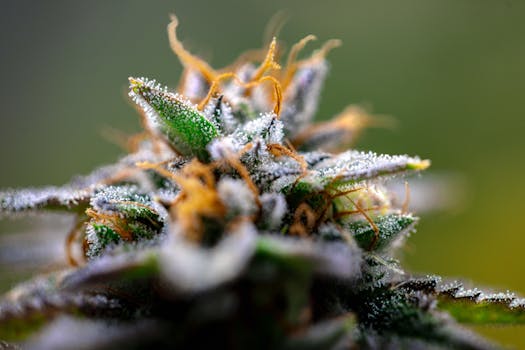
Most contamination problems in cannabis announce themselves eventually. Mould smells wrong. A pesticide residue often comes with flower that is dense and strangely quiet. Heavy metals do neither. A plant grown in contaminated soil can look healthy, yield well, smell exactly as the cultivar should, and carry metals in its tissue the whole way through. There is no sensory check for this and there never will be. It is a soil question, and it has to be answered before anything is planted.
It matters more for cannabis than for most crops for three reasons. The plant is a capable metal accumulator and is studied specifically for that ability. Much of the crop is inhaled rather than eaten, which is a different exposure route with no digestive filtering. And extracts concentrate whatever was in the input material, so a metal load that would be marginal in flower is not marginal in a concentrate made from a lot of it.
Jump to Section
What Cannabis Actually Does With Soil Metals
Cannabis sativa has been studied for decades as a phytoremediation crop, meaning a plant deliberately grown on contaminated land to draw contaminants out of the soil. A 2026 review in Remediation Journal summarising that literature describes hemp as showing strong tolerance and accumulation capacity for cadmium, lead and arsenic, with uptake concentrated primarily in the roots, leaves carrying the highest concentrations of the above-ground tissues, and the plant tolerating contaminated mine soils with relatively modest yield loss. In trials on heavily contaminated ground, root tissue concentrations in the thousands of milligrams per kilogram of dry weight have been reported.
Two qualifications matter and both cut in useful directions. First, "hyperaccumulator" is a term worth using carefully: species such as Thlaspi caerulescens extract far more cadmium per hectare than hemp does, so cannabis is a strong accumulator rather than a record-holder. Second, and more importantly for a grower, accumulation varies enormously with cultivar, soil chemistry, metal species and season. That variability is exactly why you cannot reason from a published figure to your own garden. The only thing that transfers is the mechanism: roots take metals up, and some fraction moves into the tissue above ground.
There is human evidence pointing the same way. A 2023 study in Environmental Health Perspectives analysing US National Health and Nutrition Examination Survey data from 2005 to 2018 found that people reporting exclusive marijuana use had significantly higher cadmium and lead levels in blood and urine than people using neither cannabis nor tobacco, and the authors concluded that marijuana is a source of cadmium and lead exposure. That is an association in a survey population rather than a controlled trial, and it says nothing about any particular product. What it does establish is that this is not a theoretical pathway.
Which Metals, and Why These Four
US state cannabis testing programmes are built around four metals, commonly called the big four: arsenic, cadmium, lead and mercury. They are the priority because of their toxicity at low doses, their persistence in the body and their well-characterised health effects. Several states have added others, chromium, nickel, copper, antimony, barium, selenium, silver and zinc appear in one panel or another, and the required list and the action limits differ from state to state and by product type. There is no single national standard, so check what your state actually requires rather than assuming.
The four metals every programme covers
| Metal | Typical route into a garden | Soil behaviour worth knowing |
| Lead (Pb) | Paint from pre-1978 buildings, legacy leaded petrol along old roadsides, demolition debris and fill, some plumbing | Binds tightly to organic matter and clay and is not very mobile. More available in acid soil. Phosphate can lock it into far less available mineral forms. |
| Cadmium (Cd) | Phosphate fertilisers, some sewage-sludge biosolids, smelting and battery industry fallout, some rock dusts | The most plant-available of the four. Mobility rises sharply as pH falls and as chloride salinity rises. Readily reaches above-ground tissue. |
| Arsenic (As) | Lead arsenate residues in former orchard land, treated timber, some well water, some mining areas | Behaves as an anion, so it does not follow the usual cation rules. Mobility increases in waterlogged, low-oxygen soil and it competes with phosphate for uptake. |
| Mercury (Hg) | Industrial deposition, some legacy fungicides, coal-fired power station fallout | Usually the least troublesome of the four for soil-to-plant transfer, but the most consequential if present, and worth including in any panel. |
Behaviour described here is general soil chemistry. Actual availability in a given garden depends on pH, texture, organic matter, drainage and the chemical form the metal is in, which is why a laboratory result on your own soil is worth more than any table.
Where Soil Metals Come From
The land itself. This is the big one and it is usually historical. Lead paint is the dominant residential source, so soil close to any structure built before 1978 deserves suspicion, especially the drip line under the eaves where paint chips fall. Roadside strips carry legacy lead from the leaded petrol era. Former orchards can carry lead arsenate from pre-war spray programmes. Anywhere near demolition, an old workshop, a filling station, a scrapyard, a smelter or a rail corridor is a candidate, as is any ground that received imported fill of unknown origin. EPA's guidance on sources of lead around the home covers this directly, including its advice to keep food-crop growing at a distance from buildings and roads and to use raised beds or containers with clean soil where soil lead is elevated, and its lead in soil pages cover the hazard standards side.
Inputs you add. Cadmium travels with phosphate rock, so phosphate fertilisers are a recognised route into agricultural soil, and repeated heavy phosphorus feeding over years is a slow accumulation mechanism rather than a one-off risk. Sewage-sludge biosolids, some unlabelled composts, some manures, some rock dusts and mineral amendments, and any bulk material of unclear provenance can all carry a metal load. Bone meal and some cheap trace-element blends have also been flagged historically. The pattern is simple: the further an input is from a supplier who will tell you what is in it, the more likely it is to be the thing that contaminated an otherwise clean plot.
Water. Well water in some regions carries arsenic naturally. Old household plumbing with lead solder or brass fittings can put lead into tap water, particularly where water sits in the pipe overnight. Both are testable and both are cheap to test relative to the cost of finding out later.
Growing media and equipment. Coco coir, some clays and some inert media have variable mineral profiles depending on where they were sourced and how they were processed, so a supplier who publishes an analysis is worth choosing over one who does not. This is one of the practical arguments for inert media over unverified organic material when contamination is the concern rather than biology.
Everything downstream of the plant. Worth naming because it is a separate stage and gets confused with cultivation. Extraction concentrates whatever came in with the biomass. And metals in vape hardware, from heating elements, solder and housings, have been raised as a contamination route in their own right, which is a device question rather than a soil question but ends up in the same lung.
What Actually Controls How Much Gets Into the Plant
Total metal in soil and plant-available metal are different quantities, and the gap between them is where a grower has leverage. Four levers matter.
pH is the largest single control. Lead, cadmium, zinc and most other cationic metals become substantially more soluble and more plant-available as soil acidifies. Holding soil in the neutral range, roughly 6.5 to 7.0, rather than letting it drift acid, keeps far more of the metal load locked in the solid phase. This is one of the reasons a soil that tests hot is more dangerous when it is also acid. Arsenic is the exception that proves the rule: as an anion it does not follow the cation pattern, and liming does not reliably help with it.
Organic matter and cation exchange capacity bind metals. Well-structured soil with high organic matter has far more binding sites, and a higher share of the metal present is held rather than free in solution. Building CEC is a slow, general-purpose improvement that happens to also reduce metal availability, and it is worth doing on its own merits. Our guide to improving soil cation exchange capacity covers the mechanics, and living soil for organic medical cannabis covers building organic matter deliberately.
Phosphate immobilises lead. Adding phosphate to lead-contaminated soil converts a portion of it to far less soluble mineral forms. This is an established remediation approach rather than a garden trick, and it comes with a trade-off worth understanding: phosphate competes with arsenate for the same uptake pathway, so it can increase arsenic availability. If both are present, this is a decision for a soil scientist, not a bag of bloom feed.
Water management and salinity. Waterlogged, low-oxygen soil mobilises arsenic. Chloride salinity increases cadmium mobility, which is one more reason not to let salts accumulate; our guide to managing salt buildup in soil covers the flushing side. Steady, well-drained moisture is better on this front as on every other.
Test the Soil Before You Plant, Not After
This is the single most useful thing on this page. Everything else is contingency planning for a result you have not got yet.
A routine fertility test does not include heavy metals. The standard soil test most gardeners order reports pH, organic matter, phosphorus, potassium and a handful of nutrients. Metals are a separate request and usually a separate fee. Ask specifically for a total heavy-metal or trace-element analysis and name the metals you want: lead, cadmium, arsenic, mercury at minimum. If you do not ask, you will not get it, and a clean fertility report tells you nothing about this.
Use a laboratory, not a home kit. State cooperative extension soil testing laboratories run heavy-metal screening at modest cost, and commercial agricultural laboratories will do the same. Home colorimetric kits are not a substitute for instrument analysis at the concentrations that matter here.
Sample properly or do not bother. Take multiple cores across the growing area rather than one scoop, sample separately from any area you suspect is different, such as the strip beside the house or along a fence line, and keep those samples separate rather than mixing them into the composite. Contamination is usually patchy, and a composite sample from a patchy site averages a hot spot into invisibility. Note the depth you sampled and the history of the site when you submit.
Interpret against your state. There is no single threshold that means "safe for cannabis". Screening levels for residential soil, agricultural guidance values and cannabis product action limits are three different things measured in different ways. Ask the laboratory to help you interpret the result in the context of what you intend to grow, and if you are producing for a licensed programme, work backwards from your state's product action limits. Our guides to soil testing and amendment and to soil contamination risks and precautions cover the process in more detail.
Do not smoke a clean-up crop
The same property that makes cannabis useful for phytoremediation makes a remediation crop unusable. A plant grown deliberately to pull metals out of contaminated ground has done its job by concentrating those metals in its own tissue. That biomass is contaminated waste and needs disposing of as such. It is not a bonus harvest, it is not salvageable by extraction, which concentrates the problem, and it is not made safe by drying, curing or heating.
The same logic applies in reverse: growing cannabis on land you know or suspect is contaminated, in the hope that the flower will be fine because the metals stay in the roots, is not a plan. Root sequestration is a tendency, not a barrier. If the soil result is bad, do not plant in that soil.
What to Do About a Contaminated or Unknown Site
Do not grow in it. The most reliable mitigation is separation. Raised beds filled with clean, sourced media, set on a barrier such as landscape fabric so the bed does not draw from the ground beneath, or straightforward container growing, both remove the soil from the equation entirely. This is what EPA recommends for food crops on elevated-lead ground, and cannabis has no reason to be treated more leniently than a lettuce.
Choose the medium deliberately. If contamination is the driving concern, an inert medium with a published analysis, coco with a supplier specification, or a soilless mix from a manufacturer who will provide one, are all easier to stand behind than bulk topsoil of unknown provenance. Our guide to coco coir as a growing medium covers what to look for in a supplier specification.
Manage pH deliberately, not incidentally. Holding neutral rather than acid keeps cationic metals bound. This costs nothing and helps nutrient availability at the same time.
Build organic matter. More binding sites, less free metal in solution, better soil in every other respect too.
Vet every input. Ask suppliers for a heavy-metal analysis on composts, manures, rock dusts and mineral amendments, and prefer the supplier who has one. Be sceptical of bulk material with no paperwork, whatever the price. Avoid sewage-sludge biosolids for a consumable crop.
Test your water, particularly if you are on a private well or an old plumbing system.
Keep dust down and keep it outside. Soil dust is a direct exposure route for the person gardening, not only for the plant. Mulch bare ground, water before working dusty soil, wear gloves, wash hands and produce, and take work boots off at the door.
Have the finished product tested if the stakes justify it. If you are growing for medical use, particularly for someone immunocompromised or a child, a heavy-metal panel on the finished flower from a state-licensed cannabis laboratory is the only way to close the loop. It is the same instrument analysis the regulated market uses.
What You Cannot Detect, and Why That Matters
There is no visual, textural or aromatic sign of metal contamination in cannabis. A plant carrying a meaningful metal load usually grows normally and looks normal, because cannabis tolerates concentrations that would visibly injure many species, which is precisely why it is a phytoremediation candidate in the first place. Visible toxicity symptoms, if they appear at all, arrive at concentrations far above the point where the crop stopped being suitable to consume.
Nor is there any preparation step that removes metals. Washing removes surface dust and can help with deposition on outdoor plants, but does nothing about metal inside the tissue. Drying, curing, decarboxylation and combustion do not destroy an element. Extraction concentrates it. The only interventions that work are upstream: clean medium, clean water, vetted inputs, and a laboratory test to confirm.
If you think someone has been exposed to a heavy metal, whether through soil, water or a contaminated product, US Poison Control gives free, confidential advice 24 hours a day on 1-800-222-1222 (poison.org). Call 911 for a medical emergency. Concerns about ongoing low-level exposure, particularly for children or during pregnancy, belong with a clinician, who can arrange blood lead testing where it is warranted.
Myth vs Reality
Myth
"Metals stay in the roots, so the flower is fine."
Reality
Roots hold the largest share, and that is a tendency rather than a barrier. Metals do move into above-ground tissue, how much depends on the metal, the cultivar and the soil, and none of that is knowable without testing.
Myth
"Organic means no heavy metals."
Reality
Metals are elements, not synthetic residues. They arrive in rock dusts, phosphate sources, manures, biosolids and the ground itself, all of which sit comfortably inside an organic programme. Organic practice helps by building binding capacity, but it is not a guarantee.
Myth
"My routine soil test came back fine."
Reality
A standard fertility panel does not include heavy metals. It has to be requested and paid for separately. A clean nutrient report is not a clean metals report.
Myth
"You can grow cannabis to clean the soil and still use the harvest."
Reality
The crop worked by concentrating the contaminant into itself. That biomass is waste, and extraction makes it worse rather than better. Remediation and production are not the same activity on the same land.
Myth
"A sick-looking plant would tell me."
Reality
Cannabis tolerates metal concentrations that visibly injure other species. A healthy, high-yielding, great-smelling plant is entirely compatible with a metal load that would fail a compliance test.
Checklist
Before you plant
- Write down the site history: age of nearby buildings, previous use, proximity to roads, any imported fill
- Order a heavy-metal soil analysis, naming lead, cadmium, arsenic and mercury; do not assume a fertility test covers it
- Sample multiple cores, and keep suspect areas such as house drip lines and fence lines as separate samples
- Test well water, and tap water if the plumbing is old
- If any result is elevated, switch to raised beds on a barrier, or containers, with sourced media
- Ask suppliers for a heavy-metal analysis on compost, manure, rock dust and mineral amendments
- Avoid sewage-sludge biosolids and bulk material with no provenance
While you grow
- Hold soil pH around neutral rather than letting it drift acid
- Build organic matter and cation exchange capacity over time
- Keep drainage good; avoid waterlogging, which mobilises arsenic
- Do not let salts accumulate
- Mulch bare ground, water before working dusty soil, wear gloves and wash hands
At harvest
- If the site history or the soil result gave you any doubt, have the finished flower tested by a licensed laboratory
- Never make extract from material you would not smoke; extraction concentrates metals
- Dispose of any deliberate remediation biomass as contaminated waste
Where the Genetics Fit
Cultivar choice is not a solution to a contaminated site, and it should not be sold as one. Uptake does vary between varieties, but not by enough or predictably enough to make a bad soil acceptable, and nobody publishes metal-uptake data by cannabis cultivar in a form a home grower could act on. Choose genetics for the reasons genetics matter, and solve the contamination question in the soil.
What genetics do give you, in this context, is control over the rest of the chain. Starting from seed in a medium you chose means you know what the plant has been sitting in, which is the whole argument of this page. Our feminized cannabis seeds and autoflowering cannabis seeds both suit container and raised-bed growing, which is where you end up anyway if the ground is in question, and the full seed catalog lists grow specifications for every line.
Frequently Asked Questions
Is cannabis really a hyperaccumulator?
Will a standard soil test tell me if I have a heavy metal problem?
Can I fix contaminated soil rather than avoid it?
Does washing, drying or curing remove metals?
Are dispensary products tested for heavy metals?
What about metals from vape hardware rather than soil?
I have already grown and used flower from soil I now suspect. What should I do?
Shop Strains Featured in This Guide
Hand-picked seeds from our catalog that match this article's topic. Free shipping on eligible orders of $150 or more.
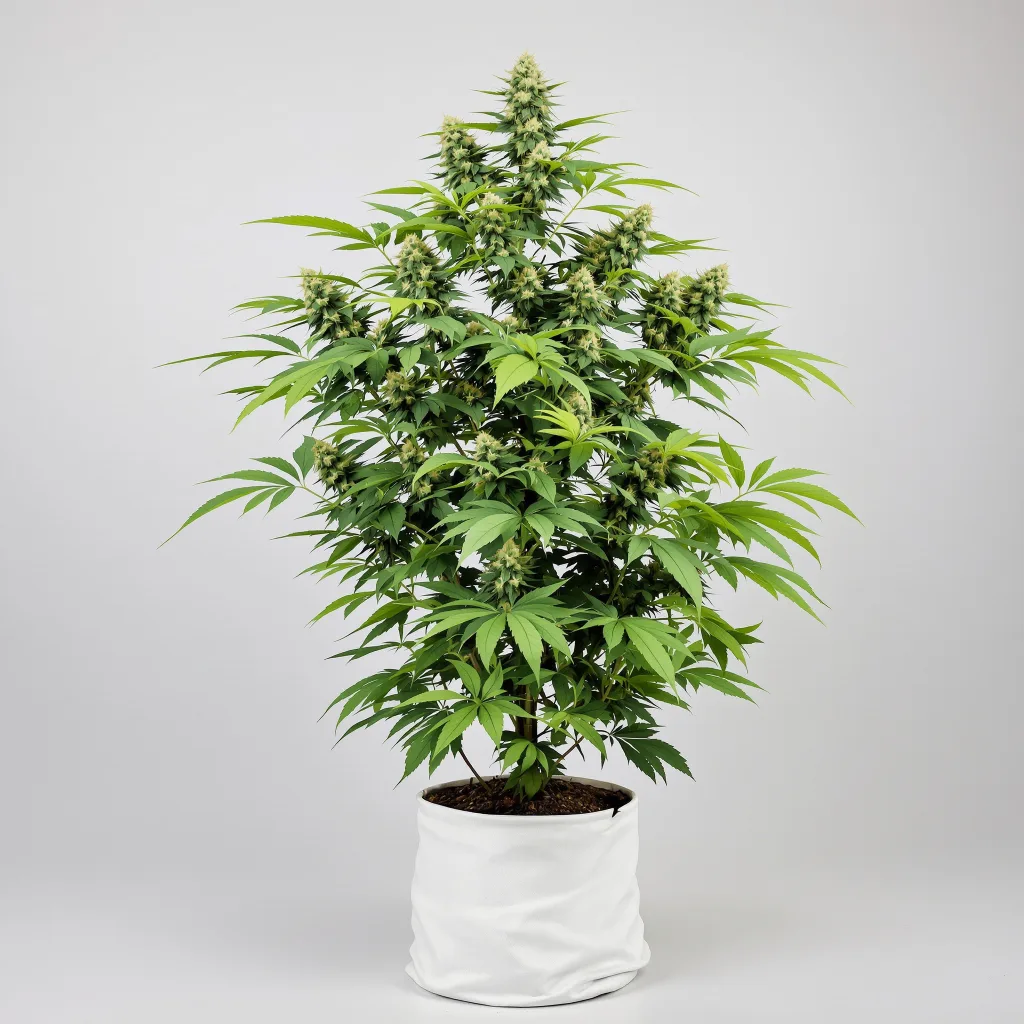
hybrid
Heavy Duty Fruity Feminized
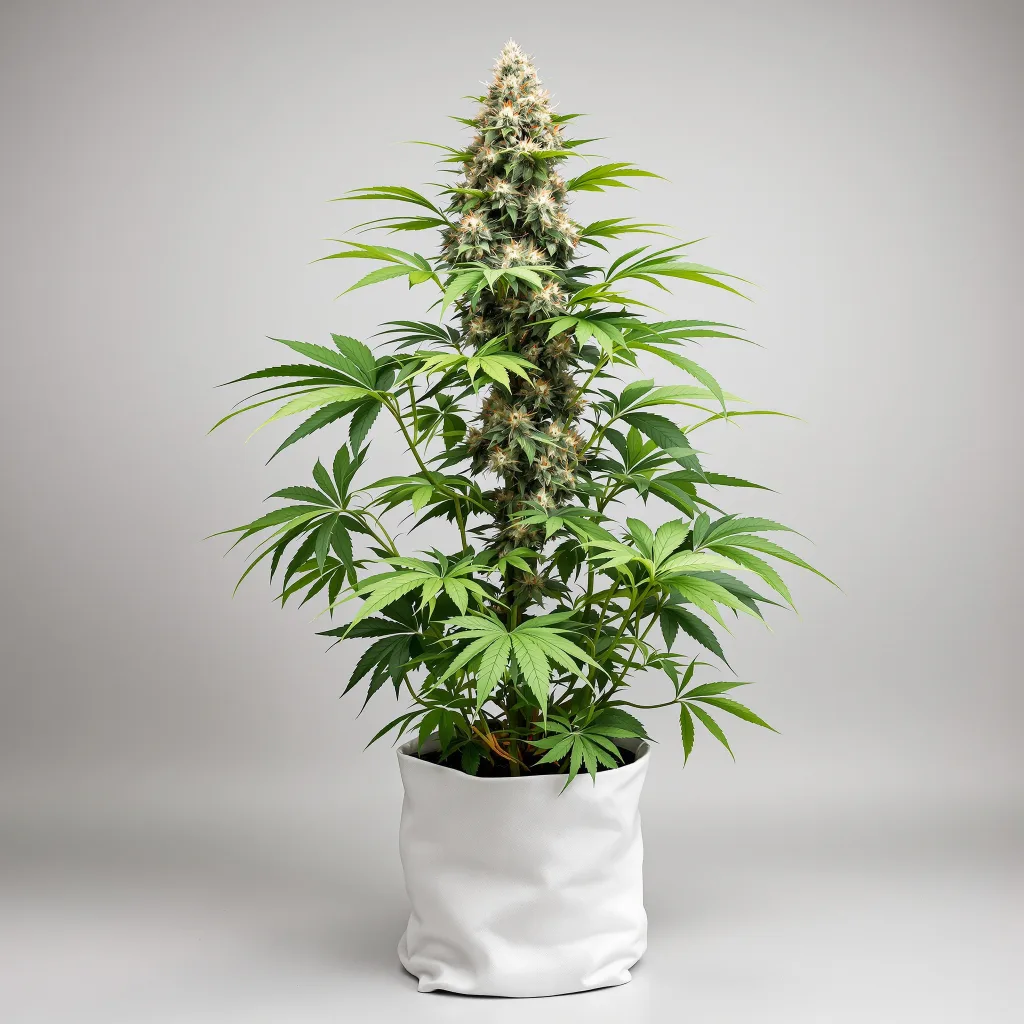
indica
FPOG Auto
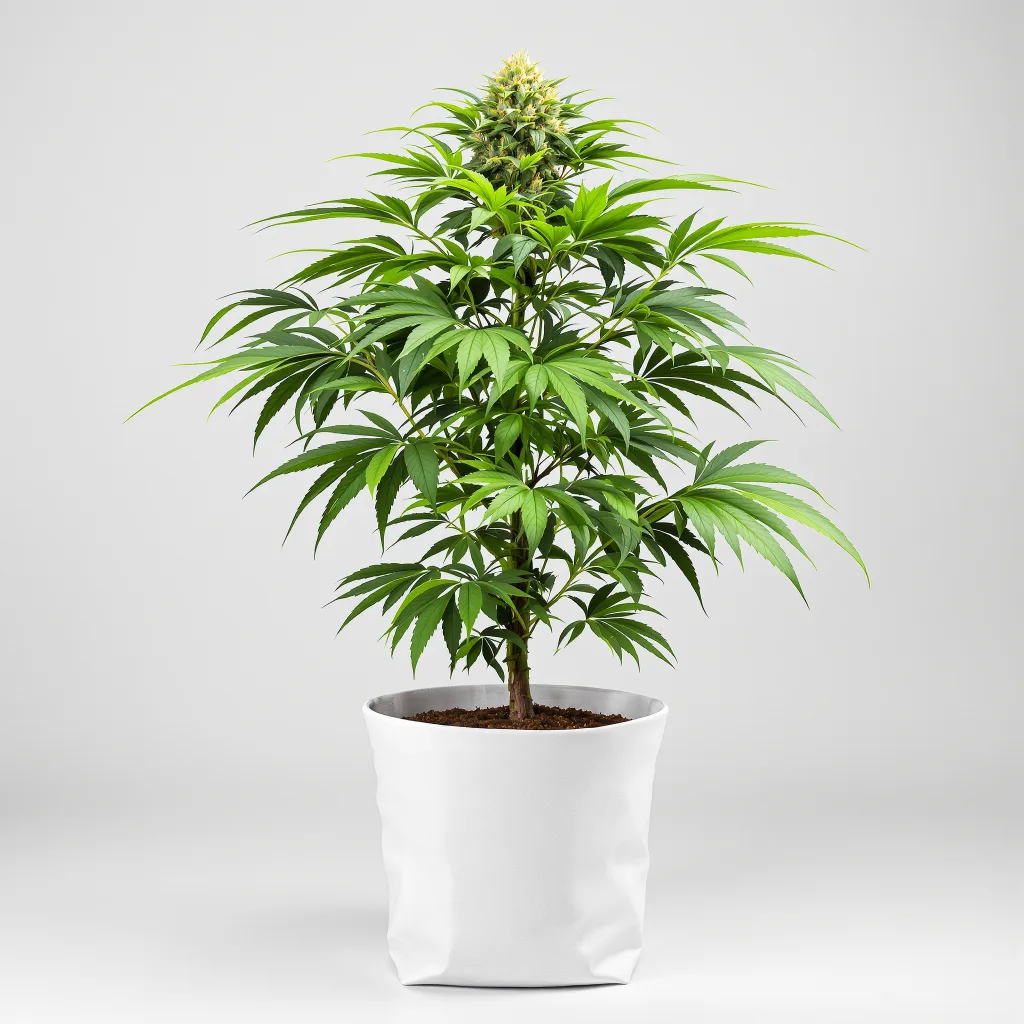
indica
Fruit Auto
indica
Jager Auto
Browse the full Medical CBD Strains collection
Premium genetics, shipped from within the US.
Related Articles
How to Create Biodiverse Soil Ecosystems for Medical
support-mediumThe Role of Worm Castings in Soil Fertility.
support-mediumUnderstanding and Tackling Hot Soil Issues
support-mediumOptimal Soil Composition for Medical Cannabis Growth.
support-mediumHow to Manage Salt Buildup in Soil for Cannabis.
support-mediumSoil vs. Soilless Growing Mediums for Cannabis.
Ready to Start Growing?
Shop feminized, autoflower, and CBD strains with 95% germination and free delivery on eligible orders of $150 or more.
Shop Cannabis Seeds