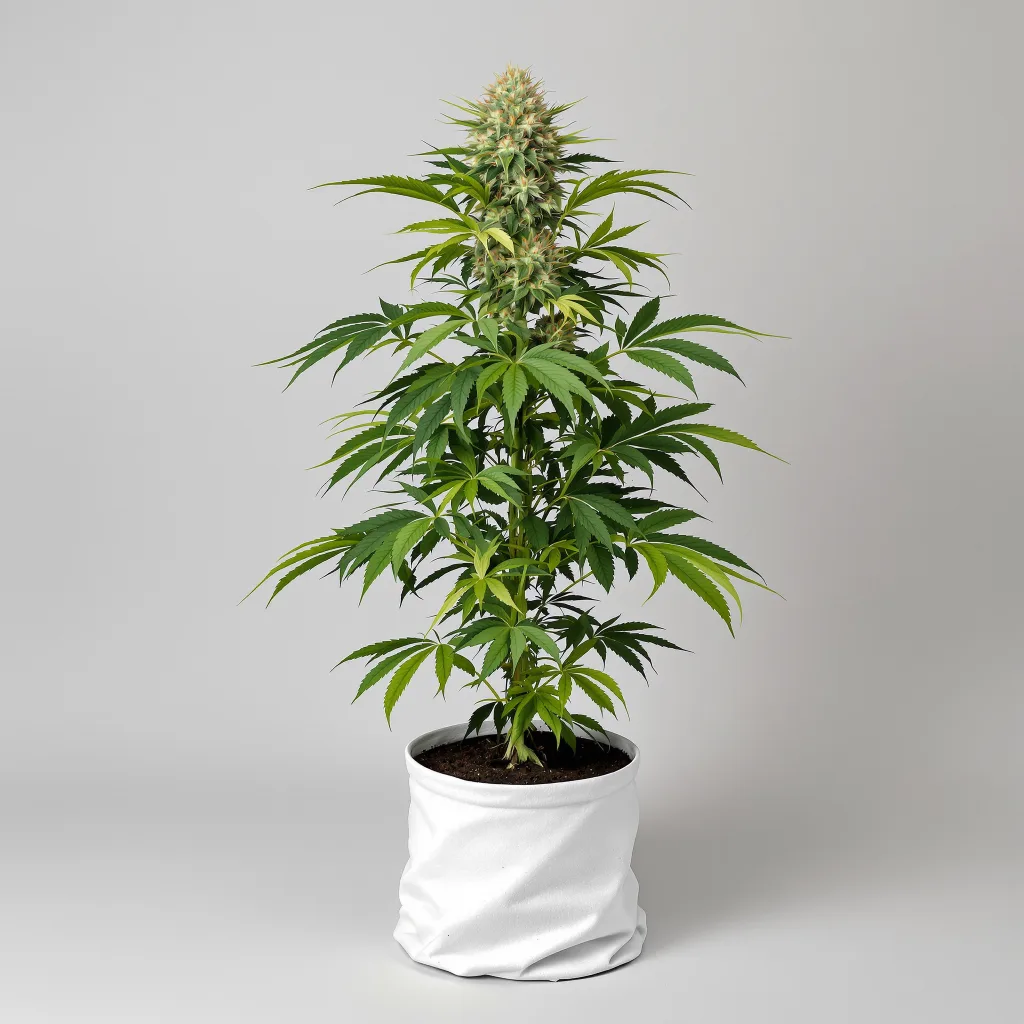
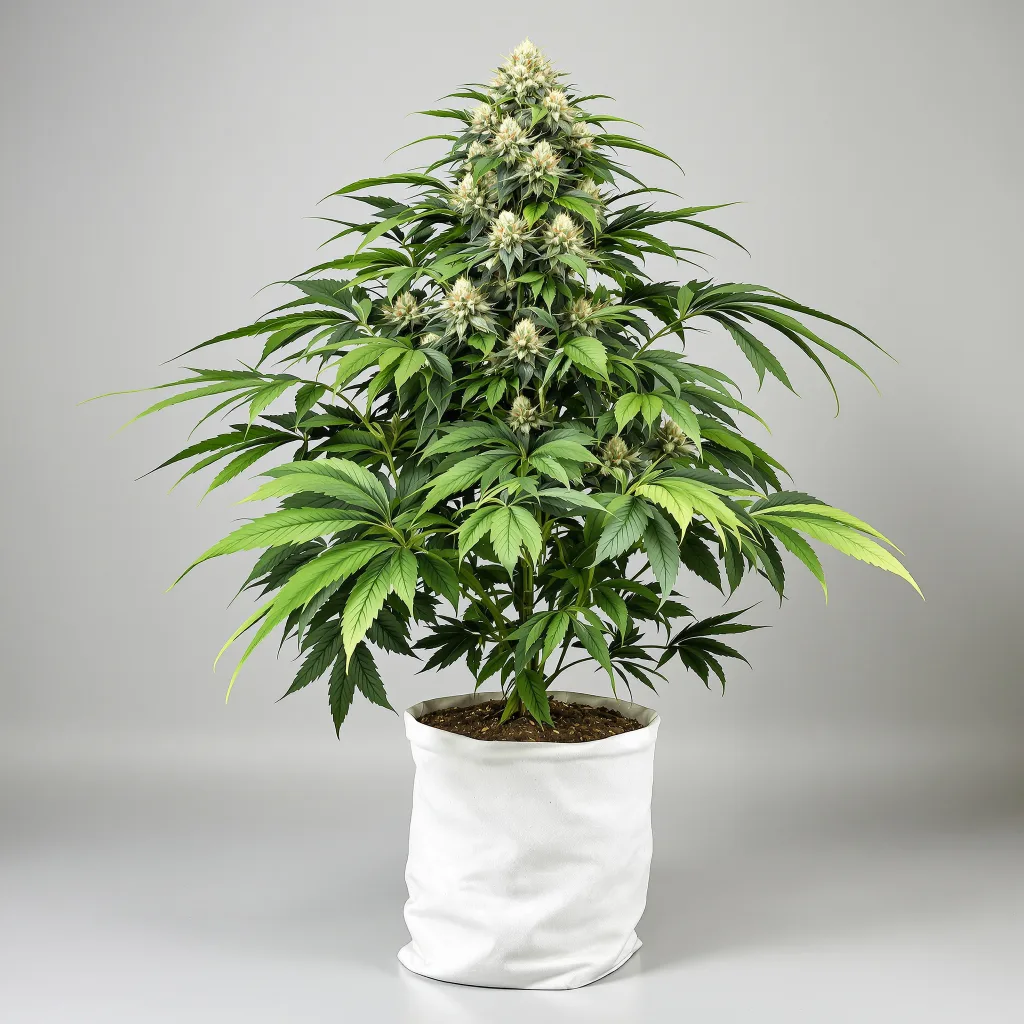
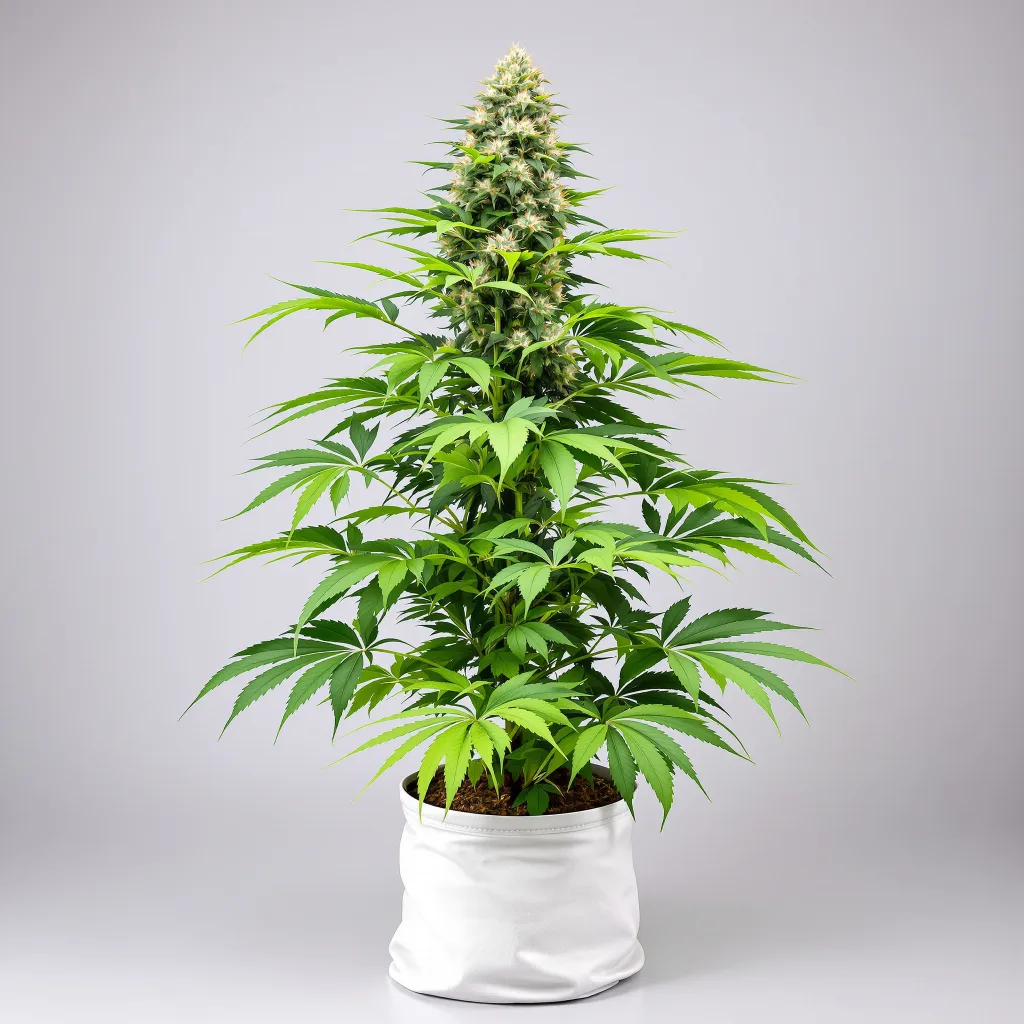
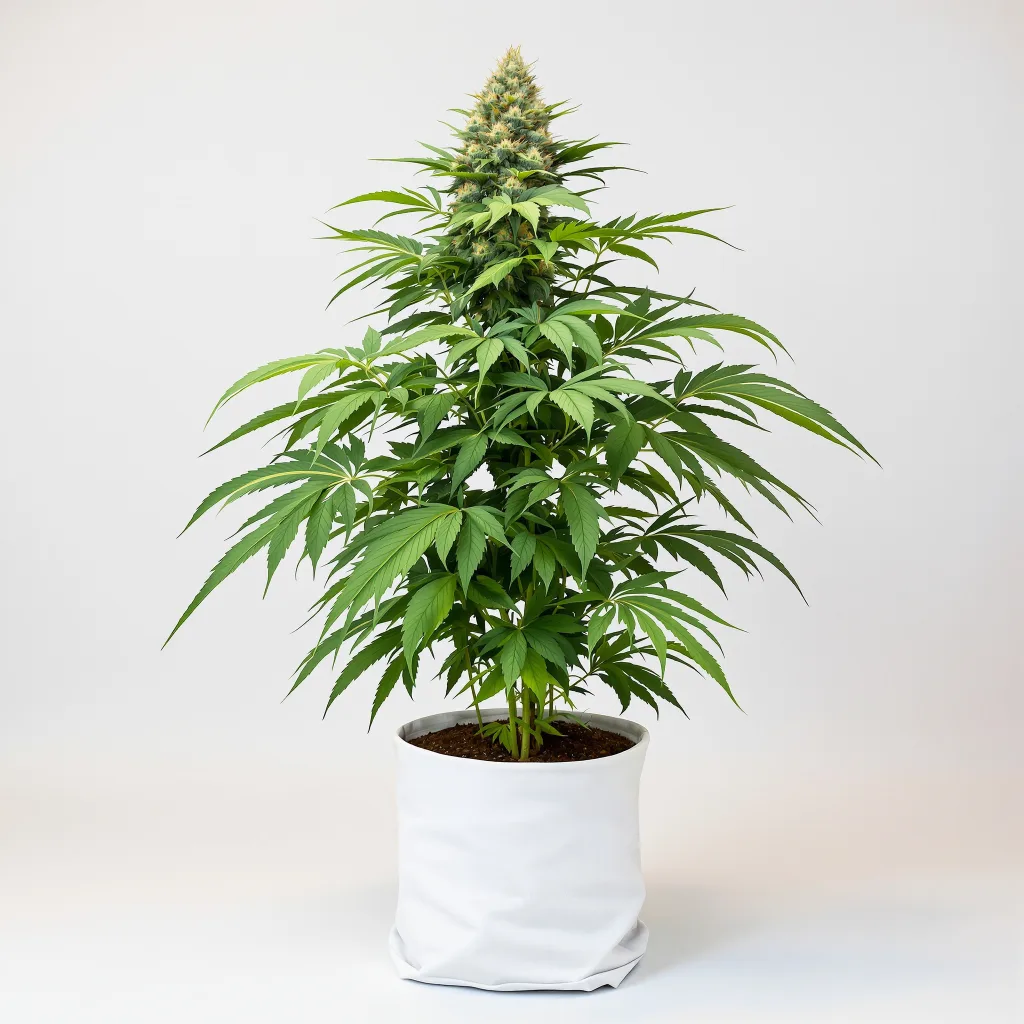
Medical Cannabis Strain Analysis: Hashbar OG
-
Hashbar OG Cannabis SeedsFrom: $24.99
Introduction
Hashbar OG is a highly regarded medical cannabis strain known for its potent effects and unique characteristics. A multitude of medicinal benefits are provided by this strain’s rich chemical profile, which has made it popular among medical cannabis users. In this detailed analysis, we will explore the origins of Hashbar OG, its chemical composition, medical benefits, and optimal growing conditions. The focus will remain on its medical applications, excluding any recreational use and consumption methods.
Origins of Hashbar OG
Hashbar OG is a hybrid strain with a lineage that combines genetics from some of the most renowned cannabis strains. It is a cross between Hash Plant and Face Off OG, both of which are known for their potent effects and strong indica dominance.
Hash Plant: Hash Plant is an indica-dominant strain that has been a favorite among cannabis breeders and users alike. Its origins trace back to the 1980s, where it was developed by the legendary cannabis breeder Neville Schoenmaker. The strain was initially bred in the Netherlands by Sensi Seeds, combining genetics from Northern Lights and a strain from the famed Hash Plant line of Afghan origins. Hash Plant is known for its resin production, making it ideal for hash-making, and its strong sedative effects, which are valuable for medical applications.

Face Off OG: Face Off OG is another indica-dominant strain that contributes to the potency of Hashbar OG. Face Off OG’s origins are somewhat mysterious, but it is believed to have been developed in the late 1990s in Southern California. The strain is named after the movie “Face/Off” due to its powerful, knockout effects. Face Off OG is a phenotype of OG Kush, known for its intense euphoria and body relaxation, making it suitable for treating conditions like chronic pain and insomnia.

The combination of these two potent indica strains resulted in Hashbar OG, which carries forward the strong sedative effects and resin production capabilities of its parent strains. The strain is typically indica-dominant, with a high level of THC, making it particularly effective for medical use.
Chemical Profile of Hashbar OG
The chemical profile of Hashbar OG is one of the key reasons for its effectiveness in treating various medical conditions. The strain is rich in cannabinoids, particularly THC, which is the primary psychoactive compound in cannabis. However, it also contains other cannabinoids and terpenes that contribute to its therapeutic effects.
Cannabinoids
- THC (Tetrahydrocannabinol): Hashbar OG typically has a high THC content, ranging from 18% to 24%. Though its effects on the mind are well-known, THC offers important medical benefits as well. It can help alleviate pain, reduce inflammation, and induce relaxation. The high THC content in Hashbar OG makes it particularly effective for conditions that require strong pain relief, such as chronic pain, arthritis, and neuropathy.
- CBD (Cannabidiol): While Hashbar OG is primarily a THC-dominant strain, it may contain trace amounts of CBD. CBD is a non-psychoactive cannabinoid that is known for its anti-inflammatory, anti-anxiety, and anti-seizure properties. The presence of CBD can modulate the effects of THC, reducing the likelihood of anxiety or paranoia, which can be beneficial for medical users.
- CBN (Cannabinol): CBN is a cannabinoid that is often found in aged cannabis. It is well-known for its calming qualities and has modest psychedelic effects as well. Hashbar OG may contain small amounts of CBN, which can enhance its effectiveness in treating insomnia and other sleep disorders.
- CBG (Cannabigerol): CBG is a precursor cannabinoid that is present in smaller quantities in Hashbar OG. It possesses anti-inflammatory and neuroprotective qualities, among other possible medicinal advantages. While CBG is not the dominant cannabinoid in this strain, its presence can contribute to the overall medicinal effects.
Terpenes
Terpenes are fragrant substances present in cannabis that enhance its flavor, aroma, and medicinal qualities. Hashbar OG has a diverse terpene profile that enhances its medicinal properties.
- Myrcene: Myrcene is the most abundant terpene in Hashbar OG. It is known for its earthy, musky aroma with hints of fruit. Myrcene is believed to have sedative effects, which can enhance the strain’s ability to induce relaxation and sleep. It also has anti-inflammatory and analgesic properties, making it beneficial for pain relief.
- Limonene: Limonene is a citrus-scented terpene that is found in moderate amounts in Hashbar OG. It is well renowned for its ability to elevate mood and reduce anxiety. Limonene can help reduce stress and elevate mood, making it useful for patients dealing with anxiety or depression.
- Caryophyllene: Caryophyllene is a spicy, peppery terpene that is also present in Hashbar OG. It has anti-inflammatory and analgesic properties, which can complement the pain-relieving effects of the strain. Caryophyllene is unique because it can interact with the CB2 receptors in the endocannabinoid system, providing additional therapeutic benefits.
- Linalool: The floral-scented terpene linalool is well-known for its relaxing and anxiety-relieving properties. While not as dominant as myrcene or limonene, linalool contributes to the overall calming effect of Hashbar OG, making it suitable for treating stress and anxiety.
- Humulene: Humulene is a terpene with an earthy, woody aroma. It has anti-inflammatory properties and can also act as an appetite suppressant. In Hashbar OG, humulene can help patients who need to manage inflammation without increasing appetite.
Medical Benefits of Hashbar OG

The combination of cannabinoids and terpenes in Hashbar OG makes it a versatile strain for treating a variety of medical conditions. Some of the main health advantages of this strain are listed below.
1. Pain Relief
Hashbar OG is highly effective in providing relief from chronic pain. The high THC content, combined with the presence of analgesic terpenes like myrcene and caryophyllene, makes this strain a powerful option for patients suffering from conditions such as arthritis, fibromyalgia, and neuropathic pain. THC interacts with the body’s endocannabinoid system to reduce the perception of pain, while the terpenes enhance this effect by providing additional anti-inflammatory and analgesic benefits.
2. Insomnia and Sleep Disorders
The sedative properties of Hashbar OG make it an excellent choice for patients dealing with insomnia and other sleep disorders. Myrcene, in particular, is known for its ability to induce sleep, while the high THC content helps relax the body and mind. This strain can be quite helpful for patients who have trouble getting or staying asleep since it encourages deep, peaceful sleep without the grogginess that comes with other prescription sleep aids.
3. Anxiety and Stress
Hashbar OG’s terpene profile, particularly the presence of limonene and linalool, makes it effective in reducing anxiety and stress. These terpenes work together to elevate mood and induce a sense of calm, making it easier for patients to manage anxiety-related symptoms. The strain’s capacity to calm the mind and body can be especially helpful for people who suffer from physical signs of worry, such as headaches or tense muscles.
4. Inflammation
The anti-inflammatory properties of Hashbar OG make it suitable for treating conditions associated with inflammation, such as arthritis, inflammatory bowel disease (IBD), and autoimmune disorders. The combination of THC, CBD, and anti-inflammatory terpenes like caryophyllene and humulene helps reduce inflammation at the source, providing relief from pain and discomfort associated with these conditions.
5. Appetite Stimulation
While humulene in Hashbar OG may have appetite-suppressant effects, the overall profile of the strain is likely to stimulate appetite due to its high THC content. Because it’s important to maintain a healthy appetite, Hashbar OG is especially helpful for individuals with diseases like cancer, HIV/AIDS, or eating disorders. The strain can help reduce nausea and increase the desire to eat, making it easier for patients to maintain proper nutrition.
6. Muscle Spasms and Cramps
Patients who suffer from muscle spasms, cramps, or spasticity conditions like multiple sclerosis (MS) may find relief with Hashbar OG. The strain’s muscle-relaxing properties, combined with its analgesic effects, can help reduce the severity and frequency of spasms. THC interacts with the body’s endocannabinoid system to relax muscles, while the terpenes contribute to overall muscle relaxation and pain relief.
7. Depression
Hashbar OG can also be helpful for patients dealing with depression. The presence of limonene, which has mood-enhancing effects, combined with the relaxing and euphoric effects of THC, can help lift the spirits of those struggling with depressive symptoms. The strain provides a sense of mental clarity and emotional balance, which can be particularly beneficial for those who experience anxiety alongside depression.
Restrictions on Using Hashbar OG as a Last Resort
- Clinical Justification: Hashbar OG should only be prescribed when other standard treatments have failed or are deemed inappropriate. Physicians must document the reasoning for its use, demonstrating that alternative therapies have been exhausted.
- Patient Evaluation: Thorough patient evaluation, including medical history, current medications, and potential risk factors for THC sensitivity, is essential before prescribing Hashbar OG. This includes assessing for mental health conditions that could be exacerbated by THC.
- Dosing Protocols: Due to its high THC content, Hashbar OG must be prescribed with strict dosing protocols to minimize the risk of adverse effects. Gradually increase the dosage from the lowest working dose.
- Informed Consent: Patients should be fully informed about the potential psychoactive effects of Hashbar OG, including the risks of cognitive impairment, anxiety, or paranoia. Informed consent must be obtained, and patients should understand the rationale behind using this strain as a last resort.
Monitoring THC Levels in Medications
- THC Level Control: For formulations derived from Hashbar OG, it is critical to monitor and control THC levels to prevent excessive psychoactive effects. This can be achieved by using standardized extracts where the THC content is precisely measured and adjusted according to medical guidelines.
- CBD Buffering: Consider using a formulation that includes CBD, which can modulate the psychoactive effects of THC. CBD can help reduce anxiety and paranoia, making the medication more tolerable for patients.
- Regular Monitoring: Patients should undergo regular monitoring for THC-related side effects, especially if using Hashbar OG over an extended period. This includes assessing cognitive function, mood, and overall mental health.
- Patient Education: Educate patients on the importance of adhering to prescribed doses and avoiding any activities that require full cognitive function, such as driving, while under the influence of THC-based medications.
Growing Conditions for Hashbar OG
Growing Hashbar OG requires attention to detail and an understanding of its specific needs to achieve optimal results. Below, we will explore the ideal growing conditions for this strain, including climate, soil, watering, and pest management.
Climate and Environment
Hashbar OG thrives in a controlled environment where temperature and humidity can be carefully managed. This strain is best suited for indoor growing, where conditions can be optimized to produce dense, resinous buds. If the weather is right, it can also be cultivated outside.
Indoor Growing: For indoor cultivation, Hashbar OG requires a stable temperature range of 70-80°F (21-27°C) during the day and slightly cooler temperatures at night. The humidity level should be kept between 40-50% during the vegetative stage and reduced to 30-40% during the flowering stage to prevent mold and mildew.
Outdoor Growing: If grown outdoors, Hashbar OG prefers a warm, Mediterranean-like climate with plenty of sunlight. Selecting a spot that gets plenty of direct sunshine all day long is crucial. Depending on the local environment, the strain is usually ready for harvest in late September or early October.
Soil and Nutrients
Hashbar OG performs well in a well-draining, nutrient-rich soil. Organic soil is often preferred by growers, as it provides the necessary nutrients without the need for synthetic fertilizers. Maintaining the pH level of the soil between 6.0 and 7.0 is necessary to provide the best possible absorption of nutrients.
Nutrients: Hashbar OG needs more nitrogen throughout the vegetative stage in order to maintain good growth. In order to encourage bud development as the plant enters the flowering stage, the nutritional regimen should change to include increased levels of phosphorus and potassium. Overfertilization should be avoided as this might cause nutrient burn and lower the harvest’s overall quality.
Watering
Proper watering is crucial for the successful cultivation of Hashbar OG. In order to prevent root rot, the strain prefers regular, moderate watering, with a little period of time between waterings when the soil dries up. It’s critical to keep a constant eye on the moisture levels of the soil because overwatering can cause problems like mold, mildew, and nutrient lockup.
Water Quality: The quality of the water used is also important. Hashbar OG benefits from water that is free of contaminants and has a pH level of 6.0-6.5. Using filtered or reverse osmosis water can help maintain the correct pH and prevent the buildup of harmful minerals.
Lighting
Hashbar OG requires adequate lighting to produce dense, resinous buds. It is advised that indoor growers use full-spectrum LED lights or high-intensity discharge (HID) lamps. Throughout the vegetative stage, the lighting plan should be 18 hours of light and 6 hours of darkness; during the flowering stage, the schedule should change to 12 hours of light and 12 hours of darkness.
Light Intensity: Depending on the plant’s stage of growth, the light’s intensity should be changed. During the vegetative stage, the plants can tolerate higher light intensity, while during the flowering stage, it is important to avoid light stress, which can lead to reduced yields and lower bud quality.
Pruning and Training
To maximize the yield and quality of Hashbar OG, pruning and training techniques can be employed. These methods aid in increasing airflow and light penetration, both of which are essential for avoiding mold and mildew and encouraging the growth of healthy buds.
Topping: In order to promote the development of numerous colas (bud sites), topping entails chopping off the top of the plant while it is still in the vegetative stage. Higher yields and a more uniform canopy may result from this.
Low-Stress Training (LST): To provide the branches a more horizontal growth pattern, LST entails gently bending and tying them down. This allows more light to reach the lower parts of the plant, promoting the growth of additional bud sites.
Defoliation: Removing excess fan leaves can also help improve light penetration and air circulation. This technique should be done carefully to avoid stressing the plant and should be focused on the lower and inner parts of the plant.
Pest and Disease Management
Hashbar OG, like many cannabis strains, is susceptible to pests and diseases. To guarantee a good and healthy crop, it is imperative to use appropriate pest and disease control measures.
Pests: Common pests that can affect Hashbar OG include spider mites, aphids, and whiteflies. Pest populations can be kept in check with regular plant monitoring and the application of natural pest control techniques like neem oil or beneficial insects.
Diseases: Mold and mildew are the most common diseases that can affect Hashbar OG, especially in high-humidity environments. These problems can be avoided by preserving adequate air circulation, lowering humidity levels, and avoiding overwatering.
Preventative Measures: In addition to monitoring and controlling pests and diseases, preventative measures such as using sterile tools, practicing good hygiene, and quarantining new plants can help reduce the risk of contamination and infestation.
Conclusion
Hashbar OG stands out as a potent medical cannabis strain, particularly valued for its high THC content and diverse terpene profile, which collectively offer significant therapeutic benefits. From chronic pain relief to managing insomnia, anxiety, and inflammation, Hashbar OG proves to be an effective option for patients in need of strong, reliable relief. However, due to its high THC levels, its use in the medical field requires careful consideration and stringent controls.
When used as a last resort, medical practitioners must ensure that Hashbar OG is prescribed only after other treatments have failed and that patients are thoroughly evaluated for potential risks. Monitoring and controlling THC levels in medications derived from this strain are crucial to prevent unwanted psychoactive effects, ensuring patient safety and comfort.
In terms of cultivation, Hashbar OG requires a controlled environment with specific attention to temperature, humidity, lighting, and nutrient management to achieve optimal yields and potency. Whether grown indoors or outdoors, understanding the strain’s growing needs and challenges is essential for producing high-quality medical cannabis.
Overall, Hashbar OG is a valuable addition to the medical cannabis landscape, offering powerful relief for a range of conditions while necessitating careful application and monitoring in clinical settings. Its effectiveness, when managed correctly, makes it a promising option for patients requiring significant therapeutic intervention.