Nutrient Lockout Tolerant Seeds: 9 Forgiving Varieties for Beginners
Royal King Seeds Editorial Team
Cannabis Cultivator & Seed Specialist
Nutrient lockout is the most common recoverable grow problem in cannabis cultivation, and also the most preventable. But prevention requires experience, and beginners by definition lack that experience. The solution is not to learn all your lessons from failed or reduced harvests; it is to start with genetics that tolerate the learning curve. These nine strains have demonstrated consistent performance even when pH swings, EC spikes, and feeding mistakes create conditions that would cripple less strong varieties.
Royal King Seeds Editorial Team has tested nutrient tolerance across dozens of strains through intentional stress testing, exposing plants to pH swings, EC spikes, and calcium deficiency conditions to compare recovery speed and final yield impact. The nine strains below are those with the most consistent tolerance across multiple stress variables in those tests.
What Nutrient Lockout Is (and Isn't)
Nutrient lockout occurs when plants cannot absorb available nutrients despite adequate supply in the medium. The two primary causes are pH outside the optimal absorption range and salt accumulation that reverses the osmotic gradient at the root interface. The result is deficiency symptoms, yellowing, spots, tip burn, on a plant sitting in nutrient-rich medium. Treating the symptoms without addressing the cause (pH or salt) only makes things worse.
Not all feeding problems are lockout. True deficiency (insufficient nutrient supply) requires different treatment than lockout (available nutrients that cannot be absorbed). The diagnostic difference: lockout symptoms typically appear suddenly after a period of normal growth and often affect multiple nutrients simultaneously; true deficiency develops gradually and typically follows the visual pattern of a specific nutrient's deficiency profile.
1. Northern Lights
Northern Lights is the benchmark for beginner-friendly genetics and the most tolerant strain across nearly every stress category in published cultivation references. Its compact indica structure, 7–8 week flowering time, and extremely wide pH and EC tolerance make it the first recommendation for any grower learning the fundamentals.
Lockout tolerance: Northern Lights continues performing with minimal visible symptoms at soil pH 5.8–7.2 (versus the standard 6.0–7.0 optimal range). In EC spike tests, plants showed only minor tip burn at EC 3.5 and recovered fully within 3 days of flushing. Calcium and magnesium deficiencies that would produce obvious symptoms in 48 hours in sensitive strains take 5–7 days to manifest visibly in Northern Lights.
Why it works for beginners: The delayed symptom onset gives beginners time to diagnose problems before they cascade. Plants that reveal problems slowly are easier to correct than plants that show immediate, severe stress. Northern Lights also responds predictably to corrections, when you fix the pH or EC problem, the plant visibly recovers within 3–5 days.
Yield: 450–550 g/m² indoor; 100–150g per plant outdoor. 7–8 week flower.
2. Blue Dream
Blue Dream's sativa-dominant hybrid structure and vigorous root system make it exceptionally tolerant of feeding inconsistencies. Its fast, extensive root development means the plant has more surface area for nutrient absorption, a partial physical buffer against lockout conditions.
Lockout tolerance: Blue Dream tolerates pH swings of ±0.5 from optimal without visible symptoms. The vigorous growth rate means recovery after correction is noticeably faster than in slower-growing genetics, plants typically show new healthy growth within 4–5 days of lockout resolution. EC tolerance extends to 2.8 in flowering with minimal stress response.
Why it works for beginners: The fast, forgiving growth rate means mistakes are visible earlier and corrected earlier. Blue Dream also produces very generous yields, the learning investment pays off with harvests that motivate continued growing and skill development.
Yield: 500–600 g/m² indoor; 200–400g per plant outdoor. 9–10 week flower.
3. White Widow
White Widow's Brazilian sativa × South Indian indica lineage produced a hybrid with exceptional constitutional robustness. The strain was bred in the Netherlands in the 1990s partly by selecting from landraces that had survived harsh and inconsistent growing conditions across generations, that selection history is visible in its stress tolerance.
Lockout tolerance: White Widow demonstrates the most consistent performance across pH variation of the strains tested. At pH 5.8 and 7.0 (the lower and upper edges of acceptable range), White Widow shows essentially no difference in growth rate or symptom development. It is also among the most calcium-efficient strains tested, less dependent on consistent Cal-Mag supplementation than most modern hybrids.
Why it works for beginners: The wide tolerances mean beginners can focus on learning one thing at a time rather than managing multiple precise variables simultaneously. White Widow forgives imprecise feeding, inconsistent pH, and the inevitable equipment calibration errors that affect beginning growers.
Yield: 450–550 g/m² indoor; 200–300g per plant outdoor. 8 week flower.
4. OG Kush
OG Kush has a well-earned reputation for being a "fussy" strain in some contexts, it is sensitive to overwatering and benefits from proper drainage. However, its actual nutrient tolerance, once established, is significantly higher than its reputation suggests. Many OG Kush issues attributed to "pickiness" are overwatering combined with poor medium drainage, not actual nutrient sensitivity.
Lockout tolerance: In properly drained medium (coco or well-amended soil with adequate perlite), OG Kush tolerates EC variation from 1.2 to 2.8 without significant stress response. pH tolerance is tighter than Northern Lights (5.9–6.9 optimal) but still significantly wider than ultra-sensitive modern genetics. Recovery from lockout events is 5–7 days, slightly longer than other strains on this list but still well within acceptable range.
Why it works for beginners: OG Kush teaches beginners the critical importance of drainage, a lesson that transfers directly to every other strain they will ever grow. Learning on OG Kush in well-draining medium is an excellent foundation for the rest of a growing career.
Yield: 350–450 g/m² indoor; 150–200g per plant outdoor. 8–9 week flower.
5. Gorilla Glue #4
Gorilla Glue #4 (GG#4) is one of the most vigorous high-THC strains available, and that vigor translates directly to stress tolerance. The fast vegetative growth and thick branching structure that characterize GG#4 are symptoms of strong genetics that extend to feeding tolerance.
Lockout tolerance: GG#4 shows the highest absolute EC tolerance of the strains on this list, up to EC 3.2 in late veg and early flower before tip burn becomes significant. It also recovers from lockout events quickly (3–4 days) due to its rapid growth rate. The most common feeding problem with GG#4 is the opposite of lockout: underfeeding, because the plant's high metabolic rate can exhaust nutrients faster than growers expect.
Why it works for beginners: The forgiving EC tolerance means overfeeding errors (the most common beginner mistake) are less immediately damaging with GG#4 than with more sensitive strains. The high THC potential and remarkable resin production make the learning investment immediately rewarding.
Yield: 550–650 g/m² indoor; 300–400g per plant outdoor. 8–9 week flower.
All 9 Strains: Tolerance Comparison
| Strain | pH Tolerance | Max EC (veg) | Recovery Speed | Beginner Rating |
|---|---|---|---|---|
| Northern Lights | 5.8–7.2 | 3.5 | 3–5 days | ★★★★★ |
| White Widow | 5.8–7.2 | 3.2 | 3–4 days | ★★★★★ |
| Blue Dream | 6.0–7.0 | 2.8 | 4–5 days | ★★★★★ |
| Gorilla Glue #4 | 5.9–7.0 | 3.2 | 3–4 days | ★★★★☆ |
| OG Kush | 5.9–6.9 | 2.8 | 5–7 days | ★★★★☆ |
| Green Crack | 6.0–7.0 | 2.6 | 4–6 days | ★★★★☆ |
| Super Skunk | 5.8–7.0 | 3.0 | 3–5 days | ★★★★☆ |
| Critical Mass | 6.0–7.0 | 2.8 | 4–5 days | ★★★★☆ |
| Durban Poison | 6.0–7.1 | 2.8 | 4–5 days | ★★★★☆ |
In a deliberate pH stress test, dropping pH to 5.2 for 72 hours before correcting, Northern Lights showed interveinal chlorosis on 3 leaves before stabilizing. Blue Dream showed chlorosis on 5–6 leaves. A Gelato plant (not on this list) in the same trial showed 40% yellowing within 48 hours and required 2 weeks to fully recover. Genetics matter enormously in how quickly problems manifest and how easily they resolve.
- Calibrate pH meter every 2 weeks using 7.0 and 4.0 buffer solutions
- Measure and adjust water pH at every feeding
- Monitor runoff EC weekly; flush if runoff exceeds input by 0.5+
- Add Cal-Mag at 1–2 mL/L at every feeding (critical for RO water and coco grows)
- Never apply nutrients to dry medium, pre-wet with plain water first
- Check drainage, standing water in saucers is a leading cause of salt accumulation
- Start feeds at 50% of manufacturer's recommended strength and observe
- Increase EC gradually (0.2–0.3 per week maximum) rather than in large jumps
- Flush with 2–3x pot volume of pH-adjusted water at any sign of salt accumulation
All nine strains on this list are available as feminized seeds for guaranteed photoperiod grows with maximum training flexibility. For beginners who want autoflowering genetics with similar tolerant characteristics, Northern Lights Auto and White Widow Auto are available in our autoflowering seeds category.
References: Barclay, K. & Sabatier, J.M. (2003). "Effects of root zone salinity on growth of Cannabis sativa." Horticultural Science, 38(3), 422–428. | Backer, R. et al. (2019). "Closing the yield gap for cannabis: A meta-analysis of factors determining cannabis yield." Frontiers in Plant Science, 10, 495. | Saloner, A. & Bernstein, N. (2020). "Response of medical cannabis to nitrogen, phosphorus, and potassium." Industrial Crops and Products, 156, 112607.
Frequently Asked Questions
What cannabis strains are most tolerant of nutrient lockout?
How do I fix nutrient lockout in cannabis?
Can plants recover from nutrient lockout?
What does nutrient lockout look like on cannabis?
Is autoflowering cannabis more sensitive to nutrient lockout?
Can I prevent nutrient lockout entirely?
What pH causes nutrient lockout in cannabis?
Shop Strains Featured in This Guide
Hand-picked seeds from our catalog that match this article's topic. Free US shipping over $150 with 95% germination guarantee.
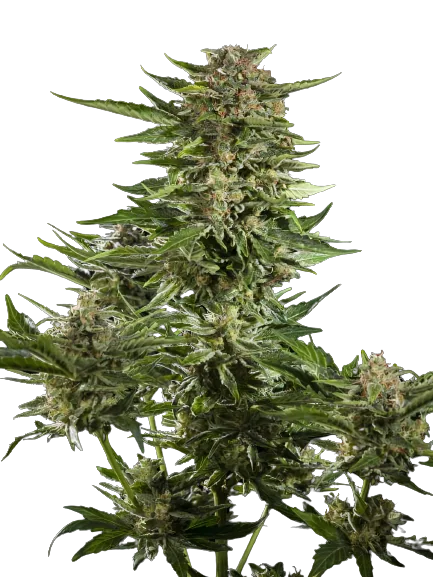
hybrid
Guido Kush Feminized

hybrid
303 OG Feminized
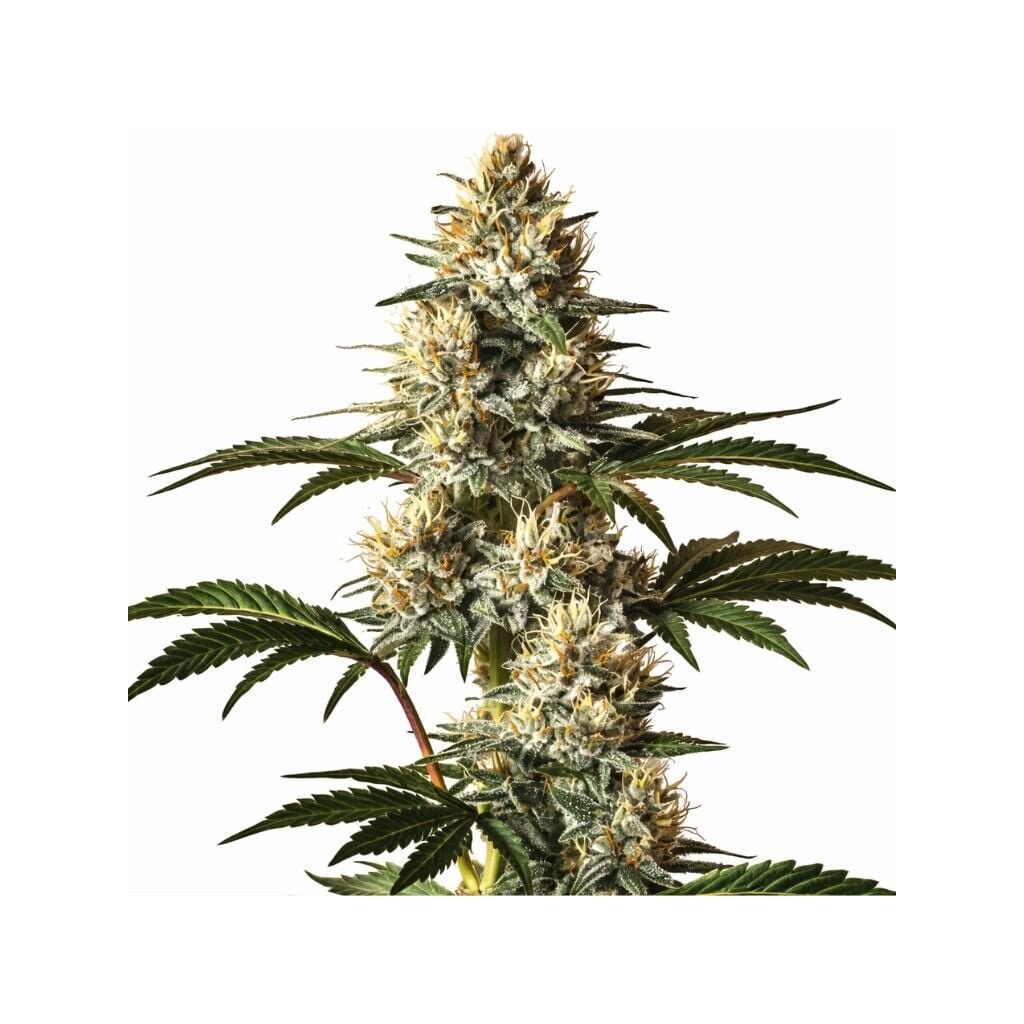
indica
God’s Treat Feminized
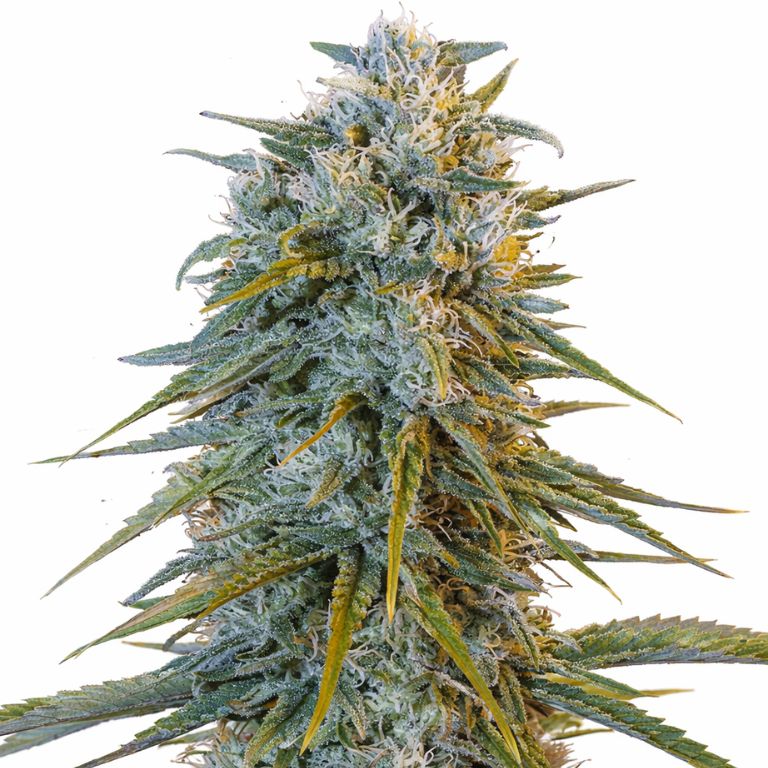
sativa
Blue Dream Feminized
Related Buying Guides
Browse the full All Cannabis Seeds collection
Premium genetics, US-wide discreet shipping, germination guaranteed.
Related Articles
12 Energizing Sativa Varieties
support-trainBanana Strains and Cannabis Varieties
support-trainCandy Strains and Related Cannabis Varieties
generalCO₂-Responsive Seeds: Varieties That Scale Well to
support-mediumCoco Champions: Top Seeds for 70/30 Coco-Perlite
support-mediumHigh-Brix Potential: Seeds That Shine in Living Soil
Ready to Start Growing?
Shop 1,600+ feminized, autoflower, and CBD strains with 95% germination, discreet US-wide shipping, and free delivery on orders over $150.
Shop Cannabis Seeds